The Court of Military Commission Review Finally Begins to Move on the Hamdan and Al-Bahlul Appeals
The CMCR has at last ruled on the recusal and en banc issues that have, along with some personnel shuffling, been delaying a ruling in a pair of exceedingly important military commission cases (Hamdan and al-Bahlul). Dwight Sullivan has the details, and links to the opinions here at CAAFLOG. Suffice to say that there were two recusals and that the remainder of the full CMCR will take these cases en banc.
I've posted
The CMCR has at last ruled on the recusal and en banc issues that have, along with some personnel shuffling, been delaying a ruling in a pair of exceedingly important military commission cases (Hamdan and al-Bahlul). Dwight Sullivan has the details, and links to the opinions here at CAAFLOG. Suffice to say that there were two recusals and that the remainder of the full CMCR will take these cases en banc.
I've posted repeatedly on why the CMCR needs to move with all possible speed on this front, and won't repeat those arguments here. Today's orders say nothing of whether there will be a new round of briefing or oral argument.
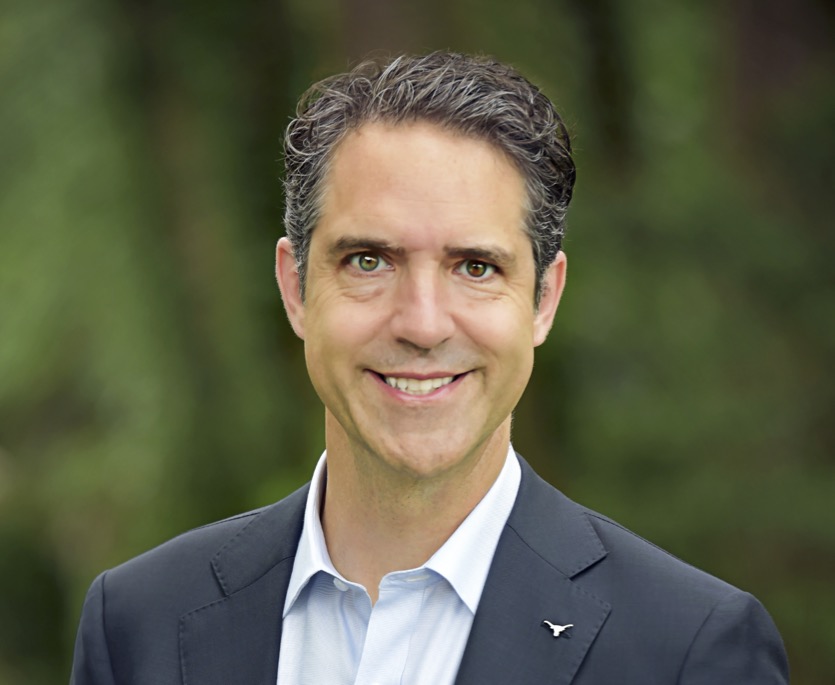
Robert (Bobby) Chesney is the Dean of the University of Texas School of Law, where he also holds the James A. Baker III Chair in the Rule of Law and World Affairs at UT. He is known internationally for his scholarship relating both to cybersecurity and national security. He is a co-founder of Lawfare, the nation’s leading online source for analysis of national security legal issues, and he co-hosts the popular show The National Security Law Podcast.
More Articles
-

Musk’s Minnesota Deepfake Fight Could Define AI’s First Amendment
The Eighth Circuit’s review of Minnesota’s strict-liability nudification law may settle what state of mind AI companies need for liability. -
Lawfare Live: Midterm 2026 Debrief, November 4
Join the Lawfare team at 1:30 P.M. ET for a debrief on the 2026 Midterm Elections. -
Where the Weight Lies: A Balancing Act for the Governance of Open-Weight AI Models
What would a ban on open weight models which run artificial intelligence systems actually look like? Could it even be implemented? What implications would it have for the concept of digital sovereignty?