The Legal Framework for Accession
What Does the Correspondents Dinner Have to Do With Trump’s Ballroom Project?
The case may test just how far national security deference by the courts to the executive can stretch.
Ukraine’s AI Gambit Shows Middle Powers How to Play a Weak Hand
Kyiv is turning battlefield data into strategic leverage. Other countries should take note.
AI Companies Can’t Regulate Themselves. They Should Regulate Each Other.
Adapting a long-standing institutional model from financial regulation would let the industry write binding safety rules under government oversight.
Racial Animus Claims May Play a Key Role in the TPS Cases
In the Temporary Protected Status cases at the High Court, reviewability is disputed. But the equal protection claims will likely survive.
Highlights
-
China’s Legal Warfare Against Taiwan
Allied contingency planning can’t wait. -
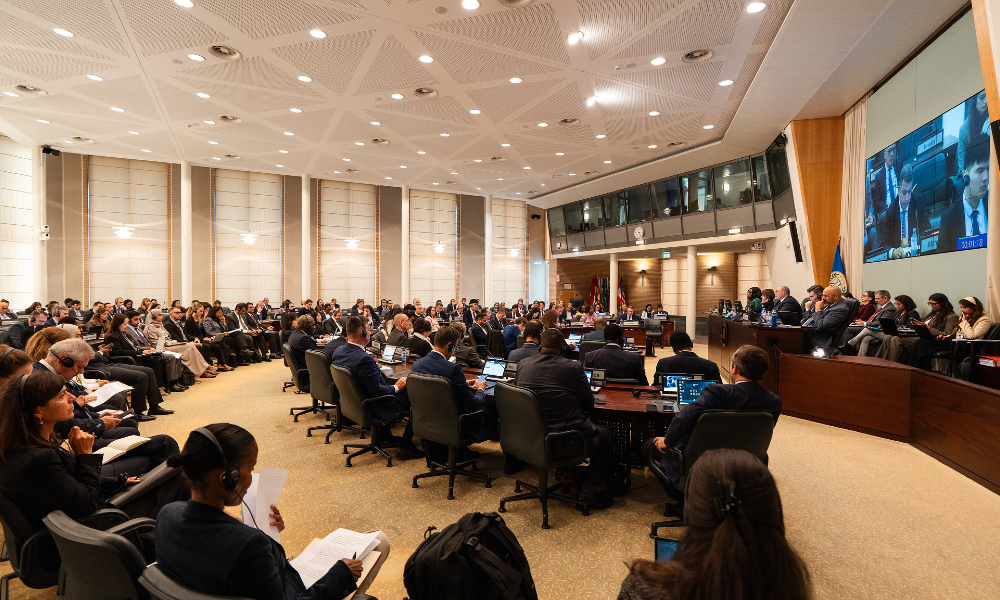
The Legal Framework for Accession
A guide to the treaties, acts of Congress, and legal precedents that define how new entities join the United States. -
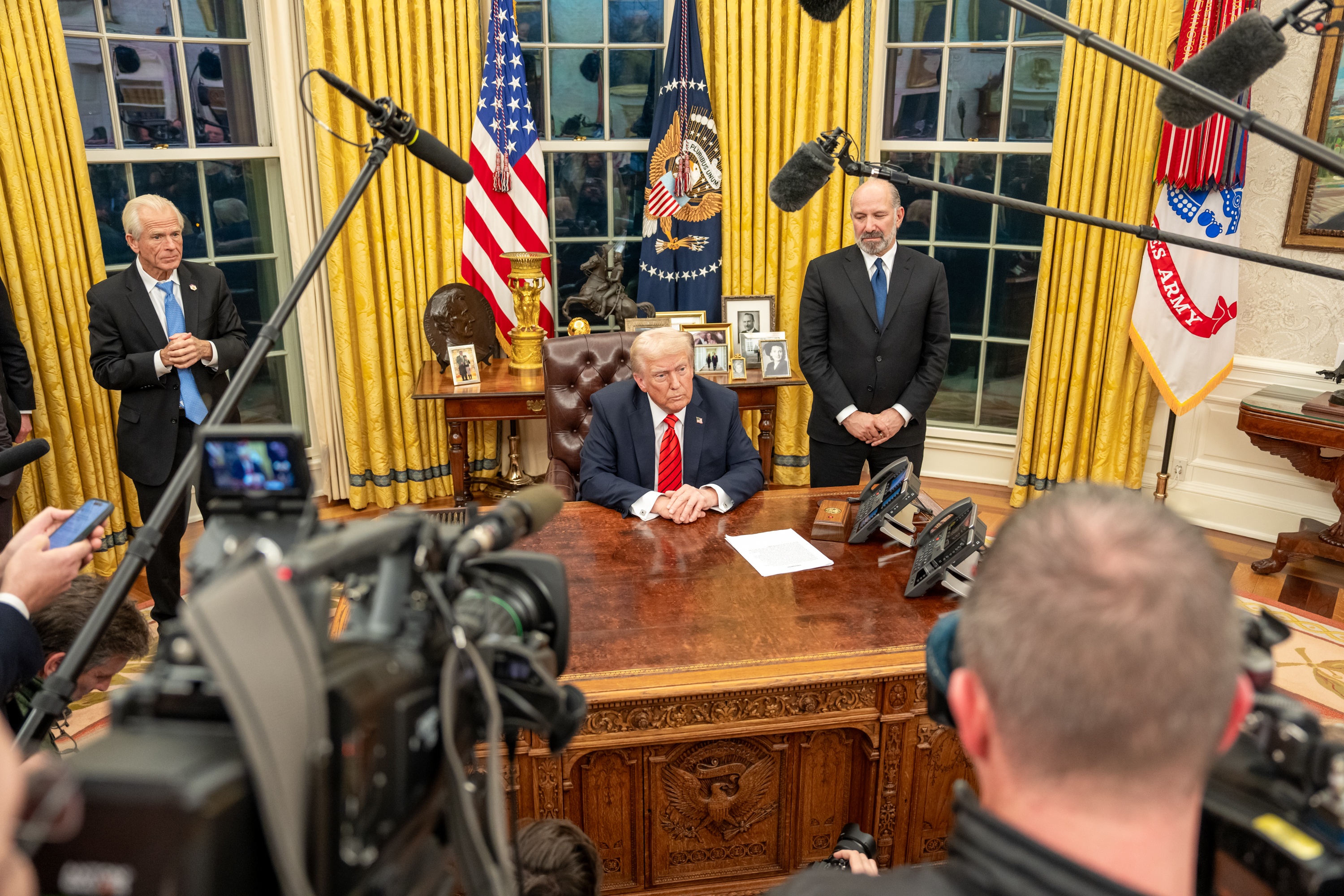
What Does the Correspondents Dinner Have to Do With Trump’s Ballroom Project?
The case may test just how far national security deference by the courts to the executive can stretch. -
Ukraine’s AI Gambit Shows Middle Powers How to Play a Weak Hand
Kyiv is turning battlefield data into strategic leverage. Other countries should take note. -
Lawfare No Bull: Supreme Court Hears Oral Arguments on the Constitutionality of Geofence Warrants
-
AI Companies Can’t Regulate Themselves. They Should Regulate Each Other.
Adapting a long-standing institutional model from financial regulation would let the industry write binding safety rules under government oversight. -
Racial Animus Claims May Play a Key Role in the TPS Cases
In the Temporary Protected Status cases at the High Court, reviewability is disputed. But the equal protection claims will likely survive. -
The Homeland Security Shutdown and the Power of the Purse
How the executive blunts congressional leverage. -
Oral Argument Preview: When Are Companies Liable for Aiding Human Rights Abuses?
A preview of arguments presented by petitioners, respondents, the U.S., and amici in Cisco Systems, Inc. v. Doe as the case heads to the Supreme Court. -
The Grand Conspiracy’s New Prosecutor May Be the Case’s Biggest Liability
Former Trump lawyer Joseph diGenova is one of the most vocal proponents of a conspiracy theory that he is now in charge of investigating. -
Trump’s New Tariffs Expand the Boundaries of Section 232
Changes to metals tariffs and new pharmaceutical tariffs for companies that haven’t struck deals with Trump push the legal limit. -
Reframing the Conversation on Climate Intervention and Security
Two new reports exemplify how focusing on SRM through an extreme security lens alone can undermine productive research and governance. -
The Counterterrorism Toolkit for Cutting the Cartels’ Arms Pipeline
Trump wants to wage war on the cartels. He can start by taking away their guns. -
The Week That Was
Your weekly summary of everything on the site. -
Oral Argument Preview: Chatrie v. United States
On Monday morning, the Supreme Court will take up a case on the constitutionality of geofence warrants.
Featured Podcast
Live Coverage
For real-time updates of Lawfare’s coverage of the Trump administration’s legal challenges, follow on Bluesky or below:
What's Old Is New Again
With every new administration comes new promises and new actions on national security. But what’s “new” has often been proposed or even tried before—which means there’s a good chance Lawfare has already analyzed some of the legal and policy implications they present. So we’re making that past content readily accessible as it becomes newly relevant.
-
The Situation: And What If He Meant It?
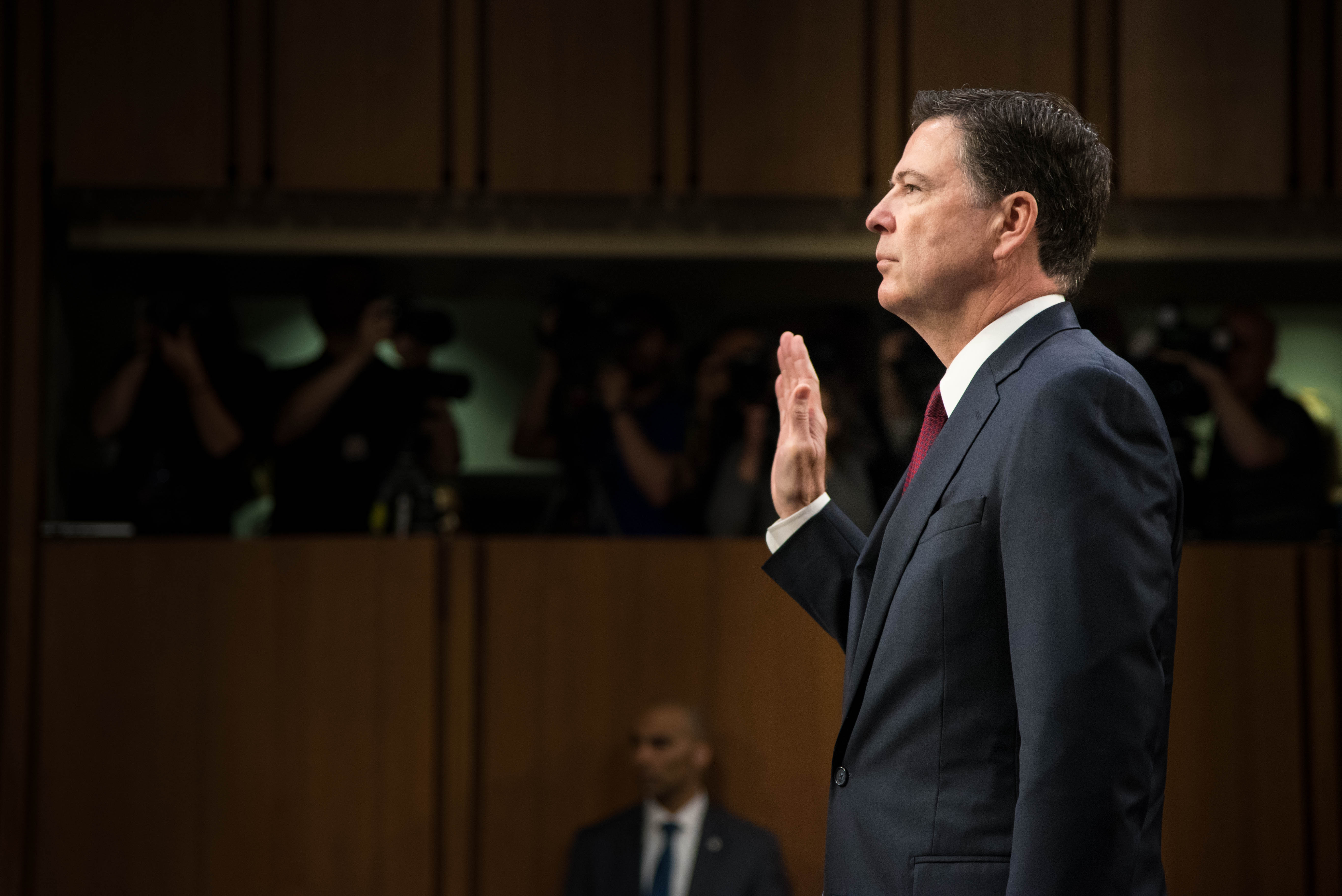
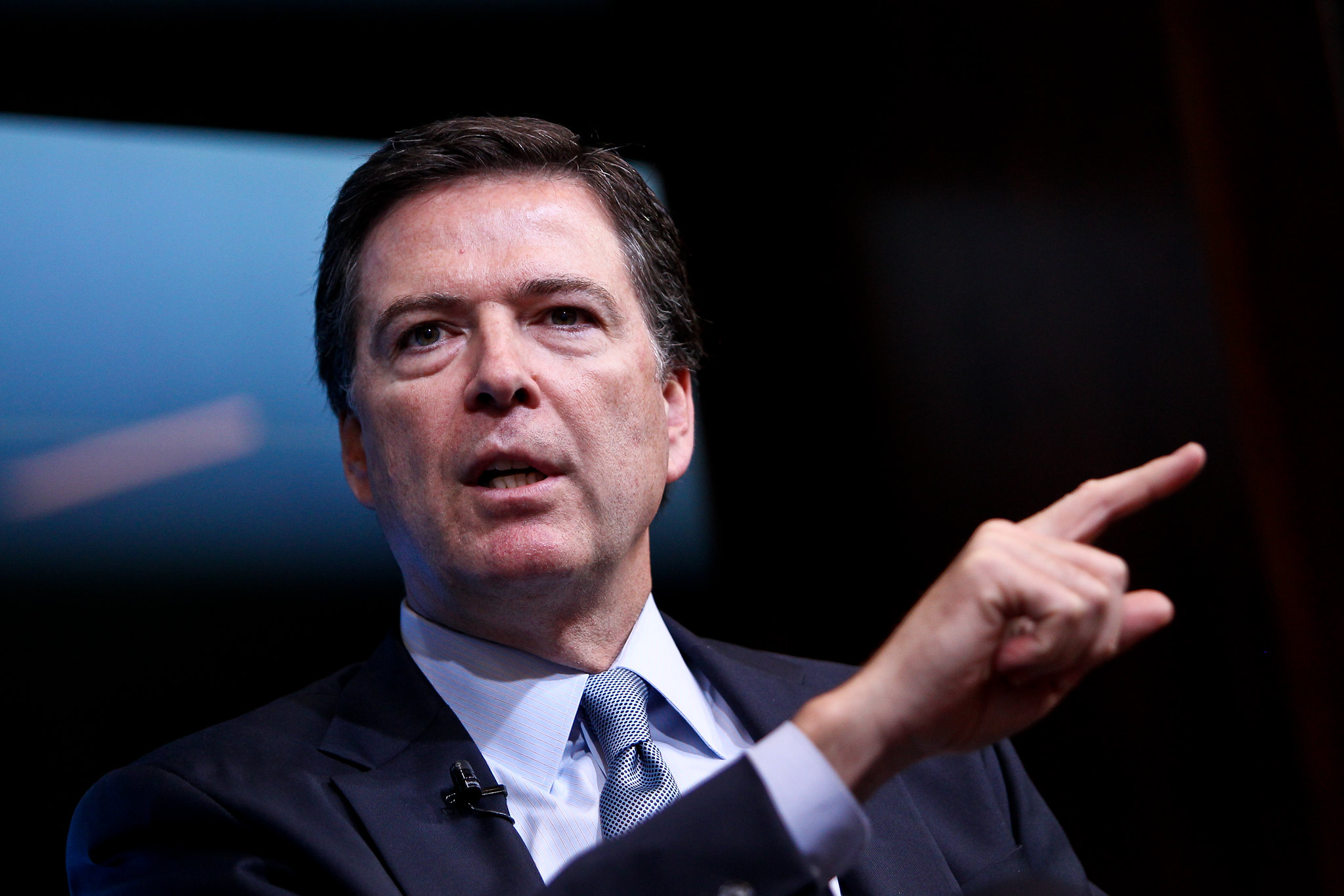
James Comey could have gone a lot stronger than “8647” and still not risked jail. -
Can Congress Constitutionally Restrict the President’s Troop Withdrawals?
As others have discussed on Lawfare, Congress recently has begun to feel its oats when it comes to U.S. foreign policy. -
What Congress Has Done—and What It Still Needs to Do—to Protect NATO
Congress has barred the president from exiting NATO unilaterally. But someone still needs to enforce it.
Documents
-
Southern Poverty Law Center Indicted on Federal Fraud Charges
-
U.S. Government Agrees to $1.25 Million Settlement in Michael Flynn Suit
-
Trump Signs Executive Order Purporting to Restrict Mail-in Voting
-
ODNI Releases 2026 Threat Assessment
-
U.S. Submits Article 51 Letter on ‘Operation Epic Fury’ to UNSC
-
Anthropic Challenges the Pentagon’s Supply Chain Risk Determination
-
Anthropic Sues Defense Department Over Supply Chain Risk Designation
-
White House Submits Iran War Powers Report to Congress
-
Lawfare Daily: The Dangers of Privatized, Automated Immigration Enforcement
A discussion of the U.S. federal government’s increasingly privatized and automated system of immigration enforcement. -
Lawfare Daily: The Explosive Mystery That Rocked Rural Georgia
Who blew up the Georgia Guidestones? -
Lawfare Daily: The Shadowy World of Ransomware with Professor Anja Shortland
How did ransomware become perhaps the most important form of cyber crime?
Other Lawfare Podcasts 
Other Podcasts 
Videos & Webinars
Lawfare Live: The Trials of the Trump Administration, May 1
Explore
The Lawfare Institute:
Hard National Security Choices
Lawfare is a non-profit multimedia publication dedicated to “Hard National Security Choices.” We provide non-partisan, timely analysis of thorny legal and policy issues through our written, audio, and other content—all of which you can find here.