Foreign Relations & International Law
Latest in Foreign Relations & International Law
-

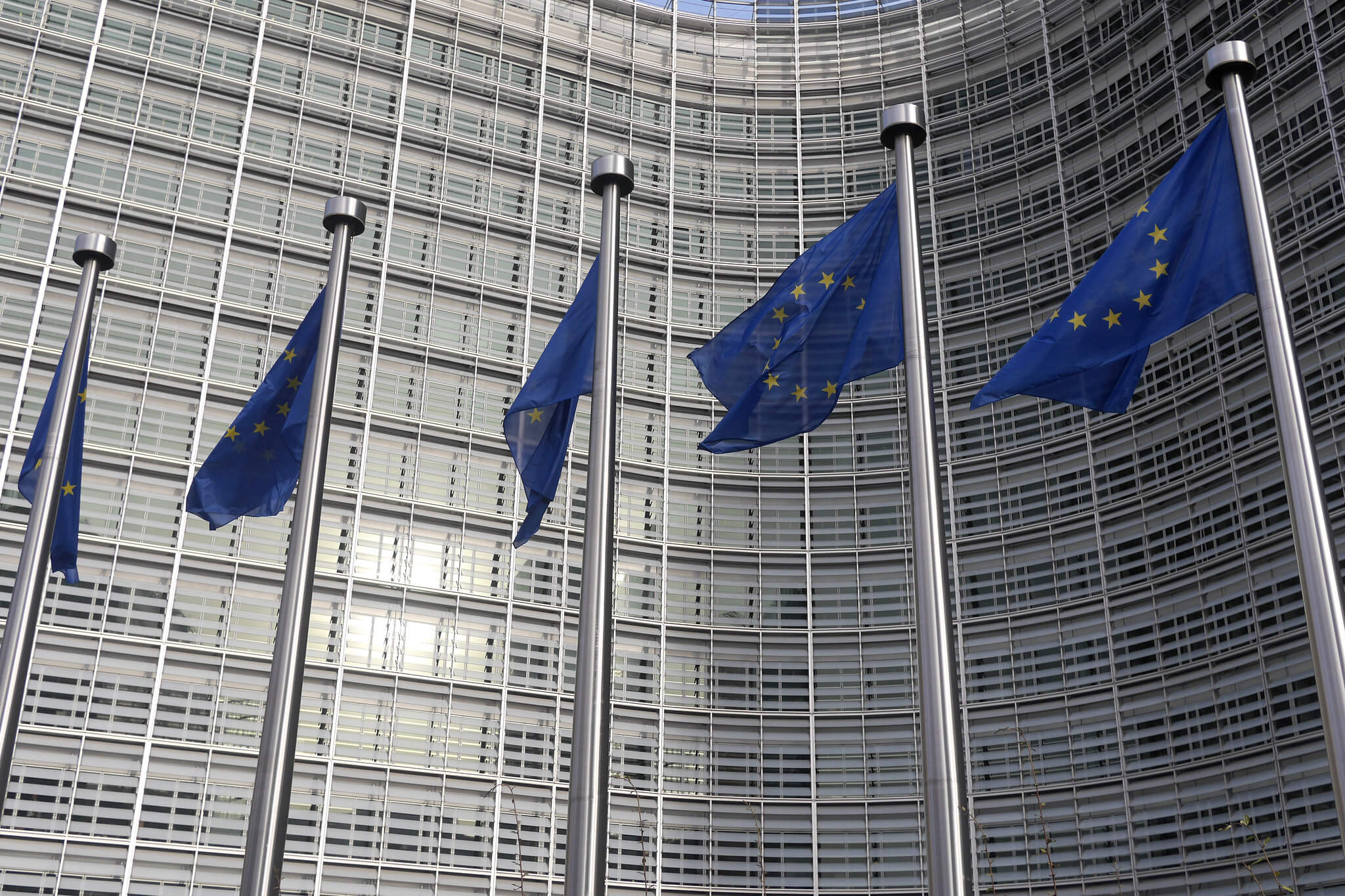
The EU AI Act Mandates AI Incident Reporting—If We’re Lucky
How the OpenAI-Hugging Face incident was reportable under the EU AI Act, but future incidents may not be. -
Russia's Digital Detox Boomerang
The latest edition of the Seriously Risky Business cybersecurity newsletter, now on Lawfare. -
Lawfare Daily: The New Command Economy with Kristen Eichensehr and Ashley Deeks
Discussing the U.S. government's increasingly activist role in the economy. -
Gaps in the Deep: How the Law of the Sea Fails the Undersea Kingdom
A review of Elisabeth Braw, “Undersea War: The Battle to Control the Cables and Pipelines That Connect Our World” (Public Affairs, 2026). -
Rational Security: The “Cooking With Gas!” Edition
Scott Anderson, Daniel Byman, Julia Curlee, and Michel Paradis talked through the week’s big news in national security. -
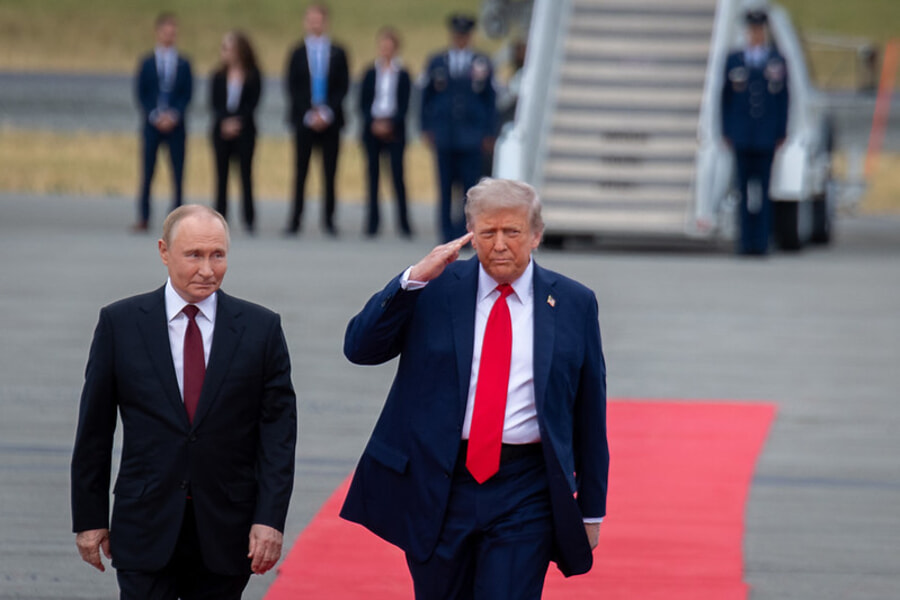
Dissecting Trump’s Deal for Russian Diesel
There is more smoke than fire to the deal—except when it comes to Ukraine. -
Lawfare Daily: Breaking Down Trump’s Diesel Deal with Russia
Rachel Alpert and Peter Harrell discuss Trump lifting sanctions on Russian diesel fuel. -
America Didn’t Lose Its Rare Earth Industry. It Sold It.
Markets price for cost. China prices for control. The risk of a rare earths cutoff is asymmetric, and the financing to rebuild American supply should be too. -
Lawfare Daily: The Spy Who Changed the Cold War in the Middle East
How did a Cold War intelligence coup change the Middle East? -
Lawfare Daily: The U.S. Withdrawal from Iraq and the Future of the Iraq-U.S. Relationship
A panel of Iraq experts discusses what the U.S. withdrawal from Iraq means for the region. -
The Cyber Corps: Ukraine’s Least Understood Cyber Actor
From overlapping operations to the IT Army’s internal split, new clues shed light on the Cyber Corps’ ties to the GUR. -
The AI Model Distillation Paradox
When U.S. labs train models on the world’s writing, Washington calls it fair use. When Chinese labs train on U.S. outputs, it’s a “malicious attack.” It can’t have it both ways.


-20260515.jpg?sfvrsn=800c0191_5)
Topics