Lawfare Daily: Sam Altman with Ronan Farrow and Andrew Marantz
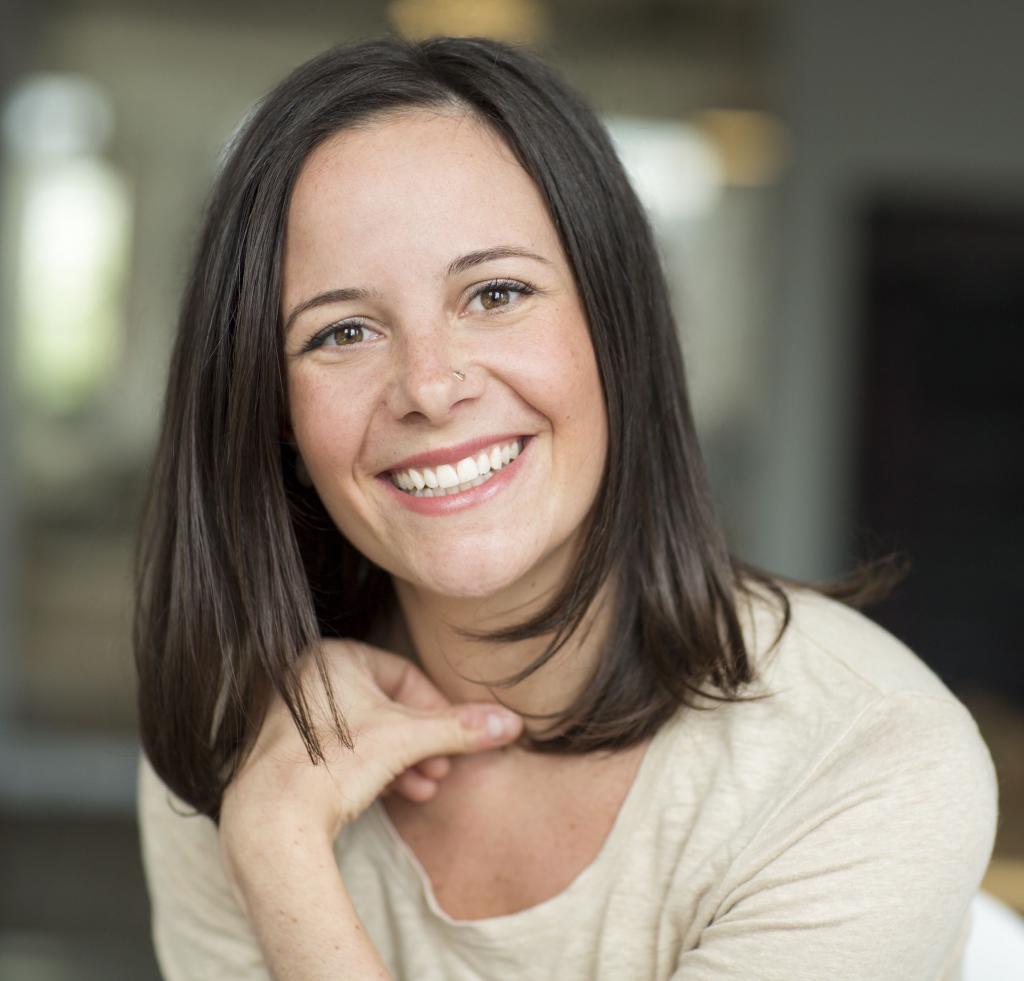
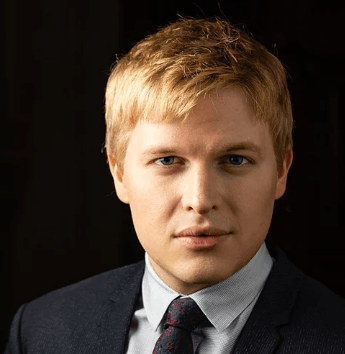
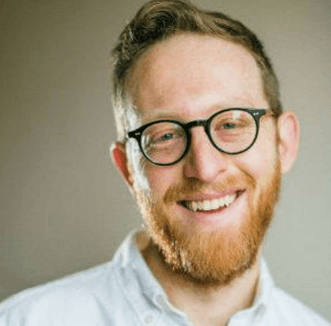
Senior Editor Kate Klonick interviews reporters Ronan Farrow and Andrew Marantz on their recent article in the New Yorker, titled “Sam Altman May Control Our Future—Can He Be Trusted?” In their 16,000-word piece, Farrow and Marantz create a cohesive narrative with receipts around Sam Altman, the products he's building at OpenAI, and how he's selling them not just to investors and the public, but also to regulators and world leaders.
Klonick unpacks three key areas that are discussed in the piece: potential concerns of fraud, ongoing trust and safety and alignment issues at OpenAI, and the national security concerns that the article exposes in the "country plan" and Altman's entanglements in the Gulf. The discussion ends with a basic question: Are any of these legal issues enough to stop or correct the course of OpenAI, with its estimated $1T IPO in the coming weeks?
To receive ad-free podcasts, become a Lawfare Material Supporter at www.patreon.com/lawfare. You can also support Lawfare by making a one-time donation at https://givebutter.com/lawfare-institute.
Click the button below to view a transcript of this podcast. Please note that the transcript was auto-generated and may contain errors.
Transcript
[Intro]
Andrew Marantz: The
articles of incorporation under which OpenAI was set up as a nonprofit make
very clear that they have a legally binding fiduciary duty to do certain
things. And what we chart in the piece is this kind of years long process of
the company kind of converting itself out from under those restrictions.
Kate Klonick: It's
the Lawfare Podcast. I'm Kate Klonick, senior editor at Lawfare
with Ronan Farrow and Andrew Marantz, writers at the New Yorker and authors of
a huge 16,000 word piece published last week in the New Yorker titled “Sam
Altman May Control Our Future—Can He Be Trusted?”
Ronan Farrow: Sam
Altman is one figure. He's a consequential one, but he's especially
consequential as a window through which to view a wider dynamic that critics in
the piece describe as a race to the bottom.
Kate Klonick: Today
we're talking with Ronan and Andrew about the legal and national security
implications of a number of things that are revealed in their article and
discussing what some of the policy options might be going forward.
So I wanna start for—just to take a moment, for the better's
rule of headlines, which is that if you ask a question in a headline as you do,
the answer is always no. So in theory, this could be a very quick interview.
No, we can't trust Sam Altman, but there is actually so much here, much more
than just kind of a profile, so to speak, of Sam Altman, you guys spent over a
year reporting on this, conducting a hundred plus interviews, and it really—brings
the receipts on a lot of information while putting it into a full narrative.
[Main Podcast]
And so there's a couple of things that I think have been under
reported as news and might have legal ramifications. So I wanted to unpack
those because it is law fair first, the general volume of lies or the lack of disclosure
to the corporate board and the possibility, if not legal fraud, certainly fraud
in the colloquial sense to the public. Second, I wanna talk about alignment and
trust and safety issues if we have some time. And then third, the national
security implications. Obviously that re—and the reveals that you bring up.
And so let's start with the fraud, not necessarily in a
Theranos style. It's not like you have a product that doesn't exist here,
right? But what you do have is a product that Altman has been putting out there
with OpenAI that continuously makes promises on a level of safety and a
commitment to safety as you expose over and over again in the piece that he
doesn't make good on or backs away from. And there's comparisons in your piece
to SBF or to Elizabeth Holmes.
So what is your takeaway and what you were hearing about
potential kind of public accountability for the way Altman was saying one thing
and doing another, both in terms of product safety and then also in terms of
conversations with regulators?
Andrew Marantz: Yeah,
I mean there, there are many layers of this and maybe I'll just sort of take a
couple and then Ronan, you can take whichever ones I don't get to, but I think
I should just say really plainly, we are not alleging in the piece or here that
we like know that OpenAI or Sam Altman broke this or that law at this or that
time, right.
The purpose—And I think the reason I bring that up is that this
is sort of why this, a lot of this stuff has been in the realm of kind of, I
mean. The accusations, as you say, of borderline fraud or potential fraud are
many in the piece. And it's an interesting, it's an interesting mix of like, what
you don't have is this sort of smoking gun thing where, you know the reason
Altman was fired in 2023 is that he was caught red-handed, you know, embezzling
funds or you know it, it's not that kind of allegation.
What you have is this kind of very slow buildup and
accumulation of facts such that they're very hard to kind of put together in
one place, which is why this took so long. And it is, I mean, since you point
out the fact checking and since you have experience with it, we literally did
have the best fact-checkers in the world on this, and we really did get it so
bulletproof that it's kind of hard to contest.
But to the question of like which frauds rise to the top where
all allegations of fraud, one of them is we talk to a lot of economic experts
who talk about, you know, what they call circular deals in the industry. And
this is not unique to OpenAI. This is kind of a lot of these, what are called
hyperscalers, you know, there's really just a few of these companies building
this incredibly, highly leveraged, risky product that requires massive,
unprecedented amounts of capital expenditure in order to build the
infrastructure to make the next model.
So even if you are extremely bullish on the economic potential
of the product, you could still think this is a bubble. And in fact, Sam Altman
at times says, this is a bubble. Because even if the product is, as you say,
you know, it's not a figment of the imagination. It's not like a tulip craze.
It could still be a cause of this frothy investment.
And, you know, you can get into the details of how when OpenAI
and Nvidia strike these deals, for example, they're kind of both investing in
future products that don't really exist yet and that depreciate very quickly.
And so there are all these sort of microeconomic allegations of what people
call borderline fraud or circular deals.
And then to your question about the safety stuff, you know. I
think as a baseline, it's very easy for people to look at a tech company and
say, oh, are we so naive that we're shocked by, you know, a tech company saying
they won't do, you know, bad thing X and then they do it, right.
And I think this is a bit of a different case where, you know,
the articles of incorporation under which OpenAI was set up as a nonprofit make
very clear that they have a legally binding fiduciary duty to do certain
things. And what we chart in the piece is this kind of years long process of the
company kind of converting itself out from under those restrictions such that
now they're one of the biggest for-profit companies in the world.
That is not something you can do without angering a lot of
people, including people who you recruited and who took pay cuts to work at
your company.
Ronan Farrow: I'd
also point out on the sort of fraud question, and I want to be clear, you know,
we're wearing our lawyer hats here and you know, I'm not going to talk about
fraud as a matter of law, but when you talk about in a colloquial sense, things
that feel materially deceptive and may have real legal ramifications of one
kind or another, it's really important to note the way in which this company
was behaving amidst this backdrop that Andrew just described, right of you have
promises that don't always line up, with what's being delivered.
You have that on a scale that critics in this piece are saying
is beyond even the baseline of Silicon Valley being founded on that kind of a
hype model. You have, you know, material assurances to board members about
real, concrete safety testing requirements that are just turning out to not be
true, and then you have a super structure of handling of this that also raises
question marks according to many people around its stakeholders and outside
legal experts that we spoke to.
So one great example of this that hasn't been previously
reported is that a part of the mechanics of Sam Altman coming back after board
members fired him several years ago for this alleged pattern that we document
of apparent, you know, deception and manipulation, is that he got rid of some
of the board members that had moved against him, but as a condition of their
exit, they demanded an outside review and he was reluctant.
We report that people at the time recall Altman saying, you
know, I don't want any review. Any review just by its existence, regardless of
its conclusions, could make me look guilty, an understandable concern. But
ultimately, after a lot of tense negotiation, he acceded to that demand. The
way that it went down was that he got rid of two key board members who had
moved to fire him.
He, in close consultation with their major outside financial
backer, which was Microsoft, basically selected two new board members, Larry
Summers, which is the name we can talk about. But at the time, you know, he was
designed to confer legitimacy 'cause he had been a cabinet member and he had
been the president of Harvard. He's since stepped down because of his role in
the Epstein files.
But you know, he was a big cheese who was brought in alongside
Bret Taylor, who had been at Facebook and was also viewed as a steady hand.
But, you know, we uncover how during a previous round of Bret being considered
for that board, actually, there had been people who were concerned that he was
too close to Altman to be independent.
So you have these two people that Altman selects, you know,
pretty closely. He's in all the conversations, basically proposing these names.
And then you have a process where they go to, you know, a very—legit law firm,
WilmerHale, to do an outside investigation. And the interesting thing is
Wilmer's legitimacy for these kinds of investigations, it comes from a lot of
transparency in many of the prominent cases where they've done it. You know,
Enron, WorldCom, these are cases where they publicly released voluminous
details of investigations.
In this case, we report there were a ton of people around this
investigation. I think we cite six people close to it, who really felt it was
designed to limit transparency, and as one put it, to reach a foregone
conclusion that they went in the perception of these critics. And of course,
you know, we have the lawyers involved defending this. They say, no, it was
comprehensive, it was independent, but there were a lot of people around this
who felt that they were not interested in the core questions of integrity that
were underlying the firing.
It seems they did deal with them because people wouldn't stop
raising them. You know, I wanna be careful about this. It's not that they
totally scoped it away from that, but ultimately it really seems like what
outside investors who wanted Sam back were looking for was, did he sexually
assault someone? Did he embezzle? Much more bright line things.
And with respect to the actual findings we actually have
someone involved saying, well, you know, on the honesty and integrity question,
the review, I'm only lightly paraphrasing here, did not find that Altman was a
George Washington's cherry tree of integrity.
So, so you have that underlying content of a review. And then
the really extraordinary thing in my view, which is yes, private companies
sometimes keep these things out of writing. It's worth noting that there are
plenty of legal analysts who say that's a red flag. It's a way to prevent
liability and avoid scrutiny.
When you get to a case like this where it's a high-profile
scandal that engulfed Silicon Valley and where all of the stakeholders around
it, senior executives at this company, forget the public, expected to see
findings. They, on the advice of those two new board members that have been
selected in close consultation with Sam and their personal attorneys, you know,
the Wilmer lawyers obviously were also in on this decision, but this particular
private advice fed in, kept it out of writing. It was only oral briefings. And
look, the piece is very sober about appraising all the arguments some of the
lawyers make that this is fine and appropriate.
We actually have one of those new, new board members who
oversaw it, Taylor saying on the record, there was no need for a written
report. So they're acknowledging this. Now, there are a lot of people around
this who understandably say that defeats the entire purpose it was supposed to
achieve. They released only 800 words of essentially a press release on the
website saying there had been a breakdown in trust. Nobody knew what the hell
had happened.
So I hope this can bridge some of that divide of
misunderstanding. And this brings us full circle to your question. Under
Delaware corporate law, there's like Section 220 obligations for any nerds that
are watching and know the mechanics of this. If this company IPOs, I think one
reason why you can imagine the pushback and comment-seeking and fact-checking
process on this point was very intense with the parties involved is there is
real concern.
We have, you know, board members telling us, well, if there
were these deficiencies, there may need to be another review. You have a law
firm that does gigantic business on the basis of the legitimacy of these kinds
of reports, and you have a legal system that entitles future shareholders to go
back, as they often do in these kinds of scandals where things are
insufficiently documented and demand the internal underlying records, and you
know, judges have often ruled in favor of those demands. So that is something
of a potential powder keg, I think, in the view of a lot of people around it.
Kate Klonick: I mean,
I read this and that was exactly what I was thinking. I was like, this had to
go through so many lawyers to be able to basically put this stuff into writing
because for exactly the reason that you state, I mean, what Andrew talked about
is exactly correct.
Some of this is Silicon Valley business as usual, you know,
like lying about your ping pong score, like who doesn't do that? Right? But
some of this is just, you know, is salesmanship. No one's saying that is the
stuff that people are like, it is the actual rubber meets road of putting these
things into a corporate structure, binding board members with fiduciary duties
to those ideas, and then kind of backtracking and like reverse engineering the
entire nature of your company and everything that investors kind of had bought
in on, while simultaneously actually deceiving your board.
I mean, I was kind of baffled and thought that, I mean, and it
was again, and this is a Lawfare podcast so we have the right audience
for it. It was a nerdy kind of point, but like the idea that Wilmer did not
release these details, the idea that they gave these oral briefings, like how
bizarre, like why give briefings at all?
Ronan Farrow: And we
really sort of stumbled into the full extent of this. Like we had Sam on the
record saying, ‘Oh you know, I don't know about it being just an oral briefing
to those two new board members that I helped pick, you know, I, it was I
believe very strongly it was given to all of the subsequent board members who
joined in the aftermath of this.’
I'm paraphrasing, but you know, that's, you can find his exact
quote in the piece and then, you know, we looked into it and that's simply not
true. And we have, you know, other people around us saying that is a lie. And
really, it was just this extremely limited, deliberately undocumented briefing
process over the course of it.
And, you know, Wilmer is also very careful about saying that
their findings were not exonerative. You know, that their role was just, all
they'll say is as summarized in that press release, which is based on whatever
they found, those two board members Sam helped pick, decided it was appropriate
to have him continue.
So it's all very cagey. It's very deliberately undocumented,
and as you say it really in the view of many around this, defeats the purpose
of bestowing the lit legitimacy that you would get from a proper investigation.
I think it's a great parable about the need for transparency in these kinds of
corporate situations, especially with these vast existential and safety stakes
for all of us, right?
This isn't even normal business. This was a 501(c)(3). You
know, it actually is a disservice to Sam Altman that the investigation was
handled this way. Because that's how you wind up with a 16,000 word New Yorker
investigative piece years later.
And there's a lot of legal authorities that talk about this
very question in this very way, that if you keep things out of writing for
short-term game, you know, and ostensibly it's to protect privilege and
whatever, you know, to avoid as much liability as possible. But it has these
longer term costs, that people can speculate that there are much worse things
that they found.
So I again, hope that we've done something to A) restore a
little bit of the transparency there about what the underlying complaints were,
and B) send out this message loud and clear that there are these costs that
companies and law firms doing this kind of work should reckon with, I think in
a more acute way.
Kate Klonick: Andrew,
do you have anything to add?
Andrew Marantz: You
do have some instances of like, for example, Greg Brockman writing in a digital
diary.
Like, I would like to make a billion dollars or something. So
you do have a few people sort of writing down the thing that they—
Ronan Farrow: Yeah.
And also Greg Brockman in a diary writing, you know, essentially like wondering
whether it's a lie that they're saying that they're a nonprofit and then
turning around and maybe becoming a B Corp, which they were planning to do very
early on.
It's truly remarkable. And the fact that all of these guys keep
such voluminous journals. This piece is so full of journaling.
Andrew Marantz: I
know.
Kate Klonick: It's
insane. I was re—I'm like, who is telling these people to keep a diary?
Andrew Marantz: I
know.
Kate Klonick: Do they
think that they're like kind of someone is going to like be finding their notes
like Archimedes someday or something and like wrapping them into like that
they're going to be part of this genius historical record.
Andrew Marantz: I
mean, as you know, they absolutely do think that and—
Ronan Farrow: Yep.
Andrew Marantz: And
that's why, you know, this is not, I mean obviously this is a piece about a
person, you know, sort of being used as a lens onto these structural things.
But I don't think anyone should walk away from this piece thinking like, oh,
Sam Altman shouldn't be the AGI dictator.
Like Elon should, or Demis should, or Greg Brockman should.
Like obviously I think the structural takeaway here is closer to like, who is
vesting these dudes with this amount of power? How could that possibly end well?
And yeah, as you say, like. A lot of people, I think, sometimes take the easy
way out sort of mentally from this, people who are dismayed by the accelerating
power of these technologies and they sort of say either it's a parlor trick or
it's stochastic parrots, or like, this is all hype and an attempt at regulatory
capture.
And I think among many things what that misses is, you can
think that sort of sitting at home and watching from the sidelines, but the
people involved in this do not think that. They think they are playing like a
ring of sauron level competition and their actions back that up.
Kate Klonick: Yep.
There is a huge piece of this and we'll kind of get to this kind of in a little
bit.
Which is just that it's happening. Like it doesn't matter
whether you think it's real or not, it is like there is enough money and enough
buy-in that this is just becoming the reality that we're swimming in. And it
doesn't matter if they're, they are like stochastic parrots there. If there's a
trillion dollars invested in it, then we're all going to be run by stochastic
parrots.
Andrew Marantz: And
if the autonomous military murder drone is run by a stochastic parrot, like
that's still a problem.
Kate Klonick: Right?
And so it does hit me—And Andrew, I know that you have spent a lot of time kind
of, you and I both have spent a lot of time and the speech platforms kind of
looking at social media and it just feels, to a large extent, exactly the
conversation we were having in like late teens, early twenties, which was like,
and this feels like AI is just speed running these issues.
Like all of a sudden we're gonna have these incredible mega
corps, these transnational companies that transcend state power, right? Running
these things and there's no one to curb that. I think that we should just like
kind of skip to the country plan, which is the idea that I guess Page Hedley,
who has come in, was a former nonprofit public interest lawyer, and she was
gonna be OpenAI's policy and ethics advisor, and she made a talk about, OpenAI could
basically avert a catastrophic arms race by building a coalition of AI labs
that would eventually coordinate with an international body, akin to NATO, to
ensure that the technology was, you know, deployed safely.
And you have in like your piece that Brockman, Greg Brockman
just like could not rock this. He could not understand why someone would engage
in this type of like new governance in this type of multi-stakeholder-ism, in
this type of like, do-the-right-thing-ism. He was like, where's the money? Like
how do we make money in that?
And then begins this thing called like that you call the
country plan, which is essentially like, why not pit selling this technology
between China and Russia? Why not?
Andrew Marantz: What
could go wrong? Yeah,
Kate Klonick: Yeah.
What could possibly go wrong? And then you obviously, the rest of the piece is
this like incredibly detailed conversation about how Sam's already in the
process of doing that to like the, of selling the technology to the Gulf
States.
And so, I don't know. I guess we'll kind of skip to the big
question, which is like, is there any way to stop this if you have this kind of
coalition of the willing between these giant moneyed countries and the rule of
laws is falling around our feet and like at the very least it feels—I like, I,
you know, you are hoping that the IPO gets canceled.
You're hoping, but like I have to say, I've finished your piece
and I was like, in another world in another time, this would've canceled the
IPO. And I'm like, does it even, is this gonna matter?
Ronan Farrow: This is
for me the bigger point. You know, Sam Altman is one figure. He's a
consequential one, but he's especially consequential as a window through which
to view a wider dynamic that critics in the piece described as a race to the
bottom.
And that's a kind of confluence, right, of what you described
of legislative and regulatory guardrails on private industry and particularly
big tech falling away more widely, an anti-regulation bent in American politics
under the current regime, and a backdrop of money in politics that increasingly
allows Silicon Valley to really have its hands on all of the levers of
policymaking and power.
If you are running for office right now in the United States,
you are contending with a flood of PAC money that is specifically focused on
quashing AI regulation. Greg Brockman, Altman's second-in-command has
contributed to one of these major Trump friendly anti-regulation PACs. So there
is just a massive amount of machinery that is pushing away from safeguarding us
from any recklessness, any lack of trustworthiness of the type that we write
about in the piece.
And the tragedy of it is, these companies and individuals are
the ones best positioned to clock what the risks are. They keep telling us the
risks are grave, right? You know, autonomous weapons in war zones. You know,
the potential for mass surveillance, the devastating misinformation potential
of this technology in electoral contexts.
All of the kind of more individual mental health stakes where
you have all of these wrongful death suits against OpenAI, alleging that ChatGPT
contributed to suicides and a murder potentially. The list goes on and on, and
yet, there is just very little framework to deal with any of it and the
inflection point of the structures these companies themselves set up, right?
OpenAI being this safety focused nonprofit, having a board that
could fire its CEO if they thought he was lying serially about material things.
That all fell away when Sam Altman came back. Sam Altman is not the only one
participating in these broader dynamics, but very often OpenAI has been a first
mover.
And I think we both viewed the story as one that just tells the
bigger story as well. And you know, we can talk about some of the kind of
shortfalls in policymaking, steps in terms of regulation and legislation that
get at a whole range of the issues that we've already raised. Some of them are
being kind of trialed elsewhere in the world.
Some of them have come up in proposed state regulation, though
that, too, faces an uphill battle. We talk about that a little bit in the
piece, how there's also a lot of machinery to get rid of any state efforts, but
I think, I was eager to have this conversation because that is the part of it
that I feel is most gravely urgent, that we all need to marshal whatever
resources we have as Americans to get at these broader shortfalls of
accountability for companies that really do, as one person said of the Sam question
in this piece, you know, it's people with their finger on the button in a very
consequential way.
And, you know, forget the more acute example of Sam and his
alleged issues with honesty. You know, you look at the, in the, in their own
eyes anyway, good guys at Anthropic, right? They've got breaches right, left
and center. They're also weakening their safety commitments.
So I think the point is we are placing all trust in
unaccountable private sector actors, and I fear that we're not going to wake up
to the consequences until something really devastating happens.
Andrew Marantz: Yeah.
There are also major public sector actors. They just tend to be like shake to
noon on his yacht in the UAE.
So I should say like two things on this. Just to piggyback on
what you're saying, Ronan, like, you know it, it's often sort of painted as
naive or kind of, you know, like why are these sci-fi nerds even talking about
all of these risks and like for one thing, these mega dystopian sci-fi risks
are being discussed because people like Sam Altman told us to be afraid of
them. Right?
So this is not something that Ronan and I invented one morning
to scare readers about, and we're very kind of, I think, sober about it in the
piece. The people who founded these companies told us to be afraid of this. And
moreover, like again, there are people who think that's just a move to try to
attempt regulatory capture or to attempt to, you know, gain attention for the
next round of investment. And there may well be some of that.
But you know, you bring up people like Page Hedley, these are
not all competitors who work for Anthropic or who work for Google or who are
trying to scope the next round of investment funding. I don't know, maybe Page
will, you know, have an IPO before the end of the year and I'll be, you know,
proven, not cynical enough, but like there really were many people who we
talked to in the a hundred something people we spoke to who were not, you know,
were very careful to not be just laundering competitor gossip through our
piece.
Like there are a lot of people who really are concerned whistleblowers
now their fears may be proved right or wrong, and unfortunately we're gonna live
to see whether they're right or wrong, but it's not just all competitor hype
and you know, the normal stuff of capitalism.
Kate Klonick: Yeah,
so I wanted to say that's another thing that I absolutely value about this
piece is that it is soup to nuts.
It is, you talk to people on the factory floor of these
companies and you talk to people—I have a list actually, of just like all of
the different ranges of perspectives that you got in this piece, and one of the
things that I think would have been a disservice and made this piece less
valuable is if you had just focused on the Game of Thrones aspects of like
these kind of companies, the C-Suite, the people who are trying to be the
narcissists and to like run the world and who are writing their diaries so that
one day people will study them and talk of their genius.
But one of my really big takeaways from my time in Silicon
Valley and my time inside companies is that the majority of people, like
outside the top 100 people in a company, are there because they think that their
job matters and that they're trying to do the right thing. You talk about how
in late 2022, 4 computer scientists published a paper motivated in part by
concerns about quote unquote deceptive alignment in which sufficiently advanced
models might pretend to be behave well during testing, and then once deployed,
pursue their own goals.
That this moment actually compels Altman to create like a super
alignment project where he like purports to care about safety and like gonna
set up this huge team and recruits on it, and then of course it just falls
away. It just goes away.
Ronan Farrow: And he,
and the announcement actually says specifically like, we need to create this to
prevent the extinction of humanity.
Kate Klonick: Right?
Ronan Farrow: Yeah.
So, so again, to Andrew’s point, like it's not us introducing those stakes. I
think that's a great example. There are many others in the piece. I was struck
by the thing you just said about the gap between the kind of C-suite leadership
and their sort of writing down their own history for the books and then, you
know, the working level people where I share your impression.
You know, again and again, Andrew and I were encountering
people who really came to this company, this nonprofit at the time that they
joined for the early ones, because they believed that there was a need for the
thing that Sam Altman was pitching, which was something that was not just
governed by profit and growth, and that would stand really defiantly against
that, that had a corporate structure that was uniquely designed to prioritize
safety.
And very often those people at a working level are much less
heard. And you know, that's one of the most important equities in this
reporting to carry the concerns of these researchers, which continue to this
day. And, you know, some of the lower-profile, safety-minded people who had
concerns, they actually, you know, raised them or attempted to raise them
within the corporate structures in formal ways.
We have a lot of emails complaining to people from safety leads
saying, you know, the company is going off the rails on its mission. You know,
essentially sort of whistleblower material that we surface. And we even talk
about, there's a case where in terms of the corporate transformations into a
more for-profit mode there's a moment where there's a board vote on that
conversion.
And there's a board member who appears to vote against it, you
know, according to the materials and sources that we have, and argued that the
way this was being done was not appropriate, that the nonprofit was being
severely undervalued and said, I can't do this in good faith.
Kate Klonick: And
then it's memory hold—
Ronan Farrow: Right.
An attorney or rewritten says point blank. If we record this dissent, it might
be a flag to investigate further the legitimacy of this new structure. And the
vote then gets recorded as an abstention apparently without this board member's
consent. Now there's a disputed factual record here. We carry OpenAI's
pushback.
They say several employees recall it being a deliberate
abstention, but I found that to be a fascinating case. You know, we don't, as
Andrew rightly pointed out, come to legal conclusions here. You know, I'm a
lawyer, but I'm not your lawyer, OpenAI. And I'm not going to come to
conclusions on it, but I think it's worth raising because it has meaningful
legal ramifications.
Whatever the conclusion might be, it is certainly something
that raises questions about potential falsification of business record charges
under state law. You know, that would be a misdemeanor in most jurisdictions,
but more practically, the lawyer for the board made exactly the right point,
which is that vote was consequential.
It authorized a corporate restructuring worth hundreds of
billions of dollars, and a tainted vote could ultimately create grounds to
challenge the legitimacy of that conversion, which is really relevant to
pending nonprofit litigation, the Musk suit, and to IPO due diligence. So all
of these cases where you know, to use your frame kind of very often, the little
guy, the less profiled people sound alarms in one way or another.
And then to use your term again, sometimes it does seem like
there's some memory holding. It just, I don't think the math on it is smart, even
from a pragmatic standpoint for the people who are trying to make the
complaints go away, I think it creates more problems.
And I really do want to talk before we part ways about the
failures of structures around this company and the regulatory and legislative
failures that just, they don't create any recourse.
Like to use some of these examples, there should be a more
robust, federal AI whistleblower protection legislation. You know it, it's
crazy at this point when you have these companies themselves saying, this is
the most dangerous technology ever to not have the kind of regulatory regimen
that we have for, you know, pharmaceuticals or for food even, you know, and for
whistleblower protection associated with that, there should be something
modeled on Sarbanes-Oxley for AI whistleblowers.
You know, people were very fearful to talk to us for this
story. And people who are sounding alarms about this technology are doing a
public service and they deserve to be protected. You know, that's, I think just
one of the many regulatory steps that would make, or legislative, you know, you
could come at it in multiple ways, that could really make a difference.
Andrew Marantz: Yeah.
I mean, just backing onto that, like Kate, you were talking about the ways in
which this is continuous or discontinuous with the trust and safety debates
around social media. I think it's interesting, you know, there's this one
moment in the piece where I think to some people it maybe seemed like we were
doing a gotcha thing where we were saying, okay, let's talk to existential
safety researchers at the company. And a representative from the company is
like, what's that? That's not a thing.
And first of all I think just to be clear, like we absolutely
did not do that as a gotcha thing. Like we, we went in saying, please, let us
talk to the research teams that you have working on the original ostensible,
raison d’être of this organization.
And the reason that we talked about existential safety versus,
you know, trust and safety is that the word does mean different things, and
there are legitimately different people who work on different aspects of
safety. Some of it is anti-doxing. Some of it is privacy stuff. Some of it is
making sure the models don't, you know, turn into mega-Hitler and start spewing
racist stuff at you. And some of it is this stuff that is in the more
hypothetical sci-fi realm of making sure they're aligned and don't kill us.
All that, to your point, Kate the deceptive alignment research,
we kind of just very quickly say in the piece, this all sounds crazy, except
that under certain experimental conditions it's already happening and like. Again,
best fact-checkers in the business, like no one disputes that as a factual
claim. These things are starting to happen under certain experimental
conditions.
Now we don't know what that means. We don't know how fast this
stuff is gonna accelerate, but as Ronan is saying, the fact that the people
closest to this technology are trying to make everybody wake up and start to
panic a little bit, and we have a political system that seems incapable of that
is a, a deep structural problem that—
I mean, we just document in the piece like a California bill
comes up and as we report in the piece, an investor, Ron Conway, who's close to
OpenAI, calls up Nancy Pelosi, calls up Gavin Newsom, the bill gets killed,
right? So this is the current system. It's not shocking to anyone that's the
system we live under, but it is unprecedented the scale of the acceleration.
Kate Klonick: No, and
I think that we should switch to kind of end—talking about this, because I do
think that we should have a conversation about what next does the law have any
type of, you know, recourse? Can we push back on these things? I mean, after
reading your piece I am incredibly bullish on, and I was before, but like, on
kind of regulatory potential legislative potential, doing something to curb
some of this, and to make it so these companies are accountable to anyone
besides their kind of megalomaniac CEOs and like.
I just don't understand how that's possible in this current
government. It seems like a perfect storm of the closeness and the coziness
between kind of this current administration and these companies—
Andrew Marantz: Well,
and in fact when there was almost a moratorium on all state regulation for 10
years. This isn't even in the piece, 'cause that we had so much to get to, but
it seems like Steve Bannon and Mike Davis and a lot of MAGA-ish people were
standing in the way of that.
So it's a very strange bedfellows kind of situation.
Kate Klonick: Yeah, I
mean, I think that's completely right. And then like, you know, I watched in
Europe just from like afar, like people try to kind of create the AI Act and
Brussels and everything and create real kind of strictures. I mean, the other
thing is that the terminology that is being used in this is so vague and so
untethered to like meaning, technical meaning, or, you know, or even
non-technical meaning—
To be totally frank, guardrails, if I had a nickel for every
time some asshole said guardrails to me, like, we should just have guardrails.
Like, okay, well that's really nice. Like on what, for what does that mean?
Ronan Farrow: Well,
let's talk about what guardrails could mean, by the way.
Yeah, because—
Kate Klonick: Let's
talk about it.
Ronan Farrow: The U.K.
had an AI safety institute long before we've tried anything of this type, the U.S.
tried to do this under Biden to basically have like some form of mandatory
pre-deployment safety testing that's actually meaningful.
Andrew Marantz: And
Sam Altman was all for it at the time, but that seemed to change.
Ronan Farrow: Right?
And part of the pattern with Sam, as Andrew's pointing out is that we document
how he was, the regulators’ “regulate us” guy and he proposed a federal agency
to AI. And he talked about wanting this, these kinds of testing requirements.
And you know, then simultaneously was very often working against these very
kinds of provision in regulation.
To your point about what is actually possible, you know, even
thinkable in the current environment, I mean the flood of money from AI into
politics is enabled by this post-Citizens United landscape where you can
have Greg Brockman putting $50 million into the leading the future PAC, and he
and his wife putting 25 million into MAGA, Inc. And that's just free speech
now.
And I think we are learning that the world we're living in
where this is possible and where the flood of money into politics really makes
it unthinkable to meaningfully push back. That has real deleterious
consequences for all of us. That is endangering all of us.
So, that to me is why it's worth us putting a year and a half
of our lives into pieces like this. I had just come off of when Andrew and I
started this a year and a half ago, a body of reporting about Elon Musk, which
published at a time when people were not raising the red flags that they now
openly raise about him.
And the reason there was also not that I was, you know, so
fascinated by this one man, it was that Elon Musk is a really leading example,
sadly, of the ways in which these tycoons in Silicon Valley have developed
super governmental authority. And that story was about someone who had, you
know, real geopolitical ramifications where he was the sole vendor in a lot of
key areas to the defense sector, and where basically, you know, senior
officials had to scurry around doing his bidding and he could add a whim in
that case, turn off communication access through Starlink in the battlefield in
Ukraine on the front lines and people's lives were in the balance and so that's
the bigger story. And it's what we see in AI too.
Andrew Marantz: I
mean, one way to kind of connect these threads, right, is like exactly like
you're saying about this kind of super governmental power.
When you go back to these early days of people sitting in a
conference room with a whiteboard saying, what if we were to auction off AGI to
China and Russia, or you know, what if we were to, you know, grasp the ring of sauron
and become an AGI dictator, right? Or what if this, you know, wakes up one day
and kills us all?
I, in some sense, like the best-case scenario is that was all
hype and bullshit, and it was just trying to get investors' attention. Anything
other than that is kind of the worst-case scenario, right? What if there's some
even slim chance that something like that is true? And so I think to Ronan's
point, it's like, yeah, it would be one thing if it was just someone like Elon
or Sam Altman kind of having these sort of like self-aggrandizing conversations
about, one day, I'm gonna own all these satellites that will be useful in war
zones or one day, I will build a technology that the Pentagon can use to maybe
conduct mass surveillance. Or maybe one day I'll build a technology that can be
interwoven into markets and transportation infrastructure and hospitals. And
but like the scarier thing is what if some portion of that comes to pass? And
obviously that's the timeline we're currently living in.
Kate Klonick: Yeah.
So I'm gonna propose one thing as long as we're on the topic of kind of what we
can possibly do and who will save us from this, which is, I mean, it's a little
idealistic, but the courts. And I, you know, I would point exactly to kind of,
they are less viable, or at least were, than, you know, the other kind of
branches of government and these other types of structures.
I think one of the things that really struck me, and you know,
you don't, you know, you just said before, like that Anthropic has its problems
as well. Like it's not as if it's like a perfect company, but you do have, and
you end the piece with, and it must have kind of been one of the provocations
to finally get this out the door.
And a perfect coda to end on is the supply chain risk
designation that the administration let like came down on with Anthropic. I
have to say that reading everything that you wrote, I am just like, how on
earth is Anthropic the problem? Like, I mean like how could they possibly pivot
to OpenAI as a substitute?
You go through everything from like Altman failing to get a
clearance, right, to all of his dealings with the UAE with Saudi Arabia. You
know, these back and forths and promises of safety. And then not making good on
them. And then you have like these kinds of conversations about, you know,
geopolitical maneuverings, launching an unchecked safetym OpenAI products in
India.
You know, just various types of things. Are you following kind
of closely the Anthropic case in the northern district of California? Are you
following closely the case in like that? We just got kind of, Anthropic lost at
least initially with the,
Ronan Farrow: In the
D.C Circuit.
Kate Klonick: In the
DC circuit. So like, what are you thinking? Do you think that there is hope
with the courts on any of this?
Ronan Farrow: Well,
you know, it was striking to see after the Pentagon standoff that we narrated
in the piece that the initial ruling from a California judge is this Judge Rita
Lin, who wrote actually a really powerful decision and talked about the
designation being classic illegal First Amendment retaliation and called it orwellian
and Anthropic was restored to federal procurement schedules.
The latest ruling, you know, I would not overstate its significance
just yet. What it does is create kind of a mess. It's a procedural ruling. I
mean, basically the argument that the circuit came up with was it's primarily a
financial standing that Anthropic has, and that the equitable balance is in
favor of the government's interests on this.
So it just. The D.C. Circuit didn't say the blacklisting was
legal. They just said Anthropic didn't meet the very high bar for emergency
relief while the case plays out. So the merits are still live. There's an
evidentiary hearing on the 19th. It'll be interesting to see. I think you're
exactly right in the big picture question.
The courts can play a pivotal role at this time when, for all
the reasons we just discussed, the legislative branch is so disempowered. You
know, the courts also have, in some ways, been denuded of a lot of the legal
thinkers that would be into holding private sector actors accountable. There
are real problems with the judiciary right now as a source of accountability
for a Silicon Valley run amok, but.
I do think you're right to identify that as one of the core
areas of hope. 'cause you do see rulings like the one I just described where
someone said, you know, no, this is irregular and wrong and violates the First Amendment.
Andrew Marantz: Yeah.
And I think just to add to that, like all the conversations we're having about
guardrails and regulation, right?
I think all of us would not want to give short shrift to how complex,
all of these discussions are, and how there are good faith arguments. I mean,
you heard a lot of arguments around when this supply chain risk designation was
happening. Like, okay, for all you pro-regulation people, is this the
government you want regulating this technology in this way?
Like so there are good faith arguments that need to be worked
out by people who are approaching these things from first principles. The
problem is when it's all drowned out by industry fueled, you know, muddled,
sort of propagandistic talking points. You can't have that good faith
conversation.
Kate Klonick: Yeah.
Well, and I guess we can end on the fact that the muddled-ness, this is an
incredible piece of journalism.
It was a tremendous amount of work at just full of, you know,
just such information that the public needs, frankly, before you have a public
company that is valued at a trillion dollars, which is more than the GDP of
many countries in Europe, for example.
And it's just it's just, it's amazing that like, you know, that
all of this wasn't available from like, everything from the Wilmer report to,
you know, knowledge about kind of some of how these alignment goals have been
abandoned and the safety goals have been abandoned to like how this is getting
released in other countries to the country plan, kind of the nat sec and
geopolitical maneuverings. I think that this is going to be a piece that has
incredible effect for a very long time.
So,
Ronan Farrow: And I
just wanna say also in terms of the impact, I really appreciate the policy
discussion, which very few people take the time and space for. And I hope
anyone listening to this, I mean, this is a specialty audience of people who
are smart enough to care, but they all have friends in the wider public too,
where they can explain why this matters.
So I hope people start a meaningful conversation about this
because the stakes really are that vast, and I hope it extends to how we engage
with our representatives. You know, you talked about the hope that the
judiciary will play a role in creating, to use the term you love so much,
guardrails. But also I haven't given up hope about the legislative branch.
You know, you see politicians already across different parts of
the government clocking that it can be advantageous to play a role in creating
accountability. Florida today just announced, their AG’s office just announced
new investigation into OpenAI around some of this stuff we've talked about
today.
So I think that people are looking at the numbers in Washington
as well, and there was polling last month from I think NBC showing that a
majority of the public now views the costs of AI and the risks as outweighing
the benefits. So I do think we're all in this moment where we're kind of
mesmerized by our screens and in the thrall of these companies.
But if Americans join arms and really tell their
representatives, we want you to do your job and make sure that we're kept safe
from this technology that could eliminate our jobs and threaten our safety and
all the other things we talked about—I do think the simple math of Washington
can still lead to meaningful oversight and results if we really, really press
for that.
Kate Klonick: We have
the midterms coming up. I mean, like when we've talked about how this is gonna
affect the IPOs, but like, I absolutely think this piece could play an AI
existential risk and like fear, basic consumer and citizen fear of some of
these technologies could absolutely play a role in and how people vote.
Ronan Farrow: Before
you vote, find out whe whether your representative is getting AI money and, you
know, do scrutinize their policy positions related to that.
Kate Klonick: Yeah.
Well guys, thank you both for coming on. Andrew, Ronan, it was wonderful to
have you.
Andrew Marantz: Thank
you, Kate. This is awesome.
Ronan Farrow: Thanks,
Kate. Great to be here.
[Outro]
Kate Klonick: The Lawfare
Podcast is produced by the Lawfare Institute. If you want to support
the show and listen ad-free, you can become a Lawfare material supporter
at lawfaremedia.org/support. Supporters also get access to special events and
other bonus content we don't share anywhere else. If you enjoyed the podcast,
please rate and review us wherever you listen. It really does help.
And be sure to check out our other shows: Scaling Laws, Rational
Security, Allies, The Aftermath, and Escalation, our
latest Lawfare Presents podcast series about the war in Ukraine. You can
also find all of our written work at lawfaremedia.org. The podcast is edited by
Jen Patja with audio engineering by Cara Shillenn of Goat Rodeo. Our theme song
is from ALIBI Music.
And as always, thanks for listening.