Lawfare Daily: The Litigation Challenging Pres. Trump's Alien Enemies Act, with Lee Gelernt
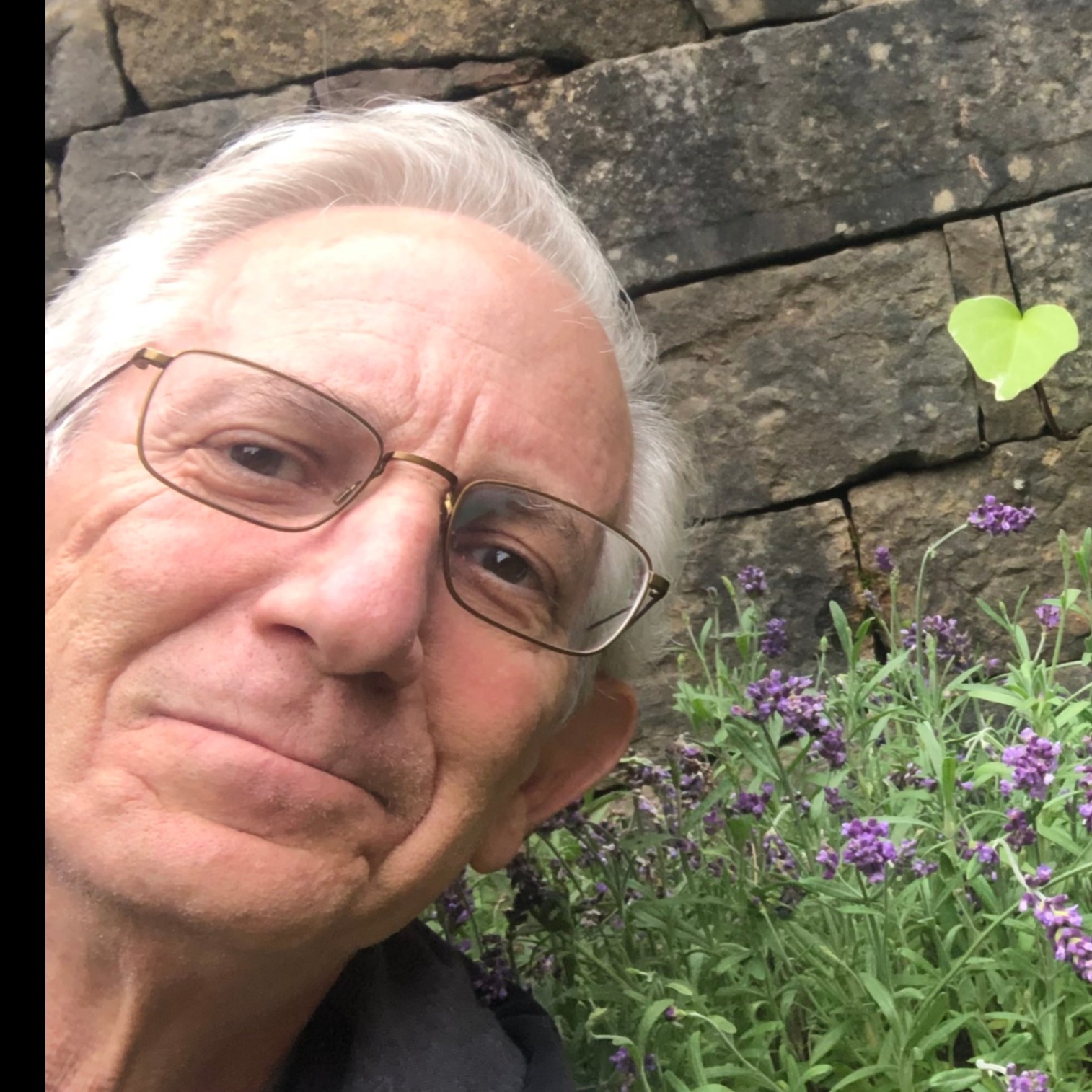
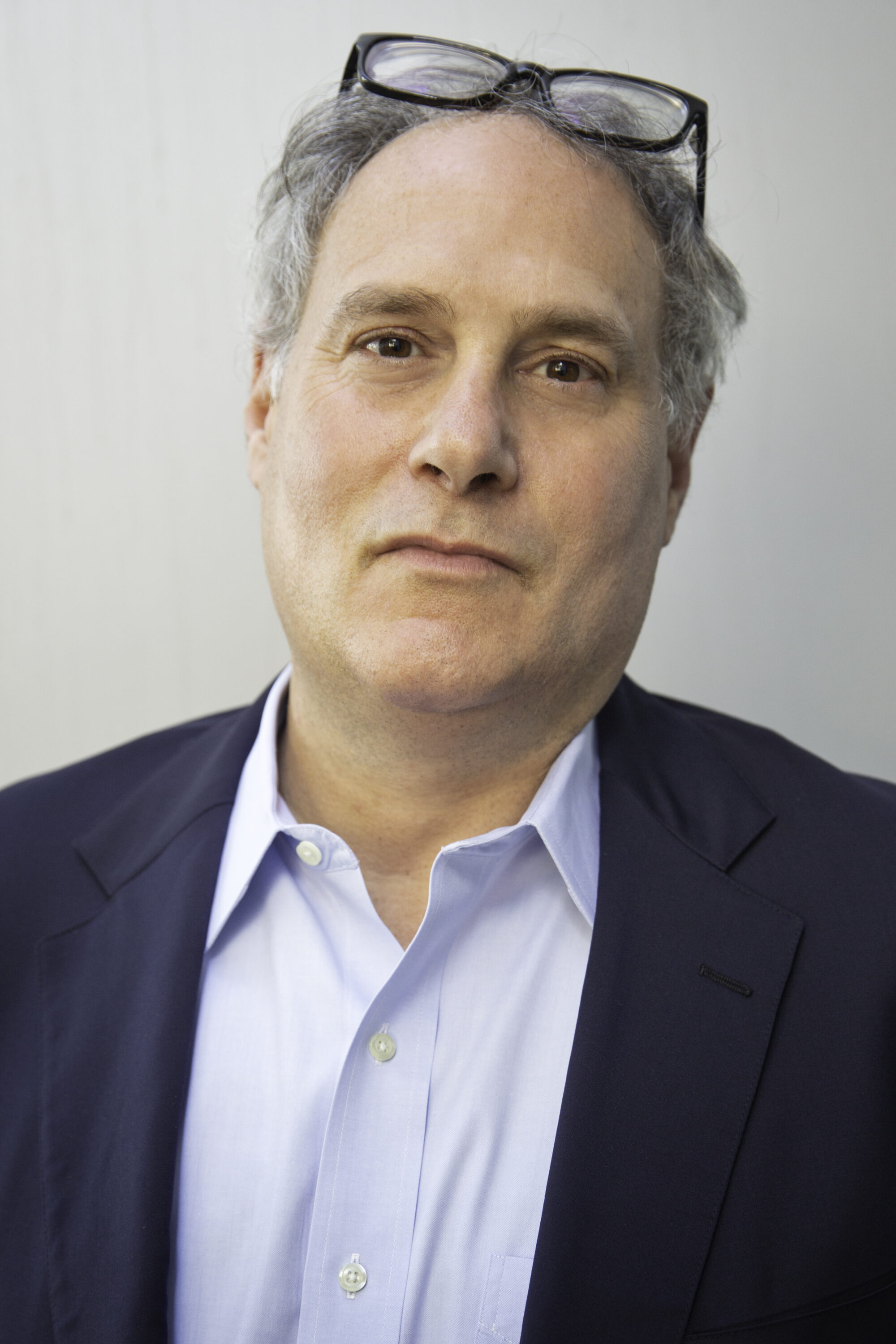
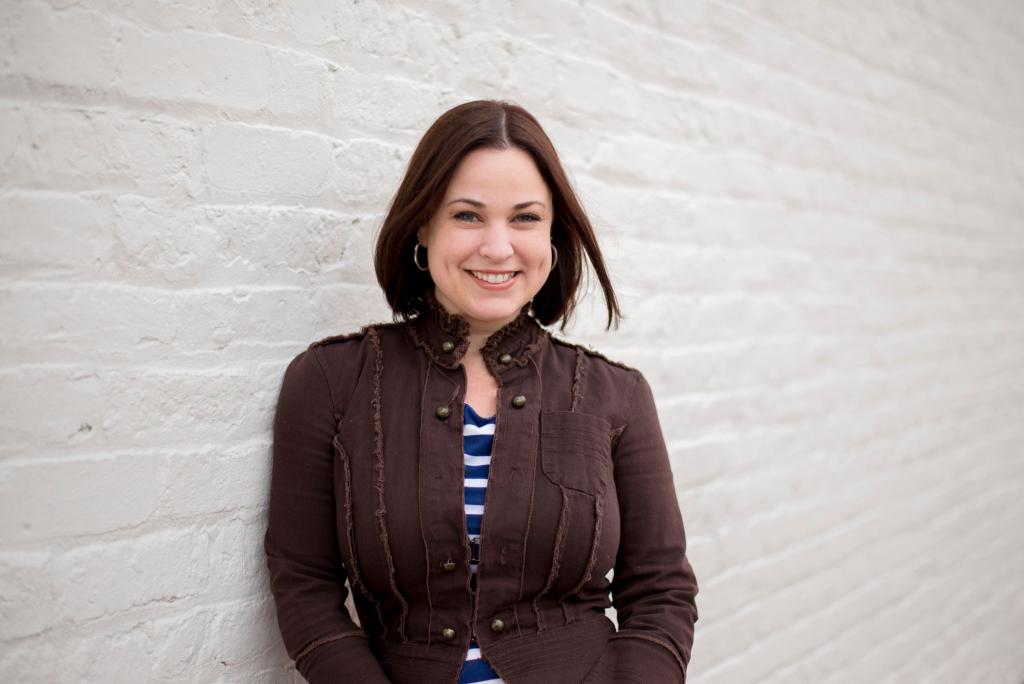
Lee Gelernt, Deputy Director of the ACLU's Immigrants' Rights Project, speaks to Senior Editor Roger Parloff about the cases he has led challenging the validity of Pres. Trump's Alien Enemies Act Proclamation.
They discuss the ACLU's recent victory in the U.S. Court of Appeals for the Fifth Circuit and the status of the group's original case, in Washington, D.C., including its attempt to inquire into whether Executive Branch officials defied court orders.
To receive ad-free podcasts, become a Lawfare Material Supporter at www.patreon.com/lawfare. You can also support Lawfare by making a one-time donation at https://givebutter.com/lawfare-institute
Click the button below to view a transcript of this podcast. Please note that the transcript was auto-generated and may contain errors.
Transcript
[Intro]
Lee Gelernt: They
were put on the plane with forms that said no review available, given no time
to––shuffled immediately from the detention center onto a plane. So, Judge Boasberg
found that there was a due process violation in their removal and didn't get
any dispute from the government that, under the Supreme Court’s then-rulings,
that even 24 hours was patently insufficient, due process had been violated.
The real crux of the dispute between us and the government then
became, well, what should the government do about it?
Roger Parloff: It's
the Lawfare Podcast. I'm Roger Parloff, senior editor at Lawfare,
and I'm with Lee Gelernt, deputy director of the ACLU’s Immigrants’ Rights
Project.
Lee Gelernt: We'd
hear from an immigration lawyer, our person's being moved, or they may be sent
somewhere, so we'd stay up all night and file a habeas petition. Eventually we
had to file them in all three districts of Texas, Colorado, Pennsylvania, New
York, Wa-. And so it just played out like that until it went back to the
Supreme Court and the Fifth Circuit case ultimately crystallized into a test
case.
Roger Parloff: Today
we're talking about the suits Lee has led across the country, challenging
President Trump's Alien Enemies Act proclamation.
Lee has also recently become involved in a case called D.A. v.
Noem, which alleges that the government is using Ghana as a pass-through
country in order to send African aliens to home countries where U.S.
immigration courts have found those aliens will likely face torture or
persecution. However, this podcast was recorded before that case was filed.
[Main Podcast]
So Lee, you just won one that frankly, I didn't expect you to
win. The Fifth Circuit ruled on September 2nd, accepting your
arguments that President Trump's Alien Enemies Act proclamation was invalid. That's
supposedly the most conservative circuit in the country. How did that happen?
Lee Gelernt: Well,
first of all, let me just say you have no faith in us.
Roger Parloff: Okay.
Lee Gelernt: Yeah. So
that was definitely an important victory for us. The Fifth Circuit ruled 2-1
that––accepted our, our main argument that the proclamation was not valid under
the Alien Enemies Act.
We had argued that the statutory criteria for invoking the act
had not been met. The statute, as you know, is very specific. It cabins the
president's authority and only allows him to invoke this sweeping authority if
there is a declared war, or a threatened or ongoing invasion or predatory
incursion by a foreign government or nation.
The Fifth Circuit accepted that the “foreign government nation”
prong was, was met because the proclamation asserts that President Maduro of
Venezuela is directing these actions. You know, we have real doubts about that,
and there's a national security assessment that suggests otherwise. But in any
event, the Fifth Circuit accepted that.
But what the Fifth Circuit did agree with us about is that the
other critical prong of the statute had not been met––that there was certainly
no declared war, obviously, that there was no invasion, and that there was also
no predatory incursion, which the Fifth Circuit properly understood to be an
organized, cohesive military attack. And that what the proclamation had
asserted was that Maduro was pushing migration and drugs and, you know, random––that
there were random crimes by what's essentially a criminal organization. And that
that wasn't sufficient.
And you know, and again, as you know, this is an enormous power
that was given to the president back in 1798 by Congress. And not surprisingly,
therefore, it's only been used three times in our nation's history, all during
major declared wars––the War of 1812, World War I, and World War II. And that
not only is President Trump trying to use this now for the fourth time, but use
it against a criminal organization that we have argued strenuously is––was not
the intent of that Congress. And the Fifth Circuit agreed.
So I think it's a very important victory, not only in its own
terms about the Alien Enemies Act, but in showing that there is judicial review
of what the president says and the president doesn't have the unilateral
authority simply to declare that we are being invaded by another country and
therefore unlock any powers he wants to.
Roger Parloff: Now,
one reason I was surprised was that at the oral argument, you had a fairly
moderate panel for the Fifth Circuit. And the George W. Bush appointee, Leslie
Southwick, it sounded like he was tending against you. The Trump appointee,
Andrew Oldham, was tending against you. And I couldn't really get a read on the
Biden appointee, Irma Carrillo Ramirez.
But Southwick seemed, at the argument, to be buying an argument
that Judge Stephanie Haines had bought in the Western District of Pennsylvania,
that because Secretary Rubio had de-, had designated Tren de Aragua, this
criminal gang, a Venezuelan criminal gang, as a foreign terrorist organization,
that, that sort of changed things, and she was willing to see this as a
predatory incursion. If, if Maduro was really sending a terrorist organization
into our country, he saw that’s, okay, that's sufficiently military.
And something changed his mind. Obviously, you don't know. Do
you have any thoughts about what changed? Because that will be important, I
think, at the Supreme Court level.
Lee Gelernt: Well,
you know, right, I obviously don't know exactly what changed his mind. I do
know that he started off the argument by saying the Supreme Court had told us
to expedite this, and everything was on a very fast track. So, I think one
thing it goes to show is that judges, no matter who appoints them, are taking
their job very seriously.
I, you know, I've tried to stress that to–I know there's a lot
of people out there saying the courts are just rubber-stamping. And I, I am one
of those people–partly because I have to believe that my job still is
meaningful–but I tend to believe that no matter who appoints judges, that
they're taking their jobs very seriously.
And I think what he was indicating in the beginning of the
argument is they haven't had a lot of time to really give this serious thought
yet, because it was on such a fast track, you know, and understand because the
Supreme Court told them to put it on a fast track that maybe he gave it more
thought.
But I do think there were some signs that he wasn't comfortable
with the government's argument by the end, because he did say to the
government, well, what's your definition of predatory encouragement? And the
government had put forward an enormously expansive definition saying anything
that's contrary to the interest of the United States. And I think that
surprised Judge Southwick, that the government was making that type of
expansive argument. Because then anything would allow them to invoke this
sweeping power.
As to the, the FTO––the foreign terrorist organization––you
know, we, we have pointed out that many, many dozens and dozens and dozens of
organizations have been labeled FTO, and the criteria is so much different, and
it doesn't require them to be engaged in any type of military activity. And so
that it's essentially apples and oranges, that the Alien Enemies Act was such a
narrow piece of authority that Congress was granting, and it was a wartime
statute. And that's something that Judge Henderson and the D.C. Circuit also
pointed out.
And the FTO is a much more expansive power and we––we've
actually always felt like the fact that they've designated them as FTOs means
that they have even more power to deport them, remove them, detain them under
the existing authorities. And that's exactly why you don't need the Alien
Enemies Act. And the Alien Enemies Act is largely theatrical by this
administration.
You know, I think they have tried, both in court and in the
public sphere, to create this impression that it's a binary decision. Either
you allow us to use the war—wartime authority, the Alien Enemies Act, or these
individuals just roam free in the United States. And what we have emphasized
over and over, and I think the courts have now emphasized over and over, and
amicus briefs have, is that there are plenty of authorities to continue
detaining these individuals. If they've committed crimes, to prosecute them. And
certainly to remove them if they've committed removable offenses or don't have
the right to remain here.
But using a wartime authority should trouble us all, because
we're then allowing the administration just to unilaterally claim invasion,
predatory incursion, and invoke whatever powers. And so you, you know, there's
no question that if these individuals, after proper hearings, are deemed to be
part of the gang, have committed crimes, then they will be removed. And they've
all been detained up till now.
But, you know, going back to your question, I––I think when you
start to really think about, if you're taking seriously the case, and I think
Judge Southwick certainly did, you start to think about what the government's
suggesting. And it does get troubling.
You know, Judge Oldham obviously had a very different view in
dissent, but if you give the president that much power, that's troubling. And,
and you know, and I think you've pointed out, Roger, in the past, this was at
bottom a separation of powers case. Because this is not a situation where the
president is saying, I'm invoking just unilateral executive authority. And the
question is how much unilateral executive authority he has.
This is a situation where the president was acting pursuant to
a statute that Congress has enacted. Congress decided, Congress decided that it
should be a cabined authority because it's such an extraordinary power. And so
the question is whether the president sort of gave––thumbed his nose at what
Congress did. And so I think ultimately that, in our view, is the right way to
think about it, is that, are the courts gonna enforce another political
branch's decision, Congress's decision, to cabin this authority to only
wartime?
Roger Parloff: You
know, when I speculated about what changed Southwick's mind, in my mind, one
thing was what you just said about the arguments about the other relief
available. Another was an argument you made about an act that I didn't know
anything about until your briefing, which was the Alien Friends Act.
Lee Gelernt: Right.
Roger Parloff: Can
you explain to the listeners about what that is and how that plays in?
Lee Gelernt: Yeah, so
that was a sort of interesting piece of history that I knew a little about, but
certainly not as much as I now know. That back in the day that there were
multiple pieces of legislation passed, and only the Alien Enemies Act has
remained. And the others, the sort of pardoned Sedition Acts, were roundly
criticized as unconstitutional and allowed to lapse.
But one of the things was the Alien Friends Act, which was
criticized I, I think, you know, in significant part because it gave the
president the authority outside of wartime to use a sweeping power to go after
aliens, non-citizens. And what we basically said was that would've been the
statute had it existed, that would have allowed you outside of wartime to go
after individuals you thought were dangerous.
But that statute was, again, criticized as unconstitutional,
allowed to lapse. But I think the fact that Congress passed them at the same
time revealed that the Alien Enemies Act was supposed to be used during
wartime, and that if you wanted to go after non-citizens without us being at
war, then you would use the Alien Friends Act.
But of, of course, again, that that lapsed after a couple of
years. And so I think, you know, that juxtaposition was revealing about what
Congress intended back in 1798 about the Alien Enemies Act––that, again, as
Judge Southwick said, as Judge Henderson said, as multiple judges, district
court judges around the country have said, this is a wartime measure. Let's not
use it outside war. That's a very dangerous thing to do.
Roger Parloff: Yeah,
I, I thought that was an interesting argument. Now, of course––was it last week
or––Trump actually staged a military attack on Tren de Aragua off the coast of
Venezuela. I wonder if this begins to blur the border between viewing Tren de
Aragua as a military target and viewing it as a law enforcement target in a way
that will benefit President Trump. Because if it's a military judgment, they're
going to give him more deference. What do you, what do you think about that?
Lee Gelernt: Yeah, so
I mean, obviously we're paying close attention to it. I am hesitant, and I
apologize, but I'm hesitant to start speculating about how it will play out on
the ground and what effect it will have on the litigation. I would note that the
Alien Enemies Act says that there has to be an invasion or predatory incursion
of U.S. territory. And so right now we're nowhere near that.
But how it potentially will affect it, I, you know, I'd prefer
not to speculate. But I suspect that if we're, you know, if things continue
moving on the ground, that's something that courts are gonna be interested in
hearing from us about.
Right now, I think we're gonna move ahead on the proclamation that
was passed back in March, it was just clearly targeting a gang, and go from
there. But, you know, I think we'll have to have a sequel to this podcast if
things change on the ground and the government's arguments change.
Roger Parloff: Yeah.
And before leaving this case, which was W.M.M. and formerly A.A.R.P.,
there was another ruling that was against you, it was a 2-1 ruling about––assuming
it is valid, what sort of due process would be required.
And the two judges said that the seven days currently allowed
seemed to be sufficient. And, and Judge Ramirez dissented, said 21 would be
necessary. What can you say about that part of the ruling?
Lee Gelernt: Yeah, so
I, I mean, first of all, as you know, if the act can't be used at all and
that's what––then they don't, then ultimately the due process issue will go
away. But if ultimately the act can be used, either because, you know, the
Supreme Court returns it or something else, then we will reach the due process
question.
I think we've come a long way on the due process issue, and as
you know, Roger, so the government's original position ––and I, I will get to
sort of the seven days and what the majority said. Just as background for
folks, the government's original position is that you don't get any time to
file in court because there's no review.
And the original individuals who were sent to CECOT that night during
the hearing on March 15th, the emergency hearing, got no chance to challenge
whether they were gang members.
And the reason––just to sort of back up even further––due
process issue is relevant to being able to challenge your designation under the
Alien Enemies Act. Not just whether the Alien Enemies Act invocation was
lawful, but even assuming it is, are you in fact a TdA member, a gang member,
and therefore fall within the proclamation.
And so the original people who were removed, who went from CECOT
and now are in Venezuela, got no chance to challenge that they were part of TdA.
And now the evidence has emerged that many, many of them dispute it, and, it
appears, have no connection to TdA.
But what they got was the government's position. So they put them
on the plane, and we got ahold of the forms they were giving people on the
plane trying to get them to sign, which on the top said, you are not entitled
to review. And subsequently a memo leaked from the attorney general saying, under
the Alien Enemies Act, people are not entitled to any review.
We ultimately ended up in the Supreme Court, and the Supreme
Court said, no, people are entitled to due process. The government backed down
and said, yes, they should at least be able to get into court to challenge
whether they're TdA members. The court said they should have a meaningful
chance to do that. The government responded saying, we'll give them 12 hours.
We ended up back in the Supreme Court and got a ruling at one
in the morning saying, even 24 hours is patently insufficient to be able to
challenge and to get anything in court. The government then responded to that
second Supreme Court ruling saying, okay, we'll give you seven days.
In our view, seven days is not sufficient. People need to find
lawyers. Not every lawyer knows how to file a habeas corpus petition. It is
very hard to make calls out of a detention center. Often it's hard for the
lawyers to get into a detention center to visit them even if they've been
contacted. And so, we put in record evidence saying––but not a lot, at this
point––saying seven days was insufficient.
The court, as you said, upheld the seven days. Judge Ramirez
would have said 21 days, but what Judge Southwick did was very important. He
said in upholding the seven days, I'm upholding it on the current record and
that back in the district court, the district court should look at more
evidence about the practicalities of being able to get into court in seven
days.
So we very much view that as a continuing open issue because
the more legal service organizations we talk to about how easy it is to contact
people in detention centers, how easy it is to get in there, how easy it is for
detainees to contact lawyers, and what it would take to put together a habeas
petition, we feel confident we'll be able to show that seven days is
insufficient.
But obviously, we've come a long way from no review, to 12
hours, to seven days. You know, we'll see if, ultimately, the proclamation is
upheld as consistent with the act––which, you know, we hope is not––we will go
back to district court and show that seven days is not sufficient.
But yeah, I mean, that was, you know, we had hoped that even on
the minimal record we had, they would've said more than seven days necessary.
But I think because if they left the issue wide open, I think, you know, we can
live with that for now.
Roger Parloff: Now
since the ruling came down, one judge on the Fifth Circuit––I, I don't think we
know if that's a panel member or some other judge on the Fifth Circuit––has
held up the mandate. How do you interpret that? What's, what do you, what are
you told that could mean?
Lee Gelernt: Yeah, I
don't know. You know? I, I'm wary of––if I've learned anything over the years,
it's not to do too much speculation. I, you know, I suspect there are people on
the court who want to give it a hard look. It's obviously a very, very high-profile
case.
On the other hand, you know, I think our expectation is the
government will take it to the Supreme Court. The Supreme Court remanded it to
the Court of Appeals, said expedite the decision on this, kept the stay in
place. The Supreme Court kept the stay in place, so I suspect the Supreme Court
is assuming it will come back to them fairly quickly. So, I would say that
that's our default assumption, is that the government will take it back to the
Supreme Court.
What the mandate means is a little unclear to us. And you know,
I think rather than speculate, we'll just continue plugging along because I
think one way or the other, we suspect that it'll either––that there'll be some
further review of this, and that the issue is not over.
Roger Parloff: Okay.
There, there are other cases that have been appealed where you, you won in the Second
Circuit and in the––there's an appeal in the Second Circuit and one in the Tenth
Circuit. I don't know if there are others. Are, are those just in abeyance for
now?
Lee Gelernt: Yeah,
exactly.
Roger Parloff: Yeah. Okay.
Lee Gelernt: The government asked that those cases be
held pending the Fifth Circuit. And the Fifth Circuit was viewed as the test
case. And so we ultimately didn't oppose that. That's one of the reasons why I
think that it's now that if, if the government wants that we use the Alien
Enemies Act again, they're gonna have to, I think, move the Fifth Circuit case
that was, was viewed as the test case.
Roger Parloff: Yeah.
Lee Gelernt: And so those cases are being held, you
know, we'll see what those circuits wanna do. But I assume the, the
government's continuing to say those cases should be held, so we'll see how
that ball plays out.
Roger Parloff: So I,
I wanna come back now to J.G.G., which was the original case in–
Lee Gelernt: Right.
Roger Parloff: –in Washington, in front of Judge
Boasberg. And it's still going. And actually, later, I'd like to get into some
of the details of the original filing. But–
Lee Gelernt: Yeah.
Roger Parloff: –it's still going. There are two prongs.
You can correct me, but one has to do with whether criminal contempt occurred–
Lee Gelernt: Exactly.
Roger Parloff: –during
the early stage. And the other prong is what to do with the people that, you
know, Judge Boasberg entered an order. For one reason or another, the order was
not followed. The people were sent to CECOT and then they were sent to
Venezuela, I think in July.
Let's take the second prong of that first. You're still hoping
to represent the people that are now in Venezuela. What are you hoping to do on
their behalf, to the extent you can say that?
Lee Gelernt: Yeah,
no, I'm glad you asked. Because you're right. There are these two additional
prongs. I mean, the Fifth Circuit is sort of the main action of whether the
proclamation, the Alien Enemies that could be used going forward. But these
other two are looking backward at what happened that night of March 15th,
and continuing.
And so, on question of the individuals who were in Venezuela
now, when they were sent to CECOT, we filed an action for them, saying the
government had to facilitate their ability to challenge their––the use of the
Alien Enemies Act against them, either because the Alien Enemies Act was not
properly invoked or, because even if it was, they were not TdA members.
Roger Parloff: And,
and just to be clear, for the readers, as you said, they were afforded zero––that,
I mean, they, they did not even know where they were going.
Lee Gelernt: Well,
exactly, and that was the, that was the core of Judge Boasberg's decision. So
we said, those individuals need to have the right to challenge their removal.
And what Judge Boasberg found was, even if you want to quibble
about the seven days of this, these individuals had zero due process. They were
as, as I mentioned before, they were put on the plane with forms that said no
review available, given no time, just shuffled immediately from the detention
center onto a plane.
So, Judge Boasberg found that there was a due process violation
in their removal and didn't get any dispute from the government that, under the
Supreme Court’s then-rulings, that even 24 hours was patently insufficient. Due
process had been violated.
The real crux of the dispute between us and the government then
became, well, what should the government do about it? Could the government
facilitate their return out of CECOT? And Judge Boasberg said the government could
do that and issued an order saying, facilitate their ability to file habeas
corpus petitions to challenge the use of the act against them. And he didn't
say exactly how they had to facilitate it. He left that open. But said, present
me with a plan of how to get––the government decided to appeal that.
The D.C. Circuit issued an administrative stay that lasted many
weeks, and during that time, the individuals were transferred from El Salvador,
the CECOT prison, to Venezuela, pursuant to what really was a deal between the
U.S. and Venezuela and El Salvador was just really sort of in it but not really
a, a player. Indeed, they were––we've always argued they were just detaining
these individuals at the U.S.'s behest, for money. And I think that public
reporting has shown that.
But so what the D.C. Circuit then did is say we, at our
request, remanded it back to Judge Boasberg in light of the changed
circumstances, and now––in light of the individuals now being back in
Venezuela. And so now it's back before Judge Boasberg, and we have told him in
our last status filing that we intend to move again for a preliminary
injunction to bring the individuals back, and for those who want to, facilitate
their ability to challenge their removal, you know?
And the government has said, well, look, they're back in
Venezuela. That's their home country. But of course, these are individuals who
initially were in the U.S. because they fled Venezuela because they were
fearful of being tortured or persecuted on the grounds of political opinion or
otherwise. So it's hardly like everything's all well and good now.
And so there may be some individuals who don't wanna return
given what the U.S. did to them, but we have already told Judge Boasberg that
there are individuals who do wanna return. So we intend relatively soon to file
another injunction saying, notwithstanding the change from individuals being in
CECOT in El Salvador to Venezuela, we believe they should have the ability to
challenge their removal. And so we'll see how that plays out.
Roger Parloff: It's
sort of extraordinary that they're willing to come back to the U.S. after
what's already happened to them and––
Lee Gelernt: Right.
Roger Parloff: Give
it another shot with our legal system.
Lee Gelernt: Yeah. And
I think you're right to point that out because you know, there may be people
who are too fearful, but there are people––it just goes to show what they were
fleeing in Venezuela, if, given how they were treated in the U.S., they're
still wanting to take their chances in the U.S. It just shows how much danger
they felt they were in, in Venezuela.
Roger Parloff: And
let's look at that other prong, which is the criminal contempt aspect. Here,
you know, I, I expected, initially––I, I expected you to move for en banc rehearing,
which you have. Because the opinion was splintered. It was three judges, three
opinions. Two of the opinions I thought were pretty weak.
But then I thought, well, criminal contempt doesn't directly
help your clients. Civil contempt might, but criminal contempt really punishes
DOJ. And I wondered, well, can you convince your organization that this is
important enough for you to appeal, and what was your thinking there? Am I
analyzing it wrong, or––
Lee Gelernt: No. I
think, I think it, it is a sort of a quirky thing, because generally criminal
contempt, if it gets referred to a prosecutor, then the prosecutor is the one
who's sort of on the other side of it.
I think there were some unique factors here. One is that Judge
Boasberg, originally, because we hadn't filed a suit yet to bring people back,
had given the government an option of either, give me the names of the
individuals involved in the decision not to turn the planes around that night. Or
you have the option, potentially, of purging the contempt by you bringing the
individuals back. So in that sense, our clients had a direct interest.
But I, I think, you know, the ACLU obviously is very concerned
about judges being able to enforce their orders, as the American public
hopefully is. And it happened in one of our cases where our clients were
directly affected by the violation of the order.
So I think from that standpoint, you know, for us, it, it was
necessary to defend this for all those reasons. And, you know, all these issues
that people are litigating, including us, are enormously important. But in some
sense, this question of whether a federal court's order can be blatantly
violated without any, any sanction, you know, could end up transcending all
these cases.
And so we filed the en banc petition. Obviously, the D.C. Circuit
is taking it very seriously because they ordered a response within 24 hours, which
is, you know, that is very quick. Obviously, they were well aware of the
decision. I think it would've been hard for them not to be. The gov––they, and
they ordered a very quick response that would've been due Monday the 8th.
The government asked for one more week, so now their response
is due the 15th, and we'll, we'll see how that plays out. But in our view, I
think there was no question that Judge Boasberg's order was clear, the
government understood it at the time and should have complied with it.
Since that time, I think as most people know, there's been
whistleblower evidence that DOJ's lawyers clearly understood that they were not
supposed to turn individuals over to El Salvador. You know, what the government
has said previously about the whistleblower evidence is that it's just a
disgruntled employee, but there's now all the emails showing what was going on.
Roger Parloff: And
contemporaneous texts. I mean, it's just really unbelievable.
Lee Gelernt: I mean,
yeah.
Roger Parloff: It’s
comical.
Lee Gelernt: You know,
what one of the judges on the D.C. Circuit argued well, it's an objective
standard. Well, we think there's no way objectively that anybody could have
misunderstood what Judge Boasberg was saying. But there's no question that the
subjective part of this also comes in to help inform the objective.
What the cases say is, well, if everyone clearly, as a
subjective matter, understood something one way, it's hard to really say, well,
objectively it was ambiguous. And so I think that's the situation we have here.
We think that Judge––was absolutely clear. And there was also evidence now that
even in advance of the hearing, DOJ was already preparing to potentially
disobey a court order.
So we'll see how this plays out. You know, the government is
putting the issue squarely in front of the courts of whether the court can
refer––if DOJ doesn't wanna prosecute, can refer to an independent or special
prosecutor. And that is obviously an enormous issue, but what we have said is,
it's premature.
Judge Boasberg has not found criminal contempt yet. He
certainly has the right to look into it, and even if he finds criminal
contempt, that's only one remedy. And he may never get to that remedy, the
referral for, for criminal prosecution. He might refer individual lawyers to
the bar counsel. Maybe he just announces that there was criminal contempt, so
he creates a historical record.
And so we think the government is really sort of basically
making a very dangerous argument that federal judges shouldn't even be allowed
to find the facts of whether their order was deliberately disobeyed.
And that, I think, everyone should be worried about––not just
the courts, but the American public, because if the federal courts can't
enforce their orders against any litigant, especially against the executive
branch, that's a dangerous place that we'll be in.
Roger Parloff: I
wanted to ask a couple questions that might––you might not want to answer.
One is, I'm just curious, what's it like at this stage litigating
with Drew Ensign, who is in the center of that criminal contempt accusation––certainly
not the driving force, but he was the one that was allegedly stalling to allow
these people to be whisked out of the country before the, the orders could come
down. What's that like?
Lee Gelernt: Yeah, so
I––you know, I'm gonna––as you probably predicted, I, I'm gonna stay away from
personalizing it. I, the only thing I would note is that the last time we had a
hearing before Judge Boasberg about this case, he wasn't there. A different
lawyer was there.
So, you know, I, I don't know how it's all gonna play out with
him. I know he's continuing to litigate cases around the country. I'm gonna,
you know––and I think all of us here are gonna stay away from personalizing it.
And for us, the issues are sort of structural and institutional. We'll see. I
know that Judge Boasberg has said that he intends to get to the bottom of
whether any of the DOJ lawyers misled or lied to him, and I suspect he will. So
we'll see how that all plays out.
Roger Parloff: Okay.
And then I wanted you, to the extent possible––and again here, there may be
restraints, but just narrate how you got involved in the J.G.G. case–
Lee Gelernt: Yeah.
Roger Parloff: –you know,
in the beginning. Because there was a ton that none of us knew then about, you
know–there were all these policies that were not public, that were behind the
scenes. Changes in the way things have been done for decades. And so how did
you learn about this?
Lee Gelernt: Yeah,
that's a, that's an interesting question. So, you know, I can't suggest that I
knew a lot about the Alien Enemies Act or anything prior to this campaign, the
latest presidential campaign. But during the presidential campaign, the Alien
Enemies Act was invoked consistently by the president.
And so we, right in the beginning of the campaign, began to do
lots of research about lots of the issues that we saw being floated, whether it
was, you know, Project 2025, whether it was on the campaign trail, whether it
was other places. And the Alien Enemies Act was one of the places that we
started to research.
So we started looking at that nine, 10 months in advance of the
election. Exactly how it could be used, what the president might do to try and
invoke it. And he'd already been talking about Tren de Aragua and making the
Colorado situation into a big thing.
So, then the president was inaugurated, and he did lots of
different things, a number of things, but including an invasion proclamation at
the border, ending all asylum at the border. But they didn't invoke the Alien
Enemies Act. So I think there were some people who were thinking, okay, well
maybe we did all this research for nothing, they weren't actually gonna do it. There
were rumors that they were gonna do it, but never anything materialized.
Then around March 13th, March 12th, we
began hearing from the press, this is actually gonna happen. I was down in
Washington. I went down the night of the 13th to argue a case in district court
about the use of Guantanamo for immigration detainees. I got down to my hotel
that Thursday and there were already lots and lots of rumors at that point that
it was gonna be invoked as early as maybe Friday the 14th, the next day. And we
were also, more importantly, hearing from immigration lawyers that their
clients were being taken––Venezuelan men were being taken from all over the
country and sent to Texas, to south Texas, detention centers there.
And so, that Thursday night, I tried to sort of toggle back and
forth between preparing for the Guantanamo hearing the next day, that Friday,
and us trying to put together papers. By the time I got back to my hotel after
the Guantanamo hearing that Friday, there was clear evidence that, in our view,
that it was gonna be invoked, because all these individuals were, had been
brought to Texas.
The press were reporting that maybe he had announced it at a
Department of Justice meeting, but there was still no public invocation. And
the Alien Enemies Act says it has to be a public proclamation. It says it right
in the statute. But we were very nervous that there would be no time in between
the invocation of the act and removing Venezuelans. So we filed late that
Friday night, early Saturday morning, more Saturday morning, like one in the
morning.
And the government of course accused us of saying, well, wait,
there's been no procl––even though they knew that, it turned out, the president
had signed it that Friday afternoon––accused us of, of filing a lawsuit without
knowing exactly whether there had been a proclamation.
That's how we got involved. We had named plaintiffs who’d been
moved to Texas. It turned out that, next morning, Judge Boasberg got the case. He
got the government on the phone. He ended up issuing an injunction for the
named plaintiffs that morning, Saturday morning. The government asked that
there be, originally it was gonna be a hearing Monday, but we said the whole
class could be removed, 'cause we had already been hearing individuals being
brought to the planes.
The judge ended up scheduling a 5:00 PM hearing. We had this
hearing. The government lawyer said he wasn't sure there were gonna be more
planes, but we were clearly hearing that people were being put on planes. And
as you know, eventually the planes took off during the hearing. And so that's
how we got involved.
A combination of the news media reporting it and individual
immigration lawyers around the country saying our Venezuelan clients have all
been moved to Texas. And then getting calls from them saying they're being
brought to the planes, they're being told they're gonna be brought to––but not
knowing exactly where they were going. Many of them thinking they were just
going back to Venezuela.
And so that's how it all started. I don't think we could have
done it that quickly had we not been doing the research over the prior year. So
we knew what arguments we wanted to make. But nonetheless, it was obviously a
scramble to put together the papers in the middle of the night, and it's pretty
much been like that, or was like that, for the next three, four months.
Because, as you know, we went up to the Supreme Court in the J.G.G.
case and they said, no, you can challenge it, but you have to do it by habeas
in the district of confinement.
So the government began moving people all around the country.
We would get no notice. We'd hear from an immigration lawyer, our person's
being moved, or they may be sent somewhere, so we'd stay up all night and file
a habeas petition.
Eventually, we had to file them in all three districts of
Texas, Colorado, Pennsylvania, New York, Wa-. And so it just played out like
that until it went back to the Supreme Court and the Fifth Circuit case
ultimately crystallized into a test case.
Roger Parloff: Let
ask one more thing about March 15th. The two planes leave during the
hearing, and the third, there's a third plane that doesn't leave until after the
hearing and after there's a written minute order saying, as we discussed, you
shouldn't do such and such.
Lee Gelernt: Right.
Roger Parloff: And so their answer about the third plane
was, you know, that was all people with final orders under Title VIII, implying
final removal orders.
Lee Gelernt: Right, under
the immigration laws.
Roger Parloff: Yeah,
conventional procedures. Do you believe that, now?
Lee Gelernt: I, I
think––we don't know exactly what happened, but we intend to try and find out. And
I think Judge Boasberg is aware of the issue, because it seemed a little too
convenient that, all of a sudden, there were all these people with immigration
orders––in part because they were Venezuelans, and why would they be sent to El
Salvador?
So I think we are, we are gonna try and get to the bottom of
it. And one thing that's suspicious is, what the government told Judge Boasberg
the next day is the third plane were people who were not removed, quote
unquote, solely on the basis of the Alien Enemies Act.
We still don't know what that means, solely, so whether they
actually had immigration orders, but then those immigration orders were changed
from removal to Venezuela to removal to El Salvador, and they used the Alien
Enemies Act for that.
We still don't know, so we want to get to the bottom of it. But
it has always struck us as something that we need to look into, because that, all
of a sudden, there was a third plane that had nothing to do with the Alien
Enemies Act––I, I would like us to get to the bottom of that.
Roger Parloff: One
other thing I wanted to ask, and it said sort of changing the subject a little
bit. You, you mentioned earlier about the obstacles when we were talking about
due process, how much notice do you need when a detained person needs to find a
lawyer? And one of the issues is that most of these people need a pro bono
lawyer really, and, and they aren't entitled to appointed counsel in this, a
civil case.
A lot of the people that used to do pro bono work, you know, a
lot of the attorneys got scared away when the president issued these executive
orders attacking law firms. And I know you guys are doing a great job, and
there are other, you know, public interest groups that are doing this. But do
you feel the impact?
Lee Gelernt: Yeah. As
an institution, we have felt the impact of not having as many firms as we used
to feel that they can’t jump in on pro bono stuff, without singling out any
particular firms. That has hurt us across the board.
How much it would hurt or will hurt on these individual type
habeases, if it ever comes down to that, it probably will. I, you know, I, I'd
be surprised if it doesn't, because it's gonna be hard to find lawyers for
people, and it's gonna require sophisticated lawyers and it's required to get
to rural areas, which, you know, is resource-intensive.
But yeah, I think that's an issue out there, which I think
we're, you know, not just in this area, but across the board, I think it's been
hard for NGOs. I mean, the ACLU has more resources than other groups,
obviously, and so it may impact us less than smaller NGOs that relied almost
exclusively on having pro bono help. But yeah, I think you're right to ask
about that, and it's a good question. We'll see how that plays out.
I mean, you know, and because the habeas things are complicated,
and so it's not as if you can just call any immigration lawyer and an
immigration lawyer can take it. The immigration lawyer might be able to take
the asylum part of it, if ever comes down to it, but challenging someone's, you
know, designation of the Alien Enemies Act is not gonna be routine for an
immigration lawyer.
Roger Parloff: Yeah.
Is there anything I should have asked but didn't? Something you think that our
readers and my colleagues ought to be thinking about that you'd like to say?
Lee Gelernt: One
thing that I think is getting maybe not enough attention––but I don't wanna go
off topic, it's not about the Alien Enemies Act, but I did mention it before––is
right in the beginning of the administration, the president signed a
proclamation called the 212(f) Invasion Proclamation, and 212(f) is the statute
that was used during the travel ban to ban people from coming. But this time
around, the president said, I'm closing the border, and there'll be no more
asylum or torture protect––effectively torture protection, but primarily no
more asylum.
Which, I don't think people realize how big a deal that is. Other
than a very brief period during the COVID pandemic, the U.S. has always had a
pathway for asylum. Sometimes it's been more restrictive than others, but the
president has eliminated all asylum whatsoever.
No matter how you come to the country, legally or through the
border, between borders, no matter how much danger you're in, no matter how
much credible evidence there is that, you'll be in in grave danger on the
grounds of political opinion, religion––that's a big deal.
I mean, we made a solemn promise after World War II we would
never send people back again to danger without at least screening them. I think
because there's so much going on, and because the border narrative got so
distorted, I don't think people realize fully–'cause I get so many–that the,
that there's zero pathway. I mean, we won in district court for Judge Moss, and
now it's up in the D.C. Circuit on an expedited appeal. And I suspect that it
may end up in the Supreme Court sooner rather than later.
But I get a lot of people saying to me, well, why don't people
just apply lawfully for asylum? But they don't realize that President Trump
even foreclosed that ability. Or they say––I say, well, what about a family, that
there's clear evidence that they're gonna be in grave danger if they're sent
back, and it's all solely because they're Christian or because, you know, they
believe in capitalism. And they say, well, that person of course should get a
screening for asylum.
But I don't think it's really, fully seeped in that there's
zero pathway under this proclamation and, and it, it is a big deal for the U.S.
not to provide a safe haven for anybody, no matter how much danger they're in.
And the reason I bring it up now in, in this podcast about
Alien Enemies Act, is the same sort of flavor is involved in the Alien Enemies
Act and this invasion proclamation, where the president has said migrants are
invading our country, and therefore, we––he’s unilaterally declared an invasion
and therefore said, I can invoke this sweeping power to end all asylum.
Much as he's done with the Alien Enemies Act, I declare this
criminal organization is engaged in an invasion, a predatory incursion.
Therefore, I can, I can invoke the wartime authority. And so it has a similar
flavor.
Roger Parloff: Yeah.
Lee Gelernt: Obviously
the consequences are different, but I, but I do think it's gonna be really
important that the courts reject the government's position that the president
is entitled to so much deference, that the courts basically should leave it
alone.
Roger Parloff: Yeah,
that's a, that's a great point. Well, I, I think we're gonna leave it there,
but I wanna thank you so much for making time for this. I really appreciate it.
Lee Gelernt: Thanks
for having me. Really appreciate it as well.
Roger Parloff: The Lawfare
Podcast is produced in cooperation with the Brookings Institution. You can
get ad-free versions of this and other Lawfare podcasts by becoming a Lawfare
material supporter through our website, lawfaremedia.org/support. You'll also
get access to special events and other content available only to our
supporters.
Please rate and review us wherever you get your podcasts. Look
out for our other podcasts, including Rational Security, Chatter, Allies, and The
Aftermath, our latest Lawfare Presents podcast series on the
government's response to January 6th. Check out our written work at lawfaremedia.org.
The podcast is edited by Jen Patja and your audio engineer this episode was
Goat Rodeo. Our theme song is from ALIBI music. As always, thank you for
listening.
.jpg?sfvrsn=4a061296_3)