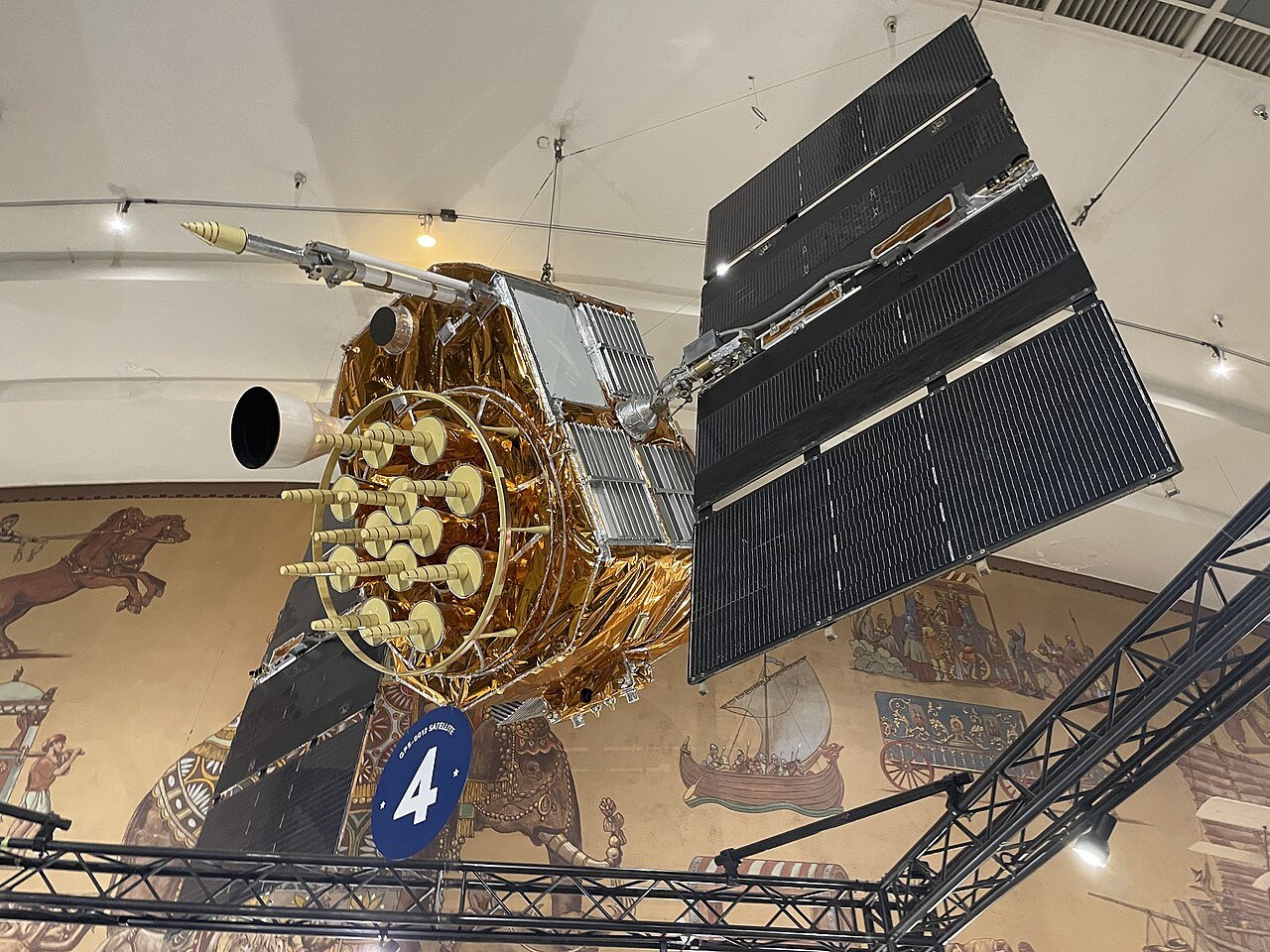
Lawfare Daily: The Rise of the Military-Technology Complex with Bernice Yeung
How do Silicon Valley and the Pentagon influence each other?
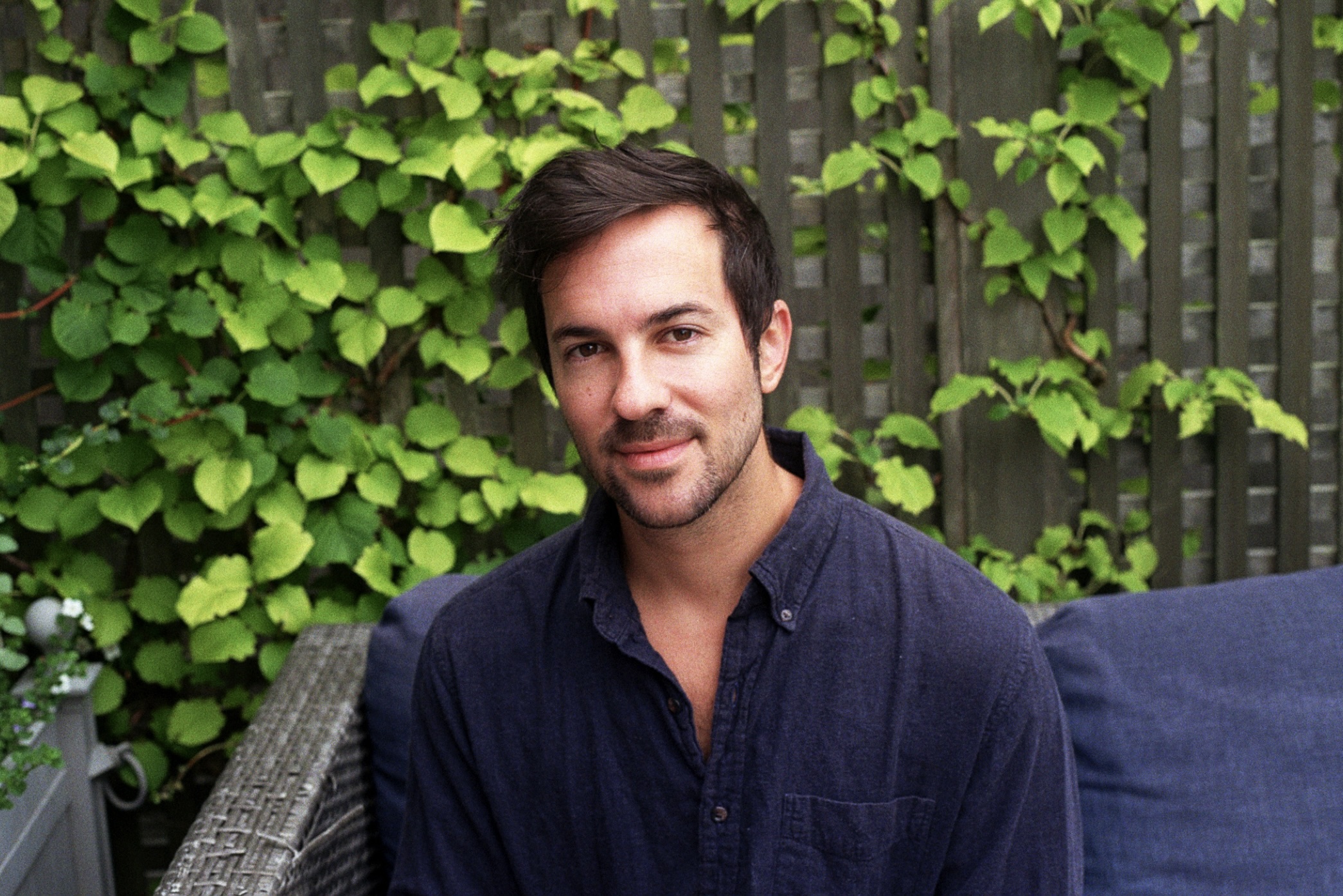

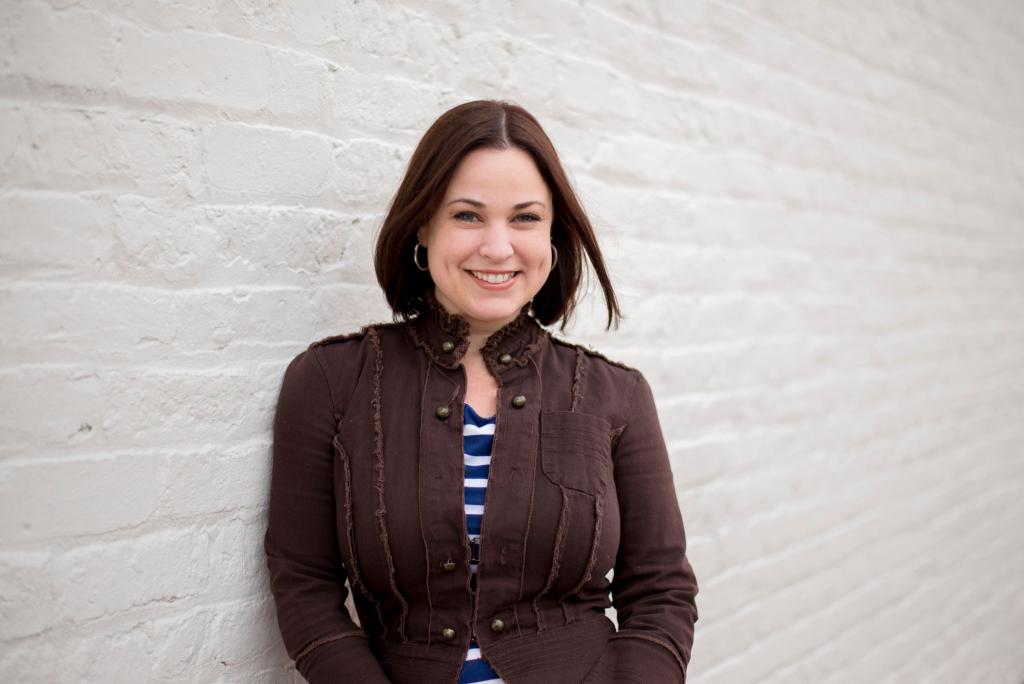
On today’s episode, Lawfare Managing Editor Tyler McBrien sits down with Bernice Yeung, the managing editor at the U.C. Berkeley School of Journalism investigative reporting program and author of a recent feature, “The rise of the military-technology complex,” published in the Bulletin of the Atomic Scientists. They discuss the bumpy history of Big Tech’s relationship with U.S. defense contracting, how Silicon Valley has reshaped the Pentagon, and how, in turn, the Pentagon has reshaped Silicon Valley.
To receive ad-free podcasts, become a Lawfare Material Supporter at www.patreon.com/lawfare. You can also support Lawfare by making a one-time donation at https://givebutter.com/lawfare-institute.
Click the button below to view a transcript of this podcast. Please note that the transcript was auto-generated and may contain errors.
Transcript
[Intro]
Bernice Yeung: Silicon Valley, for its part, saw a business opportunity and a really potentially lucrative one, and a really stable one.
Tyler McBrien: It's the Lawfare Podcast. I'm Tyler McBrien, managing editor of Lawfare, with Bernice Yeung, the managing editor at UC Berkeley School of Journalism's Investigative Reporting Program.
Bernice Yeung: Silicon Valley is a formidable, you know, industry and, and voice and, you know, we'll have to see if there are entities or communities that are, are going to have a significant, kind of, countervailing argument.
Tyler McBrien: Today we're talking about Bernice's recent feature, “The Rise of the Military Technology Complex,” published in the Bulletin of the Atomic Scientists. We discuss the bumpy history of big tech's relationship with U.S. Defense Contracting, how Silicon Valley has reshaped the Pentagon, and how, in turn, the Pentagon has reshaped Silicon Valley.
[Main Podcast]
So Bernice, I'm really excited to talk to you about this story. It's so rich in detail. There's, there's so much great history there, but it also speaks so much to our current moment. So just to get everyone on the same page, I would love it if you could lay out the story as you see it, the story that you tried to tell and then we will most certainly drill down on, on a lot of these chapters.
Bernice Yeung: Well, first of all, thanks so much for having me on the podcast. I'm a big fan of Lawfare, s- someone who's really interested in how the legal system works and policy, so thanks for having me. So the story really started out with my trying to understand the relationship between Silicon Valley and the Pentagon, and how that relationship has changed over time.
I grew up in the Silicon Valley, and in, in kind of the '80s, '90s time period, I was in San Francisco during the dot-com boom and bust. And of course, we're all familiar with, with Silicon Valley's deep defense roots, the, the funding and the collaboration with defense and tech leading to its very creation and foundations. But there was that period of time where there seemed to be less emphasis, less presence, overt presence of the Pentagon in Silicon Valley.
And then all of a sudden, fast-forward some, you know, decades later, and I was looking, I was just thinking about that kind of indelible image of all of the tech CEOs standing behind, you know, at the White House inauguration, Trump's inauguration, and it was really that question of like, how did we, how did we get here all of a sudden?
And so, this story was really an effort to kind of unpack what's been going on in, in recent decades that led to kind of this, at first a kind of almost uncoupling, divorce between Silicon Valley and the Pentagon and how they've come back together.
Tyler McBrien: Yeah, thank you for that. And you mentioned that a lot of us do know, of course, how intertwined the histories of Silicon Valley/the U.S. tech sector are with the Pentagon, histories of DARPA, and the birth of the internet. But as you lay out so well, a lot of people have also forgotten that history.
So I actually would love to start with where you start Silicon Valley's story in the, the history of Silicon Valley and, and how it was actually shaped, as you said, by defense spending and funding. I think it's a helpful place to start because I, I get the sense that in, in popular discourse, there is this idea that Silicon Valley was born in the '90s with the dot-com boom, et cetera, but as you know and as you lived it started much sooner. So, if we could actually start there, and then I'm... I do wanna move to the, the “Last Supper” 'cause that was a, a great place that you started your piece.
Bernice Yeung: Well, you know, going back to the, the '50s and, and roundabout there, you know, if you think about the term “Silicon Valley,” it comes from companies that were making silicon semiconductors for the Defense Department at a point in time when nobody else could really afford silicon semiconductors. You know, these foundational components of computers, these, at that time, these enormous machines that would take up entire rooms, only the government could really afford these significant and expensive and very powerful computers. And so it was really, you know, that defense spending and that investment in Silicon Valley technology by the Defense Department that enabled Computing and then the internet and then, you know, Siri and self-driving cars and all of that.
I think there has been, you know, for the popular imagination, Silicon Valley is often associated with consumer technology, with, you know, apps, with social media, with all of, you know, B2B technology because that was a, that was an, a huge emphasis for several decades as Silicon Valley began to realize that there was significant funding available through the global consumer market that there were ready-made customers there.
And that there was, simultaneously, it was harder to sometimes do business with the Pentagon. There's lots of regulations, lots of laws, lots of process. And so there, I think that was kind of what started to lead to this separation. They were just kind of off doing their own thing for a period of time. I'm not saying that, you know, there was a complete separation between Silicon Valley and the federal government. I mean, at the same time, Silicon Valley was becoming this kind of global center of, of capital and, and it became a global industry, and it was quite present in in terms of lobbying, in terms of seeking regulation or deregulation that would suit them different policies that would be favorable to them. So there was involvement with the federal government, but in terms of defense and this, and Silicon Valley, there was just this kind of cooling period for several decades.
And then there's of course cultural splits. D.C. and Silicon Valley are very, very different places. I mean, it's almost too easy to caricature the two, you know. I mean, I've, I've read some of the books by some of the defense tech leaders and, and one theme that comes up a lot is how the folks from Silicon Valley are always showing up at these D.C. meetings, you know, in hoodies, and then the D.C. guys are coming to the Silicon Valley meetings in suits, and everybody's just kind of, you know, looking past each other culturally too.
Tyler McBrien: And timelines are on you know, o- one is moving in eons and the other one is moving in seconds. And I, I really liked that you started your piece with this, this, I, I hesitate to call it a, a h- history because there is an element of, of self-mythology as well, but this episode of The Last Supper. So this, this is not only a, a story that, that, that you're telling, but it's also a story that Silicon Valley is telling itself right now. So could you unravel that tale a bit?
Bernice Yeung: Yes, The Last Supper. It is a tale. I think it is a narrative. It's, it's a bit of mythology. I mean, it, it's based in obviously something that actually happened, which is essentially in the early '90s as kind of the Cold War was, was starting to wind down, there was a sense that we were going to go into a kind of peace dividend period where less spending was going to be directed towards, you know, defense.
And so the assistant secretary of defense at the time summoned all of the defense contractors in the country. At that time, there were dozens, in the, in the realm of, you know, 50 or so. Not all of them, but he summoned some of them to the Pentagon, and they had this dinner that was called “The Last Supper.”
And apparently, you know, this invitation was quite mysterious. People didn't exactly know why they were being asked to go. After the meal, they were ushered into this kind of, you know, meeting space where they were told, you know, I think the, according to the mythology, that they needed to consolidate or die because the defense dollars were just going to plummet in the years coming, and it wasn't gonna be something temporary. It was gonna be something long-term, and everybody needed to con- plan accordingly.
I, I should point out that there have been some critiques of that analysis as, like, kind of the, the beginning point of all of the consolidation that happens, kind of this notion that because of it, there's been no innovation or little innovation at the Pentagon. I think, you know, it was arguably a factor, but there have been some really great analysis by folks like Margaret Mullins at Vanderbilt, a policy accelerator who, who digs into that and, and, and points to kind of a longer history of privatization and disinvestment in kind of federal policy and spending that, that have kind of also helped usher in the consolidation of these defense contractors now down from dozens to, you know, the big five.
So yeah, it was, you know, it's really viewed as this pivotal moment, and certainly it's captures a lot of our imaginations in terms of how we got here, but it's, it's also, I think, arguably more complicated than just that one dinner leading to where we are today.
Tyler McBrien: Right. So this, this episode, that part history, part mythology in the fall of 1993 of the consolidation of the, these contractors in Silicon Valley turning toward the consumer now that we have the end of history and the peace dividend. Your point is absolutely right. You know, it is too tidy of a narrative, and it's, it's a bit convenient. But in broad strokes, a- a- as you've also written, there were larger dynamics of innovation happening more so in the, the private consumer markets and Silicon Valley, you know, making apps, et cetera.
Meanwhile, the Pentagon growing more bloated and not, not moving very quickly and, and relying on the, you know, the same contractors. In general, there was actually, you, you had a great pull quote from Alex Karp's book, and I'm not in the habit these days of quoting Alex Karp much, but I thought his, his point was a good one which was he from his book, “The Technological Republic,” he writes, quote, "A generation of founders cloaked themselves in the rhetoric of lofty and ambitious purpose merely to build photo-sharing apps and chat interfaces for the modern consumer."
So, you know, in broad strokes, these dynamics were happening. It's easy then to understand, I think, you know, why maybe Silicon Valley needed, or sorry, the Pentagon needed Silicon Valley. But what I really appreciated from your piece is how it happened. You get into some of these mechanisms and, you know, structurally why it's happening.
Could you speak about some of those? So starting at our, our too tidy of a starting point in the fall of 1993, how did we get here to where we are today when Trump, at the inauguration, there are all these tech CEOs and founders, you know, kind of paying their respects and this revolving door happening. How did we get here?
Bernice Yeung: Well, I do think that beginning with folks like Peter Thiel, Alex Karp, Palmer Luckey, these are some of the, you know, founders, co-founders of what you might call now kind of the defense tech pioneers. You know, Palantir started in the early 2000s. Anduril, another one, started about 2017 or so, and they just took a very different point of view, which is that they, they believe that technology needed to be returned to kind of thinking about the so-called national project and doing work for the national interest.
I think there had become a disdain almost that had developed between D.C. and the Pentagon for a period. Just a real misunderstanding and not a lot of conversation. I mean, Marc Andreessen, of, the big venture capitalist, in, in a podcast talks about how he felt like, you know, D.C. hated Silicon Valley for a period of time and the kind of the, you know, the feelings were, were, were fraught between them.
I think because of this culture difference where there was a deep skepticism from some corners of Silicon Valley around government work, especially defense work, lots of skepticism around wars, skepticism around privacy and surveillance. You know, I think Edward Snowden and what happened in that episode where it was discovered that the U.S. government was, you know, essentially spying on its citizens and, and hacking into, you know, tech company in order to do it was, was really, created a split. And so there was a lot to overcome.
But yes, as you say, the Pentagon is, you know, has long realized that it needs Silicon Valley. It needs the technology it's developing, and it has long realized, and has been part of, developing AI, for example. But figuring out how to get it into weapon systems and, you know, battlefield management and intelligence analysis programs has been the big question mark. So they've been trying to figure out how to incorporate all of these technologies that have been developing so quickly in kind of the private and consumer markets.
And what they did was they made a very concerted effort round about 2015 through something called “Unit X” or the Defense Innovation Unit Experiment. There was a very explicit effort by the defense sec- secretary at the time, Ash Carter, to go to Silicon Valley, went directly to Stanford University to give a talk and where he announced the creation of DIUx, which would, you know, as he promised, would help Silicon Valley and, and the Pentagon do deals together, figure out how to get rid of some of the red tape that was really slowing things down. Because I think that's a really important piece of it is that, you know, part of, part of the reason that Silicon Valley had kind of turned away from Pentagon business was it was just taking too long. It, it was a ponderous process and lots of bureaucracy, and Silicon Valley just culturally doesn't have and, and practically doesn't have the patience for it.
So with this kind of announcement of DIUx, that was kind of this big, kind of, lobby first volley to saying, you know, "We welcome Silicon Valley back to the Pentagon, and we would like to figure out how to move faster. We want to recognize you as a valuable partner, and we will do what we can to make it possible for us to work together again."
Tyler McBrien: And did that work? I ask that a bit flippantly, I guess, because you know, in, in, in my mind, it, it, it took a few years, I think, for the, the two cultures to feel each other out. You know, now it's, it's more commonplace to hear an Alex Karp talk in these, like, civilization-saving terms that are very high-minded but, you know, motivating a, a more closeness between the Pentagon and Silicon Valley. But I think you know, around that time or shortly after Mark Zuckerberg being dragged in front of Congress, and there's still a lot of contention between the, the two coasts. So how did that process play out in the ensuing years after that announcement?
Bernice Yeung: I think the big game changer here is really the promise of m- of money and funding. There's, you know, obviously a nearly trillion-dollar budget that the Pentagon is operating with, perhaps soon far more than that. As two of the f- early leaders of DIUx put it in their book, you know, there may have been skeptics in the audience, but, and I'm quoting here, "The skeptics in the audience might not have been moved by the stuff about defending the Western liberal order, but they did care about money. Carter's message was loud and clear. The Pentagon was open for business and wanted to push a giant shopping cart down the aisles of Silicon Valley." So I think they, you know, Silicon Valley, for its part, saw a business opportunity and a really potentially lucrative one, and a really stable one.
Tyler McBrien: Of course, a downside of that is that money can create all sorts of incentives, not all of them good or truthful. A, a, a bit of a, a quick side note here. A, a few years ago, I believe in 2022, I interviewed a journalist named Jonathan Geyer about a story he wrote for Vox about a new exciting defense tech startup called Rebellion Defense. And in Jonathan's reporting, he made the argument that they, they, they were essentially selling, you know, a, a false bill of goods. They were s- often slapping ar- AI or artificial intelligence onto products without actually having the technology to back it up. A bit of a an Elizabeth Holmes type of situation because of the huge windfall that was promised by, by this influx of, of spending defense spending into the tech sector.
As you point out, I think, and it's very important to say that a lot of these newer companies' investments in AI are sort of a drop in the bucket compared to these traditional weapons manufacturers and defense contractors. The Lockheed Martins are still accounting for the lion's share of a lot of these massive defense funding numbers. But, you know, I'm, I'm curious how you were able to, to, how you made sense of the sometimes unreliable narrators who are these founders who have a very strong financial incentive to make their tech sound good and sound like it works.
Bernice Yeung: I think the, the moment where I realized how hazy, gray, or ill-defined AI and its capabilities are came to me pretty early on the, in the reporting when I was simply trying to understand how much money the Pentagon was spending on unclassified AI-related projects. I look at that now and I see it as such a fool's errand, but I, of course, I didn't know that at the time. I was just looking at kind of the contracts that had been awarded related to artificial intelligence.
And then, of course, soon you realize, you know, there are 16 million different ways to describe artificial intelligence, large language models, you know, agentic AI. I mean, there's all, a ba- bazillion different keywords you could potentially use, and some of, some of those terms are not even used in AI-related projects. There was, you know, companies with AI in the name where it's not clear what exactly they were doing for the government. And, you know, there's a frothiness around AI that is attracting a lot of excitement in some circles, a lot of anxiety among others. And I think the hardest thing initially was to figure out what, what do we mean by AI in this context?
And, you know, the Pentagon, like other federal departments and agencies, is using AI in really kind of mundane ways, in the way that maybe all of us use AI, you know, for, to review HR job applications, for example, or things of that sort. I think, you know, it became clear that what we wanted to focus on was the deployment of artificial intelligence for the purposes of warfare. And so, we started to focus in on those types of kind of frontier AI companies that were getting hundreds of thousands of defense dollars explicitly for autonomy, things like, you know, computer vision, things where you, they're. you're automating analysis and supporting the deployment of weapons.
But I think it is, as you're saying, a really big black box as to what is AI, and I think it's, it's ill-defined. And I think that's part of it being this emerging technology, but also part of what makes it, you know, really scary in certain senses and uncertain. And it makes it hard to know whether we're getting a good deal as taxpayers, and it's also making it hard, you know, to know whether we're deploying those technologies in an ethical and responsible way.
Tyler McBrien: Your piece is largely a history of how Silicon Valley and, and the Defense Department came back together or, I don't know, fell back in love. But so many points of your piece stuck out to me of the limitations that still exist between this relationship, these inherent cultural, legal mismatches. One of them that comes to mind immediately is two, two things that are often in tension, which is innovation and regulation or innovation and safety. This is a constant conversation, especially with regard to AI and autonomous weapons.
There's I think you've, I can't remember exactly who you quoted in, in the piece, but, you know, if, if it was up to a lot of the, the Silicon Valley leaders, we would really throw the guardrails off so that America could have the, the best chance it has at developing the most lethal weapons, strongest defense. But I think to, to the Pentagon's credit, a lot of people in the military would be apprehensive to, to, to throw this off or move too quickly.
So I'm curious, you know, what your thoughts are on, on the limitations that still, like, what are the limits of how close Silicon Valley and the Pentagon can get and, and, yeah, I don't know, your, whether that's a, a good thing or a bad thing.
Bernice Yeung: You know, I've, I've spoken to some folks who have worked in kind of the defense apparatus you know, in, in the government under different administrations, and I think they, they feel that because this is, when we're talking about using AI in warfare, that because it is life and death and because it's not just the life and death of civilians, it's also life and death of the so-called war fighter, there's a lot of caution that will be required in testing and making sure that things are working as promised. That's, that I think is their expectation.
I think that what, what, what's different now, and I don't know how it's gonna play out, is that Silicon Valley is now much more involved and making a much more concerted effort in terms of lobbying in terms of making donations to, say, the House and Senate Armed Services Committees, to seek the policies and, and approaches that suit them. And you know, I, I looked at, you know, lobbying expenditures and, and, and campaign contributions, and those numbers are, are just, you know, on the, on the, on the rise for these defense tech companies and tech companies.
So I think the real question is, as Silicon Valley's voice is, is louder and more likely to be heard, is there going to be a countervailing force that's really advocating simultaneously for, you know, deploying all of these technologies in a safe, strategic, ethical, and responsible way?
And I think what's, what we're actually starting to see, it's always so interesting, is what's happening on, on kind of the, you know, AI worker front. They have been some of the most vocal in terms of voicing their concerns around doing work with the Pentagon in a way that they didn't feel there were enough ethical guidelines. I'm thinking of Google during the Project Maven period. But also some of the OpenAI employees have recently, you know, donated significant sums to a PAC called Guardrails Alliance that seeks to increase regulation around how AI is used.
So, I think it's just, you know, Silicon Valley is a formidable, you know, industry and, and voice and, you know, we'll have to see if there are entities or communities that are, are going to have a significant kind of countervailing argument.
Tyler McBrien: Yeah, I'm glad you brought that up because it reminds me of what I thought when I read that Alex Karp quote, which a- again, I agree with the observation that in the, the social media era, that founders would often sell their products in these world-saving rhetoric, when in reality it was as, as often like a photo app that they were building. But the conclusion that he draws from that is different from what I would draw, that, and therefore they should live up to these lofty ideals by building defense tech, when you could see the same starting point end up with building, you know, new and innovative ways to tackle climate change or medicine or curing cancer, et cetera.
Not to say that a lot of Silicon Valley companies are, are looking at these other existential risks and, and more global issues, but clearly the big players are, are f- are, have coalesced around the idea of, of, you know, building things for, for the Pentagon and for the U.S. military. So yeah, I'm, I'm curious to hear the tech worker movements are an interesting one.
I'm curious if you, if you do see other counter narratives or other, other places that Silicon Valley is going, or is this, this movement toward the Defense Department so widespread now, it's just kind of, it's, it's the, the norm in Silicon Valley?
Bernice Yeung: I, I think that it's a really rapidly growing sector. There's a organization called the Silicon Valley Defense Group that is made up of, you know, folks from D.C. and, and folks out here in Silicon Valley, and they issue a report every year looking at kind of venture capital spending. And, and, you know, their most recent report, which came out in the spring of last year, says that, you know, this, this has really been a banner year for defense tech investment by venture capital.
So, I think that's a really strong indication that, you know, people who are trying to seek significant returns from their investment are betting on the Pentagon essentially or, or companies that are gonna do deals with the Pentagon. So I don't think that, you know, genie's going back in the bottle necessarily, but I think we're just gonna see probably more of it.
And I think our job as journalists and as members of the public is to, to ask the government to be really, you know, sensible in how it's deploying its financial resources toward this industry in the way that we would with any other government spending. I think because AI is just such a black box and it's, as we were talking about, ill-defined, it merits more scrutiny because we need to make sure that we're, we're getting, you know, what we're paying for as taxpayers.
And I think we're also in a moment where I think we have an administration that is very eager to accelerate AI adoption, that seeks deregulation and then simultaneously is not particularly transparent and has been quite combative in terms of even answering basic questions from reporters. So, that, I, I do think that there's a sense of urgency in this moment as, as defense tech is rising and lots of money is pouring into that sector, that we really, kind of, keep our eyes and ears open for what's actually happening with our money.
Tyler McBrien: I think a lot of our listeners are more familiar with how Silicon Valley has been changing D.C. and the Beltway. But given that, that you're f- from Silicon Valley, and I believe you're based in Berkeley or the, the Bay Area generally, I would love to hear from, just from your observations day to day, how you've seen or not D.C./the Pentagon changing Silicon Valley. I, I don't know, things like the ads that you see on the BART or things like that. I, I don't know if it, is the vibe different? How, how have you seen, you know, your hometown changing because of this relationship?
Bernice Yeung: You know what's really interesting is the article that I wrote, I sent out to, you know, folks I grew up with, again, here in Silicon Valley, whose parents worked for Silicon Valley startups or for IBM. My dad worked for IBM and various startups, and they didn't know some of this history, which I found fascinating. You go to the Computer History Museum in, in the Peninsula, and you don't really see this kind of laid out as directly.
And so I think we're all kind of just waking up in the same way that, you know, we saw that picture of all the tech executives at the Trump inauguration and everyone, you know, f- was surprised. I think we're s- we're, we're still, you know, working our way through and wrapping our mind around how the industry is in fact changing.
I think that there is, if you look for it, some obvious clues that, that all of this is on the, on the uptick. If you go onto YouTube or, you know, anywhere, you can, you can listen to hours upon hours of defense tech podcasts, all of the leaders of these defense tech companies opining on various things all the time.
I think also, what I don't have a clear picture on is, is I, I'm perhaps, almost stereotypically, I'm at UC Berkeley, but you know, Stanford is the place that has been a big incubator of a lot of these ideas. It's where, you know, Thiel and Karp and others and, have, have emerged from. And so, I imagine if, if I were sitting there, I w- I would see it much more overtly, the changes, and I think probably I would have noticed it sooner.
Tyler McBrien: And as we near the close here, I'm just curious to hear if you'll be continuing along this beat, if you have f- any follow-up stories in mind. What's, what's next for, for your, your reporting interests a- along this topic?
Bernice Yeung: Yeah, thanks. I mean, I've been trying to figure out a way to, to really delve into Silicon Valley, the place, you know, that I feel shaped a lot of who I am and how I approach journalism.
So, I've been thinking a lot about a component of the reporting that emerged from this story, which is kind of looking at something called “other transactions,” which I think people, you know, in defense circles probably in D.C. are, you know, have heard of, have some familiarity with. But they're a type of mechanism for essentially doing a deal with a government entity that has this authority, and the Pentagon is one of them, that strips away a lot of the bureaucracy and red tape. And so it's obviously very appealing to industries like Silicon Valley defense tech.
But as one expert told me it's also a really great way to seed corruption and, and other problematic approaches to obtaining government money. And so, I'd like to just understand a little bit more how this, how this mechanism, this vehicle is used, do a bit more of a kind of thorough accounting of those transactions, because I don't think there's a lot of transparency around them, and they are, at the moment, the preferred vehicle for buying defense tech software and technology.
Tyler McBrien: Well, that sounds even more in the weeds and therefore even more of a Lawfare topic. So we'll definitely have to have you back if you're up for it. But the article, I encourage everyone to read it. We will be linking it in the show notes. It's called “The Rise of the Military Technology Complex.” It's in the Bulletin of the Atomic Scientists. Bernice, thank you so much for joining me today.
Bernice Yeung: Thank you so much for having me.
[Outro]
Tyler McBrien: The Lawfare podcast is produced by the Lawfare Institute. If you want to support the show and listen ad-free, you can become a Lawfare material supporter at lawfaremedia.org/support. Supporters also get access to special events and other bonus content we don't share anywhere else. If you enjoy the podcast, please rate and review us wherever you listen. It really does help.
And be sure to check out our other shows, including Rational Security, Allies, The Aftermath, and Escalation, our latest Lawfare Presents podcast series about the war in Ukraine. You can also find all of our written work at lawfaremedia.org. The podcast is edited by Jen Patja with audio engineering by Noam Osband of Goat Rodeo. Our theme music is from Alibi Music. As always, thanks for listening