Lawfare Daily: The Thousands of Lawsuits Challenging Pres. Trump’s Mandatory Alien Detention Policy

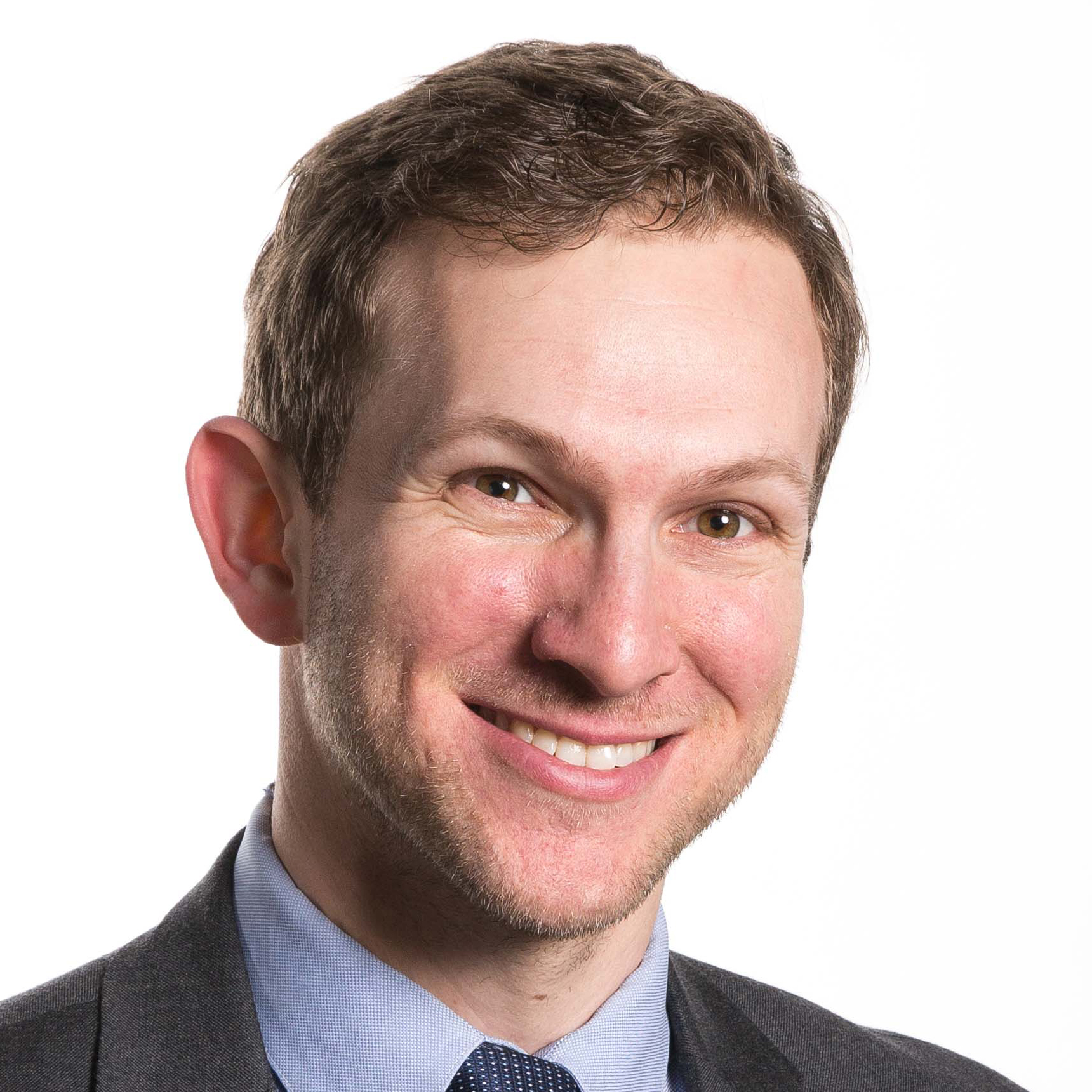
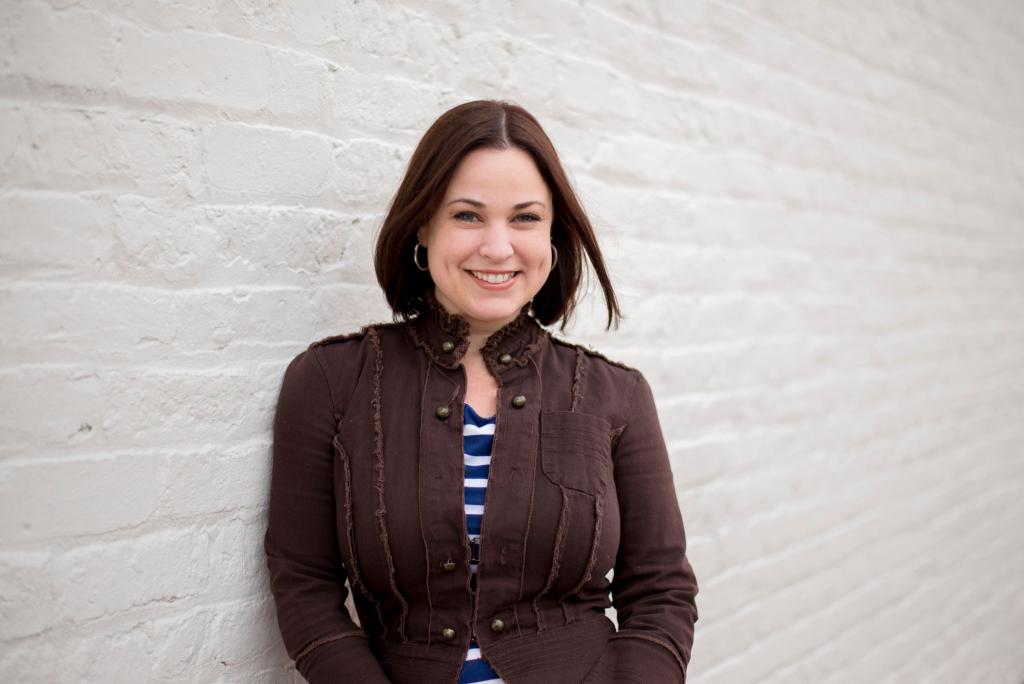
Kyle Cheney, senior legal affairs reporter for Politico, speaks to Lawfare Senior Editor Roger Parloff about the thousands of habeas corpus cases he has pored through challenging a Trump administration policy requiring mandatory detention for most detained aliens.
They discuss how judges have ruled on these cases, the degree to which those rulings do or don’t correlate with political expectations, the appellate prospects for such cases, and why they haven’t been resolved by class action.
More reading on this topic:
- "Hundreds of judges reject Trump’s mandatory detention policy, with no end in sight," by Kyle Cheney, Politico (January 5, 2026)
- "Judges, inundated with immigration cases, don’t mince words on ICE tactics," by Kyle Cheney, Politico (January 26, 2026)
- Kyle's thread on Minnesota cases on X
To receive ad-free podcasts, become a Lawfare Material Supporter at www.patreon.com/lawfare. You can also support Lawfare by making a one-time donation at https://givebutter.com/
Click the button below to view a transcript of this podcast. Please note that the transcript was auto-generated and may contain errors.
Transcript
[Intro]
Kyle Cheney: It's
about 350 or so judges that have ruled against this interpretation in varying
degrees. And I think some acknowledge there are nuances, there are
complications. It's not a totally frivolous position for the administration; and
there's some that just say it doesn't even pass the common-sense test, you
know, this is so far of a distortion of law.
Roger Parloff: It's
the Lawfare Podcast. I'm Roger Parloff, senior editor at Lawfare,
and I'm with Kyle Cheney, senior legal affairs reporter for Politico.
Kyle Cheney: In the
thousands, now, at this point, I’m sure it's tens of thousands of cases that
have cropped up under this issue of mandatory detention. Almost invariably it's
people with either low level, you know, criminal history, you know, parking
violation, traffic violations or misdemeanor type things, or none at all.
And increasingly we're seeing people who even have lawful
status get roped up, you know, people who are refugees.
Roger Parloff: Today
we're talking about thousands of lawsuits across the country triggered by a
Trump administration policy instituted last July that purports to deprive the
vast majority of detained aliens the opportunity for bail.
[Main Episode]
So Kyle you've been all over a terribly important story that
more than any other reporter I'm aware of, that you've written maybe four or
five articles about—it's an issue that's generated thousands of cases relating
to the detention of aliens caught up in the immigration crackdown.
And as I understand it, the Trump administration's position now
is that the vast majority of these people are not eligible for bail, no matter
how long they've lived here while their cases are playing out, no, no longer
how long they've lived here, or how peacefully or how productively or how many
children, U.S. citizens they have, or grandchildren—where does this start? How
did we get here?
Kyle Cheney: Sure. So
you hit it on the head. I mean, this is a very complicated issue that it sort
of still like, hurts my head when I try to parse every little nuance of it, but
it essentially boils down to what you just said—which is that for the last 30
years or more, there's been a sort of understanding in the immigration law,
which itself is pretty complicated and convoluted and I think needs reform to
sort of, for people to fully understand it.
But the understanding has been that if you're apprehended at
the border or just after you cross the border, there's a set of procedures for
removing you relatively expeditiously streamlined procedures that don't take,
you know, months or years, but that if you're apprehended in this country and
teed up for deportation proceedings, that when you've been residing within the
interior of the country, that is a different set of procedures that apply and
those procedures entitle you to a bond hearing at the very least. You get—you
could, you know, make a case to an immigration judge that I should remain free
in my community with my family while my deportation proceedings are pending, or
while I'm seeking asylum or while I'm pursuing other forms of legal status to,
you know, potentially like, you know, protection from deportation to a
dangerous place, that kind of thing.
And what the Trump administration has done is they've come in
and completely turned that on its head. They said actually, we're gonna treat
every single person that we tee up for deportation as though they are a newly
arriving, that's the key word, arriving immigrant and arriving alien. And what
that does is trigger a diff—the trigger a different part of the law that
requires people to be detained while their proceedings are playing out.
So as again, while it typically only applied to newly arrived
people or people who you know, had criminal histories were considered dangerous
or flight risks. It's now been expanded to essentially encompass anyone who
might be who this administration wants to deport, and that's an enormous number
of millions.
Roger Parloff: And
this is because they've started interpreting the statutes differently.
Kyle Cheney: Mm-hmm.
Yep.
Roger Parloff: And
when did that start?
Kyle Cheney: So it's
interesting 'cause you can trace it back to a very specific moment. It's a July
8th memo from the head of ICE, Todd Lyons, who said, you know, yeah, every
administration for the last 30 years has done it one way. We actually see it
differently.
And the law, you know, the arriving alien term in the law
actually applies to this much broader group, and we're gonna just treat it that
way. And that means they don't get—not only do we detain them, we have to
detain them. It's not even a choice. And they don't get bond. They don't get an
opportunity for bond with an immigration judge,
Roger Parloff: Because
this is Lawfare, I'm gonna give the readers the statutes that we're
talking about in case they wanna look them up.
The one that seems to have mandatory detention is that does
have man call for mandatory detention is 8 U.S.C. 1225(b)(2). It says along the
lines of, in the case of an alien who is an applicant for admission, if the
examining immigration officer determines that an alien seeking admission is not
clearly and beyond a doubt entitled to be admitted, the alien shall be
detained. So that's the one they're relying on.
The other one, which used to apply in a lot in a tremendous
number of these cases was 8 U.S.C. 1226(a) says, an alien may be arrested and
detained pending a decision on whether the alien is to be removed from the
United States. Dot dot dot and—
Kyle Cheney: Right.
May being the key word.
Roger Parloff: The
attorney general may release the alien on bond and so on. So, that's the thing
that they're reinterpreting. And so they, they are basically saying that
everyone, no matter how long they've lived here and where they live is in
effect still an applicant—seeking applicant for admission.
Kyle Cheney: Right.
And, you know, you hit it on the head because what we're seeing, you know, and
what I've been reporting on is this overwhelming rejection of this new
interpretation by the courts. I mean, it's just across—I mean there, there's
some exceptions. There's a minority of judges out there that support this
interpretation, but overwhelmingly it's been rejected, and they key on that
phrase, seeking admission that you mentioned in the first statute.
Because one of, you know, one of the judges I think put it
best, I think it was Judge Ho in New York, who said, if you go into a movie
theater and you don't pay, you don't get, you don't buy a ticket, but you go
sit in there. And they catch you. They don't say, oh, you're here seeking
admission to this movie theater. You're in you're in the movie theater, right?
You may not be supposed to be there and we can put you through one set of
proceedings, but you know, but we can't just pretend that you're seeking admission.
You're here. So it's the same thing. If you've been living in the country for
years, you're not seeking admission anymore. So that mandatory detention
shouldn't apply. And that's what most courts are saying.
Roger Parloff: And
what are the approximate numbers as far as you've been keeping track? You've
been trying to keep track.
Kyle Cheney: Yeah. Trying.
Roger Parloff: Yeah.
How many cases have there been so far and how are they coming out?
Kyle Cheney: I mean,
it's exploding.
And I, you know, I didn't set out starting to track, trying to
track this vast number. I started, I saw they started to crop up and their, the
judges' opinions were so you know, alarmed and colorful that I started paying
attention to them. And there were a few dozen at a time back in July and
August, and that's now ballooned is hundreds of habeas petitions filed everyday
keying on this issue.
And what I've been tracking is the number of rulings in these
cases, and what I've found is about 2,600, as of this taping, rulings rejecting
the administration's interpretation of the policy and either ordering a bond
hearing or just outright freeing people who are detained. And these are judges
across the spectrum.
It's about 350 or so judges that have ruled against this
interpretation and varying degrees. And I think some acknowledge there are
nuances, there are complications. It's not a totally frivolous position for the
administration. And there's some that just say, it doesn't even pass the common-sense
test, you know, this is so far of a distortion of law.
Roger Parloff: And
how many have ruled the other way, for the Trump administration?
Kyle Cheney: As of the
morning of this taping about 21 judges versus—
Roger Parloff: Oh, that's
more than—it's increasing.
Kyle Cheney: It's, I
mean it is increasing certainly you know, and actually it's increased more
steadily in the last couple of weeks I've noticed.
But what is fascinating is the judges opposing this policy that
have said it's not a valid interpretation of the law, have been over across the
spectrum presidents of every party, including about almost 40 Trump appointees.
On the other side, the judges that are endorsing the policy are
almost exclusively Trump appointees. There's about, I think it's 15 or 16 out
of the 21. Whereas there's a more of a cross section on the other side.
Roger Parloff: By the
way, can you estimate the number of people that this impacts? That, if the
Trump administration is right, the number of people that are suddenly
ineligible that used to be eligible?
Kyle Cheney: So I
haven't seen a precise figure, but the estimate's in the millions, you know,
it's essentially however many people have been residing in the interior of the
United States for decades, and you know, we're seeing those kinds of cases, you
know, someone's been living here since 2002, their children are U.S. citizens,
they've served in the military. There's, it's like these long—they have no
criminal history. There's no—you know, they run a business. You know, it's
very, you know, elaborate stories about someone who's a fabric of the
community.
Some, in other cases they've been, they were brought here as
children in, you know, the early 2000s and similar circumstances there. But, so
it really stretches back to an enormous number of people.
Roger Parloff: Wasn't
there one guy who was like a superintendent of schools? Does that ring a bell?
Kyle Cheney: I think
that's, I think that's right. I can't remember, I don't remember that
specifically in this context.
Roger Parloff: Right,
right.
Kyle Cheney: But it
is, but the, but it's in, you know, again, you name it the scenario.
I mean, there are situations where people who have been, who
have criminal records are subjective and there's a little more of a complicated
analysis, but for many of these cases, so many of them, it's not that's not
even at issue.
Roger Parloff: So if
there's 2,600 cases and more than 360 judges, 70 judges are all deciding the
same legal question,
Kyle Cheney: Mm-hmm.
Roger Parloff: Some viewers
or listeners, if they aren't named Samuel Alito and they probably aren't named
Samuel Alito, are probably thinking, is that the most efficient way to handle
this? Why not have a class action and then have a ruling and then have that
appealed and so on?
Kyle Cheney: That's
a, it's a great question.
I get that question a lot from my editors when I, every time I
write these stories. And, you know, I, for my own mental health and bandwidth purposes,
I would love that to get a higher court to rule to weigh in on this too.
But I think what we're seeing is, number one, the Supreme Court
has said very unequivocally in other immigration cases arising this term like
the Alien Enemies Act, that habeas cases, cases where someone is detained and
so they should be released, have to be decided, one, in the venue where the
case is filed—and with some exceptions, you know, mostly on an individual
basis. I mean, there can be class actions and there have been some.
But generally, you know, first of all, these are usually filed
in emergency scenario. Someone is grabbed off the street by ICE and they say, I
don't wanna be detained for a day, let alone months. I'm gonna file a suit
immediately.
There's not this sort of long process where you have lawyers
combining petitions. But we have seen them crop up in Massachusetts and
Colorado. And a couple other places there have been statewide class actions.
And then of course there was one nationwide class action in California that was
granted.
But we're seeing now because of the way the Supreme Court has
treated habeas petitions, and the limits of what class actions can do to compel
courts in other jurisdictions how to act.
And the second piece is, another layer of complication is, the
immigration court system itself, which is run by the executive branch. They
have their own set of laws and precedents for how to treat these cases, and the
class action that was issued in California, the nationwide one, didn't block
the immigration courts own rulings on this issue. So those courts are still
saying, yeah, we can still detain, you know, order the detention of people
without due process.
Roger Parloff: To be
specific, this is the before Sunshine Sykes, is that right?
Kyle Cheney: Yes.
Sunshine Sykes out in Central District of California.
Roger Parloff: Okay,
so that's in the Los Angeles area. I don't know which exactly where—we neve turn
down an opportunity to say her name.
Kyle Cheney: I always
found it amazing that he appointed Sunshine, Joe Biden appointed Sunshine Sykes
and Sparkle Sooknanan in D.C., two of them together.
Roger Parloff: So
what she entered, if I'm correct, it was a class declaratory judgment. Is that
right?
Kyle Cheney: Right.
Roger Parloff: It's
not an injunction and I think the reason she did that is that there is this jurisdiction-stripping
provision that bars injunctive relief, a class injunctive relief for certain
categories of immigration issue.
Is that correct?
Kyle Cheney: That is
right, yes.
Roger Parloff: Okay.
And so what people are grappling with is whether they have to follow a class
action declaratory judgment is that—
Kyle Cheney: Outside
of the district that she's in? Yeah,
Roger Parloff: Yeah.
Which defeats the purpose of the, a nationwide,
Kyle Cheney: Right.
You know, it's interesting she's gotten increasingly frustrated in some of her
more recent rulings that it's not being followed elsewhere.
That she keeps getting these, even in her own court, she's
still getting these petitions because the Trump administration has taken the
position that the class action has, basically has no teeth. And it is a bit
convoluted.
She kind of backed into it, you know, she, she granted the
declaratory judgment relief just for about the, I think it was six petitioners
who had filed in her court and she later certified the nationwide class and
said, by the way, that my declaratory judgment for those six people applies now
to the nationwide class that I'm certifying.
But the way it was structured is a bit complicated.
And other judges, you know, in Texas and elsewhere have said,
we're not bound by that. You know, one, one court out in California with
issuing a declaratory judgment does not bind us.
Roger Parloff: And
those decisions about who feels bound and who doesn't, are those, do those show
political colors or?
Kyle Cheney: It's
been less frequent, because that issue is just still like newly percolating
that the, you know, people—petitioners are even claiming that they're members
of the class, and so we're seeing that bubble up.
So, you know, Judge Hendrix in Texas, who's in the Northern District
of Texas, he's a Trump appointee and he's the only judge that takes those kind
of immigration cases. So he, every—he gets every one of 'em and he has been one
of the few, one of the 21 who sided with the administration and he has issued a
fairly lengthy opinion in explaining why he doesn't feel bound by the Sykes
class action ruling.
Not the least of which is that her ruling, again, it did not
vacate the immigration courts precedent that upheld the administration's
interpretation of the law. And so he said, that's still on the book. So I'm
gonna defer to the immigration courts on that.
Roger Parloff: The
Bureau of Immigration Appeals ruling is that?
Kyle Cheney: Yes,
exactly. Sort of presidential, nationwide ruling that they had.
Roger Parloff: And to
be clear, all of these immigration judges are, they're not just it's not like
administrative law judges.
They are employees of Pam Bondi.
Kyle Cheney: Essentially,
and more so than ever. Like, there's always been—they've always been executive
branch, and I guess to branch function, but I think we've seen Bondi and this
administration really push to have immigration judges that align with the
administration's views on this, on these issues.
Roger Parloff: What
about appeals? Where are we in terms of the appellate courts?
Kyle Cheney: So
that's the—right, that's back to your original question, which is when are we
gonna get to the higher courts here? Which is, there are now actually dozens of
appeals pending, but, and the one that's the most imminent is in the Fifth Circuit.
And that's I think by design of the administration, which is
they, you know, they think they probably have the best chance with the circuit
there. And they've pushed to expedite some of the appeals there. They've
bundled a bunch of them together, and there actually is a hearing I believe
it's next week on that.
Roger Parloff: Yeah.
I think February 4th.
Kyle Cheney: Yep. That's
right.
Roger Parloff: And I
think close behind that is another very, very conservative circuit: the Eighth Circuit.
Kyle Cheney: Yes.
Roger Parloff: The
Avila case—I don't think there's an argument set yet, but I think it's fully
briefed.
Kyle Cheney: Yes, it
is fully briefed, and that is, I mean, the Eighth Circuit's important for a lot
of reasons these days, but there's Minnesota's in there and then, and there's
been—
Roger Parloff: Yeah.
Kyle Cheney: an enormous
influx of these exact cases in Minnesota.
You know, again, those aren't the ones that are gonna be at the
appeals court, but it's very relevant in that circuit right now.
Roger Parloff: Yeah,
and just for the listeners, Steve Laudick has mentioned that the Eighth Circuit
has 11 active judges, 10 are appointed by Republican presidents, including four
by Trump. There's one senior judge who hears cases and he's a Republican
appointee too.
And so, it was—the government pushed for expedited appeal in
those two circuits is my understanding, is that?
Kyle Cheney: Yes,
they pushed and then they've been pushing to stay appeals in other circuits.
And often, and actually what I've seen even more frequently is the appeals get
dropped.
You know, if people are deported, you know, while these
proceedings are playing out.
Roger Parloff: Mm-hmm.
Kyle Cheney: And the
mo—kind of moots the issue. You know, a lot of them are not, they're not in it
to try to get the circuit law, they're in it to either get out of detention or
not. And so either if they are on the losing end on the, in the district court,
and if they either get deported or released through some other means, then they
may drop the case.
Roger Parloff: You
have slogged through a lot of these cases now, and you've read a lot of the
rulings and see the fact patterns. And of course, you know, we've heard from Tricia
McLaughlin and Kristi Noem that 70% of these people arrested are violent
criminals.
Is that what you are finding?
Kyle Cheney: No, the
opposite.
And you know, again, I it's always tricky to sort of
extrapolate, you know, when there's, so, I mean, so many cases never reached
the courts at all. You know, and that's one of the most amazing things is the
just overwhelming deluge of these cases is probably just a fraction of the
people who are going through these proceedings, you know, maybe without a
lawyer or maybe before they get a chance to file, to challenge something.
But the, in the thousands now, at this point, it's tens, I'm
sure it's tens of thousands of cases that have cropped up under this issue of
mandatory detention—almost invariably it's people with either low level, you
know, criminal history, you know, parking violation, traffic violations or
misdemeanor type things, or none at all.
And increasingly we're seeing people who even had lawful status
get roped up. You know, people who are refugees, like in Minnesota, there's a
judge. actually, just hours before we, we started taping this, ruled that the
administration could no longer just scoop up lawfully admitted refugees and
claim that they were reevaluating their status and use that as a basis to
detain them.
And that's coming up in this same context too.
Roger Parloff: Wow.
Can you tell us some examples of fact situations, disturbing fact situations
you've come across?
Kyle Cheney:
Absolutely. I mean there, there's, you know, it's hard to, when there's so many
recall the, with precision, the specifics. But I've seen a number of cases of,
you know, pregnant detainees and where, you know, they they're nursing. They
have nursing children at home. Again, no criminal record, no, you know,
aggravating circumstances that you'd say, okay, well maybe that person should
have been detained despite the, despite that—
And actually we've seen in Minnesota in particular, a number of
cases that really jumped out to me, all in a row where you had that was an
example of one, there was a mother who was nursing a five month old, grabbed
off the street, I think, while getting her heart medication at—you know, or
something like that. She did have a heart condition too, and was—and the issue
is not only are they being arrested and detained, but what the administration
is doing to try to defeat the jurisdiction in Minnesota where they're losing a
lot of cases is quickly rush people to Texas or Louisiana where they have not,
you know, number one, they have deportation staging facilities, but also more
favorable judiciary.
And the judges in Minnesota are acting or are responding with
sort of horror at you're grabbing people with what we consider an illegal
detention in circumstances where these are pillars of their community. They're
people who've been there for 10, 20, 30 years, might have young kids, might
have U.S. citizen kids, and you know, and not only are you grabbing them,
you're sending them across the country without even a chance to challenge that.
And so that's where we're seeing the judge in Minnesota,
including the chief judge there, say, you know, this is, you know,
unacceptable.
Roger Parloff: Yeah
the chief judge there, Schiltz, I'm not sure how to pronounce it, who was a
Scalia clerk. He got a lot of attention recently. He threatened Todd Lyons, the
ICE director with contempt, basically.
And it was one of these cases he had ordered release and it
just didn't happen.
Kyle Cheney: Right.
Roger Parloff: Or
release or bail hearing and neither happened.
Kyle Cheney: Right.
Roger Parloff: And
that, he subsequently, the judge that individual was released TRO, but Judge Schiltz
just wrote yesterday that there were about 96 violations of orders in 74 cases—
Kyle Cheney: Just
this month.
Roger Parloff: this
month. Yeah.
Kyle Cheney: Well,
that's the other side of this too. So, so you, again, you have thousands of
rulings where judges are saying this form of detention is illegal. People are
being denied due process. They're, you know, be, their rights are being abused,
essentially, constitutional and legal.
But then you have the, what's exacerbating it is even where
judges are ruling that the administration is finding, you know, technicalities
or ways not to comply with the spirit of those orders, which is give 'em a bond
hearing or let 'em out. That's essentially what judges are saying over and over
again.
And what the administration is doing is, number one, maybe not
even complying at all, like that's why you had Judge Schiltz get so upset was,
you know, we're seeing, we're ordering release and you know what judges, I
think pretty uniformly in every case, not just immigration cases, understand
that taking away someone's liberty is about the most extreme thing government
can do, short of, you know, death penalty.
Roger Parloff: Yeah.
Kyle Cheney: And so
even for a day to take someone's liberty away unlawfully is, you know, again
the most unacceptable thing a government can do. And so here where you have
this sort of rampant violation of court orders, ordering release, where people
are losing their liberty, you know, with regularity, that's why you saw him
react so sharply.
But we're seeing that all over the country too. I mean, wrote
something imminently on that and how, you know, it's not just Minnesota but
everywhere and some of it's just a function of how many cases there are because
of this indiscriminate mass detention.
The administration doesn't have the resources. They're not
giving the Justice Department the resources to, to deal with these cases. I
don't think they're defying court orders. You can debate this necessarily
because out of malice, although maybe they are in some cases, but some of it's
just a resource thing, they're just not, they can't keep up.
Roger Parloff:
Mm-hmm. And in fact the Judge Schiltz order, in a footnote, he said, this is
not the fault of the AUSA on the case, Ana Voss, she's working her butt off,
basically. This is—they're just totally unprepared. The ICE or DHS is just
totally unprepared to deal with it.
Kyle Cheney: Right. And
the question is, is that by design?
I, so that, you know, you may say like the, there, there's an
intentional, you know, strategy of this administration to make this process so
onerous and so painful that a lot of people will just not even want to go
through with it. They'll agree to deportation, they won't fight it. You know,
and I think a lot of immigration advocates will say that's, it's been
successful in a lot of ways.
People are leaving rather than risk being detained for months
to fight, even if they have a meritorious case because of exactly situations
like this.
Roger Parloff: Yeah.
And actually in that same vein, you know when they changed the policy back in
July, and as you've said, this is going to impact potentially millions of
people.
Surely, they must have taken steps to obtain facilities to
house all of these detainees that have never needed to be detained before. Is
that how the Trump administration handled it?
Kyle Cheney: Yes and
no. I mean, I think they would say they did get this sort of unprecedented
infusion of funds in the One Big, Beautiful Bill Act that has, you know, given,
put ICE at unprecedented levels of funding.
They've been on a hiring binge. They are talking about building
facilities. They don't know how far along they are with those, but I know what
you're getting at, which is that a corollary to all of these, this influx of
cases, detentions, is that people have been filing lawsuits about the
conditions of their confinement and some of the atrocious conditions of
confinement that have really led to second order consequences of all this.
Roger Parloff: And
what—tell us about those cases.
Kyle Cheney: Yeah. So
we've seen a couple of big ones. The biggest that I'm aware of are in, in New
York and in Illinois where judges have ruled that the conditions they saw at
some of the major facilities are essentially, you know, third-world kind of
conditions. They're atrocious.
People are overcrowded, they're sleeping without, you know,
bedding on hard floors with minimal, you know, like foil blankets and, you
know, the food is not good. The access to hygiene products is not good. And
then more, maybe most importantly, their access to counsel is limited. Their
ability to converse with lawyers in some cases, the judges are finding
intentionally so, that there there's not being given their constitutional right
to counsel.
In other cases, just lack of, again, lack of resources, lack of
prepare preparation for the number of people. So those were two big orders in
those cases requiring improvements. And now there is a new one that was filed
in Minnesota that's still working its way, but it is on a fast track with a TRO
filed within the last couple of days.
Roger Parloff: I, I
think the Perdomo Vasquez case had a prong to—
Kyle Cheney: Right,
you're right.
Roger Parloff: The
case that went to the Supreme Court, but a different prong was also focusing on
this safety.
Kyle Cheney: Correct.
And that part's not on hold as I understand it. The part that's on hold was the
roving arrests on the streets, but the part about the access to counsel, I
think is still in force.
Roger Parloff: I see.
Oh, and I do wanna recommend to viewers and listeners, you did a thread about
some of the cases that you had come across in Minnesota.
Kyle Cheney: Mm-hmm.
Roger Parloff: That I
think just ought to win a Pulitzer Prize. I don't know if threads get,
Kyle Cheney: That's
very generous.
Roger Parloff: And
was that converted to an article yet, or?
Kyle Cheney: It was, partly
because of the response to that thread, I think people took note of it because,
you know, it was happening at a time where there, I mean, there, I mean there
still is this intense focus on the surge in Minnesota, the Operation Metro
Surge, and the sort of indiscriminate arrests that have led to, you know,
violent confrontations on the streets in a way that's, you know, really
reaching a climactic point here for the country.
But the, and then again, Judge Schiltz is, you know, recoiling,
you know, against his administration, I think shined a light on this too. But
amid that, I've said, you know, why is Judge Schiltz reacting this way? Well,
he's the chief judge in Minnesota and he's hearing from his colleagues who are
seeing these cases that are, of the same mandatory detention variety we talked
about, but they're some of the more extreme examples.
Again, I mentioned the nursing mother, but there's other ones
too. People are being arrested outside their healthcare appointments. They're
being, you know, grabbed in ways, they've been, again, shipped to Texas and the
judges are saying, hey, I issued an order saying don't send the person out of
Minnesota, and you did it anyway, 12 hours later, like, you're violating my
order.
And Judge Schiltz sees that over and over again. That's why
he's reacting with horror. So I highlighted some of those cases and I did
thread those into a story because the collective response of the Minnesota
bench has been so, both mostly uniform and alarmed.
Roger Parloff: Yeah.
And people who have been here 10, 20 years, productive members of society.
It's really horrifying.
Kyle Cheney: Well,
and I should say this too, which is that the Minnesota bench is interesting
'cause it has, you know, Donald Trump appointees on that bench too. Eric Tostrud
is one of them, and he's been ruling in favor of the non-citizens filing the
petitions in most cases.
And these judges are getting major na—you know, important cases
that are not aside from these individual habeas cases. You know, Judge
Menendez, a Biden appointee, is gonna weigh, is weighing right now whether to
kick ICE out of Minnesota altogether.
Roger Parloff: Yeah.
Kyle Cheney: You
know, Judge Tostrud is dealing with the preservation of evidence from the
shooting of Alex Pretti.
And then there's a couple other cases that are much broader in
scope, but I thought it was important to note that these judges, while they're
weighing these big issues are getting this drumbeat—
Roger Parloff: Yeah.
Kyle Cheney: of
individual habeas cases. Some of them really outrageous that are informing
their view of the larger policy questions.
Roger Parloff: Yeah,
exactly. That was a great point and a great thread. One thing, without giving
away sources, how did you get onto this? I mean, 'cause you were—I think you
were the first to really see that this was exploding.
Kyle Cheney: You
know, I have to retrace my history on this because I noticed it, probably in
August that there were some rulings—I think we've been writing a lot about the
administration's, you know, violations of due process in the Alien Enemies Act
context.
And as we sort of scoured for, you know, cases that in that
vein, we saw a lot of judges issuing really blistering opinions about
violations of due process on this particular question.
I think the Judge Ho opinion I mentioned, that, where he
mentioned the movie theater analogy came out pretty early on and I said, wow
that's a very colorful example. And I started seeing more of those, you know,
similarly pointed and really recoil again, recoiling kind of opinions. So I
said, I'm just gonna keep an eye on this.
And it started to explode.
Roger Parloff: Yeah.
Kyle Cheney: You
know, with, once this policy really took root and then that's why, so I think
it was sort of inadvertent that I ended up tracking these. There was no secret
tip to, to watch these cases, but it's now, you know, become the heart of so
much of these mass deportation policies in across the country.
Roger Parloff: Yeah.
So when these cases are being litigated, I know, you know, the attorneys always
go for the, look for the, what is the closest Supreme Court guidance that
exists? What is the key case that they're debating?
Kyle Cheney: Yeah, so
what we're seeing is one of the reasons that the judges are overwhelmingly
siding against the administration is that they, you know, very routinely point
to the Supreme Court's Jennings opinion, which is a few years old, and I
actually don't remember the specifics of the underlying factual basis of that
case.
But one of the, you know, the, at least in the dicta, if you
can argue, arguably in the holding, but was that the Supreme Court recognized
the distinction between 1225 applying to people who were newly arrived, and
1226 is applying to people who were already in the country and they treated it
like a given that was the dynamic.
And so, judges are keep pointing to that to say that's the
basis to reject this interpretation because the Supreme Court kind of laid it
out for us. And we have to, you know, Supreme Court's been pretty, you know, up
in arms when people don't adhere faithfully even to their dicta when it seems
clear where they're going. So they're saying, this is, we're obligated to do
this required here.
And now that minority, that growing minority judges says, well
actually that's not how we read that opinion. We actually read it a little
differently than that.
Actually, another thing I should mention too is the Laken Riley
Act. One of Trump's sign—his sort of signature first law that he signed when
his second term began, which required detention for people who were arrested or
charged or convicted of a certain range of serious, you know, violent crimes.
The judges opposing the administration's detention policy say, if you could
just detain everybody in the country, you know, without bond,
Roger Parloff: If you
had to, if it was mandatory.
Kyle Cheney: If it
was mandatory, if you had to, then why on earth would Congress have passed a
law saying you must detain these people who committed crimes. It would be
superfluous. It would be meaningless. And we never assume, as courts, that
Congress acts in a superfluous and meaningless way. And again, the judges who
have sided with the administration have kind of parsed that and said, you know,
we disagree.
That, you know, Congress can do things that are redundant
sometimes, and it doesn't affect the plain meaning of what, how we read the
law. But most judges are saying, no, that doesn't work that way. Like, why
would Congress, why would they pass something that had no effect?
Roger Parloff: Yeah.
And the pro-Trump administration rulings, they are for the most part, they
focus on this phrase, seeking admission, or, and say, well, in effect, you must
be seeking admission—
Kyle Cheney: Right.
They say that if you are—they actually mostly ignore the seeking admission part
of it. They say if you are an applicant for admission, it means you, whether
you're here or you just got here, or you've been here for 30 years, you haven't
been admitted, therefore, you are an applicant for admission.
And there is a sort of natural understanding of it that way.
You could say, someone's here, they haven't been admitted, so they want to be
admitted. So they're applying for admission, but the judges on the other side
ruling against say, look, there's long understood legal interpretations of
these words, applicant for admission, seeking admission that run counter to
that.
Roger Parloff: Right.
I think the, I've heard immigration lawyers referred to the two groups of aliens
as the IEWIs versus the ERs. Have you heard that?
Kyle Cheney: Mm-hmm.
No, that's a new one for me.
Roger Parloff: It's
the Immigrants Entering Without Inspection, I-E-W-I
Kyle Cheney: Ah, IEWI.
Yes.
Roger Parloff: That
versus the ERs, Expedited Removables.
Kyle Cheney: So, well,
and that's, well that's where you get a lot of nuances here is like, for
example, a lot of the people that are being mandatorily detained are people
that were, that came in, you know, during the Biden administration and were
released on parole.
And what the adminis—and when they were released, they were
told,
Roger Parloff: Which
is different, we should say, from bond. It's a different—go ahead.
Kyle Cheney: Right, essentially,
there are people who the administration said, at least at the letter of the law
says you can be, you're supposed to be, you detained when you cross the border,
but you can be released for humanitarian reasons or, you know, emergency
reasons.
And the administration, the Biden administration released a lot
of people on parole saying, we don't have bed space. And they let them in. And
what the Trump administration is doing is basically saying all of those people
must be detained. We don't, we disagree essentially with the Biden
administration's decisions, but what the courts are saying is that's too bad.
Like they, that was the same agency making a determination and
they released a specifically, and even in the release form said, you are here
under the statute 1226. Oh, you're here as under this discretionary, you know,
law. And so when the Trump administration says no, they're under 1225.
Well, the judge said, well, the paperwork says they're here at
1226. You can't just go rewrite history now.
Roger Parloff: Right.
Interesting. Well, listen, I think we'll have to leave it there, but thank you
so much for appearing and for writing about these and bringing all of this to
people's attention. It's been a great service.
Kyle Cheney: I
appreciate it. I'm glad to get to air the nuances 'cause it's very complicated
and I don't always get to do that. So, thank you.
[Outro]
Roger Parloff: The Lawfare
Podcast is produced by the Lawfare Institute. If you want to support the
show and listen ad free, you can become a Lawfare material supporter at lawfaremedia.org/support. Supporters
also get access to special events and other bonus content we don't share
anywhere else.
If you enjoy the podcast, please rate and review us wherever
you listen. It really does help. And be sure to check out our other shows,
including Rational Security, Allies, the Aftermath, and Escalation, our latest Lawfare
Presents podcast series about the war in Ukraine. You can also find all our
written work at lawfaremedia.org.
The podcast is edited by Jen Patja, with audio engineering by Cara
Shillenn of Goat Rodeo. Our theme song is from Alibi music.
As always, thanks for listening.
.jpg?sfvrsn=4a061296_3)