
Lawfare Daily: The Trials of the Trump Administration, April 24
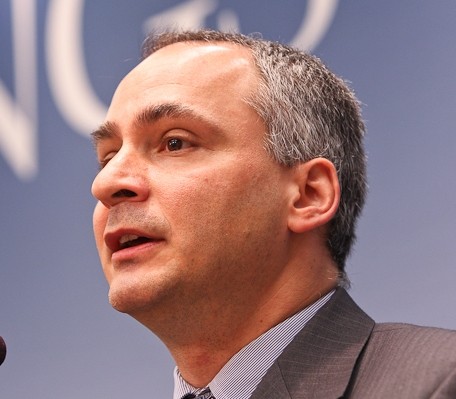
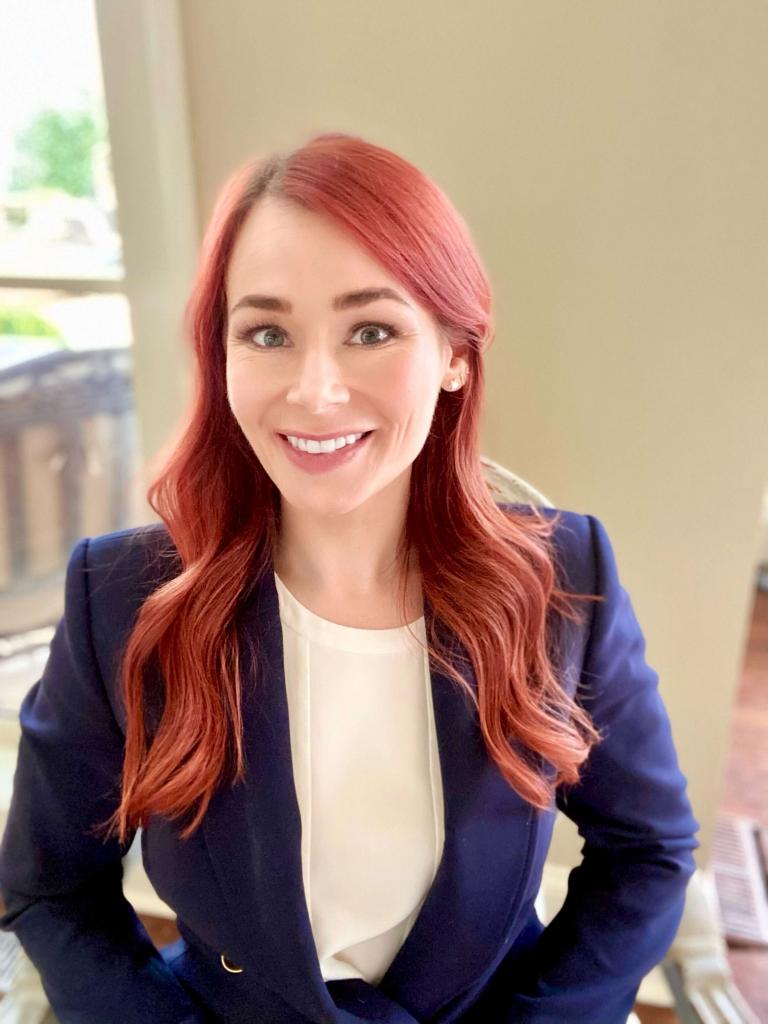

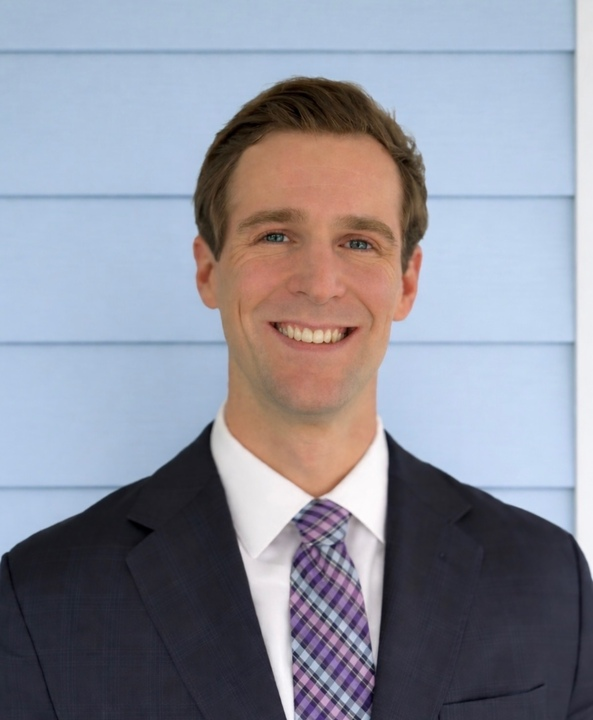

In a live conversation on YouTube, Lawfare Editor in Chief Benjamin Wittes sat down with Lawfare Senior Editors Anna Bower, Eric Columbus, and Roger Parloff and Lawfare Public Service Fellow Troy Edwards to discuss the indictment of the Southern Poverty Law Center, the Department of Justice dropping its investigation into Fed Chair Jerome Powell, the government’s renewed attempt to deport Kilmar Abrego Garcia, and more.
You can find information on legal challenges to Trump administration actions here. And check out Lawfare’s new homepage on the litigation, new Bluesky account, and new WITOAD merch.
To receive ad-free podcasts, become a Lawfare Material Supporter at www.patreon.com/lawfare. You can also support Lawfare by making a one-time donation at https://givebutter.com/lawfare-institute.
Click the button below to view a transcript of this podcast. Please note that the transcript was auto-generated and may contain errors.
Transcript
[Intro]
Benjamin Wittes: It
is Friday, April 23rd, 2026. It is 4:00 PM in Washington, D.C., and in all
hotel rooms in New York City. You are watching Lawfare Live: The Trials of
the Trump Administration. I'm Benjamin Wittes, editor-in-chief of Lawfare,
and I am here with Lawfare Senior Editors Eric Columbus, Roger Parloff, and
Anna Bower. And on his last day as a Lawfare Public Service Fellow, Troy
Edwards, who is moving on to the next big thing starting next week.
Folks, we've got an agenda that is so packed that I am going to
keep my witty banter at the beginning to an absolute minimum. And I'm also
gonna ask all the panelists to be relatively brief in answers or we're just not
gonna get through stuff. And I may or may not suspend questions for the week,
depending on how we're doing on time at the end.
It's been a big week in the politicization of the Justice
Department, and I wanna start with the indictment of the Southern Poverty Law
Center. LT, I gotta say, when I read that indictment, I was skeptical that it
would survive a motion to dismiss for a number of technical reasons but I, my
knowledge of fraud prosecutions is not super refined. Yours is better.
So, first of all, give us a little overview of this
prosecution, and secondly, how cooked is the goose of the Southern Poverty Law
Center.
Troy Edwards: Yeah.
So you'd said there are a lot of indictments. I actually printed a ton of them,
and I, this is not common. And all of these are indictments from this past week
that we're gonna talk about. This first one, the Southern Poverty Law Center
has raised a lot of questions. My experience has not typically been in the
white collar space, but in reading through the charges, a couple things have
stood out.
The background here is that the Southern Poverty Law Center,
this civil rights institution, historically known for kind of its work against
e entities like the Ku Klux Klan and other hate groups is alleged to have
misled their donors by telling the donors in raising funds from them that they
would engage in dismantling these hate groups. And then taking the money that
they raised through those statements and using it to pay field agents—
What the indictment alleges are known as pseudonyms, like F-2,
for example, these field agents that are parts of these hate groups or members
of these hate groups and contributing to their work or their statements. And
then there are a number of downstream fraud allegations, basically from that
core set of acts that the Southern Poverty Law Center took money from people
telling them they dismantle these groups, pay field agents, and then engaged in
material false statements with banks or other financial institutions to store
that money and then pay these field agents. And so that's the kind of the quick
factual narrative.
The charges range from wire fraud charges stating essentially
that, I'm just trying to put my best legal hat on for the DOJ here, that the
material false statements of dismantling the members and then taking the money
and paying these hate groups, that's the kind of allegation of the wire fraud.
And then there's false statements in loan or crediting
institutions, which these, there's basically four or five bank accounts that
some individual at the Southern Poverty Law Center opened. And the allegation
is that when they opened them, they made some materially false statement—I
believe this is the same charge that Letitia James was facing—And then there's
a charge of conspiracy to do some kind of com concealment, money laundering,
and that hooks onto the wire fraud.
In other words, if you acquire money illegally and then you
engage in concealing that money that you've illegally acquired, it is a
specified, an SUA, a specified unlawful act, and you conspire to do something
with that unlawfully gained money, you can also be charged for that conspiracy.
And those are the charges that they're facing in the indictment.
Benjamin Wittes: How
confident are you positively or negatively that this indictment does or doesn't
have potential legs? I mean, I look at it and I say, this look just looks
defective to me. But what do you make of it?
Troy Edwards: Yeah,
there's a reason you feel that way, and I think it's justified in looking at
some of the law and fact and the indictment. Now, obviously, look, an
indictment needs to meet some minimal thresholds under Rule Seven, so don't be
surprised if there is some discretion to the government in meeting that
threshold.
But the reason you feel that way, I think it's justified, in
that when you look at the wire fraud charges, this allegation that SPLC saying
that they would dismantle these hate groups to donors and then use that money
and then pay some of these field agents to gain insight and intelligence from
these hate groups, that that was, in some way, a materially false statement to
the donors or some way some fraud or artifice to defraud these donors. I think
that's a potentially, it's an arguably vague allegation that this was some
affirmatively f false and material statement to the donors.
In other words, is the government gonna be able to put some
donors up on the stand and say, yeah, I feel misled. I felt like I, there's no
way I would've allowed this. And even that may be insufficient, but I'd be
curious if they can get past that vagueness problem of these statements from SPLC.
I will say I'm not as moved by some of the reactions I've seen saying, well
this is what law enforcement does all the time, and so can the FBI really be,
you know, alleged to be members of the KKK, 'cause they pay confidential
sources.
I just, to me, I just see law enforcement entities as very, as
separate and apart. Like there is not a, what about is there? But I will say
the vagueness argument is a good one against these wire fraud charges.
Benjamin Wittes:
Yeah, I also think that there's a, I'm not sure the problem is limited to
vagueness, so it seems to me that the problem is that how do you know you are
not dismantling the organization by paying individuals for information about
it?
That is, I don't see any inherent conflict, and I'm not
defending the SCLC—SPLC, sorry. The, you know, there are legitimate
controversies about it but. It seems to me it, the conduct is arguably a simply
a tactical decision in support of the mission as articulated to donors. And
they don't seem, especially at odds to me, much less misleading.
That is, if you had them up on the stand and you said what's
the relationship between giving $100,000 dollars to a Grand Wizard? They'd say,
well, he was giving us all the intel we wanted on the plans of the
organization. That doesn't like, that doesn't sound inherently misleading to
me.
It's not like, you know, I'm gonna build the wall, give me your
money, and then I pocket your money and spend it on luxury items, right?
Troy Edwards: Yeah,
that's really interesting you say that. 'cause one of the, in the indictment
itself, they list out a number of the field agents as examples of this wire
fraud and the way that the SPLC paid these members.
And in a couple of them, they do exactly that. They lay out
almost what could be a defense for the SPLC, which is to say, one example was
one of these field agents going in and secretly securing a number of the
internal documents from this agency and then bringing it back and the SPLC,
then using it to argue and write a number of debriefs on how this institution
works and airing all of this, horrible nature of this organization to the
public.
I suspect, given your argument, I think it's a good one, which
is SPLC may say, yeah, that was dismantling, right, was airing, put shining
light on some of how these organizations operate. And if that falls, then
that's the underlying kind of predicate charge related to this separate money
laundering charge later this concealment argument.
And if those fall, then it leaves what may be one of the
stronger parts of the indictment, which is the false statements charged to this
the crediting or loan institution. And even that faces some weakness. There was
a recent Supreme Court opinion that clarified that it has to be false
statements, it can't be misleading statements under this statute, Section 1014.
And so the SPLC may point to that and say, look the forms that we submitted to
the bank were not false, right? They may have been misleading. Maybe they co
see that, maybe they don't, but they weren't false.
Eric Columbus: And also—
Troy Edwards: —That's
a defense.
Eric Columbus: One,
also in that same, in 1014 in that bank statute, it needs, the false statement
needs to be submitted for the purpose of influencing the bank.
And is that met here? I'm not so sure.
Troy Edwards: Well,
I'm not even sure it's alleged. I don't actually see an element, like part of
an allegation in that charge. I was looking through it today to see like, is
that even alleged to say, you know, what did they, what was the purpose of
submitting that? What did they gain from the bank to do that?
I'm not sure it's even in the indictment.
Benjamin Wittes: Although
that's presumably curable. But,
Troy Edwards: Right
Benjamin Wittes: —with
a replay indictment. Alright. This is at the very worst, a petty conspiracy.
Anna Bower, I wanna talk to you about a much grander conspiracy, one that can
take us all the way from the 2016 election right up to the present.
We're talking and stop along the way for a false statement from
John Brennan to Congress, talking of course about the Grand Conspiracy. It's
been a big week for the Grand Conspiracy. We had witness subpoenas in the
Brennan matter submitted, then withdrawn. We had the whole thing moved to
Washington.
Nobody quite could figure out what it was doing in Florida. And
then we have a new prosecutor who's been just as neutral and fair-minded on the
subject of this as you could possibly want.
So bring us up to speed on the grandeur of the grand
conspiracy.
Anna Bower: Yeah,
there's a lot going on in Grand Conspiracy world, Ben, and I'm gonna go really
quickly through this because we do have so much to get through, but I hope that
we'll have more time to talk about it next week, hopefully.
And Molly and I have a forthcoming piece on it that people
should read when that comes out. But so just to catch everyone up, because I do
have a little bit of whiplash, there's been so many developments in the Grand
Conspiracy case. Keep in mind this was the case that we were being told for
months that there was reporting, you know, that this was being a grand jury was
being operated out of the Southern District of Florida, specifically in Fort
Pierce.
It, we learned first that there was a prosecutor, Maria Long,
who's a career prosecutor who had been overseeing the Brennan aspect of this
case that relates to alleged lying to Congress, over kind of having expressed
some doubts about moving forward with the case, she was removed from the
prosecution.
Then, you know, it, we have news that there are these subpoenas
that go out over the weekend and it's kind of unclear exactly what these
subpoenas mean because there are grand jury subpoenas to show for people who
are alleged cooperating witnesses query what that means. But putting a pin in
that for a minute it, there are these grand jury subpoenas to show up in
Washington, D.C., whereas we'd heard before that, you know, this was all kind
of coming out of Fort Pierce or Miami. So it seemed like there were some
developments there.
Monday rolls around and Joe diGenova—or excuse me, diGenova, is
that correct? DiGenova, the former U.S. attorney for the District of Columbia.
You know, 81 years old. Long, longtime proponent of the grand conspiracy theory,
has for the better part of a decade been out there you know, promoting this conspiracy
theory that he has now been appointed to prosecute.
And in the course of doing so, has also, you know, seemed to
assume the guilt of the people that he's charged with investigating. He has you
know, demonized and maligned them in a very personal terms that Brennan
himself, he is called, you know, a lunatic, a madman, things of that nature, a
traitor.
But he is then appointed to kind of oversee this prosecution,
and as soon as he gets into his new position. There's news that those subpoenas
that went out for people to appear before a grand jury in Washington, D.C., are
withdrawn. So we don't really know what that means. Is it because diGenova, you
know, is taking the reins now?
Or you know, is it just that they're rethinking their strategy
here? They, there was some reporting that instead of putting people in front of
a grand jury, they want the witnesses to just go ahead with some voluntary
interviews first. So it all is unclear exactly what this mess means, Ben. But
it, it does seem like, now that Mr. diGenova is in position as the prosecutor,
things might move much more quickly than we previously expected.
Benjamin Wittes: And
it's grand, right.
Anna Bower: It's
grand, but also this part, what's—The Grand Conspiracy, it's unclear if
different parts are going to move, like the Brennan part aspect of it might
move more quickly than the grand broad conspiracy that they really envision
this case ultimately becoming.
So this is maybe developments in just a portion of the Grand
Conspiracy case. But ultimately they seem to be hoping that it will become as
grand as they've imagined.
Benjamin Wittes:
Alright. Moving on to what's gonna become a new feature of Trials and Tribulations,
which is gratuities for the undeserving.
This week's contestant is Carter Page. Now Carter Page is, I
gotta say less undeserving than a lot of people who were getting gratuities
from this Justice Department because he was the subject of a gross abuse of the
FISA process, or at least a gross failure of the FISA process. That said I did
not expect him to recover much less to recover at this magnitude.
Roger, tell us about the Carter page settlement.
Roger Parloff: Yeah,
he's getting 1.25 million according to Politico. And maybe others, which is the
exact same number that Mike Flynn got. And it—
Benjamin Wittes: Seems
to be the going rate.
Roger Parloff: He was
an—I think that's what we should take away from this. He was a campaign advisor
back in 2016 and came under he did have these four FIA warrants that were
issued.
And as you said the inspector general was very critical of the
e errors involved inaccuracies in those warrant applications. He sued in 2020.
He sued actually like eight defendants. A lot of individuals like Comey and
McCabe but also sued the United States under the Federal Tort Claims Act and
also under the Patriot Act.
And his claims were thrown out at the district court level by
Dabney Friedrich, who is a Trump appointee for failure to state a claim. And
then, and also time barred statute of limitations problem that was affirmed by
the D.C. Circuit. And that was it. Two to one ruling. Although even the dissenter,
Henderson, agreed that you would need to dismiss this case suit, she disagreed
about somehow you got there.
But again, basically failure to state a claim and time barred,
he appealed to the Supreme Court. And then just this week when the government
filed its brief, it said, we've settled the claim for $1.25 million dollars,
which is I think a pretty good result for him. And especially I don't really
know the Patriot Act civil provisions the FDCA is pretty stingy.
You don't get punitive damages, you don't get any pretrial
interest. I mean, prejudgment interest. So, $1.25 is pretty good under any
circumstances. And when you've lost at both levels below, I think it's very
good. So I think he was wise to take the offer.
Have we lost Ben? I think we have for the moment.
Let's see, well, maybe we'll plunge forward while he's trying
to rejoin us. I think the next thing might be for me and oh no, is it yeah, I
think we have what's going on in the January 6th cases on appeal. Anyone can
stop me if you would like to, but otherwise, I'll plunge forward.
As you know, you must have heard, the government moved to
vacate convictions in all of the remaining January 6th cases, the 12 seditious
conspiracy cases left. Not all of those were convictions, I should say, but
they were charged as seditious conspiracy. And, after it moved to dismiss,
Jamie Raskin has filed a brief trying to, urging the D.C. Circuit, not to just
automatically do it, but rather to appoint an amicus and think about this in an
adversarial fashion.
And he's actually filed a couple briefs to explain that he's
not, he doesn't want himself to be the amicus. He wants them to appoint an
amicus who would understand the facts and be more independent. And it relies
largely on precedents like United States versus Flynn and United
States versus Mayor Adams, where you know where amici were appointed by the
judge. Those were not exact identical situations. Those were 48(a) motions. Is
that? Yeah. And here we're sort of, those are at when before a judgment of conviction.
Now we're past the judgment of conviction.
The other the other case he cited was when I was unfamiliar
with Young versus United States from 1942. It involves a doctor. It was
a situation where he was convicted under a statute and for some reason the
government changed its mind and decided that it, the way it had charged him was
reversible error and it conceded error.
And basically the Supreme Court said well, we still have to go
through some analysis ourselves. We can't just accept that and I think the
language includes “the public interest that a result be reached, which promotes
a well ordered society is foremost in every criminal proceeding.
That interest is entrusted to our consideration and protection,
as well as that, of enforcing of the, as well as that of the enforcing
officers. Furthermore, our judgment,” well, I think that's the key part. Since
he filed that there has been some opposition from Joe Bigg's counsel, from
Roberto Minuta’s counsel, Zach Rehl pro se. And so, we'll have to, we're
waiting for the D.C. Circuit to decide now.
Troy Edwards: Yeah,
I, Roger, I thought that was one of the strongest points that Raskin made,
which was to say that these are different in posture because of the
post-conviction, post sentencing realm.
I'd be curious if the D.C. Circuit, you know, takes that up and
at least wants to hear, because in Adams, they had Paul Clement and they
had Judge Gleason and Flint. So if they got a smart person to get in there and
make this argument that these are just different than any other use of 48(a) or
this motion to vacate, I'd be curious to see how it plays out.
And then if the D.C. Circuit doesn't, I'd be curious if Judge Mehta
does or Judge Kelly does on their own when it gets to the 48(a) decision.
Benjamin Wittes:
Alright, Eric, talk about the Presidential Records Act. Thanks.
Eric Columbus: So
under the Presidential Records Act, some presidential materials become subject
to FOIA five years after the end of the president's term.
So two FOIA requesters submitted a request for records. All
records recovered by the National Archives from Trump during his, between 2021
and 2024. And what they're trying to get basically is records seized during the
Mar-a-Lago raid that had, were then given back to Trump. And that either he
then gave back to them or that the FBI turned over to NARA.
Now what? Soon after they filed that, that request, OLC issued
an opinion saying that the Presidential Records Act is unconstitutional in its
entirety and the requesters, right around the time they filed suit because the
FOIA request not being implied with FOIA, which it doesn't necessarily mean a
skullduggery, but FOIA basically allows you to file suit very early on after
filing a FOIA request if the request has not been fulfilled.
And the requester said, also said that in, in light of the OLC
opinion, they might file a motion instructing the national archives to preserve
all records including anything returned for Mar-a-Lago, which they say, even if
it's not in your physical custody, it's in your legal custody.
So the judge, Judge Chuang in Maryland an Obama appointee,
instructs NARA to say, to answer whether they or not they have any records that
were return from Mar-a-Lago. And so NARA then says two things that are
interesting response. One, they say they have no records from Mar-a-Lago,
meaning perhaps not surprisingly, that Trump has, is still keeping for himself
these records that belong to the National archives.
And then they say,
Benjamin Wittes: Well,
you might say hoarding.
Eric Columbus: You
might say hoarding. Then they say another thing which is kind of interesting,
which is basically that they're still abiding by the Presidential Records Act
in other respects in terms of processing, in terms of processing presidential
records, which is a little bit odd giving that DOJ has said, just said that the
Presidential Records Act is completely unconstitutional. So we may get more
clarity.
Benjamin Wittes:
Right? Should we read Nara, should we read NARA as saying we are behaving
unconstitutionally under binding executive branch legal interpretation?
Eric Columbus: Are
they acting uncon? Yeah, sure. You could say that because the what? The what?
The only thing that empowers them to be disclosing these records for one thing
is the Presidential Records Act.
Benjamin Wittes:
Alright. Meanwhile, one good piece of news in the Justice Department
politicization department, which is that the Justice Department has capitulated
and dropped the Federal Reserve Jerome Powell investigation. Roger, do we
interpret this as that they woke up in the morning and said we repent, we see
the error of our ways?
Or might this be an effort to get the Fed chairman nomination
confirmed?
Roger Parloff: Yeah,
I think the latter is a possibility. The context is this—the term, Powell's
term as chair ends May 15th, so that's about three weeks. His term as a member
of the board of governors alas, however, until January 31st, of 2028.
Most chairs don't stay on after their terms, but he can. And
the way I understand it, and this is far from any, I have no expertise, but
the, all of the governors have votes on the open markets committee, which is
the committee that sets, that in effect sets interest rates. I think everyone
concedes that the chair has more weight than anyone else for some reason. I
don't understand. But anyway, he would still be on if he wants to be.
And so. Obviously Kevin Walsh had his confirmation hearing this
week, but Thom Tillis has been saying that he will not let the nomination go
forward unless the inquiry is dropped. I think John Thune was supporting Tillis
on this.
And so in that context, Pirro gave sort of a complex statement
today, which was I think first reported—Katherine Faulders broke this a few
minutes before Pirro put out her own tweet this morning, the inspector general
for the Federal Reserve has been asked to scrutinize the building cost overruns
in the billions of dollars that have been born by taxpayers.
And I'll just note, Jerome Powell has been asking for the IG to
investigate this, and the IG may have previous started, and I'm not sure about
if he had started before. But anyway, he had asked for this. And then she
continues, I expect a comprehensive report in short order, and I'm confident
the outcome will assist in resolving once and for all the questions that led to
led this office to issue subpoenas. Accordingly, I have directed my office to
close the investigation note well, however, that I will not hesitate to restart
a criminal investigation should the facts warrant doing so.
So, you know, I guess there is nothing literally to stop her
after Tom Tillis lets the thing through to someday restart this if she wanted
to.
I don't know where this leaves Powell in terms of whether he
wants to quit or leave or whether he wants to stay on while they to see whether
they're really gonna start investigating him again.
Benjamin Wittes:
Alright, finally in this area, before leaving this area, let's talk about one
area where the Justice Department has behaved with admirable normality.
There's an indictment, Troy, of a soldier who was involved both
in the Maduro capture and in some, you know, online betting. What do we know
about this case? And, what do you make of it?
Troy Edwards: Yeah,
so this is a pretty solid indictment. This strikes me as on, in one way a
pretty normal abuse of someone's position of trust and confidential use of
their information and insider betting.
So you look at that and you think that's a pretty normal
charge. What makes this case, I think, really interesting is not for the sake
that it's, you know, fact and law and seems like a pretty valid indictment,
which is good, but also that it is around this kind of. This kind of Polymarket
area or Kalshi area of betting, which is not run by the Securities Exchange
Commission, but run by the Commodity Futures Trading Commission.
And that is about I think an eighth of the staff and budget of
the SEC. Yet groups like Kalshi have sometimes $2 billion worth of wages in a
week. And so there's a real divergent kind of e experience going on in this
futures prediction market, but the low enforcement and regulatory agency focus.
And I think that we're gonna slowly see a catch up here as Congress starts to
realize the dangers and those dangers played out here, I think in the national
security space.
So in this case, Gannon Ken Van Dyke was an Army Special Forces
Sergeant who allegedly placed 13 bets in these binary event markets, which is
the another way of saying, you know, these futures market betting areas they'll
place a bet that says a ‘yes or no’ on something occurring by a certain date.
And in this case, it revolved around United States invading
Venezuela and doing something with Maduro, or Maduro losing power by a certain
date. I think it was January 31st, 2026. And the allegation here is that this army
special forces sergeant was heavily involved in the planning and buildup to the
United States activity in Venezuela on January 3rd and of this year. And that
the 13 bets led all the way up to right on January 2nd when he placed another
bet and made over $400,000 in profit on these bets with his inside information
and classified access.
And now that what's remarkable is NPR reported on this by
January 5th, they were reporting on this particular set of bets and experts
were getting on and saying it was hard to know whether or not we'd be able to
prove whether this is insider information looking backwards, what's remarkable
about this case is not only is DOJ focused on enforcing against these bets and
the use of inside information, but it also shows these, Polymarket and Kalshi may
be storing the information and referring it to DOJ, taking the information
they're seeing that creating some metric to determine whether or not someone's
using insider information and referring to DOJ that ought to send a shockwave
across users, right. And government actors.
And then I think to a bigger picture concern here is how are
foreign governments using these markets to read what the U.S. may do, right? On
one hand, foreign actors may be seeing this as prediction markets and if they
assume government actors are placing bets, then can they use that for
intelligence value if it's right. And if it's wrong, do they act in a way that
then creates this self-serving prophecy and then we start to use it as
intelligence?
I think it's wrought with national security concerns,
especially if we can't get a clamp on people using their inside information to
bet in this area.
Benjamin Wittes:
Yeah. Alright. Roger, yes or no and for how much money will the D.C. Circuit affirm
Randy Moss?
Roger Parloff: Any
sum of money you want to bet because it just came down.
Yes. But yes, it will. Although I mean if there's rehearing, I
don't know. But this was an important case brought by the ACLU, our friend Lee Gelernt.
This is Raices versus Mullin. It's called Refugee and Immigrant
Center Group for Education Legal Services versus Mullin. It's, and it's an
interesting set of facts that where Trump was really trying to, eliminate
enormous sections of the asylum law, as it exists. So, and Moss enjoined or,
most of it or enjoined—He did enjoin, but he also used that APA procedure
called vacatur, where you vacate what the administrative agency has done.
So what Trump had done was this: You know, Congress has plenary
power over immigration and it enacted this comprehensive scheme mainly in 1952,
the Immigration Nationality Act. It's been, you know, obviously updated. It has
two main ways of removing people. There's a regular way and there's an
expedited removal procedure. Both to varying degrees protect the right to seek
asylum, the right to seek withholding of removal because you fear persecution
and the right to seek withholding of removal because of torture under the CAT
provision, the CAT treaty, the Convention Against Torture.
So what Trump did on January on inauguration day was he, was
sort of two parts. He widely suspended, entry into the country, which he did
have authority to do. But then he said, anyone who violates my suspension will
now be subject to new removal procedures that I invented in my proclamation.
And he had two of those and which were exceedingly expedited and did not afford
the same protections, especially as to asylum. I'm obviously, I'm trying to
simplify, and I, and it's more than trying to simplify. It's a hundred and 21
pages, and I haven't slogged through it all. So I'm some, it's a, this is a
sort of approximate.
But anyway Judge Moss enjoin this thing and at least and the D.C.
Circuit, two to one. It's Judge Childs who wrote the 57 page opinion, joined by
Pillard, I think, and then Walker wrote his own opinion 64 pages which concurs
in part, dissents in part. I mean, there, there are parts of it that—and
actually Judge Katsas at the preliminary stage had done the same thing.
They even, they also concede that to the extent that he tries
to eliminate some of the mandatory protections even they say that it's illegal.
The asylum the two Trump judges, Katsas earlier who's not on this panel, and
Walker this time around, they take the position that asylum is discretionary
and Trump can sort of wipe it out. But that is, the majority says he can't.
And it's pretty much a sweeping victory for the ACLU and I'm
sure we will have a very prompt appeal. I don't know if it will go obviously
to, if it'll be rehearing en banc or straight to the Supreme Court.
Benjamin Wittes: I
think this is a straight to the Supreme Court situation. If you, if you're
getting a partial concurrence from Walker, I don't think you have much chance
at the en banc Supreme, at the en banc D.C. Circuit.
Eric Columbus: Yeah.
Mm-hmm.
Benjamin Wittes:
Speaking of people who don't have an on a chance before the en banc D.C.
Circuit, there is an ICE officer who is now a fugitive from because of this
nationwide warrant that's been sent out for him.
And I wanna know, is he still doing his job as an ICE officer?
Roger Parloff: We, I
don't know. He's now, you know, this warrant for his arrest went out eight days
ago, and as far as I know, nothing has progressed. The warrant did list an
address for him in Maryland, and it said it was a nationwide warrant—
I don't know what that means. Maybe Troy does. And but nothing
has happened. So it's sort of, I don't know if the federal government is
helping and if it is helping which side it's helping.
Benjamin Wittes: Right.
So, I just wanna know, when you have a nationwide warrant for your arrest, for
your behavior as an ICE officer, do you get suspended from ICE while they're
sorting that out? Or do you kind of keep wandering around arresting people?
Roger Parloff: I,
yeah, I don't know. And in fairness, I haven't asked our, the helpful DHS
spokesperson. But I'll have to, I'll have to try that.
Benjamin Wittes:
Alright. Speaking of odd things that happened this week involving ICE, Anna, I
have never really heard of the government saying to a judge, ‘please rule by
this date. And if you don't, we're going to interpret that as you are denying
our motion and we're gonna appeal.’ And then when the judge says, what planet
are you on, actually going ahead and doing that.
But that's what the government has done in the Kilmar Abrego
Garcia case. They gave her a deadline. Usually it's the other way around. The
judge gives the litigant a deadline for filing something. But here they said
file, you know, grant our motion to dissolve this so that we can in remove this
guy to Liberia where he doesn't wanna go, instead of Costa Rica where he does
wanna go and wants to have him.
Or else we're gonna treat—do it by April 17th, or we're gonna
treat it as a denial and we're gonna take you up to the Fourth Circuit. And she
responds I'm the judge here. I'll rule when I'm good and ready to rule. And now
they have interpreted that as a denial and gone to the Fourth Circuit. So my
question is that the way the system is supposed to work?
Anna Bower: I have
never seen it work like that. I will add in addition to the explanation you
just gave that makes it even stranger, is that there was a hearing set for
April 28th, Ben, in which she was,
Benjamin Wittes: Oh,
yeah, I forgot that part.
Anna Bower: So it was
moving towards, you know, there was, there were things that were progressing in
terms of the judge resolving the, some of these outstanding motions, including
the motion to dissolve.
And they just went ahead and filed a notice of appeal. And
saying that, you know, they've taken this non-answer from the judge as a
constructive denial as a result of this. Keep in mind, one of the other
outstanding issues in this case is that Abrego has a motion for discovery. That
was ongoing.
So because they've now appealed the motion to dissolve the
injunction that is prohibiting the government from removing Abrego from the
country it, it typically would divest the court of jurisdiction, right? Like
the district court, once there's notice of appeal kind of things you know, are
out of their hands.
But the plaintiff, Abrego, his counsel, is now arguing that it
was so frivolous, this notice of a construct notice of appeal for the
constructive denial that the court can still enter an indicative ruling on this
motion for discovery. So, you know, we'll see what happens—Oh, yes. What?
Benjamin Wittes: So
you could have concurrent proceedings at the Fourth Circuit and at the district
court, which is like really supposed to not happen.
Anna Bower: Yeah. But
potentially, I, the judge, so what's happened now is that Judge Xinis has set a
briefing schedule for a reply, or a response from the government about this
motion for an indicative ruling on the discovery matter. And then she went
ahead and set another hearing date. She pushed back this April 28th hearing
date, and I believe it's May, something like May 11th.
So sometime in early May that she's going to hold a, or plans
to hold a, you know, a hearing whether that is a hearing that was on the
subjects of the original schedule or something else. It's not entirely clear.
We'll see, but I've never seen anything like this. I'm curious, Roger, it, what
you make of it, because my thinking is like, how does this potentially relate
to the criminal case and happenings there?
Keep in mind that the judge in the criminal case, Judge
Crenshaw is preparing to potentially issue a ruling on the selective or
vindictive prosecution motion. Because we had that evidentiary hearing there,
there have been briefs that have been filed on the matter. And so I'm kind of
wondering, is it possible that there's this kind of rush to get things in the
civil case sorted out so that they can potentially go ahead and remove him to
Liberia?
I mean, if the criminal case goes out the window, I'm not
really sure it's, this is maybe my grand conspiracy, but I'm curious, Roger,
what your thoughts are on that.
Roger Parloff: Those
are all good speculations as far as I'm concerned. It wasn't clear to me why
there was this huge rush there, there was, there, they were already going to
appeal an earlier ruling, and they said, well, I, they wanted to appeal both at
the same time.
Well, you know, you, you could have waited and then moved to
consolidate when the time came. So that doesn't really explain anything. And
also, what's the big rush when you're—are you really gonna move him in sort of
violation of Judge Crenshaw's expectations? There's a lot of factors, like you
said, and I can't figure it out. I'm, I don't know what's what, why they're
doing this.
Troy Edwards: I had
no idea there was an unless otherwise ordered function for prosecutors. This is
a new tool for me that I never gotta tell you this.
Benjamin Wittes: So,
look, I think it's I actually think it's a windfall for defense lawyers.
'cause I think what you do is you file a motion to dismiss and
then you say, and if you don't rule by such and such a date. We're skipping the
trial and just going directly to the court of appeals, and then you file a
notice of appeal and you know they gotta stop. Alright—
Roger Parloff:
Another, well, just briefly, it didn't, you know, when they, they said this
thing to her, she said, and she wrote it in her order too.
I mean, you guys have been stalling and stalling and stalling
and suddenly you come in here and say, rule by April 17th are, were appealing.
And they didn't push back. They, I thought it was a dead issue. And then, and
she went ahead and put a hearing not too far ahead, like Monday and then boom,
they appeal.
Anna Bower: It's very
strange. And there was a whole hearing status conference that we had just
recently where, you know, the government made clear they wanted to do
everything, appeal everything at once. So it's all just very, it's weird. Yeah.
Benjamin Wittes:
Eric, what is, California's No Vigilantes Act, it sounds like it's not much
fun.
Eric Columbus:
California passed a law saying that aimed basically at ICE saying that the
federal law enforcement can't wear masks. And two things: One, you can't wear
masks, and two, you gotta display your name or badge number.
Benjamin Wittes:
Well, that sounds entirely reasonable, but I don't think they should be naming
that, “No Vigilantes.” I think, you know, vigilantism has a place in life. Just
not for ICE.
Eric Columbus:
There's no—There was another, it had a second name also, but I'm blanking out
on it now. But so at any rate the district court enjoined the mask, the no mask
requirement as violation of the Supremacy Clause because it basically only
applied to the feds. It did not apply to state law enforcement.
But it allowed the identification requirement to go through
because the feds had not shown that. It, its own current policy was essential
to federal law enforcement operations. So the feds appeal to the Ninth Circuit
seeking an injunction pending appeal and they win.
And a panel of two Trump judges and one Obama judge. And the
panel says that the Supremacy Clause means and as it does, that you can't
discriminate against the federal government if you're a state, nor can you
regulate the federal government directly, even if you're regulating states in
the same manner.
And it doesn't matter whether the regulated activities are
essential to the federal government or how much it the regulation interferes
with federal operations or not. And they pointed out, and this is a, this is I
think, a key distinction between efforts to basically to, to prosecute ICE
officers in for state law violations.
They point out that this does not regulate conduct that any
ordinary citizen could perform. Rather, it applies exclusively to law
enforcement agencies and their officers. It's a regulation of what—It's not
it's regulation of, you know, what cops have to do and therefore targets a
federal it, it targets government officers and therefore it also targets
federal government officers and thereby directly it, the act directly
regulates, conducts reserved to sovereigns, and that's something that the state
cannot do to the federal government.
Benjamin Wittes:
Alright. Roger, I remember the case of Mr. Ishihara who was held in contempt
for an hour and a half or something, and then his fine was remitted and
everything was fine. They went to the Eighth Circuit anyway. And I think on
this very show, I made a snitty remark about how there was no way this appeal
wouldn't be dismissed because, you know, there's no controversy between the
parties anymore.
And it looks like I was wrong.
Roger Parloff: Yeah.
This is the case that of Rigoberto Soto Jimenez. And we wrote about it in on Lawfare.
This was when Judge Provinzino held Mr. Ishihara a special AUSA, he was a for
coming over from being a JAG officer and in civil contempt because of a string
of violations of orders.
All because they're overworked, nobody really contests that's
the reason, but rather serious violations. And so she finally said I'm gonna
fine you $250 civil contempt un unless you, unless mister, your client gets
back his property, his identifications, passport and things like this, and from
ICE. And they got it back by the necessary time, and she purged the contempt
and he never had to pay a dime.
And like you said Dan Rosen, who had some time on his hands and
decided to appeal and a pro bono, appellate lawyer Sean Marotta took Rigoberto
Soto Jimenez's case he's with Hogan Lovells. And did make a very, what seemed
to be very strong argument that there was no standing, or there was moot, that
it was moot.
Anyway, there was no case or controversy, seemed to have a lot
of precedence from the Eighth Circuit on point. U.S. Attorney Dan Rosen
responded said, well, he has a reputational damage. And in a one sentence
order, the Eighth Circuit denied the motion. They did take up Marotta on his
backup proposal, which was to appoint counsel to oppose Rosen, Rosen's appeal
because Soto Jimenez has no.
You know, he can't afford this. He does. He has no, he never
even asked for the civil contempt. So, and so they did that and they appointed
a sort of big deal Minnesota litigator Jeffrey Justman of Faegre Drinker. And
so, it's going forward. I don't really get, and so he will brief, he will write
an amicus brief.
I don't really get whether the mootness issue is or standing is
still an issue or not. 'Cause it was just a one line order. So maybe I don't,
it'll be,
Benjamin Wittes: I do
not understand at all how that case cannot be moot. It's like a, it's like a
law school definition in class of what mootness is. But okay.
Eric, I confess, this one took me by surprise. I saw it on the
agenda and I really have no idea what it's a reference to, district court
holding that Trump administration improperly coerced Facebook and Apple to
remove ICE tracking apps in violation of the First Amendment.
What is this case? What district court are we talking about,
and how did I miss this?
Eric Columbus: You're
a very busy man, Ben. This is the Northern District of Illinois before Judge
Jorge Alonso, who I believe is an Obama appointee. This was a big issue during
the Biden administration when it was felt that the federal government,
basically jawboning private entities, especially in the tech space, was the
worst thing in the world.
Now, apparently the federal government is singing a bit of a
different tune, or perhaps the same tune, but I should say the conservatives
are singing a different tune. This, the plaintiffs, a woman who runs a Facebook
group that called ICE Sightings Chicagoland and, which is basically a place for
people to get on and say, Hey, I saw ICE conducting an operation at place in
Chicago area.
And another plaintiff runs a phone app, on an Apple app called
Eyes Up, which basically is the, kind of the same type of thing you can report ICE
activity I think I believe also in the Chicago area. And DOJ, I think Laura
Loomer of all people called the brought these things to the attention of DOJ
and DHS and DOJ went to the, went to Facebook, went to Apple and said, Hey, you
guys gotta take this stuff down. This is harming us.
And they did so, rather quickly, and the plaintiff sued and the
judge enjoined defendants from DHS and DOJ, from doing it again basically
should it, it come up again and said basically like, look, it's pretty clear
what happened here and that there's evidence that first these apps, the
Facebook group was created and the app when it was, went into the Apple's app
store.
And the companies had no problems with that, even though they
knew full well what was being done. But then DOJ and DHS complained and Facebook
and Apple took them down very quickly, took down the app and the Facebook group
very quickly. And then in case there's any doubt about the causation here Pam
Bondi and Kristi Noem bragged about it and said, today, you know, we, at our
demand, Facebook and Apple acted.
And basically this was a, in essence, a much tighter case than
the case against the Biden administration that the Supreme Court decided a
couple of terms ago the Murthy case because causation was really very easy to
find. And, so it's, this does not get the apps back because there's the
Facebook and, nor does it get back the Facebook group, 'cause those companies
were not actual defendants in the suit.
But it certainly makes it more likely that they will in the
future.
Benjamin Wittes:
Alright, Roger is the ballroom on or off this week?
Roger Parloff: We're
on hold again. An administrative stay is in effect, pausing Judge Leon's
injunction but, against construction. But it won't last very long. So the, when
we last left you, the majority of the D.C. Circuit panel that's now got the
case, Millett, Rao, and Garcia are the panel.
The majority wanted Judge Leon to clarify his injunction, what
can go forward and what can't in terms of 'cause there he said basically you
need to stop construction on the ballroom, but you can do things that are
necessary for safety and security. And Trump was saying, okay, then we can do
everything because it's one integrated hole and everything's absolutely
essential to my security.
Benjamin Wittes:
Right. And the ballroom is really just a, an entryway to a deep underground
bunker, which is necessary for national security.
Roger Parloff: It
helps provide the anti-drone apparatus,
Benjamin Wittes:
Right.
Roger Parloff: And
the anti-missile systems that protect the bunker beneath. And so, we are
waiting now we, we have that new order, which is frankly none too clear where
the, you know, where the line is drawn.
I mean, basically it's ground, it,
Benjamin Wittes:
That's the ground.
Roger Parloff: Anything
below ground you can do. Yeah, anything below ground and anything above you
can't. It's a little more complicated than that. So, and now we'll go to, this
will be, I guess the ruling on whether his injunction can stay in effect, or
begin to come into effect, finally a pending appeal and we know that Rao is
against it.
We, she has already said that she supports all of Trump's
arguments that the plaintiff, that the petitioners have no standing, that
Congress has approved this, which is a really a stretch, and that and there's
enormous irreparable harm threatened from Trump, relating to Trump's security.
So, but we'll have to see what the other two do.
Benjamin Wittes: All
right. Well, Naomi Rao is always a little bit shy about expressing her opinion.
So, Eric, it's been a big week for Kash Patel in libel suits. I believe on the
same day he lost one and filed another. Tell us about his suit against Frank Figliuzzi
and his new suit against the Atlantic.
Eric Columbus: Yeah,
we'll take those on. I think the order in which they occurred, I think that he
sued the Atlantic. It might have been the same day, it might have been a
day before, but it was definitely. At some moment before he lost suit against
Frank Figliuzzi.
So the Atlantic, as I, I would assume most of our
listeners know published an article about Kash Patel I guess at the beginning
of this week it feels like ages ago led that reporting that he basically is not
doing a great job, is sometimes had trouble being roused because he was, had a
big night of partying the night before that he had locked himself out of his
computer one day and assumed that he was being fired as a as a result, which is—
Benjamin Wittes: Who
among us hasn't locked ourselves out of our computers and assumed it was some
malevolent force that was after us?
Eric Columbus: Who
among us.
Benjamin Wittes: I
mean, I gotta say I'm sympathetic with Kash on very few things, but as somebody
who spends most of my time locked out of one or more of my computers, unable to
remember the last five passwords I've used. I gotta say this one hits close to
home.
Troy Edwards: Yeah. Unfortunately
that one is painful.
'cause most of 2025, if my PIV card didn't let me in a
building, I figured it meant I had been fired by the administration. So.
Benjamin Wittes: Yeah,
I gotta say like I Kash Patel’s a bad guy and everything. But that one, when
the Atlantic reported that I was like, there before the grace of God go I.
Sorry, Eric, we interrupted you.
Eric Columbus: No,
not at all. Not at all. So, Kash Patel, as one does, when one doesn't like an
article, he decides to file suit and I think it's fair to say that this lawsuit
is not necessarily aimed at a court, but rather aimed at, one, discouraging
future bad press, and two, showing to his boss that he fights and that he
believes that all these charges are against nonsense.
In order to win a defamation suit, you need to show actual
malice. Which is a term of art that is not mean, what those words mean in the
normal English language, but rather means that you either had to have known
that the article was false or to have acted with reckless disregard for the
truth which means that you kind of suspect that the article was false or that
you did not act in a way that a reasonably prudent sorry, that you must have in
fact entertained serious doubts about the story before publishing it and rather
Patel in his.
Says, well, you know, this these, the Atlantic should
have known because they didn't give us enough time to respond. They didn't
follow these leads and we're showing the articles false, blah, blah, blah. All
the stuff that at most shows would show recklessness if true on the part of the
Atlantic.
But that is not suffice to prove actual malice which is the
standard in defamation suit brought by a public figure such as Patel.
Benjamin Wittes:
Alright, LT—
Eric Columbus: Well,
no. Well, don't forget Frank Figliuzzi,
Benjamin Wittes: Oh,
sorry, I forgot about Frank Figliuzzi.
Eric Columbus: So,
you know, God opens the door and closes another Patel the same layer that day
or maybe the next day. He lost. And earlier he lost that he had filed against
Frank Figliuzzi, who was a former FBI assistant director, who is now a, among
other things, I assume, he is a talking head on what was then known as MSNBC.
And he surpris, not surprisingly, or not involved the same
topic. He said at some point last year on the Morning Joe Show, there was asked
about Kash Patel, and he said, yeah, well, reportedly he's been visible at
nightclubs far more than he has been on the seventh floor of the Hoover
building. And Kash Patel sued him for that. And he's saying that line about
being visible nightclubs far more than he's been on the seventh floor of the
Hoover building is defamatory.
Figliuzzi, in response argued, and the district court agreed
that this was a sarcastic and hyperbolic remark that is, cannot be defamatory.
Apparently under this, the suit was filed in Texas and apparently under Texas
law, that's a question for the court to determine whether something is
rhetorical, hyperbole.
And the test is what a reasonable person would believe. It's a
question of law for the courts to decide. And the court concluded that a person
of ordinary intelligence would've concluded that Figliuzzi was being hyperbolic
when he said that he's been visible at nightclubs far more than he's been on
the seventh floor of the Hoover building.
So Patel loses.
Benjamin Wittes:
Alright. LT, would a reasonable person regard it as hyperbolic if I said that
the Second Circuit had issued a damaging opinion in the counter-terrorism space
that it would never have issued had the president of the United States not been
Donald Trump? Would Texas law protect me and say that this is cannot be a
defamatory statement?
Troy Edwards: No,
because I don't want that to be hyperbolic.
Benjamin Wittes: Oh okay.
They would say it's true and it's absolutely a protected statement because
truth is a defense against libel. What did the Second Circuit do in this case?
Troy Edwards: Yeah,
so. I'll stay somewhat short because I hope to have a piece come out on this
because it warrants it the Second Circuit.
So, so let's go back to 2017. Akayed Ullah is a defendant
individual in New York who left his apartment in Brooklyn after a long period
of consuming ISIS videos and information and propaganda, and rode the train to
Times Square Station, and detonated a pipe bomb that he had strapped to himself
and attached shrapnel and injured a number of folks caused a lot of damage and
ended up I, there was quite, quite a bit more, I don't wanna belittle here what
the victims went through. There was a lot of cases of PTSD folks losing their
jobs because they can't ride trains anymore after this incident. And it was
quite horrible.
And the appeal argument happened in, I believe, 2022. After a
trial, he had been convicted of a number of statutes, including one which is
near and dear to our hearts at Lawfare, which is material support under
18 U.S.C. 2339(b). And the support was allegedly to ISIS. He was sentenced to
life. And the Second Circuit, now this week issued an opinion that upholds the
other convictions, affirms the sentence of life after those other convictions,
but dismisses count one, the material support to foreign terrorist organization,
that being ISIS.
And the analysis really revolves around one phrase that exists
in 2339(b)(H), which separates out who can and cannot be convicted under this
statute as providing personnel. And in layman's terms, it basically comes down
to was he under the direction or control of a fair and terrorist organization?
The majority says no because he acted on his own and was not in
direct communication with ISIS. The dissent, pretty fiery, says this is wrong
and there is direction or control, and here was direction that ISIS put out
videos saying, go do this thing, conduct these attacks. He did these things
after consuming those videos and inscribing slogans on his items and then
issuing a, an ISIS phrase in a social media post on the way to the attack.
And so the dissent says, of course, that's under the direction
of ISIS. And just take a step back. Now, why does this matter? It matters in
part because now if we have a lone wolf, so-called lone wolf attack, which I've
always kind of, disagreed with a little bit because especially these ISIS
attacks when they consume all of this information and then act on that
direction—
But with these lone wolf attacks, it's not questionable if
there's Second Circuit precedent sticks that says these attacks can't be
charged as 2339(b) because they weren't, they couldn't possibly have been under
the direction or control of ISIS. And so I think this, the government may
petition for en banc.
I think under the local rules in Second Circuit, they have 45
days to do so. I'd be really curious to see what happens here.
Benjamin Wittes:
Alright. One last matter. Eric, we have suits by and against the Justice
Department over its efforts to collect voter roll data, a new suit by the
department in Michigan and an ACLU suit about the general practice.
We've talked about a bunch of these state-specific cases on
past shows. What, if anything, is new about Michigan and what is the ACLU
arguing?
Eric Columbus: So the
Michigan one is retrospective. It's different from the state-by-state suits
that we've talked about earlier. It is in fact more like the action in Fulton
County where they seized ballots from the 2020, relating to the 2020
presidential election.
Benjamin Wittes: Ah,
so it's not like the Rhode Island and Oregon and Massachusetts future, give us
your voter rolls cases.
Eric Columbus:
Correct. The ACLU suit is—
Benjamin Wittes: I
see. Okay. Sorry, I misunderstood.
Eric Columbus: No, no
worries. So, they—Again, it's not entirely clear what's going on here. I think
it's all part of the general effort of the Department of Justice to
delegitimize the electoral process and help deal with whatever demons the
president has in his head.
They are seeking the ballots from 2024 in Wayne County, which I
believe is basically Detroit. They point out evidence of various election fraud
cases in recent years in Wayne County. And they point out that some, there's
some civil lawsuit that was issued at the time that was filed against them at
the time.
And they say, look, we're entitled to these things under Title III
of the Civil Rights Act of 1960. And this is a similar lawsuit was filed
against Fulton County last, I believe late last fall. It went nowhere. And I
think it was still early, but I think it was destined to go nowhere for the
reason that as Fulton County pointed out in a motion to dismiss the Civil
Rights Act of 1960, allows the Department of Justice to gain access, in certain
situations, to voter registration materials and other materials that are,
quote, requisite to the act of voting. And it seems hard to see how ballots
fall into that category. They're just a very different thing.
And so that is probably why the Department of Justice tried to
get a search warrant and in Fulton County and eventually succeeded and obtained
ballots from 2020 that way. It's really not at all clear why Wayne County is in
the crosshairs right now of Department of Justice, besides the fact that they,
it's very heavily democratic jurisdiction in a very important state.
Benjamin Wittes: Right.
Eric Columbus: And
that's probably enough. So they sent a letter to, Wayne County I think Wayne
County has already told them to give them the back of the hand.
And a laws, a civil lawsuit will probably follow.
Benjamin Wittes:
Alright, let's—
Eric Columbus: Now
the—
Benjamin Wittes: Quickly
talk about the ACLU case before we go to audience questions.
Eric Columbus: Yeah.
The, so the ACLU is suing to block basically all at once DOJ’s effort to
collect and use state voter rolls. And this is kind of a they're basically
saying that exceeds the power of DOJ to obtain such things, given that these is,
the state voter rules are compiled and maintained and pruned at the state
level. And they're saying, they're pointing out that another thing that has
kind of come up in the state-by-state litigation, they're saying that it
basically violates the privacy act the way that the states are.
DOJ is going about it. This is a little bit risky doing it this
way because it, an adverse ruling would basically well, I shouldn't say that.
An adverse ruling on certain grounds might lead to DOJ winning much more
quickly than would otherwise these issues. But what it does attempting, it is
attempting to do is defeat DOJ, even in the areas where other states have
agreed—
Benjamin Wittes:
—aren’t suing.
Eric Columbus: Right.
Benjamin Wittes:
Alright. We have only two audience questions today, and one of them is kind of
a repeat from last week. First question on these settlements the, I assume this
is in reference to Carter Page this week and General Flynn last week.
Does anyone have standing to intervene with the courts to argue
against the settlement? And as we explained last week, I, the answer is almost
certainly not. Generally, when two parties agree to settle a matter and drop a
case, the courts regard that as a private matter between the two parties.
And anytime two parties don't want to litigate something, it's
very unusual for the courts to force them to. The one exception to that is
circumstances of class actions, where the courts do review the question of
whether the settlement is in the public interest, 'cause it does purport to
represent people who are not specifically parties.
There are a few other sometimes antitrust settlements of
course, are reviewed. But generally speaking, if it's a matter, you know, Roger
Parloff versus Ben Wittes and Roger's gonna accept a check to drop his case
is very unusual for a court to get in the way of that. This next question is
one that I, sorry, go ahead.
Roger Parloff: The proviso
being that we may be getting into unprecedented situations like the IRS suit,
the Trump IRS suit, where some, you know the size of the conflict and the size
of the some could lead somebody to try to make some extraordinary intervention—
Benjamin Wittes: Or
at least to ask some questions. Yeah.
Alright, this next question I will just say I don't know the
answer to it. Is it likely that Hernandez, U.S. v. Hernandez in
the Fourth Circuit a decision that ICE execution of an EOIR order does not
constitute a pending proceeding is going to shut down other 18 U.S.C. 1505
cases, especially Judge Hannah Dugan's case?
So of course it won't directly affect Judge Dugan's case
because she's in Wisconsin, which I believe is in the Seventh Circuit, not in
the Fourth Circuit. So it doesn't control that. The question is, of course,
whether the Fourth Circuit opinion will be influential on the Seventh Circuit,
or whether you could imagine the Supreme Court affirming that.
And I just wanna say I have not read U.S. v. Hernandez
and so I don't know how persuasive I find it, much less how persuasive anybody
else is gonna find it. I don't know if either of, any of the three of you have
further thoughts on the subject.
Roger Parloff: I
haven't read it, but it sounds like I certainly should.
Eric Columbus: Yeah I
have not read either. I'm just doing some quick Googling, I see that—I think
just this week Judge Dugan filed a motion to reconsider relying on that very
decision.
Benjamin Wittes:
Alright. We are gonna leave it there, folks. Thanks to Eric Columbus, to Anna Bower,
to Roger Parloff, and to LT Edwards, whom we send off officially. With this
week's show Troy has promised to remain involved with Lawfare. And so,
we're gonna keep the bitter tears light because we don't really acknowledge
that anybody ever leaves. But he is starting a new job in which we, he, we wish
him all the best folks.
This podcast is part of Lawfare’s livestream series, Lawfare
Live: The Trials and Tribulations of the Trump Administration. You can
subscribe to Lawfare’s YouTube page to receive an alert the next time we
start trialing and tribulating. The Lawfare Podcast is produced
by the Lawfare Institute, and you can get ad-free versions of this and
other Lawfare podcasts by becoming a Lawfare material supporter.
The Second Circuit has not, you know, made it illegal to be a
material supporter of Lawfare. It's a virtue to be a material supporter
of Lawfare. You can do that at our website, lawfare media.org/support.
You also get access to special events and other contents available only to material
supporters.
This podcast is edited by Goat Rodeo and our audio engineer this
episode was Anna Hickey. Our theme music is of course performed by ALIBI Music.
As always thanks for listening.
[Outro]
This podcast is part of Lawfare’s livestream series, Lawfare
Live: The Trials of the Trump Administration. Subscribe to Lawfare’s
YouTube channel to receive an alert the next time we go live.
The Lawfare Podcast is produced by the Lawfare Institute.
You can get ad-free versions of this and our other Lawfare podcasts by
becoming a Lawfare material supporter at our website,
lawfaremedia.org/support. You'll also get access to special events and other
content available only to our supporters.
The podcast is edited by Goat Rodeo and our audio engineer this
episode was Anna Hickey of Lawfare. Our theme music is from ALIBI Music.
As always, thanks for listening.
-(2)-(2)-(1).jpg?sfvrsn=21cee67a_7)
.jpg?sfvrsn=16c62278_5)
