Courts & Litigation Executive Branch

Lawfare Daily: The Trials of the Trump Administration, Aug. 8
Benjamin Wittes, Anna Bower, Roger Parloff, Peter E. Harrell
Monday, August 11, 2025, 7:00 AM
Listen to the Aug. 8 livestream as a podcast.

In a live conversation on YouTube, Lawfare Editor in Chief Benjamin Wittes sat down with Lawfare Senior Editors Anna Bower and Roger Parloff, and Lawfare contributor Peter Harrell to discuss the D.C. Circuit vacating Judge Boasberg’s probable cause of contempt by the Trump administration, where the legal challenges to President Trump’s IEEPA tariffs stand, and the legal battle unfolding in Texas over the Democratic lawmakers leaving the state to prevent Republicans from redistricting the state.

You can find information on legal challenges to Trump administration actions here. And check out Lawfare’s new homepage on the litigation, new Bluesky account, and new WITOAD merch.

Click the button below to view a transcript of this podcast. Please note that the transcript was auto-generated and may contain errors.


Transcript

[Intro]

Benjamin Wittes: It is the Lawfare Podcast. I'm Benjamin Wittes, editor-in-chief of Lawfare with Lawfare Senior Editors, Anna Bower and Roger Parloff and Lawfare contributor Peter Harrell. In the August 8th episode of the Trials of the Trump Administration, we discussed the DC Circuit rulings vacating Judge Boasberg's orders in the DSD case where the Trump administration sent a bunch of Venezuelans to El Salvador, we talked about where the legal challenges to President Trump's IEEPA tariffs stand, and we talked about the legal battle unfolding in Texas over the Democratic lawmakers leaving the state to prevent Republicans from redistricting it.

Welcome to this week's Lawfare Live, the Trials and Tribulations of the Trump Administration. It is Friday, August the 8th, it is 4:00 PM in the afternoon in the Washington area, and the D.C. circuit has once again graced Lawfare Live with a major set of opinions just as we were getting ready to do today, it was gonna be, we were gonna, we invited Peter Harrell to join us to talk about, because don't let it ever be said people that we are not responsive to audience requests. Last week, the audience wanted a serious briefing on the federal circuit's argument in the tariffs case, and we were just not in a position to do it because Scott was on vacation and, you know, the rest of us are not tariffs. We, so we went straight to the source, we got you Peter Harrell, who's gonna give us a briefing on this case and then the D.C. circuit, and of course, Anna Bower is gonna talk about the state of Texas, and then of course, the D.C. Circuit threw us a curve ball and issued not one, but two opinions reversing Judge Boasberg with multiple different reasons from multiple different judges. It's a what our friend in Ian Enright would call a goat rodeo.

We're gonna get to all of that, but we're gonna start with the D.C. circuit. Joining me on today's show from the blurry room of her palatial mansion, it is Anna Bower. Hello Anna.

Anna Bower: Hello.

Benjamin Wittes: And how many of the 110 pages of D.C. Circuit's one opinion did you read today?

Anna Bower: I'm not exactly sure how many opinions, but I read about two and a, and a bit of the opinions still working through it, it's it's a lot to get through.

Benjamin Wittes: Yeah, it's a lot of text. It's a lot of text for an interim order. Roger Parloff joining us from somewhere in the Jura in Eastern France. How are you, Roger? It's, you know, it's already night there.

The sun isn't shining anymore, but Roger is sipping untariffed French wine and you know, living his best life. And Mr. Peter Harrell sometime Lawfare contributor, where are you these days? Are you at, you at Carnegie?

Peter Harrell: Yeah, so I'm, I'm at the Carnegie Endowment and I also maintain practice, private practice relevance to this. I've been serving as amicus counsel to a bunch of House and Senate members who filed in the, the ongoing tariff litigation.

Benjamin Wittes: Right, and so we've got a lot to get through folks. I'm just saying, now we've got a packed agenda. It's possible we're not gonna get to audience questions and we may skip some of our normal roundup stuff depending on how dense we go on some of this stuff.

So, Roger, get us started and give us an overview, not of the opinions, but like the history of this case and how, how multiple components of JGG ended up in front of the DC circuit and stalled there. Just remind us what we're talking about.

Roger Parloff: Everything started on March 14th when Trump secretly signed the Alien Enemies Act Proclamation. Early the 15th, by the early the 15th, the ACLU got wind of it and, and their clients got wind of it, anyway Boasberg entered an order protecting the well, I think you all know he entered in order to try to stop airplanes from being full of Venezuelans from being sent to, to El Salvador, we didn't know exactly then where, where they were going. He did not get the order signed. He did not get the oral order out until two of the planes had already left and had left U.S. airspace, if that matters. And he didn't get the the written order out until a little later, still that evening. Anyway, the, he, he, it seemed like he was saying rather unambiguously don't send them out of the country, and don't let them debark in another country, and if you need to turn around the planes and but anyway, the planes went and so he entered a, so, so the issue was criminal contempt, that was one issue. Meanwhile while, while we're the, there's an appeal of the TRO and the court gives this, it goes up Supreme Court and they say, you didn't have jurisdiction, actually, this should have been a habeas corpus. You should, this needed to be and accordingly, since the defendants were all in the Southern District I'm sorry, the petitioners were all in the Southern District of Texas you should have filed there. However, the Supreme Court also said it, it was also wrong to send these people out of the country with no due process at all.

And all nine justices agreed on that. And so the case came back and just Judge Boasberg went forward with a contempt what, what was styled as a probable cause order that he, he found criminal contempt and meanwhile, the, also the question was what do we do? Do we, is the case over otherwise? And the ACLU said, you said, no, we, we, we want to have you certify a class of all the people that are in CECOT now. And we, we would like you to get them the due process that the Supreme Court said they were entitled to and didn't get about whether, for instance, they are, any of them are Tren de Aragua members, which was the whole basis for using the Alien Enemies Act against them. And so he did issue an or, order there also on June 4th. I, I, I, I can't, the I think the contempt order was sometime I, Anna may have that, in April, this order, the second preliminary injunction order came in June, June 4th. And that was to that, that the government should somehow try to facilitate getting these people back from CECOT.

And no, not, I'm sorry, it wasn't that it was that they should facilitate getting them habeas proceedings, the ones they didn't get, if they could somehow get them in CECOT, fine, but he just to work on that. And both were immediately appealed even though they were TROs or less, and and that's where we are today. Oh, and, and administrative stays were entered by the d, D.C. circuit in both cases, one with a dissent, both went to motions panels that were had that were conservative, and, and, and, and so that's where we, that gets us to today.

I think you're on mute.

Benjamin Wittes: Yeah.

Roger Parloff: Or mute.

Benjamin Wittes: So let's deal first, excuse me, with, yeah.

The case is moot. I'm on mute. So let's, let's deal first with the simpler one which is the question of whether now that everybody in CECOT has been treated away to Venezuela and they are no longer in Salvadoran custody, which was effectively, maybe sort of U.S. constructive custody, there really is nothing left to litigate as a matter of habeas because whatever status they, whatever possibility of habeas they may have had while they were in CECOT, being free in Venezuela is hard to remedy through the habeas process. So what did the D.C. Circuit do with that case, Roger?

Roger Parloff: They did they vacated and sent it back for Judge Boasberg to decide is it now moot as the government contends? And the, the plaintiffs, we all, we already know, do not consider it moot. And their position was, you know, a lot of these people were Venezuelans who were here fleeing the Maduro regime. They were here, some of them were applying for asylum, some of them had TPS, the temporary protective status, and so, the ACLU lawyers have been trying to contact these people, which isn't easy, but actually yesterday they filed a joint, joint status report and in it they said that they had reached a number of class members who do wanna come back, which is sort of incredible 'cause it almost certainly means going back into ICE custody and who knows, you could end up in South Sudan. But as I mentioned, they were here fleeing the Maduro regime and apparently it's worth it to a number of them to, to, to, to try to stay. So, this will not be, and then so, judge Boasberg will have some decisions to make and of course if they do come back and they're in ICE custody, they'll be in, in other states, almost certainly Texas and Louisiana. And, and so there will be a big habeas issue about whether Boasberg can hear those cases anyway.

Benjamin Wittes: And just so that this decision which actually I have not read, was this unanimous or was there, was there a dissent in this?

Roger Parloff: This was unanimous. This was Katsas, Rao, and Walker. This was all, this was all Trump an all Trump D.C. panel, which is unusual and everyone agreed.

Benjamin Wittes: And, and just to be clear so the parameters of the debate when it goes back down to, to Boasberg will be, on the one hand, the government will say, you had to go through habeas, there's no habeas question left 'cause you're free. And the other side, the plaintiffs or the petitioners will say, actually, there is a question left, we're free in the wrong country and, and we were illegally deported or, or, or removed, and we want the chance to effectively go back into custody and contest the lawfulness of the, that process. Is that a fair summary of where the thing will lay?

Roger Parloff: Well, the, the, they were not, they, they were trying to get the due process to, to, to, to establish that they were not Tren de Aragua and then that would allow them to continue on their various paths, trying to stay in this country and, and get asylum. So, yes, I,

Benjamin Wittes: So, so they will argue in other words that we need that through the habeas process, the court still has authority to sort of turn the clock back and force a redo in the for, form that it should have happened in the first place.

Roger Parloff: I think that's right, yeah.

Benjamin Wittes: All right, well, I will just say, lots of luck getting the court to interpret habeas as persisting after you're free. I don't, I don't think there is.

Roger Parloff: Well, remember

Benjamin Wittes: I'm not saying it, I'm not saying they don't have a righteous claim, they do, I just don't think, well, I am 100% sure the Supreme Court will not, will not find the habeas lies in that, and I doubt that Boasberg will either.

Roger Parloff: Boasberg was acting not under habeas when he issued this order 'cause he acknowledged, you know, remember he said, I don't think I have constructive that the U.S. has constructive custody of these people in CECOT. And so he said, but the Supreme Court has said that they all got the, were denied due process. They, they were all sent to their, without a habeas, the opportunity to have a habeas. And so getting them the habeas is what the case is now about. And, and so you don't need a habeas to get somebody a habeas, that was his theory. And so now it comes back and I, I, I guess I, I can't, I gotta let him, him work on that.

Benjamin Wittes: You gotta see, we gotta see what the ACLU

Roger Parloff: I can’t do that on the fly. Yeah,

Benjamin Wittes: right. Gotta see what the ACLU argues is the remainder of the case.

Roger Parloff: Yeah.

Benjamin Wittes: But boy does it seem like, you know, before we were arguing they were arguing, okay, there may not be informal U.S. custody, but they're still in constructive U.S. custody and so some sliver re, remains. Now they're not even in the same country and they're not in custody at all. It's, it's really hard to, I mean, it's as an equitable matter. These, these guys have a, have a really righteous set of claims, but it's just hard to, for me to imagine what, but

Roger Parloff: and, and I don't wanna take too much more on Katan 'cause you have so much, but in some ways the case is actually stronger because one of the issues was well, is, is Judge Boasberg forcing the government to nego, you know, have di to start diplomatic negotiations with Buchele and that's an intrusion, and we do know what the government volunteered was that this swap between Buchele and Venezuela in the course of it, Venezuela agreed that anyone who wants to go back to, to the U.S. can, at least that's the way they described it in a different case, the JOP case, the Christian case, and, and so it sounds like there's no longer an issue about diplomatic intruding in diplomatic processes because Venezuela has already agreed to do this.

Benjamin Wittes: Just allowed it, right. So, super interesting. Committed. So we, we will watch the, the new briefing that will come before Judge Boasberg. As it develops, I expect he will be glad to have the matter back and actually have something to do again with this case.

All right, Anna, let's talk about the other one, which is the one that's getting all the attention. Judge Boasberg, held as a, as a preliminary matter, that there was probable cause that the government had contemptuously or contumaciously defied his order, he had found probable cause to hold the government in criminal contempt and the D.C. circuit has written 110 pages in which all three judges, and this time it's the same motions panel except instead of Judge Walker, we have Judge Pillard, and in and we have 110 pages in which three of them, or four of them, all the judges agree. Which is this, and then each writes a lengthy opinion on their own. No two judges agree on the rationale for describing this for resolving this case, but two of them Judges Rao and Katsas do agree that Judge Boasberg screwed up so, outrageously that he should be reversed on mandamus which is an extremely high standard. So let's start with Judge Katsas.

Anna, what, why does Judge Katsas wanna reverse Judge Boberg?

Anna Bower: Yeah. So Judge Katsas has this argument that is basically about whether or not Judge Boasberg’s order was ambiguous the, or the minute order that was issued when, when the hearing was or when the planes were still about to when, when the relevant plane was about to take off said I'm looking for the text of it that I had here, which I cannot find, so I will just describe it. It basically said, you know, that the class members should not be removed. And so the question for Katsas about whether or not this contempt proceeding could move forward is, is removed ambiguous, does it mean removed from the territory of the United States? Or does it mean removed from the custody of the United States? And that matters because at the time that the order was issued the planes were already outside of U.S. territory. And so if it has there, if that ambiguity is there, then it means that there maybe wasn't a violation. If it's a territorial

Benjamin Wittes: You can't defy an order to not remove somebody if you've already removed them.

Anna Bower: Right, exactly. So he goes through this whole analysis in which he basically says, you know, I think that the meaning of, of this was at least ambiguous. And he looks at you know, a previous order that Judge Boasberg had issued in which he says that the plaintiffs aren't to be removed from the United States. That's part of the reason why he thinks oh yeah, it's a territorial kind of thing as opposed to a custody issue. And then, you know, he addresses this question

Benjamin Wittes: Wait, lemme pause over the custody thing, because the other way to read the order is they're in U.S. custody, they're on a U.S. plane, and you're proposing to turn them over to the Salvadorans, so in that sense, removed means not removed from U.S. territory, but removed from U.S. custody.

Anna Bower: Yeah, transferred to the custody of a foreign sovereign, right. Or you know, so that's the second interpretation that Katsas isn't buying. He thinks that it's more like the territorial interpretation or at least ambiguous.

And and, and one of the issues though is that Judge Boasberg during this hearing, if people remember, was very clear before his minute order issued in, in telling the government, you know. I want those planes turned around if there are planes that are already in the air. And you would think that that kind of instruction would, in looking at what it, what the injunction meant, what or what the TRO meant, what removal means, you would think that would, you know, have a lot of weight, but Katsas is basically says, you know, you, you can look at the context, but he, he essentially is kind of like, but you know, at the time, like there, there, the, there wasn't even a transcript yet of the, of the, of the hearing. He, he kind of goes through these like, very, to me, kind of wishy-washy reasons why you shouldn't give a lot of weight to the idea that the judge was very specific about what this means, he just wants to look at the text. And, and then the other big issue as well here, Ben, is this question about, you know, whether or not, even if that's like, even if Katsas thinks this, why does this justify a writ of mandamus, which is this really extraordinary relief typically a contempt order. You know, the court, everyone agrees like there's no regular interlocutory appellate jurisdiction for us here. We, we agree on that, but the government brings a writ, a mandamus, which is basically something that you asked for when there's something that legally a judge was required to do that they didn't do. And so you go to an appellate court to try to get them to issue a writ of mandamus.

Benjamin Wittes: I mean, you issue, you issue a writ of mandamus when somebody is obviously and flamboyantly wrong.

Anna Bower: Yeah, yeah. Obviously wrong. And it's an really extraordinary type of, of remedy, right?

Benjamin Wittes: Particularly in the DC circuit. Most DC circuit mandamus opinions start with the phrase, or at least they used to until a few weeks ago, they would always start with mandamus is a disfavored remedy in the dis in the DC circuit, right? It was like this kind of rote thing. And you know, by the way, the greatest moment I've ever seen in the, a D.C. circuit oral argument involved this exact point. But alright, so

Anna Bower: Yeah. It, yeah.

Benjamin Wittes: So, so why, how, how do you take ambiguity of an order and turn it into, it's so obvious that Judge Boasberg is wrong, that I'm gonna issue a rid of mandamus.

Anna Bower: Right, so, his, the idea is basically that because the order is at a minimum ambiguous, you know, it can never support a prosecution for criminal contempt here and, and because there would've been no violation of the order. If you agree with Judge Katsas territorial interpretation,

Benjamin Wittes: In other words, this is, it's criminal, if there's doubt as to the meaning of this, the, the order, you have to construe it as precluding, precluding contempt. Therefore, there's, there's doubt here, so there's no way you could predict.

Anna Bower: Yeah, he, and he cites the rule of lenity, he cites this idea that you, you know, if there's, you should, you should resolve things in favor of the alleged contempt. Nor you know, he cites these various principles that kind of point him towards saying, you know, okay, I gotta resolve this in the favor of the government.

And then, you know, he discusses the various writ of mandamus factors in which he's you know, things like, is there another adequate remedy? Is there a clear and indisputable right to relief Again, at least. To me, a lot of this from both Katsas and Rao, which we'll get to in a minute, is basically just we think that this is so extraordinary holding, trying to hold the government in, or the executive branch officials in contempt and you know, there, there would be this, you know, a horrible consequence that could happen even if you know, they could later raise during a prosecution various different claims. You know, it's just, this is just too much for us. And so we think that the extraordinary circumstances, you know, require us to issue the writ.

Is that kind of what you think, Ben?

Benjamin Wittes: No, that's, that's exactly what I think Judge Katsas said, it is not my understanding of how mandamus has historically worked, on the D.C. Circuit.

Anna Bower: No

Benjamin Wittes: But I will say this, first of all, I have a lot of regard for Judge Katsas, who is he, he is, does not occupy the same ideological universe that I do, but he's an extraordinarily smart man and he is very worth watching because I think he represents the closest thing that exists on, in the D.C. Circuit to the ideological center of gravity of the U.S. Supreme Court, which is to say, if you wanna know where Judge, Justice Kavanaugh and Roberts Judge, Chief Justice Roberts are gonna be tomorrow, looking at where Greg Katsas is today is, it's not gonna be perfect, but it's the, it's, it's not a bad way to do it. And he has a similar, similar highly able lawyer's mind to the two of them. And so I do think, you know, a katz's opinion on this is not, you know, that's not worth no votes at the Supreme Court.

Right. And so I, I, I, like, I was a little taken aback by this argument, but I do think I, I take it very seriously, not because I necessarily think it's persuasive, but because I think it's it's, it's kind of you know, it's a very good brief to Judge Ju, Chief Justice Roberts and Justice Kavanaugh. So I take it pretty seriously at that level.

Anna Bower: Well, and, and one other thing I'll mention about that's important about Judge Katsas’ order or opinion is that he, so he comes out at the end by saying, I would not only vacate this specific order, which is the one where judge Boasberg says you know, I find probable cause that someone the, the government should be held in contempt or that contempt proceedings basically should be initiated.

It was kind of the beginning of the process. Right? Right.

Benjamin Wittes: And he says, no, shut 'em down entirely.

Anna Bower: Right. What Katsas wants to do is say, I wanna terminate these criminal contempt proceedings altogether. And that is, is different from the outcome in the Rao opinion and then of course the Pillard dissent as well

Benjamin Wittes: Right. So let's talk about Rao who is normally. Roger, sorry, go ahead.

Roger Parloff: Yeah, just before we leave Katsas, just, just there's one additional level and that I, and I'm not sure what adjective to use. It, it a very slop, I don't want to say surreal, but it is, it is, it's a very sloppy use of, but even Katsas at some point, I think in a, in a footnote sort of references the Reuveni whistleblower materials and he, he sort of acknowledges and he doesn't say those are inadmissible or anything like that.

He says, you know, and, and those materials show that the people, you know, the government attorneys, the DOJ attorneys, Reuveni, knew what Boasberg meant, they understood him to mean what Boasberg says he meant. And, and, and they wrote it, you know, Reuveni wrote it to, I think 24 people in government, and none of them disputes what he's saying.

And, and he says, here's what you need to do. And, and what Judge Ktasas says is, yeah, but it's an objective standard, not a subjective standard. So the fact that everyone knew what both

Benjamin Wittes: Right, here’s what it says on paper, here's what he said. It doesn't matter how Erez Reuveni might have understood it, or how the government,

Roger Parloff: Or how everyone understood it.

Benjamin Wittes: Yeah. This, no, that's a, it's a very important point. Alright, so before Roger, we go on. I have one. Yes,  one, you can answer it with one word. How many judges on the panel agreed with Judge Katsas?

Anna Bower: No, no, no one. Right, right. Okay.

Benjamin Wittes: Not a trick question, right. This is an opinion that represents one of them,

Anna Bower: Although I think that Judge Rao does say something like, because of the concerns raised by Judge Katsas, and so it's, you know, it right, but

Benjamin Wittes: it's not her argument, which by the way, I think is much better than his Judge, Judge RA's position. First of all, judge Rao is normally the right outlier on the court. The, she's the Clarence Thomas of the court, but in this case, she's taking a much more moderate position than. Judge Katsas. So Anna, walk us through what, what Naomi Rao would do here.

Anna Bower: Yeah, so Judge Rao takes a different approach.

She basically set, 'cause keep in mind the background of this is that, that that order, that Judge Boberg issued that is at issue here said that. You know, I think that someone did some contempt but I'm gonna give you an option: nd the option is either you can purge that contempt by asserting you know, custody over the class members or the people you know, who had been removed and all that, or you know, I'm gonna keep going with these contempt proceedings. And so Judge Rao's idea, in her opinion is that this was improper for Judge Boasberg to do that because it basically was him trying to coerce compliance by the government it to, you know, comply with his injunction.

And, and keep in mind that injunction was vacated by the Supreme Court. And so she thinks that this was entirely inappropriate. She doesn't like it, and so therefore what she wants to do is to vacate the order. And, and then, you know, she kind of says, but I'm not gonna fully terminate the criminal contempt proceedings.

However, she goes on to then make a number of statements that are kind of like, I'm not terminating the criminal contempt proceedings, but you better not continue with these criminal contempt proceedings. Because she's, she basically thinks, you know, she says something to the effect of like. I you know, the, the district court will have a difficult decision, but I would expect that it won't continue with these contempt proceedings.

 o, yeah, that's, that's Judge Rao's opinion.

Benjamin Wittes: Yeah, so I am much more sympathetic to Judge RA's opinion than I am to Judge Katsas, and I actually think she makes a key point that I, I think actually has some merit, which is that it is not okaynce the Supreme Court has said he has no jurisdiction for him to issue a civil contempt finding, that is something, a coercive finding to push the government to comply because he has no authority to issue the order anymore.

And so what he did here was he crafted it as criminal contempt, but he did it in a fashion that is not really punitive. It's actually designed to force the government to comply or as he put it, to purge the contempt. And I do think she has a, a non-trivial point here that he, that what Judge Bosberg did was effectively Jerry rigged a civil contempt finding out of a criminal contempt finding. I don't usually find myself nodding my head in agreement with Naomi Rao. But I, I gotta say she caught me a little bit flatfooted in that one. And I'm curious whether either of you share my sense that there's some merit to her argument here.

Roger Parloff: I als I'm sorry if I, anna, do you wanna go first?

No, go ahead. I also, when she was writing that, I, I thought to myself you know what, you know, I hadn't thought of that and, and but I, I also thought and then Judge Pillared said that being the case, why don't you just put a line through that half of the option, you know? Right. You have option one, option two.

You don't, you don't get the takeaway option two, right? I mean, you, you violated the order. Okay, let's march you straight to punishment.

Benjamin Wittes: Alright, so, so Anna, do you have thoughts on that component?

Anna Bower: Not really. I will say that one thing that I'll note to Roger's point is that she has a footnote about, you know, this argument that it wasn't raised in the briefing 'cause this was an issue that was not briefed that, or that wasn't, you know, a part of the government's arguments.

And so I would be interested to see what the other kind, the other side of the argument would be had it been briefed.

Benjamin Wittes: So I wanna touch briefly on Judge Pill's dissent. Not because it is not worth a full treatment. It's, it's 45 pages or whatever, but it is largely a defense of Judge Berg's underlying work.

And we've talked at great length about Judge Berg's underlying work. And so I think it requires less analysis from us. She starts with a, what I think is a very arresting and important point that will weigh heavily on the on bunk court to which this is certainly going to go. And that is that, hey. You know, this is a disfavored remedy in this court, mandamus.

And if the two members of the majority can't even agree on the reason why it is obvious that the lower court needs to be re reversed, maybe that means you haven't reached the threshold that it in fact is obvious. And so, I'm gonna throw it open beyond saying that, by the way, I think that is a com a completely compelling and correct point as to the on bunk court, like for the DC circuit to say and I'll come back to this in a minute.

I think that's like, you don't need the rest of the opinion. If the two of you can't agree on why it is obvious, then it is not obvious. I'm curious whether either of you have other thoughts on Judge Pollard's

dissent.

I think I speak for

Roger Parloff: both of us when I say we didn't finish it, so, so I mean something, I'll just

Anna Bower: supposed to admit that Roger not, not too Judge Pollard's dis said, but just more, more broadly I, something I will say is just how extraordinary this is in the context of a criminal, like when I was reading Judge Katsas, basically.

Writing. What would be, you would think? Like later on down the road, the subject of a motion to dismiss or some other type of pretrial merits issue. I was, it's just stunning to see on a mandamus that is about the beginning of a criminal contempt proceeding, a judge making those types of findings to basically put an end to everything.

So I, I just, I mean, I found it really really extraordinary in that regard.

Benjamin Wittes: I will say that n no judge on that court, in my estimation, has come into her own in the last year as much as Nina Pillard and I, I think, you know, she has gone from being a judge who was kind of part of the background of that court, you know, over the last several years, you know, not, not in any sense a weak judge, but, but but one that didn't write opinions, who really stood out to you?

I, I would've, you know, among the Obama appointees, I would've pointed to, you know, Patty Millett as a sort of like much more compelling figure over the last six months eight months, 10 months year. Nina Pollard has written a bunch of really compelling opinions, and I think this is one of them. Like the others, I have really more scanned it than Reddit at this point.

But the woman can write.

Roger Parloff: Wow. yeah, I, I totally agree with that. I, I've been blown away and I wondered, is it incredible clerks or something? I mean, just the volume too. No, she's, she's just

Benjamin Wittes: been, she's worked. It's really impressive.

Yeah.

Benjamin Wittes: So, okay, this now does not go back to Judge Boberg. Unlike the other one, it goes to the en banc court.

There's no way U.S. court this, a panel this splintered that can't agree on a reason for issuing a mandamus. The full court is gonna issue, gonna hear this, and I don't believe, I'm curious if either of you disagrees with me about this. I don't believe there is a majority on the Ambon Court either for Naomi, Naomi Roa’s opinion, or for Judge Katsas.

There is a majority for the dissent. And that means that the real question here is how is the Supreme Court gonna look at this, discuss.

Anna Bower: Well, Ben, why don't you start discuss, please.

Benjamin Wittes:  No, no. I just discussed, I said I, I'm ready to move on to the, the, the tariff case, but I'm throwing that out as a provocation

Anna Bower: Look, I look, I mean, you're right that Judge Katsas is a good measure. I honestly, I I do not. I could, I I could see the Supreme Court doing something to the effect of what Judge Katsas did.

I don't know about Judge Rao, but,

Benjamin Wittes: but you agree with me. The en banc Court is gonna be where Judge Pilar is.

Anna Bower: Yeah. Oh, yeah. Yeah. I agree with you that the, on the, on about the on bond court thing, Supreme Court, I mean, look,

Benjamin Wittes: anybody's guess, what do you think, Roger?

Roger Parloff: I, I agree about en banc. I, you know, Katsas was throwing out, you know, he, he, he relies on ambiguity, but then he says, and there's all these other issues, like, can you do criminal contempt when the underlying order has been.

It was issued without jurisdiction. And, and and then a, a slew of other sort of foreign affairs issues can, can a judge interfere with. And, and so I think you, you could certainly get a lot of the Supreme Court justices that would want to strike it down on different grounds, but would they agree on a common ground?

You, you could certainly easily stay it with with no reasoning whatsoever, which they're very good at. 'Cause they all agree. It, it, something's wrong with it, but coming together on an opinion, I don't know. And, and it might be a good, normally it would be a certain denial, you know, it's, it's too peculiar.

Although to fact intensive, although a

Benjamin Wittes: certain, a certain denial here leaves in the hands of the abank DC circuit, the question of whether the Trump administration is gonna be held in contempt. And we do have not seen any evidence so far that the Supreme Court is willing to leave that question in the hands of any lower court.

Unlike the panel at the DC circuit, the panel of just presiding Judge Parloff and Judges Bauer and Wittis are able to come to an agreement. Which is to say the Abank court is not going to sit still for this. Which brings us to the overwhelming audience question last week that I was embarrassed that we were not able to address, which was talk to us about the other.

Federal Appeals Court in Washington, the one that nobody ever talks about, the federal circuit, which is not the same as the DC Circuit, has its own little courthouse that and it hears appeals from these courts that nobody no really understands what they do. You know, things like the court of claims.

And so I wanna start Peter Harrell with the question of why is the challenge to the tariffs in the federal circuit at all? You know, like,

Peter Harrell: well, well, lemme first say doing there. Yeah. Lemme first say because I, I went to the hearing in person, which I gather was good. 'cause I hear the audio feed was terrible.

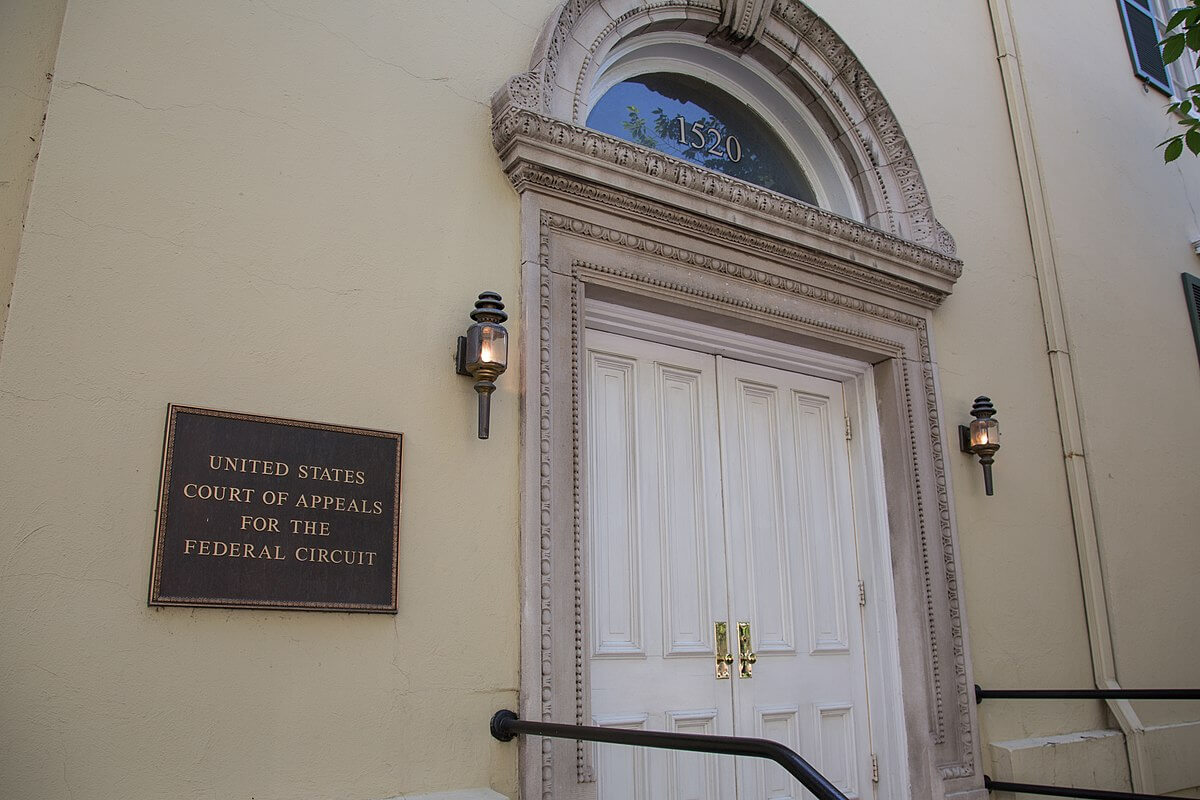
It was hard enough to hear in the room. For those of you who haven't been, it's a beautiful little courthouse right by the White House. You know, it's a gorgeous and, and, and central, but you're right, no one ever thinks of the, the federal circuit. So if you think about the tariff litigation, because there've been there, there are seven or eight active lawsuits challenging the tariffs that Trump has imposed under the 1977 International Emergency Economic Powers Act, or IEPA.

There aren't really that many lawsuits currently challenging his other tariffs as sectoral tariffs on steel and aluminum. There are a couple, but the ones we're really talking about here are the. Challenges on the A EPA tariffs, the universal and reciprocal tariffs. He's also done the Brazil tariffs under a EPA and the new India oil tariffs under a epa.

And so, so what happened here is if seven or eight total cases, some of which were brought initially in the Court of International trade in New York, which is a specialty court focused on customs law given jurisdiction most recently in the 1980s on customs matters. So you had a couple of cases brought at the CIT, which in two of those cases, one brought by a wine importer and some other plaintiffs, and one brought by the state of Oregon and 11 other cases 11 other state governments.

Back in May, a unanimous three judge panel of the court of international trade ruled that Trump's a EPA tariffs were unlawful. And the court of international trade along, as you say Ben, with the court, the, the patent issues appeal up to the federal circuit. There are few specialty issues that appeal, but basically every now, but the CIT goes up to the federal circuit.

Benjamin Wittes: Yeah. Every now and then we'll have, this is how this works. Every now and then, Congress decides that a certain set of issues is too boring for regular federal judges to have to deal with, like patents and trade issues. And and so what they do is they set up a new court to deal with it. Yeah. The court of claims or the, you know, the, there's a, there's a tax court and there's a and there's a, you know, the court of trade and they set up a federal appeals court to hear these cases.

And when I say boring, I'm joking. What it really is, is too technical. And these are. You know, the, like, it's just not fair to expect federal district judges to understand trade or patent law or whatever. So we're gonna create special courts for this and we're gonna have a special court of appeals to handle them.

And then every now and then, like a Trump administration happens and the most important political issues of the day end up in front of these specialty courts.

Peter Harrell: Yeah. And, and, and what's been interesting on this, on the posture, because some, not all the cases challenging, the tariffs have been brought in front of the court of international trade.

The Trump administration has tried to get them removed to the court of international trade, but, but has not succeeded on all of them so far. But because the plaintiffs who brought the case in the court of international trade didn't have to fight over the jurisdictional question, they're kind of the train that's moving fastest right now. And so I do think at the appellate level, although the, the, there are also trade cases right now in front of the DC circuit and in front of the ninth Circuit I think we're gonna see a, the first appellate level opinion coming outta the federal circuit. And if you, based on the hearing, if a federal

Benjamin Wittes: circuit judge, you're gonna make sure it does because how often do you get to get out in front of the DC circuit, right?

Peter Harrell: No, I mean, if I were one of the unbank judges, I'd wanna make sure that I get the opinion out. You know, for example, before the ninth Circuit has a hearing on September 17th, just to, you want,

Benjamin Wittes: you want cert to the federal circuit? Dammit.

Peter Harrell: So Tony, that's, that is why this, because of these cases are being appealed up from the court of International trade and the federal circuit has statutory appellate jurisdiction over the CIT.

That's why. The federal Circuit is hearing this case on an expedited basis. So, you know, CIT gave its opinion in late May. The court, the, the, the Federal Circuit agreed to hear it on an expedited basis, went straight to on banks. So the federal circuit decided to hear it straight to an non-bank panel.

And that was the, the, the hearing on the 31st. And you know, I, I mean these guys, it's August, but I do think we'll get an opinion, you know, if not by Labor Day, certainly before that ninth Circuit hearing on the 17th.

Benjamin Wittes: We're gonna get it quickly. Alright, so let's talk about. All right, I, I'm going to now recite the median news story that happened after that hearing. A federal appeals court seemed skeptical of the legality of the Trump administration's tariffs yesterday or today, Judges aggressively questioned the government about whether, whether national security authorities could be leveraged as dramatically for purely economic reason, blah, blah, blah, blah, blah. That's the media news story. So my question is, is it right? Is that, was that the, was that, did you walk away from that argument thinking, alright, I don't know about the Supreme Court, but at the federal circuit level, this, this, IEEPA and the other relevant statutes are simply not going to be interpreted to support the breadth of the tariff policy.

Peter Harrell: Yeah, so I think that actually, Ben, I think the way you phrased it is right, I, it was a very hot bench, I mean, both sides got lots of questions from, from the bench. And I actually think that both sides did quite well, I, I think the legal arguments are hard for the government, and we can unpack why. I do think actually Assistant Attorney General Shumate did a pretty good job playing a bad legal hand on the, the, you know, from the well of the, the, the courtroom, but very hot bench and I, I think a, a, a clear, large majority of the en banc panel, maybe not unanimous, hard to know, but at least a very large majority is deeply skeptical that IEEPA authorizes these tariffs. I think one thing you did hear from the bench was potentially some differences of view among the judges, at least in their initial thinking on whether a EPA simply never authorizes any tariffs of any kind, full stop. The statute should not be read to include a power two tariff or whether IEEPA might authorize, you know, some tariffs in some circumstances, but not the actual tariffs that we've seen President Trump impose. So I, I think we definitely saw skepticism of these tariffs, we might get a ruling you know, if I had to bet, I would bet we'd get a ruling it doesn't authorize any tariffs, but it might, they might much as the CIT opinion held open, the possibility that IEEPA could authorize some tariffs, I think that you might find that opinion outta the federal circuit.

Benjamin Wittes: Alright, so I have about a million questions. And Anna and Roger if you guys have questions, you should jump in and ask them too, but I wanna start with the question. Like, I always think of IEEPA as a sanction. It's a national security sanction statute. That is, if Roger Parloff is a dangerous threat to U.S. national security, and if he's not American, but actually a citizen of the Jura, you can impose sanctions on him, right? And you can impose sanctions on countries and you can impose, the president can impose sanctions on people, on groups, on entities, on businesses and embargos, right? But tariffs are traditionally thought of as, first of all, as a congressional authority that is delegated to the president by a group, a different group of statutes.

And secondly, that it's primarily not a national security policy, it's a, it's an economic policy. And so I guess the question is what is the, what seemed, what is the parameters of the argument between Shumate and, and the plaintiffs here? What, what, what, what are the two different views of IEPA that, that the court is mediating between?

Peter Harrell: So, so the government does not contest that the Constitution charges Congress with authority over tariffs. So the gov, the government is not trying to argue has, has not chosen to argue that the executive branch present has some inherent ability to impose tariffs. So the, the question for the courts to grapple with in, in, in this litigation is when Congress enacted IEEPA in 1977, did it delegate to the president the authority to impose tariffs?

You know, again, as part of the statute, and then we can debate a little bit, there's a, a, a, a second question, which didn't come up that much at the federal circuit, but as this goes forward, in particular, the Supreme Court, I think will pay, may play a larger role, which is if Congress delegated authority to impose tariffs under IEEPA, is there a sufficient intelligible principle that, that IEEPA survives a non delegation challenge argument against it? Just as a matter of the statutory text, IEEPA does not include any reference to the word tariff or duty or customs or excise or anything of that nature. The government's argument is that the, IEEPA’s power to quote unquote regulate the importation or exportation of any property in which a foreign country or national thereof has an interest includes the power to tariffs, so they view it as derivative of this power to regulate. And so what you saw at the court was some argumentation around, you know, what does regulate mean in other contexts?

Benjamin Wittes: Seems like a major question, I dunno.  

Peter Harrell: And then, and then, and then, well, so first we had a textual set of arguments around it, then there's this 1975 case called Yoshida International which in which the Federal Circuit's predecessor court upheld IEEPA's predecessor statute using the same language as allowing Nixon to impose some much smaller tariffs in 1971. Yoshida's 1975 opinion, 1971 is when the tariffs were, so there was some argument about that and sort of Yoshida back and forth. And then there was this argument in light of the major questions doctrine of, well, even if IEEPA’s predecessor had been upheld for limited tariffs, should this major questions doctrine apply so that Congress should have spoken clearly in its in passing IEEPA to enact to have a tariff authority.

Benjamin Wittes: Alright, so I wanna talk about somebody who wasn't in the room, which is Justice Brett Kavanaugh, who in an unrelated case the other day, that was little noticed, but it's an FCC case that raised a non-delegation question, actually specifically said, hey I'm agreeing that this kind of delegation that was raised in that is fine, but I'm not sure that that would apply in a non, in a national security context and kind of brackets the national security context. And I don't know, it seemed to me that he had his eye on exactly this case that, you know, he's going to give the government a lot more leeway when it comes to, you know, I wanna, have a 50% duty on Indian goods because national security, then he would in the much narrower FCC context that was before the court.

So first of all, I'm, I'm wondering what you made of the Kavanaugh concurrence in FCC versus I forget what organization and, and secondly do you think that will be received by the otherwise very enthusiastic federal circuit judges as kind of shot across their bow? Hey, don't go overboard in the national security context, and if national security, if the president says it is, we're gonna be very deferential.

Peter Harrell: So my guess is the federal circuit does not base its ruling on a non-delegation doctrine issue. I'll come back to that in just a second, Ben, before we even get to the non-delegation doctrine issue. And where there was more argumentation at the federal circuit was about the major questions doctrine, obviously related to the non-delegation doctrine. The government's argument as to why major questions doctrine doesn't apply to these tariffs is the government is arguing the major questions doctrine only applies to agency action and these tariffs are a presidential action. And there was actually a certain amount of argumentation at the federal circuit on this matter both in the briefings and in oral argument.

And I do think once this gets up to the Supreme Court, if the Supreme Court wants to use this case to build out, its thinking on major questions, doctrine, that's gonna be one of the things the Supreme Court will be grappling with. And you can see the federal circuit grappling with that more than non-delegation.

The, the other thing that came up that's related to non-delegation, at the federal circuit, but not directly is, is, so I, I mentioned this 1975 Yoshida case. What Yoshida held, and this is, you know what a 50-year-old case at this point was that IEEPA’s predecessor did authorize some tariffs, but there was also a lot of language in Yoshida saying that, that the Yoshida court didn't have to think deal that much with non-delegation because the tariffs were back then capped at 10%.

They were only in place for a couple of months or kind of complex ways in which they were not unlimited. And so Yoshida said, and so we, we as the Yoshida Court 50 years ago, don't have to deal with non delegation issues because, you know, this is actually in fact pretty limited. And so the federal circuit was arguing with the government a lot, a couple of the judges quite directly were asking the Department of Justice, like, if you are arguing Yoshida supports these tariffs, shouldn't you have to quote unquote buy all of Yoshida. You know, not just that Yoshida stands for tariffs. You gotta buy the rest of Yoshida here for these, these limits on the, the, the tariffs and the government kinda frankly, dodged and weaved, I think would be the technical term for what it did in, in, in answering those questions, I think that may come up as well. Now, if we're thinking about the non-delegation doctrine itself as you, as you allude to last year there was an, an opinion that that ultimately upheld FCC verse, I think it was consumers research or something, you know, one of these AstroTurf groups that doesn't like paying taxes. The, the, this opinion involved a challenge to the way the FCC charges funds to provide subsidized telecom service in rural areas. And there's a question about whether the way the FCC was doing this violated the non delegation doctrine. And there was a, an opinion majority of the court found it did not violate the non delegation doctrine. But there was a quite interesting, as you say, Ben, Gorsuch concurrence in this, that that went through the history of non-delegation, and among other things, as you say, argued that it might not apply in issues of foreign affairs. And so I do think that if as this goes forward, you know, it'll be interesting to see when it gets up to the court, how it deals with it. I didn't feel from the federal circuit we're gonna get a lot on non-delegation here. I think they'll decide it under major questions or simply, you know, matter of statutory interpretation or they'll apply they'll apply Yoshida or something of that nature.

Benjamin Wittes: And how do you game this out at the Supreme Court? So, you know, we were talking earlier about the about the you know, sort of gaming out the Boasberg contempt matter at the Supreme Court and at the OMB en banc court, here we have a pretty strong sense it sounds like from your account of where-ish and when-ish the Fed Circuit is gonna rule, then it goes up to, but the federal circuit is a way station on the way to the Supreme Court here. How do you count votes at the Supreme Court for the idea that IEEPA means I can slap tariffs randomly at will on different countries at any time? And for whatever unconsidered reason I want and change my mind the next day and just say the words national security and everybody defers to me what's the vote count? I mean, that's a, that's an extraordinary proposition for which there is a fair bit of support in Supreme Court deference doctrine, actually. How do you like quite apart from what the, what the federal circuit has to say about it, how do you count Supreme Court votes for that idea?

Peter Harrell: Yeah. Well first, Ben, as you say very clearly, I think all sides here and all the amicus filers.

Everyone sort of sees the federal circuit, as you say, as the way station, you know, get an opinion in the next month or two. It will then be appealed up for the October term this year. And, you know, we'll get an opinion out of the Supreme Court and the, the the next term. And I'm, I'm, you know, it's going to be one of those landmark opinions given how extensively Trump has used IEEPA to impose impose tariffs.

You know, I, I think it's gonna be quite complicated for the Supreme Court as it is sort of buffeted between national security deference, but also having laid out a major questions doctrine over the last five years, that just on any sort of plausible reading of what a major question is, clearly what Trump has done with IEEPA tariff should be a, a major question, so you're gonna see this, you know, a couple of the justices, I think particularly the Chief Justice, particularly Kavanaugh and Comey Barrett you know, to kind of just have to wrestle with their, their sort of, on the one hand wanting to give deference to the executive branch here, and on the other hand it's very hard to square, you know, things like the major questions doctrine meaning something and giving an unbounded authority here. I'd also know there, there's an interesting way in which I think trump's more recent actions and in particular his tariffs, his IEEPA tariffs on Brazil and on India actually are gonna make it harder for the court to come up with a split the baby kind of approach. 'Cause if you look back at the CIT opinion, it's kind of an interesting CIT opinion, you'll see what the federal circuit, the Supreme Court does, but the CIT had this actually quite complicated opinion where they said Trump's quote unquote, universal and reciprocal tariffs are not lawful because if Trump wants to use tariffs to address the trade deficit, he has to use a statute called Section 122 of the Trade Act in 1974, and that that's the exclusive way Trump can use tariffs to address a trade deficit. And then it said, for the other tariffs that Trump had then imposed under IEEPA, which were nominally, at least in their terms, related to fentanyl trafficking by Canada, Mexico, and China that, that, that those tariffs are unlawful because the tariffs don't adequately, quote unquote deal with the declared threat of fentanyl trafficking.

Peter Harrell: And so

Benjamin Wittes: these are just because they're being unfair to us.

Peter Harrell: Yeah, no, exactly, so, so which isn't, and so, so like there, but, so conceptually you could sort of try to draw this distinction, well, maybe IEEPA doesn't allow, you know, economic policy tariffs, but it would allow national security tariffs. To your point, Ben, that like IEEPA has traditionally been a national security statute, and the, the court, the CIT basically was arguing, well, IEEPA would allow maybe some national security tariffs, just not these, right? Because these are, you know, unbounded and whatnot. I think what Trump is showing with his Brazil and India tariffs is if you're gonna open the idea to any tariffs under IEEPA, practically speaking, Trump is gonna figure out how to tariff the world under IEEPA and there's not actually gonna be a nice way to come up with some line that cabins trump's tariff power under IEEPA once you've opened that door. And that's really gonna put the, the, the pressure back on the swing judges, justices here of what are they gonna do.

Benjamin Wittes: But and, and it's especially true, I think because the power to issue a trade embargo, which is essentially an infinite tariff is clearly exists under IEEPA

Peter Harrell: Yeah.

Benjamin Wittes: Right. And so you're allowed to say about Cuba or North Korea, the tariff rate is infinity. But you're not allowed to say that the tariff rate is, you know, 60%. There, there, there's kind of weirdness in that direction too, right?

Peter Harrell: Yeah, and you know, this came up a bit at the federal circuit hearing, there is a weirdness. Now, now, I would argue as a matter of statutory interpretation it IEEPA does not authorize an infinite tariff. A prohibition is different from an infinite tariff, but I, I recognize we're sort of splitting hairs there that, and, and IEEPA does clearly authorized embargoes. I guess what I would say is going back to the a to the, you know, American early American history, we have long differentiated between tariffs and embargoes, right? I mean, Congress enacted the first embargo act in 1806. Maybe it was 1807, which was different from its initial tariff rates, right? So we've, we've always had this distinction between kind of embargoes serving a national security purpose and tariffs serving an economic purpose going back more than 200 years. So I think you can draw this kind of conceptual difference there, that, that, that tariffs will have a, an economic impact separate from embargoes.

And I think that's one way of drawing the difference. The other thing that came up, and I, I can't remember right now, which judge it was this, one of the judges asked this opinion of Assistant Attorney General Schumacher made of sort of, you know, maybe Congress is, is forcing the president to make a hard choice, like if it is a tariff, giving him a tariff authority makes it too easy for him to play with this statute because it doesn't give him the binary choice of, I'm gonna turn off all trade verse, I'm gonna leave trade on. And there there's sort of a political accountability that giving him the hard choice provides that giving him kind of this middle ground of a tariff gives him in a way too easy a way out in a statute that he's then gonna use, you know, more often than he should.

Benjamin Wittes: All right, I think we are gonna leave it there. Peter, thank you. We are gonna turn for our final segment to the state of Texas. And I, I'm proud to say people this morning I coined a term and you know, the, there has long been a term ‘food porn,’ there's a term for, you know, people who love taking pictures of porn and looking at it. And there's a term I've even heard a term when, when Shane Harris saw the movie The Post, which had beautiful images of the old Washington Post print, printing presses, he said, you know, I was overcome by the Linotype porn. And this morning I was thinking about Anna Bower’s article about, the, the state of Texas, and it's and the word that came outta my mouth was that this is Lawfare porn, which is now forever and forever defined as articles that everybody else would ignore, but true Lawfare people would read with a kind of glee and enthusiasm that you know, and just not be able to take their eyes off of.

And so this is Anna's article on the escaped Democratic legislators. And I wanna start, Anna, with a question you pose in the subhead. What the heck is a quo forenti, I can't even remember what

Anna Bower: A quo warranto, a quo warranto

Benjamin Wittes: Yeah. What's a quo quo warranto writ?

Anna Bower: Yeah. I mean, Ben,

Benjamin Wittes: I. I can't tell you how many times I italicized quo warranto yesterday

Anna Bower: But, but actually what is even harder to say is not quo warranto, it's quorum warrant,

Benjamin Wittes: Alright

Anna Bower: Which is the type of warrant that has been issued against the democratic legislator.

Benjamin Wittes: Okay. So let, let's start, let's start here, Anna, with, can you say Quorum warrant five times quickly.

Anna Bower: Quorum warrant. Quorum warrant. Quorum warrant. Quorum. warrant. Quorum. You, you can't do it. Alright. If you can do it though, I think what happens, it's kind of like Beetlejuice, Greg Abbott and Ken Paxton and Cash Patel show up to arrest you and take you back to, to Texas to reach quorum. So

Benjamin Wittes: Well, I will just say the hardest tongue twister in the English language is just the words toy boat five times quickly. And that is similar to Quorum Warrant.

Anna Bower: No, I think the rural juror is obviously, obviously the hardest. But yes, so Ben, we, there's been a showdown brewing in Texas for a whole week now that involves the more than 51 state legislators who fled the state, although I believe that some of them are still in state, but they haven't been able to locate them. But, but many of them fled the state to, in an effort to put a stop to a, a mid-decade redistricting effort. And there's a provision in the Texas constitution that says two thirds of the body has to be there to, to do business and so the strategy, which has, you know, been used a number of times in, especially in recent decades, is to leave the state so that you can not have a vote on the, the redistricting effort. And now we have some litigation over it as well.

Benjamin Wittes: So there are basically three questions that you address in this article. One of them, I'm gonna skip because

Anna Bower: Well, wait, I actually, I just realized I never got around to your initial question, which was what is a quo warranto action. The litigation that has been filed was brought by Governor Abbott of the state of Texas. He has previously threatened to seek the removal of any of the legislators who left the state on grounds that they abandoned their office and thus should be, you know, declared to have vacated that office. And so he filed an action to effectuate this by, and the way he did so was by filing what's known as a petition for a writ of quo warranto. And quo warranto is basically the form of action that has been used you know, at common law, but then, you know, especially in Texas recently, there's been a number of cases in which the court has discussed the history of these actions, but one way that it is used is basically to question or challenge the legal right of someone to hold an office. So, that is the kind of way that you have to, to bring this legal suit to try to get someone removed from office or to a declaration that they vacated their office. And there's a, a Texas case that in the 1800s said that, you know, basically there is a way that you could potentially abandon office if you're not using your office and you have an, an attention to relinquish it. So, government gov, Governor Abbott, that's his main argument in this suit, although he has a few others that maybe we'll get to.

Benjamin Wittes: Alright, so in your article, you, you lay out three big questions and I'm gonna basically skip the first one because it's a, it's kind of more of a political landscaping question, which is why are the Democrats doing that?

And I think we all, well pretty much know the answer the Democrats are, are denying quorum because they're trying to stop this redistricting and whether that will be an effective strategy or an ineffective strategy is really a matter for political analysts, which is kind of not what we do and whether it's a good idea or a bad idea, again there are good arguments on both sides of that, but and Anna lays out a lot of the argument, those arguments in the piece, but I don't think we need to spend time on that there, here. So I will just say, is there anything you wanna focus on, on the why question briefly before we move on to the other two?

Anna Bower: No.

Benjamin Wittes: Okay. So the second question is, can Greg Abbott haul them back using a qua quo warranto writ? And what are the parameters of the authority to do that? And let's add to that question, the question raised by the New York Times article today about John Cornyn, which is, can the FBI drag them back if they're out of state? Or what, what role can the FBI play in the recovery of missing but essential Democratic lawmakers who don't wanna be found?

Anna Bower: Yeah. So let me start with the question of arrest 'cause I think that helps people understand, you know, why they went out of state. One reason is that quorum breaking is not a crime. You know, you, you intentionally or unintentionally are the reason that the legislature doesn't reach quorum. There's nothing, you know, that you can be arrested for criminally in that regard and in fact, the Texas Supreme Court has previously, you know, acknowledged that the constant, the Texas Constitution itself enables quorum breaking by a mi, minority faction. So there being no criminal conduct for leaving the state in an, with the attempt to break quorum you then do have ways that the Texas legislature can, you know penalize or, or bring some type of sanctions to try to compel people to return. So we've seen two ways in which that has played out here. One is that these legislatures under the Texas House rules are incurring a $500 fine every day that they're gone. And then the other way is these civil arrest warrants that have been issued by the house those are, as we now know are what is known as a quorum warrant, but those civil arrest warrants are only enforceable by Texas state law enforcement who are getting the person to compel their attendance to go to the state capitol to make quorum, right? It is, it is not something that, again, is a criminal warrant that is enforceable, a beyond state lines, but then also is not subject to a lot of the, you know, criminal process statutes that we have, like the uni, what's it called? The uniform. There's a uniform act that basically allows you to extradite people if they're charged for crime.

Benjamin Wittes: Yeah. Uniform kind of thing. I don't, I don't remember what it's called, but it's a uniform national extradition law that regulates criminal extraditions between states.

Anna Bower: Yeah. And, and so basically by leaving the state, they're beyond the reach of any enforcement of the civil arrest warrants and, and of law enforcement trying to get them back in that way. The question of the FBI, I didn't read the New York Times article today, but I, I am not aware of any authority that the FBI might have to physically, you know, go and find someone who is not suspected of, or the subject of a criminal investigation or, or charges to then, you know, find them and take them phy, you know, compel them to their return to Texas.

My understanding from reading between the lines is that maybe the FBI is providing some type of assistance just in locating the people. Is that your understanding, Ben? I, I, it's, it's a little bit unclear and it's really unclear what authority the FBI is operating under here.

Benjamin Wittes: I mean, generally speaking, the FBI is not supposed to be a research outfit for state law enforcement. You know, like they can hire their own research assistants, but yeah, at least if you read the New York Times article, the implication is that they're not gonna be doing any arrests because of course you know, they don't really have the authority to do arrests on state warrants as a general matter.

And by the way, certainly not for things that aren't criminal in the state at all, right? These are not, as Anna says, criminal offenses. But, you know, if a state law enforcement agency needs help locating somebody, I don't honestly know what authority the FBI has to do that. They certainly don't have the authority to use their criminal investigative authorities in orderhey're generally not allowed to do much without a predicated investigation. And so I don't, actually, I don't, I'd have to look at the DIOG and, and the attorney general's guidelines to try to figure out, you know, if you, if, if you're the FBI and you get a request for help from state law enforcement locating somebody who hasn't done anything illegal, what authority do you have to do that? I have no idea what the answer to that is, and I suspect the answer is none.

Anna Bower: Yeah. And, and of course, you know, there hav, a lot of this, there's another thing lurking in the background, which is that there's been these unsubstantiated assertions and allegations from the governor's office about a bribery potent, you know, bribery allegations. The governor directed the Texas State Rangers to investigate this issue. One of the things that I discuss in, in the piece is that, you know, when the governor did file this posit, petition that also makes these completely unsubstantiated bri, bribery allegations. There's nothing there that even remotely amounts to you know, in any way substantiated allegation of bribery. There's not a shred of corrupt intent of an exchange. It, it seems to be potentially something that is being used because it's convenient for the legal case, but also maybe to compel the return, whether voluntarily or because there may be some kind of pretextual law enforcement investigation of these Democratic members from other states, but, but again beyond if there's criminal charges or an arrest warrant under some criminal authority, I don't see how there's any authority to basically compel the return of these people in that way. So that is why Governor Abbott has filed this suit to remove Gene Wu from office. Should we talk about that, Ben?

Benjamin Wittes: Yeah. So let's quickly, we're gonna try to wrap up on time today.

Anna Bower: Okay.

Benjamin Wittes: But let's quickly talk about this third component, which is, all right, you can't. Haul them back with a rope, and you can't ask Kash Patel to go pick them up, but can you sue in the Texas Supreme Court and say, I declare Texas Supreme Court, please declare that they're no longer in office 'cause they've abandoned their office. And therefore the denominator has changed in what quorum is and we don't need that many anymore. Can you do it?

Anna Bower: I mean, you can try, but as I explained in the piece, I, this brief is honestly, I, I, and I say it in the piece, it's not just weak, it is laughable. There are so many things that I could talk about here, Ben about why it should fail, that I don't even know if we, we have two minutes, so I'm just gonna say no, we're not read the piece because

Benjamin Wittes: No, we're, let's not go into it, read the piece, but just say, let, can we, can we just say that there is not. That this is a laughable proposition.

Anna Bower: It, it's a laughable proposition. There's so many jurisdictional hurdles. You know, it's not even clear if Greg Abbott's the guy who can even bring this suit or if it should be the attorney general, you know, it's probably not the case that you can even bring a quo, quo warranto action of, of this type against a, a leg, a legislator. It's, you know, then there's the merits issues that are all terrible, it's, it's really laughable. And we did just get a response from Gene Wu that I was trying to read while we were talking about the other subjects.

I, I wasn't able to get through all of it. He does make some of the same arguments. That, that I discuss in the piece. But one other thing that I will mention about what he's asking for in his response is he basically saying this is the completely wrong forum. He evokes his right to a jury trial and says that there's all these factual issues that need to be decided, you know, not in the, in front of the Texas Supreme Court.

Also mentions the fact that the Constitution already sets out ways to, as I mentioned, to compel the return of quorom breakers by setting out sanctions in the rules, there's impeachment proceedings that that can occur. You know, so I, and I think actually the response it's, it's actually kind of smart to basically not address necessarily the substance of this abandonment issue but to go through all the different procedural reasons why the, the court should throw this out because this is the Texas Supreme Court and it's, it's highly partisan, it's very conservative. And, and I think that if this case if, if this petition is throw thrown out as it should be I think that it's gonna be on the, some of those jurisdictional issues that I, that I discuss in.

Benjamin Wittes: So is it fair to say at this stage that, you know, the, the bottom line of your piece is that there may be good political reasons why this fails, this effort fails. Similar efforts have tended to fail in the past. And there are also financial reasons, like it's expensive to pay the fines associated with breaking quorum, but there is no legal way that does not induce laughter to prevent it as a matter of law, as opposed to as a matter of political pressure.

Anna Bower: I think that's right. Although I, something I will add that I was thinking of as I was reading the Representatives Wu's response is that if they, if, if there's action in the Supreme Court to say, oh, you've gotta file this in district court, and then if there's a bunch of different filings in district court where everyone is seeking the right to some type of fact finding by the court, you would think that the people would actually then have to show up for the, the factual findings, right, for the hearings. So it, that may be a way to force people to return just by filing suit, because then they'd have to return as, you know, a party who maybe there's, whether it's a jury trial or evidentiary hearing, whatever way they're gonna do it, you'd have to go back to the state for those proceedings.

Benjamin Wittes: We are gonna leave it there folks. We're not even gonna try to, to cover our normal roundups. We're not gonna do audience questions, but it would not be proper of me to end the show without attempting Anna's challenge of saying a quorum warrant five times quickly. So here I go. Quorum Warrant. Quorum Warrant. Quorum Warrant. Quorum Warrant. Quorum Warrant.

Anna Bower: That's incredible.

Benjamin Wittes: There you go. And I even

Anna Bower: Watch out Kash Patel.

Benjamin Wittes: I've even had a drink before I did it. Peter Harrell, you're a great American. It's a great to see your face. Come back and join us anytime, especially after the Federal Circuit rules. Roger Parloff, it's good to see you and get some rest 'cause it's late at night there, Anna Bauer.

Everybody read Anna's article because it's the only article about Texas Democrats fleeing the state that does have some laugh out loud lines. And, and it is, as I say, the kind of article that true readers of Lawfare pick up with glee and everybody else says, I can't believe you wrote 7,000 words naming all, not most, but all of the precedents of the Texas Supreme Court on quor, quorum breaking law. So, we're gonna be back next week, there's gonna be a lot of action and we're gonna have a lot of fun with it, and we will see you then.

Natalie Orpett: The Lawfare Podcast is produced in cooperation with the Brookings Institution. You can get ad free versions of this and other Lawfare podcasts by becoming a Lawfare material supporter at our website, lawfare media.org/support. You'll also get access to special events and other content available only to our supporters.

Please rate and review us wherever you get your podcasts. Look out for our other podcasts, including Rational Security allies, the aftermath and escalation. Our latest Lawfare Presents podcast series about the war in Ukraine. Check out our written work@lawfaremedia.org. The podcast is edited by Jen Patia and our audio engineer.

This episode was Ian Enright of Goat Rodeo. Our theme music is from alibi music. As always, thank you for listening.


Benjamin Wittes is editor in chief of Lawfare and a Senior Fellow in Governance Studies at the Brookings Institution. He is the author of several books.
Anna Bower is a senior editor at Lawfare. Anna holds a Bachelor of Laws from the University of Cambridge and a Juris Doctorate from Harvard Law School. She joined Lawfare as a recipient of Harvard’s Sumner M. Redstone Fellowship in Public Service. Prior to law school, Anna worked as a judicial assistant for a Superior Court judge in the Northeastern Judicial Circuit of Georgia. She also previously worked as a Fulbright Fellow at Anadolu University in Eskişehir, Turkey. A native of Georgia, Anna is based in Atlanta and Washington, D.C.
Roger Parloff is a journalist based in Washington, D.C. For 12 years, he was the main legal correspondent at Fortune Magazine. His work has also been published in ProPublica, The New York Times, New York, NewYorker.com, Yahoo Finance, Air Mail, IEEE Spectrum, Inside, Legal Affairs, Brill’s Content, and others. An attorney who no longer practices, he is the author of "Triple Jeopardy," a book about an Arizona death penalty case. He is a senior editor at Lawfare.
Peter E. Harrell is a Visiting Scholar at Georgetown’s Institute for International Economic law and an attorney in private practice. His scholarly research focuses on the intersection of international economics and U.S. national security. Harrell previously served at the White House in 2021-2022.
}

Subscribe to Lawfare