Lawfare Daily: The Trials of the Trump Administration, March 27
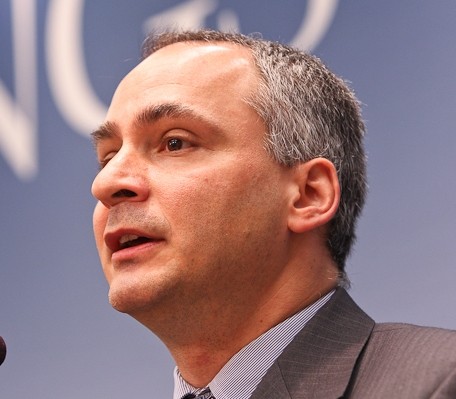
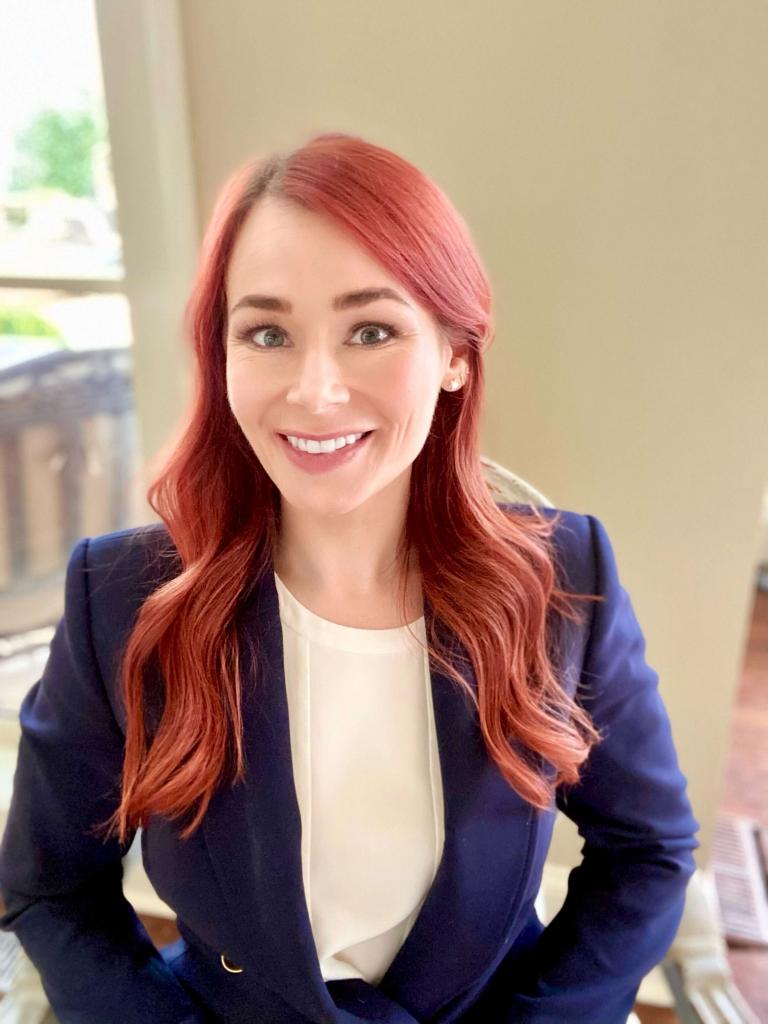

In a live conversation on YouTube, Lawfare Editor in Chief Benjamin Wittes sat down with Lawfare Senior Editors Molly Roberts, Anna Bower, and Roger Parloff, discuss a judge granting a preliminary injunction in Anthropic’s suit challenging its supply chain designation, a Friday morning hearing in Fulton County’s suit over the federal government seizing ballots from 2020, a new push from the Trump administration to investigate New York AG Letitia James, and more.
You can find information on legal challenges to Trump administration actions here. And check out Lawfare’s new homepage on the litigation, new Bluesky account, and new WITOAD merch.
To receive ad-free podcasts, become a Lawfare Material Supporter at www.patreon.com/lawfare. You can also support Lawfare by making a one-time donation at https://givebutter.com/lawfare-institute.
Click the button below to view a transcript of this podcast. Please note that the transcript was auto-generated and may contain errors.
Transcript
[Intro]
Benjamin Wittes: It
is Friday, March 27th, 2026. It is 4:00 PM in Washington, D.C. and you are
watching Lawfare Live.
[Main Episode]
I'm Benjamin Wittes, editor-in-chief of Lawfare, and I
am here with Molly Roberts and Roger Parloff, both senior editors of Lawfare
in what has been a comparatively light week in the trials and tribulations
department of the Trump administration.
But yesterday evening was definitely a tribulation. If your
name happens to be Pete Hegseth, the Northern District of California picked you
up bodily and threw you down on the mat in the first page of a 43-page opinion,
and then kicked you over and over again for 43 pages.
Molly, let's start with Anthropic versus Department of War.
And the really important question—did Judge Lin reform her ways
and refer to the Secretary of Defense as the Secretary of Defense and the Department
of Defense by its proper name, or did she keep humoring this delusional
renaming and false consciousness on the part of a giant federal agency?
Molly Roberts: If I
recall correctly, there was a lot of DOW in there, but if I miss something, let
me know.
Benjamin Wittes: No,
you are quite correct. She did not reform her ways and, i'm salty about it.
Molly Roberts: Well,
we will say Department of Defense as many times as possible in discussing the
case to make up for it. But I fear that as the litigation continues, we're
gonna hear much more Department of War and Secretary of War—
I don't know that anybody said Sec War, which for some reason grates
on me even more. So as long as they keep doing the extended title or full
title, I'll feel a little better.
Benjamin Wittes:
Alright, so, what did we make of the, what do we make of this opinion? Is there
any good news in it for the government?
Molly Roberts: Oof
not really. The only good news in it, I suppose, is that it stayed for seven
days to give them time to appeal, and presumably to seek a stay from the Ninth
Circuit. But otherwise, it looked pretty bad for the government. I mean,
really, they lost kind of in every way possible. Not only did they lose on
every action that was taken, so that includes President Trump's tweet, Pete Hegseth's
tweet that imposed the secondary boycott and the formal letter designating Anthropic
as a supply chain risk—
But also they lost on every legal and constitutional argument.
So Judge Lin did not content herself with saying the statute doesn't authorize
this. In fact, she got to that last, she also said, this is First Amendment
retaliation, there's a due process problem here, and this is arbitrary and
capricious, so it not looking good for the Department of Defense in any regard
there.
Benjamin Wittes:
Yeah. I could not find a bright spot for Hegseth. I suppose she didn't reach
the code is law question, so you could say that's a bright spot. But she really
did—I mean, she had a choice. You could decide this narrowly on statutory
grounds or go big on both First and Fifth Amendment grounds.
And she did the latter. She included a fair bit of salty
rhetoric, including the Orwellian word, the O word. And I—and she also took the
time. This is a perhaps more important point to lay out a pretty extensive
record that I think it's gonna be very hard for an appellate court to go a
different direction, given this record.
I'm curious if you see a lot of room for either the Ninth
Circuit or the Supreme Court to interpret this record differently than she did,
or whether this is just one, like the law firm case where it's gonna be super
resistant to whatever panel you put in front of it. This is just a kind of, the
law is the law kind of case.
Molly Roberts: Yeah,
it's a great question. I'd be curious to think what Roger thinks there too, or
to hear what Roger thinks there too. I thought that the laying out of the
record was one of the—I thought the opinion was a strong opinion, but I thought
she did a really good job laying out the record and that was probably the
strongest aspect of it, and she made it really clear that what had happened
here was that the Department of Defense hadn't had any issue with these usage
restrictions until there was this public fight about it.
And she also made it really clear that there was no legitimate
basis to think that Anthropic would become a saboteur. And indeed, that nothing
on the record showed that it had the ability to go in and access these systems
after they're deployed, which feels like something that could be misunderstood
because nobody really understands how AI works. So I thought it was useful that
she went through the record and established that.
I also had a question maybe for you on why did she do the First
Amendment and Fifth Amendment stuff and not content herself with saying that, what
is it, 10 U.S.C. Section 3252 doesn't enable this, which is, does it matter at
all that there's also this case pending in the D.C. Circuit, having to do with
a different statutory authority.
And if she had just said, there's no statutory authority here,
could, the Department of Defense said, well, we're just doing it under the
other statutory authority, and the D.C. Circuit hasn't decided yet?
Benjamin Wittes:
Yeah. So that I think is part of the reason. I think part of the reason is also
just an argument in the alternative that, you know, if you're gonna get taken
up to the Ninth Circuit, which she certainly is there are many possible ways to
affirm this, even if she's wrong on the statute, she is clearly right on the,
you know due process stuff. And even if she's wrong on that, she is, you know,
they still have a First Amendment retaliation problem. There's a lot of things
wrong with this record. And I think she just made a strategic judgment rule on
all of them. And that makes you harder to reverse actually.
You, you have to find fault with every level of it. Roger, you
have thoughts?
Roger Parloff: Yeah,
I mean, there's also the, like Molly said, remember there's three things here.
There's the Trump tweet, there's the Hegseth tweet, and there's the formal
letter. So 3252 doesn't reach the Trump tweet where he purported to wipe out, you
know, just say you can't use, no federal agency can use it based on Article Two,
my Article Two authority.
So without, so the First Amendment and the Fifth Amendment go
to that. And it doesn't, it won't be that it, it's not phrased as I'm enjoining
Trump from doing that. It's, I'm enjoining anyone from listening to him, from
implementing what he said—
Benjamin Wittes: You must
ignore the president, executive branch.
Roger Parloff:
Exactly. And I think to some extent that's true of the Hegseth tweet as well
because it wasn't the formal 3252 and it did purport to do crazy things that it
did purport to impose the secondary boycott and things that he's not really
authorized to do.
Benjamin Wittes:
Right. I think without the constitutional holdings, there would still be some
portion of the action that would survive, assuming the D.C. Circuit didn't rule
differently on the other statute—I forget which statute that is, but this way I
think virtually none of it is extent, at least seven days from now, absent of
stay.
Roger, how do you, how optimistic, pessimistic would you be if
you were Pete Hegseth looking at your appellate chances, keeping in mind that
you have a very favorable panel at the D.C. Circuit?
Roger Parloff: Yeah,
I think he's got a very favorable panel at the D.C. Circuit, that's Wilkins—so
Trump appointees there.
In the Ninth Circuit, depends a lot on. They, this is gonna
sound cynical and snarky, and I don't mean to, but it's just as far as,
although I think the factual findings are very strong, I don't see a lot of
deference being given to district court findings by appellate judges who are
appointed by the other party, or at least by Trump. It just doesn't seem to be
working that way.
And the other way they could go, if they wanted, they could say
that enormous deference needs to be paid to the defense secretary in this
context—And there is something totally unique about this situation. You know,
it's not like we're looking at, Windows 17 or something here. It's, you know,
it's software that's, or I don't know if software is the right word. It's a
thing that is smarter than us and we've never had before. And so how they're
gonna respond to what the, how the president and the secretary of defense can
treat that, I really don't know.
Benjamin Wittes:
Yeah. I mean, I gotta say, I find it hard to believe that there are five votes
on the Supreme Court for the other side of this—or the DOD side of this case. I
I think this case is no different from the law firm cases or the Harvard case,
and it's fundamentally a retaliation case. It's wildly in excess of his
statutory authority.
So I think the case boils down to, in the absence of a statute
that authorizes you to do it, can you retaliate against a company for
criticizing your negotiating positions? And by the way, do it explicitly on the
basis that it's a woke—you know, like they kind of gave the game away with the
tweets and I just don't see, you know, John Roberts or Amy Coney Barrett, or,
you know, I've had a hard time imagining Neil Gorsuch going there.
It just feels to me like, like if you wanted to win this case,
you had to do it subtly. Like there's probably some way to retaliate against
them subtly, in which you don't create a giant record with a big red stamp on
it that says retaliation.
But once you've created that record, I just don't see how you
win the case.
Molly Roberts: No,
it's tough. 'cause I think they wanted it to be loud, right. And the biggest
problem for them, or one of the biggest problems for them is that they could
just stop working with Anthropic legally. But they wanted to make a big fuss
and they wanted to say that they basically wanted to say, we're retaliating to
have this show of force of we're not gonna let our, just like excess said,
we're not gonna let the ideology of Silicon Valley dictate how we use our war
fighters, so.
Benjamin Wittes:
Right. Alright, well, I asked Claude what he thought of the matter. And here is
what he said:
First, he asked me which Anthropic decision I was talking
about. He said there have been a bunch of them recently, and he wanted to make
sure he and there he mentioned that there was a, there were decisions on some
products and there were decisions on—and he wanted to make sure I was talking
about the—wanted to make sure he had the right case, but then—
Roger Parloff: Can I
just say that, given that I don't think he should have control over autonomous
lethal weapons,
Molly Roberts: He
doesn't know you very well, Ben.
Benjamin Wittes: Well,
to be fair I just, I did say, what did you, what do you think of the Anthropic
decision? And, you know, I didn't say the judicial opinion, so he was just
clarifying.
So then he gave me a very good summary of the opinion and then
said, as for my own view, since this directly involves Anthropic, I'm not well
positioned to offer a neutral opinion. But the legal question at the heart of
the case is genuinely significant. Whether the executive branch can use
national security designations as a tool to retaliate against a private company
for its public speech. Judge Lin’s answer, at least at this stage, is a firm
no.
So, you know, there you have it. Claude, taken himself out of
the conversation because he's got a, he's got a dog in this fight. Alright—by
the way, which is more than a lot of journalists do. So, kudos to Claude for
being intellectually honest and disclosing his biases.
Alright, meanwhile, down in Fulton County, and I know what some
of you are thinking, you're, some of you are thinking, where is Anna Bower
today? And the answer is, she is not here with us because she's in court, in
Fulton County, you know, doing the Anna Bower thing. And so Roger, what case is
she in and what do we know about the case—she's been in it all day. What do we
know about it? And what can we say prior to her emergence from court?
Roger Parloff: Yeah.
This is that suit, the Rule 41 suit the, that Fulton County brought to get back
its, all the voter records that were taken in the search. And earlier this week
the judge, Judge Boulee decided that the FBI agent who swore out that weird
search warrant did not have to testify.
That was a big ruling and that as a result of that, today's
hearing is less interesting than it might have been. Although it's still going
on. And so, Anna might eventually have a lot to tell us, and she'll probably,
I'm gonna watch her Twitter or her Bluesky tonight.
She'll probably explain a lot, but—
Benjamin Wittes: I, I
gotta say, I like, I don't understand what there is to talk about all day if
you're not going to hear from the agent whose warrant whose affidavit
constituted the warrant, what's like—
What's a day's worth of investi, you know, of evidence to hear
once you've decided you're not hearing from the one person who knows something
about the about the circumstances of the warrant?
Roger Parloff: Yeah,
I, they—I believe the Fulton County has called it Ryan Macias or Ma-cias who is
an election technology security expert very well credentialed, and who had
been, who was an advisor working for Fulton County during the 2020 election and
through all of the recounts and audits and reviews and litigation.
So he really knows all of this stuff. And he wrote a very
strong declaration earlier in the case about, you know, all of this stuff that
the agent seemed to have known about 'cause he sort of picked and choose, chose
and yet didn't refer to in the warrant. So I think that's the crux of it.
If I could go back to that decision that Boulee made, and I
won't go into it in detail, but basically the question was there are these
rules when you try to get a federal employee to testify there you make a Touhy
request and then there are regulations about that govern whether the DOJ can
refuse your request or not.
And so, they were trying to, the Fulton County was arguing that
the refusal under the Touhy rules was arbitrary and capricious. And he said
that wasn't, the showing wasn't made.
The only thing I wanna say is that, you know, that's a
complicated thing, but what you could tell is that this judge was treating, he
didn't use the words, but a complete presumption of regularity here, that he
was just treating this like any other underlying criminal investigation, even
though on its face, it's fricking bizarre. You know, that you with the head of
DNI there on the scene, and you know, the backdrop of this where, where Pam
Bondi has been trying to get these records from every single state for some
reason that has nothing to do with criminal activity.
So he is approaching and yes, he is a Trump appointee. He seems
to be appoint, approaching this with as if it were, with no rage. And this is
actually our, second data point. Remember the mediation, the fact that he tried
to put this into mediation suggests he's not as outraged as us about what
happened.
And he's just this is a run of the mill case and he's treating
it like that—
Benjamin Wittes: Right,
and it's a very striking difference between the way he treated it and the way
the D.C. District Court treated a similar issue that arose in the context of
Dan Richmond's, you know, it's also a Rule 41 petition in which they say, wait
a minute, for political reasons, you've run rough shot over Fourth Amendment
stuff because you're so eager to get, in Danny's case, Jim Comey, or in this
case the Grand Conspiracy or whatever, you know, the and you know, and in one
case you have a relatively rapid look under the hood of that affidavit and a
ruling from the D.C. District Court.
You know, this is not an appropriate search to have conducted
of Richmond's phone, and you have to give it back and there's all kinds of, and
in the other case, you have a—I don't know what they've spent the day talking
about, but it's not, it doesn't seem to be whether that search warrant was
appropriately issued.
Roger Parloff: Yeah.
And we did get a short report from Anna during a break so I can relay that. She
says that Boulee seems skeptical that they need the originals back. “They” being
Fulton County, because DOJ gave them a digital copy of the records. She also
said that DOJ keeps asking Macias what the agent knew and the agent's state of
mind, I guess, to show that he doesn't know that.
And so Abbe Lowell seems to be saying that he, they've opened
the door for Boulee to reconsider whether to quash the subpoena since they've
made an issue out of the agent's state of mind. I predict that will not
succeed.
Benjamin Wittes:
Yeah, I suspect not.
Alright, let's go to a place where judges are a little bit more
irritated, which is the District of New Jersey.
And when last we checked in, they were throwing prosecutors out
of court. And now the prosecutors actually seem to have capitulated. And so,
what happened in New Jersey this week? And we now have resolution to the long
running ‘who's wearing an Alina Habba mask’ or who, which mask is Alina Habba
wearing, I guess is the right formulation of it?
Roger Parloff: Yeah,
so, I'll set the stage here. This is the battle over the U.S. Attorney's Office
for New Jersey. And remember, Habba was appointed as a interim and they could
not get senate confirmation. They couldn't get a vote because the two—Booker
and the other senator, I'm forgetting, blue slipped, blue slipped them. And so,
then they tried to get her in anyway, through some shenanigans.
Judge Brann ruled that she had been appointed
unconstitutionally in August. They appealed, and while they appealed, she kept
signing new indictments. And then on December 1st, the Third Circuit affirmed
and December 8th, instead of appointing in one of the ways that the statutes
permit DOJ—
Bondi appointed three people to run the office, a triumvirate,
all of whom she could just appoint herself, she said, without any confirmation
or approval or anything. Brann struck that down on March 9th and was really,
very angry about what was going on, and also suggested that those people in the
interim that she was signing her name to, while it was on appeal, he was gonna
have to consider whether to throw out those indictments.
And while that was going on, another judge really hit the he
was gonna do a sentencing hearing, Judge Quraishi. There were other things on
his mind as well that were pissing him off. But and he wanted to know whether
this triumvirate was going to create an appellate issue for the validity of
this sentencing among other things.
And when the court of—the chief appellate guy began to speak,
he hadn't been, had a notice of appearance and he threw him out of the room,
out of the courtroom wouldn't hear from him. Nearly had him removed. And, but
more important, he ordered that the triumvirate would have to come and testify
before him on May 4th.
They would be sequestered beforehand, and they would have to
each testify about what the hell was going on there. And one thing he was
concerned of was, apparently Habba is still with DOJ and she'd been seen in
that courthouse. And so he wanted to know is she still the puppet master, and
what's going on?
So, apparently and so what happened? We know—
Benjamin Wittes: Habba
has been called many things in her life, but I think this is the first time
she's ever been called a puppet master.
Roger Parloff: Right.
Okay. Now the last well, of course Halligan herself was called a puppet, which
is, but that's a different story.
But anyway, the, on March 24th, which I think is that Monday or
Tuesday, we learned that this had all been resolved. The U.S. District Court
had appointed Robert Frazer and the DOJ had was very happy with him. Then an
article came out in the New Jersey Globe by Joey Fox and David Wildstein, and
gave us some of the background, which is quite interesting.
The chief judge, Renée Marie Bumb had been negotiating with Blanche,
Todd Blanche, the deputy attorney general for several days. Bumb is the, one of
the very few Republican judges on the District of New Jersey bench. There's 17
judges, mostly Obama and Biden. So they agree that on Frazer, who's 59, who's
a, who's got, he was a career guy. He is 20 years in DOJ, was a Manhattan DA
beforehand. But they would not appoint him until he verified that he had voted
for Trump all three times. So there was a little litmus test.
And then apparently they, their first choice was Jordan Fox,
who was one of the triumvirate. She was five years out of law school. She's 30.
The judges wouldn't go along. And then their second choice was Lamparello, who
was another member there. And she, he wasn't approved. Anyway, they finally
agreed on Fraser, and it seems like a pretty good resolution—Booker and Senator
Kim were not consulted by the way.
Benjamin Wittes: So,
is the May 4th hearing now off or
Roger Parloff: Yes.
Of the next day, Curatio—Well, the sentencing will go forward, but those people
will not testify.
Benjamin Wittes: And,
is Frazer gonna be nominated or is he just appointed by the court pending
somebody else's nomination?
Roger Parloff: I
think that those, that's a 546(d) appointment.
And I think it can just last I don't think there, I mean, he
could try to get another person Senate-confirmed, but I don't think he will.
Benjamin Wittes: All
right.
Roger Parloff: Or at
least those New Jersey reporters didn't think he would.
Benjamin Wittes: So,
Roger, the state of Minnesota brought suit in the District of Columbia court, in
D.C. District Court in Washington over withholding of evidence in the killings
of Renee Good and Alex Pretti and the shooting of another gentleman.
And I, first of all, I'm surprised this has taken this long.
But secondly, I'm a little bewildered as to why the suit is in Washington
rather than in Minnesota, where they have this bench full of super angry judges
who really understand the magnitude of the misconduct that the Justice
Department and the Department of Homeland Security have been involved in, in
Minneapolis.
So, I like, tell us a little bit about the sout, but also like,
there's clearly a strategic judgment to bring it here rather than there. Why
didn't they just like, you know, go to any of 10 judges in their district and
say, you know, you know, here you go, Judge Tunheim or Judge Bryant, or, I
mean, like, these are angry judges.
Why are they going around them?
Roger Parloff: Well,
there's a, it's a good question and I'll, it'll I it's gonna be an issue. I
think it's gonna be an issue. If you remember, they actually the Minnesota
Bureau of Criminal Apprehension brought a suit to try to get access to the Pretti
crime scene.
And that one went before Eric Tostrud, who is a Trump appointed
judge in Minneapolis or in, yeah, in Minneapolis. And he denied them the
emergency relief. I think he felt that, by then, DOJ or FBI said they were
gonna look into it and he saw no reason not to believe that they would or
insufficient reason to believe that they wouldn't on March 24th.
So this week, they voluntarily dismissed that suit and brought
this one here. So, if you are—I suspect the government might think, oh, they
are trying to get away from the Trump judge who rules against them, and trying
to get away from the Eighth Circuit, which is almost all Republican, if not all
Republican, I can't remember, appointees.
And so here it's different in some important ways. It's all
three shootings and it's about Touhy demands and the word Touhy did not come, same
sort of demand I mentioned earlier with that's at issue, that was at issue in
the trying to get that FBI agent to testify in Fulton County.
And so it focuses on Touhy demands that were denied by DOJ and
by DHS. And so in that sense, jurisdiction is here in D.C. And it makes sense.
But yes, it might be that they feel that this is strategic that maybe the
government will make some claim that this should have been brought in front of
Judge Tostrud.
It makes, you know, it's fundamentally the same legal
arguments, 10th Amendment APA arbitrary and capricious. And so, it'll be
interesting. I forget, oh, it's been assigned to Emmet G Sullivan, who is I
think a pretty different judge than what I've seen from Tostrud so far.
Benjamin Wittes:
That's a—That's gonna be a diff, that's a difficult draw for the government.
Roger Parloff: Yeah.
Yeah. And if you remember, he was the one who resisted Bill Barr's attempt to
dismiss millionaire Mike Flynn's case, the case against Mike Flynn, General
Flynn, who just incidentally won or settled his Federal Tort Claims Act case
against the United States for $1.2 million.
Benjamin Wittes: Molly,
remind me who Bill Pulte is, because it's been a while since we've talked about
him, and I think I'm probably not alone among the audience for having willfully
forgotten about his existence.
Molly Roberts: Yeah,
I was going to say I envy your ability to forget. Bill Pulte is the Federal
Housing Finance Agency director, but he has also turned himself into something
of a fishing expeditionist against Trump's political enemies.
So we've talked about Bill Pulte a lot before in the context of
prosecutions on allegations of mortgage fraud. So Lisa Cook, Letitia James, and
Letitia James is what we're talking about now. So. Bill Pulte, the mortgage
fraud made a little bit of sense that he was looking at that, because Federal
Housing Finance Agency director, although there was some sketchy stuff going
on, it seemed possibly involving how he got information that he got to dig up
some information about Letitia James from Fannie Mae.
But anyway, what we've learned this week is that he has made
two criminal referrals. He made criminal referrals in the Letitia James
mortgage fraud case, but that he's made two new criminal referrals and these
have to do with insurance fraud that he is suspicious Letitia James has committee.
The referrals were made—
Benjamin Wittes: Is
this, yeah, is this housing insurance? Like what does this have to do with the
Molly Roberts: Yes,
exactly. So—
Benjamin Wittes: Okay.
So it's like the connection to his day job is that it's homeowner's insurance.
Molly Roberts: Yes.
That is the connection—
Benjamin Wittes: The
connection to his day job. Not like life insurance, she's taken out a policy on
herself or something.
Molly Roberts: Yeah.
So, you know, there's like the more plausible connection and I don't think,
unless I'm wrong and have forgotten, just as you, you willfully forgotten from
some stuff I don't think he's involved with at all with the investigation that
presumably is still ongoing if it ever really existed into her hairdresser,
which has nothing to do with houses, that has to do with—
Benjamin Wittes: That—
Molly Roberts: has
Range Rover or something
Benjamin Wittes: Tnd
in, and it's in New Orleans.
Molly Roberts: Yes.
Because—
Benjamin Wittes: She
has a house in Norfolk and she's the attorney general of New York, but her
hairdresser is in New Orleans
Molly Roberts: And
wait till you hear where these criminal referrals are too. One of them is to U.S.
Attorney Andrew Boutros in the Northern District of Illinois.
And the other is to U.S. Attorney Jason Redding Quinones in the
Southern District of Florida,
Benjamin Wittes: The
inevitable Jason Redding Quinones.
Molly Roberts: Yeah.
Yeah. Yep. So,
Benjamin Wittes: The
father of the Grand Conspiracy investigation,
Molly Roberts: Precisely
Benjamin Wittes: In
Molly's case, it all leads back to the Southern District of Florida.
Molly Roberts: Yeah,
I've got a new place, a new string of red thread to connect from one place to
another for my bulletin board.
But the reason that it's to those two districts is so the
properties in question. Turns out they're the same properties we were talking
about with the mortgage fraud stuff. They're in Norfolk, but the insurance
companies for the two respective applications are in the jurisdictions that
these referrals are to.
So a very convenient, a good way to get yourself to the
Southern District of Florida.
Benjamin Wittes: So
wait, but is it the same activity?
Molly Roberts: It's
the same properties—Yeah, basically. So, so in fact, so the information, the
kind of tip off to Pulte, it seems was from Mike Davis. We're going to Grand
Conspiracy again here, but Mike Davis, who's kind of a conservative activist
advocate, good friends with Jason Redding Quinones.
So that's something that he has said himself many times, my
buddy, he dug these up and we've seen them because they showed up in the second
indictment of Letitia James. So, or the failed the, yeah. Anyway, so we've seen
them and they, it was always odd in the mortgage fraud cases because when you
looked at the documents, a lot of what they were saying she had done wrong did
have to do with insurance.
So the allegation here is that she made representations that
this house would be occupied by a single adult, no children. And then her niece,
you may recall hearing about her niece lived there with her three children. So,
and then, so that's one of the properties, these are the two properties we
heard about in the mm-hmm.
Old. Right. So that's one of the properties. That's the one
that's to the northern district of Illinois. And then the one to the Southern District
of Florida is, she represented that the property would be unoccupied five
months out of the year, but it was occupied year round. So they couldn't win on
mortgage fraud, the occupancy fraud stuff.
So they said, well, I actually made the same misrepresentations
that we were using to occupancy fraud, but now we're alleging insurance fraud.
Benjamin Wittes: Is
there any indication that either Quinones or the U.S. attorney in the Northern District
of Illinois is engaging on these referrals?
Molly Roberts: Not
that I know of. They're very new. They were just made on Wednesday, so I think
we don't know yet. I wouldn't be absolutely shocked if Jason Redding Quinones
acted on it. On the other hand, he does have his hands full with the Grand Conspiracy.
Benjamin Wittes:
Right. And the thing about the Grand Conspiracy is that it's grand.
Molly Roberts: It's
so grand. It's so grand.
Benjamin Wittes: It
just, so it takes up a lot of time and—
Molly Roberts: Yep.
Benjamin Wittes:
Energy. 'cause it just keeps growing.
Molly Roberts: Yep.
Benjamin Wittes:
Alright. Speaking of really important cases involving false statements and
things that, you know, the world will not sit still unless we resolve, the
government made a rather interesting admission in the Jerome Powell case, Roger,
which I don't mean to be reductive, but kind of boils down to that there was no
evidence that he'd done anything wrong.
What was the context here? What did they say? And how does the
investigation continue once you've stood up in court and admitted that?
Roger Parloff: Yeah,
the, well, so the judge, Judge Boasberg directed that the hearing before him on
before he quashed the subpoena could be, unsealed in a redacted form.
And so those transcripts became available. The Post was the
first to get them. I've got them now. And so it's, we now have the back and
forth, and Boasberg put it to him, what false statements did he make before
Congress? And the AUSA that, I think he's now head of the criminal division,
Masuko Lataf, said, well, we don't know is my first answer.
However, there are certain areas that he addressed that caused
concern. And so, Judge Boasberg said, and then what evidence is there of fraud
or criminal misconduct, in relation to the renovations? And he said, again, we
do not know at this time. However, there are 1.2 billion reasons for us to look
into it.
He's referring to $1.2 billion. The cost overruns, I don't know
what he's—are not 1.2 billion. There're about 600 million, I think. But it
depends on whether you use Trump's figure or whether you use the real figure.
But anyway that, that's all they had. You had asked a question about—oh and
Boasberg also said, invited you, no, you can submit under seal I mean, ex parte,
just you and me, not the Federal Reserve's lawyers, what the evidence is, which
I guess he's done in the past. And he said no. He declined.
So you had asked last time about, you know, what was the
standard? And of course the standard is—the idea is that if the sole and
dominant purpose of the subpoena is improper, that you can quash it and the
burden is on the person seeking, you know, the defend, the target or the
subject of the investigation. The, what, the way Boasberg looked at it, and I
don't think there's existing law on this but it makes a ton of sense, was sort
of a sliding scale.
And he put it this way: the less evidence you have of
wrongdoing, then the less the target has to show that there's an ulterior
motive here and—or conversely, the more the more evidence you have of
misconduct, then the more they would have to show of ulterior motive. So that's
sort of, the judgment he made.
And here there was zero evidence of wrongdoing and a ton of
evidence of misconduct. And so that's how he resolved.
Benjamin Wittes: But
I'm still hung up on an antecedent question that Boasberg doesn't address which
is, what is the predicate for an investigation at all? You know, that there's
the—You can't just open an investigation based on nothing and then say, well,
this is relevant to it.
And issue a grand jury subpoena on the basis of it. Under the attorney
general's guidelines, you have to have an articulable factual predicate for
reason to think that there was a commission of a federal crime in the
beginning, and the—otherwise you're just investigating a person and is clearly
what's happening here.
And of course, what's the motion to quash is for the subpoena,
not the investigation. But you know, what Boasberg is really saying here is I
don't think there's a factual predicate for the investigation. And, you know,
he doesn't get to say that because he's not supervising the investigation. He
has a motion to quash the subpoena.
But I'm saying it like, there's no predicate for the
investigation. The predicate for the investigation is Jerome Powell testified
and there were cost overruns.
Roger Parloff: Yeah.
I think if you don't have evidence of vindictiveness, you know, if there are no
tweets, if there's no history and somebody is just sort of curious, gee, that's
a big cost overrun.
I think that's a tough case to—'cause you can't enforce the
judicial manual or the justice manual or whatever they call it right now.
Benjamin Wittes:
Alright, I am told that Anna Bower is out of court and is on her way. So, we
will break in and whenever she shows up with Fulton County stuff in the
meantime. Let's talk about New York versus Hegseth, New York Times versus
Hegseth. Speaking of cases in which the government is not complying with
court orders, Judge Paul Friedman ordered the Pentagon to stop its highly
discriminatory behavior toward disfavored news organizations.
And the Pentagon basically said, pound sand. What is the
current status of this? And where is, where are we in the litigation?
Molly Roberts: Yeah.
So last Friday while we were here on Lawfare Live, Judge Friedman
ordered the Department of Defense to restore press access to these seven New
York Times journalists.
And then a bunch of the other disfavored organizations that had
their credentials yanked, started pressing the Pentagon to get theirs back too.
And his ruling said that was a violation of the First Amendment, that they were
effectively retaliating against news organizations that—not, that didn't like
President Trump, but news organizations that wanted to ask hard questions and
do the work of journalism and not just accept exactly what the Pentagon told it
at any time and asks nothing further. So that's primarily First Amendment. But
also he said that the Pentagon had given itself unbridled discretion to enforce
the rules. And he said that there was a violation of journalist due process
rights. And he said, well, he quoted himself at oral argument in his ruling
saying ‘This is what the First Amendment is all about, kind of now more than
ever’ sort of language.
So it was a pretty robust ruling and order. And the Department
of Defense, by the way, this is New York Times versus Department of Defense,
and he said Department of Defense in the hearing. So a little bit of contrast
with what's going on in California there, but I believe that's because the New
York Times did not decide to say Department of War in its complaint.
Benjamin Wittes: Yeah
I think that Judge Friedman would've said Department of Defense
Molly Roberts: Regardless
of what the Times—No I, yeah. Well, you know, more of a knock on, on Judge Lin
then, I suppose. But in any case, the Department of Defense said, okay, fine.
Here are new policies. We're going to change the wording of some of the rules.
We're gonna be more explicit about our definition of what
activities were prohibited because the judge had said. It sounds like you are
saying that they can't even ask a question about any information you don't
wanna be public. So the new version replaces the word ‘solicitation’ with ‘intentional
inducement of unauthorized disclosure.’
And a special advisor to Pete Hegseth have said in an
interview, the New York Times, I believe we used more words to say the same
thing, and to foreclose, creative misinterpretation, saying, Hey court, you
misinterpreted. And we're basically, we're, you know, giving you the runaround
here. So,
Benjamin Wittes: So
they didn't, I just wanna say.
For all of you who are considering making public disclosures,
that you are evading court orders by using word games. This is not generally
speaking a good idea. I'm not your lawyer, but when you are trying to evade a
court order by playing word games, it's generally a good idea not to announce
that you're doing that.
Molly Roberts: Yes.
No, not a good idea to announce it. Not a good idea to announce it to a
journalist for the same paper who's suing you over this? Because then they of
course went back into court and quoted that and their new complaint, but I'll, I'll
get there. The other thing the Department of Defense is doing is closing the
workspace for credentialed journalists entirely and setting up a new annex for
the press.
And the press can go hang out in the annex, and if they wanna
do anything in the Pentagon, they have to get a DOD escort. So that's what
they're doing. They said they were trying to, they had to do that to preserve
security without conceding the validity of the court's analysis. So that's what
they said they did. And of course, this was not pleasing to the New York Times.
I don't really imagine it'll be pleasing to the judge either.
But the New York Times said, we're gonna go back to court
because this still imposes unconstitutional restrictions on the press. It's a
thinly veiled attempt to flout the court's ruling was their language and it's
trying to do the same thing. It's trying to prevent journalists whose editorial
viewpoints the Department of Defense dislikes from doing journalism. And so now
we are going to have a hearing on the New York Times' new motion to enforce on
Monday. So I will be at that hearing and we will see exactly how pissed off
Judge Friedman is.
Benjamin Wittes:
Well, Judge Friedman is an affable, friendly man. But I think this is gonna
test his affability and friendliness.
Alright, Roger, let's do our immigration roundup for the week.
It's a little bit more of it than last week. We have a New York—Southern
District of New York case about ICE arrests at immigration courts, in which the
Justice Department made a rather startling admission.
Tell us about it.
Roger Parloff: Yeah.
Speaking about testing the affability of the judge, here's approximately what
happened, and I'm still getting up to speed on this. In August, this suit was
filed, August 1st, African Communities Together versus Lyons.
Kevin Castel, I don't know if that's the pronunciation, in Southern District—George
W. Bush appointee—
It was challenging a new policy of arresting non-citizens when
they came to their immigration court hearings. So this was reversing decades of
policy and—decades of policy that had been reduced to writing in 2021. And they
were challenging this new policy basically as arbitrary and capricious under
the APA and also some sort of common law privilege arguments and things. In
September, that's briefed he issues, Judge Castel rules for the defendant on
this issue as far as preliminary injunction, he says that, you know, the
record's not fully developed. But at this time, the, they call it the change
was embodied in a guidance that came out March 27th of ‘25.
The, they call that the new guidance on arresting at
courthouse. And he says I can't say that on a preliminary injunction, that it's
arbitrary and capricious. That's a high bar. So they continue briefing and
they're heading toward a summary judgment ruling, and then on March 24th, the
AUSA files a letter of quote, material, mistaken statement of fact, unquote.
And I, and I have to say the AUSA's letter is a good letter. It
is, it does not gild the lily. It's sort of refreshing, it's frank, but it says
this morning, counsel for U.S. ICE informed the undersigned that in essence,
the March 27 guidance does not and has never applied to civil immigration
enforcement actions in or near immigration courts.
In other words, the whole subject of this lawsuit was never
covered by this guidance, is what they're now saying, and then he attaches to
it an email that he got that he was shown, issued a few days earlier from the
assistant director of field operations for ERO, Enforcement and Removal Operations.
That styles itself as a reminder that, that the previous guidance does not
apply to immigration courts.
So the government, the U.S. attorney goes on to say, so the
portions of four briefs and oral argument that he, that they gave were wrong
and a portion of his earlier ruling will need to be reconsidered. We deeply
regret this situation. And then he said it was not caused by lack of diligence
by the undersigned attorneys.
The undersigned were specifically informed by ICE that the 2025
ICE guidance applied to immigration courthouse arrests. In addition, we
discussed with and obtained the approval of assigned ICE counsel before filing
every brief in this case and making any oral representations to the court. We
also transmitted copies of the court's orders, the transcript of the September
2nd oral argument, and plaintiff's filings to ICE counsel throughout the
litigation.
Benjamin Wittes: Look
at this unitary executive here. One armed throwing the ICE off the bus.
Roger Parloff: Based
on our discussions with ICE today, this regrettable error appears to have
occurred because of agency attorney error. It's signed by the two AUSAs and Jay
Clayton as the U.S. attorney. The next day Judge Castel issues issued a very
brief order.
It said that the U.S. Attorney's Office shall preserve all
communications between and among a member of the U.S. Attorney's Office staff
and or any defendant in this action, or his or her predecessor, a successor, a
subordinates or rep representatives, including the quote assigned ICE counsel.
Same regard, it's a preservation order. It's like everything
that you have set up until now, you preserve it because I'm gonna look into
this.
Benjamin Wittes:
Well, again, for those of you who are considering long-term misleading of
federal judges through Justice Department counsel, this is a good cautionary
tale. It may not be the best idea in the world.
Roger, speaking of government wins, however the mandatory
detention policy that almost every non-Fifth Circuit court in the country has
rejected, has found a receptive audience in the eighth circuit.
Roger Parloff: Yeah,
this was another not a big surprise but this is that mandatory detention policy
we've talked about before.
And Kyle Cheney has been all over it. But the government asked
for expedited appeals in two circuits, the Fifth Circuit and the Eighth Circuit.
And slow walked all the other circuits, and now it has it's two and oh at the
appellate level, even though it's about 2000 to 100 in the, at the district
judge level.
And it was two to one in both courts. I can't really say
political lines. Here it was, a George Bush judge and a Trump judge against a
Trump judge. The dissenter was a Trump appointee Ralph Erickson. It's a pretty
strong dissent. But anyway, that's where things le we, I think we're waiting to
hear from the se Seventh Circuit will probably be next in a sort of messier
case.
We've heard from them already that they were doubtful of the
Trump policy and me,
Benjamin Wittes: But
this is going to the Supreme Court, right? I mean it's,
Roger Parloff: Yeah.
I'd ask you—
Benjamin Wittes:
Yeah. Because eventually they're not gonna be able to keep it from every other
circuit forever. And eventually you're going to get some circuit that's going
to say, what is the standard view of most judges who've looked at this?
And at that point, you're gonna have a conflict in the
circuits, right?
Roger Parloff: Yeah.
Yeah. And we do have the first circuit might is coming along and maybe the Ninth.
So, yeah.
Benjamin Wittes:
Alright. Also in the Eighth Circuit, we have movement in Mr. Ishihara’s case.
He is— I think his technical title is the Porsche Schlub, who got held in
contempt for being the official sort of scapegoat of the Justice Department,
even though he's a Defense Department lawyer, for all the problems in habeas
cases in Minnesota.
Has he been taken out and put in the stocks yet?
Roger Parloff: Not
yet. He—remember this was he was there was a civil contempt order and it was
purged because the outstanding issue was the property of the petitioner had not
been returned to him after he was finally released and then returned to
Minnesota.
But they did get the property back to him within the 24 hours.
And so he didn't have to pay a dime. And the U.S. Attorney's Office sued,appealed
anyway. And the question was, you know, this well, was there standing and in
fact a pro bono attorney for, Hogan Lovells filed a brief saying there was no
standing and it was moot, sort of different ways of analyzing it. And now they
filed that.
Benjamin Wittes: It's
clearly right. Yeah.
Roger Parloff: And
there's some fairly good it seemed like there was some good law on it. And in
the Eighth Circuit they have filed a lengthy brief trying to rebut that claim.
Saying he is based on reputation damage to reputation. But they
also give a hint of what their substantive defense will be. Which it appears to
be that you can't punish Ishihara for ICE's failures. Now of course, Ishihara did
a plenty himself.
Benjamin Wittes: He
had some failures of his own.
Roger Parloff: Yeah.
This is also an argument that was never made at the hearing at where the
contempt order. So I think it's waived, but also because pre, precisely because
it was purged, we don't know if she ever would've imposed it if it were truly
ICE's fault, you know, if ICE had not been able to return the property and Ishihara
had done everything conceivable, including like telling ICE what the order was
which he hadn't done before.
I don't know if she would've held him in contempt. So I think
that's why this is there, you know, not justiciable. But anyway that's where
that one stands.
Benjamin Wittes: All
right. Finally, the government has not given up on deporting Kilmar Abrego
Garcia to Liberia. And you know, you think, for those of you who, you know, who
think you, you know, you may have to give up on a dream.
Let this be a lesson to you that, you know, you keep doggedly
pursuing the oppression of a guy who just wants to get deported to Costa Rica,
which is happy to have him. You might eventually get there. You might
eventually get to send him to Liberia. What is stopping the government today
from deporting Kilmar Abrego Garcia to the country he doesn't want to go to.
And what does Paula Xinis long suffering federal Judge Paula
Xinis have to say about this quixotic motion?
Roger Parloff: So,
the government moved to dissolve the injunction that is preventing them from
removing him among other things saying they are now already willing and able to
deport him to Liberia.
Benjamin Wittes: They
got a country to which he has no connection, doesn't speak the, I guess, they
speak a lot of English in Liberia, but he, you know, it's not a country that
he's got ties to. Is that fair to say?
Roger Parloff: That's
right. And now they've said they attach a declaration saying they can, as they
can remove him within five days of lifting the injunction, they can get him on
a flight.
And then also they've submitted an open question was, why won't
they send him to Costa Rica where he is willing to go and where, and which is
Benjamin Wittes:
willing to have him,
Roger Parloff: which
is willing to have him said, you know, that this was part of the guilty plea he
was offered. If he plead guilty, they would send him to Costa Rica.
And so we got the answer in a from Lyons, in a declaration.
Todd Lyons. And the, it's two parts. One is first he, wait, he had to ask for
this in 2019 when he went for his, when he went before the immigration judge in
his, first case when he, the order of removal and the withholding of removal were
issued.
Of course that's unrealistic 'cause nobody at the time was
doing third country removals. And neither attorneys nor judges were
anticipating such things. And the immigration judge judges weren't really
discussing such things. The second was this, that significant political capital
has been expended in negotiating with Liberia high stakes negotiations,
political negotiations, and so abandoning agreements negotiated at the highest
levels of government could cast doubt on the diplomatic reliability of the U.S.
So sending him to Costa Rica would be prejudicial to the United
States in that sense. He did not mention anything about the earlier diplomatic
negotiations with expended on Costa Rica. And he also did not if you remember
the position at court at the DOJ attorneys applied that implied that Costa Rica
would no longer take him.
And then that evening,
Benjamin Wittes: And
that turned out to be a lie—
Roger Parloff: that
evening, Costa Rica denied it. Yeah, and they did not raise that in Lyons
did not raise that as an issue. He they also asked for a ruling by April 17th
and say that if they don't get that, they will treat it as a denial, and
obviously they will appeal it.
One thing that's going on is that, they are applying, you know,
the guidance on third country removals that the D.V.D. court has now ruled
illegal in a summary judgment. That's Brian Murphy, who's been overturned twice
at the Supreme Court. So, but nevertheless, that's going in front of the First
Circuit and it's in a, it's a fully developed record and it's no longer issues
like, there's no longer an injunction involved, which is a, which is an
important—stripping, is stripping issue.
So it's, it is a different posture. And that's supposed to be,
I think it's gonna be argued in May. I think they wanna get this wrapped away
before the D.V.D. case might possibly, you know, God forbid it's affirmed that
there, this whole theory of theirs, the third country removal would sort of
evaporate, it would've to be reworked and so on.
So I think they wanna get that done.
Benjamin Wittes:
Alright. We are still waiting for Anna Bower. And so while we are waiting for
her, we're going to deal with the one audience question that has cropped up,
which is from Andrew who asks the defense in U.S. versus Cole, the
January 6th pipe bomber filed a motion to dismiss based on the presidential
pardon for January 6ers. Judge Ali has not yet set any schedule for briefing.
Do you think this motion has a chance to succeed? Can the president clarify
that the pardon was not, does not cover Mr. Cole?
So, let's let's take the second question first. No, you cannot
clarify a pardon after the fact. Once you've issued a pardon, the text of the
pardon is what governs.
And but, in this case, the text of the pardon is remarkably
unfavorable to Mr. Cole. I don't have it in front of me, but it identifies two
categories of people. One is 15 or 16 named individuals whose sentences it
commutes, Stuart Rhodes, Enrique Tario, blah, blah, blah. And the other is all
other persons convicted of crimes in connection on or around January 6th, the Capitol
on January 6th.
And Mr. Cole is not convicted of any crime. He's in fact,
innocent until proven guilty. So unluckily for him, he was not caught until the
Trump administration. Because I suspect had he been caught earlier, he would
have slipped through and been covered by that catchall. But it is limited to
people who were convicted. He had not even been charged at the time.
So I think he is, I think he is, I think the technical term is
crap out of luck on this. It's a good try and I would argue it too if he was,
if I was his lawyer, but I don't think he's going anywhere.
And we are joined by Anna Bower, who has been freed from court
in Georgia. Anna give us the lowdown.
Anna Bower: You're
muted.
Benjamin Wittes: Oh yeah,
you're good.
Anna Bower: Freed is
a great word to use because it was a long day. The hearing over the Fulton
County Motion for Return of Election materials began this morning at 9:00 AM
before Judge Boulee—Boo-lee or Boo-lay. What did we decide?
Benjamin Wittes: I
think it's Boo-lay, but you were the one in court with him all day.
Anna Bower: You know,
I don't know though. I, everyone just said, Your Honor. So, and I don't
remember when they said the honorable da, da, da presiding exactly how they
pronounced it. So forgive us, Judge Boo-lay or Boulee. I will go with Boo-lay.
So this morning the hearing started, it was an evidentiary hearing and.
It came on the tail of Judge Boulee entering an order in which
he quashed a subpoena that Fulton County had issued for the testimony of Hugh
Evans, who is the FBI agent, who swore out this affidavit that resulted in the
seizure of Fulton County ballots. And, you know, I actually was a little bit
surprised about that.
But it's, if you read the order it has to do a lot with the
standard that applies in the 11th Circuit to a review of a denial of a Touhy
request. We talked about that last week, I believe which is, you know, these
regulations that kind of provide for considerations that the government must
look at when they're deciding whether or not to allow someone within the
department to testify.
And in this case, the government said sorry, we are, we don't
want Evans to testify because there's all these various privileges including
law enforcement privilege and other things. So they denied that request from
the Fulton County plaintiffs, and the judge looked at it and said, oh, well, I
can only you know, say overrule that basically if it was arbitrary and
capricious.
And he ultimately decided that, you know, it wasn't and so he
quashed that subpoena and that right off the bat kind of. At least, you know,
my gut instinct was that did not bode well for the plaintiffs here because a
large part of their argument is centers on this question of the state of mind
of the agent.
You know, and the timing of the investigation. One of the big
things that they allege was that there were a bunch of omissions in this
affidavit about, you know, how election processes actually work. How the
selective kind of cherry-picked facts were misleading. The fact that there were
a bunch of investigations into similar conduct already, and that they
ultimately determined that there wasn't intentional wrongdoing that kind of
thing.
And they have to show callous disregard of constitutional
rights, and that's a very high standard. And so if you can't even get to the
point of questioning the agent about, you know, what he did or did not choose
to include then you're already kind of at a disadvantage. There was a
possibility though that maybe,
Benjamin Wittes: So what
did they spend the day on?
If you're gonna, yeah, if you're arguing about the integrity of
a warrant and you're not gonna hear from the agent who swore out the affidavit,
what do you have a day-long evidentiary hearing about?
Anna Bower: Well,
you, so, so the things that the agent could testify to was like his own state
of mind. But you can still have someone testify to just generally, you know,
what's not in the affidavit because and then also the fact that the affidavit
at various points mentions, will kind of reference these other investigations
or will reference a contrary view, but won't include the like specific
exculpatory details that are actually really important to know—
Or will kind of make a broad statement about the importance of
ballot images, for example, but then won't explain really what a ballot image
even is or how it fits into the election process, or the fact that it doesn't
actually really have anything to do with tallying votes, which is important for
the statute here.
So what happened? And, but actually it was kind of surprising
because we got into the hearing this morning and I'll kind of just take you
step by step of what happened. We got into the hearing this morning and I
figured since this is an evidentiary hearing that we'd start right off the bat
with just a witness being called.
But instead, Abbe Lowell, I think, you know, assuming that the
judge would just be interested in judicial efficiency and that kind of thing,
decided to start with a very lengthy kind of opening statement that lasted for
nearly an hour, or over an hour. Which—
Benjamin Wittes: Abbe
likes opening statements.
Anna Bower: Yeah. And
he went through, you know, basically all their arguments without having
presented any of the evidence and gotten it into the record.
But he did that under the, I think, assumption that, you know,
he said at the start, like, judge, I'm gonna let you tell me whether you want
to hear from Mr. Macias or whether that declaration, because Macias is the
election experts, election expert whose declaration they earlier submitted he
said, you know, judge, you can just rely on the declaration. I'm gonna let you
tell me whether you wanna hear from Mr. Macias.
But once he got through this whole argument that—I'll come back
to you in a minute, that caused some you know, the government really objected
once it finally stood up to respond to this idea that the plaintiffs could
just, you know, have a declaration be admitted at an evidentiary hearing
without the ability to cross-examine him, that kind of thing.
So then there was a whole side squabble about, do the federal
rules of evidence apply here? Can the judge just basically admit the
declaration? That kind of thing. Ultimately, later on Lowell's team decided to
call Macias the elections expert and then a second witness. But before we got
to that point, Lowell started his argument, that again lasted over an hour by
telling, talking about the timeline. And they're kind of making like a pretext
argument here.
Because back in, if people recall us talking about this, back
in November or December, the Civil Rights Division filed this civil lawsuit in
which they were seeking the same records that were ultimately seized from
Fulton County related to the election. Fulton County, that suit was ongoing and
as it was ongoing, you know, after Fulton County made it clear that they
weren't cooperating with some of the letters and in the suit that DOJ filed
over getting these records, it, all of a sudden this search warrant materialized
and the government sees the very same records that the Civil Rights Division
was seeking through this civil suit.
So Lowell's team is kind of making this argument of like, the
timing is fishy here. It seems like what happened is that DOJ couldn't get
these records through civil litigation. And so as a last resort. They came up
with this idea for a search warrant. Judge Boulee seemed to actually take this
pretty seriously, this argument.
He had some tough questions for DOJ about it in terms of like,
you know, I do think that if this is true, it would go to callous disregard,
which is the high standard that you have to meet here. So tell me, you know,
counsel, like, is this true? And DOJ said, the attorneys who were there said,
oh, we're not aware of any, you know, meeting and which there was this
conspiracy to you know, come up with a search warrant because the civil
litigation wasn't working out.
But they also said that they only joined the case after this
motion was made, you know, they were relatively new to the case, so they aren't
aware clearly of all of the background of how the Fulton County search warrant
came to be. So although Judge Boulee seemed to be kind of satisfied by the DOJ
counsel representing that, you know, oh, there was nothing like this that
happened.
At the same time Lowell's team was like, well, judge, like, you
know, not being aware of something is not the same as something not happening.
And this kind of went to like a broader theme throughout the hearing that I
felt was very noticeable, which is that Judge Boulee seemed to be operating
under the old presumption of regularity that you know, this idea that a search
warrant is facially valid, that the government's representations can be taken
in good faith and so can the FBI agents. And it all kind of just gave you this
feeling of like wanting to like, ah. Because you know, you're sitting there
like, well,
Benjamin Wittes: I
mean,
Anna Bower: we all
know what's going on here.
Benjamin Wittes:
Whole rule. Right? And it's a, it's, we were talking about this actually before
you came on, that, you know, there are judges for whom the world is the normal
world, and there are judges for whom we're in a different world with respect to
interactions with the government.
So how did you leave things?
Anna Bower: Yeah.
Benjamin Wittes: What
is before him right now?
Anna Bower: Okay, so,
so let me, I'm, and I'm sorry if I'm like going in too much detail. I just it
just got out of this hearing, and so I'm like really in the weeds with it,
thinking about it. But I, two things that I will say in addition to what I've
already said.
One is that, in response to what you just mentioned, Ben, I
think the Northern District of Georgia is, has been more insulated than some
other districts from the erosion of the presumption of regularity in districts
like, you know, in Minnesota, in New Jersey, in D.C., in EDVA places where
there have been these really highly politicized investigations.
And where there are these appointments issues with very
politicized U.S. attorneys. So it, it may be the case that Judge Boulee you
know, has not been confronted as some other district judges, including Trump
appointed district judges with this kind of erosion of the presumption of
regularity.
That aside, what else happened at the hearing? We heard from,
we ultimately heard, as I said, from Ryan Macias, who was the elections expert,
and he walked kind of piece by piece through why it why it is that there are
all these omissions that are very misleading in the affidavit, basically kind
of, repeating many of the things that were in his declaration.
I also wrote a piece that talks about some of these omissions
that people can read if there they're interested in it. And then we also heard
from Ché Alexander, who is the clerk of court who is the custodian of these
records. That was basically just for the plaintiffs to establish that she had
an interest and, you know, custody in the records. And then also a need for the
return of the records.
And that part I think is on the flip side of things, in terms
of Judge Boulee’s you know, kind of attitude towards the parties is the thing
he was, he seemed pretty skeptical of in the plaintiff's arguments is like, Why
do you need these original ballots returned?
Because we learned in the course of this hearing that the
Justice Department has provided what they say is a digital copy of the records
that they seized. So the only question that remained at the hearing was, can
Fulton County get the originals back? And Fulton County, you know, and the
clerk on the witness stand, you know, made some arguments about you know, I
need them to fulfill open records requests need them because there's all this
other litigation that's ongoing about these records. There's some state court
litigation that's ongoing about it.
And I think that Judge Boulee was pretty skeptical of this idea
that like, you know, there's a real need looking at the balance of equities
that could overcome, you know, this fact that there's an ongoing investigation
that the DOJ is pursuing, and then also harm as well that kind of ties into
those arguments.
I think that he just was not fully sold on this idea that
there's irreparable harm and that there's a real need for something beyond the
digital copies of the records for Fulton County.
What else am I missing? So where did he leave it? He left it
with without telling us you know, ultimately what he will rule how he will
rule.
So I don't know. But my overall thought is that he seemed
pretty skeptical of the idea that they, of granting the relief requested for
the return of the original ballots. He seemed willing to accept many of the
government's arguments about the kind of facial validity of the warrant the
presumption of the agent acting in good faith.
You know, in terms of the omissions, there was one omission
that he was really concerned about, but otherwise he kind of pointed out
several times, like, well, even though they didn't mention this specific detail
in these reports or investigations that have happened at the state level prior,
they did at least reference that report. And so is that not sufficient? The
fact that they kind of, reference the report.
So I think ultimately Ben I would guess that he's not going to
rule in favor of Fulton County, but he wasn't entirely you know, it wasn't
entirely straightforward in terms of how to read him. So I'm not sure.
One other thing that I will mention is that we learned, there
were some communications between the magistrate and the government prior to the
issuance of the search warrant that related to a, like, change in the language
in the warrant and in one specific paragraph that the government subsequently
amended that language was or those emails, communications were admitted into
evidence and so should become, you know, public record at some point. And there
was a secondary hearing after the evidentiary hearing that related to that
because a media intervener was seeking access to those.
And then finally there was an argument that was raised by the
NAACP in a related but separate suit. And unfortunately, I did not get to see
that hearing because I had to leave to try to join this live. So I don't know
what happened. It was a long day and they were still going when I left around 4:45.
So yeah, that's what happened.
Benjamin Wittes:
Alright,
Anna Bower: Any questions?
Benjamin Wittes:
Folks, we're gonna leave it there. Thanks to Anna Bower for heroic scurrying
from court to where she could join us. Thanks to Molly Roberts. Thanks to Roger
Parloff. Thanks to our redoubtable audio engineer Anna Hickey. And we're gonna
be back next week, folks, because the trials will keep trialing. The
tribulations will keep tribulating. And this has been a production of the Lawfare
Institute.
You know, you should join us in the live studio where you can
get your questions answered. Become a material supporter of Lawfare and
next week you can be like Andrew asking your pardons question to the live
panel. Folks we'll be back next week, same time.
[Outro]
This podcast is part of Lawfare’s livestream series, Lawfare
Live: The Trials of the Trump Administration. Subscribe to Lawfare’s
YouTube channel to receive an alert the next time we go live. The Lawfare
Podcast is produced by the Lawfare Institute.
You can get ad-free versions of this and our other Lawfare
podcast by becoming a Lawfare material supporter at our website,
lawfaremedia.org/support. You'll also get access to special events and other
content available only to our supporters.
The podcast is edited by Goat Rodeo and our audio engineer this
episode was Anna Hickey of Lawfare. Our theme music is from ALIBI Music.
As always, thanks for listening.
-(2)-(2)-(1).jpg?sfvrsn=21cee67a_7)
.jpg?sfvrsn=16c62278_5)