Radio Silence From the Intelligence Community: Where Does It Stand on the Memo?
It is very likely that the “Nunes memo” will be made public sometime today despite strong FBI and Justice Department objections that the memo is misleading, threatens sources and methods and politicizes the FISA process.
Yesterday FBI Director Wray went public with his objections, cutting against the wishes of a president who appears to prize personal loyalty above all.

It is very likely that the “Nunes memo” will be made public sometime today despite strong FBI and Justice Department objections that the memo is misleading, threatens sources and methods and politicizes the FISA process.
Yesterday FBI Director Wray went public with his objections, cutting against the wishes of a president who appears to prize personal loyalty above all.
White House Chief of Staff John Kelly has suggested the National Security Council would have the chance to do a policy review before the memo was released. One hopes that the rest of the intelligence community has also weighed in, at least privately.
The intelligence interests here go well beyond the Bureau. All are put at risk when intelligence is politicized and information from many agencies makes its way into FISA applications. No one is served when the public is misled via selected releases.
If I understand the facts of the case correctly, the FISA application in question was for a counter-intelligence investigation—which puts it squarely within the scope of the Director of National Intelligence's responsibilities.
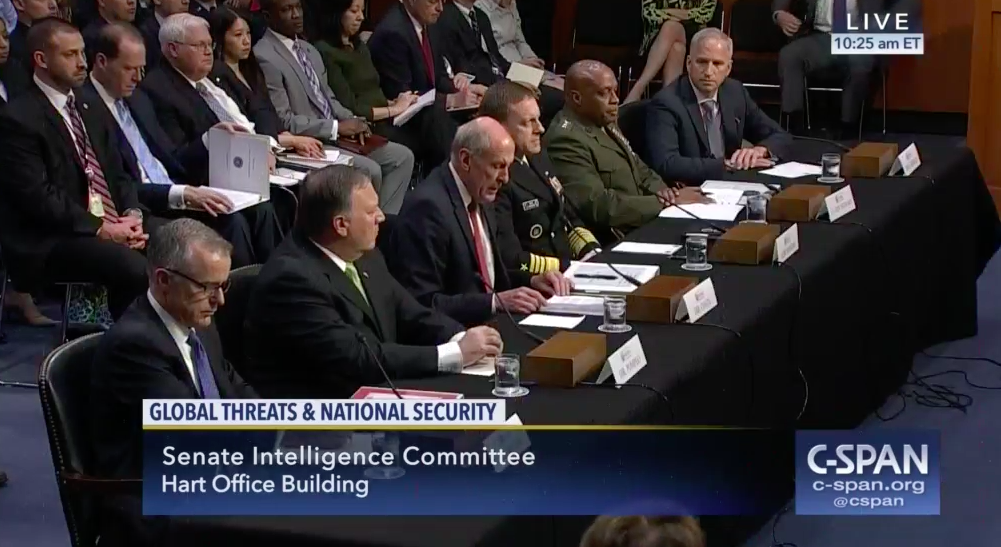
Given that this is now a very public squabble, isn't it time for intelligence community leadership to publicly state their positions?
Do they agree with the objections of their intelligence community community partner? Or can the leadership calm fears here because the Bureau's concerns are off base?
Fair questions. The public—and the intelligence community workforce—will want to know their answers.
More Articles
-

How to Make an AI Deal With China: Trade Throttling for Pacing
China will not agree to an AI pacing deal that puts them permanently in second place. The U.S. must therefore be prepared to use the threat of throttling to encourage a mutual deal. -
The Law Can’t Keep Up With Flock’s AI Surveillance
Flock promised to read license plates. It built surveillance that can track dissenters—and the law hasn’t caught up. -
Scaling Laws: Public Participation in AI Governance With Hélène Landemore