Search Warrants for Election Materials Get Their Day in Court
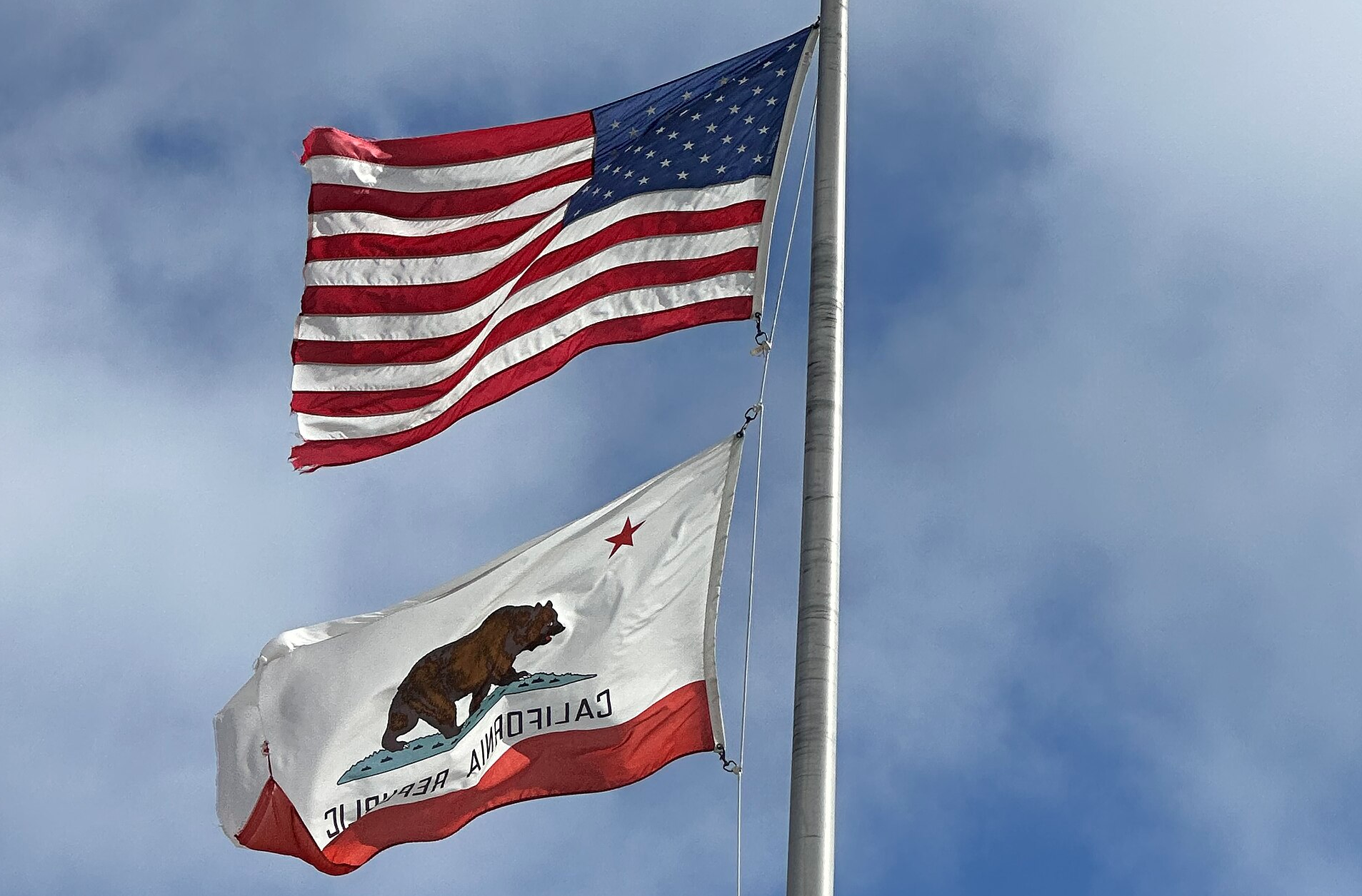
The California Supreme Court heard argument on Aug. 24 about warrants to seize ballots from 2025’s election to redraw the state’s congressional map, sought in February and March by Riverside County Sheriff Chad Bianco, who at the time was an active candidate in the race to be California’s next governor. That’s a mess of a sentence describing a mess of a controversy.
Indeed, it gets worse: There are real questions about whether the warrants were predicated on probable cause; the warrants purported to authorize the sheriff to not only seize but also count ballots; state law seems to preclude these sorts of warrants; the sheriff ignored the state attorney general’s instructions to stop; and the state supreme court eventually had to intervene to pause the investigation pending argument. But buried in that mess is a welcome opportunity for a state’s highest court to offer a reminder about the proper place for—and proper limits on—criminal process in the electoral context.
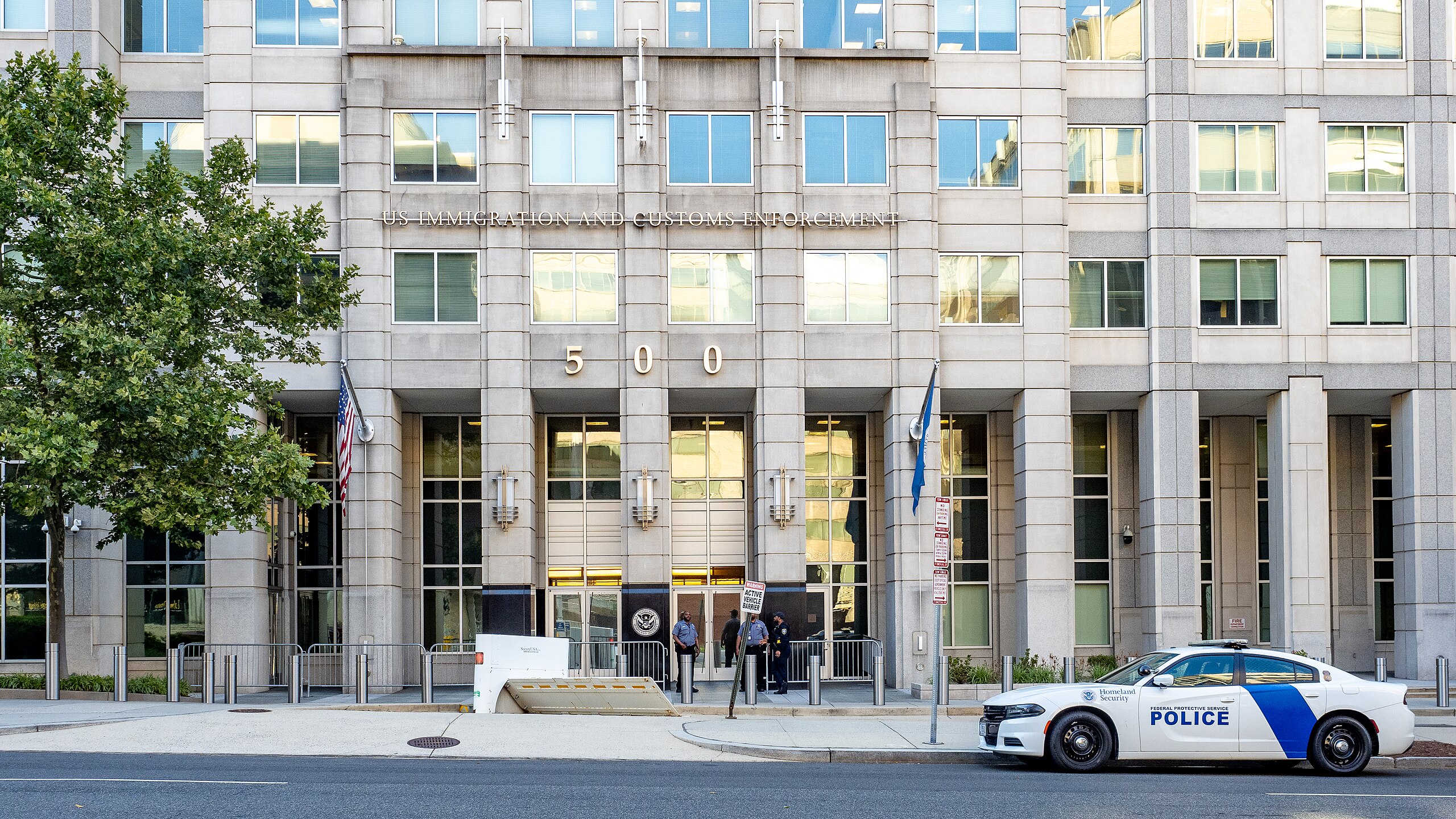
The prospect of criminal warrants for election materials has made a lot of headlines lately, conjuring an idea without much precedent. A federal warrant issued in early 2026 for 2020 election materials in Fulton County, Georgia, appears to be the first federal warrant of its kind. That warrant also drew extreme controversy, not merely because of the novelty but also because of deep skepticism about both the Department of Justice’s motive and the conspiracy-steeped factual basis for probable cause. Then-Director of National Intelligence Tulsi Gabbard showed up in person to be photographed for the execution of the warrant, which nobody could convincingly explain. Once the warrant was executed, Fulton County’s attempt to have the materials returned —in order to turn around and destroy them—was rebuffed under the extremely high local standard for such a claim (in the U.S. Court of Appeals for the Eleventh Circuit, those seeking return must prove not just that the warrant was invalid, but that the government demonstrated a “callous disregard” for constitutional rights). When the government later sought to subpoena personal information for Fulton’s 2020 election workers, a different judge quashed the subpoena as unreasonable.
Beyond this federal anomaly, there have apparently been a smattering of state warrants in the modern era, but reviewing courts have not weighed in on the validity of those warrants. Until 2026, these were isolated curiosities. But the fact that Fulton and Riverside warrants happened in such rapid succession has made many observers nervous about repeat performances elsewhere in the future.
It’s important that neither Riverside nor Fulton involved warrants issued while results were pending. If a law enforcement official made a similar attempt during or shortly after voting this November, the legal arguments would be considerably easier.
First, unlike the February seizure of 2025 materials, an application for a warrant to seize election records this fall would involve an election with federal races on the ballot. Such an election implicates federal law, which requires local registrars and custodians to maintain those election records for 22 months. The law—part of the Civil Rights Act of 1960—is designed to ensure that the records stay in one identifiable place, where everyone knows they can be found. Government officials with legitimate needs can inspect the records and take copies, but nobody other than the registrar gets exclusive custody, so nobody has to work through a wild goose chase if there’s a need for access. Even then-Attorney General William Rogers, in lobbying for the law in 1959, argued that local registrars—and not his own law enforcement personnel—should keep custody. Any contrary assertion of power by a state official such as the Riverside sheriff should be preempted.
Second, an application for a warrant to seize election records this fall would involve substantial meddling with an election in progress. Such an application would be profoundly unusual—indeed, at least at the federal level, it’d be unprecedented. For decades, federal guidance has pushed strongly against the very idea. And that may be because executing a warrant to search or seize election materials before results are final would likely be unconstitutional.
In a new article, John Keller and I review the legality of a warrant to seize election materials while election results are pending, informed by experience in the Department of Justice—one of us supervised the civil side of election work and the other supervised the criminal side. We conclude that criminal seizures of election records while results are still pending would be “unreasonable” under the Fourth Amendment, in part because of the unnecessary interference with the election process that it would entail. Just as some searches or seizures are constitutionally reasonable even absent probable cause, some searches or seizures are constitutionally unreasonable despite the presence of probable cause.
Particularly when searches or seizures intrude on other constitutional rights—such as the First Amendment, the Search and Debate Clause, the attorney-client privilege that preserves the Fifth and Sixth Amendments, or the right to vote—courts have required law enforcement to minimize disruption of those other rights. And seizure of election materials while results are pending via criminal process would be an unnecessarily seismic disruption of the electoral process. The same Civil Rights Act of 1960 provides the reasonable counterpart to an unreasonable seizure: The ability to access and copy records should be more than sufficient for any legitimate law enforcement purpose in that sensitive period.
That last point—legitimate law enforcement purpose—should also provide a through line in the case out of Riverside.
Three warrants were issued in Riverside to seize materials in the election finalized months before. A first warrant, issued on Feb. 9, was for ballots cast in the 2025 special election. A second, issued on Feb. 23 that cited no new material information, was for all other information “related to the 2025 Special Election regardless of format.” A third, issued on March 19, was for permission to conduct a hand count to tally the ballots, which is unprecedented (warrants aren’t supposed to be used to let sheriffs cosplay election officials).
The applications for the warrants turned on alleged discrepancies in ballot totals, identified by citizen activists as mismatches between the numbers on handwritten logs as ballots came in for processing and final totals reported by the registrar. And had there been credible evidence of intentional ballot-box stuffing, there’s no question that such allegations would have belonged in the sphere of criminal investigation, with processes available to secure access to materials after civil contests ran their course and results were finalized.
But the overwhelming impression from reading the applications—bolstered not only by Bianco’s public representations but also by his attorney’s arguments in court on Aug. 24—is that the warrants were designed to allow law enforcement to look over the registrar’s shoulder, to double-check the registrar’s work. The applications expressed the desire to seize ballots “in order to conduct a review/[audit] the ballots” from the election. But that’s not what criminal warrants are for. Even if the miscount allegations were well-founded—and there is substantial reason to believe they were not—a mistaken count is not a crime. The advocates alleging the miscount themselves disclaimed any belief that there was criminal intent. The applications, like earlier investigations in Riverside, identified no probable cause to believe that the ballots to be seized would yield evidence of any criminal act. And that makes the warrants not only improper but also a misplaced displacement of authority from one sphere to another that the California Supreme Court can and should address.
Many elections currently take place under conditions of significant social distrust. It is notable that most of that distrust is directed out of town, at a “them” rather than “us”: Across multiple cycles, 90 to 92 percent of voters steadily report that elections in their own community will be administered well. (And that’s because they will be.) Still, even that stark level of support leaves some local disaffection. Distrust in the election process is frequently unwarranted and unsubstantiated—but not always. And so dispassionate observers of the election system and advocates alike appreciate reliable systems to monitor, review, audit, and test election proceedings to ensure their accuracy and integrity. Frankly, so do good registrars.
But those systems belong to the zone of civil process. And while those systems and criminal justice systems can coexist peacefully, they should not be conflated. California jurisdictions have procedures for observers to watch most aspects of the election process. They have procedures to allow challenges to voter eligibility based on reliable information. They have procedures for jurisdictions to test voting machines under the public eye, to maintain strict chains of custody, and to audit results to ensure their accuracy. They have procedures to contest election results in court, to weigh allegations of error or misconduct against real evidence in a judicial crucible subject to adversarial scrutiny.
All of this takes place beyond the criminal system—and should continue to do so. The criminal justice process is invaluable in its own right in the elections context, but it uses different (often ex parte) tools for a different purpose: to address intentional malfeasance. One system is not a valid substitute for the other.
The separation of these spheres may not ultimately end up dispositive in the Riverside case. The case includes questions of the authority under state law of the California attorney general to exert direct supervisorial control of a county sheriff’s investigation. It includes questions about the operation of state chain of custody provisions (and the impact of new laws passed in California since—and in part because of—the Riverside seizure). There are questions about the extent and propriety of mandamus authority, and questions about standing.
But in that mix, the California Supreme Court should not lose sight of the underlying opportunity to help keep the election process and the criminal process in their important respective lanes. Federal law, thankfully, already provides that clarity while election results are pending—two times over when the election in question involves federal races. But the Riverside controversy gives the California Supreme Court the chance to make the division of labor clear even once official results are in. The court should take advantage of that chance.