
Lawfare Daily: ‘A Whole Other Country,’ with Zoe Kurland and Terence O’Rourke
Discussing the secessionist movement in the mid-1990s called the “Republic of Texas.”

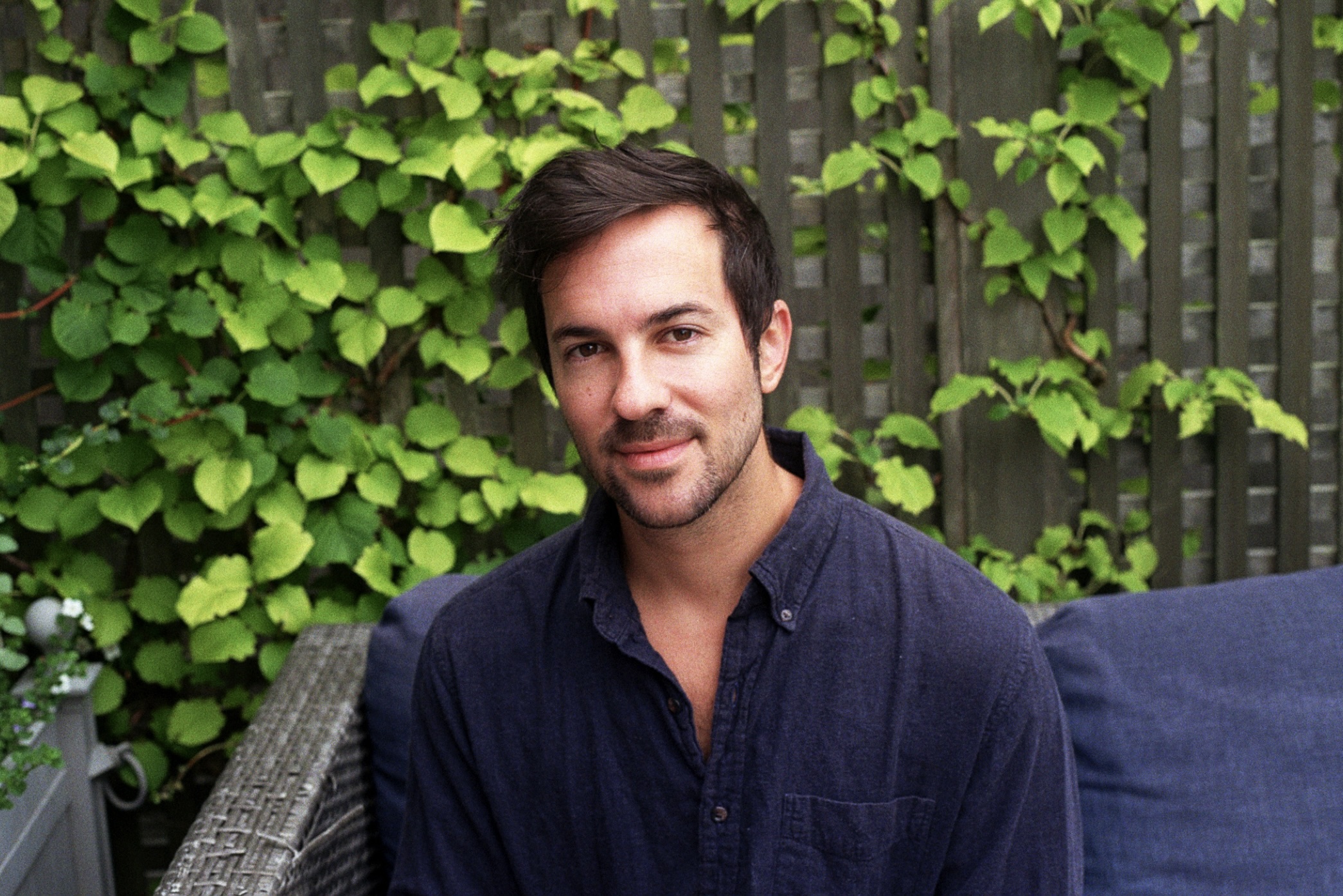


On today’s episode, Lawfare Managing Editor Tyler McBrien sits down with Zoe Kurland, Senior Producer at Marfa Public Radio, and Terence O’Rourke, an attorney based in Houston, Texas. They discuss “A Whole Other Country,” the Edward R. Murrow Award-winning six-part podcast series, hosted and produced by Kurland, that tells the story of a secessionist movement in the mid-90s called the “Republic of Texas.” They talk about the group’s dubious legal claim that the federal government had improperly annexed Texas back in 1845; how its leader, Rick McLaren, styled himself “Ambassador of the Republic of Texas” and sought international recognition; and why McLaren, in the midst of a hostage crisis of his own making, picked up the phone to call O’Rourke to represent him.
To receive ad-free podcasts, become a Lawfare Material Supporter at www.patreon.com/lawfare. You can also support Lawfare by making a one-time donation at https://givebutter.com/lawfare-institute.
Click the button below to view a transcript of this podcast. Please note that the transcript was auto-generated and may contain errors.
Transcript
[Intro]
Terence O'Rourke: And I said, "Hey, Rick, I've been watching television. Are you surrounded by the Texas Rangers? Do you have hostages there with you?" And he said, "Well, Terry, y- yeah, but they're not hostages, they are prisoners of war."
Tyler McBrien: It's the Lawfare Podcast. I'm Tyler McBrien, managing editor of Lawfare, with Zoe Kurland, senior producer at Marfa Public Radio, and Terrence O'Rourke, an attorney based in Houston, Texas.
Zoe Kurland: Just this piece of paper kind of ended it all, because Rick got exactly what he had always been looking for, which was for someone to tell him that his nation was real, and that everything he thought was possibly going to come to pass.
Tyler McBrien: Today, we're talking about “A Whole Other Country,” a six-part podcast series hosted and produced by Zoe, that tells the story of a secessionist movement in the mid-'90s called the Republic of Texas. We discuss the group's dubious legal claim that the federal government had improperly annexed Texas back in 1845, why the ROT's leader, Rick McLaren, styled himself Ambassador of the Republic of Texas, and sought international recognition, and why McLaren, in the midst of a hostage crisis of his own making, picked up the phone to call my guest, Terry O'Rourke, to represent him.
[Main Podcast]
So Zoe, I wanna start with you. For any of our listeners who, for whatever reason, have not yet listened to the series, could you just briefly run through in broad strokes the story you tell here? And I realize this is very unfair. It's a very sprawling tale with a lot of colorful characters, but in a nutshell, what is “A Whole Other Country” about?
Zoe Kurland: In a nutshell, “A Whole Other Country” is about a Texas secessionist movement, a Texas independence movement, that took place in a rural subdivision very close to where I live in Marfa, called the Davis Mountains Resort. And this movement took place in the '90s, really blossomed in the Davis Mountains Resort, and the show takes us through the story of its main author, actor, Richard McLaren, who was kind of a legal savant, and manipulated the law, and kind of crafted his own narrative about what he thinks or thought a nation should look like.
Tyler McBrien: And Terry, I wanna bring you in here. Not only did you live through this period you were also intimately involved a- as one of its characters in the story.
Terence O'Rourke: Yeah, no, I, I was. I can, if I explained to Zoe, I'm a lawyer in Houston, Texas, and I've served in government, but my introduction to this case story began with a phone call one day from Richard McLaren, the ambassador of the Republic of Texas, and he said, "Hey, Terry we'd like to retain you to represent the Republic of Texas. We've got this problem with the ‘New World Order.’ And we need you to be our international counsel." And I said, "Hey, Rick, I've been watching television. Are you surrounded by the Texas Rangers? Do you have hostages there with you?" And he said, "Well, Terry, yeah, but they're not hostages, they are prisoners of war." You don't get trained for this kind of case in law school.
Tyler McBrien: Yeah, so Zoe, catch us up. You know, take us to the, the point in the story where Terry gets this phone call. We're gonna dive into Rick McLaren and his paper war and a lot of the legal angles here. But just to get you know, the rest of the story connected, take us to the point at which Terry gets that phone call.
Zoe Kurland: So Terry gets this wild phone call at the point at which the Republic of Texas has kind of bloomed and boiled over in 1997. So this movement that people kind of wrote off as this joke, this, like, cowboy performance of a nation actually ended up gaining power and momentum. And in 1997, it exploded into this bloody standoff that happened in the Davis Mountains. And Terry was in Houston, I believe, when he got that phone call from Rick McLaren, who was barricaded up in his embassy, which we'll talk a bit more about, in the mountains as the Texas Rangers were kind of barreling up the mountain on horseback and in vehicles, and coming to partake in what was kind of like a real Wild West standoff out in the very picturesque rural mountains.
Tyler McBrien: So Terry, take us back to that phone call. What was going through your head when you got the call from Ambassador McLaren? If you-
Terence O'Rourke: Well, I can tell you, I could tell you, this is easy. I, like, pulled that phone away from my head and shook my head and said, "I can't believe this," you know? And I knew enough about their movement, and I knew enough about McLaren, that they were anti-lawyer and anti lots of things.
But I believe what they said is, or that I had heard on the media, that they had hostages there, and these people were heavily armed, and that people were gonna get killed. Now you have to see this, this is post-Waco, so, you know, the idea that this is serious. This is not just some cowboy movie. This is, like, the real thing. Through my mind was this, that if I don't represent these people, people are gonna die. That maybe my participation in representing them can save a l- lot of people from dying because the Texas Rangers clearly, well, I, we'll get to that later, but it was as deadly serious as any case a lawyer can ever have.
Tyler McBrien: I'm curious why they called you or why Rick called you. How did you get involved in, in this world?
Terence O'Rourke: I had met him maybe a year and a half before out in West Texas with the county attorney because we were looking at some of the work that was done during the Depression by the Civilian Conservation Corps. They had built some beautiful things out in West Texas. Some people know the Indian Lodge, but they built lots of things bridges and water retention facilities, and that was using people who were unemployed and put them to work. And so we were wanting to do that for people who were prisoners in the Harris County Jail to get them out of jail to put them in work. And we had no models for that, and so to go see how you treat people decently to train them in jobs and have them do good civil public works. So in that context, I met Rick McLaren, who was there out in West Texas.
Tyler McBrien: Zoe you know, one of the reasons I wanted to talk to you is, is, is a bit about, you know, what, what Terry's speaking to here of the, the legal side. You referenced this great quote, I believe by the historian Patricia Nelson Limerick, and if I may, I'm just gonna read it quickly that, quote, "If Hollywood wanted to capture the emotional center of Western history, its movies would've been about real estate. John Wayne would've been neither a gunfighter nor a sheriff, but a surveyor, spectator, or claims lawyer." Which is extremely apt for, for many reasons. But, I wanna back up to the, to McLaren's start in Texas and how this all began with the liens and then the paper war. Could you tell us a bit about McLaren's paper war that he was waging before the Republic of Texas?
Zoe Kurland: So Rick McLaren is, or is, he is, he's still alive. He is a man from Ohio. He grew up in Wilmington, and he has sort of told varying accounts of when he first learned about Texas, but he did a book report on Davy Crockett according to his kind of narrative of, of his life when he was in the third or the fifth grade. And he said he became really enamored of the state and kind of its mythology and its story and its promises. And as he was growing up, he kind of felt drawn to Texas. Right after high school he moved there, and he started reading regional magazines and kind of deepening his interest in the state.
And at the time, in the '70s, like “Texas Monthly,” “Texas Highways,” these magazines were reporting on this burgeoning wine industry in the Davis Mountains, which you might not think of Texas as a, as wine country, but at the time, this was kind of blossoming. And Rick was very entrepreneurial. He was a car salesman before that, a used car salesman, and his, his sort of salesman way took him to the Davis Mountains where he thought that he would make his fortune making wine. And when he got there, he quickly figured out he really didn't have the gift for wine making and started kind of focusing his efforts of entrepreneurial thought elsewhere.
And he moved to this unincorporated community called the Davis Mountains Resort, where it's kind of known for being isolationist, individualist in a lot of ways. It's got these plots of land that are very irregularly shaped. There's a, a Davis Mountains Property Owners Association that governs it with covenants that you sign when you first move there. But other than that, it's pretty out of the eye of the local government, and it's extremely remote.
And Rick sort of started building his own little empire as in just, like, a trailer and a, a lean to, and he was living with his wife and wasn't really having a great go of it. The wine making had totally failed, and he started defaulting on property owners association payments. And essentially, he was a big reader and tried to get out of it, and he figured that he could get out of it by kind of pursuing some legal avenues. So instead of just deciding not to pay or deciding to pay, he decided to file a lawsuit against the person who owned his property, claiming that they didn't own the land, and this is where the story gets a bit tangly.
The Davis Mountains Resort was a scheme, essentially, that was built as a, as a development by people who didn't live in the area. So it started out as a ranch. The Davis Mountains area is, it's called a sky island climate. It's extremely rugged. There are volcanic outcroppings and high uplifts and creeks and all of these landscape features that make it very hard to build and live in this area. And the land was bought by a company called the Global, Global Land Development Corporation. And Global was not familiar with the Davis Mountains resort, and so when they broke it up into plots… They had plots that they had tried to map these clean lines onto this land that told a very different story. I mean, you can't really make a plot that has, like, a driveway that's actually a cliff. I mean, I've met people who live in the Davis Mountains Resort who can't get to their land without basically driving off a cliff if they were to do that without an easement or an agreement with their neighbor.
And that company tried to sell these plots. Some of them sold, some of them didn't. It went bankrupt. But over time, as people moved there, they started making agreements with each other to get onto each other's land through roads that were, maybe it was their neighbor's road or, you know, they had an agreement to plant a garden on their neighbor's land, or a fence didn't line up with a, with property lines exactly.
And Rick kind of juxtaposed these maps of the Davis Mountains Resort, and what he found was that across time, the land had been surveyed, kind of overlapping, overlapping surveys had happened, and the maps didn't line up. So he figured that, okay, if the maps don't line up, then the people who own land here don't actually own the land, and that means I don't have to pay property dues because there's actually no Davis Mountains Resort. It kind of doesn't exist. And so he started filing all of these liens against his neighbors, started filing lawsuits, and this, this was sort of his training ground for what would become his Republic of Texas paper war.
In, in sort of attempting essentially to colonize his neighborhood, he started practicing for this greater ambition of taking Texas back from the U.S. As he was taking back, quote-unquote, "his neighbor's land," he was sort of plotting this bigger picture of what if Texas doesn't actually belong to the U.S., and how can I get it back through filing a bunch of liens and gumming up the works with a lot of paperwork?
Tyler McBrien: As you said, he, he kind of has this proof of concept of using the legal system to overwhelm people and, and kind of a, he, and, and after a while it was, he was fairly successful. He amassed land and and I believe some money as well. And so then he turns, right, his legal research to a bigger project of this idea that Texas is illegally occupied, I believe.
But Terry, I wanna turn to you to, to hear more about maybe Rick's legal theory, especially as a lawyer and, and someone who had represented him. And, and also I found it interesting when you said a moment ago that he was fairly anti-lawyer, because it was always, I felt like this tension with him between viewing this, the, the law and the state as illegitimate, and yet still seeking its recognition or working within the system in a way. So yeah, I don't know. I'm, I'm curious what you make of Rick's legal research and his, and his harebrained legal theories about Texas.
Terence O'Rourke: I had met him before he, I got this call of, you know, "I've got hostages." When I was out there, and he, he's an entertaining and like he's, like, Zoe said, engaging and has a sense of humor.So he talked to me and the county attorney, the elected county attorney from Harris County, about his theories of law. And quite simply, it was that Texas never lawfully entered the Union. And I know Texas history. I grew up in Texas, so, you know, I grew up with Texas history and Texas brags and John Wayne and the Alamo and all the mythology. But I do know the history is that Texas entering the Union as a slave state was a real problem, and that what had happened is that the Republic of Texas, with Sam Houston and others, had negotiated a treaty with the State Department of the United States for Texas to enter the Union.
And it was presented, as treaties are, to the United States Senate, and it did not get the two-thirds necessary for treaty approval. It did not even get a majority, and that was because the balance of slave states and free states. And, and the, the people in Texas, Sam Houston and others, had wanted from the very beginning to become a part of the United States, that they collectively thought of themselves of something of manifest destiny, this nation that would be from sea to shining sea, and that Texas was gonna be a grand part of it.
So, the problem was that they had failed to get into the union, and there was an election in 1844. The Mexican War had been going on at that time, but the election had approved essentially the expansion. The, in the national election, it was the people of America wanted America to go big and to, and to expand. And so the Congress that came back knew af- after the election that they could get Texas in with a joint resolution that which had a majority in the U.S. House of Representatives and the U.S. Senate.
McLaren's theory of law was that that was unconstitutional, that there's only one proper way for Texas to enter the union as a foreign state, as an independent state. Let me say this, there are law review articles on this, that that was impermissible under the U.S. Constitution. So McLaren, I mean, just like, Zoe was saying about the land deal, it was void ab initio, as the lawyers would say. So the Republic of Texas never ended. It, it never entered the United States, so it's always had been there, and all these other people did unlawful things all the way up to the very day, so that when he reclaimed his things, he was not a separatist. He was not trying to leave the union because Texas had never joined the union.
Well, it was a fascinating legal theory, and even though it is obviously not gonna be admissible in a court of law today in the state of Texas, it was no more wild a claim than you get of Henry VII going over to defeat Richard III on Bosworth Field claiming to be the King of England. I mean, in terms of history that had been determined, theories were sometimes bound by people voting with their feet or with their rifles, just as the Alamo.
Tyler McBrien: Did you get a sense that he was a true believer of this theory, or if he was more of a grifter, you know, latching onto it as a means to an end?
Terence O'Rourke: It's hard for me to say this now because I've represented him as a lawyer, so I don't wanna discuss things that I form in his thoughts. But because I have had to discuss this with the Texas Rangers and others, I'm not revealing any privileges, it's in the mind of so many people is from the perspective of others, this is crazy or lunatic, but from another perspective, it can be sincere.
So how is the, what is the mixed motive when someone has a financial political motive on one thing, how sincere is the belief that they are carrying, and whether that is nationalism today or loyalty to a political party or something. So I, I was familiar with that of being a lawyer representing people in politics. So I look at it like two languages, just like Zoe was saying. It's where it's his world, I could understand it, but I also knew the world that I came from, and I had been an assistant attorney general, a county, assistant county attorney. I, I mean, I knew the law in Texas, but I could speak to him across two lines. It was like speaking Latin and English at the same time.
Tyler McBrien: Zoe, I wanted to ask you, you know, your thoughts on this. There is a logic, I think, to his world, and, and I think one of the examples of that is the embassy. You know, you may think that the first thing you would do is set up f- you know, a executives residence or a congress and, or, and you might call yourself, you know, a president, but he called himself ambassador, and he put the emphasis on the, on the embassy. I'm curious your thoughts on th- the same question.
Zoe Kurland: I really grappled with this idea of, like, was he into Texas or was he into the financial gains? And I think towards the end, he really was, someone in the show put it, he was really drinking his own Kool-Aid. Like, he sort of, maybe what started as kind of an ingenious land grab did really become a passion, and he, he was such a self-mythologizer.
Like, I mean, I, I do wanna go back to that Limerick quote that you brought up. Rick was a really bad frontiersman. Like, he actually didn't make it as a grower. He was, you know, notoriously, he tried to hunt and, like, gagged while he was gutting the deer that he shot. Like, he was really squeamish. He was, he was kind of a, people describe him as a nerd in a kind of endearing way sometimes. You know, there is that charisma, there's that desire to learn. But I think what he realized was, like, "Okay, I can't really be, like, the Davy Crockett of my dreams in the, you know, hunting and building a beautiful home in the mountains. But what I can be is this, like, amazing legal mind, and kind of bring this frontiersman attitude to law and sort of work within the legal system."
And he was really into the theater of law. Like, Terry, I would love to hear your thoughts on this, too, but the, what you mentioned, Tyler, like, the embassy being his first move, like, that's so deliberate because he was saying, "We're a foreign nation in the U.S." He wasn't saying, like, "Join the club." Like, "We're the Texans of Texas." Like, he was saying “we are a legitimate nation unto ourselves, and I'm an ambassador.” He didn't call himself the president. He didn't call himself, you know, the king. He really deliberately chose to work within the jargon of the legal system and position himself as sovereign in an extremely deliberate way.
And even I think a lot about, like, you know, the Republic of Texas printed license plates. They printed ID cards. Like, they were really trying to legitimize the idea of citizenship of the Republic of Texas, and Rick was, was huge in that. And I think taking on this sort of, even if he was anti-lawyer, he really saw himself as a legal mind. And I think taking on this kind of legal persona allowed him to both, like, fulfill a mythology about himself and also legitimize his nation in, in ways that I think other people who have gone about sov-cit kind of, that gone down sov-cit avenues haven't used that same kind of legitimizing language the whole way through. And it's, it was, it was very, not to say that I wanna be like that guy, but it was admirable. Like, you kind of have to admire his ingenuity through some of these systems.
Terence O'Rourke: Yeah, quite creative. And, and he would say, for example, that he, the Republic of Texas was not an independent nation in the United States. He would say that the Republic of Texas had been occupied, illegally occupied by the forces of the United States and the New World Order. So, I mean, he was consistent in his views.
Tyler McBrien: And speaking of legitimacy, if I'm not mistaken, he sent out many, many letters to foreign countries seeking recognition of the Republic of Texas and got recognition, I believe, from maybe a handful or, or, or one or two, if that's correct?
Zoe Kurland: I believe then that Israel actually, like, corresponded with him. I have to fact check that, but I know that there were a couple of nations who kind of just received, he was a faxer, a prolific faxer. Like, he was faxing embassies and nations from his lean to in the mountains, which again, it's like he was really using the tools that he had. The '90s were alive and well. He was doing it up with '90s technology, as we'll also get into.
But yeah, a couple of nations received his correspondences and basically sent him correspondence back, which because he, in his mind, getting, getting a letter back from a nation legitimized his cause to be sort of taken seriously and named as the ambassador of the Republic of Texas by a legitimate nation kind of gave him, gave him more to stand on and in his very loophole way, he would kind of, and, and we'll get into this later and how this played into the standoff, if someone, if a legitimate body, you know, if another nation or a government official or a Texas Ranger called him the ambassador, he was like, "I'm the ambassador. They said it. This legitimate force called me that, so I am that." And that was kind of how he operated.
Terence O'Rourke: So that you could have a bureaucrat in the equivalent of the post office in Austria receive this thing and get it in the inbox and put a stamp on it and send it back of "Esteemed Ambassador McLaren, we've received your request for recognition and have s- sent it on to our Bureau of Foreign Recognition," which would just be a piece of paper, and he would take that and then hold it out to the crowd and say, "Hey, look, we're negotiating with Austria for recognition." I'm using Austria as an example. But if you send out enough things to enough people, like Belize or others, but also Native American tribes, I mean, remember there's a whole lot of people in entrepreneur positions in other groups that are, by our standards, pseudo nations who are always interested in a new angle. So, so he would take those things and then take them back and resend them to the faithful of the Republic of Texas.
Tyler McBrien: Yeah. I wanna move to the, the hostage standoff next. And, and related to your point, Terry, about these two dialects or, or legal languages that McClaren was speaking and then kind of everyone else was speaking including the U.S. government, he did get some pieces of legitimacy, at least in his eyes. But at the same time, Terry, as you said earlier, this would never be admissible in a, in a U.S. court of law. It's something that the U.S. government would never, and did not stand for.
So, so take me back now to the, the hostage situation and, you know, Rick's insistence on calling them prisoners of war and this negotiation between the Republic of Texas and, and the U.S. government, the state of Texas. How did you square these two mutually unintelligible languages in many ways, you know, as, as Rick's counsel?
Terence O'Rourke: Well, let me tell you, I have done criminal defense cases, but that was in federal court in Washington, D.C., and some in state courts in Texas. And I went to law school at the University of Texas. I can tell you there is absolutely no training for this, this experience. I, I don't care who you are. And I, I did have some valuable exchange with the FBI hostage negotiation teams and others, that there were lawyers in the Justice Department and others who I could talk to. But we're in a land that would be a very different universe, that's all I can say.
Except that the reality is McClaren had a lot of guns. His people had bombs, weapons, and other things, and the Texas Rangers had lots of guns, and they were standing off against each other. And I said to Rick, "I can't represent you by a phone call." He said, "Hey, no problem, man. I'm gonna call a electronic meeting of the Republic of the, Congress of the Republic of Texas, and we will retain you as international counsel for the Republic."
I said, "Fine, Rick." Well, about 45 minutes later, I got this, like, five-page resolution, the Congress of the Republic of Texas meeting in special session electronically, has named Terrance L. O'Rourke to be their international counsel. It was enough for me as a piece of paper by a person in a hostage crisis to say that I had a connection with the person on the inside. And in Texas law, even if he were delusional, it would be enough that I was empowered to act as his lawyer. So I went out to West Texas immediately, and I can vividly remember the reception of the Texas Rangers.
But before that, let me say, I called the attorney general's office in Texas, 'cause I'd been an assistant attorney general. And as a, an assistant county attorney in Texas, I'd had lots of relationships or cases with the attorney general's office. So I called, and on the weekend of a thing where the kind of duty officer answered the phone, I knew him. And he said, "Terry, are you sure you wanna handle this case?" Well, yeah. I said, "You know, they're gonna kill a lot of people or they're gonna get killed." I mean, it really is, what is my choice? They're not gonna go hire somebody else. And he said, "I'll put you on the hostage negotiation team going out and get out to West Texas." So when I got to West Texas to meet with the Rangers, they had received message from the attorney general's office as well as from me that I was coming. I wasn't just some guy showing up at the barricades.
But when I showed up at the barricades, I had an experience that the Rangers were so gracious. I met with the leader, Caver, and he said, "Mr. O'Rourke, it's so nice to have you here. Here, have a cup of coffee. Sit down with us." He said, "This is gonna be real simple. We've got these warrants," and these were federal warrants that had come from the Secret Service and others because of MacLaren's activities and a variety of state warrants, "and we're just gonna-- this is not gonna be like Waco. Just, just make this real clear. We're just going to execute these warrants."
Boy, I'll tell you, you don't have to be a genius to hear the word, the key word was execute. He said, "We're not gonna wait around like the FBI and others did, and we know how to handle this situation. So it'd be good for you to talk to your client." Well, boy, you know, it was clear to me that he had the authority to, when they execute warrants, these are felony warrants, to use deadly force, and boy, he had it. It was a, a sobering moment. I mean, how it came into my mind is that I was talking to the man who was gonna give the orders to shoot to kill McLaren and all his people.
Tyler McBrien: So Zoe, as you mentioned earlier, McLaren is still alive, so th- this didn't end in, in his death at the hands of the, the Rangers or, or, or federal agents or, or anyone. Just to close the loop here, how, how did this story end? I mean, speaking of pieces of paper that are pseudo-legitimate, illegitimate, tell us about the international ceasefire agreement and, you know, how the standoff came to a close.
Zoe Kurland: Yeah. So, you know, as we've been talking about, Rick really loved pieces of paper that told him that he was exactly who he thought he was. And so this, you know, this standoff in the mountains, which was about a week long, that Terry was present and on the ground for, you know, a standoff is not always that interesting. It's kind of a waiting game. You might think of it as sort of gunfire and action in some regard, but the standoff was a long period of exchanging messages back and forth.
So essentially, Rick was asking for legitimacy. He was saying, "Can you legitimize my nation? Can you promise to have a hearing for the Republic of Texas and ask people to vote on the issue?" And, you know, the Rangers kind of continually went back and forth and said, "No, we don't wanna do that." But then eventually, and I think Terry, you can probably fill in some of this, Barry Caver, who Terry was just talking about is also in the show briefly talking about this moment. But there was, there was an, a discussion that was had that was like, "You know what? We can present him with a ceasefire agreement, and we don't have to go through with all of this stuff based on what's going on right now." And so a ceasefire agreement was sent up to Rick via a, a official government drop system that I'm forgetting the name of that I was obsessed with briefly.
Terence O'Rourke: They had an armor personnel carrier.
Zoe Kurland: Yes, the armored personnel carrier. Thank you so much.
Tyler McBrien: And the messages back and forth were, were via diplomatic pouches. I, I-
Terence O'Rourke: Yes. Yeah, and I, I would be making up the pouch. Yeah.
Zoe Kurland: Oh my God, you guys. Thank you so much. Yes. The diplomatic pouches and the armored personnel carriers were a huge part of this. Diplomatic pouches, again, it's part of the theater of this sort of like legitimate nation situation. And eventually, the Rangers met Rick's terms to at least, you know, after some negotiation, and Rick sent out his wife to sign this ceasefire agreement that essentially said, "You are the ambassador of the Republic of Texas, and we'll hold a vote on this issue."
And it was, it was signed on official Republic of Texas letterhead. And again, just this piece of paper kind of ended it all, because Rick got exactly what he had always been looking for, which was for someone to tell him that his nation was real and that everything he thought was possibly going to come to pass.
And that ended the standoff, which could have ended, there were guns, there were bombs. There are still pipe bomb fragments in the Davis Mountains Resort that's on the side of the road. Like, you can find this stuff. It's not, it's not like it wasn't dangerous. And Rick was on the radio shouting mayday at certain points. I mean, this was very real, as Terry was saying. This, there was, life and death was on the line, but all that was needed to kind of put a halt to that was this piece of paper saying, "Yep, we agree with you. You're good."
Terence O'Rourke: Yeah, and you have to remember that Rick was also, in a certain way, in the mind of the public and himself, David Koresh in his leadership quality. He had the people inside the embassy who were supporting him in his actions. They were ready to die, and they said they were ready to die in a variety of different ways. He was sending out communications that, I'll tell you another part of it is he sent out this call to the Alamo just like he was Travis, to come from all nations in the world to come to aid the Republic of Texas, and there were people coming.
The Texas Rangers and the highway department and others had stations on all the highways and roads, and they did arrest people who were coming with automatic weapons and bombs and guns. And I mean, he was trying to create an insurrection is one, people, you know, would say, or liberation, a liberation movement.
So when you get people who are stopped carrying a whole bunch of weapons to join McLaren, the pressure on the government to end the negotiations was great. And a part of this that I haven't discussed is that fairly early on in this, I called Dick DeGuerin, who is a, a friend of mine in Houston, is a criminal defense lawyer of some, very famous, distinguished lawyer. He's the one who represented Koresh, and he was in a trial in federal court at the time. And I, you know, I talked to the judge's clerk and said, "Look, stop this. I've got a life and death matter. I need you to talk to the federal judge, tell him to stop the trial. I need to talk-" To the attorney who represented David Koresh because I've got a situation where people are gonna die.
And they pulled him out of the courtroom, and he was very helpful to me from time to time. And one of the things he explained to me is, "Terry, you have to understand that the state of Texas is willing and actively planning on killing your clients. You have to understand that. And they're just waiting for the time that they can get overwhelming force and able to move to make it happen." And I could watch the assembly of law enforcement agencies and weapons. And like, like McLaren was terribly worried about the so-called black helicopters, which I thought, "What's so, helicopter's black, so what?" But I can tell you toward the end when these black helicopters started showing up, I mean, I could understand it.
There, and, and Caver was really clear too. You can't just assemble this team of law enforcement people from all over the state of Texas and the United States to take care of this hostage crisis or this problem. They're not gonna sit around forever. You can't keep burning up $100,000 a day or $200,000 a day on sitting around having discussions with people. When they were ready to act, they were ready to kill.
And here's the fascinating part. I don't want to try to, is that there's these two languages going on. So I would be there in what would be called “the bunker,” but it really was, it was, it was the headquarters of the, of the team, the government team. And so you'd have people coming in to have breakfast. And these would be snipers who'd been spending the night out in the mountains. It was cold. And they were cold, and they were coming in with all their kind of sniper scopes. I mean, highly fascinating things. And their job was to kill McLaren and the others when they got the order. And so I'd be sitting down having a cup of coffee with them, of someone who was just, you know, 15 minutes a- away from being up in the hills ready to pull the trigger.
A- and then Jess Malone, the hostage negotiator from the Texas Rangers, is so skillful. He would talk to McLaren just like Zoe was saying in the terms of, "Well, Ambassador McLaren, you know, I understand what you're saying, sir." And it was just perfect hostage negotiation language. And what would happen is that Malone and I, and even Caper would end up start saying things like, "Well, have you talked to the ambassador recently?"
And then you'd have snipers who were sitting next to you saying, "What the fuck are you doing talking to, to this guy that we're trying to kill and calling him ‘the ambassador’ and that you're deferential to some mistake that we've made?" You know, so you, you had internal conflict even within the team. It was, it's a fascinating reality but it was real clear to me that, the governor of the state of Texas and the Texas Rangers are ready to kill McLaren.
Tyler McBrien: I can't believe they don't prepare you for this in law school, of, of having breakfast with snipers who are ready to kill your client at a moment's notice.
Terence O'Rourke: Yeah. Yeah.
Tyler McBrien: The, the podcast itself doesn't go into the subsequent criminal trial of McLaren afterward. Zoe or Terry, I'm, I'm curious if anything notable you wanted to touch on of what became of the so-called international ceasefire agreement, and then ultimately Rick McLaren's trial and, and conviction.
Zoe Kurland: Well, I can speak to the fact that the international ceasefire agreement was not followed through on. And from prison or from jail, from the Presidio County Jail, actually because Rick was brought to, I'm literally, like, a few yards away from the Presidio County Courthouse and Jail at my house right now. But Rick was brought there and held there until trial, and he was tried by the state and the federal government, and in the meantime, he made a huge stink about the government not following through on the vote and giving people the opportunity to voice, you know, their need for Texas to break free of U.S. occupation.
And he was, again, tried by the state and the federal government and indicted 99 years. He's in a prison in Amarillo. A bunch of his followers were also found guilty, and he still, you know, it w- this movement wasn't just the Davis Mountains Resort, I should say. Like, this was a broader Republic of Texas movement that really flourished mostly in Holiday Inn-type motels across the state, but was, was a statewide organization that people joined. And even though Rick was kind of the most vocal actor, there were people in the wake of this who were sort of trying to figure out, well, what happens to the Republic of Texas now? He'd given it such a bad name.
So over the next decade, the Republic of Texas, as it was known, also dissolved. You know, I mean, people were so, ha- had these contentious disagreements about are we following this annexation argument? Are we trying to do something else? Do we just think we should be our own nation because our economy is so strong? I mean, there was this kind of world that existed beyond Rick McLaren too, that was all of a sudden kind of chicken without its head. Like, all right, without this super loud guy determining how we are seen and what we do, what do we do now? And, you know, that's, that's since sort of the strongest faction is now represented by the Texit movement in Texas, which is a different spinoff story.
Yeah, Rick is in prison in Amarillo, and he is, from, you know, his most recent interviews with reporters, which is 2019, he still thinks he's the ambassador of the Republic of Texas. He also still sends filings to the Jeff Davis County Clerk's office. When I went there to do some fact-checking and kind of poke around the records that Rick, that involved Rick, they, first of all, groaned, and they were like, "Not this guy. Please do not talk to us about this man. W- he's so annoying," and said, "Yeah, we still get mail from him. Like, he's still sending us filings. He still thinks he has claim to this land," and it continues. So he's, he's still kicking. He didn't wanna talk to me, but I think that his beliefs are still solidly and firmly held.
Tyler McBrien: I won't make you estimate how many pages of paperwork you think this man has generated in the course of his lifespan. But Terry, I'm actually curious your sense of the current state of the, the secessionist movement whether you've had other clients who are, you know, have this anti-government stance. What, you know, what's the long tail of this to the current day?
Terence O'Rourke: I was retained under an emergency situation where essentially I was coming into something that was, and, and I respect, I respected Rick's right just as if you would respect the right of an insane person to have counsel. I just, so I didn't have a problem with my representation, and I had counsel for me, for me, Terry, so I wasn't getting too far out on a limb, because there was a whole lot of media coverage, and the intensity of coverage like this can make a person say things that they don't really want.
But I would sometimes go down to, like, the Hotel Olympia in Fort Davis and talk to, you know, members of The New York Times or something else. This has got worldwide coverage at the time, and had people who I knew and respected in the media were saying, "It is real clear to us that George Bush, the governor of Texas, has got this cleared in his team because there are no African Americans in there, and there are no Hispanics or whatever, that these are all Caucasians, that he can show the courage that his father didn't have in Iraq, that George Bush has got the courage to pull the trigger."
And so, you know, there was this reality all the time that from the highest level, this was not just some cops who were doing something. I mean, I had people afterwards who said, "Hell, I was at a bar in Paris and saw you on television." What I'm saying, in that whole thing, you've got to be real careful yourself that you're an actor in the drama, but you're the lawyer in it. So when I worked with the Texas district attorney to do the negotiated agreement to get Rick out, he was clear with his conversation with the attorney general, approved by the governor, that they could say anything they wanted just to get this over with, that they'd gone to enough stage that Eve- Evelyn McLaren and her beautiful daughters pleading with the governor, "Don't kill my mama," you know, "Don't kill my husband." It, it was creating a, yhey just wanted to get rid of it instead of having the bloodbath, but they were ready for the bloodbath.
So all this time, I was still a lawyer, but when it was over, I was still a, a lawyer, really, for the thing, and I, I could not continue representing them on a theory of Texas as a forever republic and all that. I, I couldn't represent them in court and make those cases. I'm a lawyer, and I take an oath of office and, you know, an oath. I, I can't represent things I don't believe in as a theory, so I withdrew from the case.
I did represent Richard Keys, the one guy who did get away with another guy, and we won't need to go through this. But in their escape, they killed one of the Rangers' dogs. And, and in the world of the Texas Rangers, you kill my dog and, one of the guys was killed, so, and Keyes got away. And so the, the amazing thing was, since I was still his lawyer in a way, I would still get periodic calls from the law enforcement about, "Have you had any notice from your client?" Which I didn't, until he was captured. But that was an amazing story itself, was for another podcast. How did he escape the Texas Rangers in the mountains?
Tyler McBrien: I don't have a clever segue, but I do wanna ask you, Zoe, about the, I believe you call it a diabolically '90s website that Rick McLaren set up for the Republic of Texas. I mean, as we talked about earlier, he was fairly cutting edge, and because of that tell us the story a bit about how this website may have become the first case in U.S. history of government job owning of a internet service provider or sort of some sort of online censorship. Sort of just describe the website first of all, and then a bit about what happened to it.
Zoe Kurland: Rick was really into technology, which at the time was fax machines and very remedial '90s internet. In the '90s, internet was happening. If you lived in a big city, maybe AT&T would be setting up and you could get, you know, an email address, a website, and it, it was still very new, but there wasn't that much trouble.
Th- this area, the Trans-Pecos region, is still very much the Wild West even today. And back in the '90s, there was just one guy who decided to start an internet company here. So this this man, Todd Jagger, who is very lovely and kind of a Renaissance man. He also owned a gelateria before this. He's into everything. Not relevant, but interesting. He decided that he wanted to, you know, take it upon himself to start an internet company in the area. So he started the Overland Network with, you know, a manual. He bought a bunch of routers, and this was all, again, he was, he was the one guy. We didn't have, like, a big internet company here. And so he started providing internet to people in the area. And for Todd, that meant a website where he showed his photography and was able to correspond with people in different areas.
But he, one day, he got a new client, and that was the Republic of Texas and Rick McLaren wanting to start a website to espouse their ideas and theories about why Texas was actually an independent nation. And Todd was very, like, "Yeah, you're a client. Pay me in cash, and we're good," because the Republic was notorious for paying not in cash, with these sort of shady checks which-
Terence O'Rourke: Warrants. Warrants.
Zoe Kurland: Warrants, yeah, warrants which drew upon Texas state assets and worked a lot of the time. Rick amassed millions of dollars with them, which is crazy. But the Republic of Texas came in with a $20 bill, paid their internet service fee And one of their members took a floppy disk up to the embassy, and all of a sudden Rick had access to the world from this tiny dot in far West Texas, which again, at the time, this was super new. This was, the website, I think, was '96, but it- that's like, you know, I mean, I was one year old at the time, and that's, that's really, that's the beginning of the internet as we know it.
And the website is, yes, diabolically '90s. It is, you know, big text with a lot of exclamation points a lot of clip art. There's, like, a, a tiny sort of colonial man clip art that Rick would use a lot to denote that he was posting an official document. There were all of these sort of, he was using every possible graphic that he could find on this website. There was, like, a, a little bubble that read, like, "hot" when he would post something new about how he was, you know, the ambassador. Or another little bubble would say, "new" when there was, you know, some new news about the Davis Mountains.
You know, I look back at this now, the Wayback Machine, thank God for the Wayback Machine, has preserved it very well. But it is, like, the most remedial internet, and I think, you know, for my generation, that's almost nostalgic to look at. Like, there's something very comforting and soothing about seeing the lo-fi graphics when everything jumps out at us and wants to sell us something. I mean, Rick was trying to sell people something, which was the Republic of Texas.
But he, during the standoff, still had access to the internet and was posting from the embassy this, you know, red alert call that Terry mentioned. People were stopped on the way to the Davis Mountains during the standoff. They'd read on his website that, you know, they needed to be in the Davis Mountains to fight the government, and he used this website as a huge tool to disseminate his message and disseminate a, an emergency message.
And during the standoff, Todd got a call, Todd Jagger, who started the internet company and managed Rick's domain, which he said was getting thousands and thousands of views during the standoff. His servers crashed 'cause so many people were looking at it. He got a call to take it down from the Rangers, I believe. And Todd, again, his spirit in starting the internet was this is free speech, and this is a new zone for people to express themselves and share beliefs. And so he said, "I won't do it unless I get something signed by a judge." And then he did get another fax, a beautiful fax, by, signed by a judge, an order to shut down the website, and so he did. But, you know, what didn't really make it into the podcast is that Todd got a lot of blowback for shutting down the website because this was seen as curbing free speech.
It was seen as censorship, and yeah, the Fort Worth Star-Telegram called it the first website closed for political reasons. And it was, as far as I've researched and understood, true. That was the first, you know, act of sort of government censorship on, on this, this entity that was projecting a message they saw as dangerous. And it, yeah, I mean, Todd said that people didn't trust him and kind of left his domain after that, which was interesting. But big, big questions. Like, you know, this show is so much about the myth of the frontier, but we are operating on so many different levels of frontier here. Like, there's sort of this tech frontier that Rick was taking advantage of, and he was very pioneering in that way.
Terence O'Rourke: Yeah. And then you have the other side of it is, you know, that the United States government has enormous power under the Wars Powers Act. If you really think of this as a rebellion from their perspective or an insurrection, there's a whole lot of authority. I mean, Abraham Lincoln suspended habeas corpus. I mean, you, you get, the power of the government when the, the entity itself is being threatened by a foe, and by Rick's own language, he was a foreign nation at war with the United States. So it, it went both ways in the authority.
Tyler McBrien: The, yeah, the current administration is begging to invoke the Insurrection Act and other you know other, other, yeah, laws that will open up these, these immense powers. And yeah, I, I did get the sense that Rick was playing with fire, or if he, if he got his wish, it may be even worse that, you know, then he'd be at, at war with the United States and, and different legal regimes apply.
But I do, as we kind of draw to a close here, Terry, I wanted to ask you one more question before I give Zoe the last word. Now that you've had some space between the standoff and, and now, you know, how do you look back on that time? If there are still any misunderstandings about Rick McLaren and his project and the Republic of Texas, yeah, just how your thinking has evolved over the, the years.
Terence O'Rourke: Well, it it does take, thank you for asking the real serious question about reflection, because I don't think I would have, as a lawyer, ever thought of the things of the unlawful conduct by the executive branch that I see now and how you deal with that.I get lawyers who are on the line with that in law firms here in Houston. It does call into question your own integrity and your own understanding of the Constitution, what this is all about, and what your own dedication to law is, it's a fascinating, most fascinating stretch that I've ever experienced. I am so enriched by, I guess, the opportunity to think way beyond anything I ever learned and try to apply the principles. But the principles of representation like we have are that, that people deserve lawyers no matter what circumstance they're in, you know, whether they're impaired in some way, no matter whether they're insane, no matter whether they're killers or whatever. I've represented people on death row, so I mean, I have some understanding of that. But, but the, just the, the duty that our legal system in its larger sense still works, I guess is what I would say.
Tyler McBrien: And Zoe, last word to you. Same, same question, you know, now that you're a, a year out from, I think, I believe when you wrapped the series, what the reception has been, and then I'm also very curious what's next?
Zoe Kurland: Well, the reception has been amazing. I think, you know, I'm, I'm the only podcast producer at my very small radio station in rural Texas, and doing this project was, I mean, it was a gift in a lot of ways. It was a year of thinking about themes that I've thought about for a very long time, living out in far West Texas. You know, this cowboy cosplay, what happens when an outsider comes in and kind of tries to take hold of these mythologies of the state and, and become, you know, this rugged individual that, you know, Texas is, is built on these ideas of the individual, of, you know, the land, of, you know, being someone who can hold your own.
And I've been totally, I mean, not going to lie, I've, I've been really enamored of that as I've lived here, and it's a very complicated relationship that people have with this state and its values, but there's so much pride here, and it really is, so sorry to do this, like a whole other country. I mean, Texas is, in itself, this, this place with its very, with a very clear identity, and I, I think getting to be out here in a place that is still referred to as “Mythic Texas,” this place where, you know, the land is, is beautiful, the trees are green, the sky is big. Like, you are just kind of in the midst of the myth in a way that I, I feel very grateful to have been able to think through these questions while being in this place.
And the people of the Davis Mountains Resort were so generous in telling me about their lives and what brought them out there, and they were honest about the fantasies that brought them out there too. That's a huge part of the show that is not part of the legal action, but is part of the sort of narrative thrust of it, and I, I miss reporting in the Davis Mountains Resort, and I miss it, and it's so fun to get to talk about it, and it's fun to be on here with Terry because these conversations have, as, I mean, I know I'm not giving an awards acceptance speech right now, but these conversations have really enriched my life in ways that I didn't expect.
And I think local reporting is really special, too, because you're accountable to these people. I see a lot of the people that I interviewed at the laundromat or at the grocery store, and you kinda can't have a bad relationship with someone you see every day. So, you know, knowing that people like the show and, and felt that it accurately reflected what happened is cool, and had a lot of people tell me stories about Rick. One guy recently came up to me and said, "I bought a microwave from that guy." Or, you know, another person said that they had gone camping on his land. And I don't, you know, everyone has weird kind of connections to each other out here, and it's really fun.
But yeah, I became super obsessed with these questions about the frontier and what it means to play cowboy, and so the next project I'm working on is about outer space as the next frontier and these private space companies that have sort of taken the helm of space exploration, s- and they've really flourished in Texas. So the series, which is still currently being developed and I'm reporting out, is it aims to answer the question, why Texas, and kind of what about Texas and the mythology and the culture here has influenced the way that we're approaching the colonization of the cosmos, essentially. And it's, it's been interesting, and, you know, some of the same themes have come up as, as in “A Whole Other Country,” so there's, there's some connections there for sure.
Tyler McBrien: Well, if nothing else, I hope this was a nice excuse to get the gang back together. That sounds like an, an amazing next season. I highly encourage all of our listeners to go drop everything you're doing and listen to “A Whole Other Country” from Marfa Public Radio. Zoe and Terry, thank you both so much for taking the time.
Zoe Kurland: Thank you so much.
Terence O'Rourke: Thank you.
[Outro]
Tyler McBrien: The Lawfare Podcast is produced by the Lawfare Institute. If you want to support the show and listen ad-free, you can become a Lawfare material supporter at lawfaremedia.org/support. Supporters also get access to special events and other bonus content we don't share anywhere else. If you enjoy the podcast, please rate and review us wherever you listen.
It really does help. And be sure to check out our other shows, including Rational Security, Allies, The Aftermath, and Escalation, our latest Lawfare Presents podcast series about the war in Ukraine. You can also find all of our written work at lawfaremedia.org. The podcast is edited by Jen Patja. Our theme music is from Alibi Music. As always, thanks for listening.