
Lawfare Daily: Dispatches from the 2026 Aspen Security Forum
Lawfare Managing Editor Tyler McBrien hosted a series of conversations from the 2026 Aspen Security Forum.
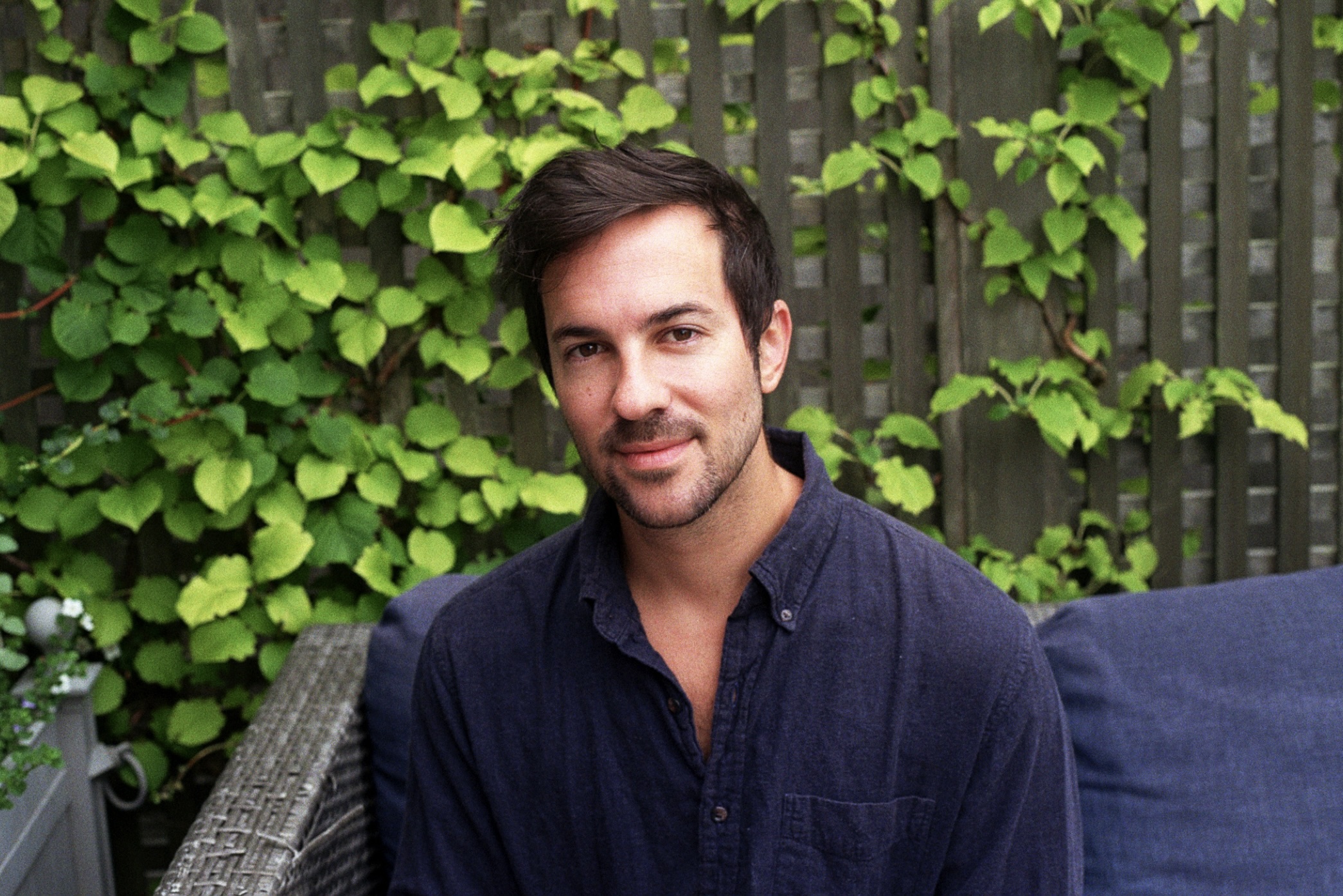
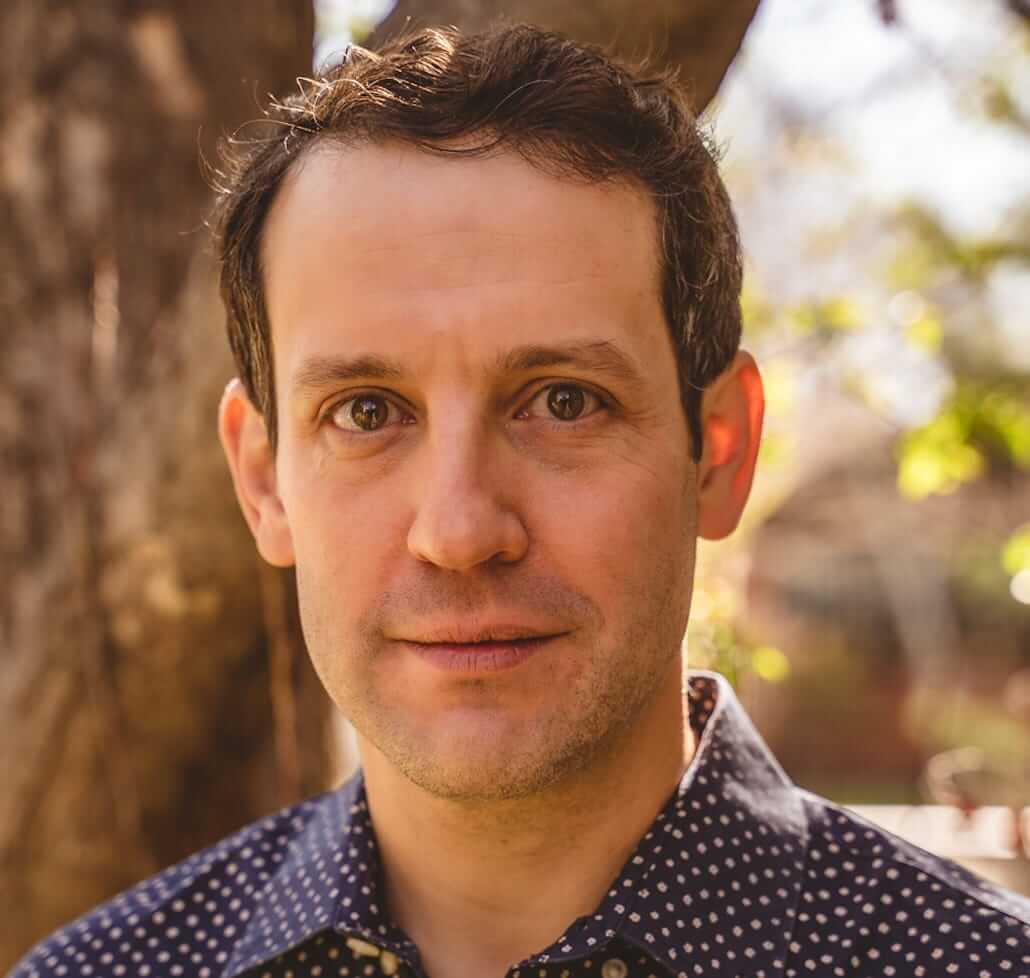

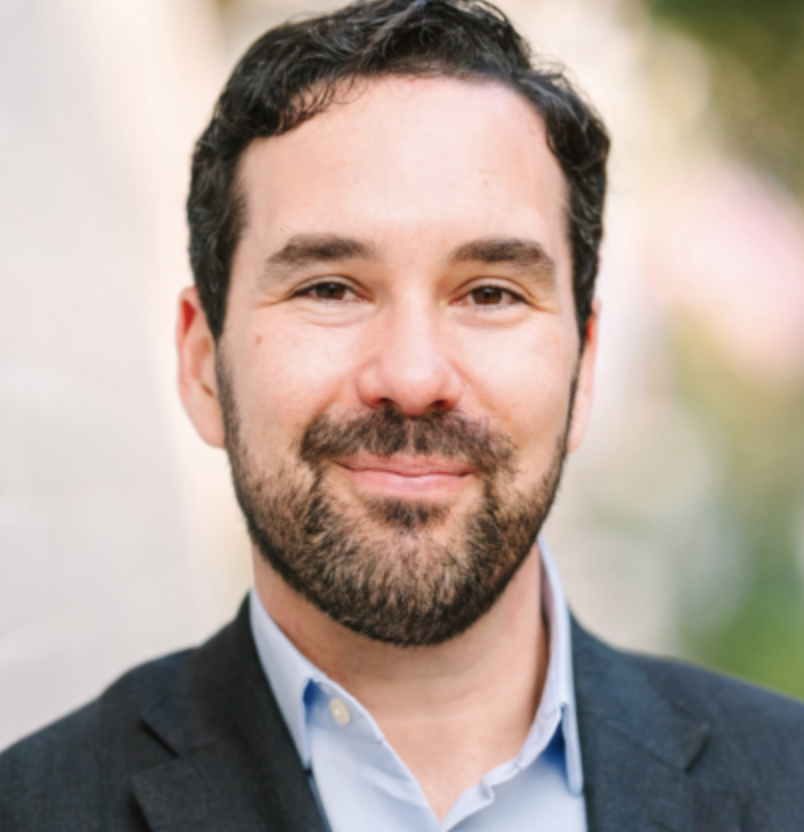


On today’s episode, Lawfare Managing Editor Tyler McBrien brings you a series of edited conversations from the 2026 Aspen Security Forum, where he sat down with host and founder of the Global Dispatches Podcast and Editor-in-Chief of UN Dispatch Mark Leon Goldberg, American Enterprise Institute Senior Fellow and Director of Foreign and Defense Policy Studies Kori Schake, Lawfare Contributing Editor and the founder of Capitol Peak Strategies Alex Zerden, and President and CEO of the Bulletin of the Atomic Scientists Alexandra Bell.
They discussed the U.S.-Iran war, what’s left of bipartisanship in the Trump era, who from the current administration did—and didn’t—come to Aspen this year, what urgent foreign policy issues were missing from the agenda, and much more.
To receive ad-free podcasts, become a Lawfare Material Supporter at www.patreon.com/lawfare. You can also support Lawfare by making a one-time donation at https://givebutter.com/
Click the button below to view a transcript of this podcast. Please note that the transcript was auto-generated and may contain errors.
[Intro] Alex Zerden: Permacrisis, I think that's the word. You know, we're just in this perpetual state Kori Schake: God, Karl Rove was guns blazing with his rejection of Vice President Vance's blood and soil approach to American citizenship. Tyler McBrien: It's the Lawfare Podcast. I'm Tyler McBrien, managing editor of Lawfare, and today we're bringing you something a little different: audio dispatches from the Aspen Security Forum, which took place July 14th through 17th in Aspen, Colorado. Alexandra Bell: We can pay lip service to, you know, bipartisan solutions, but we actually have to talk about the solutions, not just the, the sort of concept that we should be working together. Pragmatically, what are we going to do together? Mark Goldberg: And there is always a consistent line of thought that compels policy makers to want to throw more resources at a failing problem. Tyler McBrien: In this episode, you'll hear clips from different conversations I had in Aspen with four of my fellow attendees: host and founder of the Global Dispatches podcast and editor-in-chief of UN Dispatch, Mark Leon Goldberg; American Enterprise Institute senior fellow and director of Foreign and Defense Policy Studies, Kori Schake; Lawfare contributing editor and the founder of Capital Peak Strategies, Alex Zerden; and the president and CEO of the Bulletin of the Atomic Scientists, Alexandra Bell. You'll hear their thoughts on topics ranging from what's left of bipartisanship in the Trump era, who from the current administration did and didn't come to Aspen this year, what urgent foreign policy issues were missing from the agenda, and much more. [Main Podcast] Mark Goldberg: So I am Mark Leon Goldberg. I'm the host of Global Dispatches, which is the longest-running independent international affairs podcast. Kori Schake: So I'm Kori Schake. I lead the foreign and defense policy team at the American Enterprise Institute. Alex Zerden: My name's Alex Zerden. I run a risk advisory firm called Capital Peak Strategies, and I also am an adjunct senior fellow at the Center for New American Security, and I teach at Georgetown American. Alexandra Bell: I'm Alex Bell. I'm the president and CEO of the Bulletin of the Atomic Scientists. Tyler McBrien: First, we discuss one of the most dominant stories of the forum, the Iran war. Mark Goldberg: You know, the Iran conflict I knew obviously was going to be center stage here, particularly, you know, what to do about this impasse that we’re, that we're currently in. And I was honestly, like, struck by the tone and tenor of the very first opening session in which you had Condoleezza Rice Ambassador Nick Burns, who I just had on my podcast, recorded just a, a few hours ago, Penny Pritzker, and Mark Esper the former defense secretary for Donald Trump. And, you know, when put to this question of, you know, what do we do about Hormuz, there was, like, consensus that we can't let Iran control the strait, and there was no, "Therefore we must do X," or the “Therefore, we must do X” was apply more military pressure. But it wasn't until Senator Chris Murphy's appearance on the stage today in Aspen, Democrat from Connecticut, who kind of pushed back on this notion that applying more military pressure might yield a different result when it hadn't in the first place. And there was none, no of that, like, kind of pushback on, on, on that first opening panel, which I found kind of revealing. Like, is it really, like, the state of, quote, you know, establishment thought right now that the Strait of Hormuz can be opened through the application of military force? To me, that doesn't seem logical. I, I sort of more agree with Chris Murphy's take on this. But the fact that they're sort of willing to double down at this point on more military pressure when military pressure, frankly, was what closed Hormuz in the first place, was kind of a, I, I think, a big logical gap that was difficult for me to overcome. You know, I'm 45. I started doing this work in foreign policy 20 years ago in the wake of the invasion and occupation of, of Iraq and then Afghanistan, and there is always a consistent line of thought that compels policy makers to want to throw more resources at a failing problem. And that I, I think, is just an continuation of, a variation of, of that same theme. You know, it's like the definition of, of a quagmire. You either, like, escalate or, or pull out, and the kind of knee-jerk reaction often is to escalate even when that escalation, you know, draws you in deeper to still uncertain outcomes. And that's just a consistent kind of impulse that, you know, you see, that I've seen throughout my career when you're faced a, like, quagmire like Afghanistan, like Iraq, and now like Iran. Kori Schake: I mean, I think we're not arguing enough about the Iran war. And I'm struck at how strong the consensus is that the entire undertaking was a disaster. And I at least would separate the 2025 Iran war, which I think there was a clear objective, and it was at least largely fulfilled by the Twelve Day War, and the choices that both Israel and the United States made in 2026, which I think were much sloppier, much less well-resourced, and very clearly not thought through. So I wasn't surprised that that came out in the panel, but I was surprised that there wasn't more distinction between 2025 and 2026. Alex Zerden: When you had former Defense Secretary Mark Esper un- from the first Trump administration talking about options with Iran, he, you know, he, he paraphrasing, but he said something to the effect of, you know, that the economic options are really the only options left to challenge and contest Iran, that the military options have not succeeded to date. Again, paraphrasing what, what he said. And so, you know, the background that I come from, having worked at the U.S. Treasury Department, worked on economic sanctions, other economic tools of national power, you're seeing kind of some inflection about the use of sanctions and other tools particularly in the Iran context, in the Russia context, in the, the attempt to kind of bring sanctions more into the conversation, which is welcomed, again, as a sanctions practitioner and former treasury official, you know, I think is, is a good, good injection into the, the overall conference. But it hasn't been as much on the agenda. Alexandra Bell: I come back to the fact that the Bush administration, the Obama administration, and the Biden administration saw the dangers of a military approach because of this very reason, that we couldn't be fundamentally sure that we had irrevocably managed the program you know, knew where all the fissile material is. We don't know where all that material is, and I, I think the fact that the Trump administration's own intel community has sort of alluded to the fact that we might not be totally sure shows the danger. But at the same time, you know, one of the things I haven't heard come up is, you know, Iran has been hovering with a breakout capability for many, many years now but has never actually made the full and fundamental decision to go nuclear. And one of the concerns that I have about, you know, the Trump administration's approach is, did we push the Iranian regime into, into finally deciding that yes, they do need a nuclear capacity? And short of a ground invasion and occupation, I don't know that we could really stop them if they were truly intent on getting that capability, and the North Koreans are an indication that countries will, who have decided, you know, to go in this direction will sacrifice a lot to get there Tyler McBrien: From the Iran war, we move to the topic of who's waging it, the Trump administration, and its decision largely not to send any defense or national security officials to Aspen this year. Mark Goldberg: Last year, if, if you'll recall, the administration at the very last minute, I think it was the defense secretary, Hegseth, just sort of barred military officials from coming, and that had a kind of a knock-on effect of my understanding of kind of making other administration officials reluctant to attend. The administration did this with another conference that I, I go to that I also find val- valuable, the Halifax International Security Conference, which takes place in Canada every November. So, you know, that did have an impact, obviously, on, on the, the trajectory, the course of, of conversations. You know, the year prior, the Biden administration had sent very senior officials here, the director of the CIA, the national security advisor secretary of state, you know, were, were, were all here in Aspen. And, you know, because they were here, it was a bit more of a circus, I suppose, that year than in, in the following two years. Alex Zerden: Yeah, so I've had the privilege to be here in Aspen for the Security Forum on several past years. Each year is very different. I think it's shaped by a couple of different functions. One is the administration and presidential administration of how they want to engage with the forum itself. This year is relatively low participation from the administration, no representatives from the Department of Defense, but we do have Ambassador Greer and, and some others. In previous years, especially under the Biden administration, you know, there were multiple cabinet secretaries and cabinet level officials including National Security Advisor Sullivan participating, so that has a certain character of it, too. Kori Schake: What was striking for me was that this is a security forum, and there was nobody from the security departments of the United States government. And I think it's because they don't want to hear the disappointment and the challenges that their policies are fostering. But the other thing that struck me is the number of retired military officers and retired national security career actors who did show up and who are trying to sustain a dialogue about what policy should be and what policy is. The MAGA wing of the Republican Party resents and attempts to denigrate conversations and forums like this, that this is exactly the elite building of consensus about an American role in the world that they resent. Alexandra Bell: I wish there were more people here. I wish there were more people from the Department of Defense, from the Department of State, because when we're talking about international security, you know, they feel a little absent from the conversation, and I'm hoping that in the future they'll see a value of engaging with civil society, with academia. There's a reason the U.S. has had such a strong foreign policy footprint, you know, around the world, and it is because we've had this very sustained and vibrant discussion over the course of years. And I can say from serving inside the administration, you're burning down your intellectual capital every day. Just the process of governing, the tyranny of the inbox, you know, crises that occur. It's so helpful to have a lot of people outside the government thinking through these problems and the interaction, even bad ideas help create good policies in the government because it forces you to think through. So, I hope that interaction increases in the future. Kori Schake: I thought Karl Rove was guns blazing with his rejection of Vice President Vance's blood and soil approach to American citizenship. I also thought Karl was outstanding with his soliloquy about this is not the most dangerous time in American politics. Let's talk about some other times that were more violent, more contested, in which there was greater political upheaval. It was weirdly comforting. The American political system actually has the tools to handle this kind of contestation, and it was a weirdly hopeful message that I hadn't quite expected. Alexandra Bell: We can pay lip service to, you know, bipartisan solutions, but we actually have to talk about the solutions, not just the, the sort of concept that we should be working together. Pragmatically, what are we going to do together? How do we find common ground particularly on issues that be- have become particularly political in nature? And, you know, quite frankly, I think there's been a little tiptoeing around President Trump's actions, the actions of his administration, the undermining of democratic principles the undermining of international structures that we spent decades creating, strengthening, structures that were actually in, you know, supremely in the U.S. national security interest and economic interest. And there, there's a, I almost feel like, a reticence to actually talk about the real problems that we're facing and, you know, what are some severe problems we're having here at home. I was at the State Department in, in the previous administration and, you know, even though I've heard the president say repeatedly that he's interested in reducing nuclear threats, he fired all of the people at the State Department working on multilateral nuclear arms control. So you can't say that there's a desire to fix these problems when you're, when, when you're taking, you know, the actual, you know, players out of the game. And I think we just have to be real about how State Department in particular has been undermined over the course of the last 18 months and how that is affecting our ability to actually make deals to, to build these dialogues. I, I'm not even totally sure that we have trained nuclear experts in the Iran dialogues that have been going on because they're not even transparent about who's going to those meetings Tyler McBrien: From the topic of who didn't show up, we move on to the small delegation of administration officials who did, including U.S. Trade Representative Jamieson Greer. Alex Zerden: I thought it was really great that Ambassador Greer attended and participated, and they had a, a focus, not just with him, but then also with some of prior U.S. trade representatives and others in a subsequent panel discussion to illuminate and amplify the issues talked about. I think Ambassador Greer has a very important job of articulating U.S. government trade policy in the era of President Trump's tariffs, and heightened focus and extensive use of different tariff authorities. And I think really trying to understand in the wake of the Supreme Court decision you know, nulling the use of IEEPA, the International Emergency Economic Powers Act, for certain sanctions, you know, what, what the path forward is. And, and obviously, Ambassador Greer seems optimistic about the other authorities under Section 301, Section 232 and other, other ways to deploy tariffs. And, you know, I think he's a very good steward of the administration's messaging to, to bring that to this group, and also to bring this economic and trade dimension to what is generally a foreign policy, national security, diplomatic, military, and intelligence focus. To his credit, I think, so Ambassador Greer has been very forward in his public remarks, and so he spoke at the Atlantic Council before the IEEPA decision was handed down by the Supreme Court Putting together the playbook and articulating what the contingency planning exercises were starting to look like. So I, I don't think that there was much that surprised me in, in Ambassador Greer's presentation, but I think it was comprehensive and extensive of you know, the evolution since the, the court's decision. However, what was more interesting is the others who have been discussing the economic use of economic tools outside of the tariff regime and the trade regime. So again, there was a specific panel on it. But, you know, we talk about our supply chain, U.S. supply chain, allies and partners, and tons of effort undergoing at, at different levels of government and the private sector to increase resiliency in our supply chains, understand our supply chains better, address issues like vulnerabilities from critical mineral supply chain restrictions or lack of, lack of capabilities. But what he did flag too, I thought was, was I hadn't heard it a- as much about, but actually that there are Chinese supply chain concerns that exist. And he didn't go into too much detail about it, but I thought that was an interesting nugget that he put into his remarks as well just planting a bit of a flag. Some of the other consensus getting to what we've been hearing on the sidelines, especially here in Aspen, is that, you know, we have a certain price bound of oil that has remained relatively, you know, stable. We haven't gotten $200 barrels of oil as a result of the war, but I think there's emerging concern that some of the resiliency and some of the reserves and some of the demand destruction that has occurred and, and kept prices from accelerating going, and particularly Chinese demand destruction or reduction in consumption as well as use of their their reserves. You know, it has played out so far, but there's concerns that we're getting towards the end of that resiliency and those reserves, and that the concern about major spikes in price of oil in particular, but other products that come out of the, the Strait of Hormuz, you know, is, is a real risk factor that I think is worth worth identifying. And then, yeah, the second part about, you know, Chinese supply chains. I mean, I think that they're, you know, one, they are dependent on oil. I think that's maybe what he put- could've been intimating that, you know, China has a very opaque picture or, or incomplete picture of what they're presenting about their reserves and their reserve capabilities. But I think it's, there's consensus that it has decreased. How, how deep are their reserves? That's a live question, but they are still heavily reliant even with, you know, putting on a lot of nuclear reactors over the past several years and decades you know, diversifying their energy. A huge producer and consumer of solar and other renewables. But so it may be in the energy context, but, but, you know, in terms of what else is there I, I would welcome Ambassador Greer's other other explanations, so. Alexandra Bell: I thought the trade representative's remarks were refreshingly frank and sort of unapologetic about what he thinks are the right steps for us to take from an economic perspective. I thought the, you know, the trade panel that had multiple previous trade representatives as a, as a part of it, you know, showed where there is actually some convergence between administrations. Alex Zerden: He has a lot of confidence in the certainty of the resilience of the U.S. consumer which is, you know, this is a foundation you're making a lot of assumptions based upon. You know, I think the, it's subject to nothing that I wish for, but potential economic shocks if things were to change, that taking U.S. consumption as a constant, and notwithstanding the inflation numbers that have come out, notwithstanding supply chain shocks and other challenges, notwithstanding potential displacement from AI for, to the labor force, you know, that's that was a, a constant that I think is a little bit more of a variable, but he, you know, he remained that, remained that optimism. Tyler McBrien: Next, we discuss the urgent global issues that didn't make it onto this year's agenda, including international law and certain existential risks like climate change. Mark Goldberg: So Global Dispatches, and I specifically, focus on kind of under-covered global stories that are significant for the fact that they impact a whole lot of people, but they might not be like politically or culturally proximate to audiences in the West. But to me, there's a compelling reason to cover these stories for the fact that a lot of, of people's lives are, are at stake. So, the largest humanitarian crisis in the world today is in Sudan. As we speak, there's a genocidal militia called the Rapid Support Forces, which is massing outside of city, a city called El Obeid, and they are poised to sack that city. And in every city that that militia has sacked over the last three years of conflict, they've committed mass atrocities. And so you have this looming mass atrocity event, and it's connected to the international security conversations we're having here in Aspen for the fact that, to a large degree, the civil war in Sudan is being fueled and funded by outside forces, by the United Arab Emirates, by Egypt, by Saudi Arabia. And so there is this kind of international dimension to that civil war. And for the fact that it is such a large crisis, it demands, I think, our attention. You know, the episode I just published on my podcast today was about the civil war in Myanmar which, you know, passed a grim milestone of 100,000 conflict-related deaths earlier this month. By far the deadliest conflict in Asia one that is not routinely treated as like a top-tier issue among, you know, the foreign policy elite or establishment. But again, an issue in, in a situation that just affects so many people. And there's also a, a big geopolitical dimension to that conflict as well, which could have been an entry point for a, a forum like this, which is that, you know, Myanmar borders China. China recently entered that conflict in a more decisive way. To what end? Like, what are they trying to get out of it? What impact will that have on, you know, relations with India, another, you know, big major player? So it's stories like that that, that I focus on that I often kind of bang my head against the wall hoping and wishing that other people focus on it a- as well and are more animated by it. Alexandra Bell: Yeah so The Bulletin was founded in December 1945 by Manhattan Project scientists, including Einstein, Oppenheimer, and they saw the need to have an open public dialogue about the military, scientific, technological, legal, moral, ethical implications of the world they had just helped create. And they could have had a, a scientific journal. Einstein and Oppenheimer could have done anything they wanted but they wanted to have a public discussion with policymakers, with academics, and, and with the public about these new threats. And so for years we focused on the nuclear threat. Two years after the, the Bulletin started, we created the Doomsday Clock as a way for the public to understand these threats in, in sort of the visceral way that you know, people can understand the idea of, of time running out. And over the years it was clear there were other existential risks that humans had created. Our first climate change article was actually in 1978, so we were a bit ahead of the curve in identifying that problem, and then have subsequently brought in emerging and disruptive technologies to include AI, quantum nanotechnologies, et cetera, as, as well as biothreats. So that's basically all the ways you could possibly die from existential risks is, is our remit at this point. And you're right, climate has not come up despite it being a generally understood danger to, to global security. I haven't heard biological risks come up at all which is almost sort of strange. You know, we're only, you know, less than sort of five years past you know, the most disruptive biological event in 100 years and hasn't come up once. I don't even think I see a panel that's going to cover it. There is a panel coming up this afternoon that I'm particularly excited about covering security implications of AI, which I think is a very necessary part of the discussion. So looking forward to that. But you know, and when nukes have come up thus far, it's been pretty minimal without any treatment of how we deal with what is kind of the most dangerous nuclear situation we've seen since the end of the Cold War. Everything in the nuclear space is trending in the wrong direction, and even when it comes up in terms of Iran or Russia, it's just sort of briefly covered and then we move on, and I, you know, I would like to see a little bit deeper of a discussion on not only the nature of nuclear threats, but how we manage them. Alex Zerden: Kudos to the conference organizers. This is a very hard thing to plan and, and execute, and so it is really comprehensive. How do you do this global survey of thematic and geographic challenges? And especially again with with the limited participation from Trump administration officials getting that clear signal. So there are other benefits to it. One, you get a lot more participation from the private sector, civil society, foreign governments and, and foreign partners. So you see that. And, and journalists too to kind of get a more, you know, interesting, journalists as speakers, not just as moderators. You know, it's an interesting orientation and a, I think, a helpful orientation. But the part is, you know, you can't capture everything, and so I think some questions about what are the, not just headline risks of today, but what are the challenges of months and years down the road that, that a forum can convene and bring people to take a step out of the day-to-day, bring people out of Washington, out of their respective capitals, out of, out of New York and, and Palo Alto, and, and think about these things. And so, you know, some things that have been mentioned, I think is, you know, future of energy, but, you know, where, where are we with, particularly with new energy technologies and, and nuclear did come up. So I think you know, there, there is some big thinking on that. So, you know, that's a positive side. On, on the other side of the ledger though, you know, I think some major threats that we have failed collectively, and I say this as a former government official, the, you know, the, the challenge from places like North Korea is perennial. It is existential to our partners and allies in places like South Korea and Japan. However, it's hard to put a panel together on the North Korea. It's the, it's this evergreen challenge. They continue to be more, you know, aggressive in the region and especially supporting Russia militarily and, and, you know, more cooperation with China. But, like... And then also on the cybersecurity and financial fraud and illicit financial activities, which are issues that I work on. I mean, you know, the largest bank robbery in the world occurred last year, but we didn't hear about it. No, it didn't break through in popular consciousness but it was perpetrated by the North Koreans. And instead of going to a bank and robbing it they hacked into a cryptocurrency exchange in the UAE, and it's funding their war machine. It's funding Russia's war machine. So how do you grapple with certain challenges? I, I, I struggle to figure out the right way to frame that. The other side is you know, in an era where Americans every day, if we, if we're talking about foreign policy for the middle class, foreign policy for everyday Americans I think something that the Trump administration had an opportunity to come here to talk about and highlight would've been the efforts to combat fraud and scams, particularly from overseas scam centers. And this is using confidence schemes, romance schemes, other types of, you know, traditional scams, but in a hyper- hyper-charged way in often using digital assets, cryptocurrencies to facilitate you know, widespread fraud and crime and, and stealing people's entire life savings, making people go bankrupt, having people take out mortgages on top of you know, their savings or, or draw against their 401Ks. You know, and that's hitting everyday Americans. That's hitting friends and families of ours, and so… And the administration has actually taken some very reasonable steps to combat this, but, you know, this is one of those cross-cutting, multi-jurisdictional thematic issues that I think deserves more attention here and elsewhere. And so, you know, I would hope that you know, perhaps this comes up in the December agenda or in other, other kind of platforms where you can discuss these complicated multifaceted issues. Alexandra Bell: I guess, you know, fundamentally, you know, just coming from Lawfare, I, I think there are a lot of legal issues around both U.S. domestic law, but the United States relationship with international law, international legal structures, the, you know, sort of, concerns that the U.S. might seek to undermine things like the International Criminal Court would sort of cast aside what are, are sort of international legal norms, if, if not actual legally binding measures w- when and if we see that it's not in our interest. I, I think there's probably a deeper legal discussion that could be happening that sort of overlays a lot of these issues that we've been talking about. I mean, global norms, you know, sort of the, the role of civil society, the, you know, there, there's a lot that, that we could dig in on, but I think, you know, certainly here in, in the United States, our own legal issues that, that we're sort of, you know, currently piecing through and, and how that actually affects how the rest of the world sees us. If, if we aren't projecting the sort of image of a fair and just society that has a strong legal system that underpins our democracy does that undermine our ability to, to influence throughout the world? And does it give credence to, you know, the, the sort of Russias and the Chinas of the world to say, "You know, the U.S. isn't actually what it says it is. It, they're just like us." And, you know, that's a concern I've, I've had for a long time, that we're not living up to the image we like to project outward Tyler McBrien: Finally, our forum attendees leave us with some parting thoughts before leaving Aspen Alex Zerden: Permacrisis. I think that's the word. You know, we're just in this perpetual state. You know, so, you know, in, in some of the historical recitations or, you know, conversations people are having, it was, you know, the, the COVID supply chain pandemic shock and the public health shock, and obviously loss of so many people around the world into, you know, Russia, Ukraine, and the supply shocks attendant to that and the global disruptions to extract, you know, to, to molecules, to, to oil and gas, as well as to fertilizers and, you know, that had a, a downstream impact on food production, especially hitting poorer countries and, you know, other supply chain vulnerabilities now that we're in and, and with obviously the Iran war, you know, and after 10/7, right? There's, there's been this sequence of we're in constant states of change and uncertainty that are having outsized disruptive effects. And so we're seeing this and, you know, this is a, I think an inflection point that you can't, no one can ignore it anymore. I think the more, you know, the most people here get that, and you're dealing with some of the most sophisticated companies and organizations in the world. But I think that needs to be more widespread of that understanding that, you know, these different disparate events around the world have, have impact home here, here at home. And so how to, how to translate that or how to get that. I think people, people are coming to it and, and again, people can't ignore it, right? It's hitting gas prices, it's hitting food prices, it's hitting other parts of everyday issues. And so, but not just being impacted by that and being responsive to that I think the, the challenge with permacrisis is trying to be proactive about that, and I think that's one of the hardest things. But it's something a forum like this can think, bring those issues to the surface and develop recommendations, ideas to, to really try to manage it, right? It's a, it's a management problem. It's not gonna be solved ever. Mark Goldberg: I'm rarely dismayed as a disposition. I, I also try to, like, focus on solutions as well. I don't dwell on the enormity of the problem, but I often draw out the expertise of the person I'm interviewing to learn, like, what solutions exist to this problem. Where I'm confronted here at this conference a- as to, like, how, like, my, my, my main takeaway is that, you know, there is no solution to the Hormuz crisis. And, you know, that, you know, it will remain closed for the foreseeable future, that the, you know, what some of those on stage were advocating application of more force, I, it doesn't seem logical to me that that will yield any different outcome, you know, as I said earlier. Meanwhile, again, like the impact of the closure of the Strait of Hormuz, yes, we're feeling it here on gas prices, but people in the Horn of Africa are feeling it more acutely in a surge in their food prices for the fact that fertilizer that they normally depend on that transits the Strait of Hormuz has been stuck on the wrong side through the course of an entire planting season. So food prices in much of the world are already high and are poised to go much higher, and that's gonna cau- the- there'll be like destabilizing knock-on effects of that as well. So just this, like my, my key takeaway halfway through the conference is just how deep a quagmire the decision to attack Iran has led us to. Alexandra Bell: You know, in, in sort of my framing, you know, China is rapidly expanding its nuclear arsenal at a, you know, a, you know, opaque and dangerous fashion, refusing to take part on, you know, dialogues around strategic stability, you know, intimidating and threatening, you know, countries in the region, you know, seeking to undermine structures that, that it sees aren't in their interest. And yet Europeans are seeing China as more favorable. Like, that's a reality check for the United States, should be seen as a reality check for the United States and something that we're gonna have to work on. And I think it'll take a while to gain back some of the trust that we've lost along the way. But it's also surprising to me that, that people would give trust to a country that's given them no reason to trust them. Kori Schake: I had the Kissinger Chair at the Library of Congress this year, and I'm writing a book on why the United States can't win wars. And I actually heard a lot that was interesting and informs my judgment across these last few days. And one of the things that's so striking is that the Trump administration hasn't found a new American way of war. They've just found new ways to lose American wars, and I think that came through in a variety of panels and a variety of messages across the last couple days. Alex Zerden: No, I think, you know, definitely, again, a lot of interesting conversations, and what the benefit of the forum does is bring different people from different perspectives together who I might not necessarily be in a room with in, in D.C. even, you know. And so here, yeah, there are a couple, a couple things I think come to mind. You know, one, I think outside of my just day-to-day work, but the role of Pakistan I think was really interesting. One, you know, they're in the central to the negotiations with the U.S. and Iran in often coordination with, with other countries. But they're a key interlocutor, a key node there, and obviously some of the negotiations have, have occurred in Pakistan. But then also how that interplays with Pakistan-India relations and kind of some of the unresolved issues from the most recent war between India and Pakistan, and then how that i- is, like, gets into other challenges with the Gulf in particular about the impact of the Iran war on migrant workers from Pakistan and other regional countries, as well as the security guarantees, umbrella depth, strategic depth that Pakistan provides to certain countries in the Gulf, as well as Pakistan being a nuclear power. And so, I think that was a i- interesting point that was surfaced here. And the other one, I mean, if we're, we're having real mil- middle power conversations, but the role of Turkey, I think, is really, We had the, the government representative from Turkey speak, and, you know, the role that Turkey has been playing both in this the Iran, U.S.-Iran war, its relations and tensions with Israel, I think was something that was surfaced on the sidelines in particular, and, and that spills into the current dynamics in Syria, which wasn't really addressed as much. But the con- you know, the contest between Israel and Turkey in Syria, as well as Turkey's role in other parts of the particularly in Africa, and so that, that was something that and, and again, they're NATO, NATO ally, but coming, even coming out of the Ankara Summit, you know, doing some things that may be concerning to U.S. policymakers and may, you know, may create challenges with implementation of CAATSA and, and other sanctions regimes. So to tie it all back and end it with sanctions, I you know, I, I think Turkey is, was something that, that came through here today as well. Alexandra Bell: I think the Security Forum has done a great job, again, in identifying the key issues that we do need to be talking about, and I think there's probably more that we could do to, to get deeper in to how we might better manage some of these situations. You know, there's certainly a, a, a great mix of people to connect with. And honestly, I think it's good to be in a place where, where your particular views are, are challenged. And, and more than a few times I've heard something that I didn't disagree with, but it made me think. And it made me think, you know, why is it that, that I disconnect with this person on this issue because they, you know, obviously are, you know, well-educated and have a lot of experience dealing with the problem, and they see it from a fundamentally different perspective. And we just probably need to be doing a lot more of that, and, and so I think Aspen Security Forum is, is sort of a valuable place for that exchange. But, but like I said, I think we have to go even further to sort of move past just, you know, what are the problems, and, and do we agree fundamentally on the facts behind those problems? And probably not. So what can we do to, again, find common ground and, and see, you know, what Senator Moynihan used to say is you know, "You're entitled to your own opinion, but not your own facts." And I think that's what we should be striving for, and I think Aspen is a, is the kind of a place where you can, you can work on that. Tyler McBrien: I want to thank you for, for taking the time out of your busy, busy conference schedule to, to chat with me. Alex Zerden: Oh, thanks so much for having me. Kori Schake: Thank you. Mark Goldberg: Yeah. Thank you so much again for having me. Alexandra Bell: Yeah, thanks for having me. [Outro] Tyler McBrien: The Lawfare Podcast is produced by the Lawfare Institute. If you want to support the show and listen ad-free, you can become a Lawfare material supporter at lawfaremedia.org/support. Supporters also get access to special events and other bonus content we don't share anywhere else. If you enjoy the podcast, please rate and review us wherever you listen. It really does help. And be sure to check out our other shows, including Rational Security, Allies, The Aftermath, and Escalation, our latest Lawfare Presents podcast series about the war in Ukraine. You can also find all of our written work at lawfaremedia.org. The podcast is edited by Jen Patja, with audio engineering by me, Tyler McBrien of Lawfare. Our theme music is from Alibi Music. As always, thanks for listeningTranscript