
Lawfare Daily: Eileen Guo on Whether “the Censorship-Industrial Complex” Actually Exists
Eileen Guo discusses her research into the "censorship industrial complex."
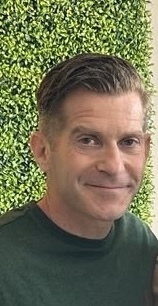

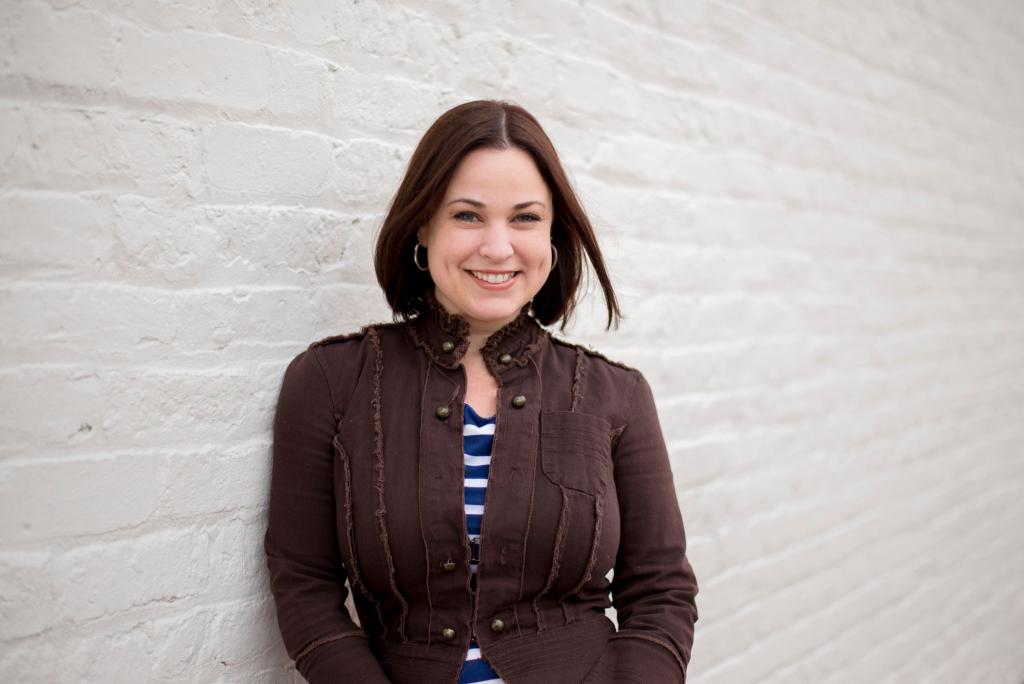
Senior Editor Michael Feinberg sits down with Eileen Guo, co-author with Gisela Perez de Acha and Martin Sona of “How ideas of a vast censorship network moved from the online fringe to Trump policy,” and senior reporter with the MIT Technology Review, to discuss her research into whether the “censorship-industrial complex” was an actual entity or a pretextual justification to dismantle the government’s anti-disinformation apparatus.
To receive ad-free podcasts, become a Lawfare Material Supporter at www.patreon.com/lawfare. You can also support Lawfare by making a one-time donation at https://givebutter.com/
Click the button below to view a transcript of this podcast. Please note that the transcript was auto-generated and may contain errors.
Transcript
[Intro]
Eileen Guo: Part of this was just because that Russian propaganda effort was so good that it would become really hard to tell if you're just a person on the internet, if this idea that sounds like it matches your experience of reality, if that's actually, you know, another person that lives next door or in the next state from you was saying, or if that's something that is coming from a foreign intelligence service.
Michael Feinberg: It's the Lawfare Podcast. I'm Lawfare senior editor Michael Feinberg, and I'm here today with Eileen Guo of the MIT Technology Review.
Eileen Guo: Most of the experts that we spoke to for this story believe that we have really defanged ourselves in our ability to counter foreign disinformation or influence campaigns.
Michael Feinberg: We'll be discussing whether the censorship industrial complex is something that really exists or was created as a boogeyman in order to justify a restructuring of the United States's anti-disinformation efforts.
[Main Podcast]
Before we get started, because I think there's a lot of threads to pull from your article, can you just give our audience a sort of two-minute overview of your narrative in case they haven't read it previously?
Eileen Guo: Yeah, absolutely. So our article really traces the evolution of this idea of the censorship industrial complex, and we kind of start out actually with the starting point of how I came to hear of the term and, and become interested in the topic, which was when last April, Marco Rubio, the Secretary of State, went on a podcast and YouTube interview with someone that I had never heard of before, named Mike Benz, to talk about this victory in fighting censorship which was dismantling this office in the State Department that it and its predecessor office, the Global Engagement Center, have been monitoring and trying to counter disinformation efforts from Russia, Iran, China for many years.
And so the story is really our trying to understand how did this idea, which on the surface, you know, if you don't follow these issues super closely as, as Lawfare actually does, just trying to understand how that came to be, where this idea came from, where this person that got a massive scoop, where he came from, and then it was tracing the buildup through the internet and the far right and into policy really, first through Congress and, and now through the Trump administration. That's a really super top level view, and I'm happy to go into anything with more detail.
Michael Feinberg: Okay. So, I think your explanation in the article itself begs a question that we have to address before we proceed. And that is the dismantlement of an apparatus obviously requires that an apparatus be, exist in the first place. So, what critics call the censorship industrial complex was presumably created for a reason. Regardless of whether its intentions were noble or malevolent, it was theoretically responding to a problem. So what are the institutions that made up this ecosystem, and why were they created in the first place?
Eileen Guo: Yeah, that's a great question, and I feel like the question should be broken down into a couple of parts. So I think the first one that I'm going to address is just when people like Mike Benz, who was a central part of our story, when they're talking about the censorship industrial complex, who is it that they mean?
And so, what they're really talking about is this network of academics, civil society groups, big tech to an extent, although they're not primarily talking about big tech, that have been working together to censor conservative and populist speech online. And then the part that's really important here is that they claim that all of this was being done at the behest of the federal government and then even more specifically, the Biden administration.
The way that disinformation comes into all of this is that the argument is the reason that we cannot trust people that are trying to monitor or fight disinformation is that that has actually just become a way to label any kind of speech that the federal government and the Biden administration disagrees with.
What it was trying to address is this, was this growing understanding that the internet is not quite the rosy, you know, place that we thought back in pre-2016, where it was just Facebook and, and other social media platforms and the internet writ, writ large is great for democratization. It allows anyone to have a voice. You know, it's just gonna lead to all of these good outcomes.
But what we were really starting to see, and we start the story in 2016, but really you can go even further back. But in 2016, we had some really at the time, clear and generally agreed-upon cases of attempts by Russia to influence opinion and elections in the United States and in the UK with the Brexit vote.
And as a result of that and as a result of, you know, other, other things that were happening in, in the years that followed, social media platforms amped up their content moderation, and at times they had to make some decisions about what had to be moderated or not, and people disagreed w- with that. And so that's really where this idea of we are being censored comes from.
Michael Feinberg: Okay, so let's dig into that because I think there's a temporal inconsistency in the worldview you just described. This apparatus is originally s- created in the aftermath of the 2016 election, right? And both the presidential election in the United States, and then to a lesser extent, the Brexit vote.
Eileen Guo: Yeah.
Michael Feinberg: But there's a four-year gap between those events and the Biden administration, which you claim the critics about whom you're speaking really focus a lot of their ire on. Was anything going on in, in the counter disinformation sphere during the first Trump administration, or was this a baton that was only initially picked up by the Biden administration?
Eileen Guo: Yeah. That's a really great question, and we, when we talk about the Global Engagement Center which again, was the starting point for me in the reporting, this is something that, you know, people that defended the Global Engagement Center brought up all the time. The GEC really shifted its focus to, to f- to look at disinformation in this way under the Trump administration. So yes, absolutely. There, there was a lot that was going on, you know, in the first Trump administration and even before the Trump administration.
I think, y- you know, th- so there have always been these allegations swirling of, of censorship. You know, before it was a censorship industrial complex, before it was quite the focus on online censorship, there has been this sense for decades really, that Republican or conservative ideas have been censored by the elite, whether that's the media, whether that's academic institutions. So it's, it's part of this broader conversation.
What really changed and what really started to focus everything on the Biden administration is, according to our reporting, you know, this, this kind of opposition that was really starting to build up during the Biden administration, where a lot of former Trump officials began to start their own network of nonprofits, media organizations that were creating this idea that kind of gelled into the censorship industrial complex.
Michael Feinberg: And you've mentioned one individual so far, but who are the major players in this effort?
Eileen Guo: Some of the major players in this effort include Stephen Miller, who founded an organization called America First Legal. They focus on a whole slew of other issues. Someone described them, I think, shortly after they were founded as kind of the right's answer to the ACLU. So they were not just focused on censorship or free speech, but they did do a lot of public records requests and then public records litigation that got documents from government agencies that were kind of taken out of context to support this narrative that there was, you know, collusion and censorship that was happening.
And so they would pass that on to other organizations like the Foundation for Freedom Online, which was started by Mike Benz. And from there, and I, I'm leaving out a lot of other characters, but from there it would really go out to media organizations like John Solomon's Just the News. He also was a really big part of a media grant organization that would push the narrative to, you know, a bunch of podcasts on Real America's Voice, which again, his organization founded. And then from there it would get into evermore like kind of mainstream circles, so Fox News would eventually pick up a lot of these narratives. And then there was Jim Jordan, who after the Republicans retook the House, started really putting teeth behind this with the weaponization committee subpoenaing a lot of the organizations that had been identified as, as so-called actors in the censorship industrial complex. And around that same time, of course, there was then Elon Musk giving internal documents from Twitter to a group of journalists that then kind of- tied this up in a bow in a sense, in terms of we now, we previously had the documents from the government and now there's internal documents from Twitter that show big tech's response to, to government requests.
Michael Feinberg: Okay, so there's something interesting here. At the time this is happening, the events you just described, with the exception of Jim Jordan, none of these individuals are in government. But within the first two years of the Trump administration, every single person you mentioned is either a full-time employee of the executive branch or a special government employee, right?
So the dismantling of the organization within the State Department that you mentioned in your article at the beginning, is this something that becomes a target of opportunity once the Trump administration takes power for the second time? Or was this something that was planned out long in advance specifically for the contingency if Trump won the 2024 election?
Eileen Guo: You know, we really tried to dig in and find concrete evidence that there was coordination between all of these groups that, and, and people that we mentioned. And in our reporting and research, we could not find as clear of a, of that coordination as, as to be able to say it. But I think that there is evidence that suggests that this is more than just opportunity. A lot of these individuals that were involved that rejoined the government as either special government employees or full, full-time employees, they had been in the Trump administration during the first, the first term.
Whether it was for a short time or a long time, that's, that's another story. They moved in the sa- same circles, and there was this build-up to every organization or agency or office that was targeted during the Trump, the second Trump administration was also the target of, at the very least supposed reports that were saying that they were censoring, you know, conservatives. They were usually also the subject of inquiries, sometimes the subject of lawsuits.
And then there were, you know, the, the, there was also so much rhetoric that was coming from Trump as well talking about how when he came into office he would take retribution, so I think as an investigative journalist, I probably have to stop short of saying, you know, that this was definitely a coordinated effort, but there, there are hints that that may have been happening.
Michael Feinberg: Okay, Eileen. So in doing the research for this article, I'm assuming that you had to look at a lot of the articles or tweets or other publications of voices that Benz, Jordan, Musk, and others claimed were censored.
Eileen Guo: Yeah, that's right. We ended up building a pretty big data set and, and document corpus of what was posted on social media, specifically X or, or Twitter before it became X, documents that were, and blog posts that were published by a lot of these various people. Also, we listened to a lot of podcasts and watched a lot of YouTube videos and, and kind of then compared a lot of that with the documents that were being put out by some of these congressional committees and hearings.
Michael Feinberg: Okay, Eileen, I'm assuming that in the course of investigating this article, you had to go through a lot of the posts or articles or podcasts that were alleged to have been censored. And I'm curios did you find that conservative voices or voices from the right actually were censored with more alacrity and intensity and frequency than voices from the center or the left?
Eileen Guo: That's a great question, and it's, it's kind of, it's tricky. What our article didn't look at was whether conservative voices were censored at a greater rate than other voices. But what we did find was that there was content moderation. There were accounts that were removed, there were pieces of content that were taken down, and that became kind of this grain of truth that this, you know, this broader conspiracy or narrative was built off of.
What we found though was that when content was taken down, it was usually because it was violating a, a platform norm. And, and I think the other thing that is important to know is, you know, a lot of what organizations like, again, the State Department were looking at was content that had originally come from, you know, Russian propaganda. And, and one of the things that we found and, and that experts that we spoke to also confirmed is that part of this was just because that Russian propaganda effort was so good that it would become really hard to tell if you're just a person on the internet, if this idea that sounds like it matches your experience of reality, if that's actually, you know, another person that lives next door or in the next state from you is saying, or if that's something that is coming from a foreign intelligence service. And that's where all of this gets super tricky.
Michael Feinberg: Okay. So the individuals you mention, namely Mike Benz, but some of the others, come into government and your article opens with them being able to dismantle the State Department's counter foreign influence apparatus. But a lot of the groups you talk about within your article and that Benz and his acolytes claim were part of the censorship industrial complex aren't actually government entities. So, what happens there? Are there still nonprofits and academic institutes picking up the work that the government normally would have, or do they get swept up in this whole supposedly counter-censorship campaign as well?
Eileen Guo: Yeah. That's a great question. And I should say that when Mike Benz, you know, did this interview with Marco Rubio, he was not yet in government again. And, and I think that is important because when some of these individuals that were really promoting these ideas, some of their power came from being outside of government and being able to speak a little bit more freely than they would've once they were inside.
Michael Feinberg: Okay, let me, let me interrupt you, which I-
Eileen Guo: Yeah.
Michael Feinberg: Do hate doing from perspective of etiquette, but I think there's something we have to drill down on there.
Eileen Guo: Yeah.
Michael Feinberg: If these people are not government employees, what sort of authority are they leveraging to get the government to enact all of their policy goals? In other words, I have lots of ideas on how the government should run certain things. I even have expertise in some of those fields. But if I called up the secretary of state or even my local congressperson, my guess is they probably wouldn't listen to me. So why do folks like Mike Benz get a hearing?
Eileen Guo: I mean, the short answer is that people like Mike Benz are essentially just private citizens that have ideas and that have built a following. And that's one of the reasons that this story was so interesting for us to look at. How is it that people that were not voted into office, were not appointed by the people that were voted into office are, are getting this power to, to really set policy? And it does show to us just the power of these online circles and how these conspiracy theories can grow and gain power.
That said, this isn't just anyone. And, and pa- part of the way that Mike Benz and, and Darren Beatty, who we, we haven't talked about so much yet, have become influential is, you know, they were in the first Trump administration. Mike Benz in particular, he was at the State Department for the final two months that Trump was in office the first time around. He worked at the State Department in, in kind of a low-level role overseeing policy, and he was able to use that time as a way to then bolster his claims of expertise when he was blogging and, and putting out content for so long. And so, I think the other way that we could answer that question is, you know, he made himself into an expert and kind of said he was an expert and enough providing what he called evidence that eventually this just kept elevating him until he was in this position of doing this interview with, with Marco Rubio, and then after that, getting appointed to as a special government employee.
Michael Feinberg: Okay, so that's incredibly helpful to understand. But in explicating that, we did sort of detour from something we were discussing. And what happens to the private sector NGO and academic-
Eileen Guo: Right.
Michael Feinberg: Outlets that are also involved in disinformation efforts? Because, for example, you mentioned the Stanford Internet Observatory. Stanford is not a part of the federal government. It is an institution that claims to vociferously believe in academic freedom, and they wouldn't seem to be beholden to the whims of a special government employee or somebody very active in the sort of online MAGA sphere. So how do the academic and nonprofit entities involved in this try and protect themselves as this is all coming to the fore, and are they successful?
Eileen Guo: Okay. So to answer that question, I actually want to go back to something that, that's kind of again, like it, it goes back to the question of what is a censorship industrial complex and how does that idea even make sense and have logic? And, and so we talked in the beginning about what is the censorship industrial complex according to people like Mike Benz and the other promoters of the idea.
The other piece is just what is censorship, right? And, and I, I think the word is, and earlier when I answered a question, I was careful to say content moderation was being done by big tech because legally speaking, censorship refers obviously to the suppression of like First Amendment protected activity, specifically by the government. Now, we talk about censorship like colloquially in a much broader way, but the reason that that distinction is important and the reason that civil society is so important to this broader picture is that I think at some level, you know, the proponents of the CIC, they understand that they can't just, or they will have less credibility in just saying the Biden administration is censoring everyone on the right, although that argument, you know, has al- also been made.
What they're saying though is that because the government cannot directly censor perhaps the way they want to, they do it through what Mike Benz and others have called government cutouts or, here, the, the academic institutions like the Stanford Internet Observatory or the nonprofit groups like the Global Disinformation Index to do the censoring that the government cannot do.
And so now to go back to your question, what's actually interesting is that the attacks on these government offices actually was preceded and in a way predicted perhaps by the attacks on these nonprofits and academic institutions. That was happening back in 2022, 2023. You know, they were, they were the subjects of rumors like going back even further.
So going back to your question of what is their status, well, a lot of them have been subject to subpoenas. They've been subjected to congressional inquiries, to even more individual targeting. There were kind of famously five Europeans that really were pro-content moderation or pro-content moderation more specifically by the European Union through the Digital Services Act that were individually called out and banned from entering the United States. And that has since been stayed at least as litigation continues. But it just speaks to some of the ways that civil society has been targeted for a much longer period than, than government offices that work on these issues.
Michael Feinberg: Okay, so let me ask you a question, and this may go a little bit beyond the scope of the article and require you j- you to just opine as a human being who has looked at this stuff. But let's say the worst allegations are true, and that the Biden administration, through a series of cutouts, was attempting to influence what voices were able to break through to the public through social media. Let's just, for the sake of argument, take that as a fact.
Eileen Guo: Sure.
Michael Feinberg: How is that any different than the administration right now using the Federal Communications Commission to go after Jimmy Kimmel for promoting thought that leans more liberal?
Eileen Guo: Yeah. Well, I, I think it is different, and it's, it's actually not quite as bad as what the current administration is doing because it's one thing to say to Facebook, "Hey, we don't like this content." The second piece is, "And if you don't do what we want, we will take some kind of regulatory or other action against you." And that was not really happening during the Biden administration.
So it is different, but, you know, the conclusion that we come to in the piece is, is that the Trump administration has been building its own censorship industrial complex and, and that's kind of, at least if you look at the narratives and, and what people have been saying about why censorship is bad or, you know, why we have to control the information and the conversations out there, that's really the direction that those narratives are, are pointing.
Michael Feinberg: Okay, so let's talk about how that movement builds steam, the movement to create a sort of CIC on the right. When the first Trump administration ends in 2020, 2021, a lot of these people, or at least a decent number of these people, are not well known.
A- as you put it, Mike Benz is a relatively minor staffer in a policy position at the State Department. Steven Miller was obviously well known. He was very much still a bête noire for the left, but he's off running America First Legal, which doesn't really break through in the news until later. Elon Musk is releasing the Twitter files, but that comes a little bit later, and he's not really known as a far right figure then the way he is now.
So, how are the ideas that people like Mike Benz are promoting, how do they gain a wide platform? It's not like this is somebody who had a podcast that reached millions of people from day one.
Eileen Guo: Well, I, I think it speaks a little bit to, to just how these playbooks kind of operate. The, the podcasts that Mike Benz started and was featured on, at first they were really obscure, but every time there was another act of content moderation that seemed to confirm this idea that, that people were already feeling that, you know, their voices are less important, it would grow a little bit. And, and I think one way that I've been thinking about it is it's, it's almost like Mike Benz has been creating this quasi-academic body of literature that would get cited by ever ma- more mainstream figures until it really broke through shortly after, for example, the Twitter Files was released and he connected with Taibbi and Shellenberger, who were some of the, you know, the more prominent journalists that got access to the Twitter Files and, and the ones that were really focused on censorship.
Michael Feinberg: Just, just because we haven't really talked about them yet-
Eileen Guo: Yeah.
Michael Feinberg: Can you explain who those two individuals you just mentioned are for our listeners?
Eileen Guo: Yeah. So Taibbi and Shellenberger are two of the journalists that Elon Musk decided to give the Twitter Files to, access to. And the two of them were really interested in this question of censorship and, and free speech and what was being censored. And they ended up being the ones that wrote up and, and claimed that there was censorship that was happening at Twitter, and these narratives that they put forth really helped to move the narrative of the censorship industrial complex from some of the more fringe outlets where, and, and podcasts where it was circulating to a more mainstream audience and really importantly to Jim Jordan during the Twitter File hearings, and that's what kind of pushed all this into the sphere of, of policy.
Michael Feinberg: Okay. So you mentioned Jim Jordan sort of taking the lead on this. We've talked about a lot of different things, so before I'm gonna ask my next question, I wanna make sure I have the chronology of what we've discussed thus far correct. All right. So during Trump one, couple of organizations are set up both within the government and within civil society in response to largely Russian disinformation efforts leading up to the 2016 election.
Eileen Guo: Yeah.
Michael Feinberg: And then following Trump one, there, in the next few years, there are a lot of content moderation decisions that figures on the right take issue with And there are allegations that some of the civil society groups, which were created actually during Trump one, are being used as cutouts by the Biden administration to encourage those content moderation decisions.
Eileen Guo: Correct. Yes.
Michael Feinberg: And this starts with individuals like Benz sort of beginning with small audiences, finding their way to larger audiences. That effort picks up steam tangentially when Elon Musk releases the Twitter files. And then Jim Jordan, who for those who don't know, is currently the chair of the Judiciary Committee in the House of Representatives, he picks up the baton and starts holding hearings on these issues. Is that a good summary of the timeline thus far?
Eileen Guo: Yes. There's obviously a lot that happens in between, but that is a good summary.
Michael Feinberg: Okay, so what happens once Jordan enters this arena?
Eileen Guo: Yeah. Once Jordan enters the arena, we get to a place where what was previously just complaints and grievances on the internet and, you know, identifying people as the problem, now there's actually teeth to, to do something about it. And so Jordan holds a number of hearings. He requests documents from a lot of the organizations. He, he brings them before the various congressional committees that he's, he's a part of, and starts submitting letters as well to the tech platforms, asking for information essentially to prove this theory that he already has about censorship occurring and all of these different groups being a part of that.
Michael Feinberg: And what groups really come under fire in those hearings?
Eileen Guo: Yeah. So there's a couple that are really prominent. One you've already brought up, the Stanford Internet Observatory and the Election Integrity Partnership that they worked with that looked at both COVID misinformation and previously to that, to election integrity issues during the, the re-election campaign.
There was also a office that was started at the Department of Homeland Security, the Disinformation Governance Board which was just meant to coordinate how DHS would handle, you know, rumors and how it would coordinate, you know, the, the briefings that it would give out in response to, say, about disaster relief, about migrants, about all of these different topics, and all of them became subject to disinformation or misinformation and conspiracies about them. And then from that, there were, there were attacks from the news that led to these to action by, by Jordan and, and other policymakers.
Michael Feinberg: Okay. So do these civil society organizations still exist?
Eileen Guo: Great question. Most of them do, but not all of them. So, one of the targets was a group called the Global Disinformation Index, which is a London-based nonprofit that rates different websites for how brand safe they are or just how reliable they are. That was central to a lot of the, the narratives around conspiracy and, and censorship. That is still around. They no longer take government money as they did for a time.
There are other organizations like GARM that are no longer around. And sorry, GARM is the Global Alliance for Responsible Media, which was, you know, this initiative from the World Federation of Advertisers, which was just trying to prevent, like, brands from having their advertising appear next to, like, hate speech or, or things that were clearly against their brand's best interests. That was the target of both investigations as well as, in the end, a lawsuit by, by Musk, and it was the, the cost of fighting these lawsuits that made it shut down.
And that was a thing that happened quite a lot, and, you know, according to the people that we spoke to that were affected by this, it was kind of the point of whether it was the lawsuits or whether it was Jim Jordan's inquiries, it became so challenging and costly for them to just focus on this kind of lawfare that it made it hard for them, or in some cases impossible, to do their actual work.
Michael Feinberg: Okay, so there's something that doesn't, that, that's not gonna fully connect for a lot of our listeners There, there's really four parties alleged to be part of the censorship industrial complex-
Eileen Guo: Yeah.
Michael Feinberg: As, as the individuals you write about describe it. You have the Biden administration, which is voted out of office and no longer a player. You have a couple different government agencies, all of which, as you document, are disbanded. You have the civil society groups, which as we just talked about, some still exist, some still don't, but all of them are in a more financially precarious position than they were before this effort began, and have sort of been, for lack of a better word, defanged.
But then you also have the social media platforms themselves. They're the ones actually making the content moderation decisions. Why do they seemingly come under less fire than the other groups? Or if they do get as much criticism as the other groups, why are they still operating at, in, in, like, profit maximizing conditions and continuing to capture market share when all of the other groups that were alleged to be involved in this no longer h- exist or have a lot of influence?
Eileen Guo: Yeah, that, that is the key question. The social media companies Did come under fire in certain ways. President Trump, after he left office, he sued the major platforms YouTube, Facebook or Meta and, and Twitter for removing his account on January 6th. So there's, there's, you know, the, the targeting of the platforms themselves, and the platforms really capitulated.
Almost I think all of them at this point have reached settlements with the president. You know, Mark Zuck- Zuckerberg spoke to how he wants to be a part of fighting censorship. They have removed a lot of the jobs that focus on content moderation, the trust and safety workers, and they've really come to think about content moderation and fact-checking and, and all of these, all of these topics that for a while was really the norm and what everyone was trying to work towards in a, in a very different way. They've, in short, like, just fallen in, into line.
But I think the other part of that is, you know, there's the tech companies as these powerful entities, and then there's the people that work for the tech companies, the content moderators, the trust and safety professionals that have also been targeted as part of the censorship industrial complex.
And so we see kind of this, like, two-track path of, of how they have been handled, and one is just the, the entities that have power, the companies themselves are aligned now with a lot of the Trump administration's policies. And then there are the individuals that have been then just lumped in with these other, I mean, another way to think about it is less powerful players that are less powerful players that have also been quite critical. Does that, does that answer that question?
Michael Feinberg: Yeah, I f- I, I think it does, and it leads to what might be the most difficult question for you to answer. It's probably the last question, and I fear it also might be the most despair-inducing. But do we as the United States, however you wanna define it, the government, the polity, the combination of the citizenry and public servants and elected officials, if a, if a hostile nation, if a Russia or an Iran or a China wanted to launch a massive interference effort, either on a specific matter of policy or a cultural issue or an election, are we as a nation prepared to counter it?
Eileen Guo: Most of the experts that we spoke to for this story believe that we have really defanged ourselves in our ability to counter foreign disinformation or influence campaigns. That's the... Yeah, the, it's a, it's a despairing answer for sure. I think there are still a lot of people that have worked in this field that are working really hard to try to identify and fight this, but it's a very different thing to be doing it as an academic that is also, you know, losing funding if they have not lost the funding already, or facing all of these other attacks on academia that are ongoing, or a civil society organization versus these government offices that had the power of, of the U.S. government to do it. Yeah, we're, we're definitely not in the best of positions.
Michael Feinberg: Well, on that optimistic note, I think we will leave it for the day. Eileen Guo, thank you again for coming on today and talking your, about your article in the MIT Technology review. And just in the issue of fairness and politeness, since I did not do this at the outset, I will note that you are one of three authors. You're just the only one talking to us today, so congratulations to your entire team on this incredibly deep dive into disinformation efforts and the revolution against them.
Eileen Guo: Yeah. Thank you so much. And yeah, I could not have done this without my co-authors, Gisela Perez de Asta and Martin Sona, who are both incredible OSINT reporters and researchers. Thank you so much for having me.
[Outro]
Michael Feinberg: The Lawfare Podcast is produced by the Lawfare Institute. If you wanna support the show and listen ad-free, you can become a Lawfare material supporter at lawfaremedia.org/support. Supporters also get access to special events and other bonus content we don't share anywhere else. If you enjoy the podcast, please rate and review us wherever you listen. It really does help.
And be sure to check out our other shows, including Rational Security, Allies, The Aftermath, and Escalation, our latest Lawfare Presents podcast series about the war in Ukraine. You can also find all of our written work at lawfaremedia.org. The podcast is edited by Jen Patja with audio engineering by Goat Rodeo. Our theme song is from Alibi Music. And as always, thanks for listening.