
Lawfare Daily: Julia Curlee and John Sipher on John Ratcliffe’s Tenure as the Director of Central Intelligence
How have the CIA and intelligence community changed under President Trump?
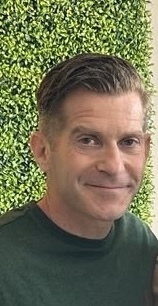

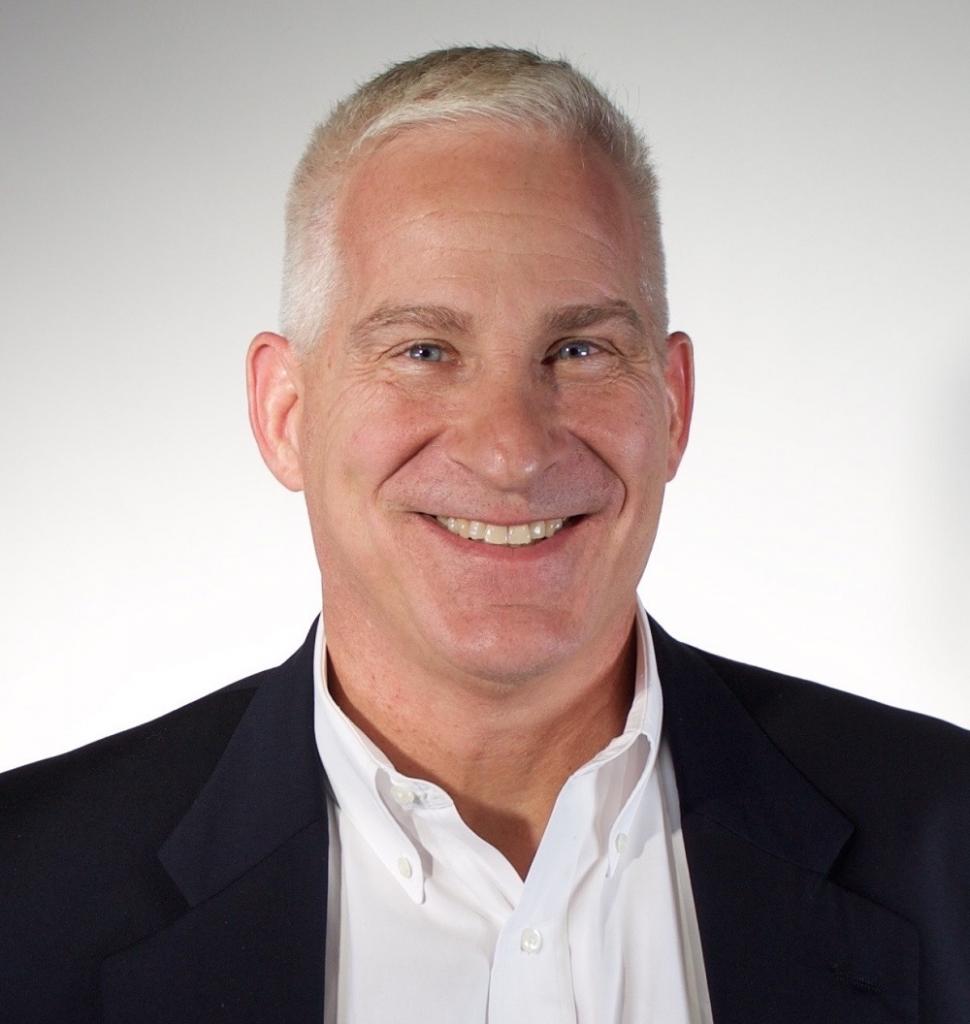

Senior Editor Michael Feinberg talks with Lawfare Public Service Fellow Julia Curlee and former CIA Case Officer John Sipher about John Ratcliffe’s tenure as the Director of Central Intelligence and cultural changes in the intelligence community writ large.
To receive ad-free podcasts, become a Lawfare Material Supporter at www.patreon.com/lawfare. You can also support Lawfare by making a one-time donation at https://givebutter.com/
Click the button below to view a transcript of this podcast. Please note that the transcript was auto-generated and may contain errors.
Transcript
[Intro]
Julia Curlee: I could hardly think of a worse abuse of the intelligence community’s authorities against the American people, and this has all happened on his watch. And so from a, you know, he, sure, he looks normal at a meeting, but he’s still accountable for these actions that happened under his watch.
Michael Feinberg: It’s the Lawfare Podcast. I’m Senior Editor Michael Feinberg, and I’m here today with Lawfare Public Service Fellow Julia Curlee and former Central Intelligence Agency case officer John Sipher.
John Sipher: And if our whole job is trying to refix our own inside thing, at the same time, the Chinese are moving forward, there’s wars in Europe, eh, Middle East is in turmoil, and all these o- AI is changing the way we do business and things. It’s, the, you know, the challenges don’t stop even though we’ve decided to neuter ourselves and commit superpower suicide.
Michael Feinberg: We’ll be discussing recent events and the changing culture at the Central Intelligence Agency after the beginning of John Ratcliffe’s tenure.
[Main Podcast]
All right, so John, you and I have never met before, and Julia, I don’t know if we’ve actually met in person yet, but we only made each other’s acquaintance a couple weeks ago, I think.
But I do have to say, I have been unreasonably looking forward to this podcast, because if you had told me when I was working counterintelligence at the FBI that I would get to sit and record for posterity a former case officer and a former analyst bagging on the CIA and its current director, I would have been over the moon.
John Sipher: We can turn this on the FBI if you want. We can do that pretty easily.
Michael Feinberg: I think everything going on at the FBI right now and everybody running it is-
John Sipher: It’s too easy.
Michael Feinberg: -totally above repute, so.
John Sipher: It’s like poking animals in the zoo. It’s, they’re too easy, so let’s stay with the CIA for now.
Michael Feinberg: Yeah. All right, so you two recently published a critique that, despite my statement just now, is actually very sober-minded about current leadership at the CIA and what that means for U.S. national security writ large.
Now, the, the piece was not originally published on Lawfare, which is where most of our listenership regularly goes. So for those who don’t subscribe to The Bulwark, would you be willing to just give a brief overview of your argument, and then we’ll sort of get into the weeds and extrapolate what we can from it about national security and the intelligence community writ large?
John Sipher: We should let Julia do that, ‘cause she’s a career explainer.
Julia Curlee: ‘Cause I’m the analyst, I see that. This is not the first time that the case officer-
John Sipher: I’ll start swearing if you want ...
Julia Curlee: has shoved me forward in the meeting to give this, to give the summary. Yeah, so I was glad that Mr. Sipher and I got the chance to write this piece, because there’s a word going around town that Mr. Ratcliffe is the adult in the room, you know? I mean, he has no obvious grift. He’s got no guru that we can- locate, you know, he reads like an adult. But normal is not an acceptable test for a CIA director. His office is supposed to demand the highest probity, you know, intellectual honesty, willingness to speak truth to the president.
The, you know, when he signed the same, or he spoke the same oath that, you know, John and I did and by every standard he’s failed. And he’s presiding over what may be one of the most damaging tenures of a CIA director in its history. The two main charges that we levied in this, I think, are politicization and potentially illegal activity.
So first, from almost day one of this administration, CIA officers have been targeted en masse, often just for the crime of speaking truth to power a decade ago, just living up to the values we teach all of our young officers. And wh- when this occurred, many of us who were still in the building were just sitting back and couldn’t believe that the director of our own agency would not stand up for the officers under his charge, including when the DNI stepped in with particularly spurious reasons to cashier the careers of some of the most well-respected officers, analysts in our profession.
And it really sent a message to all of the workforce that John Ratcliffe and the leadership at the CIA would not stand up for us.
Michael Feinberg: And if I could-
Julia Curlee: Yeah.
Michael Feinberg: Interrupt here-
Julia Curlee: Please.
Michael Feinberg: Just for one second, because I realize not everybody listening maybe is enmeshed as this as we are. When you’re talking about standing up for people for things they did years ago, I assume you’re referring to the 2016 intel community assessment about Russian interference in the election and various related offshoots of that.
Julia Curlee: Absolutely. The 2016 election assessment, we saw the, one of the senior-most Russia officers at CIA fired by the DNI for work that they had done a decade before documenting Russian interference in our election, documenting the, a very real effort to influence the outcome in favor of Donald Trump. And so when that happened, and then when John Ratcliffe presided over the rescission of the product, which ultimately was reissued with the same underlying finding, it just sent a chilling effect through the workforce.
And from that point on, we’ve just seen a step by step greater politicization of the CIA, culminating, in my view, in this speech the president gave now a month and a half ago, in which he cited CIA reporting that had been cherry-picked for his speech to say that the Chinese were attempting to interfere in our election, which is the opposite of what the CIA has assessed analytically, and it helped the president influence the American people to tell them that their elections were stolen.
I could hardly think of a worse abuse of the intelligence community’s authorities against the American people, and this has all happened on his watch. And so from a, you know, he- sure, he looks normal at a meeting, but he’s still accountable for these actions that happened under his watch.
Michael Feinberg: Okay, so I wanna dig into a few things there.
One is some anticipated pushback I may get from alumni of the community or just people who work in government and large institutions in general. The CIA, like most intel agencies, generally does not have a ton of political appointees. I think you guys had some more than we did at FBI, but we’re still talking about relatively small numbers.
And I’m curious. These are organizations, your exact numbers are classified. The FBI has somewhere around 35,000 employees. How much difference can a single director actually make on a given institution?
John Sipher: So I’ll answer. I think it depends on what you mean by what kind of difference. I think w- if you’re the CIA director, you’re in charge both of the workforce, protecting the workforce, leading the workforce, all of those kind of things, making sure that people are trained and they’re doing their job around the world.
But you also represent the community, as the intelligence community and the CIA’s culture and values and things. So does he have the ability, again, like the FBI director necessarily, of an organization that is made up of all professionals, maybe the director and the deputy director are from the outside, everybody else professionals, of digging down and really changing the day-to-day quickly?
Probably less so than places like the Justice Department and Commerce Department and all those type of things. But there’s a great pride when you come into the intelligence community, and the CIA in particular, that your job is to, you know, tell truth to power, you know, find the best intelligence and the best analytical assessments for policymakers to make the best policy pers- There’s a pride in telling policymakers how things really are, and then of course, if they choose to not do it or move a different re- direction for political or other reasons that’s fine.
But when you openly tell lies or when you openly undercut your people publicly or attack them as if they’re the deep state or create f- you know, cherry-pick or create false narratives, that is the opposite of what intelligence is about, right? Your job is to represent the people, to try to tell intelligence and tell truth to power.
And if you’re doing the opposite of that it goes down through the workforce whether or not you have the ability to go down to the lowest person and understand really what they’re doing day to day.
Michael Feinberg: Okay, I wanna pull at one thread based on just two words you mentioned that I think really get at the whole argument both of you have made so far.
And you referenced the CIA culture. Now, there are gonna be a lot of people whom all they know about the CIA are things they’ve seen in mediocre action movies. And there’s gonna be other people for whom all they know about the CIA are, like, the worst excesses of the Church Committee era.
Now, one of those is fiction. One of those was, although I feel bad saying this, I mean, we’re talking almost 50 years ago now. Yeah, I mean, ’70, I think the committee was ‘74 or ‘75.
John Sipher: Yeah. Long time ago.
Michael Feinberg: I al- I always get the dates confused between, like, when the Church Committee was, the Rockefeller and Pike Commissions, and the enactment of FISA. But its sometime in the mid to late ‘70s.
John Sipher: Yes.
Michael Feinberg: How would you guys describe the CIA culture as you saw it and were inculcated in it during your own careers?
Julia Curlee: So I’ll start by saying that I had done two tours in Iraq before I walked in the door at CIA with the Defense Intelligence Agency, and had witnessed just nonstop egregious politicization of analysis.
This in a war that began under an intelligence failure, that a whole generation of us were dragged into a debacle in the Middle East, by no small part in the failure of the IC to correct the record with the White House that had a preferred narrative. And I walked in the door, and in January of 2007, Michael Hayden made us raise our right hands, and in this old headquarters entrance, which has on the wall, “Ye shall know the truth, and the truth shall make you free,” and then in front of you are stars on the wall for every CIA officer killed in the line of duty.
And it is a shrine, and you can’t leave that experience unchanged. And it may sound hokey but we really believe in speaking truth to power. And it was instilled in me from my first days as a baby analyst that the country, the president, is counting on that. And my earliest bosses would tell me that they would only be disappointed in me if I failed to speak up and tell policymakers what is really going on and not just what they want to hear.
And so that was ingrained in the values of all of us. And yes, there have been intelligence failures. There have been politicization. This is a, you know, this is just the s- the standard give and take between policymakers and the intelligence community. But never was there a situation where retaliating against the messenger for telling hard truths that the administration didn’t want to hear, that is the new feature that this administration has enshrined.
And so yeah, at the CIA we would only have two, three, four political appointees, but if they’re willing to fire officers in public and humiliate them and send a wor- a lesson to the rest of the workforce that no one will protect you, that’s enough.
John Sipher: Mike, I’m glad you brought up sort of the, the change based on the reforms ‘cause it, it impacted the FBI, too, and we can talk about that.
But, you know, the CIA is a, was created in 1947 out of World War II, often out of a paramilitary intelligence organization out of World War II, at a time when, in 1949, when the Soviets got the bomb and the Red Scare and this whole thing that th- many of the people who came out of World War II in an existential war thought that this new CIA had to fight like the other side did.
We had to be, you know, black arts and do what the Soviets were doing and what we’d seen the Nazis do and this kind of stuff. And for a number of years, the CIA was, you know, it didn’t really have oversight from Congress, just a few key people in Congress. It was the president’s toy, the weapon. If the president said, “Hey, I’m having problems in Chile and I don’t wanna create a policy and go to Congress, I’ll ask...I’ll tell the CIA chief, can you just do something about that?”
And so the early years of CIA, yeah, there’s a lot of things that we would s- we would call, they were both mistakes, you know, trying to, you know, overthrow governments in Iran and other places, assassination attempts, those type of things.
And that’s why these, you know, in the 1970s, these reforms, these committees the Pike Committee in the House and the Church Committee in the Senate, you know, started to look at and created congressional oversight, created specific rules and writing around when presidents can ask for the CIA to do things and work with Congress and all those kind of things.
So both Julie and I came in the, the CIA that was, you know, the post-reform CIA. So many of the things that people still talk about, and, you know, I get on these shows and they’re like, “Oh, you know, what... This thing happened.” I’m like, “That was in the 1950s. I wasn’t born.” But yes, you know, I study history, too. We can talk about it and we can say how bad they were or wrong they were.
The CIA I came into was a professionalized bureaucracy. It made mistakes because it is playing as General Hayden said, often right at the edge. You know, that’s our job to do that. The things that people see in movies is often the spy side of the agency, the espionage, the collection side and, you know, you’re dealing in difficult places on difficult things and, you know, things have gone wrong.
We’ve had spies inside, you know, moles inside and these other type of things. But again, it’s beat into you when you first come in, is your job is to try to tell truth to power. Your job is to try to find facts. And if you’re working out in India as a young officer, you’re not focused on what’s happening in Washington and what party’s in charge.
And I can say in my almost 30 years, I, never any of my friends ever anywhere were talked about were we Republicans, were we Democrats, who, what. Never. It wasn’t an issue. I’m sure the people, the seniors back home that had to go to the White House day in, day out, they understood what the political s- you know, atmosphere was and had to deal with it to some extent.
But for the workforce, it just was not part of our lives and our work lives.
Julia Curlee: And if I can give you a good example of what John was saying about how nonpartisan this organization was, and it should be. In 2016, when the president was first elected, he had, after the inauguration or as he’s taking power, he had publicly compared the CIA and its officers to Nazis. And this was a shock again to the workforce. It would again in later months be a shock as he stood by Vladimir Putin and declared that he trusted the Russians more than his own intelligence agencies.
But when those things were happening, among the officers, among the senior cadre in both, in all of the directorates of the organization, our word to each other was, “We need to put that aside. This is the commander-in-chief. We are nonpartisan. It doesn’t matter what he thinks of us, what he said of us in public. We still serve the office of the president and the country.”
And we were willing to do that. But what has been broken is that bargain, because targeting your own workforce, declaring them the enemy of the president, and then levying this charge that somehow intelligence officers are supposed to carry out the president’s America First agenda, which is something that was levied against me in public by this White House, is a complete misunderstanding and abuse of what the intelligence community is for.
Michael Feinberg: Yeah, it’s funny. I saw a very similar dynamic at the FBI, not in 2016 when you guys said, “Let’s put this aside, he’s the commander-in-chief,” but more recently in 2024 and 2025. Kash Patel made no secret of what he felt of the FBI as an institution, but every special agent in charge with whom I spoke, every assistant director with whom I talked, everybody was of the opinion, whatever his past statements are, he’s the director now, or he’s gonna be the director in a few months, and our job is to make sure he succeeds.
I don’t think people truly understand how little political considerations went into all of our jobs prior to 2025. My employees, when I left, you know, I kept in touch with a few of them. Some said they were shocked to hear that I had been politically conservative. Some said they were shocked that I was not more conserv- Like, nobody knew anything about each other’s political ideas.
And to bring it back to your original article, it’s worth noting that the first time John Ratcliffe was nominated for an intel position, when he was originally nominated to be the DNI during Trump’s first term, his own party thought he would politicize intelligence too much to be trusted with oversight of the entire community.
John Sipher: Yeah, that’s right. And they, it took him a couple tries till he was made put in the DNI position and then ratified and brought in. In fact, I’d been at this game before. So I’ve written two articles about Ratcliffe in The New York Times during that time period, and we’ve certainly forgotten about a lot of that.
But he politicized the intelligence community then. He weighed in heavily on the Hunter Biden issue, and he went on Fox News and said that, you know, the Obama and Biden administration committed criminal abuses of powers and voters should take this out on them in the upcoming election. This is not how intelligence directors or leaders speak.
This is partisan, you know, d- discussion stuff. And, and he did the same thing in terms of cherry-picking information. He wouldn’t brief Congress. He would just send written reports, which of course, you know, Congress would have no way of questioning those reports or what have you, what did you omit?
Is this, what is the analysis behind this? They couldn’t question these kind of things. So, you know, w- we should have seen this in a certain sense coming, and I think people of good faith understood he p- he wasn’t terribly, you know, a s- a senior person who should have had this job anyway. But he did at least seem like he was sober, and he wasn’t one, a drooling crazy person like some of the other people that have made their way into the administration.
So, and then of course now people, you see people talking like, “Oh yeah, Witkoff has been dealing with the Russians. Maybe, maybe Ratcliffe should do it ‘cause he’s a much more serious person.” Like, so we’re just trying to point out that at least in the position he’s in, for the key values and key things that a, a director of intelligence should do, he is failing on that front.
Michael Feinberg: But I think we sh- your offhand comment about Witkoff is actually very revealing about the prism through which I view this at least, which is that we have seen a massive de-professionalization in record time of the national security apparatus in the United States. You know, it was, I mean, it was within the past five years that William Burns, who was Biden’s director, was going to the PRC to engage in negotiations and talks with the Chinese government. That was normal.
And now we’re in a position where the two individuals in charge of negotiating with, I would say, our second greatest geopolitical rival. There’s an argument that they may be the first. But the notion that, you know, Steve Witkoff and Jared Kushner are the ones taking point on negotiating with Russia, to me is absolutely insane.
None of these people have any background training, experience, or really knowledge of the military or national security. So, so i- it’s very easy to throw up our hands in despair. As people who worked in this world when things were a bit saner and more stable, looking at the landscape now is unnerving, to say the least.
And the question I keep wrestling with that I’m curious what you two think is, can it ever really be built back? Is there a way for us to de-politicize this in the future and to re-professionalize the workforce? And if so, how long do you think it’s actually gonna take and what would need to be done?
Julia Curlee: So I’m cautiously hopeful that if we’re doing this in 2029 there is hope.
There will be living memory of what right looks like and what our values are. But it depends even then on calling out what is unacceptable and not allowing ourselves to have our, you know, us to be boiled slowly. And just in, in the one example that you were raising about Witkoff and Kushner, it came out this last week that Jared Kushner is receiving hundreds of millions of dollars a year from the very parties across the table from him as he represents the United States.
It is inconceivable to me that would be acceptable in any administration. If I ever attempted as a CIA officer to take money from a foreign power while working with that foreign power-
Michael Feinberg: Then I would have become involved.
Julia Curlee: You would be coming to my house. The FBI would be investigating me.
But because we have someone who happens to be married to the president’s daughter, I guess it’s fine. And that’s just un-American, and that is a value of us and of our home organizations of what is right and wrong, and it’s being normalized every day. I mean, I won’t even get into the Russian oligarch paid for after party in which some, you know, people connected to the Russian intelligence services may have been there.
I mean, just, it’s astounding that we’ve allowed ourselves this massive counterintelligence hole. And so as long as we can remember what it, what right looks like and in a couple years, have some accountability for these things, I think we can begin to build back. It’ll be a generation.
If we’re talking about 2033, I think that will be a different time. There will be, the number of people who will have been compromised you know, in, in different senses of that word but their ethics will have to have been compromised to stay in this organization. It will be even longer, decades probably, before we get back to where we were.
John Sipher: Yeah, I tend to agree.
So I mean, Steve Bannon, before the administration started, talked about the destruction of the administrative state, the, you know, the deep state to destroy it. And a lot of us thought because of the first Trump period where, you know, he said those things and there was some of that, and there was politicization that you know, it was survivable.
But what we’ve seen recently suggests that, you know, it’s creating real problems. And, you know, your point about Witkoff and Kushner doing things, yes, they’re negotiating with the Russians, which doesn’t make sense. You know, they finally went to Ukraine for the first time after a number of times, but they’re also negotiating the Iran War, the Gaza-Israel thing, you know.
And they don’t work for the government. They’re looking to make business deals at the same time. So the unprofessionalism is one thing. The, the want to destruct the expertise and whatever the government is a bigger problem, which ties to your earlier things, is: how easy it is to destroy the CIA?
And, you know, my, my earlier point was trying to say it’s a little harder than you might think because, you know, you got a workforce of, I don’t know, what 20,000 people who mostly are professional, mostly take their job seriously are divorced from politics for the most part. They can do their training and their work and their things without, you know, having to deal with it, more senior people do.
So there is a chance of sort of re-fixing things, like she said, you know, hopefully if, in a couple years, if that’s the way we go. But the frankly, you know, the world and we are, as a country, are facing huge challenges, and if our whole job is trying to refix our own inside thing at the same time the Chinese are moving forward, there’s wars in Europe, the Middle East is in turmoil, and all these o- AI is changing the way we do business and things, it’s, you know, the challenges don’t stop even though we’ve decided to neuter ourselves and commit superpower suicide.
Michael Feinberg: One of my favorite lines about the agency is from an admittedly mediocre movie, The Good Shepherd. But the character played by Matt Damon, who I, if I recall correctly, is like an amalgamation of Jim Angleton and Dick Bissell.
You know, one of the characters says to him, “You guys in the CIA are always starting wars.” And his response is, “No, we stop the wars from getting bigger.” And I actually believe that. I think that’s sort of the whole point of the intelligence process is to give policymakers like the president the information they need to make decisions that take account of second and third order consequences.
And we’re now seeing that whole model just jettisoned And I don’t think it’s a coincidence that within a year of doing that, we’re bogged down in quagmires where, you know, second-tier powers like Iran are fighting us to a draw.
John Sipher: Well, I think a lot- all these powers around the world, like the Russians have done forever, the Soviet Union is they’ve used asymmetric tools to take on a bigger power.
And so, we should have learned from Al-Qaeda, you know, the small group of people were able to use the internet and networking to spend, you know, $500,000 and create a huge terrorist thing that we took trillions of dollars and several wars to try to deal with.
And so they, everybody has had years now to look at the United States and say, “This is the richest, most powerful, huge military. If we’re going to deal with them, we have to find other ways of doing it.” And so we’ve seen big power Russia go into Ukraine, and not stub its toe, much worse, frankly.
We’ve seen the, the Israelis try to destroy a 15-mile swath of territory on their own with troops and bombs, and still Hamas is there. We’ve seen us try to deal with Iran thinking this will be easy to do, and it’s turns out it’s not easy to do. If anything good comes of this, I hope the Chinese get the message that it’s not so easy to big powers to take over small powers here. But yeah, these are serious challenges, and it seems that this administration does not want to take those things seriously.
And as you know, Mike, from your time, those of us who worked what we were doing we worked hard, we believed in what we were doing, we believed we were working for the American people. And the people above us seem to be working for themselves, not for the American people.
Julia Curlee: I gotta say it is astonishing to find myself in my mid-40s while the country’s in a debacle in Iran, when I’d spent most of my 20s and 30s in wars to the left and to the right of the country we’re now fighting in. And seemingly none of the lessons that, that we learned in those conflicts have been applied.
And the idea that the United States would be now defeated in a conflict by a country with no navy is astonishing. And it goes to just the willful desire of the administration to punish and block out any of the expertise that we have earned through horrible blood and treasure over the last two decades. And that is the generation that is walking out the door now from CIA.
I wanted to return to one thing, Mike, you said about the Good Shepherd quote and talking about the CIA as a tool. We, you know, we are a tool. We are, you know, the hand that holds it, the, the brain that directs it is the political master who pushes it towards actions which can be illegal, and certainly are breaking foreign laws, but shouldn’t break American laws.
And the second point in our piece that John and I were talking about was these potentially illegal boat strikes in the Caribbean and the Pacific. And, you know, a president bent on his own narrative and willing to fire people can bend people to operations that many people would think are not legal because they violate the laws of conflict.
To be using a capital punishment on individuals who are not committing a capital crime, it amounts to extrajudicial killings, and God only knows who else is on these boats. And now we don’t know, neither John nor I are in, getting classified information. We don’t know what is going on here. But we do know the Pentagon has denied responsibility for a whole set of actions that have resulted in the death of fishermen.
And so what I would say is while the tool ultimately does not bear r- you know, real responsibility for it being ordered, every individual that’s getting sucked into these efforts, just as happened with waterboarding and RDI and the other things in our past that it took a long time to get past, like, they should know that we’ve seen this movie before and that, you know, while the, the politicals may all get pardons, everyone within 200 feet of the Oval or whatever Trump said may get off, y- you will be dragged into, at very least, Congress and have to spend tremendous amounts on your legal fees and have your name plastered all over the public when this is over.
And so people should be very careful and not assume that this current stage of impunity is just gonna last forever.
Michael Feinberg: And that’s a big part of what I was thinking when I was asking the question about can it be rebuilt? Because CIA, FBI, DOD, whatever, you know, organization we’re talking about, you know, John Ratcliffe, Pete Hegseth, Kash Patel, they can’t do this stuff on their own.
They’re reliant upon career professionals to carry out their various schemas. And, you know, as astute students of history and people who’ve worked in this community, how do you think we should view those people when this is over? Like, do we need, is this, should we treat this like the torture program post John Durham’s investigation, where regardless of whether we phrase it this way, bygones are bygones, and you get a pass?
Or, you know, should we be talking about like, something analogous to de-Ba’athification? You guys have seen other nations go down the road we may be going down now, and you’ve worked for our nation. Based on those two experiences, how do you think the next CIA director should approach mopping up whatever messes Ratcliffe leaves in aisle six?
John Sipher: Oh, man. That’s a big question.
Michael Feinberg: Not that I’m gonna put you on the spot.
John Sipher: I mean, it’s a hard one. I think it will be somewhat easy to find certain people who, you know, were true believers and joined in and, you know, signed on that they were political loyalists and not, you know, intelligence professionals.
As you know, Mike, in any organization, there’s gonna be people who thought that they, you know, their career was stifled and they’re geniuses and this is their chance, and therefore they’re gonna be willing to do things that they probably should have thought better of before they did it. And so there will be some s- there will be some necessary getting rid of people, dealing with these problems inside places. It won’t be easy. It’ll take serious people and legal professionals and others to deal with these problems.
The larger political question about it, you know, what you don’t want if you’re a new president or a new administration is to spend all your time going after people inside and, you know, you gotta focus on the whole world and the whole economy. You can’t focus on just fixing the government, and you don’t want the other political party from whoever wins is gonna be saying, “Okay, so you’re just going aft- you know, when you’re in charge, you go after our people, and you just claimed that we went after your people.” And a lot of the public will believe that.
It’s all w- whoever’s in is just gonna go after. And that’s what it, I did see over- overseas. You know, I was in places like Pakistan, and I was in Yugoslavia and Russia and places like that. Y- and, you know, when the party that wins is in power, it’s their chance to steal and throw everybody else in prison until it sort of comes around and the next guys come in and they just throw their political opponents in prison and take their chance to you know, eat at the trough, the g- government trough.
And so yeah, we don’t wanna go that way. I don’t f- see our country as being in that way or whatever, but th- these are issues you, pe- serious people are gonna have to think seriously about. But to suggest that we could just move on, I think it’s gotten too serious, too deep, and too bad to just say bygones will be bygones.
Julia Curlee: You use the word de-Ba’athification, which is a provocation to an Iraq person.
Michael Feinberg: But it is also one of the more milder terms I could u- I mean, de-Ba’athification is based on another word, which we will not go there for the sake of not inflaming passions.
Julia Curlee: Right. And one of the features of de-Ba’athification is taking an entire group of people, whether they were the dog catcher or the, you know, the chief of police and treating them all the same, and that’s not in any way what should happen.
And to be clear, you know, my heart, my, my sympathies are gonna be with the line officers, the career people that are just trying to do their best, who are just trying to stay out of trouble and continue to serve their country. And the most generous interpretations of what has occurred they are due, given the risks that they bear, and that the politicals at the top should bear most of the, the blame for this.
But it cannot be that criminal activity can be excused. It cannot be that deep unethical and betrayals of the values of the organization are allowed to go forward. And so, I think there’s a real... there’s a lot of thinking that needs to go into this before the new administration, if there is one, that can decide what types of activities are unacceptable, what needs to be l- looked at.
I think that first, you know, before reconciliation has to be c- has to come truth. And I would also hope that in the waning days of this administration, there is not an effort to destroy the evidence of wrongdoing, which will certainly be appealing to many people, not just at CIA, but but in agencies that have committed these kinds of acts. And I’m very, very worried about the length of time it will take to unearth all of the activities.
But what I don’t want to see happen is for rumor to become enough to hold people to, you know, to say that their careers should be ended and that they should be thrown away. I think that we have to take, as intelligence officers, we should be very careful about this and make sure that we have, if there are people that have committed acts, that there’s real evidence for it, which I’m sure there will be.
Michael Feinberg: Are there any parts or processes of CIA that you are particularly worried about at this moment or that you think are gonna be particularly difficult to right once this is done?
Julia Curlee: Well, one, off the bat, one problem that we’ll immediately face is that line officers were told that things were legal when they were not.
That’s gonna be really hard to pick apart because you’re holding them accountable for things that they thought, that they were assured were legal, even if these things, to our eyes would seem like they’re definitely not.
John Sipher: Well, it’s good that you brought up the pre-reform, pre-1970s CIA because in many ways that’s essentially what this is.
This is a president saying, “I want these powerful intelligence organizations to be my personal weapons.” And of course, we spend a lot of time, at least, you know, Julie and I, because we worked in CIA, Mike, you worked on counterintelligence, you dealt with CIA a lot, on the, on Central Intelligence Agency and human sources and that type of stuff.
But the intelligence community is obviously much bigger and we’re actually, you know, a, a value add smaller piece of this. You know, when people like Bill Pulte and Tulsi Gabbard and earlier Ratcliffe were in charge of the DNI, which covers all sorts of intelligence activities to include the NSA and parts of the military and other kinds of things, there are, there’s a lot of potential problems here and things that need to be fixed.
Coming from the clandestine service, the spy side of the agency, which is actually a pretty small cadre of people trying to recruit human spies around the world to give us tho- those secrets that we can’t get any other way, there’s a real, there’s a real challenge there. The world is changing. It is very hard to do the business like I did when I was in Moscow, and I could put on a disguise and go down an alley and hide.
And if I met somebody, and I wasn’t caught red-handed, I know that could be kept secret and it, forever. Whereas nowadays, cameras everywhere, big data collection, potentially breaking of encryption, all of these kind of things, the challenges to our ability to collect intelligence and humans to meet humans without being seen or caught even in afterwards are, you know, are things that the organization has to face internally.
And if it’s having to deal with these bigger political and ethical problems, it’s gonna be hard for us to sort of keep that leadership thing in the world. I’m worried that we’ve given away leadership in the world in many ways because again, even just to go back to the collection from the clandestine service, the great majority of the intelligence that we collected was from partners.
It was from people around the world, not even just the Five Eyes people talk about and stuff, but everywhere. I mean, I worked in places you would never imagine that we worked with people, and they gave us information that helped save American lives. And, you know, a lot of these people, after we’ve screwed them over and over again, and we’ve shown we’re willing to throw them under the bus, you know, they’re moving on, and it’s gonna be harder for us to recreate those type of things which were a real benefit for American citizens.
Michael Feinberg: Yeah, I never understood why an administration that claims to be the most hawkish ever on China would do an immigration raid specifically targeting foreign workers from South Korea, which happens to house our only military base on that particular continent. It’s mind-boggling to me.
People outside the national security community sometimes denigrate soft power. They think it’s not as sexy as covert action or spying or what have you. But I think, Jon, you really hit on something. So, so much of what we were able to collect as a community was based on relationships of goodwill. It was much more, I don’t want to say friendships because I don’t think any of us are that Pollyannish, but it wasn’t based on realpolitik always.
It was based on the fact, and I’m, you know, I probably recruited most of my sources on this theory. Maybe you did, too. But like, to people from oppressive regimes, we really were the shining city on the hill. We were something to which people could aspire. And when I dealt with somebody from China or Russia or one of the other threat countries, the moral authority of America did half my recruiting for me.
John Sipher: Yeah, I don’t think Americans have that natural spy skill. I lived in Russia, like espionage and hiding things and small cores working together, this is part of the culture because it’s, they’ve had an oppressive regime for fricking ever, right? And Americans aren’t like that, but we’re probably the most successful intelligence, you know, community in the world because we represented America.
We represented, if you work for a country that’s, you know, corrupt and people are stealing and your bosses are, you know, unethical and stuff, the America looked like something special. So, we benefited because we represented America. But now if America becomes a country that looks just like every other country, like we’re, you know, when we’re in power, you’re stealing and you’re c- involved in corruption, again, we’re losing out there.
And and the CIA that I worked in benefited because we were in these countries always. So if you l- were in, you know, you worked in Nepali security or Indonesian security, whatever, there’s American CIA officers that are there, that have been there the last 70-something years, all the time, building the relationships, helping them out, sharing intelligence, working with them.
And over time, you build that level of trust so that even in difficult situations, people might say, “Well, listen, you know, we’ve got a long history here of trust and working together. We’re gonna work with the Americans.” And we’ve cut a lot of that off and pretended like it doesn’t matter, and maybe our leaders don’t understand it, but those of us who work there do.
Julia Curlee: It seems like we’re squandering one of the great national advantages here, the attractiveness of the country, the sense that people can become an American. People don’t understand just how powerful what we had called the soft power of the United States was. And just to just throw that, in the memorable phrase that Elon Musk used, into the wood chipper seems like such an incredibly self-destructive act, hurting U.S. power.
You know, we did these things because, not just because we were, we’re altruistic, but because they were good for America, ‘cause they opened markets to us, and the CIA benefited tremendously from being perceived by many countries and many people in those countries as the good country that you could work with, that would keep you safe, whose values you wanted to be a part of.
And we’ve intentionally thrown those away because of the cynical worldview of a f- just a vanishingly few people. I wanted to throw something back at you Mike, to tee up that you and I have talked about a few times, which I think that people might not understand that, that will relate to the rebuilding, which is that both the CIA and the FBI, we’re bottom entry organizations.
You know, this pyramid where a paramilitary group, you know, you build your way up. You know, you spend 20, 30 years. You get certain experiences that, that open the door to the next.
Michael Feinberg: Right. Nobody gets hired-
Julia Curlee: Right.
Michael Feinberg: ...as an executive. You get hired-
Julia Curlee: Right.
Michael Feinberg: ... as like a GS-10 or lower.
Julia Curlee: Right.
John Sipher: And you worked the mail room-
Michael Feinberg: Exactly
John Sipher: …and worked your way up.
Julia Curlee: Right. Yeah, exactly. So if you lose this, this group of people at the mid- or senior level who you desperately would need to help rebuild, we don’t have organizations that have really any mechanism to bring people back in at that level. So there, there needs to be some serious thought done be- before a new administration came in on how to make our hiring and rehiring and clearance review system much more nimble.
Otherwise, we’re never gonna be able to pull people back in as quickly as we need to.
Michael Feinberg: Yeah, and I know at least for the FBI, if you’re out for more than two years, you don’t get to come back unless you go through the academy again. I’m gonna be 50. If you think I’m going to do defensive tactics three or four days a week for hours a day and get pepper sprayed and be away from my family, you’re living in a fantasy land.
And I think, ‘cause I’m sure this happens to you too, Julia, people say to me, “Well, when a new administration comes in, you’ll get to go back.” I’m like, it doesn’t actually work that way. Once you’re gone, you’re gone. And so there’s no way for us to… We’re not gonna be able to bring the people who’ve been jettisoned back in.
And what worries me, to your point, Julia, is it is an entry-level organization, and you are gonna have nearly half a decade’s worth of people who came in and were taught that the politicization of intelligence is normal and not objectionable. And cultures are very hard to change, and if somebody is taught that way early enough in their career, I don’t know how you rescue them.
John Sipher: Well, also, if you’re changing the, the requirements to get in, like we’re seeing in the FBI where bestiality is-
Michael Feinberg: Yeah.
John Sipher: …okay and everything, or you don’t have to go to university or whatever it is, this is a problem, and it was the problem when the w- the beginning of the administration when people were on their, you know, first two years of coming in. They’ve been through training, expensive training, very important training, and then were just let go because they were the easiest and cheapest people to let go-
Michael Feinberg: Yep.
John Sipher: because they didn’t have, you know-
Michael Feinberg: They were on probationary status.
John Sipher: probationary periods.
Michael Feinberg: They didn’t have legal recourse.
John Sipher: Like, you’ve actually then, you’ve actually hurt the thing that you’re gonna need to b- rebuild, too, so.
Michael Feinberg: Yeah, and then, I mean, I don’t think people realize, like, these are not easy jobs, and a lot of people apply to them based entirely upon what they know from popular culture. And the further you get in the application process for both of our organizations, the more you learn the toll the job could actually take on a, quote, normal life.
And so, by the time that somebody shows up at the farm or somebody shows up at Quantico, they’re cognizant of the sacrifices, to a certain extent, that they’re gonna have to make, and they’ve willingly decided to give up certain luxuries for the good of their country. And people like that are not a dime a dozen, and to throw that many out is just to burn a commodity just as precious and rare as, you know, diamonds or gold.
Julia Curlee: And they’re denigrating the entire profession every time they talk about it. It’s gonna make a big difference in my view whether we’re doing this in 2029 versus 2033. I think it’s difficult as it would be in ‘29 if you have changes in personnel policy that allows a more rapid reentry. This would be unprecedented, but I think it’s still possible because the people will still be around in some number.
If we’re talking about 2033, people will have moved on with their lives, and they will have moved away from the centers where, you know, where we generally live when you work at the CIA and FBI, I’m sure. And you just won’t be able to get them back, and I think it will be too late and too much time will have passed where these values, which are just so alien to the organization and the values of public service that we grew up with, it will take a much, much longer time to uproot them.
John Sipher: I was just gonna say there’s one thing I think that probably helped these people who want to destroy the executive state or the administrative state is I don’t think previous administrations and previous presidencies have done a good enough job of communicating to the American people why our leadership in the world matters, what we have behind it, why it works, wh- how we’re, you know, the fact that we get cheaper goods, that we can move things around the world, that we have these relationships.
You know, we just, over years we’ve taken it for granted. Nor have they explained what our institutions and our government is made of. What are people working for? What, you know, these are people who are, you know, they, like you said, they take on these hard jobs because they believe in, they’re working for the American people.
I remember in the first administration when Trump’s chief of staff came to him and he was talking, complaining about generals or something and the chief of staff asked him, “How much do you think a general in the military makes?” And he’s like, “I don’t know, 6 million a year?” And they’re like, he’s like, “N- no, sir. This is not-”
Michael Feinberg: This is clearly somebody who’s never had to file a voucher for a h- for a house hunting trip.
John Sipher: Exactly. They don’t get it. But the point is like the fact that someone in that status could be that misunderstanding of how people work in the government, I think the American people don’t understand, and previous administrations haven’t. You know, the Americans have, you know, something really special in the civil service and in the f- in the national security state, but they don’t understand it. So if they think, “Oh, yeah, get rid of it, it’ll be fine,” I, eh, I think they’re gonna find out that’s not so good.
Michael Feinberg: All right. So, so as w- as we’re getting close to the end of this recording, let’s get to the really tough and important question. What-
John Sipher: More bestiality in the FBI? Is that what we’re getting to?
Michael Feinberg: You know, you say that jokingly. I’m actually gonna g- I’m actually gonna faint in that general direction. What is more, of all the agencies with which we used to work, which one is the biggest clown show right now?
John Sipher: Right now?
Michael Feinberg: Yeah.
John Sipher: Oh, that’s a good question. Well, I think the, the Justice Department is the biggest impact on things. It’s cre- it’s made itself into something, ‘cause it has, you know, huge impact on, on, on the United States and, you know, our ethics and our values and where we’re going. I don’t know, what do you think, Julia?
Julia Curlee: I have to say that the Defense Department.
John Sipher: Ooh.
Julia Curlee: Just because, just a number of reasons, you know, whether it is the wholesale firing of women and African Americans and any, and minorities from the senior levels of the organization for no reason given whatsoever, so that everyone can just naturally assume that Pete Hegseth only wants white men to serve in the senior ranks of the, the Defense Department.
And that has sent a message all the way down into our recruitment, and it’s something that’s gonna take some time to recover from, just the racism and the misogyny that is so evident. The rest of the department, how politicized it is, the witch hunts for people. I mean, this is the department that fights and wins our wars and they’re still, you know, unparalleled in the world on that.
But when the department emailed out a, a request for suggestions for how we could break the stalemate with Iran, asking the workforce to just weigh in on this, it just shows you how broken and amateur hour the world’s largest corporation, the Defense Department, has become. And if Hegseth posts another video of him trying to do pushups the, you know, mostly the wrong way, it just shows everyone in the world what a clown show one of the most important institutions in the country has become.
Michael Feinberg: Well, well, let’s leave it on a very particular image then which offends me as somebody who had to do a physical fitness test every year of his adult life, and that image is Pete Hegseth and RFK Jr. being unable to do a pull-up without kipping. I think if there is gonna be any lasting document of America’s decline in this era, it’ll be the physical fitness standards of those two individuals. Julia, John, I wanna thank you both for your piece. I thought it was excellent, and thank you for taking the time to chat with us today.
Julia Curlee: Thanks, Mike. It’s been a pleasure.
John Sipher: Our pleasure.
[Outro]
Michael Feinberg: The Lawfare Podcast is produced by the Lawfare Institute. If you want to support the show and listen ad-free, you can become a Lawfare material supporter at lawfaremedia.org/support. Supporters also get access to special events and other bonus content we don’t share anywhere else.
If you enjoy the podcast, please rate and review us wherever you listen. It really does help. And be sure to check out our other shows, including Rational Security, Allies, The Aftermath, and Escalation, our latest Lawfare Presents podcast series about the war in Ukraine. You can also find all of our written work at lawfaremedia.org.
The podcast is edited by Jen Patja with audio engineering by Goat Rodeo. Our theme song is from Alibi Music. And as always, thanks for listening.