
Lawfare Daily: Military Education and American Manhood with Jasper Craven

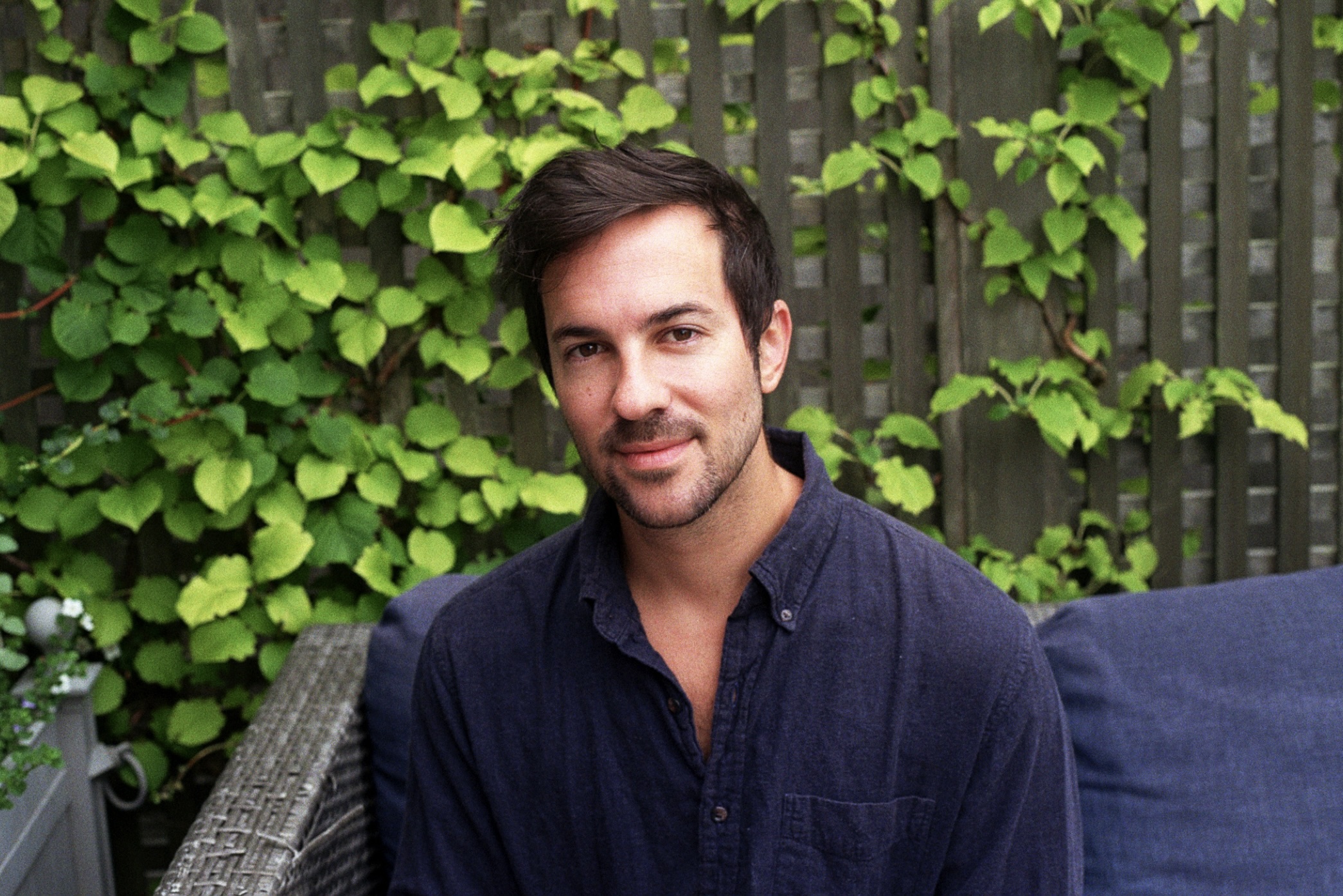


On today’s episode, Lawfare Managing Editor Tyler McBrien sits down with Jasper Craven, a freelance reporter covering the military and veterans’ issues, to discuss his new book, “God Forgives, Brothers Don't: The Long March of Military Education and the Making of American Manhood.” They speak about why the son of a peace activist embarked on this project, how military education helps explain our current political moment, and so much more.
To receive ad-free podcasts, become a Lawfare Material Supporter at www.patreon.com/lawfare. You can also support Lawfare by making a one-time donation at https://givebutter.com/lawfare-institute.
Click the button below to view a transcript of this podcast. Please note that the transcript was auto-generated and may contain errors.
Transcript
[Intro]
Jasper Craven:
Whenever we are engaged in serious conflict, you get a sort of increased
interest in these places, and also just the, the Pentagon lurches into high
gear and makes sure that these schools have the support they need.
Tyler McBrien: It's
the Lawfare Podcast. I'm Tyler McBrien, managing editor of Lawfare,
with Jasper Craven, a freelance reporter covering the military and veterans
issues.
Jasper Craven: I just
can't see any other force beyond the Pentagon that, that wields more power over
sort of educating, historically, American boys. I just, there's, there's
nothing, there's nothing out there as powerful, really.
Tyler McBrien: Today
we're talking about Jasper's new book, “God Forgives, Brothers Don't: The Long
March of Military Education and the Making of American Manhood.”
[Main Podcast]
So Jasper, I wanted to start actually with a confession, which
is that I've been to West Point and stayed in the dorms for the SCUSA
conference years ago when I was an undergrad. I mean, now reading your book,
having stayed with a friend who kind of pulled strings to, like, let me stay in
his dorm, I was like, "It's- I'm not really sure it's worth the risk of
that, that act of rebellion."
But all that is to say, this is immediately interesting to me,
like, having been there. It's just fascinating. But I want to start with your
interest. Anyone who's read the book or your work knows that you don't come
from a veteran background or you know, having been in the service yourself. So
where did the, the interest in the military as a, as a subject to cover, as a
beat, come from for you?
Jasper Craven: Yeah.
Well, it's interesting because I sort of experienced the inverse of what maybe
a young son of a hard-boiled colonel might go through. My father was a
prominent anti-war activist during Vietnam, helped organize the May Day
protests in 1971 in Washington, which precipitated the largest mass arrest in
American history, was mentored at Boston University by Howard Zinn.
I've said this on podcasts before, but he briefly dated Jane
Fonda. That's kind of his claim to fame or at least, you know, helps
illustrate, you know, the fact that he was really in this movement in a major
way, and he, you know, came to define himself fundamentally by the principles
that he engaged with during the anti-war movement.
I mean, by the time he was in his early 20s really, the
movement had kind of fractured and was being, you know, infiltrated by the FBI
and all of the rest. And so he really didn't spend that much time, you know,
fighting for peace, but nonetheless, it was just, it was deeply formative to
him. And so, I sort of understood that from an early age, and also, you know,
was sort of reared on, you know, the work of Howard Zinn for one, and other
sort of- historians offering a pretty skeptical eye of the military industrial
complex.
So when it came time in my early 20s to, to pick a beat as a
journalist, veterans’ issues and the military sort of seemed like a natural
fit. I don't have a JD, so Department of Justice was out. I didn't feel like I
could effectively, you know, ingratiate myself with spies at the, the CIA. It
just sort of seemed like something that made sense. And began really covering
the VA from a number of angles, and through that work came to understand more
acutely, you know, what military service does to someone.
And, you know, started off, because I'm a civilian, a bit
skittish to be overly critical of the Pentagon. You know, I, I felt a sort of
reflexive respect for, you know, the great risks that, that service members
take. But it was sort of, it was really through, like, discussions with a lot
of vets, VA patients, administrators, people who'd been through really tough
experiences that I sort of became confident in my ability to criticize this
institution simply because I had just seen so much damage that it had wielded
sort of over, you know, this, this population of millions of people.
And then, I mean, the sort of clarifying moment that led to
this book was a tip I got about five years ago about a military academy just
outside of Philadelphia called Valley Forge. And there was a really sort of
raw, violent, hierarchical hazing culture there, a lot of corruption from
administrators.
This was sort of the first time where I was able to see, like,
military pedagogy and sort of the sort of training, the, the sort of core
training rites and tools in action in a really sort of vivid way. And then
also, like, these military schools often offer sort of perfect dynamics or sort
of reflect really nicely and intimately, sort of a lot of the problems that
plague the institution writ large.
Like, it, it can just feel so impossible to try and grasp how
an institution like the Pentagon operates. But sort of, in these smaller
environments and these sort of more contained places, I was also able to sort
of understand and flesh out how the military operated as well. So it all just,
like, really fascinated me, and it's what led me to write this book about military
education.
Tyler McBrien: Well,
first of all, as, as tempted as, as I am to get, get into the Jane Fonda stuff,
I have heard you talk about it and, and this life-size poster that your father
purchased of this actress who he's, I guess, a fan of now. But that is funny
how it is really a, like, a peace activist bona fide right there to say that
you dated one of the most prominent peace activists.
But, but again, before we get into the book, I wanted to ask
one more question about your sort of identity and position coming in. I mean,
it's questions of objectivity and about journalism in general. And coming from
your background and your family your father, peace activism, trying to cover
the military, did you get a lot of resistance throughout your career? Did
people look at you askance as the son of a, a peacenik or?
Because I, I don't know, I've always thought about flipping it
so there's the, the idea of the veteran mystique and the moral authority that
veterans come with in writing about veteran affairs and the military and these
critiques. So yeah, I guess questions of access and, and, you know, willingness
and of, of military members to, to speak to you. Obviously, you don't tell your
subjects your whole back history, but yeah, curious what, what kind of
resistance you got.
Jasper Craven: Yeah,
it's a good question. I mean, the simple answer is that I have endured a lot of
criticism and pushback. I remember, you know, I wrote a book about Veterans and
the VA a few years ago for Duke University Press, and I was still pretty green.
And as part of that promotion, I went on a public affairs show, a call-in show,
and was just like blasted with calls from vets who were upset with my
conclusions and, you know, resentful that I didn't serve and felt that, you
know, I just simply did not know what I was talking about, and I could never
sort of ever hope to grasp the complexities of veteran life.
So yeah, there have been moments where I'm sort of like,
"Is this-- Does this make sense? Is this what I should actually be
doing?" Historically, DoD and VA have been covered by vets or, you know,
people with, with a pretty deep military lineage. But there really were sort of
a couple of key veteran writers over the years whose work I really respect that
sort of like validated what I was doing and, you know, sort of made clear that
it was really nice to have someone coming from the outside, because I think,
you know, if you've been through this system, a lot of strangeness that, that
is sort of acculturated to, to people who've been in the service, I, I sort of
see for what it is, and I can sort of like flesh it out, and I think that my
outsider status has, has been a benefit.
And yeah, I mean, at the end of the day too, like I am sort of
confident in this position now. The reason I'm doing this is because I really
care about this community. I want justice for this community. I want
accountability for how the government treats these people, and many veteran
writers can sort of lock into sort of like a shorthand with a vet on, you know,
a call and create some like comfortability by talking about their service or
sort of invoking some military jargon or, you know insider jokes.
And while I don't, I can't do that personally, I think that
just sort of my, my, my focus on getting to the emotional core of, like, how
they feel about this allows for vulnerability and for trust and, and I've, and
you know, I've just, I've just been doing it for so long, and I'm also not
pretending to, like... My, my work isn't really focused on, like, high-level
Pentagon war planning tactics or, like, foreign policy or anything else. It's
really trying to sort of flesh out the human stories, the hopes and dreams and
damage that sort of emerges from this institution. And so I don't think you
need any particular experience to, to focus on those sorts of topics.
Tyler McBrien: Yeah,
and then I imagine that the, the times in which you do face resistance or this
idea that only those who have experienced it can actually criticize it or truly
understand why we do certain things certain ways. It's sort of like the idea
of, you know, only I can, I can criticize my own family. You know, you can't do
it, but I can, only strengthens, you know, some of your, the themes that you
bring up in your book of the, this toxic insularity and you know, this pr-
protectionism.
So let's get into s- to, to some of the book, which is an
incredible read. Congratulations. It's, it's a, it's a really, really amazing
project. I'm, I'm curious though about how you scoped it. So the history covers
essentially the arc of U.S. history, beginning with the beginning. And I like
how you sort of planted your flag and said, "This is the beginning not
only of military education, but of the military industrial complex in the U.S."
So I wanna talk about, you know, how you decided where to start, how you
started, and, and h- also how you did this historical research especially as,
as a journalist.
Jasper Craven: Yeah.
It was very overwhelming and time-consuming and involved a lot of, sort of
historical rabbit holes that ended in confusion and complication. It was messy.
It was very messy.
Because this was really my first book, the last one about
veterans was co-authored, I don't know, I sort of, you know, did the writerly
thing for a while and tried to think of some brilliant, you know, complicated
structure that would, like, you know, just lead to a, a climax that would have
readers bowled over by its intensity and brilliance. And then at some point I
was like, "Okay, well, let's just-" Let's just see if I can write
this chronologically. Let's see if there's a way to map these themes onto American
history, and let's see if this goes all the way back 250 years to this
country's founding. And, and, you know, luckily there was. When I was, when I
was sort of figuring out whether this magazine article about a single military
school could be expanded into a book, the first thing really I did was go back
to the Revolutionary War.
And there was a nice, I mean it, it was helpful to me and, and
I sort of was able to, like, make these connections or sort of had the idea to
go there because Valley Forge Military Academy is located in close proximity to
the Valley Forge historical encampment, the place where George Washington and
his men retreated to after losing Philadelphia for a really hard winter. The,
the all-new cadets at Valley Forge are basically given, like, a challenge coin
that features this mythical moment in which Washington, you know, in the wintry
woods of Valley Forge sort of prays for the survival of and, and the success of
the American public. And it's then sort of further mythologized from there that
this, like, low point at Valley Forge injected this, this burgeoning American
military with the energy and the ambition to defeat the British occupiers.
So, like, there was all this sort of history just wrapped up in
the story that Valley Forge was telling, and, you know, just as it turned out,
you go back to that moment, and what you start to realize is that Washington
was not a particularly good general. He didn't really understand military
tactics. Really, the idea for military education, for establishing these
networks of schools to train elite officers and to ensure a sort of steady
pipeline of young recruits, that was basically birthed at Valley Forge.
You know, Washington's top aide, Henry Knox, understood very
much that, you know, Americans were losing battles because they were dealing
with European foes who had established military schools centuries ago. And so
the sort of, like, em- embarrassing, emasculating defeat that led to Valley
Forge is what sort of helped get this system in motion. And then at the same
time, Washington, despite sort of all of these loud proclamations of his
modesty and his, you know, refusal to be elevated or mythologized to kingly
status, did a lot to sort of- nurture these false ideas about his own strength
and masculinity and fearlessness in battle.
And so then from there, okay, the Founding Fathers, that is a
very, like, masculine coded term, and if we're thinking about it, in addition
to sort of framing this country, these were the men that young boys looked up
to, and there's evidence of that. And the man who founded or really sort of
established the core principles of West Point was one of those boys who just,
you know, fell in love with Washington and Bonaparte and these great men who
had, you know, who were strong and who sort of typified manliness, and did so
because largely of their sort of military prowess.
So it all kind of, it was just one of those things that
thankfully worked out. You know? It could have all sort of, you know, the sort
of thesis could have fallen apart, and because I was able to see those, those
sort of early developing ideas right at the beginning of this country, I was
sort of, I felt confident enough that I could find a through line.
Tyler McBrien: Yeah,
and I'm glad you started where you did because it helped me at least work
through the, this great contradictory question of U.S. history, which is how
did a country founded on opposition to a standing army? I mean, it was, as, as
you write, it was really the, the, the abuses of the, of the standing army in,
in Boston that galvanized a lot of the, the revolution. How did we go from that
to now a country that, that venerates the military to such a degree that it
insulates it from, you know, I guess true re- true reform, and that we, we put
so many resources into it at the cost of so many other social goods.
So how do you make sense of that, that shift? I mean, the, the
story that you begin is, is sort of, is one of necessity, I would say, is maybe
broadly, which you are obviously more than welcome to, to push back on, but,
you know, there was sort of this, this idea that we have this ragtag group of
militias, maybe we need to professionalize it 'cause we're getting our, our
asses handed to us by the British who are, who are highly trained and
experienced, to, to now what we have today.
So yeah, I guess at the risk of asking you to summarize your
entire book, the history there, yeah, how did we get from, from A to B now that
you've walked through this history?
Jasper Craven: Yeah.
Well, there's a number, I think, of forces that, that pushed us into this
present moment. And, you know, one of them is just the simple fact that America
has really failed on a basic level to inject not only, like, budgetary
resources and attention, but also a certain sort of, like, cultural masculine
endorsement of other lines of work, other types of service.
I mean, you know, that's not to say they don't exist, but, you
know, certainly like the post office and the postman doesn't really enjoy any
sort of like societal recognition as a public servant. There's nothing sort of
romanticized about the work of a postman, and that's fine, but there, there,
there's a way to do that, you know?
So much energy has been directed at the military, and really
more than anything, I think that is a result of the fact that, you know,
military work is intense, brutal, violent. Something that, you know, is not
inherent, I argue, to sort of human nature. And so it's just to, to sort of
goose recruitment, to entice enlistment, you just have to put a lot of energy
into sort of creating these big myths about what military service means. You
have to sort of paper over the violence and the suffering and the isolation and
all of these other things with really big ideas and promises of masculine
validation, and then sort of more practical pledges and benefits like, you
know, free college through the GI Bill and, you know, low interest home loans
and free healthcare at the VA and all of the rest.
So, I mean, once America decided that it needed to have a
strong military, all of this other sort of work in the background commenced
and, and, you know, at some point it just became all-encompassing and out of
control. Especially because, you know, warfare during the first half of the
20th century, due to the state of technology and the, you know, various
geopolitical forces at play, it just required, like, massive manpower, insane
amounts of industry and technology.
And so there was just this sort of... it was, it was a
relatively brief moment, but there was just this moment where, like, the entire
country is oriented essentially around military work. Like, college campuses
are emptied. They reorient all of their programs for military purposes. I mean,
I note in the book that, like, Harvard's, like, theater department started, I
believe, or, like, costume design department started, like, stitching
camouflage for the boys overseas.
Like, it really was just, like, all-encompassing. You know, the
military gets its teeth into civilian universities at this point, funnels a lot
of money towards research and development, and again, there's sort of like,
even then there's sort of these pledges that, to the public that like,
"Oh, this is fleeting. This isn't gonna, like, take over the economy or
the country." Like, the Pentagon was built during World War II on the
promise that after the war, it would revert to some other peacetime use. It would
become a hospital or some other sort of, like, civilian government building.
And so, you know, I think there are like, there, there, there
remains a sort of deep skepticism of the military. That's kind of this insane
fact that doesn't square at all with sort of what's happening policy-wise. And
certainly there's, like, all of this influence, you know, and money and
lobbying and all the rest that sort of you know, keeps those voices out of, out
of the rooms where big decisions are made. But I just think that, yeah, I mean,
people, you know, the military has, has played a very canny game to establish
and hold on to power.
Tyler McBrien: Yeah,
I want to pick up on that because some of the most interesting parts of the
history that you tell to me were these points at which, take West Point, for
example, that they faced a real crisis of legitimacy, and it seemed like it
could have gone the way of abolition or, or at least deep, deep reforms.
But that institution, it seemed, had this way of coming out of
each crisis more s-solidified and, and so, so take the, the Oscar Booz
investigation, for example, when, you know, allegations of, of abuse or, I
guess, factual documented instances of abuse, hazing, you know, reaches the
public and there's an outcry. And then it seems like at cer-certain points,
the, the answer to, say, the criticism of elitism is to now establish ROTC
programs all across the country, which actually now spreads the influence of...
And, and it just was this amazing kind of seemed this, this way to just pivot
and then actually come out of each crisis stronger.
Is that a fair, you know, theme throughout? And, you know, you
start, I guess, the book with a school closing. So, I'm curious where you see
the current state of military, these military education institutions. And I
guess we can use that to kind of pivot to the, the current moment and, and
whether it's in crisis or not. Yeah, how do you, how do you see the sort of the
health of the state of, of these institutions today?
Jasper Craven: Yeah,
I mean, another big question I had when considering whether a book made sense
is like, is this a relevant, influential network, or is it sort of on the way
out? I mean, 'cause I think, you know, when most people think of military
school, they either think of West Point or any of the other congressionally
chartered service academies like Annapolis for the Navy or the U.S. Air Force
Academy. Those places will always exist. You know, they are federally funded.
They don't have to worry about tuition, and they maintain a certain pedigree
that attracts a lot of really smart people, and also, you know, often really
smart people who can't afford traditional elite liberal arts schools and are
won over by the, the free admission.
But, but sort of other military schools, like, the idea of them
feels very, like, specifically confined to maybe, like, the 1950s, '60s, '70s.
There was sort of this moment where in the sort of lead up to the
counterculture and the anti-war movement, you know, the baby boomers were sort
of deemed insufficiently disciplined and sort of troublesome and not worth some
parents' time and energy. And so often if they had, you know, academic
problems, behavioral issues, got caught up in the juvenile justice system, they
would sort of be sent to military school as this easy way to sort of, like,
reform a boy and whip him into shape. But the fact of the matter is, is that
this system beyond the well-funded service academies remains very strong.
And over the course of reporting my book, it became very clear
that these schools really suffer when the Pentagon's image is beleaguered, when
the Pentagon's wars are unpopular. So, like, you see many schools shut down
during Vietnam, for instance.
But then, you know, there sort of seems to, seem to be these
inevitable spikes when a new conflict is launched. So, in the early days after
9/11, a number of schools opened their doors. Many of them are sort of in what
was then a sort of novel charter mold. A lot of impoverished school districts
in places like Cleveland and Chicago opened military high schools. And so my
hunch is that the system sort of waxes and wanes some, but whenever we are
engaged in serious conflict, you get a sort of increased interest in these
places, and also just the, the Pentagon lurches into high gear and makes sure
that these schools have the support they need.
I mean, Valley Forge has may- is maybe one of the most troubled
military schools left, and it's a, it's like a middle school academy and junior
college. They announced plans after years of declining enrollment, pending
lawsuits alleging horrible abuse, financial, alleged financial mismanagement.
They announced last year that the academy was shutting down, but they're also
moving in all of these ways to survive and maybe reestablish the academy. The
junior college remains open. They have a satellite campus in Qatar. They've
been demonstrating their fealty to the Trump administration by signing the, his
Compact for Higher Education to sort of, like, devise new conservative
curriculum. That was followed shortly by a one million dollar grant to the
academy.
So, I mean, you know, the fact of the matter is, is that most
of these places are run by current or retired military brass who are very well
connected, and, you know, the Pentagon has a lot of money to throw around. And
so I just don't see this, this system ever becoming irrelevant.
And, you know, this is all without mentioning ROTC and JROTC,
which I also- you know, remains a very strong, under-recognized presence. I
mean, there's 5,200 JROTC and ROTC programs in public American high schools and
colleges. So, I just can't see any other force beyond the Pentagon that, that
wields more power over sort of educating, historically, American boys. I just,
there's, there's nothing, there's nothing out there as powerful really.
Tyler McBrien:
Speaking of the Pentagon, I wanna talk a bit about Peter Brian Hegseth, the
Secretary of War. One of my favorite pieces that you've written actually was a,
a profile of, of Hegseth, and I learned a lot about his past, and that was very
much top of mind as I was reading your book. This sort of, this tension between
these two archetypes of members of the military, and on the one hand you have
the, the Pete Hegseth lethal war fighter, law of war be damned, you know, we
have to just get it done for- you know, for, for flag and country, et cetera,
versus what I, I will admit, you know, I had this sort of this myth of the, the
West Point philosopher, warrior, you know, reluctant soldier scholar kind of
type in, in a Petraeus or like, I don't- even like a Frederick the Great mold,
you know, reading their Clausewitz and knowing the, the terms of engagement.
And, you know, like anything, it's, there's, it's somewhere in
between these two poles. But I, I wonder what you make of these, these two
archetypes and, and you know, I think it really gets at like the American
public seems to be very split on like what they want their, their veterans to
be like or their military members to be like. There's probably a question in
there somewhere, but I'm just curious what you make of, of those two molds,
whether that's even the correct like binary to think about.
Jasper Craven: Yeah.
I, I mean, I think that you make a really good point about sort of the
complicated sort of expectations that, that we as a society have for veterans.
It's, it's being sort of explored in a really interesting way
through the campaign of Graham Platner. You know, I mean, typically like a
service candidate a political, aspiring political figure with a military record,
is someone who is exceptionally clean, straight-laced, really sort of embodies
this old school soldier scholar archetype. Often he is an officer who can sort
of draw from the great scholars, who has a patina of, of intellectualism.
And, you know, at the same time, those sorts of figures tend to
be kept away from sort of the worst of war, you know. And, and this in turn
leads many of them to falsify or exaggerate the intensity of their military
records. You know, they, I- th- they feel some expectation, whether it's true
or not, that the public does want both someone who's sort of clean and poised
and polished, but also someone who's, like, seen some crazy stuff, and, like,
got his hands dirty and, you know, maybe even killed a guy or two. So, you
know, we see this, like, huge spike, especially today, in stolen valor. Politicians,
you know, falsifying their, their military records.
Then comes along someone like Graham Platner, who wishes,
frankly, that he had, you know, experienced less combat. Was just, was just so
deeply damaged by his four combat deployments in Iraq and Afghanistan, and, you
know, that intense experience damaged him deeply, and damages a lot of people
who go through similar experiences.
And so the question with his campaign is, like, will voters be
willing to provide some grace to someone like him who's actually really been
through heavy, heavy combat and been deeply damaged by it? Or will they sort of
refuse to look the darkness of military service in the face?
And then sort of like to, to expand on that a bit in terms of
this really helpful duality, I think, that you lay out. I mean, West Point,
yes, West Point largely serves as a place to keep this myth alive of the
soldier scholar, to derive an “art of war,” to again sort of elevate and
abstract what is actually going on here. And, you know, Petraeus is a good
example of that. But even so, like, I think the, the generations of officers
since Vietnam have lacked something core to what a good general, a good soldier
scholar has, which is humility and an ability to take accountability. You know,
like the, the sort of legendary generals of yore were not perfect people, but
someone like Douglas MacArthur had a certain amount of humility. Someone like
Eisenhower was willing to publicly grapple with just the, the terrible
bloodshed and loss that, that World War II yielded.
And then, you know, comes along someone like Hegseth who is so
hardened and reflexively violent and believes that that, you know, is what is
required in this day and age. I mean, his whole theory of the case, his
revisionist explanation for why his wars were lost is just that there simply
wasn't enough bloodshed, there wasn't enough power, there wasn't enough
domination. And so he is, through his stewardship of DoD, processing his own
hang-ups and issues with the war in a way that elides any personal accounta-
accountability and just sort of points the finger at people of color and women
who, who during the War on Terror were for the first time really able to
finally sort of secure upper echelon positions in the Pentagon and also, you
know, for women in particular to, to get close to battle and engage in
fighting.
Tyler McBrien:
Whereas Hegseth, you know, and to, to bring it back to the profile that I read
that, that you wrote, would often be decorated or promoted when Hegseth was
not. And, you know, drawing the ire of, of his, I guess stoking his yeah, his,
his sexism which, which I think is now being borne out today.
Jasper Craven: Yeah,
no, absolutely. Yeah, so I mean, Hegseth, Hegseth had a very blinkered idea of
what military life would bring him. I mean, it was, as best I can tell, I mean,
maybe there was some nugget of, like, service, true, genuine service that, that
flecked his motivations. But he, I think, you know, wanted to be in the
military because he wanted the power and prestige that was conferred by it. And
he was at Princeton during 9/11, and I think, you know, despite the ghosts of
Vietnam, I think he felt genuinely like, "Okay, I'm actually gonna be
participating in a war that is universally popular, that will be one day
compared to World War II." Like, I think he really set a high expectation
for what his participation in this conflict would yield him, both
reputationally in the sort of power and public life that he could establish.
But, like, it just did not happen. The war went south, the
public soured, and Hegseth, due to largely, you know, his own trauma from his,
his combat couldn't ever sort of, until he sort of fell into the position of
defense secretary, couldn't really cobble something together from his military
service. I love to mention the fact that he came back from the Middle East,
tried to put together a Senate challenge to Amy Klobuchar, who, like, is by no
means a political genius or the most charismatic person in the Senate, and
just, like, could not muster a, a real challenge to her, a serious challenge to
her.
So, like, he's just so shot through with, with resentment and
anger about, like, the, the sort of broken promises, I think, as he sees it,
of, of his military service, and, and is now kind of on this revenge tour.
Tyler McBrien: I mean,
yeah, just going back to the duality that we're, we're setting up here, it also
maps really well onto the, the partisan divide. You've also written really well
about how it's really conservatives and Republicans who have put the biggest
stamp on, on the military and been able to mold it more so than Democrats, and
there's, of course, a, a stereotype that Democrats are, are doves and, and
Republicans are hawks, and Republicans are tougher, and then you have, like,
Democrats overcorrecting to try to buck that stereotype.
But I'm curious where you see it now, because it seems like
there has been a bit of an, an inversion where someone like a General Milley
becomes a a Democratic hero, a capital D-Democrat, because of his apparent
restraint and, and being a bulwark against Trump running roughshod over our
institutions.
Do- is that a, a fair assessment to say that this, it has sort
of complicated the picture as the Trump administration has come in? Or is this
just a, just an affirmation of this, the thesis that is, is running through the
book, that, that this, this, like, philosopher soldier type is, is a bit of a
myth and, and there's always just this lethal undercurrent, this hard Spartan
atmosphere in the military?
Jasper Craven: Yeah,
that's a good question. I mean, I do think that there remain a lot of people in
the military, including in senior positions, who have real integrity. I mean,
on paper, like, the principles of the U.S. military are really important,
really valuable, really necessary to produce integrity and responsibility and,
and, and there are men like Milley who purely embody those beliefs.
John Kelly and Mattis also took a, a strong stand against the
president. I mean, these people don't have perfect records by any means. But
they were willing, again, to sort of like, I mean, you know, they, they also
were willing to break from another toxic trend in, in, in the Pentagon, which
is just, like, shameless careerism and, and a sort of, you know, unyielding
thirst for brass. And, you know, many of the people who wind up at the Joint
Chiefs level or whatever have had to really compromise their beliefs and
silence their doubts and become yes-men by and large to sort of get there, and
they lose a level of independence through that, that ladder climbing. But there
remain men who, who don't, and, and these are good examples.
I mean, it's worth noting that Mark Milley, for one, was not
inculcated in a isolated insular environment like West Point but rather was
educated, like Hegseth actually, at Princeton ROTC. So obviously it's not a
perfect program.
But in general, I've found that ROTC officers are far more
questioning and independent-minded than service academy guys. I mean, that's
kind of a stereotype that, that runs through the, the military, and that's
because largely they're exposed not only to like specific military education,
but also are sort of in a liberal arts environment. They can become more
enlightened in sort of more holistic ways, and they're also engaging with
civilians, which is really important to their development.
But yes, I think still the tendency for Democrats, partly
because I think there remain these weird psychic hang-ups where they feel
emasculated still by being derided as like insufficiently strong and supportive
of the troops in the early years of the War on Terror, are not really willing
to rock the boat. They see, you know, deep political consequences for
challenging the military. They haven't even really engaged in the sort of
process of becoming familiar with this culture, becoming well-schooled, and, and
thereby learning how to articulate a, a, an argument that isn't offensive or
sort of ignorant. And they haven't really offered any sort of systemic reforms
for the system.
I mean, there was this brief moment during Biden's term right
after January 6th, which was largely carried out by military veterans to like
better screen the Pentagon for extremism to sort of, you know, rid the military
of white supremacist ideologies, which has been festering in dark corners for a
long time. But under, you know, Republican pressure, Lloyd Austin, the former
defense secretary, and the Biden administration completely folded and did not
properly pursue those reforms.
Now, of course, Hegseth is like running roughshod over all of
the sort of Pentagon programs meant to rein in civilian casualties, or promote
people of color, or address military sexual trauma. He's corrupting the place
in really profound ways. He's engaging in war crimes.
And so, I mean, I've asked people like Chris Van Hollen, the, the
senator from Maryland, and Jason Crow, who's a former army ranger in the House,
like what, what they plan to do when and if they regain power. And there is
some, there is some, like, thoughtful reflection on the fact that the Pentagon
really does need to be reined in and reformed and fixed from Hegseth. I, I have
yet to see, like, a comprehensive plan or sort of anything too aggressive in
terms of, like, securing accountability. You know, certainly no one's raised
the idea of, like, prosecuting Hegseth under the UCMJ for, for war crimes or
anything like that, but maybe that will happen. I do think some, some drastic
measures need to be taken.
Tyler McBrien: And to
that point, I mean, I kinda wanna wind down by circling back to what we spoke
about in the beginning about the peace movement and, and these... It seemed
like in, in your book, the road would often fork, and there was this alternate
path possible not only for the military but for our conceptions of masculinity,
and it, what I also really enjoyed about the book is this, this constant
reminder that there is another way. You know, this is not the inherent and
exclusive nature of masculinity to be this lethal and, and you know, unbending.
Can you talk a bit about why you wanted to include peace
movements at different times and, and these alternative paths? And to your last
answer, is an alternative path, is reform even still possible, you know? Or did
we foreclose that, that opportunity decades ago?
Jasper Craven: Yeah.
Well, I think people forget that there is a noble history, a long and noble
history of everyday people fighting back against efforts to militarize
education, to militarize society.
You know, often these movements are really complicated or
undermined when America is in active conflict. There's sort of like any, any
time, you know, the country needs a pipeline of young GIs, any sort of concerns
are overridden by these like, you know, national security warnings.
But yeah, there was, there was sort of a brief moment both in
the sort of lead-up to the First World War and then between the First and
Second World Wars, where a diverse coalition of religious leaders, educators,
socialists, suffragettes, intellectuals banded together to, to sort of create,
push forward a sort of alternative curriculum in public schools that would
expressly advocate peace and sort of capitalize on this really beautiful,
youthful, unbound imagination that schoolchildren have, you know? I mean, I
feel like so many of the problems today can be nebulously tied back just to
sort of like the, the sort of depressing expectations of reality that, that
young children receive. You know, their dreams and aspirations are often
foreclosed upon quite early.
And I think that, yeah, I think that it's possible to actually,
through education and, and through sort of, you know, key shifts in how we view
what is noble and evil, what is good and bad, what is manly and cowardly, we
can, we can sort of manifest a, a world that is not defined by militarism. I
mean, I know this sounds like, you know, very like sort of peace and love and
Woodstock vibes or whatever, but I think that's possible, and there are, you
know, practical ways to do that, to get to that place. 'Cause men, at the end
of the day, they, they have a dearth of options. Really, if they are, like, you
know, a valedictorian at their high school, inevitably they will be contacted
by a West Point grad and, and lobbied to go there.
On the complete other end of that spectrum, if they're, like,
profoundly disillusioned, if they have a bad family life, if they're
economically unstable, they will also be given the military most likely as, as
a prescription. And so, we just need to reckon with the fact that boys have not
been given enough opportunities, which I know sounds crazy considering, like,
the long history of patriarchy and all of the rest. But as has been pointed out
many times, like, boys are slipping on sort of key metrics. They are falling
into dark ideologies. I think that, like, the work of Richard Reeves to sort of
prescribe, you know, nursing and teaching as sort of, like, these newly noble
pursuits the more men should get into is great.
I also think that there are ways to, you know, channel some of
the more, like, chaotic, reckless, aggressive energy that some boys have into
more sort of positive acts of, you know, civil disobedience and, and there are
like, there are pure missions, there are noble missions that can fortify the
soul that also, you know, include danger potentially, and I think, I think we
should be advocating for that.
I mean, the book ends with a a story of conscientious objectors
and the work that they did in World War II rather than fight, including, you
know, undergo really risky health experiments. Many infiltrated mental health
hospitals and exposed egregious abuse there that then led to major reforms. Conscientious
objectors during World War II wanted very badly to go over and deliver aid on
the battlefield, but were denied from doing so. My hunch is that part of that
had to do with the, you know, panicky war planners worried that if these
pacifists were, were seen sort of engaging in this risky sort of heroic
behavior, it would offer- it would sort of illuminate to other men that, you
know, there were other ways to scratch these itches.
So I think that, I think that man is salvageable. The American
man is salvageable. I think that the military educational system may not be,
but ROTC, as I've said, is, is perhaps a good place to, to sort of rethink how
this system might work in a, in a sort of diminished capacity
Tyler McBrien: Well,
a hopeful note seems like a good one to end on. There's hope for man yet. Even
though there's so much we didn't have time to talk about, I mean, the Boy
Scouts, for one, was such a fascinating early chapter, The Eggnog Riot. There's
just so much in the book. So listeners, please, please go buy it, go read it.
But before I let you go, I'm just curious, what's next for you?
I think another thing I've been watching from afar and enjoying is, is how
you've rolled out the book in a way. As you've sort of, like, been having fun
with it. You procured a West Point uniform, I saw at some point. So yeah,
what's, what's next for you?
Jasper Craven: Yeah,
well, I am trying, I think, I'm gonna spend a few more weeks kind of like
pumping out some social media content and other stuff that, that tries to sort
of puncture the sort of self-serious military culture. I just think that, like,
it, it, it would be helpful to sort of point out some of the ridiculousness and
humor and irony that, that pervades these places.
I'm really, I'm trying to put together a story about male
anger, because, I mean, that was a huge sort of theme throughout writing this
book, and I think it's a defining sort of issue among American boys and men
today.
There's a really interesting pioneering program that exists in
Vermont, where I'm from, in which men who have been convicted of domestic
violence are basically put into these really intense inpatient mental health
and sort of like work therapy group programs with each other. It's a pretty
small program in Vermont, but it's been highly effective and, like, I've been
speaking to a lot of the men who've been through it, who have become just like
incredibly remorseful, but also like vulnerable, and have been able to sort of
like trace the roots of their anger in really profound ways.
And it's, it's all been very moving talking to these men. And,
you know, I mean, again, sort of going back to Graham Platner, I think there's
a really, there's really interesting questions with him and with, with many
men, like around the possibilities of redemption, the limits of redemption,
what that looks like, how you can change. I'm hoping to sort of explore those
ideas in various ways.
Tyler McBrien: Well,
I'll definitely keep an eye out. The book is called “God Forgives, Brothers
Don't: The Long March of Military Education and the Making of American Manhood.”
Jasper Craven, thanks so much for joining me.
Jasper Craven: Thanks
a lot, Tyler.
[Outro]
Tyler McBrien: The
Lawfare Podcast is produced by the Lawfare Institute. If you want to
support the show and listen ad-free, you can become a Lawfare material
supporter at lawfaremedia.org/support. Supporters also get access to special
events and other bonus content we don't share anywhere else. If you enjoy the
podcast, please rate and review us wherever you listen. It really does help.
And be sure to check out our other shows, including Rational
Security, Allies, The Aftermath, and Escalation, our
latest Lawfare Presents podcast series about the war in Ukraine. You can
also find all of our written work at lawfaremedia.org. The podcast is edited by
Jen Patja, with audio engineering by Hazel Hoffman of Goat Rodeo. Our theme
music is from Alibi Music. As always, thanks for listening.