
Lawfare Daily: Patrick Radden Keefe on ‘London Falling’
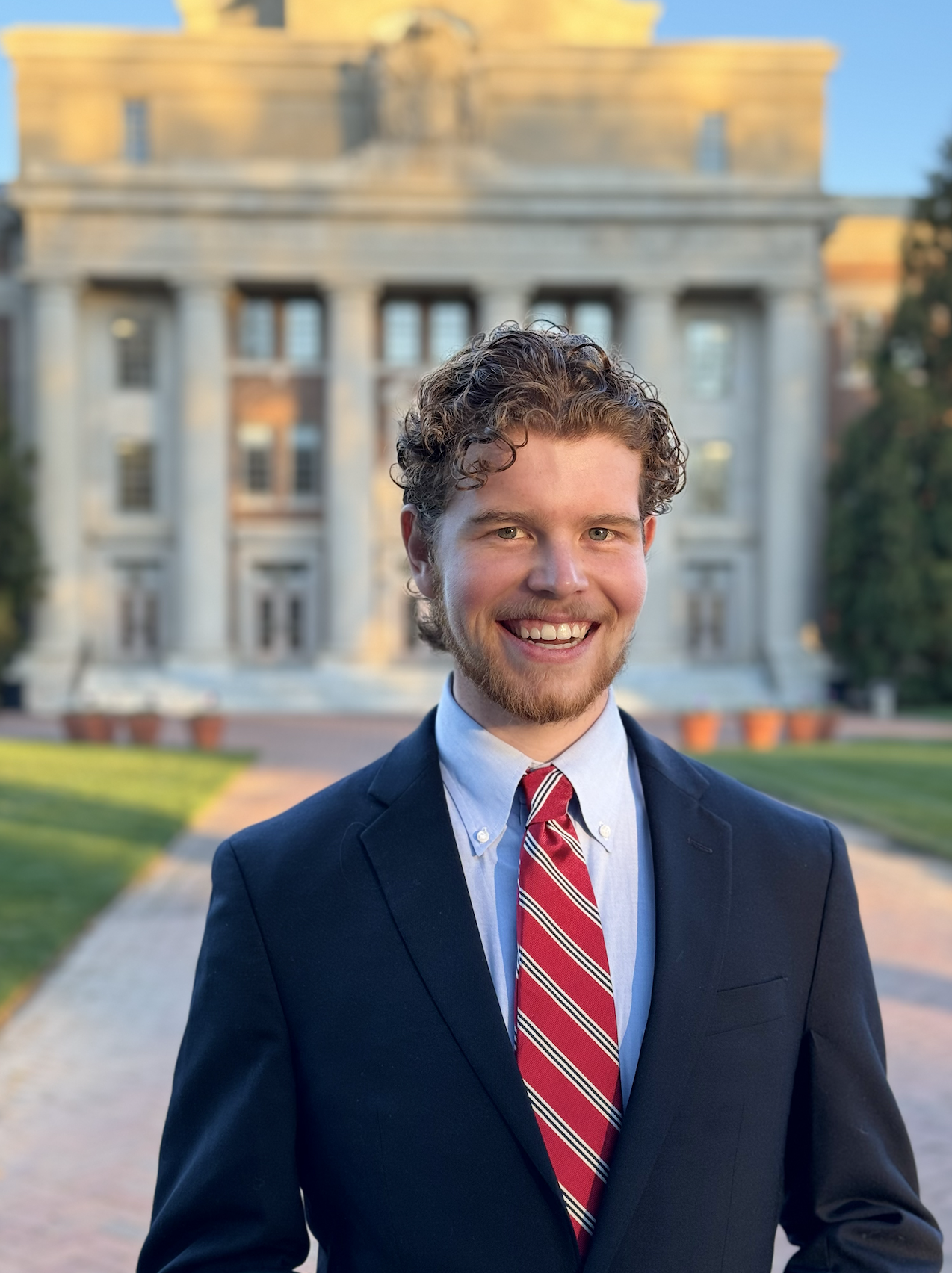

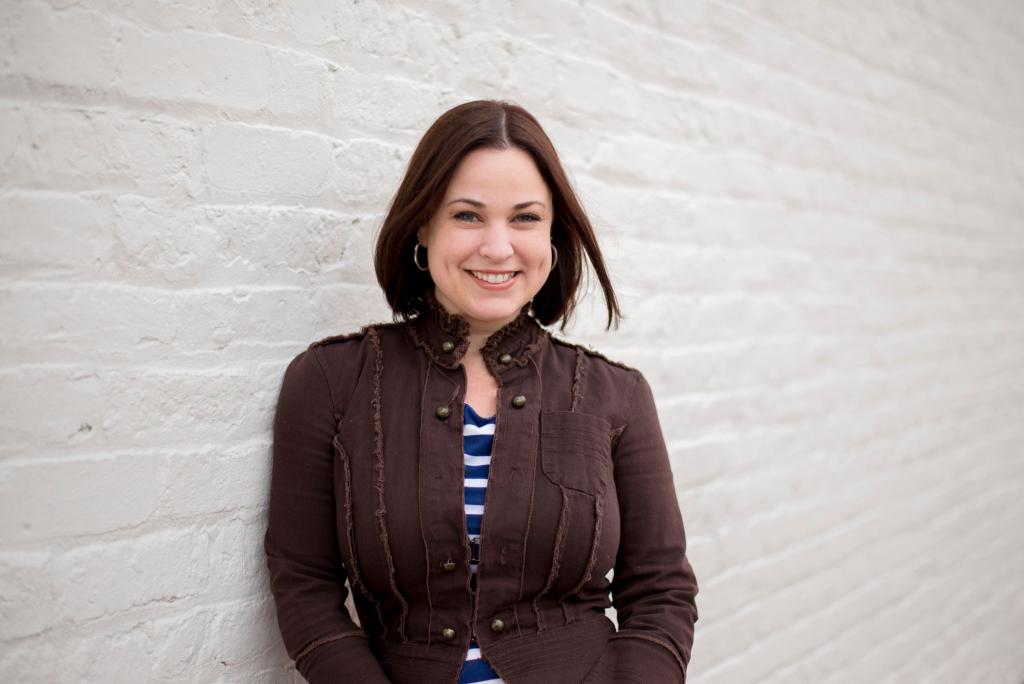
Patrick Radden Keefe, a staff writer at the New Yorker and the author of “Say Nothing” and “Empire of Pain,” sits down with Lawfare Associate Editor Peter Beck to discuss his most recent book, “London Falling.” The two talk about Radden Keefe’s investigation of a London teenager’s fatal plunge into the Thames, the United Kingdom’s acquiescence to foreign influence, and his process in writing about the book.
To receive ad-free podcasts, become a Lawfare Material Supporter at www.patreon.com/lawfare. You can also support Lawfare by making a one-time donation at https://givebutter.com/
Click the button below to view a transcript of this podcast. Please note that the transcript was auto-generated and may contain errors.
Transcript
[Intro]
Patrick Radden Keefe:
Gradually over time, over months and months, as Zac kept promising that he was
gonna come through with money for these guys and ultimately didn't, it became
clear to them that something was amiss.
Peter Beck: It's the Lawfare
Podcast. I'm Peter Beck, associate editor of Lawfare, with Patrick
Radden Keefe, a staff writer at The New Yorker and the author of “Say Nothing.”
Patrick Radden Keefe:
I heard it from a friend of the family, and he, all he told me was, “I know
this family. I'm very close to them. They lost a son at 19 in mysterious
circumstances, and after he died, it turned out that he had been pretending to
be the son of a Russian oligarch.” That was kind of all I needed to hear to
know that I was in if they were.
Peter Beck: Today
we're talking about his new book, “London Falling,” the story of a teenager who
died amidst suspicious circumstances after impersonating the son of a Russian
oligarch in London.
[Main Podcast]
Well, Patrick, why don't we start off by you telling us some
about the Brettlers and their son Zac?
Patrick Radden Keefe:
Yeah. So the Brettlers are a family in London a couple named Matthew and Rachelle,
who had two sons, a boy named Joe and his younger brother, Zac.
Zac was born in the year 2000. The Brettlers are upper middle
class. They live in a nice neighborhood in West London called Maida Vale.
Matthew works in structured finance, and Rachelle is a freelance journalist.
And they have an interesting family background. Rachelle and Matthew both had
fathers who survived the Holocaust and arrived in London as teenagers, totally
alone, as refugees, and sort of built these new lives in England in the middle
of the 20th century.
And Zac grew up in a loving family that really placed a lot of
emphasis on education, and his big brother Joe went to a school called UCS,
University College School, a very elite private school in London. And Zac
didn't get into UCS and ended up going to a different school called Mill Hill,
and it was really around that point he went there when he was 13, when he
started to change.
Peter Beck: So at
some point, Zac transitions from this Mill Hill regular student living an
ordinary teenage life to becoming more and more enmeshed into the London
criminal underworld. Can you kind of talk about how that process played out for
him?
Patrick Radden Keefe:
Yeah. I mean, I think in order to understand what happened to Zac, you really
need to understand what happened to London, that this is a story about
transformation and identity and reinvention Both in the specific context in
which that happens to a lot of people in adolescence, but also in a broader
sense, the reinvention of the city of London itself.
So London in the second half of the 20th century went from
being a big manufacturing city and also a big port city, big global port city.
And in the space of about 25 years, really kind of culminating in the 1980s,
all of the docks along the Thames shut down. London ceased to be a port city in
any meaningful sense, and a lot of the factories shut down as well.
Manufacturing jobs in London declined by 80%, and the city kind
of had to reinvent itself. So you had the deregulation of banking under
Margaret Thatcher in the 1980s, and really what happened is that London kind of
reemerged as a money town a global capital for both money and banking, but then
also people who had money.
A kind of a second home, a preferred second home for plutocrats
from around the world. And with the collapse of the Soviet Union, you had the
arrival of a lot of very wealthy Russians who came in and bought real estate. A
lot of them were, I think, drawn by a golden visa program of a sort, not unlike
the one that the Trump administration is now initiating here in the United
States.
20 years ago, there was one in the U.K., and many of these
Russian plutocrats came and sent their kids to English schools. And so Zac, at
13, arrives at this school, Mill Hill, and finds that he is surrounded by the
children of oligarchs.
Peter Beck: Could you
talk a little bit about the decisions in the British government that led to the
opening of all of this wealth in London?
And so much of the book is about these Russian oligarchs and
their shady ties to the Kremlin and the U.K. government looking the other way.
Patrick Radden Keefe:
Yeah, I mean, I don't know that there was any one decision. It was more a kind
of posture that the British government took. I think that there was a sense,
and I really would trace it back to the Thatcher years, that London could
become a bit of a gateway between Europe and Asia.
You would deregulate the banks and find ways in which to
incentivize very wealthy people from other parts of the world who maybe, you
know, wanted a kind of a bit of a safe haven. A lot of the time, the people who
came... And I should say this actually—You know, London was doing this even
before the Thatcher years.
It was kind of a commodious sanctuary for people fleeing,
people who had money and were fleeing instability. And when you get the
oligarchs, part of what's fascinating about that generation of Russian men who
developed these multi-billion dollar fortunes practically overnight is that the
collapse of the Soviet Union, if you were opportunistic and smart and
quick-witted and a little ruthless, created great, you know, ways in which you
could accumulate wealth.
But once you accumulated the wealth, sticking around in Moscow
was not necessarily the best idea; certainly keeping your money in Moscow was
not the best idea. And so a lot of these people looked abroad, and I think
there was a recognition at fairly high levels of the British government that
this could be good for the U.K., could be good for London.
There's a quote in the book from Boris Johnson, who at the time
was very politically influential, but at the time just London's mayor, saying, “London
is to the billionaire as the jungles of Sumatra are to the orangutan. We are
their natural habitat.” And a sense that the city wanted to do everything it
could to make itself attractive as a destination for these kinds of people.
I think the most pronounced wave in the early aughts were
coming from the former Soviet Union, but the same could be said of certain
kinds of Gulf money, you know, money coming from Nigeria or wherever else. I
mean, you know, more recently China. And so London had this kind of interesting
thing happen where it became much more cosmopolitan in the space of just a few
decades.
If you walk around London, it's a very cosmopolitan city.
Became fancier. There was a lot more conspicuous consumption, a lot more of a
kind of prevalence of luxury consumer goods. Real estate prices went through
the roof and, you know, great restaurants, all the rest of it. A lot of the
sort of razzle-dazzle quality of London that makes it a pretty fun place to
visit was underwritten by these new arrivals, and yet at the same time, I think
beneath the surface there was probably a fair amount of pretty unseemly stuff
going on.
Peter Beck: So could
you talk a little bit about how this regular seeming British kid wound up
impersonating these oligarchs, winding up in the criminal underworld, and
really how he was able to kind of pull it off without anyone figuring it out?
Patrick Radden Keefe:
Well, Zac was a kid who from a very early age had a kind of casual relationship
with the truth, let's say.
He was somebody who even as a little boy would tell little lies
here and there. I think of him as a kid, you know, he was almost like a standup
comic in the sense that he was sort of moving through life, living his life,
but then always telling stories about his life and kind of rearranging the
truth and sometimes putting a little spin on the ball or leaving out certain
details.
Very emotionally intelligent, so he could kind of read your
face and see what you were buying. And when he got to school at 13, he started
to tell lies, I think in a way that his parents certainly didn't appreciate
until after he was dead. I don't think they realized the extent of his tendency
towards a kind of casual mendacity.
And they were interesting lies. You know, when he arrived at
school, he would tell kids that his mother was dead. And Rachelle didn't know
this. I had to tell her this when I learned it myself, but I interviewed people
who knew him then. And I don't think that he was saying that out of any
antipathy towards her.
I think it's more that he was the new kid at school, and he
realized that if you tell people you've had a terrible loss, they'll open their
hearts to you. And he quickly was kind of taken in by the glamour of some of
these oligarch classmates, the swagger. They had a kind of braggadocious, kind
of blingy way about them.
And I think that was for, you know, a young teenager, that was
a very seductive thing. And so he started claiming that his father was an arms
dealer, which he wasn't, and that the dad drove two Range Rovers, which he
didn't, and that the family lived in a mansion in St. John's Wood, which they
certainly didn't.
And eventually Zac graduates to bigger lies. There's an
interesting thing, and I should say I've been on book tour for the last three
weeks, and part of what's fun about it is meeting people who've read the book
and sometimes can see things in it that I didn't necessarily see when I was
writing. But in Nashville, a woman came up to me and said, “You know, it's
interesting, the kids in the story, they all saw through Zac's lies. They could
all kind of see right through them, whereas the adults really seemed to buy the
lies.”
And I don't exactly know why that is, but I suspect it's that,
you know, Zac was born in 2000. He was a creature of social media. He was a
social media native, if you like. And I think kids his age grew up with a sense
that the boundary separating reality and aspirational fantasy is really
slippery, that every-- lots of people are kind of, you know, posing for a
selfie or tweaking an image or putting forward an idea of their life that is
actually at odds with their real life.
But the grown-ups spot it, and at one point, Zac happened to
meet a guy who worked for Chelsea Football Club , the storied English soccer
team owned at the time by a real oligarch, Roman Abramovich. And Zac lied to
this guy and told him that actually he was not Zac Brettler, he was Zac
Ismailov, the son of a Russian oligarch living in London, that he came from a
billionaire family, that he was his father's right hand, and that he was
helping his dad to make investments.
And that was, I think, this guy, Mark Foley, who he met, was
kind of patient zero. And Mark bought what he was selling. And strangely
enough, this guy who worked for an organization owned by a real oligarch,
worked with a bunch of real Russians, believed Zac because Zac was actually
pretty persuasive and started introducing him to people.
Peter Beck: You talk
about how during that interaction, Zac goes by Zac Brettler and then from there
transitions into Zac Ismailov. So at which point do these kind of two shady
London criminal underworld figures of Akbar Shamji and Verinder Sharma come in?
Patrick Radden Keefe:
So Mark Foley actually introduces Zac to this guy, Akbar Shamji, and the reason
he makes the introduction is that Foley knew Akbar.
Akbar was this kind of glamorous, jet-setting, playboy
businessman who lived in Mayfair, a very fancy neighborhood in London, and had
gone to Cambridge University and came from a wealthy family and was very
handsome and kind of glamorous. His wife was a fashion designer, drove around
London in a red Mercedes.
And Akbar, in other words was very much the kind of person that
Zac aspired to be. Akbar was in his forties, I should say. And Akbar was
working on a he had a kind of a notion for a real estate project, a pair of
residential towers in Lisbon, and he was looking for investors. So this guy,
Mark Foley, said, “Oh, you should meet this kid, Zac.”
You know, he thought initially Brettler, there was some
ambiguity about when the name Ismailov rolls out, but he said, “You should meet
this kid, Zac. He comes from a wealthy family and they're looking to make
investments, so maybe he could invest in your project.” And so Zac and Akbar
start to spend a lot of time together.
They make fast friends. There's this notion that Zac is going
to help underwrite this project, though the money never comes through. And at a
certain point, Akbar in turn introduces Zac to a friend of Akbar's, this guy Verinder
Sharma, who, you know, when we first meet him, Verinder Sharma seems like a
retired businessman, a guy in his 50s.
He lives in a very luxurious apartment in this new residential
complex overlooking the Thames next to Vauxhall Bridge, a building called
Riverwalk. And Verinder Sharma seems basically just to kinda go to the gym and
hang around. And he and Zac start spending a great deal of time together. So
you get these three guys who all become friends.
It's a slightly unlikely trio in the sense that Zac at the time
is 18, and these older guys are, you know, Akbar's in his 40s and Verinder’s in
his 50s. But I think they saw something in him. They thought that he was gonna
come through with a lot of money for them, and they were excited by the
opportunity to hang around with this young scion of wealth.
Peter Beck: Could you
talk some about when Zac's lies start to unravel with the two of them and how
they kind of react?
Patrick Radden Keefe:
Yeah. The, you know, I mean, the first thing I should say, just to put it in
context, is that Zac's parents knew nothing of any of this. You know, they knew
that he was friends with these older guys.
They knew that he was beginning to think that maybe college
wasn't for him that he would just kinda go out and be an entrepreneur. And they
didn't love any of this, you know? They were—It was hard for them to see their
kid transforming into someone who had very different values than they did. But
I think they also were reckoning with a dilemma that will be familiar to a lot
of parents of an adolescent, which is that they become their own people, and
they start to reject you in some ways.
And you don't know to what extent these are temporary changes
and they're gonna come back. There's a friend of mine who said to me of my own
children who are both adolescents. He said at one point, “Oh, you know, they're—it's
like an orbit, and there, there's a period of time when they're on the far side
of the moon, but they come back around.”
But then, of course, there are kids who don't, right? There are
kids who, who change, and that's who they are. And so I think the Brettlers
were wrestling with that. But they had no inkling that Zac was pretending to be
the son of an oligarch. They had no idea. So Zac's carrying on with these two
guys. He's kind of moving through the world with them.
And part of what's interesting about this story is that Zac's
not the only one who's an imposter. That in fact, Akbar Shamji, this supposed
playboy billionaire, had recently declared bankruptcy and was a bit of a
charlatan who had a string of failed businesses and angry creditors behind him,
but was just giving off the presentation of this guy who had it all.
And Verinder Sharma wasn't actually a retired businessman. He
was a gangster, sort of a semi-retired gangster, a leg breaker better known in
the London underworld by the nickname “Indian Dave.” And gradually over time,
over months and months, as Zac kept promising that he was gonna come through
with money for these guys and ultimately didn't, it became clear to them that
something was amiss.
And it was in the fall of 2019, really in the days leading up
to Zac's death, that these two older men began to come to understand that he
wasn't actually the son of a Russian oligarch at all, and he might not have any
money to give them.
Peter Beck: So
Patrick, one thing that I'm curious about, and as well as all of the other
journalists I've spoken with who have read your writing, one of the phenomenal
parts about your reporting is how incredible your sources are and how many
people you can get on the record.
I'm curious when it comes to especially “Indian Dave,” how you
were able to get people around him on the record to share their stories about
both their experiences in the London Underground and then also Indian Dave
himself.
Patrick Radden Keefe:
Well, it's—listen, it's hard. I mean, every project is different, and it's very
often the case that I'm not able to speak with people sometimes who feature
really prominently in my work.
You know, I wrote a whole book about the Sackler family, and I
didn't speak to any of the Sacklers. In the case of Indian Dave, I wasn't able
to talk to him for reasons that will become clear if you read the book. And his
daughter, who I exchanged some text messages with, but his daughter didn't
wanna talk to me either.
Indian Dave had two brothers who were civilians. They went into
the textile business, which is what their father had done, and, you know, lived
kind of quiet, modest, law-abiding lives, and the brothers didn't wanna talk to
me. I tracked down two nephews in Australia and managed to get in touch
directly with both of them.
They didn't wanna talk to me. I think there was a sense in the
larger family that, you know, the gangster brother was maybe a bit of a source
of shame. But I did track down people who knew him and who had worked with him
very intimately in the underworld. And some of those people are on the record
in the book, others are not, but were really critical sources.
They're people who talked to me on the condition that I not use
their names. There's a guy named Andy Baker who is kind of quite notorious
English gangster, a guy who had never spoken to the press before. I knew that
his history intertwined very closely with Indian Dave's. He was somebody I was
really eager to talk to.
I didn't know if it seemed likely. He had been in prison, and
then it just so happened that he was recently released from prison, and I
managed to get a message to him through a couple of intermediaries, and he
agreed to see me. To this day, I don't really know why. I have a theory, which
is that, you know, I've been doing this a long time now.
I've been doing this 20 years, and people can kind of look up
my track record, and Andy knew that I had written about Chapo Guzmán, the head
of the Sinaloa drug cartel, and I think there was maybe a little bit of a sense
for Andy that, you know, finally a journalist worthy of his great stature had
come along.
And so I went to meet him. He was in Swansea in Wales. He had
been released from prison. It's kind of a strange thing. He's English, is from
Bristol, and he'd been released from prison early on the condition that he not
leave Wales, which, you know, you sort of feel a bit bad for the Welsh in that
situation.
So I went to meet him in Swansea, and he turned out to be a
really remarkable source. And I spent, you know, a big chunk of a day with him
that time, and then I actually, on my next trip, I went to see him again. He
subsequently was sent back to prison and is in prison now, but we have stayed
in touch.
He calls me from prison, and so he's been a great source. There
were other people. I mean, the, you know, there was a guy who also knew Indian
Dave, who in the book I call Uncle Alex. Incredible guy who, you know, knew Zac,
knew Akbar, knew Indian Dave. This is a guy who's, you know, done time for
murder actually in Russia, and another really good source.
I mean, I think it's—You have to, you know, I try and kind of
be as transparent as possible with these people and get to know them and kind
of meet, meet them where they are. And in the case of the people who said, “Listen,
you can't use my name,” I said, “Okay we'll find a, we'll find a way to make
that work.”
And so they're kind of placing some trust in me. But Uncle Alex
is an amazing source and is actually gonna, and I won't tell you which one, but
the—I'm going to London next week, next weekend, doing a number of events, and
at one of them he will be in attendance. Yeah, I, I mean, listen I think the,
what I love about this job is you have to kind of cross through these very
different worlds and find ways to talk to people.
And at the, this, the week that I published the book, I also
published a piece in The New Yorker about New Orleans and a big crazy fraud
scheme in New Orleans involving people deliberately getting into car accidents
with tractor trailers. And that was a completely different world, you know,
different types of people who I had to kind of find a way to connect with.
And that to me even now is probably it's very challenging, but
it's sort of the most thrilling part of the job.
Peter Beck: I'm
curious how your conversations with the Brettlers looked like initially and how
you kind of broached the subject. I know that you mentioned how there was,
especially Rachelle, had this approach towards media attention on her son's
story of not wanting to get the tabloids involved and how you approach those
conversations and how much of the human connection that you had with them kind
of drove your inspiration to write about them.
Patrick Radden Keefe:
Yeah, I mean, I knew from the first time I heard their story. I heard it from a
friend of the family, and he, all he told me was, “I know this family. I'm very
close to them. They lost a son at 19 in mysterious circumstances, and after he
died, it turned out that he had been pretending to be the son of a Russian
oligarch.”
That was kinda all I needed to hear to know that I was in. If
they were, and there was a big, that was a big “if.” They hadn't spoken, as you
said. At the point where I heard that story in the summer of 2023, you know, Zac
had died in 2019 in the fall, and if you Googled at that point, there was no
indication online that Zac was even dead, much less about the circumstances of
his life or death.
It was a slow process. I initially spoke with them off the
record. And I think that for me, the, I guess the two points that I would make
are first that I t- I try to be extremely transparent with everybody from the
get. And it's a thing that I stress more with every passing year. And so in the
case of the Brettlers, that meant me saying to them, “I really wanna tell this
story. I think it would be amazing, but you need to know that if we all hold
hands and you decide that you're in, there's no take backs. You're not gonna be
able to—I'm not, it won't be a situation where I work for four or five months
on an article for The New Yorker, and then you get cold feet, and the article
doesn't happen.
I'm gonna keep plowing ahead, and you need to know that now.
And also, you won't have any editorial control over this. And so like if you
know, if you set me free in your life and I go and I ask questions—There's all
kinds of things I could find out, and when the time comes, I won't be writing
for you.
So I will open my heart to you. I have great compassion for
you. I wanna understand what you're thinking and feeling and how you see the
world, but I'm not NPR. I'm a journalist, you know, and I'm also not a
therapist. I sort of have to come back and tell the story, and when I do, my
only North Star is gonna be the truth, even if that's uncomfortable for you.”
And so what that meant in practice is that there were a bunch
of things I found out that I think for the Brettlers, in a perfect world, those
things wouldn't have gone in the book. But it was very important for me that
they go in the book. And so behind the scenes, we were, you know, wrestling
over this stuff for a couple of years.
And if you read the book you'll know the kind of thing I mean.
But there are, you know, really unpleasant moments with Zac and his parents,
and there are family secrets that come out. And it was important for me, as it
always is but maybe particularly so in this project, to kind of hold these two
ideas in my mind, that I, on the one hand, feel great empathy for these people,
and on the other hand, that I need to preserve my own journalistic independence
in telling the story that I'm telling.
And then the really hard thing was, how are they gonna feel
about the book when it's done? You know? It's weird to be written about.
There's just no two ways around that. And I really—I was very certain when I
finished the book that I'd written exactly the book I wanted to write. I wasn't
certain at all of how they would respond to it.
And when we launched it in New York three weeks ago, they came
actually for the launch, as did Joe, Zac's brother. And again, if they had
editorial control, the book would look much different than it does. So it's not
that I made concessions to them to keep them happy. Quite, quite the contrary.
But I think they are sophisticated enough that they could see that in this
story, which is actually all about all these lies from all these different
people, it was important that my version of this book be really kind of
resoundingly and comprehensively truthful.
Peter Beck: So I
don't think we've actually talked about the circumstances around Zac's death
yet. Can you talk about the events during that night?
Patrick Radden Keefe:
Yeah, I—You know, this book actually starts at MI6 headquarters, which is
alongside Vauxhall Bridge on the south bank of the Thames, and there is a CCTV
camera on the outside of MI6 headquarters, the spy agency, which picked up some
footage of this luxury apartment building called Riverwalk across the way,
across the river on the north side of the Thames.
And it was, you know, in the wee hours of the night, a dark
figure steps out onto a balcony and walks to one side of the balcony and walks
to the other and then walks, crosses back to the center and jumps into the
Thames. And that was Zac. And his parents initially didn't know that he was
dead. You know, London is a vast city, and so there was a strange situation in
which a body was found the next morning out in front of the building which had
fallen into the river.
And meanwhile, Zac's parents had called the cops because he'd
gone missing, but you had a kind of left-hand, right-hand problem with the
authorities in two different parts of the city not realizing that they were
actually working the same case. And Zac's parents eventually got in touch with
these friends of his, Akbar and Verinder, and learned that those two men had
been in the apartment with Zac on the night of his death.
And there's a long conversation which they actually recorded.
So when I reconstruct this in the book, it's from the recording that they took,
talking with those two men before they knew that Zac was dead. And in a way
that they didn't appreciate until quite a bit later, Akbar and Verinder spent
much of that conversation telling them lies about what had happened that night.
And so really the book is about this process in which these two
grieving parents, Matthew and Rachelle, have to kind of become detectives and
figure out what happened to their son. How did he die? Were these men
responsible? And then the kind of deeper, more unsettling question, which is,
who was their son really in life?
Peter Beck: How much
danger do you think Zac was in? Do you think that he was in an amount of danger
willing enough to take the risk of jumping into the Thames?
Patrick Radden Keefe:
Yeah, I think that when you understand the criminal career of Indian Dave and
you understand how taken in Indian Dave had been by this kid who pretended that
he was a wealthy son of an oligarch, you realize the incredible magnitude of
the danger that Zac was in.
And you, you kind of can only, I think, fully appreciate that
danger if you go into all the different things that Indian Dave had done over
the prior two decades during his criminal career. But this was just an
exceptionally dangerous person for Zac to be stuck in an apartment with.
Peter Beck: I'm
curious if you thought some about kind of the difference between white-collar
and blue-collar crime in London while writing the book, and that the atmosphere
around the oligarchs and the atmosphere around being willing to look the other
way also with financial crimes in Akbar Shamji's life and his father's career,
and if you thought that sort of enabled the broader criminality.
Patrick Radden Keefe:
Yeah, I you know, pretty much my whole career I've been fascinated by the way
in which the licit and the illicit mingle, the extent to which they do. I think
that there's a comforting story that a lot of us like to tell ourselves, which
is that you know, you have a kind of a bright line, and on one side is the
criminal world, and on the other side is the kind of licit civilian world where
we all live.
And I have found again and again across many different stories
that these two worlds are actually much more kind of in conversation with each
other, and people are constantly crossing back and forth that, in a way that we
might not care really to consider. Part of the reason I wrote my book about the
Sacklers is that I had been covering Mexican drug cartels and realized that
there was more heroin coming into the U.S. than there had been previously from
Mexico, and I wondered why.
And the truth was big pharma. You know, the answer was that
businesses like Purdue Pharma had gotten a generation of Americans hooked on
opioids, and those people then graduated to heroin, which the Mexican drug
cartels were happy to supply. And “London Falling” is another of these stories
where again and again, you see the kind of tendrils of the underworld
manifesting in the overworld, if you like, of kind of posh political
establishment, the police, you know, Mayfair, the nightclubs, the private
schools, all of it.
This world where the Brettlers had lived, I think they would
now say kind of naively, not realizing that there was a whole criminal
subculture on their doorstep.
Peter Beck: Patrick,
thank you so much for coming.
Patrick Radden Keefe:
Thank you. It's a pleasure chatting with you.
[Outro]
Peter Beck: The Lawfare
Podcast is produced by the Lawfare Institute. If you want to support
the show and listen ad-free, you can become a Lawfare material supporter
at lawfaremedia.org/support.
Supporters also get access to special events and other bonus
content we don't share anywhere else. If you enjoy the podcast, please rate and
review us wherever you listen. It really does help. And be sure to check out
our other shows, including Rational Security, Allies, The
Aftermath, and Escalation, our latest Lawfare Presents
podcast series about the war in Ukraine. You can also find all of our written
work at lawfaremedia.org.
The podcast is edited by Jen Patja with audio engineering by
Cara Shillenn of Goat Rodeo. Our theme music is from ALIBI Music.
And as always, thanks for listening.