
Lawfare Daily: Purges and Power Plays in Domestic Ukrainian Politics

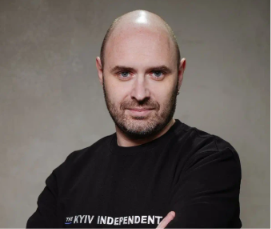
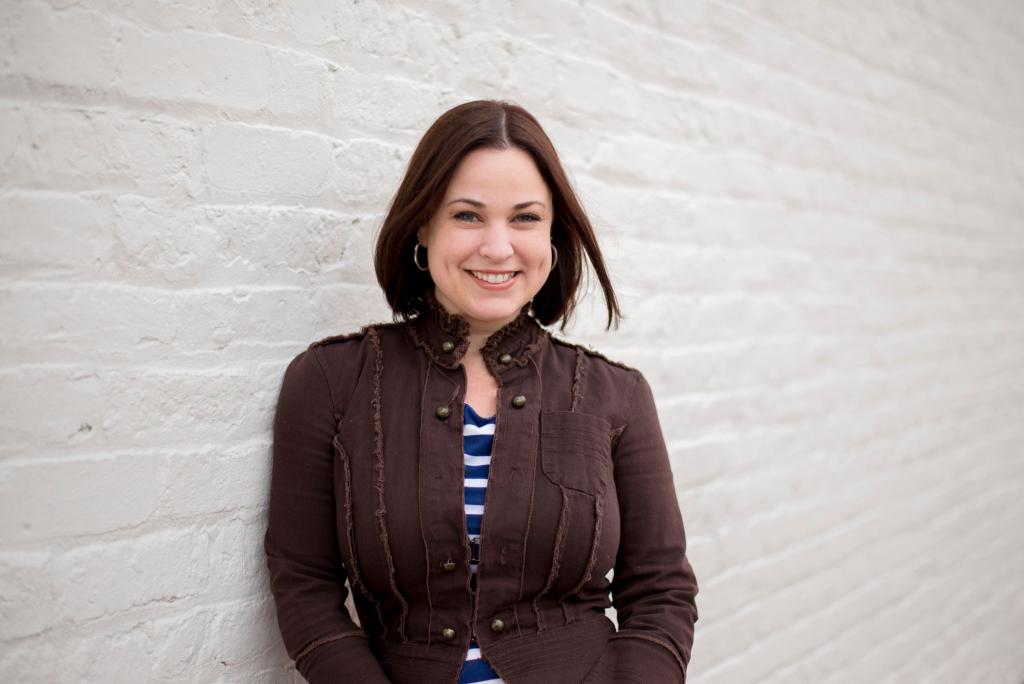
Weeks after Ukraine's President Volodymyr Zelensky fired Defense Minister Mykhailo Fedorov, the fallout is still reshaping Kyiv's political landscape. Lawfare Ukraine Fellow Anastasiia Lapatina is joined by Danylo Mokryk, a war crimes investigator at the Kyiv Independent and the author of a YouTube blog about domestic Ukrainian Politics, to unpack what's happened since Federov's departure.
They discuss the dismissal of General Syrskyi, Fedorov's rejection of a hollow "vice prime minister" role, and his rise in the polls despite having no formal political ambitions. They also dig into why Zelensky refuses to explain his personnel decisions to the public, why the shrinking street protests may actually be a bad sign for the president, the reshuffling of appointments across Ukraine's security services, and what all of this says about the erosion of institutional trust during wartime.
To receive ad-free podcasts, become a Lawfare Material Supporter at www.patreon.com/lawfare. You can also support Lawfare by making a one-time donation at https://givebutter.com/
Click the button below to view a transcript of this podcast. Please note that the transcript was auto-generated and may contain errors.
Transcript
[Intro]
Danylo Mokryk: The decision to fire Fedorov was his. Making him reverse this decision, in his mind, would make him look weak, and he doesn't want that.
Anastasiia Lapatina: It's the Lawfare Podcast. I'm Anastasia Lapatina, Ukraine fellow at Lawfare, with Danylo Mokryk, a reporter with the War Crimes Investigations unit at the Kyiv Independent.
Danylo Mokryk: Those people who first they came to the protest and then they stopped coming, they did not lose faith in Fedorov. They do not, they did not lose faith in protests. They did not change their convictions. The only thing they lost hope in was in President Zelensky's ability and willingness to hear them.
Anastasiia Lapatina: Danylo and I sat down to discuss the reasons behind the recent government reshuffle in Ukraine and what the continuous protests mean for Zelensky's political future.
[Main Podcast]
So, several weeks ago, we ran an episode discussing Ukraine's president, Volodymyr Zelensky's decision to fire Mykhailo Fedorov then Ukraine's minister of defense. And in that episode, I spoke with your current colleague, my former colleague, Francis Farrell, and we focused mainly on the conflict between Fedorov and then Chief of Ukraine's Armed Forces, General Syrskyi. And President Zelensky said that Fedorov and Syrskyi basically were at each other's throats all the time. They couldn't communicate, and it was hindering the war effort. He had to choose a side.
Danylo Mokryk: Yeah, that's the official version by Zelensky, yeah.
Anastasiia Lapatina: That was one, but yeah, that was one of the earliest things he said. But as time went on, the public conversation kind of shifted towards the issue of corruption. Many prominent commentators, activists, journalists said that they believe that the main reason for Fedorov's firing was actually his attempt to reform the defense procurement process at the Ministry of Defense.
Danylo Mokryk: Right.
Anastasiia Lapatina: And-
Danylo Mokryk: And that is something that he himself says,
Anastasiia Lapatina: by the way. Right. Exactly, yes. So most importantly, Fedorov himself gave his first, and I'm pretty sure only to this day, interview after this whole saga with the protests began to Ukrainska Pravda, and he himself said that, yeah, there was a lot of pushback to his reforms at the ministry, especially when it came to the, to public procurement.
So I wanted to begin our conversation with, you know, what do you make of this discourse around what are the real reasons for Fedorov's firing? Why is, why is there no clarity on this issue?
Danylo Mokryk: Well, there's no clarity on this, on this issue because President Zelensky is, is not willing to talk to the Ukrainian public openly and honestly. And, well, no one actually believes that the main reason for, for Fedorov's sacking was his conflict with Syrskyi because, well, Syrskyi is fired now, and people still demand the return of, of Mykhailo Fedorov. So if the conflict with Sy- Syrskyi was the only reason for firing him from, from the defense ministry, so now this reason is, is, is gone. So what's the problem?
It's, you know, it's, it's, it's basically the same story over again that we, we had last year when President Zelensky decided to attack the anti-corruption infrastructure explaining that he needed to get rid of Russian influences there. It was, it was the official narrative, and no one believed that because it was, you know, well, it w- it, it, it was obviously untrue. And this is something Zelensky repeats over and over again. He gives you an official explanation that just doesn't sound plausible. It just doesn't, you know-
Anastasiia Lapatina: Actually convince anyone.
Danylo Mokryk: Yeah. It convinces no one. So-
Anastasiia Lapatina: I think it's also important to mention how, how he even gave this official reason to begin with. He didn't really give it willingly. He didn't, like-
Danylo Mokryk: Yeah.
Anastasiia Lapatina: Make a statement or, or give a press briefing about the issue. He was asked by a journalist.
Danylo Mokryk: During a briefing, right.
Anastasiia Lapatina: A briefing with Keir Starmer in Kyiv,
Danylo Mokryk: Right, right.
Anastasiia Lapatina: And he kind of had to answer. But there was no like, "Okay, I'm getting rid of this guy because here is what he did wrong," or, "Here is what we need instead." That never happened, right?
Danylo Mokryk: But that's another problem that we have with Zelensky. I mean, he is, he is un- unwilling to talk to the public in, in general. He's unwilling to, to answer serious questions that there are about him, not only about his decisions, you know, about the this position or that position, about firing someone or hiring someone, but also about, you know, all the corruption cases that we have and that may include him. You remember the, the Dynasty-
Anastasiia Lapatina: Right, the Dynasty Cooperative-
Danylo Mokryk: buildings.
Anastasiia Lapatina: Situation. Yeah, yeah.
Danylo Mokryk: The last time that we had an op- a big open press conference by Volodymyr Zelensky is in February of last year. It's more than, i- it's about a year and a half. So why is that? The president did not try to talk to all those people who gathered to protest against firing Mykhailo Fedorov. He did not invite any representatives of, of those people to talk to them. He barely acknowledged their existence in his addresses or, or, or briefings. He did not, let's say, sit for an interview with a Ukrainian journalist to explain the situation, to explain his reasoning.
He did find time for Laura Loomer. He did find time for Sky News during those protests, but he did not find any time for a Ukrainian journalist to, you know, talk about the situation. And the last time there was a big, the biggest, the biggest protest that was in Kyiv, it was, if I'm not mistaken, it was July 31st. There was a big march-
Anastasiia Lapatina: Through Khreshchatyk, yeah.
Danylo Mokryk: With like, like 50,000 people, I guess, maybe more, and he, he didn't even acknowledge the existence of this march in his following address. Not on the same day. There was no address on the same day and the next day. He did not even react, and that is, that is a president who in 2019 came to power by constantly talking about you need to talk to people, you need to hear the will-
Anastasiia Lapatina: Right
Danylo Mokryk: Of the people, e- et cetera, et cetera. You know? So what happened to who are you and what did you do to, to Volodymyr Zelensky?
Anastasiia Lapatina: Those are all good questions. He, he wasn't talking to the Ukrainian media, but as I've mentioned already Fedorov, the former min- minister, did sit down for an interview with Ukrainska Pravda, and he was very-
Danylo Mokryk: He did.
Anastasiia Lapatina: He was very, I don't know what the right adjective is, very respectful. He continues to be extremely-
Danylo Mokryk: Right.
Anastasiia Lapatina: Respectful of his relationship with the president-
Danylo Mokryk: Right.
Anastasiia Lapatina: Because they go way back and-
Danylo Mokryk: Very prudent, I'd say.
Anastasiia Lapatina: Yes. Yeah. Yes. He's, he's, he's very shy to not name any names and not accuse Zelensky personally of, of anything at all. But he did say that he tried to push a lot of reforms in the ministry, including reforming the procurement process and making it more transparent, making it more data-driven, you know, deciding what the gigantic, you know, billions of dollars budget at the Defense Ministry gets spent on by what actually kills most Russians on the front line and what, and not what, you know, some guy with political influence thinks should be assigned contract.
And he said that that pissed off, that process, those reforms to make the process more transparent, pissed off so many people that they just started knocking on the president's door and, you know, kind of surrounded the president with this aura of negativity and kind of telling that, you know, Fedorov needs to go.
Another, another notable, I guess, commentary in this was by Taras Chmut, who is the director of a very widely respected foundation, Come Back Alive. He also said that while the, the, the fact that Syrskyi and Fedorov didn't get along was w- it was obviously true that there was a, a conflict and surely that contributed to the overall problem, but, but Chmut said that he believed the main reason was, you know, who's gonna be in, in, in control of the Ministry of Defense budget money.
Danylo Mokryk: Right.
Anastasiia Lapatina: Zelensky ended up, as you've already mentioned, getting rid of Syrskyi. That's, I guess, the, the biggest main update since we ran the last episode on this subject. And I want to talk to you about why do you think Zelensky did that, because I found it a little, I, I, I find that, I find that interesting. Why did he dismiss Syrskyi, who's been a very loyal, you know, servant at his side for a very long time? Why did he dismiss Syrskyi but did not reinstate Fedorov? Because as you know, there is this point of view that, you know, he doesn't want to reinstate Fedorov because he doesn't want to seem like a weak leader. He-
Danylo Mokryk: Right.
Anastasiia Lapatina: He, he doesn't want to seem like he's just, like, folding to the streets. But then he does get rid of Syrskyi.
Danylo Mokryk: Yes. But it was, it was a way to give something to the street, okay? To acknowledge, "Well, I hear you, and this is something that I do by hearing you." Okay? So this is something that he was willing to do because that did not entail him going back on his own decision. Now, the decision to fire Fedorov was his. Making him reverse this decision, in his mind, would make him look weak, and he doesn't want that.
And the other reason is we didn't, we did not really talk about the third possible explanation for, for Fedorov's sacking. The fact that he was becoming more and more popular. Zelensky started seeing him as a potential, as basically his potential rival somewhere in future, in, in, in, in future elections. And he did not want that, and he decided to get rid of him for that. Well, if that was the plan, it backfired, like, spectacularly-
Anastasiia Lapatina: Right.
Danylo Mokryk: Because Fedorov rose up in all of the surveys that we-
Anastasiia Lapatina: Dramatically.
Danylo Mokryk: We've gotten since, since, since then. And you can see that his presidential rating right now is around 13%, and that's a lot. Knowing that before that it was, like, if Fedorov even appeared in those in those previous surveys, it was around, around like four or five. Right now it's, it's 13, and which is, which is more, even more important, his trust ratings-
Anastasiia Lapatina: Right. Right.
Danylo Mokryk: are much, much higher than Zelensky's. And the last survey that we had about possible, hypothetical presidential ele- elections showed us that Zelensky basically loses in a, in a second tour of presidential elections, both to Zaluzhnyi, to Fedorov to Budanov. So, if we are talking about this purely politically, he made a big, big mistake, and his prospects, his political prospects, are rather grim, I'd say, Zelensky's.
The problem is that we do not really have a normal political life right now in Ukraine, and we don't know when, when the elections can happen. So this is, this is purely hyp- hypothetical. This is to understand the dynamics but this is not about, you know, projecting real elections. We just see how the public reacts, and we see that, well, Zelensky did, did sh- shoot himself in both knees with that.
If this was really his reasoning to get rid of, of a political, of a potential political rival, there's no way that he could just take him back. It seems like Fedorov wants to avoid appearing as a political rival. He does not even want to go to the protesters and talk to them.
Anastasiia Lapatina: Right. He has not once appeared actually on the streets.
Danylo Mokryk: Right.
Anastasiia Lapatina: I mean, I don't know if you've, you've gone to the, to the protests, but, you know, a lot of my-
Danylo Mokryk: I have.
Anastasiia Lapatina: Right. A lot of, a lot of the journalists in Kyiv have, and I have as well, and I, I, I ca- I, I thought almost every time that, like, if Fedorov really wanted to play the political game, which would, I think, also backfire, but that's a separate conversation, it would like, you know, in the middle of people chanting his name, he could make a really dramatic appearance, right?
Danylo Mokryk: He could.
Anastasiia Lapatina: But he never did it. He never did it. And I actually wanted to ask you about that. I mean, he said many times that he has no political ambitions, right? And he, he, he, he said many dramatic quotes that have since gone viral, only kind of contributing to his political ratings even more, you know, saying that, "It's not about me, it's about the country." Like, "I don't actually care about the..." You know what I mean? Like, he was just, like, kind of renouncing all of these political ambitions. Do you believe that? Do you think he's being genuine, or do you think this is a part of a long game that he's playing?
Danylo Mokryk: I believe, I believe, I believe that he is not feeling ready for that, at least, you know?
Anastasiia Lapatina: At the moment, at least.
Danylo Mokryk: At the moment. It seems to me from, from, from, from his interviews, and that was not only the interview with Ukrainska Pravda, he later then appeared-
Anastasiia Lapatina: Right. My mistake.
Danylo Mokryk: at Serhiy Sternenko’s podcast too. And, well, rhetorically, he still kinda hopes to return to the Ministry of Defense, and it, it seems to me that it, it's a conflicted situation because a lot of a, a lot of the things he says, he says them in a way that makes you feel that he has already understood that the Ministry of Defense is gone for him. But there's a part of him that clings to it.
And it seems like, you know, this possibility to return there and to continue his work there really is more important to him right now than his let's say, political career somewhere in the future. And maybe this is him being pragmatic, 'cause once again, we do not know when there will be any presidential elections in Ukraine.
Anastasiia Lapatina: Right.
Danylo Mokryk: So maybe the, the, the be- the best thing, the most pragmatic thing he can do is to try to to return to the government. But I don't think it's gonna happen. That's the, the problem with it.
Anastasiia Lapatina: Two follow-up points on that. I mean, you, you said that we're talking about hypotheticals, right? Because nobody knows when the elections are gonna happen.
Danylo Mokryk: Right.
Anastasiia Lapatina: And while it is true that it's kind of a far-fetched scenario, at the same time, the government is actively planning all of these scenarios, right? Like, they're constantly pulling a variety of strings.
Danylo Mokryk: Yeah, but it's been going for, for three years now. Like, they are constantly planning for three years now.
Anastasiia Lapatina: Yeah, but it, it just, my point is that, you know, the, because some people are like, "Oh, why are the journalists talking about elections? Why are you, why are you talking about this?" We are talking about it because Zelensky himself is talking about it to his immediate circle.
Danylo Mokryk: Right.
Anastasiia Lapatina: Right? I mean-
Danylo Mokryk: Right.
Anastasiia Lapatina: Just recently there was this crazy reporting from Ukrainska Pravda and other outlets about this secret/not so secret meeting, you know, that Zelensky had with a bunch of people in the government including Zaluzhnyi, the former top general, currently ambassador in London, sort of, you know, trying to game plan potential elections in the fall, which is, you know, a very interesting idea for many reasons. So, but yeah, I mean, I just wanted to make the point that while it is hypothetical, it is 100% being seriously considered.
Danylo Mokryk: Right.
Anastasiia Lapatina: I think you've spoken about this before on your shows as well, that it is notable that the president is making decisions not based on what's good for the country, or at least it seems that way.
Danylo Mokryk: Yeah, but based on his ratings. Yeah.
Anastasiia Lapatina: But based on his ratings and based on potential electoral timelines.
Danylo Mokryk: So this idea, this idea to hold elections in somewhere late this year-
Anastasiia Lapatina: Late fall.
Danylo Mokryk: Was, was based basically on his positive dynamic in surveys, you know? It was not based on, on thinking about what was good for the country, what's the best time to hold those elections, when does the frontline situation maybe allow it?
Anastasiia Lapatina: Stabilized, yeah.
Danylo Mokryk: No. It's, the reasoning is, when would it be best for me to have a presidential election? And that is actually, you know, kind of scary in a way if you think about it seriously.
Anastasiia Lapatina: This was exactly my point, and my, my second point was about the fact that Fedorov, in his public appearances, does, you know, kind of leave some room open for the possibility of returning to Ministry of Defense. But he's been also in this interim, what it's been, like, three weeks, three, three-ish weeks.
Danylo Mokryk: Almost, almost a month now.
Anastasiia Lapatina: Almost a month. He's been offered, reportedly, a bunch of other jobs.
Danylo Mokryk: Yeah. But not real jobs, though.
Anastasiia Lapatina: By Zelensky. Right. So-
Danylo Mokryk: Not real jobs, though.
Anastasiia Lapatina: So can you, can you talk about that? Like, one of them was the-
Danylo Mokryk: Yeah.
Anastasiia Lapatina: vice prime minister.
Danylo Mokryk: Vice, vice prime minister for military technology, something like that, but-
Anastasiia Lapatina: Some made-up title without an actual ministry, right?
Danylo Mokryk: Well, yeah. Vi- vice prime minister is a government official, but it is someone who has no ministry, no team, cannot really have, d- does not have any real input on decisions. So it's a, it's a rather a role of, you know, government coordinator government advisor.
So, the role of vice prime vice prime minister is rather to, to coordinate a specific policy between several ministries, okay? But he does not have a ministry of his own. He does not, he does not have the power to conduct policies, to enforce policies himself. So, like, it's, it's nothing, basically.
Anastasiia Lapatina: It's not comparable to what he had before, right?
Danylo Mokryk: It's, yeah. And again, it does not really, it would not really give him any significant power. So, if before that, before, before being m- the minister of defense, he did have this double title in, in, in Ukrainian government. He was vice prime minister/minister of digital technology, okay? Or digital development.
Anastasiia Lapatina: Digital transformation.
Danylo Mokryk: D- digital transformation, right. So in this, he had both the role of coordinator, as vice prime minister, and his own ministry. Vice prime minister/minister. Now he was only offered the role of vice prime minister, and that would not give him any leverage to do what he wanted. It wa- it, it was just a way, you know, for, for Zelensky to calm the streets, to calm the protests.
Anastasiia Lapatina: Right.
Danylo Mokryk: And I think that Fedorov understood that. I mean, having a position does not mean having real power.
Anastasiia Lapatina: And he rejected all of these offers, right? He, he basically said-
Danylo Mokryk He did. He did
Anastasiia Lapatina: It's either Minister of Defense or nothing.
Danylo Mokryk: Yeah. Some accused him of being too greedy or being-
Anastasiia Lapatina: I was just gonna say.
Danylo Mokryk: Too ambitious, et cetera, et cetera. But-
Anastasiia Lapatina: Demanding too much ...
Danylo Mokryk: Yeah, but, you have to understand that Vice Prime Minister does not amount to anything really.
Anastasiia Lapatina: Yeah. The protests, I mean, against all of this, are still ongoing. People come out basically every day. They've gotten a lot smaller, though. The crowds are smaller.
Danylo Mokryk: Right.
Anastasiia Lapatina: And-
Danylo Mokryk: That is, I would say that is bad for Zelensky.
Anastasiia Lapatina: I was just get, so this was my question. You said in one interview, and I thought this was very interesting, that the fact that the protests began to die down is actually a bad thing for Zelensky. Can you explain that?
Danylo Mokryk: Well, that means that those people who first they came to the protest and then they stopped coming, they did not lose faith in Fedorov. They do not, they did not lose faith in protests. They did not change their convictions. The only thing they lost hope in was in President Zelensky's ability and willingness to hear them.
So those who came and stopped coming, at first they believed, "Well, the president will hear us." They stopped coming because now they think, "Well, Volodymyr Zelensky does not want to hear us." And, if he heard them at first, ge would keep them as his supporters.
Anastasiia Lapatina: And he would even potentially increase the support
Danylo Mokryk: Right, and that is what happened last year when he went back on his, on, on his decision to attack-
Anastasiia Lapatina: Right.
Danylo Mokryk: The anti-corruption infrastructure. Yes, he did dismantle his own plan, but he also gave himself this image of a, of a president who listens, a president that listens to his people, and that gave him, actually, that gave him a boost.
Anastasiia Lapatina: Yeah, he didn't even suffer, yeah-
Danylo Mokryk: Right.
Anastasiia Lapatina: His, his ratings didn't even plunge because of that.
Danylo Mokryk: Right.
Anastasiia Lapatina: It was interesting.
Danylo Mokryk: Right. 'Cause he proved that, "I am with the people. I hear the people." Now, he, he, he, he, he does the opposite, and people that stop coming, they just don't believe that the president is still able to hear them. So, I'd say is that it is a bad sign for him. If more and more people stop believing that the president is hearing them, he's losing support. He's losing legitimacy, actually, 'cause, you know, we have, we have this very funny construction right now. When people elected Volodymyr Zelensky-
Anastasiia Lapatina: Funny is one way to put that, yes
Danylo Mokryk: Yeah.
Anastasiia Lapatina: It's very peculiar, yeah.
Danylo Mokryk: Yeah. When people elected Vol- Volodymyr Zelensky, they elected him for five years, so his legitimacy from 2019 was basically for five years. Now, we had this situation, this social understanding, that the situation is such that President Zelensky gets to continue being president, as we cannot have elections. Now, this is the-
Anastasiia Lapatina: Legally as well, right?
Danylo Mokryk: Legally. Now, this is, this is the legal construction, and to me, and you know, I've, I've talked about it with a lot of constitutional lawyers, and most of them convinced me that, yeah, this is how it works, and from the point of view, he, he is legally president. Okay? There's no, like, real discussion about that.
Anastasiia Lapatina: No doubt about it. Yeah.
Danylo Mokryk: Now, legal, okay, but when we talk, we, when we talk about legitimacy, which is not a legal phenomenon, but a political phenomenon, you need something more to feel legitimate. That was the consensus, the social consensus. Well, okay, President Zelensky remains president, but he is protecting us, okay. He is doing his job for us.
Now, when he stops projecting that, he starts losing legitimacy. And that is making him politically weak and politically vulnerable and politically much less stable. And it is bad for, well, Ukraine as a state, you know? 'Cause when in a war like this, during a war like this, president starts losing this political something of legitimacy, that is, that might be very dangerous for Ukraine.
So it may seem to, to, to our audience right now that I am being, you know, very aggressive and very critical about Zelensky and that, that, that, that I want bad things to happen to him, but it is not so. I'm actually very worried about all those processes happening right now because I see a president toying with a legitimacy that is so important for Ukraine right now. He is not toying with his personal political career. I could not care less about his own political career. But when I see the institution of president of Ukraine weakening during a time like this, as a citizen of Ukraine, I am worried. And I think that right now President Zelensky is toying with much more than his own political career. That is the problem, you know?
Anastasiia Lapatina: You mentioned a really important phrase. You said the, what was it? The “weakening” of the institution. This actually segues perfectly into my next question. So Ukraine is now de facto without a minister of defense, right? Because the day after Fedorov was fired-
Danylo Mokryk: Interim, we have interim now.
Anastasiia Lapatina: We have an interim, right. So the day after Fedorov was fired, the Ukrainian parliament did the only reasonable thing one could expect them to do, and that is to go on a month-long recess.
Danylo Mokryk: Right.
Anastasiia Lapatina: Which angered a lot of protesters.
Danylo Mokryk: The best time to do that.
Anastasiia Lapatina: The best the best time to take a month off. And so lawmakers are due to come back to work on August 18th. And what's also important is that Fedorov's firing disturbed a large chunk of, like, other institutions and Ukraine's security apparatus.
Danylo Mokryk: Right. Yeah, because this whole change of government, the only reason for changing the government, for firing the prime minister Yulia Swiatchenko at the time, the, the, actually, the, the reason behind all that was to get rid of Fedorov.
Anastasiia Lapatina: Right. Yes. That-
Danylo Mokryk: Or so it seems at least.
Anastasiia Lapatina: Sthat seems to be the consensus. That seems to be the, the, the, the consensus in the civil society. But specifically in the Ukraine security apparatus, basically the acting minister of defense right now is the former head of Ukraine State Security Service, the SBU.
Danylo Mokryk: Right.
Anastasiia Lapatina: He's a very respected general.
Danylo Mokryk: Right.
Anastasiia Lapatina: Yevhenii Khmara.
Danylo Mokryk: That is true.
Anastasiia Lapatina: He's now the acting minister of defense. I haven't heard anyone say a bad thing about him, but-
Danylo Mokryk: Me, me neither.
Anastasiia Lapatina: Right. I'll just, I'll just list first all of these various reshuffles, and then we'll discuss them. So in his job, there is also now an interim leader. The interim head of the SBU is now his first deputy, Oleksandr Poklad. And-
Danylo Mokryk: I've heard bad things about him, though.
Anastasiia Lapatina: Okay. Okay, we can discuss that. But the appointment I find most interesting is, of course, the fact that the interim head of Ukraine's Foreign Intelligence Service is now Rustem Umerov, who our listeners I'm sure have heard of because he u- he's, he's gone through a number of top jobs in the government. He used to be defense minister at some point, then he became the head of the National Security and Defense Council, which is just an advisory board with very little real power. And now he, as, as civilian with, like, a business career before entering government, is the interim head of Ukraine's foreign intelligence service.
So there are a lot of peculiarities here that I think are worth unpacking. But before we do, what do we expect to happen when the parliament is back in session? So does the parliament have to vote on all of these appointments before they actually-
Danylo Mokryk: Yeah, well-
Anastasiia Lapatina: Become real?
Danylo Mokryk: For right now, we have, we have the interim minister of defense, and the parliament is expected to vote for someone being an actual minister of defense. We also have an acting minister of the, the inter- external affairs, minister of Foreign Affairs Ministry.
Anastasiia Lapatina: Oh, yeah, yeah. Yes,
Danylo Mokryk: Foreign Affairs Ministry. So we also have, we, we, we need to have a voting on that too. We should have voting for the head of the security service of Ukraine, so that's three.
Anastasiia Lapatina: The Foreign Intelligence Service?
Danylo Mokryk: No.
Anastasiia Lapatina: Okay. So that's just an appointment?
Danylo Mokryk: The parliament's intervention is not required for, for this. So, it's-
Anastasiia Lapatina: For the Foreign Intelligence Service. Okay.
Danylo Mokryk: Right.
Anastasiia Lapatina: So Umerov is fully in the job?
Danylo Mokryk: Umerov is safe with his job. Okay, well, most of them seem to be. I mean, it's very likely that if the parliament does not find the votes for Yevhenii Khmara as minister of defense, that he would just remain acting minister of defense. That can happen. I don't think that Zelensky is gonna budge on that. The thing is that-
Anastasiia Lapatina: Khmara is not a civilian.
Danylo Mokryk: Yeah.
Anastasiia Lapatina: Khmara-
Danylo Mokryk: That's first of all, there's a big protest planned for, for August 18th. And I think that the members of Ukrainian parliament will feel this pressure And the protests will be pro-Fedorov. And well, just logically they will be against Khmara. Although people there, the, the protesters, they, they are not against Khmara as, as, as, as, as Khmara is.
Anastasiia Lapatina: A- as we've said, yeah.
Danylo Mokryk: Yeah.
Anastasiia Lapatina: No, no one is actively-
Danylo Mokryk: It's just a principle. And yeah, in Ukrainian law, the minister of defense is supposed to be a civilian, and his deputies are supposed to be civilians. And that is you know, this NATO standard of civilian control-
Anastasiia Lapatina: Right.
Danylo Mokryk: Over the defense sector. So this is, like, completely okay. This is, this is completely logical, and this is why the Ukrainian civilian public gets to have an input about who is to be minister of defense, you know? One thing about all these reshuffle, shufflings and reshufflings by President Zelensky is that he acts as if, you know, the Ukrainian government was his own private firm, his own private enterprise. It is not so. Again it is not President Zelensky who pays the minister of defense. It is the Ukrainian public who pays the salary of the minister of defense. So maybe it's okay to have, you know, to have a say in in the matter.
But all in all, you know, all this reshuffling that happened, and it's not the first time it happens on a bigger or a larger scale. Think about it like this. Like, President Zelensky has a box of, say 30 puzzles, okay? And he constantly tries to keep all those 30 puzzles, most of them, and to assemble different pictures with them, you know? By force, not by finding what works best with what, but just trying to smash it in, into, into place. We see constantly all those same people getting different posts. They're getting diff- the, the, the, the different institutions to lead. You mentioned-
Anastasiia Lapatina: Right.
Danylo Mokryk: Umerov. This is his fourth-
Anastasiia Lapatina: We need-
Danylo Mokryk: Actually, yeah.
Anastasiia Lapatina: I, I, I want us to s- to, to, to take extra time on that particular appointment. Umerov, it's been widely reported that he is a, you know, has a close personal relationship with the president. He's very much in the inner circle. He, his name also appeared on the infamous Mindich Tapes about which I've written-
Danylo Mokryk: Right, right.
Anastasiia Lapatina: For Lawfare. The tapes where a bunch of different government officials were discussing a bunch of corruption schemes. So he used to be Minister of Defense, then he became the head of the National Security and Defense Council, which as I've said, is just kind of an advisory body to the president. And now he became the head of Ukraine's Foreign Intelligence Service. And the president said that he's gonna keep his portfolio. So before this reappointment, he was part of Ukraine's negotiations team with the U.S. and with the Russians.
Danylo Mokryk: Right.
Anastasiia Lapatina: And he also dealt with drone deals with Ukraine's partners, and Zelensky said that in this new role, he's gonna keep doing that. And that cau- that caused a lot of fury, I think, in Ukraine civil society because making drone deals is not actually part of the job of the head of a, you know-
Danylo Mokryk: Right.
Anastasiia Lapatina: Foreign Intelligence Service. That's not part of the job description, and, you know, everyone is just a little confused as to why Umerov is actually in the job and why he was given this job. And most importantly, we started with, this segment with this, what this will do to the institution, what this will do to in- the institution of foreign, of the Foreign Intelligence Service, to its, to its history, to its future, and how it will erode the legitimacy of that service.
Danylo Mokryk: Yeah. Well, the problem is that the Ukrainian president doesn't feel, again the need to explain his decision to appoint this person or that person, to fire this person or that person. So, I think, you know, that if he felt this obligation politically to explain and to justify his decisions, like the one with Umerov, there would be much less of such decisions. Because right now I honestly cannot see anything that would convince me that Umerov would be at least a, a, a, an average head of the Foreign Intelligence Service. I mean, what does make him-
Anastasiia Lapatina: An appropriate choice. Yeah.
Danylo Mokryk: Right. Like, what-
Anastasiia Lapatina: Yeah.
Danylo Mokryk: Connects Umerov to the Foreign Intelligence Service? Like, nothing. He's just, it's just a random appointment, basically. It's, it's a random appointment to keep someone President Zelensky likes, to keep him in the team. That's it.
Remember when there was this government change and, and Mykhailo Fedorov was fired from, from the post of, of Minister of Defense. At first, he was supposed to be replaced by the former Minister of Internal Affairs, Igor Klymenko. So Igor Klymenko was fired from the job of Minister of Internal Affairs, Minister of Interior, to be appointed Minister of Defense.
And it did not work out. The protest started. It turned out that there was enough votes in the Ukrainian parliament for him. So, they decided to look for a place for him, and they found a place for him by firing Umerov from the job of the Secretary of the National Security Council. They gave this, his post to Igor Klymenko, 'cause, well, you know, it would be, like, unbecoming just to, to, to, to fire a person like that.
Anastasiia Lapatina: A little awkward-
Danylo Mokryk: Yeah.
Anastasiia Lapatina: To, to, to fire him and not give him a new job. Yeah.
Danylo Mokryk: He's a good guy. You do not do, do that to good guys, you know?
Anastasiia Lapatina: Do that to good guys.
Danylo Mokryk: You have to find-
Anastasiia Lapatina: Yeah.
Danylo Mokryk: A place for them. So they found the place-
Anastasiia Lapatina: Right.
Danylo Mokryk: Of the Secretary of the National Security Council, and they found something someplace else for Rustem Umerov. This is, like, if we were not talking about all of this in times of war, that would be a, a, a pure comedy. That would be absurd, and that would be funny, and that would be, and we could laugh a lot about that. But given the context, it's scary, again. I mean, it's chaotic. It's scary. It does not have a real state logic in it. And, and Umerov being on the Mindich tapes is maybe not the biggest problem at all.
Anastasiia Lapatina: Just a cherry on top.,
Danylo Mokryk: Yeah, just a cherry on top. 'Cause they do not care. Like, it's not the first time they would, they would appoint someone who is a suspect or just someone who appears in a corruption case. They give high posts to people like that all the time.
Anastasiia Lapatina: Well, funny you mention that, because another-
Danylo Mokryk: Yeah, I know. I know.
Anastasiia Lapatina: You did that on purpose.
Danylo Mokryk: I did, I did that on purpose, yes
Anastasiia Lapatina: Very smooth. I know you did that on purpose. So yeah, I mean, again, we're, we're, we're laughing, but-
Danylo Mokryk: But then again, it's not funny, yeah.
Anastasiia Lapatina: There is a famous line by a famous Ukrainian poet that roughly translates to, "I, I laughed so, so that I wouldn't cry."
Danylo Mokryk: Right.
Anastasiia Lapatina: "Щоб не плакать, я сміявся."
Danylo Mokryk: Right.
Anastasiia Lapatina: So the, it's kind of a national thing that Ukrainians do. We will laugh at these things but it's actually very serious. Yeah, I mean, another, another kind of reshuffling that I want to mention in this podcast that's perhaps not directly related to the Fedorov saga, or maybe it is, I don't know-
Danylo Mokryk: Some say it is, but I don't believe that
Anastasiia Lapatina: Is the matter of Olha Stefanishyna-
Danylo Mokryk: Right.
Anastasiia Lapatina: Who, until a few weeks ago, was the Ukrainian ambassador to the U.S. So she was in Washington. And on August 3rd, Zelensky dismissed her from her post, and once again, he gave no official explanation. It just sort of happened one day. And three days later, the National Anti-Corruption Bureau of Ukraine, known as NABU charged Stefanishyna with corruption. So they accused her of illicit enrichment and false asset declarations. You've been quite outspoken about Stefanishyna's potential corruption-
Danylo Mokryk: Yeah, 'cause it's not the first charge
Anastasiia Lapatina: Right. So back when she was a cabinet member, so, can you talk a bit about her background and the nature of all of these charges? Who, who was she before becoming ambassador?
Danylo Mokryk: She's been working in the Ministry of Justice for a long, long time, starting at least when Yanukovych was still in power.
Anastasiia Lapatina: This is this is Ukraine's, you know, the, the infamous president-
Danylo Mokryk: The fourth president.
Anastasiia Lapatina: The fourth president who was linked to Russia-
Danylo Mokryk: Yeah.
Anastasiia Lapatina: In a variety of ways and was overthrown from his post in the Revolution in Dignity in 2014.
Danylo Mokryk: Right. So-
Anastasiia Lapatina: So being, being in that government is really a stain on your reputation if you're an official
Danylo Mokryk: Yeah, but it, it is, this is more than, than just about reputation. So, so 13 years ago, when Yanukovych is still in power, Olha Stefanishyna is working in the Ministry of Justice, and there is a procurement of several analyses of, comparative analysis of Ukrainian law and the EU law. And the Ministry of Justice pays, like the Ukrainian budget, the Ukrainian public pays more than $300,000 for that, and they pay to God knows who with no experience, and all they get in return for this sum of money from $300,000 of Ukrainian taxpayers' money, they get, well, trash.
Anastasiia Lapatina: Okay. Well, I think you need to be a little more balanced than that. Like, what exactly are we talking about?
Danylo Mokryk: We are talking, we are talking about the analysis that is being of very low quality And the analysis of those analyses proved that the quality is very low. More than that, it is also known that several Ukrainian institution and Ukra- institutions and Ukrainian universities were suggesting to do this same kind of work for free.
Anastasiia Lapatina: Wow.
Danylo Mokryk: But there was a procurement, and some shady companies were chosen for that and were paid for that, and Olga Stefanishyna was one of those who were really implicated in this procurement. She signed a lot of documents. She si- she signed the acceptance-
Anastasiia Lapatina: Of the services provided.
Danylo Mokryk: And stuff of those analyses, right.
Anastasiia Lapatina: And how do we know this? Do we know this from NABU?
Danylo Mokryk: At first when it also, when the investigation started, there was no NABU even. So, it was the, the general prosecutor's office who started the investigation in 2014 after the Revolution of Dignity. So the process was very slow for political reasons, 'cause there was a lot of people who got some kind of protection in the Ukrainian government during the times of Petro Poroshenko. But then again, in 2019, she was served the notice of suspicion, okay, for this corruption case.
Anastasiia Lapatina: From who?
Danylo Mokryk: That was still from the prosecutor's office. That was still from the prosecutor's office. Later, this case got transferred to NABU and to the apecial anti-corruption prosecutor's office. But the, the notice of suspicion in 2019, that was still served by, by the general prosecutor's office.
So she got this. She is investigated for corruption, and in 2020, she is appointed vice prime minister for European integration, okay? Being investigated for corruption. The case is being investigated. The investigation is finished, and she is she is, she is getting cha- she's indicted. She's served the indictment in this case. She sta- she becomes a defendant in the High Anti-Corruption Court of Ukraine, and during that time, she gets one more appointment. She keeps the, the post of vice vice prime minister for the European Integration, plus she gets the post of the minister of justice, being the defendant in a corruption case that is connected to her previous work in the Ministry of Justice.
So that is funny how that works. The case is still, right now, being examined by the High Anti-Corruption Court. During that time, despite having all this, she was sent to, to the U.S. to serve the Ukrainian ambassador in the United States. And now that she is she is sacked from that position and she returned to Ukraine, she got a new notice of suspicion that you mentioned. So she now got two cases. One when sh- where she is, she is a defendant, the old one that I talked about, and now the, the new one when she has, she, she, she just been, she's just been served the notice of, of suspicion for illicit enrichment, let's say. So two cases here.
Anastasiia Lapatina: But the new, the new case involves her lying on her asset declarations, right?
Danylo Mokryk: Right. And apparently having and operating with more money than she is supposed to have. There's several things that point to that. Well, the NABU thinks, okay, NABU states, that she bought two apartments in Kyiv through a friend of her- hers. So she did not sign papers herself. She asked a friend of hers to buy two apartments with money, with, with money that she should not have, right?
Anastasiia Lapatina: According to her official asset declarations, that is.
Danylo Mokryk: Right.
Anastasiia Lapatina: It's undeclared money.
Danylo Mokryk: Undeclared money, and, well, not only undeclared money, but also unearned money, 'cause everything that is declared is, is what she earned officially.
Anastasiia Lapatina: She's a government official. Right.
Danylo Mokryk: So that's a, this is about unofficial money that she got from somewhere. And also other expenses that she had or paying cash for this and for that. So several people say, "Well, this is a minor case. This is not bi- big corruption. This is about 13, 14 million Ukrainian hryvnias," okay? So, we are talking about, what hundreds of thousands of, of dollars.
But I think that this kind of reasoning is, like, really, really dangerous, okay? 'Cause those who try to, to defend Olha Ste- Olha Stefanishyna with such a narrative are basically promoting tolerance to corruption. And I've heard that, in that previous case about this procurement of comparative analysis of Ukrainian law and, and EU law, "Well, it's only about three $300,000, the procurement, so what's the, what's the big deal?"
And I think that this kind of reasoning is more dangerous and, and helps actually to keep Ukraine corrupt much more than, than, than any corrupt officials. If you plant this idea in the heads of Ukrainians that, that there is big corruption when it's about millions and billions, and that there is minor corruption and if it's only about hundreds of thousands of dollars, so there's nothing to investigate and there's nothing to, to indict people for. This is, well, to me, it is outrageous. I mean, it's like it doesn't work this way. You have to promote zero tolerance for corruption to have at least a chance to fight it to a decent level. If you start saying, well, that hundreds of thousands of dollars is okay, we will never get corruption in Ukraine to a decent level, because right now it's indecent. That's just to be sure.
Anastasiia Lapatina: Do you think the, do you think that her firing was somehow connected to the NABU case? Like, was she fired to avoid, you know, a bad look, you know, a sitting Ukrainian ambassador-
Danylo Mokryk: Maybe.
Anastasiia Lapatina: In Washington is charged?
Danylo Mokryk: Maybe. Maybe, maybe, maybe it was the reasoning behind that because the rumor about her upcoming dismissal from, from this position started circulating, well, two weeks before it happened, and the rumor connected this upcoming sacking to, to a new corruption case, and both proved, proved right, proved true. I mean, the sacking happened, and the new corruption case happened, so I think they, they, they are connected.
Anastasiia Lapatina: Have we, have we heard anything credible about who the new Ukrainian ambassador to the U.S.?
Danylo Mokryk: Well, Umerov was rumored to, to be the new Ukrainian ambassador in the U.S.
Anastasiia Lapatina: And Yulia Svyrydenko, the former prime minister.
Danylo Mokryk: Yulia Svyrydenko. Well, she was actually rumored the first. She, she, it was the first rumor.
Anastasiia Lapatina: She was tapped the first. Yeah, yeah.
Danylo Mokryk: But if I'm not mistaken, she refused herself. She did, she not, she did not want to. Right now-
Anastasiia Lapatina: There hasn't been a decision yet.
Danylo Mokryk: Yeah. Right now there, there were talks about Mr. Palisa, who is Mr. Budanov's-
Anastasiia Lapatina: The military guy.
Danylo Mokryk: Deputy. Yeah, the military guy from the presidential office. The, the, the deputy head of, of Zelensky's presidential office. There was this rumor. If you remember, he was present at the last meeting between Volodymyr Zelensky and Donald Trump, and Trump, complimented Mr. Palisa saying that this is my favorite guy, something like that. So there, there was this rumor too, but nothing too concrete, and I think we'll just have to wait, 'cause then again, don't hope for it to be very logical, and don't hope for it to be transparent, and don't ho- don't hope for it to be not even explained, but explainable to the public. We will just have to observe and accept.
Anastasiia Lapatina: Danylo, thank you, and once we know who the next ambassador is, I'm sure there's gonna be a lot to discuss, and we'll bring you back. Thank you for coming.
Danylo Mokryk: We'll see. Thanks for having me on.
[Outro]
Anastasiia Lapatina: The Lawfare Podcast is produced by the Lawfare Institute. If you want to support the show and listen ad-free, you can become a Lawfare material supporter at lawfaremedia.org/support. Supporters also get access to special events and other bonus content we don't share anywhere else. If you enjoy the podcast, please rate and review us wherever you listen. It really does help.
And be sure to check out our new other shows, including Rational Security, Scaling Laws, Allies, The Aftermath, and Escalation, our latest Lawfare Presents podcast series about the war in Ukraine. You can also find all of our written work at lawfaremedia.org. The podcast is edited by Jen Patja. Our theme song is from Alba Music. As always, thanks for listening.