
Lawfare Daily: The Trials of the Trump Administration, August 14
Listen to the August 14 livestream as a podcast.
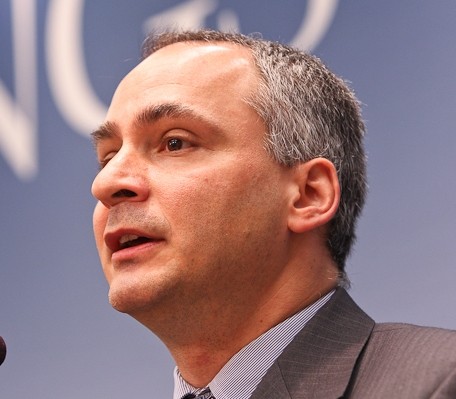

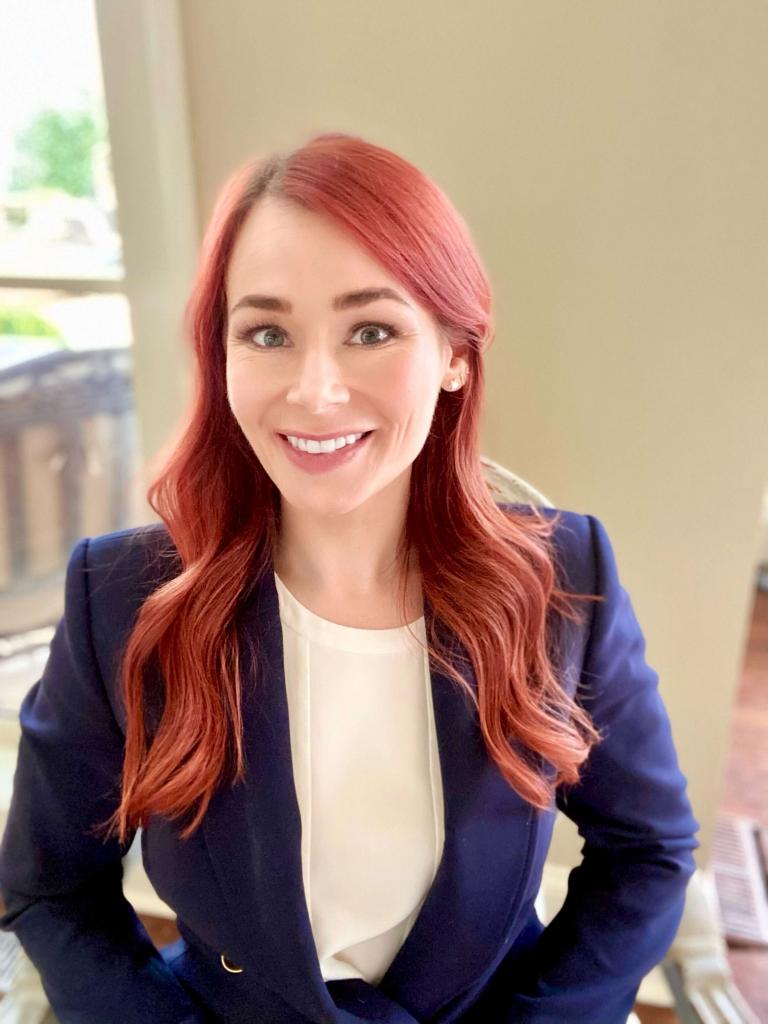

In a live conversation on YouTube, Lawfare Editor in Chief Benjamin Wittes sat down with Senior Editors Molly Roberts, Anna Bower, and Roger Parloff to discuss a fired Justice Department prosecutor challenging his firing, a nationwide preliminary injunction against President Trump’s mail-in ballot executive order, the new birthright citizenship order, and more.
You can find information on legal challenges to Trump administration actions here. And check out Lawfare’s new homepage on the litigation, new Bluesky account, and new WITOAD merch.
To receive ad-free podcasts, become a Lawfare Material Supporter at www.patreon.com/lawfare. You can also support Lawfare by making a one-time donation at https://givebutter.com/lawfare-institute.
Click the button below to view a transcript of this podcast. Please note that the transcript was auto-generated and may contain errors.
Transcript
Benjamin Wittes: It is Friday, the 14th day of August, 2026 in the Common Era. It is 4:00 PM in Washington, D.C., in Maine, and in New York. We're all on Atlantic time here. And you, and I mean you, are watching Lawfare Live: The Trials and Tribulations of the Trump Administration. I am here, Benjamin Wittes, editor-in-chief of Lawfare, with Lawfare senior editors Anna Bower, Roger Parloff, and Molly Roberts.
And guys, we have a lot of stuff to talk about this week. And so we're g- it's gonna be fast and furious. We're gonna try to get through it all. We're gonna keep answers short, and we're gonna try to get to your questions. And, you know, if I sound a little rushed and hurried, it's 'cause there is a lot on the plate this week, and it all starts with this.
[Music plays]
And if you're wondering what that is, that is the official ballroom theme music. And that is because the president has asked the Supreme Court, Molly Roberts, to let him build his ballroom and to overrule the D.C. Circuit. And so tell us about it. What, what is the status of the ballroom? Is it going forward? And most importantly, how silly do you feel talking about litigation about whether a ballroom is gonna be built over a bunker?
Molly Roberts: This is the most serious subject facing our country right now, Ben. I don't know why I would feel silly talking about it, and I don't know why the Trump administration would feel silly placing the greatest priority on it out of perhaps any of the legal battles it's fighting.
So unsurprisingly, given this great priority, the administration has filed an emergency application with the Supreme Court to stay the ruling that we talked about last week, the August 7th ruling by the D.C. Circuit Court of Appeals that was upholding Judge Richard Leon's preliminary injunction partly on the grounds that plaintiffs were likely to win on the merits when they argued that you can't build a giant ballroom/military complex without congressional approval.
So-
Benjamin Wittes: Wait, when you say likely to win, do you mean likely to win!!!?
Molly Roberts: Every, every word here, not every word, because that would just be yelling all the way through, but any word that seems like it could possibly deserve emphasis is in all caps here. Yes, of course, particularly standing.
So the appeals court had stayed that mandate for two weeks, which means that in another week from today, the injunction would come into force, and the administration doesn't want that to happen and wants to keep building the ballroom, and has effectively gotten to keep building the ballroom all the time all through this process because it's successfully delaying it, which is one of the reasons that one of the arguments that this brief written by Solicitor General John Sauer makes saying, "Well, you know, the project is 65% complete and we have a 250-person crew working 20 hours a day, and they've dug five stories deep, and what they're gonna do is 70 feet high, and it's really too late to do anything because of all this work. Once one part is stopped, another gets impaired, and this is a huge security problem. There's a domino effect. There'd be an obstacle course for the Secret Service. The safety of the president would be imperiled." All of that is sort of this, "You can't stop us because we've already done so much" argument, even as they're delaying and delaying so that they can do even more and strengthen that argument.
And that's one of the things that Judge Millett was so upset about on the appeals court in the hearing, and then that the majority of the appeals court panel was upset about in the ruling. But essentially, John Sauer makes the merits argument, similar to the one that we talked about last week, so no need to rehash it, but he also spends a lot of time on what I described just now, and then on this broader national security framing, the idea that the injunction is the judiciary improperly intruding on national security judgments, judgments by the executive about the safety of the executive.
And so the hope here for him, I think, well, first of all, one hope is to prevail on standing, and then the other hope is to have the court say, "Well, we don't want to interfere with this national security judgment that the administration has made," and not even to get to the merits, which I think the government is on pretty weak footing with.
Benjamin Wittes: And the Supreme Court, we, they have no history with any of these e- Judge Leon rulings on building things. By the way, when I yelled that, I was making a joke about Judge Leon's use of exclamation marks-
Molly Roberts: Oh, exclamation point joke!
Benjamin Wittes: Not a joke about all caps. But all these things, you know, they all collide and bleed into one. So, is your impression that the, that, like, we don't have any way to read other than the general ambience of the current Supreme Court how they're likely to look at something like this, right?
Molly Roberts: Right! (exclamation point) Yeah. I don't, we don't, we don't have any jurisprudence that would suggest anything. All we have to go on is how the Supreme Court has generally acted with regard to requests from the administration that are on the emergency docket, and, you know, what we have to go on is what Judges Millett and Garcia wrote versus what Neomi Rao wrote.
Benjamin Wittes: And the opposing litigant, which is this evil, horrible organization that doesn't represent America called the National Trust for Historic Preservation have, have they filed a Supreme Court brief yet, or is, or is this just we just have the all-caps-laden brief from the solicitor general?
Molly Roberts: They have not yet. And I would say that John Sauer's brief is more sober than some of the briefing that we've seen in this previously.
Benjamin Wittes: All right. Well, Speaking of cases in which the government is not fairing well before district courts, my old green roon, green room buddy Katie Phang is gotten Judge Emmett Sullivan up in a bit of a tizzy over certain remaining unreleased Epstein files, and he is now making noises about contempt. What is he upset about, and, and what has the government done in response?
Molly Roberts: Yeah. So Katie Phang, this journalist, had sued under the Epstein Files Transparency Act, the act that Congress passed last November, and she had won this lawsuit. S- and what had happened is the judge issued an order in June saying that the Department of Justice has to produce emails and FBI interview notes, and it has to lift unnecessary redactions, it has to review foreign language documents, it has to justify why it made the redactions that it made or show cause otherwise on the Federal Register.
And he issued that order, but what Katie Phang is saying now is the government didn't do that, so she wants to compel them to. And in one of those filings, she mentioned holding the Department of Justice in contempt if they didn't. So the hearing this week was on that subject, and there's some great reporting by Ed Klasfeld, who was in the courtroom, kind of explaining what happened in that hearing.
And the government was, sorry, the court was ticked off because the government was not complying with his order as far as he could tell, and also that the, at the hearing, the lawyer for the Department of Justice, a relatively young lawyer named Aaron Block, was not really able to give him much of what he was asking for then either. All he was able to do was hand over this little binder for him to inspect privately this sensitive victim information. And he said, "Well, you could issue an order clearly directing us what we should do." And Sullivan said, "I've done that. Do you want me to issue another one saying I really mean it this time?" And he would say the lawyer for the Department of Justice said, "More information is forthcoming." And Judge Sullivan said, "Christmas is forthcoming." So clearly annoyed, clearly wanting things to move a little faster here.
And then after a fairly lengthy recess, the judge came back and essentially Judge Sullivan said, "Look, I have a history of holding Department of Justice attorneys in civil contempt," which is a rare thing. He gave sort of a lecture on the prosecution of Senator Ted Stevens, a Republican from Alaska, whose conviction the Justice Department eventually moved to reverse in 2009. And, and Senator Stevens died in a plane crash not long after that because it was revealed that the Department of Justice had withheld exculpatory evidence, and then Department of Justice attorneys were held in civil contempt. And there's also a quite sad coded all of that where one of the young prosecutors involved committed suicide not long after.
And so Judge Sullivan said, "I'm probably the only judge in this circuit who has held the Justice Department attorneys in civil contempt." I haven't verified that, but I, some- somebody else here knows whether that's accurate, you can tell me. And that he has no desire to go down that road again, but he doesn't wanna blindside anyone. He wants to explain that this is something he has done, and he said that isn't a threat, that is a promise if you don't comply. So the plaintiffs have said that, Katie Phang, has said that they'll file a proposed order on how the Justice Department has to comply, and then presumably we'll get to the point of whether they do and whether the judge will indeed hold them in contempt.
Benjamin Wittes: Can I ask a very cynical question, which is that now that Todd Blanche has been confirmed and you know, presumably can't be the embarrassment can't be taken out on him in a Senate vote, is there any particular reason why the government would continue not complying? Or is this really, do you think about protecting the president from, you know, the contents of those remaining files.
Molly Roberts: Yeah. Protecting the president from the contents of those remaining files, whether that's, you know, mild embarrassment or something more serious could always be a motivation. I think that it's s- I mean, I think that it's still possible that Todd Blanche, first of all, doesn't want to be embarrassed even if it's not, you know, an embarrassment that would cost him his position. And I suppose I also think it's possible, you know, Todd Blanche has made this point, "We're not going to be intimidated," that part of this is just stressing, "We're not going to be intimidated," and that what the president wants is for his attorney general to show that he won't be intimidated, and that Todd Blanche would like to deliver on that
[Music Plays]
Benjamin Wittes: So, you know, we needed music for the, for the Kennedy Center as distinct from the as distinct from the ballroom. And so yeah, we've had ballroom litigation this week, and we've had Kennedy Center litigation this week. It's hard to keep them separate, but Roger, the Kennedy Center board has voted to shut the place down again, and to put Trump's name back on the building despite a court order that says you can't put his name on the building. What's going on?
Roger Parloff: Well, the first half we were, and I was sort of expecting we were expecting them to make a decision whether they would close it completely for two years or whether they would try to keep part of it open and the reconstruction would last four years. And they are gonna close it for two years. They're saying they're gonna keep the Reach open. The Reach, for those outside of D.C., is a, a c- couple buildings. I, I don't know if you would c- they're linked, so you might call it one building, that that most people have never heard of and, and it is not highly active. It's not where most people go, you, you go to see the National Symphony or something. It has specialized stuff.
So that was sort of expected, and I don't think that will necessarily not fly. I, I, I, the, the judge's order, Judge Cooper really felt that they hadn't gone through the proper steps, but if they did go through the proper steps, he probably, there was probably nothing he could do about that. Also, bear in mind, you know, the acts that you bring to the Kennedy Center, you, you should book about a year in advance. And so they canceled, you know, a long time ago, saying July 7th, I think, would be the last day. They can't just say, you know, turn on the spigot and bring in you know-
Benjamin Wittes: Hamilton
Roger Parloff: Yeah.
Benjamin Wittes: Camelot.
Roger Parloff: Right. So, that part was expected. Totally unexpected. Nobody, I mean, the plaintiffs were completely sandbagged by the fact that they were gonna try to come up with a new theory for scrawling his name on the facade. And this, the theory this time is, "Okay, we won't put it above the Kennedy per- ‘John F. Kennedy Performing Arts Center.’ We'll put it below it, and it will say something like renovated, yeah, ‘restored and renovated by Donald J. Trump.’"
Benjamin Wittes: ‘Brought to you by.;
Roger Parloff: Yeah. And I don't think that will fly. The 'cause the, the l- the laws are sort of clear that you can't do any, you can't put a memorial to anyone else on this building, or even inside-
Benjamin Wittes: Let’s, let's be textualist about it. You can't put a memorial to anybody else. The question is, can you put an advertisement for somebody else? Or a, you know, a “sponsored by” somebody else.
Roger Parloff: Yeah. I, I, I think he's sort of been through this, and I think he's, the other thing they're gonna do is a little more interesting. They would like to, even if they can't put his name on the building, they would rename the whole physical plant the “Donald J. Trump Plaza.” And so, yeah, you couldn't put it, maybe if you can't put his name on the building, but all the signs around the building, and the, they wouldn't even share Kennedy's name. They would just say, "Oh, we're going to the Donald J. Trump Plaza."
I don't think he'll accept that one, but and I, you know, at this point remember that, you know, the, the, the name was, the decision to bring the name down I think happened in late May. I think it was, like, May 31st. It was supposed to be brought down June 12th, and then he puts up this tarp. And, and another, and, and so we-
Benjamin Wittes: Which is still up, by the way.
Roger Parloff: It's still up. And of course, now I think I know what they're gonna do when he says, "What's the tarp for?" Well, he says, "Well, you know, now we're doing construction. We're gonna block it all off for safety reasons, so no one's gonna see it anyway." I, I imagine that will be his ploy now.
Benjamin Wittes: Oh, you think that's the logic of it? I thought it was that when the tarp comes down, it's going to have the Trump line underneath it, and he's gonna force them to litigate to take the second version off.
Roger Parloff: Yeah, I, I, I don't think he's gonna get that far. But anyway, we are… What, what happens next is that he has said, Judge Cooper has said, that five days after the decision that was just made yesterday the parties are supposed to submit a joint status report that will provide their positions. And that is also when the, he has said that Tr- Trump has to explain what- the w- what is that tarp about and when do you take it down? So that should be an interesting explanation we get. I think that's August 18th if my math is right. So…
Benjamin Wittes: And, and just to be clear when Judge Cooper was nominated to the federal bench, was there any discussion at his confirmation hearing about his views of presidents putting their names on buildings in defiance of acts of Congress?
Roger Parloff: I don't, I don't remember it coming up. I-
Benjamin Wittes: Okay, just checking 'cause I think this is the kind of thing that in the future we're gonna have to vet federal judicial nominees for, 'cause you never know when important issues like this are gonna come up again.
Roger Parloff: Yeah. No, it's a, it's a major problem.
Benjamin Wittes: Molly, speaking of major problems at the Kennedy Center there was a, a guy named Charles Redd who was, I think, supposed to perform at the Kennedy Center and got canceled on or, and now he's won a quarter of a million dollars in attorney's fees. Is that, i- is that what happened?
Molly Roberts: Sort of. So, so yes. So Chuck Reed canceled his Christmas Eve Jazz Jam concert at the last minute.
Benjamin Wittes: Oh, he canceled it?
Molly Roberts: Yeah, in protest of the board's vote to add Trump's name to the building, and then he was sued for doing that, and then he countersued under D.C.'s anti-SLAPP statute, “strategic lawsuit against public participation,” saying, you know, "You're suing me for canceling in political protest to what you did, and you can't do that." And he won. And so what has happened now is that he moved for fees because he was the prevailing party, so payment for attorney's fees and costs.
Benjamin Wittes: Gotcha.
Molly Roberts: And what happened this week was that the court ordered that he should be paid. He should be paid $252,000, 407... Well, $252,479.70 precisely. So that is the kind of very short sideshow to this larger drama that Roger is detailing.
Benjamin Wittes: And that brings us to the end of the ballroom Kennedy Center segment of the show. Wanna point out it only took up 21 minutes so we've been very efficient in going through these key national security issues like bunkers in the White House and whose name is on the Kennedy Center. Let's talk about Antifa, Roger.
Because you know, once upon a time, and you and I are old enough to remember how after 9/11 there were lots of concerns about how the Justice Department and DHS were gonna u- invest- use these new Patriot Act powers to investigate left-leaning groups. And it all turned out to be quite overstated and of until like now when, you know, like every paranoid fear of every lefty I knew in 2001 came to fruition in a single legal brief filed in Minnesota. So, I'm gonna eat a, a hot steaming plate of crow this evening. Tell me what that brief contained.
Roger Parloff: Yeah. So yesterday a criminal def- a defendant in Minnesota filed this brief, a discovery motion, and it was based on discovery he's already been given, and he had a lot of exhibits. And The New York Times did a big story that came out about simultaneously a story by Alan Feuer and Ernesto L- Londono. It, and this sounds, this has all the indicia of being a very big deal. I, I'm cautious 'cause it, the motion was yesterday and we haven't heard from the government so these are all allegations.
But to step back just the, the case is you know, back in June the government indicted in, in Minnesota as, as part of coming out of Operation Metro Surge, 15 people that they said were Antifa, and they used some of these statutes that they've not been very successful with to date, including the 372 conspiracy, 18 U.S.C. 372, some other things.
And, and so, one of the defendants in that case filed this motion, and basically ba- given what the discovery that he's being provided, he says that in- on January 28th, which is, like, four days after the killing of Alex Pretti the government started something called Operation Puppet Master. In fact, there are several sort of creepy operational names that come up here, including Operation Keyhole, which is probably not a strategically good idea to name your, an operation “Keyhole.”
Benjamin Wittes: Yeah, you're gonna go, come to Operation Peeping Tom.
Roger Parloff: Yeah. And, and so the, m- basically it alleges that the DHS's HSI, which is Homeland Security Investigation Bureau, has been surveilling community meetings and churches at parks libraries, schools, and union halls surreptitiously recording conversations, creating dossiers obtaining financial records from national labor unions and social justice nonprofits, the SEIU, the Communications Workers of America and a couple nonprofits. And sort of be- behaving as if there is a vast conspiracy to attack ICE by all of these organizations and using administrative summonses.
And obviously a lot of it seems to trench upon First, in the First Amendment. And it sounds a lot like the things that Hoover used to do to Martin Luther King, or if you are old enough to, or, well, if you've read about COINTELPRO. And, and it, it, it seems to emanate from something called NSPM7, which is National Security Presidential Memorandum 7, which Trump issued on September 25th of '25, which was about two weeks after Charlie Kirk's, and it was called “Countering Domestic Terrorism and Organized Political Violence,” and it seemed to be premised on the idea that killings like Kirk's were obviously based on, you know, left-leaning organizations and, and their propaganda and their financing and, and so we need to investigate everything. It had a very Stephen Miller quality to it, and this investigation has a very Stephen Miller quality to it.
And the, the motion includes a for example, a, a slide that was shown to the grand jury that ha- a, a, it's a big conspiracy slide that shows at the center of it Direct Action Minnesota and and the spokes go out to, you know, about 25 different organizations, including, you know, the AFL-CIO, the SEIU, and, and the some teachers federation. And so this is gonna be a very interesting thing. I, I, I, it's early. We're gonna have a government response August 21st and a hearing August 27th.
Benjamin Wittes: And I will just remind people that these, that the, in the 1970s after the Nixon administration, it was precisely this set of issues that caused Attorney General Edward Levi to issue what have come to be known as the Attorney General's guidelines, often called the Levi Guidelines in, on domestic investigations and criminal, there's one for criminal investigations, there's one for national security investigations, and they are the thing that prevents the FBI and other federal law enforcement organizations from opening investigations against people for purported First Amendment activity as opposed to because there is indicia of criminal activity.
And this is now a 50-plus-year-old set of, it's, it's sort of more than norms and less than law, right? It's, it's clearly First Amendment inspired. It's to protect the, the citizens against First Amendment intrusions and to protect the government against endless First Amendment litigation, and this is what happens if you don't have it or you don't follow it.
Roger Parloff: And, and can I just, two follow-up things. One, in case people wanna look up this document, the defendant's name is Isaac Sant, S-A-N-T, and it's also the, the New York Times article I reference links to it. And l- like, as Ben says, the, the cr- a crucial point is that there doesn't appear to be any criminal predicate for 9/10 or, or 99/100 of the what, who, who, the people they're surveilling.
Benjamin Wittes: All right. Speaking of where there does not appear to be a predicate Molly is Harvard University rife with you know, Nazis and hooded people running around doing the antisemitism thing?
Molly Roberts: I think what the judge found was certainly not in the past three years. So, the administration sued Harvard alleging that the school had been deliberately indifferent to antisemitism in violation of Title VI of the Civil Rights Act, and it was trying to freeze grants and claw back some old grants. And what Judge Richard J. Stearns in Massachusetts held this week is that effectively any incidents of anti-Semitism that did occur were, were too isolated and episodic to establish an ongoing violation.
And he said, "Well, you've mentioned a lot of incidents in the school year of 2023 and 2024," you know, immediately after October 7th, and the Justice Department had highlighted these instances in which it said students were spit in the face, spit on in the face for wearing a yarmulke, for, they'd been stalked on campus, they'd been jeered at with calls of "Heil Hitler." And Harvard itself acknowledged these incidents did exist, and perhaps we weren't as hard on them as we should have initially, but it said, "Then we made big efforts to change that, and we issued a 300-page task, a 300-page task force report showing that we have."
And the judge said, "Well, yes, the Department of Justice was only able to show three additional incidents, was only able to allege three additional incidents over the last two years." And also, it had even attempted to reach as far back as 1722 to argue about Harvard's long, sordid history of anti-Semitism. So that was sort of a, showing how little more recent relevant evidence of this they had.
So that was the core of this ruling, was it's not an ongoing incident. The government also had this sort of fallback argument where it said, "Well, at least we should be able to get back the money for the time that Harvard wasn't in compliance." And the judge said, "That's not how the statute works. It's a prospective compliance statute. You're trying to get Harvard to come into compliance here, and in fact, it looks like you did." So the way that you would get damages or punishment would be if you'd given them statutory notice of them not being in compliance and then they hadn't come into compliance. But that's not what happened here.
It's worth noting, though, that it's a very narrow ruling. It clears Harvard specifically for Title VI purposes specifically. So that doesn't necessarily say anything about, first of all, other actions against Harvard that don't have to do with Title VI, and it doesn't say anything about other schools, Title VI, or anything else.
Benjamin Wittes: Right. So I'm, I, I, I actually wanna ask a non-legal question here. Having not read this opinion, but, I, it seems to me that there's a, there's a legal question, which is liability under Title VI, and then there's a kind of moral question, like was Harvard tolerating an environment in which there was, you know, gross aggressive anti-Semitic behavior toward particularly Orthodox Jews?
And you know, I'm, I, I guess I'm curious whether in your view, this opinion reads like a kind of vindication of Harvard as in, "Hey, there were, there were some nasty incidents and the university, you know, after being initially a little bit slow, as it acknowledges, has dealt with it," or does this read like, "Hey, there's some bad stuff going on at Harvard, but it doesn't rise to the level of a violation of the statute"? Like, if you were, if you were Harvard University, how would you feel about this ruling as a commentary on your behavior?
Molly Roberts: I think that I would feel fine about the ruling as a commentary on my behavior relative to the behavior of the administration, because the ruling really does make it look like the administration is sort of ridiculously reaching for incidents in order to punish Harvard. And in the broader context, you see the administration trying to find lots of ways to punish Harvard, and this is one of them.
I think that the opinion takes seriously the incidents that happened during this period, but I think that the upshot of it is that Harvard confronted them, and I don't think it really reads as, "Oh, Harvard was negligent until it s- was put on notice." I think it mostly reads, "Well, Harvard had a problem to some extent, but it is a h- problem that Harvard took seriously and sought to address."
Roger Parloff: Ben, the, the opinion is four pages long.
Molly Roberts: Yeah, yeah. So right. So to be, yeah, that's so, that, that would, that would be a quicker, a quicker answer. Like, I would feel fine about it. I mean, he doesn't go into great detail on his assessment of-
Benjamin Wittes: Conversely- ...
Molly Roberts: any of the charges.
Benjamin Wittes: if you were Harmeet Dhillon-
Molly Roberts: Yeah.
Benjamin Wittes: How would you feel about this opinion?
Molly Roberts: It's four pages long. No, I mean, I'd feel bad about it. Again, I think that, I think that it's telling, it's saying, "You're reaching back too far." It points out the 1722 thing, right? And that is sort of like a, "That's ridiculous." And so yeah, it's four pages long and, and in those four pages it manages to make that point. So I wouldn't feel good. I mean, I would feel that this is another effort to get Harvard to come to the table failed. So I would feel bad about it.
Benjamin Wittes: All right. Roger, once upon a very long time ago, you may remember this, there was this law passed called the Alien Enemies Act, and a few years later, and by a few I mean about 250, the administration tried to use it to deport some people to Venezuela. And the Fifth Circuit began thinking about this question and it kept thinking about this question, and it kept thinking about this situation. And finally this week it ruled and what, what did we get for all the time that the Fifth Circuit spent stroking their long beards and, and cogitating on the matter?
Roger Parloff: We got zero, Ben. We, we got zero guidance. We thought this would be the big one. Remember this used to be AARP. It's now called WMM. Supreme Court has imposed sort of an injunction certainly on the Northern District of Texas, but everyone else has sort of followed it, against applying-- removing people based on the Alien Enemies Act.
And it instructed the Fifth Circuit to answer two questions. And the quest- those questions were answered last September by a panel. And it was a 2-1 decision that the proclamation, Trump's proclamation was not valid because even the terms inside the proclamation didn't allege invasion or predatory incursion, which is the predicate, a crucial predicate for invoking the Alien Enemies Act.
The other question, that was 2-1. The other question was, if you can use it, how much notice do you need to give the person charged with it? And, and originally, the government said no notice. That's why it was able to send 137 people to Sakat. But later, under pressure, it's, it ga- started negotiating and said, "How about seven days?" And the, the court said 2-1 that that was sufficient with a different majority.
So then they could have just let that go to the Supreme Court, and it would be decided by now. But the Fifth Circuit didn't like the 2-1 rejection of the Trump policy, so it decided to hear it, rehear it en banc, which vacates the 2-1 ruling. And then over the course of it's been 11 months. That was September, I think, second when, when this panel decision came out, and it's been 11 months. And so all three plaintiffs have now been removed pro- under different, you know, under the normal immigration procedures, Immigration and Nationality Act. And even though it was a putative class, it wasn't certified, and so the Fifth Circuit is taking the position.
The parties, both parties, the government too, wanted to say, "Look, let's just substitute in a new putative class member and get this decided." But the Fifth Circuit said, "No. No, it's, it's, it's it's moot." Three of the judges concurred. W- w- Haynes, we don't know what he thinks. James Ho says, "Yeah it's moot, but here's my thoughts. Here's how I would decide it." And-
Benjamin Wittes: And just for those who are not you know, standing jurisdiction, mootness case or controversy experts is it proper to opine on a matter once you've decided it's not before you?
Roger Parloff: I hadn't thought so, but the-
Benjamin Wittes: Just checking 'cause, you know, somebody might confuse that with issuing an advisory opinion.
Roger Parloff: Judge Ho said that it's different on an emergency or on a prelim- on an emergency petition like this. It's a, a, a th- they're reviewing a preliminary injunction, I think. And he said, "It doesn't matter the order in which you decide the questions." So, if you can decide the question and then decide the jurisdiction afterwards and say, "So you can go ahead and decide the issue on Alien Enemies Act," and then decide the second issue and say, "Oh, I didn't have jurisdiction," but you can keep, I don't, I don't know. I, I'm not an expert. That seemed to be what he did.
So, and anyway, that's where it is. So what happens next? No one knows. The ACLU takes the position that the ball is in the government's court, that the s- Supreme Court injunction is still in effect. And so the government would have to maybe go to the Supreme Court and say, maybe even a- appeal. I, I'm not 100% sure what, 'cause it says, what the S- Supreme Court said was, "The government is enjoined from removing the named def- plaintiffs or p- or class members in this action under the AEA order by the Fifth Circuit. Under the if, i-i- if such writ u-until,” I'm sorry. I, I, I'm, I'm, I don't have this right.
But anyway it, it's none too clear to me what, what happens now. The, the, the situation in the other states if, if this is lifted if, if the Supreme Court thing is, is lifted, is we have removals, I mean, are barred in the Southern District of New York, District of Cal- Colorado, Southern District of Texas, Western District of Texas. They're barred in the Central District of California, but only due to lack of notice, and they're okay in the Western District of Pennsylvania. But I think there's a real question about whether the government wants to go forward with this thing now that they can't use it the way they had hoped, which was to, what they did on May- March 15th of 2025, when they removed 137 people with no notice whatsoever.
Benjamin Wittes: Right. All right. Anna Bower, you have been silent long enough. And for those who do not remember the early career of Anna Bower at Lawfare, I want to tell you all a story, which is that once upon a time Fani Willis the elected DA in Fulton County, Georgia, launched a special grand jury. And I can't remember if I called up Anna Bower or if she called me up, but we had a, a conversation in which she launched this project that she was gonna write a piece that internally we called, I don't remember what the headline of the eventual piece was, but internally we called the piece the “what the fuck is a Georgia special grand jury” piece.
And, and this piece kept growing and growing and growing, and it ended up being a, it was a weeks-long project in learning everything there was to know about the Georgia special grand jury rules, which turn out to be multivarious and complicated and interesting. And, and that project continues to this day in Anna's getting records of the Georgia special gra- the Fulton County special grand jury and putting them up on Lawfare.
And so you will imagine what my first thought was when I saw the story that there was now Jeanine Pirro had a s- a special grand jury convened in Washington, D.C. My first thought was, "Oh, shit. We're gonna have an Anna Bower months-long project on what the fuck is a special grand jury." So Anna Bower, you have been silent long enough. What the fuck is a special grand jury under, under the Federal Rules of Criminal Procedure?
Anna Bower: Yeah. Well, Ben, this time around I already knew so much about special, special, special grand juries that it's not gonna take me months to figure it out. And also there's not as much to know in the federal system.You know, so, so I think the thing to keep in mind here is that state grand jury practice is very different from federal grand jury practice because under federal grand jury practice, there's different statutes, there's different rules and each state has different rules for its own grand jury system, right? And in federal practice, what we're looking at now is federal statutes, and then the Federal Rules of Criminal Procedure, and then the way that those rules and laws have been interpreted by judges.
And in the federal system in the 1970s there was a, a statute that was passed as a part of the Organized Crime Act of 1970 that established the creature that is known as the special grand jury. And, and really, Ben, it's, it's kind of basically the same as a regular grand jury except it, it can sit longer, for a longer period of term, up to 36 months, whereas, you know, usually a regular grand jury, the most that it can sit is 18 months plus a, a six months extension. And because of that longer tenure, special grand juries are usually used to investigate things like, you know, big conspiracy cases, complex investigations. Sometimes it's not all one case, but a series of related subject matter. But they-
Benjamin Wittes: Are they ever used to investigate grand conspiracies?
Anna Bower: Well, I was about to say, there, there were allegations from a top Trump ally earlier this year, Mike Davis is who I have in mind, that a special grand jury had been impaneled in Florida to investigate the grand conspiracy down there. We've talked about the “Grand Conspiracy,” this idea of, you know, a decade-long plot to retaliate against Trump by his enemies, including James Comey, J- John Brennan, Jack Smith. And, and it's not clear to me that that is actually a special grand jury. Molly, do we know from the filings that that, that is a special grand jury, or we just suspect based on the comments that some Trump allies have made?
Molly Roberts: Yeah, it's not just the comments. It's the comments and then their, the, the chief judge did sign off on impaneling a special grand jury-
Anna Bower: Okay.
Molly Roberts: In Fort Pierce.
Anna Bower: So we do know.
Molly Roberts: So we know one exists. We don't have any filings that show what they've done yet, and like, show any filings that show that they're using it actively that prove it, but it exists and, and it exists, you know, when Mike Davis said, "This is for the grand conspiracy you'll see soon," there was indeed a document that matched exactly what he said showing one had been impaneled.
Anna Bower: Yeah, and so-
Benjamin Wittes: Okay, we, we need to... Hang on, we need to play the Grand Conspiracy theme 'cause we've now talked about the Grand Conspiracy.
[Music plays]
Whoa. It's not playing
Molly Roberts: It, it's, it's playing.
Benjamin Wittes: Oh, I can't hear it. Well, okay. There, there you go. There's the grand conspiracy theme. But-
Anna Bower: Yes. Sorry, do you want me to continue or repeat the question?
Benjamin Wittes: No, please continue.
Anna Bower: But, but one of the things that I, so, so we do know that there's a special grand jury in Florida, that these special grand juries are often used for, you know, complex conspiracy cases. And, and we've also, we also know that probably if, if prosecutors try to indict someone in that Grand Conspiracy case, they probably can't do it in Florida. They probably have to do it in D.C. because that's where the relevant jurisdiction and venue is.
And, and so we have this news this week that Jeanine Pirro, who is, is apparently on the rocks right now with Trump because of her recent failure to prosecute the reflecting pool case has now empaneled a special grand jury in D.C. It remains unclear exactly what that special grand jury will be doing and, and why it's been empaneled, but we also know, according to the Washington Post reports, this is coming from the Washington Post that reported this, that Va- Steven Vandervelden, is that, I believe Steven is his first name who's one of her top deputies the former dance-
Benjamin Wittes: And remind me, is he, is he the guy who used to be a fashion photographer?
Anna Bower: Yes, and he's actually a pretty good dance photographer if you-
Benjamin Wittes: A dance photographer. Sorry
Anna Bower: Highly recommend che- checking out his Instagram. He's the guy who used to work-
Benjamin Wittes: Dance photographer by day, grand conspiracy prosecutor by night. Steven Vandervelden.
Anna Bower: He's the guy who used to work with Pirro in Westchester County when she was top dog there. And-
Benjamin Wittes: Right, when she was not bringing what's his name to justice.
Anna Bower: When she was botching the Robert Durst case.
Benjamin Wittes: Right, the Robert Durst case. Who later confessed at a urinal to a, a, a, a, a documentary filmmaker. So you know.
Anna Bower: Right, in an HBO documentary confessed-
Benjamin Wittes: Yeah, which is, by the way, if you-
Anna Bower: To horrible crimes.
Benjamin Wittes: For those who have never seen it, it is a spectacular documentary about Robert Durst.
Anna Bower: Yeah.
Benjamin Wittes: And Jeanine Pirro plays a, it is an interesting look at the, at Jean- Jeanine Pirro's illustrious history as a criminal justice figure.
Anna Bower: Oh, right. But, but back to the current special grand jury. Vandervelden, former dance photographer is, is the one who also led the grand jury pres- presentation in the failed indictment of six Democratic lawmakers for a video message in which they urged members of the military to refuse illegal orders. So we know that he's someone who maybe take- is willing to take on cases that are unsustainable, that are, that line prosecutors would not be willing to take on. So there's a few signs here that whatever this special grand jury is doing it may be, may very well be related to efforts to prosecute Trump's perceived enemies. It could very well be a grand conspiracy case.
But the other important thing to point out about a special grand jury, Ben, and I hopefully will have a piece coming out, not months from now, but next week about some of the details on this is that a special grand jury can issue a report. And, and that has led to some speculation that, oh, well, maybe the, the strategy here is that Pirro thinks that she, even if she can't get people to indict, even if she can't get a grand jury to indict any of Trump's perceived enemies, that she could use this grand jury as a vehicle to issue a kind of damaging report.
I, I suspect that is actually not so much the motivation because if you look at the statute the, the grand jury's really limited in what it can actually say in the report that it's authorized to issue. And this is a D.C. grand jury. You have to have a concurrence of-
Benjamin Wittes: Under the supervision of Judge
Anna Bower: James Boasberg.
Benjamin Wittes: James Boasberg.
Anna Bower: Right. And, and there's a lot of reasons to think that, you know, if you can't get the grand jury to indict, the statute is so limited about what kind of non-criminal conduct you can talk about. It limits it to appointed officials who do malfeasance, the other types of misconduct in office. And, and it has to be connected in some way to a broader scheme of organized criminal activity, that non-feasance or malfeasance. And then also, it has to be serving as a basis to seek the removal or disciplinary action against that appointed official. That would seem to exclude former officials by the text of the statute, so people like James Comey, people like Jack Smith, all of these people that would presumably be the targets of a critical grand jury report.
So I, you know, a- again, more on that later when I publish a piece on it. Keep your eyes peeled for that 'cause I know we have a lot more to get to. But I think that if, if they are using this as a vehicle for anything, they're likely hoping to use it to you know, have a long-term investigation in D.C. as opposed to thinking that they can use it to put out some damning report.
Benjamin Wittes: So your, your working hypothesis, this is or is not a grand conspiracy grand jury?
Anna Bower: Oh, I think it probably is related in some way to, whether, I don't know that it's necessarily the Grand Conspiracy, but it seems like it might be related to elements of that.
Benjamin Wittes: What do you think, Molly? Grand Conspiracy or “pettit” conspiracy?
Molly Roberts: Yeah, right. I think it depends on what the meaning of “grand” is. That's good. I think that it's a conspiracy investigation of some sort, and I would be absolutely shocked if it didn't involve targets who are involved in the purported Grand Conspiracy.
Benjamin Wittes: All right. Let us turn to, in the red corner, The Intercept. In the blue corner, Truth Social. We got a heavyweight boxing match between two organizations. The Intercept is suing to prevent Truth Social from selling investors advanced access to Trump's posts that may move markets. I gotta say, in my wildest dreams I couldn't make this shit up. Anna, what's going on here?
Anna Bower: Yeah, Ben, it's pretty, it's, it's really wild, and I, I, this kind of flew under the radar for me about Truth Social.
Benjamin Wittes: Me too.
Anna Bower: I, I did, I did not quite realize. So as everyone knows, Trump had a, a, a bad breakup with Twitter a while ago. And so he now often, a- and primarily posts on Truth Social. And obviously he's the President of the United States, so the things that he says on Truth Social, often it breaks news, but also it moves markets. And so people find that information that he puts on Truth Social valuable, and there's a lot of reasons that people who are interested in getting ahead of the market would want to have early or the quickest access to whatever it is that Trump is posting on Truth Social.
Now, it's also sometimes very hard to figure out when Trump has posted on Truth Social, because the a- the Truth Social app is pretty terrible. I, I try to get alerts for him on the Truth Social app because of my job, and often there's kind of a delay. But what Truth Social has done as a business strategy in recent months is deci- has dec- is that it has decided that it will sell a kind of fancy API that gives you a s- the fastest access possible to whatever it is that Trump is posting on Truth Social. And apparently there are at least 10 clients who have bought into this, and I, I think it's, like, $100,000 a pop according to the lawsuit.
Roger Parloff: Per month. Per month.
Anna Bower: Per month. Oh my good- I thought that was per year. Thank you, Roger. So per month, 100, 100K.
Benjamin Wittes: And no, Lawfare will not be paying for access to this.
Anna Bower: It would be great if someone would pay Lawfare $100,000 a month, though.
Benjamin Wittes: For advance-
Anna Bower: Yeah.
Benjamin Wittes: You know, two minutes in advance, our stories.
Anna Bower: Anyway so, so, the Intercept, a news organization, files a suit alleging that this is a First Amendment violation because it, it, it it doesn't give everyone equal footing or equal access to the president's, to public, the president's public speech. It, so it's an interesting suit. It, the, the complaint has only been filed, Ben, so there's not much to say about it right now other than just to say that it has been filed and we're keeping an eye on it. I will mention as well, interestingly, Dan Scavino and Natalie Harp, who are two of Trump's top aides are also named in this suit because they are two of the people who are known to have access to Trum- Trump's Truth Social account and to often post things on his behalf.
Benjamin Wittes: I have a dumb question-
Anna Bower: Yeah.
Benjamin Wittes: Which is why is the complaint that this constitutes a First Amendment violation because, I assume because this is some kind of limited public forum and everybody's entitled to equal access to it. Okay, fair enough. But it does seem to me that the antecedent problem may be a violation of criminal laws against insider trading, that you're that you have an official announcement coming from the President of the United States, and you're giving advance notice of that official announcement to the public, to people who pay $100,000 a month.
Why isn't that insider trading to the extent that the material is, gives people information that is not public that they might trade. Well, I suppose, you know, it's like a conspiracy to aid insider trading. What, why is the, why is the fundamental problem a First Amendment problem rather than a giving government information to people who pay you for it?
Anna Bower: Yeah, I mean, the, the complaint certainly makes it clear that it, it, you know, it, it says this is, it makes it clear that this is, it, that it, it alleges that this is a corrupt, you know, action. But I don't know what private cause of action there would be for enforcing a violation of insider trading laws. So I think that that is perhaps why there's an effort to make a First Amendment argument.
Benjamin Wittes: Interesting.
Anna Bower: What, Roger, do you agree?
Roger Parloff: I don't think it's you know, the insider trading laws are, like, really gnarly and I don't think it's crystal clear that the president is subject to any by, by doing this howe- however corrupt it is. You're right, it's exactly why there are laws against this in other contexts, and the, I think there is a law that relates to congressmen, but it doesn't relate to the president. And the, the, the laws that have evolved for, for corporations, you know, it's like a breach of fiduciary duty. I, I don't think it, it…
Benjamin Wittes: But conversely, Truth Social can't violate the First Amendment. It's not the government.
Roger Parloff: Well, the, the, the claim is that these are, in effect, almost everything they're selling are presidential records. It's federal property. He's announcing who he's appointing, who he's firing. This is all official federal informa- you know, who he's bombing, who he's supposedly do- negotiating a peace treaty with. It's all federal information and, and I, I think those are the… There's also, like, an emoluments claim. There are some other theories.
Anna Bower: I, I also, like, I, on the insider trading point, I mean, I, look, insider trading laws is not my expertise whatsoever, and I would need to look at it, but it's, this is public information that you're just getting faster, right?
Benjamin Wittes: Well, it's not public at the time they're releasing it to you.
Anna Bower: I- is that ri- I, I don't know. I th-
Benjamin Wittes: I mean, the, the, the president is going to say X in public. He has not yet said X in public. He's giving you in advance the statement that he's going to make in public. It's not public at the moment that he's giving it to you.
Roger Parloff: A CEO can't, you know, give market-moving information to five people and not the, the, the world. So, so I think that's what Ben means. It, it's, it's everything that insider trading forbids.
Benjamin Wittes: It's just that it may not be possible to apply that set of rules against the president if the scheme is brazen enough and corrupt enough.
Anna Bower: Okay, I might come back to this next week 'cause I need to look back at the complaint to understand again how the API exactly works, how the API-
Benjamin Wittes: All right.
Anna Bower: Access works.
Benjamin Wittes: In the meantime, Molly Roberts, Judge Indira Talwani has issued a nationwide preliminary injunction which are frowned upon you know, after the Supreme Court's ruling last year on the implementation of that mail-in ballot executive order that you've been one of the few people in the country who's been following carefully. So, does she get to do that?
Molly Roberts: Yeah, it gets more convoluted every week. Okay, so the answer to does she get to do that is not if the government has its way. So essentially what happened here is there were these lawsuits that Talwani consolidated. She heard them together, and we got one opinion for these 23 Democratic-led states and D.C. where she had issued an injunction against the order for the midterms in those states. And then everybody was wondering, well, where's the opinion on the second suit? And will it come a few days later? Is it gonna come much later? And it was just unclear why she was waiting, and it never emerged, and now it has.
And so this is a, this is a suit by the Massachusetts League of Women Voters, and essentially what she has done is where she had previously said that she wouldn't issue a nationwide preliminary injunction. She has said now, "I will issue a nationwide preliminary injunction, not just an injunction for the states that sued."
And she was kind of holding off because I think she felt that it maybe wasn't ripe yet for a nationwide preliminary injunction. She's decided it's now ripe because the midterms are so close, and because the Postal Service is much farther along in implementation of this order. Although interestingly, it was supposed to publish the proposed rule on, I believe it was the 29th of July, and it hasn't done that yet, but that deadline has passed, so it really in the process ought to be much farther along. And so she thought that it was premature then, and she says now, "Well, no, nevermind, that changes the analysis, the calendar, and how the Postal Service is doing and implementing change it, and we need to make sure that the government can't change election rules on the eve of the election anywhere."
So, the Department of Justice had already asked the Supreme Court to stay the preliminary injunction in those states and in D.C. Now it has written a supplemental letter asking the court to stay that injunction that, that it asked for, but to write a broad stay that sweeps in this nationwide injunction that she's now issued, and to give reasons, to be really clear about why it's doing this so that the Department of Justice can then go back to, that court can go to any courts that rule against this, because there's also the kind of parallel litigation going on in, in D.C. that's working out in its favor. But the D.C., one of the D.C. Circuit Court rulings sort of said, "Well, with more implementation, we might not feel the same way." So that it can then go back and it can say that the Supreme Court in this emergency ruling has made it clear that these injunctions don't stand.
So that is my fast and furious version of what's going on right now. I guess I might as well say the Supreme Court did not, upon receiving the emergency application for this other ruling by Talwani, give the immediate stay that the government had asked for. And I think that some people at least are interpreting that to mean, or at least to make it more likely that it is going to rule against the Department of Justice. But, I mean, I throw my hands up on that one, so we will see what happens.
Benjamin Wittes: All right. For the next segment of the show, we need to introduce you to a new character who has not previously appeared in the greater cinematic universe of Lawfare Trials and Tribulations. His name is Trent McCotter, and he seems to show up, like Zelig-like, in all of the next segments. So, Anna Bower who is Trent McCotter?
Anna Bower: Oh, sorry. I was looking at the, how the API works for Truth Social. So Trent McCotter is now our deputy attorney general apparently. And he is a political po- appointee, and he has just recently filed an amicus brief at the 11th Circuit i- in a very weird posture in the Trump v. IRS case.
Benjamin Wittes: Wait, wait, wait.
Anna Bower: Oh. Oh.
Benjamin Wittes: Wait. We're gonna get there.
Anna Bower: Okay.
Benjamin Wittes: But, but, so you just, what you have to know is that Trent McCotter is now the deputy attorney general, or at least the acting deputy attorney general, and he's not very popular in the courts right now. And let us start.
[Music plays]
With IRS v. Trump. Which is still puttering around the 11th Circuit. And Trent McCotter makes his first appearance in this case. Anna, what did he do?
Anna Bower: Yeah, I think, Roger, correct me if I'm wrong, but I believe this is the first filing the Justice Department has actually s- made, substantively made in this case. As- go ahead.
Roger Parloff: Well Trump, h- Trump's lawyers and he-
Anna Bower: Yeah.
Roger Parloff: Appealed, and then-
Anna Bower: Yeah.
Roger Parloff: I mis- I made this mistake, and you might be relying on my mistake. I, then DOJ responded. I thought it was an amicus brief. It's not an am-
Anna Bower: Oh, I thought it was in the posture of an amicus. Maybe-
Roger Parloff: No.
Anna Bower: Yeah, maybe I, I, My apologies, everyone. It was not an amicus.
Roger Parloff: Yeah.
Anna Bower: Well, it's a weird, but it's a weird posture here. It's not-
Roger Parloff: Everything is a weird posture in that.
Anna Bower: Because, because, so it kind of made sense to me that they would be doing it as amicus, because if, if you recall, in the district court, no one at DOJ had even filed a notice of appearance. And, and, and then there were sanctions by Judge Williams that were issued against Trump's private counsel, who then filed a notice to the 11th Circuit of Appeal. And then they also at the same time had asked the district court for a stay. Now they've gone to the 11th Circuit and s- asked them for a stay of these sanctions. The sanctions included, among other things, a, a section of that order that required any, any associated parties to refrain from, you know, talking about the settlement agreement, essentially referencing it. And, and so the, the, as a part of this appeal or st- or, excuse me, request for a stay you know, there's, there's this argument that that's an unconstitutional gag order.
But to how Trent McCotter became involved, Ben is that the Justice Department has finally now made an entry into this case beyond just Trump's personal private attorneys litigating it. And McCotter is the only person at the 11th Circuit on this filing. And it's a, it's an interesting filing, to say it kindly. Particularly because at the end, in addition to arguing for a stay, the, Trent McCotter also asks the 11th Circuit to reassign the case away from Judge Williams. And one of the arguments that is made is that there are typos in the sanctions order, and that therefore the judge must have rushed it out for political reasons, because as we all know-
Benjamin Wittes: Cause nobody ever makes typos- under other circumstances-
Anna Bower: Right.
Benjamin Wittes: Or relies on clerks who make typos.
Anna Bower: As we all know, judges certainly never make typos. But, but and, and then goes on to cite, you know, 11th Circuit precedent that we've actually talked about on this show or our predecessor show before, when there was talk about whether Jack Smith would seek to have reassignment of Judge Aileen Cannon.
And as, as we have discussed previously, it's really hard to get a judge reassigned, and especially because, in the 11th Circuit cases on this issue usually what happens is, like, there's gotta be some kind of, like, the judge makes an order, and then it goes up to the 11th Circuit, they get reversed, and then it goes back down, and the judge kind of still won't really do what the, the law requires, and then make, maybe make some comments that are prejudicial against the parties, that kind of thing, and then it goes back up. And then you can maybe request reassignment. That's the kind of example in Torkington, I believe the case is called that McCotter cites. But all, all they've got here is just, like, the typos in Judge Williams' order. And then they cite, like, a Twitter post by one law professor. It-
Benjamin Wittes: And also, of course, that Judge Williams is appointed by a Democrat.
Anna Bower: Y- yes.
Benjamin Wittes: That's the real meat of the thing, right?
Anna Bower: Right. Well, and also that Judge Williams entered an order that they don't like. Like, that kind of seems to be the, the crux of why they're seeking reassignment. But y- so that is, that's Trent McCotter's entry into this case and the Justice Department, but interestingly, no one else other than the deputy attorney general signed on to this filing, Ben, so…
Benjamin Wittes: All right. There you go.
Anna Bower: Yeah.
Benjamin Wittes: So that is Trent McCotter entry into the Trials and Tribulations cinematic universe number one. Molly, let's talk about entry number two, which is in USA v. Adani. You'll recall, folks, that this is the case of the Indian billionaire that got just dismissed and or the Justice Department sought to dismiss. And the awesomely named Judge Nicholas Garaufis which is gonna be up there. It's not gonna win the na- the competition for best federally n- v- best named federal judge, but it's, it's, you know, gonna be in the top 15. Judge Nicholas Garaufis did grant the motion to dismiss this week. But he had some choice words for a certain Justice Department official. Molly, who was that Justice Department official?
Molly Roberts: It was Trent McCotter. I will say that, you know, I feel like he's been mentioned sort of as a member of the Avengers or whoever the anti-Avengers would be so far, but, like, he may be deserving of a solo film soon. So, so, yeah. So this is a bribery case against an Indian billionaire, and I don't think it's worth our time to go into the Foreign Corrupt Practices Act case so much as the associated drama. But as we discussed a few weeks ago on Lawfare Live, this prosecution was pending, and then Trent McCotter filed a motion to dismiss it, and now the government is mostly, sorry, the court, the judge, Nicholas Garaufis, is mostly dismissing it. The charges against the billionaire, Adani, are being dismissed. There are some others who were charged, and not all the counts against them are necessarily gonna be dismissed. The judge wants more information.
But the drama that we learned about before was that after Trent McCotter filed this Rule 48 motion to dismiss, the judge said, "Well, you haven't actually satisfied all your procedural obligations here. You need to explain to me why you're doing this." And Trent McCotter wrote this letter that was kind of fairly brazen and, and, you know, one could almost read it as dismissive of the judge, that was essentially saying, "Well, I don't have to do that, but I will," but then maybe not also doing it to the fullest possible extent.
So what the judge did here is it went through what it had gotten from the government, and the judge, when he is looking at whether he's going to grant this motion to dismiss, has to look at whether the real reasons are stated with sufficient factual support and then has to find that at least one supported reason is substantial. And he was really skeptical of a lot of McCotter's reasoning, but this is a pretty low bar to meet, and he found that the bar was met, and so he dutifully dismissed the charges against Adani.
But again, he was really skeptical of the reasoning, and he was very skeptical of how this motion to dismiss came about. And he said that Trent McCotter had “eschewed the professional opinions of innumerable officials from various federal offices and replaced them with his singular judgment,” that he had done this “largely in collaboration with the defense counsel,” and “seemingly without input” from the line prosecutors from all the investigating agencies. And, you know, it was written in, in fairly, I mean, fairly muted language. You know, it wasn't like a, like a government filing in the ballroom case kind of thing, or a Judge Leon opinion, but, but it was very clear that he, that he did not think highly of what Trent McCotter had done.
So Trent McCotter could then not resist firing back. So that's really where, you know, it becomes sort of the ridiculous drama because he, he was supposed to then provide to the judge reasoning for the dismissing the counts that the judge was more skeptical of. He didn't really do that. Instead, he wrote this letter that said, "The notion that I eschewed the professional opinions of others is demonstrably incorrect." So just straight up questioning what the judge found in his opinion. He said that he went through, "Oh, the court disagreed with a number of my stated reasons," but they did, “the court did find it was the real reasons”. And then sort of said, "Even if the court believes that Todd Blanche's memo on the Foreign Corrupt Practices Act," which is enforcement has been changed a lot under this administration, "should be applied in a different manner here, that was not the conclusion that I, an executive branch official charged with implementing the memo, reached.” And “the court may have chosen differently if it were a prosecutor, but that determination is reserved solely for the government." So really trying to rebuke the judge here.
And, and so, and again, this is when the judge asked him to give reasoning, and it does to a certain extent, but really mostly what it is is a, "No, you are wrong and I was right," kind of letter. And then he signs it with this giant signature block, I mean, you should, everybody should go look at the page, it's really quite large, saying our Trent McCotter? Is that who he is? Our, it's not even just Trent McCotter? Trent McCotter, and that's where it says Acting Deputy Attorney General. So when Anna says apparently he's our deputy attorney general now, as far as I know, we were not aware of that before this filing where he's put it in this huge signature block. And I sound like I'm exaggerating, but like if you look at it on the page, it's, it's kinda goofy to see. It doesn't take up the whole page, but it's, it, it's, it's noticeably goofy.
And so in any case, now, a- and, and McCotter says to the judge, "You should dismiss the remainder of this case with president, with, with prejudice or by, by August 25th, or we're going to seek appellate or mandamus relief." So that is where we are now as a fun or not so fun, I mean, depending on who you are, fun for Adani, little kicker. As it became clear in June when we first talked about this, that this case was likely to be dismissed, Adani's net worth rose to about 2 billion, and he is now Asia's richest man, so congratulations to Mr. Adani.
Benjamin Wittes: And has never given a dime to Lawfare. Is not a Lawfare material supporter. All right. Roger, let's talk about Rosenzweig v. Blanche. And the Rosenzweig in this case is not Paul Rosenzweig, our esteemed contributing editor. It, it is a former prosecutor in the Southern District of Florida who has been fired. Who is Mr. Rosenzweig, and why was he fired and why is he suing?
Roger Parloff: Yeah. This is a really interesting complaint. He was fired in September 2025 and he was fired like two weeks before a very complex Medicare fraud trial which was supposed to go five weeks, and he was the lead prosecutor. He was then a five-year veteran. And a right-wing influencer had exposed the fact that 10 years earlier, before he was a prosecutor, he had criticized Trump. And three hours later, he was fired by Bondi, one of these Article III letters. And subsequently and I forget exactly where it comes from, there is strong e-evidence that Jason Reding Quiñones, and Blanche, himself, discussed this situation between the three, between the influencer and during that three-hour window.
And there's also evidence now that it was sort of apparent to Rosenzweig at the beginning, but the defendants, you know, as you, as you get nearer to trial, they start to ask for continuances and, and severances and things like this. And they were getting more and more desperate. And w- it, it appears that either the defendant or the one of the defense lawyers, it's multiple defendants, reached out to the influencer. You know, found this piece of thing and, and realized, you know, f- did a search realized maybe we can throw the tri- trial into a tizzy, feeds her the information, she publishes, and sure enough, he's fired.
And so the second chair goes to the judge and says you know, "He was the guy. I need a continuance. "And, and the judge says, "Well, why didn't DOJ think about this before firing?" And, and, and says no. And so the, the second chair goes back to him and says, "Well, look I, I mean, if, if you don't have a, if you won't give a continuance, I'm gonna have to recommend a dismissal." And, and, and then the judge relents.
But anyway, this is the fact situation. It's just incredible fact situation. Obviously, I have not heard the government's response. But it's a m- i- it's a powerful complaint. It was written by Margaret Donovan. And of course, the real problem now is that he, the, normally this case would go to the Merit System Protection Board.
Benjamin Wittes: Right.
Roger Parloff: And thanks to the wisdom of the Supreme Court, that is no longer an independent body. It is a political rubber stamp. That's how they want it. That way, you know, that makes, that's much more accountable, Ben, and you know, 'cause the president is accountable to the voter. It, i- so it's i- that's the hurdle he'll, she'll have to, he'll have to overcome, but it's an amazing case.
Benjamin Wittes: All right. Speaking of amazing cases, the other shoe dropped mostly unnoticed in the Southern Poverty Law Center case, which is that we now have a second superseding indictment that adds an individual defendant, which means this is no longer just the oppression of a disfavored organization. It's now in the land of grotesque oppression of human beings. I think that's a journalistically neutral way to say it. Roger who is Heidi Beirich, and, and is she going to have a Comey/James-level vindictive prosecution motion, or is she gonna be one of the second-tier vindictive prosecution motion?
Roger Parloff: Yeah. I think the SPLC itself has, has not been, well, has already had their motion denied, and I, I don't think she'll have her own motion. She was “employee 2” in the first two indictments. She's the CFO, so she's sort of right in the middle of what they allege happened. The, she opened the bank accounts with the names of fictitious entities on them. And she also had an affair it's alleged, with one of the informants, “F9,” who was the head of a neo-Nazi group. So, and, and so the allegation is that some of the money that went to the informant was shared with her, that they used it for their household expenses.
And two additional counts have been added, but they, no additional facts are alleged. They're just, like, adding a conspiracy to commit wire fraud in addition to wire fraud, and adding one substantive count of, of concealment money laundering in addition to money laundering. I mean, in addition to conspiracy to-
Benjamin Wittes: And we don't still have, we still don't have a trial date in that case, right?
Roger Parloff: I don't know. We, we might. I don't know if it's a, you know, realistic one. I, I don't know that. I'm sorry.
Benjamin Wittes: All right. So Roger, we covered the Comey seashells matter in I can't remember if it was last week or the week before's show. However, in the meantime, you have written a lengthy piece about the contents of one of the, those briefs, and what it shows about the Comey investigation and the conclusions thereof, as opposed to the actions taken by the federal government following it. So, give us an overview of what your deep dive in those materials found.
Roger Parloff: Well, the title of the piece is a little sententious. The, “The DOJ proved Comey innocent and the,” I mean, so- sorry, “The FBI proved him Innocent and the DOJ Indicted Anyway.” It, the, the, they just the, the materials, the exhibits that have been filed, they show that the FBI went to enormous efforts to try to link Comey to show that when he was a prosecutor, es- particularly in a case called Gambino, that he would've b- that he was exposed, not would've, but was exposed to “86” being used by organized crime figures to mean to kill. And so they w- did a sentinel search. They did a, you know, they searched all the transcripts. They, they tracked down FBI agents that worked on the case. And, and zero. They got zero. And, and, and they just went forward with it. And then after all of that, well, I don't wanna give away the ending, but I think it's quite an amazing tale. I know you all sort of assume of course it's crazy, but it's crazier than you think.
Benjamin Wittes: Oh, all right. All of which brings us to something that is crazier than you think.
[Music plays]
I'm talking about, of course, Molly, or, sorry, Roger the, the latest in the David Hern case. I thought this case was dismissed, Roger.
Roger Parloff: It was dismissed. The White House would like it to be undismissed. And according to The Wall Street Journal on August 11th, story by Alex Leary and Sadie Gurman, they have asked Jeanine Pirro to reconsider and what, what about maybe just giving us a misdemeanor? Would a misdemeanor, could, could you bring a misdemeanor? And, and apparently, I think Reuters has, has confirmed that as well.
And then this, so I think yesterday there was a new filing by Hern sort of a, which was a little unexpected 'cause we were expecting the next, the judge had ordered the next filing to be by the government on the 18th, and then Hern would sur-reply the 25th. But they wanted to update him on, and, and of course, all of this, the issue now is, is it gonna be dismissed with prejudice or without prejudice? And of course, the reason to do it with prejudice is so they don't harass him and keep reviving the count. And then of course, the- they're pledging to do that. They're trying to do that. The president of the United States is trying to pressure his people to, to... So they're just pointing out, you know, this is not an abstract question about whether he could theoretically have this. You know, this is something that Burgum and, and Trump are insisting happen against all factual a- against all the factual evidence. So it sort of builds their case.
Benjamin Wittes: All right. Let's talk about the whacked out foreign Federal Tort Claims Act case for malicious prosecution by a J6er or a group of J6ers. Roger, why do we need to talk about this?
Roger Parloff: This is interesting. This is a FTCA ca- F- Federal Tort Claims Act case 12 J6ers inc- the one you might have heard of is Roberto Rober- Roberto Minuta, who was an Oath Keeper who was convicted of seditious conspiracy. Obviously, that's been dismissed.
And now last week Eric mentioned a case where the DOJ was taking the, the right position in these cases. There had been an FTCA case filed for people relating, alleging excessive force used against them on January 6th, and the government said that's barred by statute of limitations. You need to file your complaint within two years, or at least you're civil, there's a sort of a administrative complaint you need to do within two years, and they hadn't done that.
This is a little different. Not all of these are necessarily barred so, 'cause malicious prosecution would start when you are prosecuted. Some of these cases weren't prosecuted until 2023, so they aren't necessarily barred. But the other interesting thing was that the complaint is wacky, and in my h- that's an opinion, that's an opinion.
So for, for instance, it says that after Trump was, it tells the whole, this whole story. Trump, after Trump was elected in 2016 “a large percentage of Americans became susceptible to believing in positions contrary to the American way. These people formed a base in our society, and foreign interests were able witting- to wittingly and unwittingly enlist. Worse were systems by those who govern China, Venezuela, Serbians, and others who develop machines with programs by which the outcome of the election could be manipulated and determined.” And so there's-
Benjamin Wittes: So it's like there was a grand conspiracy or something.
Roger Parloff: Apparently there was, Ben. And the, the two attorneys are a guy named Peter Ticktin and, and Roger Roots. I, I'll mention who Roger Roots is, and then I will hand off Peter Ticktin to the experts. Roger Roo- Roots was he was one of Pezzola's lawyers. It, you know, it was interesting th- during the January 6th cases 'cause there were some very top-notch smart lawyers who were thinking you know, doing, you know, bearing in mind this is a D.C. jury, what's the best way, what's the best strategy? And they had, and they were working against some these sort of movement lawyers on the team that some of the whack jobs had hired. And I shouldn't say “whack job,” some people that with differing opinions had hired. And, and so anyway, there was this tension on Pezzola's team 'cause he had one really good lawyer from upper New York State, and then he had a sort of movement lawyer, which was Roger Roots. Anyway, I will turn you over to… And then the other, but the m- I guess the key lawyer on this is Peter Ticktin, and I don't know much about him, but I think Anna and Molly have come across him.
Benjamin Wittes: Yeah. So Anna give us the quick briefing paper on Peter Ticktin. We're already over time, but he's a friend of yours.
Anna Bower: Yeah. Molly and I have, have interviewed Peter Ticktin when we wrote a piece about this draft executive order related to a national, there's been so many draft executive orders and elections executive orders, so it's hard to keep track, but the one that was allegedly going to declare a national emergency surrounding elections. And Peter Ticktin is an old high school friend of Trump's, Ben. And he has said that he worked as kind of a, a marshal of evidence for Trump surrounding elections. He is, you know, just on TV all the time on right-wing channels. He is a true believer in many election related conspiracy theories. Molly, anything that I'm missing about our friend Peter Ticktin?
Molly Roberts: No, no. I think that really captures it. He represented Tina Peters who of course has been, right. So she, and she's, she's all over right wing media now that she is not imprisoned. And so yeah, that's who he is. He has been very active specifically with exactly what Roger described. When Roger was describing, “oh, this has to do with electronic voting machines, and Venezuela, and China, and Serbia.” I was like, "Oh, that's, that's the Peter Ticktin thing." And that's the Peter Ticktin thing, but he's not the only one saying it. But, you know, he has said recently, CNN actually did a quite long interview with him, which was interesting, where he said that evidence would emerge from the Maduro indictment and that trial.
And so he has been very vocal, and he also claims to have, he's sort of dodgy about how direct this line is, but he claims to have Trump's ear now. He told me and Anna that he had sent Trump an email about this national emergency related executive order. So that's who he is. He's sort of a purveyor of conspiracy theories about elections past, and an advocate for actions that will prevent these conspirers from stealing elections future.
Benjamin Wittes: All right. We have two more items in the queue. Roger, the First Circuit, not to anybody's surprise, has ruled against the Trump mandatory im- immigration policy, which makes the circuit score 7-2 against the administration. Do you think that's gonna mo- the weight of circuit opinion is gonna move the Supreme Court on the subject?
Roger Parloff: No, I, I don't think they care about that. But I actually do think that there are a lot of conservative voices and, and Trump appointees who are on the, who don't, don't think this policy passes muster, and, I, I think the Supreme Court will eventually strike it down.
Benjamin Wittes: All right. Finally…
[Music plays]
We have to talk briefly about the fallout from the birthright citizenship case. Roger, the, the president issued a clarification of the Supreme Court's ruling, which is a traditional executive authority. And that led to further litigation. What happened here?
Roger Parloff: Yeah, and I'll just give a quick, very quick rundown. We're already over time, and it's pretty complicated. But of course, on, on August 6th, I don't even think the mandate had come down before the new executive order came out called “Continuing to-“ “Continuing to Protect the Meaning and Value of American Citizenship.” And it announced, I think, about four new situations that would not where you would not be entitled to birthright citizenship. They aren't mentioned in Wong Kim Ark and therefore they don't seem to have been foreshadowed by the Supreme Court's ruling. And so, the Barbara plaintiffs, the plaintiffs, the main, I guess, i- in that case have moved the court to f- issue an order expla- cl- clarifying that this is not the law or maybe issuing a new preliminary injunction. So, I think we'll get a, a ruling on this pretty soon.
The other thing the executive order didn't do, this new one, is it didn't sort of, mention the earlier one, so we don't know what its relationship is with it if, and the earlier one had some provisos. The, the earlier one said, "Look, this is just prospective. We're not gonna go back in time and, and, and this is just gonna be in the future." This one doesn't say that, so, are you supposed to assume that, yeah, like the other one, this is, this is prospective or, or is, is it broader? So, things like that, that they wanna iron, iron out.
Benjamin Wittes: All right. We have three questions in the queue that I don't want to ignore including two from anonymous attendees, and this is the first direct evidence that we have of what we have always suspected, which is that the anonymous attendee is not a single person but may be more than one.
Anonymous attendee number one asks, "How new is the territory of the standing questions that we've been seeing in cases like the ballroom, the Kennedy Center, and the Triumphal Arch? How well does existing standing doctrine accommodate these? Are we on the verge of witnessing SCOTUS hand down an amendment to existing standing doctrine? And if so, what might that look like?"
I will take a quick stab at this. So, the notion of aesthetic standing is not particularly new. And, and the reason that it, things like this exist is that judges of all political stripes have cases they want to reach. And, and you, even if you have a, a, a set of rules like Lujan, which define a seemingly pretty narrow set of rules for standing you tend to interpret those rules kinda loosely, like particularly the injury in fact rule, when you're confronted with an egregious, from whatever political standpoint you are looking at, an egregious action that in fact you wanna declare unlawful.
And so there are, I, I would say there is a pretty long tradition of the Supreme Court interpreting standing rules strictly when the question before them is a s- is the standing rule, and interpreting them loosely when they need to reach a question that you need a loose standing rule for. And so I would guess that if this goes up on a standing question, that might be tough for the plaintiffs, but if it goes up on a merits question they will not like find, "Oh my God, the, you know, the, the lady walking her dog didn't have standing."
That's my guess, but I don't, you know, I don't, obviously, have a lot of insight into the future of the Supreme Court, but that's their pattern, that they, they don't, they don't tend to throw out big questions on standing ground very often once the questions have reached them squarely. Do you guys have thoughts on that?
Roger Parloff: Well, the standing is definitely a big issue that is, is being raised before the Supreme Court is one of the two big issues. And, and of course it was a big issue for Naomi Rao, who dissented in the D.C. Circuit. I as, I mean, I, I think it's a good question because I was surprised that this wasn't more, there's been plenty of, there's nothing new about the standing doctrine or, and even the aesthetic one. I thought it would be more open and shut than it seems to be. But I, I do sort of think that the Supreme Court will decide this on standing. It, it might be the easiest way for them to get rid of it and, and rule for Trump.
Benjamin Wittes: All right.
Molly Roberts: Yes. Oh, okay. Sorry.
Benjamin Wittes: Sorry, go ahead, Molly.
Molly Roberts: No, I was just gonna briefly say, like when we were asked last week to assess how likely it was they would rule to let the ballroom go on or not, I think that if they get to the merits, they are gonna say that the ballroom is not permissible, but they might use standing as a way out. And when I was thinking about it last week, and I was maybe too optimistic, I was sort of thinking about the merits.
The other point that I really wanna make quickly is that part of what the government is saying is that once they've done the thing, there is no standing. Once they, once they demolished it, now there's not standing. And that feels sort of new and interesting to me, or at least feels very relevant to the tactic they're using of doing this super lawless thing and then arguing, "Well, sorry, it's done because it's not redressable anymore now that we've done it."
Benjamin Wittes: Right. Andrew asks, “Mostly for Roger: Do you have any thoughts about Trump's defamation suit against the BBC over its editing of his J6 speech, and the development that the BBC subpoenaed Ivanka Trump and Jared Kushner for their knowledge about this intended meaning, about his intended meaning? Is the BBC on track to push Trump into backing off the case after their efforts to get financial information caused him to narrow his claims?”
Roger Parloff: I, unfortunately, I haven't been following the case, and n- now it sounds really interesting, and I sh- I'll have to try to get up to speed. Obviously my knee-jerk reaction is that hi- the suit is frivolous, but, but the, I didn't know about that, that, and I don't really know about the fundamental case either. Does anyone else?
Benjamin Wittes: I do not.
Roger Parloff: I'm sorry about that.
Benjamin Wittes: All right. Lastly, the second anonymous attendee, and you'll see from the text has, it is clearly a different person, says, "I'm a recent law school graduate who just took the bar. What does it mean for attorneys, for- or almost attorneys, to do something meaningful in this legal environment, either in a full-time role or volunteer pro bono capacity?"
And I will just say first of all, congratulations on taking the bar and joining the profession. And, and I welcome you to a profession that I'm not part of. What does it mean to do something meaningful? I will just say help somebody who needs help, whether on a pro bono basis or on a paid basis. A lot of people need legal representation in this environment, and you know when you're representing somebody who is in need of help because of this environment, as opposed to in need of help for some other reason, which may also be a great reason to represent them. But you know when you're helping somebody who is caught up in this environment and do that. Folks, we're gonna leave it there.
[Outro]
And this podcast is part of Lawfare's larger livestream series, Lawfare Live: The Trials and Tribulations of the Trump Administration. You can subscribe to our YouTube channel to receive an alert the next time we go live.
The Lawfare Podcast is produced by the Lawfare Institute. You can get ad-free versions of this and other Lawfare podcasts by becoming a material supporter of Lawfare at our website lawfaremedia.org/support. If you do that, you will not only display your virtue before the world, you'll also get access to special events and other content available only to our supporters, which is to say you will be doing well by doing good.
This podcast is edited by the good folks at Goat Rodeo. Our audio engineer this episode was the estimable Anna Hickey of Lawfare. Our music is, of course, from Alibi Music. And as always, thanks for listening.