
Lawfare Daily: The Trials of the Trump Administration, August 21
Listen to the August 21 discussion as a podcast.
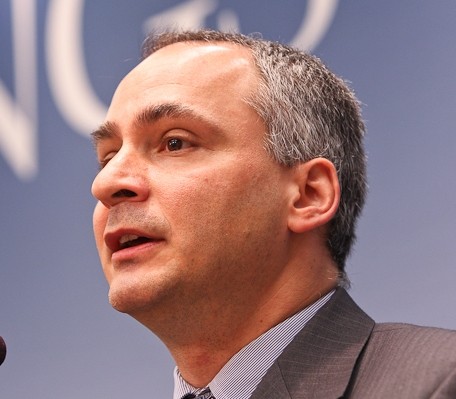
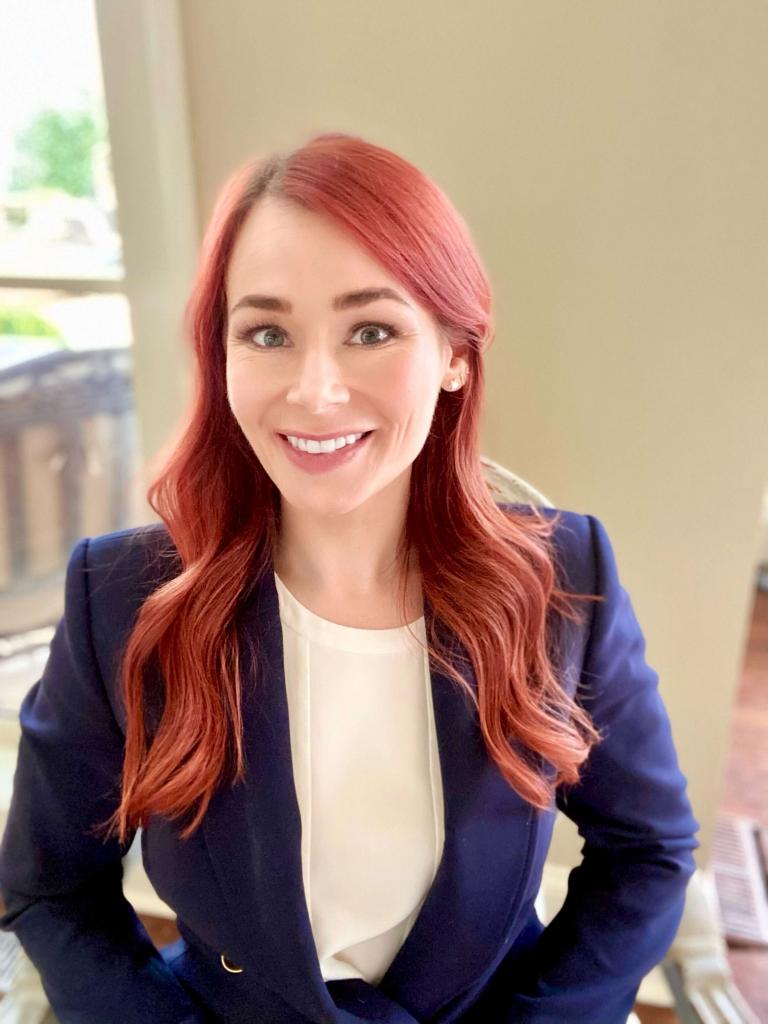


In a conversation on YouTube, Lawfare Editor in Chief Benjamin Wittes sat down with Senior Editors Anna Bower, Molly Roberts, and Eric Columbus to discuss Chief Justice Roberts issuing a stay of the injunction preventing the construction of the White House ballroom, updates in the prosecution of Don Lemon, two courts of appeal ruling against acting U.S. attorneys, developments in the Kennedy Center litigation and more.
You can find information on legal challenges to Trump administration actions here. And check out Lawfare’s new homepage on the litigation, new Bluesky account, and new WITOAD merch.
To receive ad-free podcasts, become a Lawfare Material Supporter at www.patreon.com/lawfare. You can also support Lawfare by making a one-time donation at https://givebutter.com/lawfare-institute.
Click the button below to view a transcript of this podcast. Please note that the transcript was auto-generated and may contain errors.
Transcript
Benjamin Wittes: It is Friday, the 21st day of August, 2026. It's 4:00 PM. You are watching Lawfare Live: The Trials and Tribulations of the Trump Administration. I'm Benjamin Wittes, editor-in-chief of Lawfare, and I am here with three remote Lawfare senior editors, not a single one of whom is in Washington, D.C.: From Maine, it is Molly Roberts; from Poughkeepsie, New York, it is Eric Columbus; and from the chicken processing capital of the world, Gainesville, Georgia, it is the estimable Anna Bower.
And as you can hear, we have the ballroom music playing, and that is because, Molly, we've got, we've got action in the ballroom case. Today the chief justice entered an administrative stay allowing ballroom work or work on the integrated defense complex at the White House to continue. What is going on, and how much of the integrated defense complex is gonna be built by the time the Supreme Court gets its ass together?
Molly Roberts: Yeah, I've heard the whole roof is going to be a drone port now. We're getting updates from the president every week. So as far as what happened, you basically said it. It's a one-sentence order, so there's not a whole lot to it. The chief justice, acting on his own, issued this administrative stay, and this is what the Solicitor General Don Sauer had asked for initially in his August 14 filing, his emergency motion to the Supreme Court. He wanted an immediate administrative stay. He didn't get it immediately, but he did get it in time for the D.C. Circuit's injunction to come into effect. That would've happened today, and now it's not going to happen. But-
Benjamin Wittes: Because the D.C. Circuit had its own stay in place until today, is that right?
Molly Roberts: Exactly, exactly. It, it, yes, it issued a stay so that the administration could appeal to the Supreme Court, which it did. And so at least I was waiting around thinking, "Gosh, this is a ballroom (massive military complex) that despite there having been a preliminary injunction blocking its above ground construction theoretically existing for some time now, has never actually been halted." They've been building, and they've been building fast, and this is, you know, something the administration has been emphasizing, right? Saying it's 24/7 or at least seven days a week. I'm not 100% sure whether they said 24/7. 20-hour days, I think is what they said, actually? And so, you know, we have 200 people working on it. So as to your question of how fast is it happening, seems like it's happening pretty fast.
And, and so I was wondering, will finally a court just by not acting make it so that it actually is enjoined? And it turns out no, they're not ready to rule yet, even on the emergency docket. But the chief justice stepped in to say, "You can keep going for now." Which is kind of a, for, for the government, I think should be a bullish sign as far as what's ultimately going to happen when the court does take this up on the interim docket.
So that's what's going on there, and, you know, it's the same sort of point I made last week, which, and this is the point that the National Trust for Historic Preservation makes in its filing, that the Trump administration, as they say in that filing, is trying to outrun judicial review by fast-tracking construction and then saying, "Oh, the project's beyond the point of no return." And so every time a judge issues another stay or extends a stay, it gets closer to this point of no return that they're going to allege that they're already alleging.
Benjamin Wittes: Y- yeah, and so what percent built is the thing now? It's my understanding is some, they are saying that the, the complex is 65% built, but the, the ballroom is 0% built. Is that right?
Molly Roberts: Yeah, I think that's right, and it's just not even clear what the complex is, what the ballroom is, how much of the complex is the ballroom. The complex also includes the below ground, right? Part of their point now is, "Oh, this is an integrated complex," and that's part of their reasoning for why there shouldn't be a preliminary injunction because remember, the injunction doesn't block below-ground construction, and they're saying, "Well, you know, it's all one and the same, and as long as we're building this below-ground thing, you have to let us build the above-ground thing."
So you say 65%, but much of that could be the below ground, which, you know, of course, is the priority as far as safety and security goes, too. And that, the below ground is what even Judge Leon said, "Okay, I'm going to extend deference here and say, makes sense. If you have an emergency bunker there, that probably is essential to the security and safety of the president."
Benjamin Wittes: All right. So, I assume that Chief Justice Roberts, the administrative stay is just while the rest of the court thinks about the matter?
Molly Roberts: Yeah, “pending further order of the undersigned or of the court.”
Benjamin Wittes: I see. All right. Well, we will stick with it and you know, always, you can always expect an update on the Kennedy Center, on the ballroom, on the golf courses, on the Triumphal Arch. We haven't had a lot of Triumphant Arch action recently, but, you know, if there's any movement on that, you can make sure we will have the, the legal back and forth for you here on Trials and Tribulations.
All right, let's talk about, so we're gonna actually have a, a, a bit of a thin lineup this week, which makes it a really good week for questions, so if you guys have things that are on your minds that you wanna talk about we will have lots of times for questions at the end.
But let's talk about Justice Department politicization. The Don Lemon case, which I know a lot of people have forgotten about. That you know, there is a judge, a judicial order now to produce grand jury materials. Anna, get us started here. What's what's going on in Minnesota, and how bad, is this another replay of the Broadview Six, which became the Broadview Four, which became the Broadview Two, which became the Broadview Zero? Or is this a manageable crisis from the prosecution's point of view?
Anna Bower: Well, well, it's not entirely clear yet. So, just as a reminder, this is the city's church case under the FACE Act. Don Lemon was covering a protest at a church related to ICE activities. And the Justice Department ended up indicting, like, 39 people, some of whom participated in the protest, but then some of whom, like Don Lemon, were reporters covering the protest.
And Don Lemon and a co-defendant filed a motion to, for the defense to get these grand jury transcripts. And the idea was that the government maybe made some misstatements of law in instructing the grand jury. They made arguments to that effect by pointing to public statements that were made by administration officials about the case some of which they said were misstatements of law. They pointed to just the general irregularities around the case. You might remember that initially there were multiple judges who declined to find probable cause for warrants related to this case or to issue a complaint related to this case.
So, there was just a lot of weird circumstances going on in the background. They pointed to those. This goes before the magistrate judge and the magistrate judge, Judge Micco, originally says, you know, “I don't think that there's enough here to warrant disclosure of the grand jury transcripts to the defense.” Makes a number of, of arguments, but among them is that you know, the prosecution isn't even obliged to give instructions, legal instructions to the grand jury in this circuit. So it, it seemed that, you know, the magistrate was suggesting that there wasn't a basis enough of a factual or legal basis by which the defense had, had raised this idea that there might be a basis on which the indictment could be dismissed if these grand jury transcripts were examined.
The defense then goes to the district court judge and says, you know, "Judge, we want to object to this deci- decision of the magistrate. And we think that at a minimum, you should be able to look at these grand jury transcripts. And, and then, you know, you can decide for yourself whether there's a basis for the defense to get access to these transcripts."
And sure enough, the district court judge agreed. And we got this very short order and I'm curious if Eric wants to chime in here, but it's a super short order in which the judge basically just says, "In order to decide on the question of whether, you know, these objections to the magistrate's order are valid, I need to take a look at the grand jury transcripts themselves." So decides that she is going to-
Benjamin Wittes: S- seems to me the judge is applying the presumption of irregularity, right?
Anna Bower: Right. Exactly. So it's, it's fascinating because it, it, y- you know, the, in these other cases that we've seen where the grand jury transcripts are examined, it, it, it only was kind of on a, a different, the more robust factual kind of basis and also I think legal basis as well because of the different law within different circuits. I'm thinking specifically in the Comey case.
But, but regardless this seems to be the kind of thing where the judge is, is taking notice of all the weird circumstances in the case, but also in other cases as well, seems to be, without saying so, applying a presumption of irregularity and is going to look at these grand jury transcripts. But we don't yet know, Ben, whether there's anything in there that could result in a Broadview Six type of situation. So that's to be determined, but that is the latest in the Don Lemon case. Eric any thoughts on that? 'Cause I-
Eric Columbus: Yeah, so-
Anna Bower: You would... Yeah.
Eric Columbus: Yeah, a few, a few thoughts on that. One, I, I found it interesting that this motion I believe, was brought only by two of the defendants. It was brought by the journalists. So, Don Lemon and the lesser-known independent journalist Georgia Fort were both very differently situated in theory from all the other defendants, obviously subject to the same laws. But these two had pretty good arguments that they, that they had no interest in, in, in protesting as such. They were there to chronicle what was going on. So that may have been a strategic choice for the two of them to make the motion.
And I, I guess I'm not surprised that the, the judge's order, Judge Provinzino, who's a Biden appointee, that it was very short and didn't get into anything. I mean, because I don't think she would want to say, "Yeah, all this stuff sounds, X, Y, and Z sounds suspicious," because then that would, in some sense be seen as trying, maybe committing her to an eventual outcome. So she just said, "Yeah, I'll take a look at it." Which, which interestingly at, at least as the, as Lemon and Fort represent, the government did not object to that. She, Lemon and Fort wanted the, a- a- asked for the materials to be disclosed the transcript to be disclosed to the defense.
But as a fallback, they say, "Well, at the very least, Your Honor, you should look at it yourselves." And it, it's really fascinating how we've seen so much grand jury transcripts being passed about, if you will, over the past year or so. It's not something that's been the call.
Benjamin Wittes: Which is basically unheard of-
Eric Columbus: Yeah.
Benjamin Wittes: Before the last year and a half. I-
Eric Columbus: It's incredible. And as Anna mentioned, I, I think this kind of like builds on itself, like when, I mean, judges normally are not paying a, a huge amount of attention to what happens ju- before the grand jury. But when they hear about things going awry in other jurisdictions, they may become more interested in, in supervising that process than they had been before.
Benjamin Wittes: I will just add to this that in Minnesota, in the District of Minnesota in particular, and Judge Provinzino in particular, there's an additional factor which is that if you look at the habeas non-compliance tracker that Katherine Pompilio put together, an awful lot of those cases are in Judge Provenzano's court. And she was she found the government not in compliance with her orders. I wouldn't be surprised if there are 10 or 12, I, I don't know the number off the top of my head, but it's a, it's a sizable number of cases in which she found the government had violated her orders.
And, and, you know, you, you do that a few times, and then a defendant comes and says, "Hey, I have reason to think that there's been shenanigans in the grand jury." And, you know, a judge is gonna say, "Well, it's not like the AUSAs who practice before me are completely above that sort of thing." And so, it's a combination, I think, of both what she's seen in her own court, admittedly in the immigration habeas context, not in the political criminal context, and stuff that she's presumably seen in the Letitia James and Kilmar Abrego Garcia and Jim Comey cases. But, you know, judges talk, and you know, eventually it just becomes the better part of valor on the part of a district judge is to assume that there might be something there rather than say, "You gotta make a prima facie showing of something before I'll take it seriously."
Speaking of people, Molly Roberts, who do not have a presumption of regularity in front of the judges that they practice Jeanine Pirro really wants to get pretrial detention for the person who allegedly vandalized the World War II Memorial. And I, I just wanna say we don't approve of vandalizing the World War II Memorial. It's not, you know, like peeling paint off of the bottom of the Reflecting Pool when it's peeling anyway, which might be regarded as a harmless thing. The person in question seems to have some issues. So first of all, what do we know about this case, and is the person such a menace that he or she, right?
Molly Roberts: She.
Benjamin Wittes: Needs to be locked up pending trial?
Molly Roberts: Yeah, not according to the magistrate judge. So what happened here is that this woman, her name is Melissa Ferris, allegedly tagged the World War II Memorial with graffiti that read, "Clean hands, dirty $ money," splattered some additional paint, put soap in the fountain, made it all bubbly, and she did that while live streaming a lot of it with commentary like, "Oops," as she dropped something into the fountain, and with her saying, "I was just allowed to deface federal effing property, and nobody batted an eye, and that is very strange," and even saying that she expected the police to soon come after her and that she would end up in jail. So it's very, very different from the Davy Hearn Reflecting Pool case. You know, of course, nothing has been proven, but there are these videos and, and this is, what is alleged is very clearly vandalism.
So she was charged with two felonies, willful injury or depredation of United States property and destruction of a veterans memorial. Both of those carry a prison sentence of up to 10 years. And so, Jeanine Pirro wanted her detained pretrial, and the magistrate judge, Matthew-
Benjamin Wittes: Wait. Be- be- before we before we go to what the magistrate judge did, what is the standard for detention of somebody-
Molly Roberts: Sure.
Benjamin Wittes: Pretrial for-
Molly Roberts: Yep.
Benjamin Wittes: a non-violent felony?
Molly Roberts: I will tell you. So this is basically, okay, so this woman ultimately voluntarily surrendered at a courthouse in Alexandria the same morning the arrest warrant went out. It was actually a few hours before the arrest warrant went out. So, the kind of legal argument here is for treat, pretrial detention, it's not automatic, it's not the norm, and there are sort of two routes to pretrial detention. So the first is it's a certain type of crime. These are usually violent crimes. And then the second is a serious flight risk.
So the crimes that she's been charged with do not, there's just no argument that they do fall in these categories that would get pretrial detention. So it's really the flight risk where the government has the-
Benjamin Wittes: For somebody who turned herself in?
Molly Roberts: Yeah. Well, that's, your skepticism is exactly the judge's skepticism. So the government spent a lot of time, and actually kind of interestingly did two things. So, so first the magistrate judge declined the request, and then the, the U.S. Attorney's Office filed a 30-page motion asking him to reconsider, and in that motion it did two things.
So one, even though it wasn't really trying to argue, "Hey, these are violent crimes," because they're not, it did do this sort of tricky little thing where it used words like “assault” and “attack” on the monument. So it talked a lot about sort of the gravity here, but it said, you know, "This is an assault on this symbol of sacrifice." It wasn't just, although it did spend a lot of time saying that, it wasn't just, and, and Jeanine Pirro co-signed this. There were some line prosecutors, and then she signed it as well. But it, so, so it was “a brazen attack on one of the nation's most sacred monuments and an assault on a symbol of sacrifice.” So not just “this is terrible because it's a sacred monument,” “this is terrible 'cause it's a symbol of sacrifice.” Kind of these, these words that evoke the idea of violence even though this wasn't violent.
But then they also focused on the flight risk, and they said, well, she doesn't have stable housing in D.C. She, in fact, had been cited shortly before this for stringing up a hammock in a public park. And she, a decade or more ago, had some DUIs, some marijuana possession convictions for which she missed some but not all court appearances. So they said all of that. They said the fact that she had been searching online for bus and plane travel options to Ohio all showed that she was a flight risk.
And the judge wasn't persuaded by any of that. He said, you know, "For one thing, what I'm telling her to do is I'm telling her to go to Ohio, which is where she has more stable housing." And for another thing, you know, these are decades ago, and also she turned herself in. She turned herself in after she searched these travel options, and she turned herself in after having livestreamed talking about possibly being put in jail. And it's a huge part of what judges do to determine whether someone is a flight risk is to look at whether they've turned themselves in. So he wasn't persuaded by any of that. He had, in fact, detailed his reasoning from the bench and then was sort of forced to detail it again in this memorandum that he issued after the government asked him to reconsider.
They also asked him to put her on electronic monitoring, and he denied doing that, too. And it's also, they held her cell phone for a while. There was a bit of dispute over when they should return her cell phone to her, and her attorney at one point also said that she was in the emergency room overnight because the government hadn't returned her inhaler to her yet either
Benjamin Wittes: I will just remind everybody who does, who doesn't remember that the a prohibition against excessive bail is a constitutional prohibition. There is a heavy, heavy presumption in favor of pretrial release. And there are only two exceptions to it. One is that you're like a real danger to the community, either because of who you are and what your behavior is, or because of the specific crime you're charged with. Or, that you are a sufficient flight risk that no terms of bail can guarantee that you'll actually show up.
I understand that Jeanine Pirro's job is on the line and that she's needs to show that, you know, she's doing the Lord's work. But that is not a close call. Somebody who pours bubbles in, in a fountain and, and sprays graffiti, and I, you know, you're not gonna hold that person pretrial. And pardon me, it's outrageous that the U.S. Attorney's office would ask for that.
All right. Speaking of U.S. Attorney's offices, it has been a bad week, Eric, for fake U.S. attorneys who are serving illegally. Not one, but two United States Courts of Appeals have ruled that fake U.S. attorneys are in fact fake. The first one is Sigal Chattah of the District of Nevada, who couldn't get appointment through the Ninth Circuit. What did the Ninth Circuit have to say about, about Chattah?
Eric Columbus: The Ninth Circuit held that she was not validly appointed. And I, I think I'll kind of talk about both these cases kind of in, in tandem because they really are they, they involve the same issues. The, the Ninth Circuit's decision, and then the Second Circuit decision invalidating the appointment of John Sarcone as acting U.S. attorney for the Northern District of New York.
So what, what bas- what, what DOJ did in the situation, these were people who were appointed to 120-day terms by the Attorney General Pam Bondi, pursuant to a, a somewhat odd statute that allows her to, to do s- that allowed her to do so. And then when that 120-day period expired they did a little shuffling around and made these attor- these, these lawyers the first assistant U.S. attorney, which is the, in essence, the top deputy. And then they argued that basically they are serving, by virtue of that appointment as top deputy, that they are, in essence, serving as acting U.S. attorney given the absence
Benjamin Wittes: It's kind of like what we do at Lawfare, right? You know, I, I you know, we just named somebody like first deputy editor-in-chief, and then if I get hit by a bus, they serve as editor-in-chief, right?
Eric Columbus: It's very, and, and, you know, very few people would have standing to challenge any such designation here-
Benjamin Wittes: Exactly.
Eric Columbus: At Lawfare.
Benjamin Wittes: That's the, and that's what they're counting on.
Eric Columbus: That's what they're counting on.
Benjamin Wittes: The thing is that Lawfare, be- Lawfare, nobody would have standing because we don't indict people.
Eric Columbus: Usually.
Benjamin Wittes: And the, the, the editor-in-chief of Lawfare doesn't sign a document that if you can say, "Hey, Eric Columbus really isn't the acting editor-in-chief," that, that that article doesn't count, right? You don't get to do that. But if you're a U.S. attorney, you kinda do get to do that.
Eric Columbus: It's it's the, the hazards of, of the business, unfortunately for them. And so, they did this, they did that work, kind of workaround so that you're, you're, you're the number two. We're gonna make you the number two and because there's no number one, you were the number one, but you can't do that anymore, so now you're the number two, and we assert that by virtue of a, of a, of a different law, being made number two makes you number one again. And they're saying that by operation of the Federal Vacancies Reform Act, that that makes them the acting U.S. attorney. And then at the same time the, they also…
Okay, so let, let's, let's start with that. So it's undisputed that the Federal Vacancy Reform Act says that the acting, says that the, the, the top deputy in an office can become the acting person, the acting official. However, there is a dispute about whether or not you have to have served in that role as top deputy before the vacancy arose. And the-
Benjamin Wittes: In other words, before I got hit by a bus.
Eric Columbus: Exactly. Exactly.
Benjamin Wittes: Yeah.
Eric Columbus: And, you know, you can kind of argue either way. The panel in the Ninth Circuit and two of the three judges in the Second Circuit w- went through a very dry statutory analysis and said, "Look the way the statute is written, it ma- it, it, it, the language suggests that it's, you have to have been named to that number two position before the vacancy arose." And that, it's an even easier case when you consider the, the purpose of all this which is, and that otherwise, you know, the purpose of the Federal Vacancy Reform Act was kind of to constrain the president's authority to just name anyone to fill a vacancy, and that would be defeated if it could be done in this manner. You could just insert anyone into the number two position. And that's a- and, and therefore, that trick wouldn't work for Chattah and for Sarcone in the Second Circuit, in, in, in, in, in New York rather.
But so then there's another trick that they pull the same time where the attorney generals also appointed these people to be special attorneys to the United States attorney general and authorizing them to basically run the office of District of Nevada and d- Northern District of New York. And the panels said in both cases that, that, that's not, also doesn't work. That's clearly an end run around the Federal Vacancies Reform Act, and it has the effect of basically delegating via, even though the attorney general can delegate authority downwards, what this is e- essentially doing is it's making someone an acting U.S. attorney just by another name, and that that's not, that's not okay.
And some people, who are not Trumpers, have expressed some concerns with these outcomes even though they may be it, these are not really people who we would wanna have running the U.S. Attorney's office. The situation where it becomes very useful to have these authorities that the Trump administration exercised is at the beginning of an administration, where the new president knows that it'll take a while, even in the best of times, for the Senate to confirm their own, the, the new president's people, and the new president wants to get some of them in there before. So they install someone as, like, the top deputy in office, and that person then winds up kind of running the office, and that that is, now, not something that you can really do under these interpretations if they're upheld by the Supreme Court. And l- likewise, there's what often happens, and it happened a lot under, under Obama and under Biden, is that someone is an acting official and then the time runs out, and they essentially get demoted in title to be like principal deputy, but they basically keep running the office. And that's also not permissible if under these readings of the Federal Vacancies Reform Act.
The Second Circuit addressed then said, "Look, what, what we're, we're not saying that this is necess- that y- you can't, you know, get your people in there or that suddenly these authorities will expire. What we're saying is that you cannot delegate these powers to one individual. You can maybe delegate them to a bunch of individuals. We're not gonna get into this now in, in our, in this opinion, but you could delegate it to a few." And which is interestingly what we saw, what we've seen in New Jersey where they tried creating like a triumvirate to replace Alina Habba. And, you know-
Benjamin Wittes: But, you know, you could just nominate somebody to be the U.S. attorney and go through the advice and consent process like presidents have done since the dawn of time, right?
Eric Columbus: You can. I mean, you certainly can, although this reading of the Federal Vacancies Reform Act does, there's only one vaca- Federal Vacancies Reform Act, and it applies not just to U.S. attorneys, it applies not just to, you know, 18 months into an administration, it also applies on day one and to everyone in Senate-confirmed positions. So you could make, a- a- and maybe it shouldn't, maybe the law should, should be written differently, but as of now, these, the rules that will be set in these cases, if they're upheld by the Supreme Court, would apply everywhere, to all offices.
Benjamin Wittesall offices. And do we know if the administration's gonna go to the Supreme Court? Because so far there's no conflict in the circuits among- about it, right?
Eric Columbus: Well, Anna spotted a post by DOJ that says that they are going to take this up, the, the Sarcone case to the Supreme Court. And-
Benjamin Wittes: So Anna-
Eric Columbus: Yeah, sorry, go ahead.
Benjamin Wittes: So Anna, tell us about that. Are, is, is this the next, the next big Trump administration appointments clause issue?
Anna Bower: Perhaps? It, it, it seems like it. It, it, all that we know right now is just that the DOJ issued a, a brief statement saying that they do intend to take this to the Supreme Court. So, we will see. In the meantime, though, and I don't know if we wanna get to this yet, or if Eric has more to say about-
Eric Columbus: No
Anna Bower: The substance of the appoint- appointments issues, but the subpoenas, the, the, the whole point of this litigation was to quash these subpoenas that were issued to the New York Attorney General's office related to the National Rifle Association case that Letitia James' office brought and then also to the Trump fraud case. And in this opinion, the Second Circuit upholds the quashal of those subpoenas. And then also importantly, upholds the-
Benjamin Wittes: And this was a case, as I recall, that you went to the oral argument in Albany for, right?
Anna Bower: Yeah, before Judge Schofield, who the district court judge was Judge Lorna Schofield, who is a Southern District of New York judge, but who heard this case in the Northern District because the Northern District judges had to recuse themselves.
Benjamin Wittes: Right.
Anna Bower: They-
Benjamin Wittes: So, so she said, "Southern District, Northern District, Smorthern District, I'll hear the case."
Anna Bower: Yeah, and, and meanwhile, you know, the Northern District of New York, the, the, the, the top position of the acting U.S. attorney is, is still vacant, as far as I can tell. You know, things can move quickly, but Eric, I think that's right, that it's still vacant other than John Sarcone kind of acting in this quasi acting capacity, although despite the lower court rulings about the quashal of these subpoenas. But he was also disqualified in this, in the context of this case, from continuing the investigation of, into the Letitia James office related to the Trump case and related to the National Rifle Association case. And, and here again, the Second Circuit upholds that disqualification, and that seems important because insofar as-
Benjamin Wittes: Yeah.
Anna Bower: His office is kind of the center of that investigation and he's still kind of acting as the top person or the quasi, quasi top person. I'm not really sure. It's a very confusing posture because he's, the court has ruled that he is was not lawfully appointed, but he nonetheless seems to still be kind of in control there. And so, it's important because it seems like for now, insofar as the Northern District is where that investigation was taking place he's, he's barred from continuing the investigation.
Benjamin Wittes: All right. So all of this brings us to the really important question lying behind this. We have now, two or three circuits have ruled on these appointments. The Third Circuit's ruled on it too, in the Alina Habba matter. We have it, it's before the Fourth Circuit in the Comey/James question. Who is our favorite illegally appointed U.S. attorney? Is it Alina Habba? Is it John Sarcone? Is it Sigal Chattah? Is it Lindsey Halligan? Is it, I- I mean, we got this incredible rogues gallery, and it's gonna produce, by the end of the year, we will have four circuit opinions on the legality of appointments of U.S. attorneys, which has gotta be a land speed record for producing, you know… And they're not all on the same theory either, which is what I love about it. So I, I know who Anna Bower’s favorite illegally appointed U.S. attorney is, but I, I don't wanna speak for her. But you go first, Anna. Who's, who's your fav?
Anna Bower: Well, obviously I've gotta go with Lindsey Halligan as my favorite illegally appointed U.S. attorney. But I, I will say that I, it's a shame that Ed Martin was never illegally appointed as a U.S. attorney, because he would've been a very close second, I think.
Benjamin Wittes: All right. Molly? You, you don't have a dog in this fight, 'cause you've never had to cover one of these cases, but who's your use your, who's your pick for most awesome illegally appointed U.S. attorney?
Molly Roberts: I have to go with Alina Habba for the, like, you can take the, you know, as, as probably just solely for the challenge coin, the challenge coin she had of the gun being pulled out of the Birkin bag I think is pretty iconic.
Benjamin Wittes: Yeah. Eric?
Eric Columbus: I, I also gonna go with Alina Habba just because she's, she's said some kind of remarkable things that actually predated her service as acting U.S. attorney. But at one point in, in 2024 when she was, I think she'd had come off of representing Trump in the E. Jean Carroll case, and she was asked, and Lord knows why she was asked this, she was asked whether she would rather be pretty or smart. And she said, "Oh, it's easy."
Benjamin Wittes: This is the kind of thing you ask a, a-
Eric Columbus: It-
Benjamin Wittes: a prominent lawyer.
Eric Columbus: Yes. It was a it was a, very few have been asked I, I don't think you know, when Rudy Giuliani was U.S. attorney anyone asked him that.
Benjamin Wittes: Yeah, no, no one asked him that.
Eric Columbus: And, and she said, "Oh, that's easy. I'd rather be pretty. I can fake being smart." Whi- which may have kind of been, you know, overestimated her own capacities-
Benjamin Wittes: Yeah.
Eric Columbus: And-
Benjamin Wittes: Not necessarily true.
Eric Columbus: Shortly before becoming, as one more thing, shortly before becoming a U.S. attorney, she was on some podcast, I forget with whom, and Andrew Tate showed up, and she began gushing over him about what a big fan she was of his. And then later when the heat kind of ga- began, it, it was alr- and a normal person would not have said that, but y- a year later, it somehow became even more evident about Andrew Tate was a bad man. She said, "Oh, I, I didn't know that there was any such horrible charges against him. I would never have said it. I just like people who are passionate about things." So makes it, makes it, makes it wonderful
Benjamin Wittes: Well, I also like people who are passionate about things, but that is why I think Anna Bower has this right, and we gotta go with Lindsey Halligan, because remember that she is the only one of this group of who was in South Beach Tow, the which showed a degree of commitment to the bit that I think none of the others can, can really compete with.
All right, let us turn to the First Amendment, from the ridiculous to the sublime. The Walt Disney Company, Eric, has sued the Federal Communications Commission over its order requiring that ABC-owned stations file early license renewal applications. Why are we talking about this on Lawfare Live, and what is the nature of the suit?
Eric Columbus: We're talking about this on Lawfare Live because, while television licenses licensing tends to be kind of dry and not really connected to issues of national security, this is an example, one of many examples, of the president trying to suppress views that he disapproves of. And he has long been on a crusade against ABC and against, also against NBC and in earlier days CBS because they sometimes have people on the air who say things about him that he does not like. And he said that they should, they should have their licenses pulled, and he says, said that again and again and again.
So, Brendan Carr, as, as many of our listeners know, is the head of the AC- FCC, and is what in, the technical term for him is a hack. He is very eager-
Benjamin Wittes: And, and just to be clear, are, are we throwing mud here? Is this an ad hominem or is that a, is that a, a, a technical term for his profession?
Eric Columbus: He is, I would say, a, a somewhat knowledgeable hack in that he was formerly the chief counsel or the general counsel of the FCC, and he, he is ex- unlike many Trump appointees, he has,
Benjamin Wittes: He's quite qualified-
Eric Columbus: Yes.
Benjamin Wittes: For his position, which is-
Eric Columbus: Yeah.
Benjamin Wittes: Kind of what's interesting about him. He's not, he's not an Alina Habba or what's his name? The, the now former acting DNI, right? He's not somebody who has no background. I mean, he's a genuine communications lawyer.
Eric Columbus: Yes. Yeah, very much so. And which, of course, you know, a little knowledge can be a dangerous thing. It, it enables one, in, at least in theory, to be all the more effective at bending the rules in order to get one's preferred political outcomes.
And Carr announced that he will be calling in ABC's television licenses for an, an early review. Now m- television licenses go, are, are granted to, not to networks, but to individual stations. But ABC, some of the networks, each of the networks own anywhere from like, I think like 10 to 20 or 25 licenses in their own in- including a lot of the, the major stations in major markets. And this is part of an ongoing war on ABC by Brendan Carr.
And so, d- Disney, which owns ABC, basically said at this point, enough is enough, and they sued, and they brought in a very big gun Paul Clement, who as many folks know, is probably the preeminent conservative appellate lawyer in the country. And that gives some indication of where Disney thinks this, this case is headed. And Paul Clement, who I worked with a little bit when I was a Bristow fellow at the Office of the Solicitor General, has been in, I, I think perhaps maybe half a dozen cases, been involved in opposing Trump. And it's, it's great for the nation, I would say, that he has been doing that. He is in his-
Benjamin Wittes: He has been a genuine public servant, and, obviously in a private capacity representing private clients, he has he has represented things he genuinely believes and and he has been… It's the highest tradition of the bar.
Eric Columbus: Yeah. And he's obviously not starving by doing this. He's getting I'm sure Disney is paying him very well, but we've seen him-
Benjamin Wittes: Look, I mean, the NRA pays him very well too, but he clearly believes in Second Amendment rights.
Eric Columbus: Yeah.
Benjamin Wittes: My, my point is that he's, he's representing cases where, and, you know, when in the Eric Adams case, when the judge needed somebody to give straight-shooting advice about, you know, should I dismiss with prejudice or without prejudice? He asked Paul Clement for an amicus brief. I mean, the, the guy has just done y- really, real service to the courts by being a first-rate advocate in situations in which it matters if you have first-rate advocacy.
Eric Columbus: Yeah. And he represented Lisa Cook in the Supreme Court and he was involved, I think he was representing Wilmer, I'm not sure, but someone in the one of the law firm cases. And he, you know, obviously has been on the other side back, back in the day and when the Department of Justice declined to define, defend the constitutionality of the Defense of Marriage Act Paul Clement stepped in and, and was appointed by the court to defend the act. And I remember I was, I think, working at DOJ at the time. I remember Eric Holder, the attorney general, saying, like, "This is what Paul's doing is what lawyers do when lawyers are at their best." That it was, it was, even though he was opposing the attorney general and opposing Eric Holder, it was it was a great thing that, that he was doing that, and it's very important for, for lawyers to step up for i- in what are in some ways unpopular causes, even defending a statute.
So yeah, so, so Paul Clement is involved. I- it's, it's kind of an odd case because there doesn't really seem to be much law on, on when you can bring a, a case in, bring licenses in for early examination. But there is, of course, the First Amendment, and what Disney's arguing is that this is done in retaliation for ABC not being, always being nice to Trump. And it, they, they run through various examples, the most famous of which is the Jimmy Kimmel situation where Jimmy Kimmel made fairly anodyne remarks about in, in the wake of the Charlie Kirk assassination. And Brendan Carr went ballistic and suggested that Kimmel should be taken off the air, which Disney briefly did, and but only to reinstate him a little bit later. There, Disney accuses Brendan Carr of opening basically a sham investigation into Disney's and ABC's employment practices u- under the, the, the rubric of an anti-DEI criticism reopening basically frivolous complaints by conservative organizations into ABC's coverage and just kind of a whole, a whole list of, of things.
And what's kind of interesting is that, in the com- in the Disney's papers, they note instances in which Disney or ABC have kind of been a little more trepidatious about doing things than they would've been otherwise, such as with regard to appearances by candidates on, on The View that show. There Brendan Carr has suggested that the partisan balance is in violation of FCC rules. And he, he may have a little bit of a case there, but he's applying it very inconsistently by not applying it to talk radio as well. And, and Disney says, "Look, we have, because we're afraid of what you're gonna do to us, we have not, The View has not hosted any political candidates since you, you issued your order about this or to, and you'd be reexamining that a few months ago. So this is really harming us."
So I mean, there are questions about whether or not this is ripe because they have not, the FCC has not acted yet, but Disney, I think pointed out correctly that the FCC could act at any time and wanted to file this now in order to bend where-
Benjamin Wittes: And where is it filed and who is it in front of?
Eric Columbus: It's filed in D.C., and I believe it's Judge AliKhan.
Benjamin Wittes: All right.
Eric Columbus: And she issued an order basically saying that if, if the FCC acts now, to any, if the FCC actually schedules a hearing on the Disney matter, then they need to be in court the next day. So it's not-
[Music Plays]
Eric Columbus: What was that?
Benjamin Wittes: Brings us…
[Music Plays]
Benjamin Wittes: Anna Bower has-
Anna Bower: Is Taylor Swift playing right now, or is that just me?
Benjamin Wittes: Yeah.
Anna Bower: Everyone else is hearing that?
Benjamin Wittes: Yeah, of course. 'Cause it's the last great American dynasty, and-
Anna Bower: Fantastic.
Benjamin Wittes: It was reflected in the Kennedy Center. You know, I've been trying to find a Kennedy Center theme song for our Kennedy Center litigation. Last week we did Camelot which was good, but there's no, like, Kennedy Center music, and so, which is weird 'cause it's a performing arts center. So we're gonna have a floating thing. The, what gets the Kennedy Center theme is gonna change week to week.
Eric Columbus: You know that Taylor Swift dated-
Anna Bower: I have an idea. I, I think we should have a rotating, each week a different one, and then at the end we get Jack Schlossberg to come on the show and decide-
Benjamin Wittes: Who is the, I, I, I c- I can promise you-
Anna Bower: Which theme song we should go with.
Benjamin Wittes: I can promise you, Anna Bower, we are not gonna do that. But we are gonna rotate… And, for those who don't know, Anna is a, is a devoted Swiftie and complained to me this morning that in my choices of music for for theme tunes for different segments of Lawfare Live, I had not chosen any Taylor Swift songs. So, I have now corrected that. And one-
Eric Columbus: You know, you know Taylor-
Anna Bower: That was a pretty great choice. I'm, I'm really curious how you, like, did you get Claude to help you make that specific selection?
Molly Roberts: I think he had a tip. I think he had a tip.
Benjamin Wittes: Just deep knowledge of the lore, I'm afraid, So, all right-
Eric Columbus: You know she dated a Ken- you know she dated a Kennedy. Did you hear that? Connor Kennedy. No.
Anna Bower: One of the many Bobby Kennedy Kennedys.
Benjamin Wittes: There you go.
Anna Bower: Who then I think went to fight in Ukraine or something.
Eric Columbus: Yeah. He, and he was just sanctioned by Russia, actually.
Anna Bower: Oh, wow.
Benjamin Wittes: All the more reason. All right. Which brings us to the Kennedy Center litigation, Molly Roberts. Which I, I, I think may get the award for the stupidest Trump admi- litigation because it's, you know, at the end of the day it's all about can he write his name on the wall of the thing, and he's trying again. And we now have another request for an injunction against him. What is the status of it? You know, is he gonna, he's moving ahead with the, the construction of the, the ballroom, but is he also gonna get to write his name on the wall of the Kennedy Center?
Molly Roberts: Yeah, so what he wants to do, so it's a few things. So the Kennedy Center board met last week, and it passed this so-called recognition resolution that wasn't on the, he agenda wasn't circulated beforehand, and there were three things that that resolution was supposed to do. One, or that the board decided to do in that resolution. One was to add, "Restored and renovated by President Donald J. Trump," below the Kennedy Center's name on the portico. One was to add, "Endowed by the Trump Kennedy Center Fund," once the fund hits 100 million. And one was to name the grounds the “President Donald J. Trump Plaza.” And apparently, one trustee said to The Atlantic that he would back Trump's name going “everywhere possible,” which is, you know, one thing that that, that-
Benjamin Wittes: Was there any discussion of whether my name was going anywhere?
Molly Roberts: Not this time. Yeah, maybe.
Benjamin Wittes: 'Cause I'm-
Molly Roberts: I- I mean, this is an ongoing litigation again-
Benjamin Wittes: I, I have this feeling of FOMO that, you know-
Molly Roberts: We saved the gift shop for you maybe.
Benjamin Wittes: Yeah, that all the questions are about whether Trump's name, like no one's asking where my name is gonna go.
Molly Roberts: Yes. My understanding of the 1964 Kennedy Center Act is that your name also could not go anywhere on at least the outside of the building. If you were a donor, you could be recognized for having donated somewhere inside the building, which is kind of part of what's at issue here.
So this was really all a mess. It led to Joyce Beatty filing a motion seeking another injunction because essentially the posture here is that an appeal is pending, and so this is like a post-judgment enforcement motion filed in the district court. But they're asking for another injunction against what they're doing now.
So, so that's what, that's what the plaintiff has asked for. It is, there was a deadline on her filing that because this all happened in the context of a joint status report, and this sort of bizarre thing happened where, on the eve of her filing deadline, the government filed an errata saying, "Actually, we gave you the wrong version of the resolution. It's a different version of the resolution." And the version that they said was the correct one to use changes some verbs from past to present tense. And what Beatty said is probably happening here, or possibly happening here, was that this was to set up an argument that actually the inscriptions and the plaza name aren't memorializations because they're about current and future contributions, and so the tense change was supposed to do that.
But it's very odd what the motion, the motion for the injunction says is that it seems like two versions were shown to the board over Zoom, and it's not clear which is the operative one. The board might even be confused about which one they passed, but, but what the motion says is, "Well, we're gonna talk about the one where the verbs are changed, the one you want us to, and we're gonna show that that also isn't lawful for various reasons."
So, you know, one of them is that the inscriptions are just renaming by another name, and that even if they're not, they're memorials or plaques in the nature of memorials, and the Kennedy Center Act also bars those. And the, you know, judge had already said that only Kennedy can be memorialized on the portico, and here's a resolution outright saying this is honoring Trump's contributions. And then on the plaza question, the Kennedy Center Act says it's “the center and the site thereof” that are the living memorial, and there's an additional act for the plaza authorization that came later in 2002 that named that for Kennedy as well.
And so that's basically what this is about. There's also, Beatty's also asking that the bylaws that say that the funds can only get money if the Trump name stays on it should be vacated because they've brought back the Trump Kennedy Center thing here, which is the, kind of brings back the question of is the building's name tied to the money coming to the fund? So that was an additional part of it, but that's basically what's happened.
And there's also, also in this joint status report, the government's counsel, or the, the, the Kennedy Center counsel disclosed that the portico marble needs remediation after the first removal. And as we know, this tarp is still up, the tarp over Kennedy's name. And there was kind of a question of, "Well, why is it still up? Is it still up just 'cause Trump doesn't want it to show that his name isn't on there anymore and that it's just Kennedy's name, or is it because they did damage to it?" And it suggests that there has been some damage done.
Benjamin Wittes: Interesting. Okay. Anna Bower, the Supreme Court, while we're talking about people who are owed money, not just donors to the Kennedy Center, but E. Jean Carroll, the Supreme Court has rejected a motion to reconsider a denial of cert, which, by the way, I have never heard of a motion to reconsider a denial of cert before, in Trump's bid not to pay E. Jean Carroll the $5.5 million that he owes her for the first of two judgments against him in her defamation/sexual assault cases. Does she finally get her money?
Anna Bower: I, I think so. I mean, I think that this, I think that this is finally, the long E. Jean Carroll saga is maybe, I mean, never say never with Trump, but-
Benjamin Wittes: Well, the first half of it.
Anna Bower: I, I, I think that it is over in the sense that Trump took the rare move of, of, as you mentioned, seeking rehearing. The argument being that the court needed to consider some of the immunity, presidential immunity arguments that he had raised. And then in an unsigned you know, order with no reasoning, the court has denied to hear this. It seems like, that means that the saga is over, Ben. And that E. Jean Carroll should now receive her money in full. Although, I think there was already-
Benjamin Wittes: I, I think she-
Anna Bower: You might-
Benjamin Wittes: Yeah, I think she already got it.
Anna Bower: Yeah.
Benjamin Wittes: And the Second Circuit-
Anna Bower: She did.
Benjamin Wittes: Ordered it released.
Anna Bower: Exactly.
Benjamin Wittes: But the, I, I suppose the question was whether she would have to give it back.
Anna Bower: Right.
Benjamin Wittes: But now she doesn't.
Anna Bower: Now she doesn't. And, and I we, it, there's not much more to say about it other than that it is something that we've discussed from time to time on the show, and so this is the kind of conclusion to the entire ordeal
Benjamin Wittes: The second half of the ordeal, the one that's worth $90 million, however, remains-
Anna Bower: Yeah
Benjamin Wittes: On cert petition, right?
Anna Bower: I believe so. Unfortunately, our E. Jean Carroll correspondent, Roger Parloff, is on vacation this week, but I b- I believe that that is correct, yeah.
Benjamin Wittes: I am confident it is correct. All right, let us do, before we wrap up today and go to audience questions, and you should get your audience questions into the Q&A, let's do our Roger Parloff-less immigration roundup up, which is gonna be tricky.
Anna, we have an opening brief from the Justice Department in an appeal of the Kilmar Abrego Garcia vindictive prosecution decision in Tennessee. I would assume that's going to, Tennessee's in the Sixth Circuit, right?
Anna Bower: Yeah, it's in the Sixth Circuit. And I should mention, these first two topics, it's funny because we've put them under immigration, but actually they're, they-
Benjamin Wittes: Criminal matters
Anna Bower: They're criminal matters, right. And could very well, I think, be, well, the second one we'll get to. I'm not really sure what we'd put it under. But this could very well also be under DOJ politicization. This is the appeal that the government brought to the Sixth Circuit of Judge Crenshaw's order dismissing Abrego Garcia's criminal case on human smuggling charges for vindictive prosecution.
Remember that, that saga involved find- a finding of a presumption of vindictiveness. There was then an evidentiary hearing that I went to in Nashville where we heard from witnesses including Robert McGuire, who at the time was the U.S. attorney who'd been himself personally handling the case and, and also was the one who said that he made the charging decision in the case. He testified. People from HSI testified. So we had that hearing in which the government was, ha- had the burden to rebut the presumption of vindictiveness. Ultimately, they failed to do so in Judge Crenshaw's eyes. He dismissed the prosecution.
Now the government has it up on appeal, and we got our first look this week in their brief at, at what their argument will be on appeal. And I'd say that the two main things that they're arguing, the first one is this argument in which they're relying on a case called Goodwin, a Supreme Court case called Goodwin, to argue that the case law under vidi- under vindictive prosecution requires that the prosecutor have a personal stake in the defendant's exercise of a constitutional right.
And, and so you, you know, you have to show that McGuire had some kind of personal stake in retaliating against Abrego Garcia for his exercise of his constitutional rights in this civil case. That's the argument. Keep in mind, Abrego won his civil case. He was ordered returned from El Salvador, and then the government brought him back on criminal charges. And, and so the argument is that he was retaliated against for exercising his rights in that civil litigation and winning the case. And there were public statements of Todd Blanche that kind of connected those things and, and suggested some sort of government animus.
But here, the argument that the government is making is: That's too broad. You're looking at the government or the executive branch writ large. You need to just be looking at whether Robert McGuire himself had some kind of personal stake or animus in, in prosecuting Abrego Garcia and, and, and in the retaliating against his exercise of rights in the civil case. And they think that that the, the trial court basically, the district court basically did not sufficiently, you know, show that that was the case in its order.
It's kind of an awkward argument, I think-
Benjamin Wittes: It really is.
Anna Bower: First because of, first because of this idea of the unitary executive theory that so often seems-
Benjamin Wittes: I mean, the president says in the Oval Office in the presence of a foreign leader, "This guy is embarrassing," and, and then a U.S. attorney indicts him having resurrected the investigation out of nowhere. It seems like the argument that the U.S. attorney doesn't personally have his own basis for animus is really beside the point.
Anna Bower: Yeah, yeah. And also it's like in, in the brief, they're citing these, these other cases where the, the court has refused to look at animus on the part of, like, investigators of people who are other prosecutors who are on the same level of decision-making as, you know, a, a different prosecutor.
Benjamin Wittes: Right.
Anna Bower: So that, that doesn't work the same though when you have a hierarchical, like, chain of command where here it's not that there are lower level investigators who have animus and then the higher up kind of decides independently, "Oh, I still think that there's enough here." Here it's the, the lowest rung is McGuire and then you have, you know, Akash Singh who's, like, in constant contact with McGuire. There's these email exhibits that came out at the evidentiary hearing where he's asking for draft indictments, asking for updates. He's in the DAG's office, which is Blanche's office at the time.
Benjamin Wittes: And critically-
Anna Bower: And he got public comments from Blanche.
Benjamin Wittes: And critically, I think from in defense of the district judge, The process allows the government to rebut the prima facie showing.
Anna Bower: Right.
Benjamin Wittes: And the government chose not to present evidence, and so the judge is left with the inferential assumption that the, that there's merit to the allegation. I, I, I find it hard to believe that the Sixth Circuit is gonna say, "No ignore all of that. The only relevant question is whether the individual not looking up the chain at all ha- bore some animus to the d- to the defendant."
Anna Bower: Yeah, and, and-
Benjamin Wittes: But, you know, whatever. I, I've been wrong many times about appellate courts.
Anna Bower: Yeah, you're right. They, they tried to rebut the presumption by just offering McGuire's testimony and then the HSI agent's testimony. They the defense, you know, t- wanted Blanche or Singh and, and these other folks who were higher-ups to testify or to provide additional evidence. And the government ultimately, you know, wa- did not want that to happen. They, they fought to m- make sure that it, that it wouldn't, and the court held in reserve this question of whether they would ultimately need to testify. And so the government had the opportunity. They didn't put those people on. It was their burden to rebut the presumption.
But second, Ben, here's the other argument that they're making, and I think this is important because it applies to, it would apply to a lot of these, if this became controlling law, it would apply to a lot of these vindictive prosecution cases, and it is the idea that, if you show a presump- 'cause remember, you can either show actual vindictiveness to start and then the indictment is dismissed because there's actual vindictiveness. Or there's a second track that is you show a presumpti- a presumption of vindictiveness, and then the government has the opportunity to rebut that presumption. And the question is, can they rebut the presumption?
The government here in Abrego Garcia, on appeal, is arguing that a presumption of vindictiveness, dismissal based on that presumption is categorically unavailable for initial charging decisions. And what that means is, like, you've got all these cases where usually what you see is kind of like, you know, someone is charged. They then elect in the context of being charged to you know, assert some type of right, procedural right. You know, they, they demand a a, a jury trial, th- something to that effect as opposed to a, a bench trial, that kind of thing. And, and then the prosecutor as a result seeks additional charges. Or maybe the person goes through that initial trial, they win, and then the prosecutor, because they wanna kind of, vindicate the appearance that they were, you know, doing their job, that they did the right thing the first time around, they seek to put additional charges on the defendant after the defendant's success in that first trial.
Does that make sense? Hopefully I'm, I'm being clear about this. But, like, it's a kind of upping the ante strain of, of the case law there, where prosecutor at, piles on basically. And the government here is saying that those are the types of cases where the presumption is available but what you can't have is an initial charging decision. You know, you've just got an indictment. Maybe it's in, you know, the, there's been a civil case where a person has asserted their rights, but, but it's not in the context all, all in the same case. That is something that they say a presumption of vindictiveness just can't even apply to.
I think that that is just too aggressive based on the case law. It seems like a much more open question to me that, that, that these are ki- the, the Abrego Garcia, the Comey case, all these cases where it isn't an, an initial charging decision are just things that, like, the court has not had, and courts in most circuits have just not had to grapple with this type of fact pattern. And so I don't think that it's, like, categorically for- foreclosed that a presumption of vindictiveness could not lead to dis- dismissal of an initial charging decision, but that's what the government is arguing here. So those are-
Benjamin Wittes: All right.
Anna Bower: Yeah, those are the two-
Benjamin Wittes: Yeah, so-
Anna Bower: Kind of main arguments, and we'll see how the defense responds.
Benjamin Wittes: So let's talk a-
Eric Columbus: If I could, Sorry, if I could, just one thing. I, I, r- I found it very interesting that, and I wonder if Anna has any thoughts on it, that the brief submitted by the Department of Justice on appeal had all, was solely political appointees. And I, I find it remarkable that since their main argument is that, "No, no, this was a comp- a normal, by-the-books prosecution," they couldn't find a single career DOJ lawyer to put their name on the brief saying so.
Benjamin Wittes: The, the thing speaks for itself. All right. Anna, this is a matter actually about which we have a question as well. The attorney general of Minnesota, Keith Ellison, is suing the government- governor of, of Texas, Greg Abbott, to compel the extradition of ICE agent Christian Castro. In the Q&A we have the question: “Is Greg Abbott actually gonna be able to run out the clock and avoid extraditing Castro, who's facing charges in Minnesota?” I'm not sure why when Minnesota law enforcement went to Texas to participate in the arrest, they didn't insist on coming back with the suspect. I know there's pro forma paperwork, but what's the deal? So yeah, what's going on with this case? What is the deal?
Anna Bower: Yeah. So Christian Castro is an ICE officer who i- i- in Minnesota during this surge of ICE operations shot into a home and it's, the, the sh- the bullet struck someone in the leg. And as a result, a magistrate found that there is probable cause to believe that this conduct constituted felony counts under Minnesota law for second-degree assault. Also I believe there was another violation in terms of falsely reporting a crime, because the, the officer had made claims that the people inside the home had committed some type of criminal violation, something to that effect.
And, and so as a result, a warrant was issued for this person's arrest. He fled to Texas. And remember, we have an extradition clause in the Constitution. There's also the Extradition Act i- in, what is it? 1793, I believe? The Extradition Act of 1793.
Benjamin Wittes: Yeah, it's not really a voluntary thing that states-
Anna Bower: Yeah. There's-
Benjamin Wittes: When, when, when you're wanted in one state, you, the other state cooperates, right?
Anna Bower: Yeah, and this comes up from time to time. I remember we talked about it when there were concerns about whether Ron DeSantis could keep Trump from being extradited from Florida. And, and in fact, the, it's really simple, folks. Like, if you are someone who is charged in one state for conduct that was committed there and you flee to another state or you're a fugitive from justice, and there's and the state complies with these formalities so the state's seeking the, the fugitive complies with the formalities of, you know, sending the governor a request for extradition and then attaching you know, the warrant those, those kinds of things. If they are complied with, then it's just like a non-discretionary ministerial the judge, excuse me, the governor in the state who the fugitive is in is supposed to just kind of sign off, and then there you go the person who's the fugitive can be handed over to the state authorities in Minnesota.
Benjamin Wittes: And is that true, you know, if you're a person who's violated Texas law on highly restrictive abortion laws or giving somebody you know, prescribing abortion pills in a fashion that would be illegal under some states' laws and encouraged under others? I, I mean, i- is, is this a one-way street that affects-
Anna Bower: Yeah, I'm not aware of, of any Supreme Court precedent on, on that point, but that would strike me as being very different because in that case, it is not that you are a fugitive from justice in the state. Like, it's the kind of, it's the extradition the Uniform Extradition Act, oh my gosh, I'm sorry, my dog is destroying the bed in the background. But the, and then the extradition treaty, all of them have language that is like, "You're in State A and you commit a violation of the state law there, and then you flee from justice to State B." So that's very different from you're in State A and you are subject to the laws in State A, but then State B is like, "Oh, we want you."
Benjamin Wittes: Reaches out extraterritorially.
Anna Bower: Yeah. That's, yeah, that's a very different situation, right? So, so here, though, what we have is the first situation where the, all of these laws do apply, and they very clearly require the governor, in a ministerial fashion, to just sign off.
Governor Abbott, though, has not done that, and it has been a while. It's been since June that that the, this request for extradition to Minnesota was made. And there's a problem here because on August 26th there's this 90-day limit under Texas law where, like, if someone is being held for extradition f- in detention for longer than 90 days, then they, they basically can be released. So the idea here is that maybe what Governor Abbot, Governor Abbott is doing is trying to run out the clock. If he gets past August 26, then perhaps Castro could be released, and then who knows where he goes from there.
And, and so as a result Minnesota has filed suit and is seeking a TRO that would require Governor Abbott to, you know, fulfill his duties and then also would prevent the release of Castro if the clock does run out. In terms of whether he will run out the clock, there's a hearing that's now set for August 25th.
The judge is Fernando Rodriguez, a federal judge in Texas. One of the judges in Texas actually who found that the Alien Enemies Act could not be used to, to remove alleged members of Tren de Aragua and, and so someone who clearly has a backbone. I would be really, really surprised if this judge does not take some action before the 26th to at least maintain the status quo of, of keeping Castro, you know, in custody before all of this can be sorted out, but you never know.
And I also will add as well, there's always the question of what the Fifth Circuit, is in the Fifth Circuit, and you never quite know what the Fifth Circuit might do. So we will see, but I'm, I'm certainly watching for what happens at this August 25th hearing. And we're still awaiting briefing by the State of Texas as well, and that is due on the 24th.
Benjamin Wittes: All right. Molly a… we… And then there were fewer on TPS. A judge has lifted the stay for the termination of TPS for Ethiopians. Nothing unexpected there. Is that right?
Molly Roberts: Yep, that is right. It is, yes, there are fewer. This is the last block that there was on the termination, so that's part of why this is so relevant. So yeah, U.S. District Judge Brian Murphy in Boston lifted the block on the protections or on terminating the protections for over 5,000 Ethiopians. Those were put into place in 2022. President Biden designated Ethiopians for temporary protected status amid the Tigray War, and that war did end, I think, nearly four years ago. It was a two-year-long war, but the conflict is still pretty violence-torn. There were drone strikes reported in parts of Tigray recently, and I believe, I'm not an expert on the region, but I believe there are also worries about Eritrea getting involved, so there's certainly still conflict in Ethiopia.
And so yeah, it was the last block on these terminations. Other courts have been lifting theirs after the Supreme Court's ruling in June, and of course Roger covered that ruling in depth at the time. And originally, this judge had blocked the termination on the grounds that it disregarded statutory procedures and that the government's rationale was merely pretextual. Then after the Supreme Court ruling, effectively he had to issue a new order saying he'd keep his stay in place while he considered whether the action was impermissible on a basis not addressed by the ruling, and these other courts have been looking at essentially the same thing and coming to the same conclusion.
The idea was that the statute that created temporary protected status actually only gave the attorney general authority to extend or terminate protections, not the Department of Homeland Security, the Secretary of Homeland Security. And so, there was no way that statute could bar judicial review in that case. Basically, the reviewability question and the statutory question got entangled. The Supreme Court had said that you, that there is no judicial review for non-constitutional claims, but the judge ultimately rejected that argument, as other courts have done, saying that the authority was moved to the secretary when the Homeland Security Act and its 2003 amendments were passed.
And, but, the equal protection claim survives, and the plaintiffs get to continue to litigate over whether the termination of the status was motivated by racial animus or national origin animus. But there's, the stay is gone, so now people can be-
Benjamin Wittes: Good luck with that.
Molly Roberts: Exactly. Good luck with that. Precisely.
Benjamin Wittes: If you'll, if you'll, if, if you if you stay and if you're not deported long enough-
Molly Roberts: Right.
Benjamin Wittes: You, you'll s- you'll, you'll, you'll lose on that one too.
Molly Roberts: Yes, you'll have the chance to lose if you're not deported in the meantime. Exactly. Right. So that's, that's about that.
Benjamin Wittes: All right. So let us go quickly to audience questions before we have to wrap, 'cause we have to end on time today. So the anonymous attendee asks “what states, if any, have successfully enacted laws to prevent ICE agents from wearing masks? It seems that it would be good to have such laws in place before the election to limit the effects of potential shenanigans, such as ICE agents posed to protect the integrity of elections. Also, masked ICE agents are scary and intimidation seems to be the intent.”
I believe that no state has successfully forced ICE agents to remove their masks. The issue would be states can pass whatever laws they want, but federal officers operating in their federal capacity operate under federal rules as a result of the Supremacy Clause. And so you would have to there, there would be a, a, a very serious litigation before you could actually enforce such a law.
Jeremy asks, “Acknowledging that this may be a little bit off-topic, but the opaqueness of Mitch McConnell's health has me perplexed. What are the enforceable actions regarding a member of Congress who is not only missing from his office, but also whose, has not firsthand been able to verify his ability to fulfill his duties of office by, say, being alive? More important, what if McConnell's hidden status is a template for what may happen if 47 goes 86? Unlike with a senator, we have the 25th Amendment, but how enforceable is it?”
So I will answer this question briefly, and then if others have further thoughts jump in. So the answer is there is no, I, I mean, I suppose, there's no rule that says you have to show up as a senator in order to be serve as a senator. If you're sworn in, you're a senator until somebody who says, says you're not, specifically the Senate. And, and, you know, so it's kind of an honor system, and that's the answer.
Is it a template for the president? No, because the president actually has to do things, which a senator doesn't. And there is a 25th Amendment, which means that you may have to do something. You know, there is a point at which push comes to shove and you actually have to deal with it. Eric, do you have additional thoughts on that or do you disagree with any of that?
Eric Columbus: No, I don't, I don't disagree. There's really nothing, I mean, and, and McConnell by, is far from the first senator to be away for a, a lengthy period of time. Senators have been for many months, but although usually they at least kinda said hi, if you will, or-
Benjamin Wittes: Right.
Eric Columbus: Has some proof of life.
Benjamin Wittes: You know, one of the things about the Senate not, you know, Congress not being a unitary body but being a dispersed body, is that no member is essential. And, you know, that's why you have quorum rules and the main damage to the Republican, to, to the Senate of Mitch McConnell not being there is to the Republican caucus that loses a vote. And so there is a, it's not, but it's not institutional damage. It doesn't prevent the Senate from doing anything. We're gonna leave it there, folks.
[Outro]
This podcast is part of Lawfare's livestream series, Lawfare Live: The Trials and Tribulations of the Trump Administration. You can subscribe to Lawfare's YouTube to receive an alert the next time we go live.
The Lawfare Podcast is produced by the Lawfare Institute. You can get ad-free versions of this and other Lawfare podcasts by becoming a material supporter at the website lawfaremedia.org/support. You'll also get access to special events and other content available only to our supporters. This podcast is edited by Goat Rodeo and our audio engineer this episode is the most estimable Anna Hickey of Lawfare, who gets a round of applause today. Our theme music is of course from Alibi Music, and as always thanks for listening