
Lawfare Daily: The Trials of the Trump Administration, July 31
Listen to the July 31 livestream as a podcast.
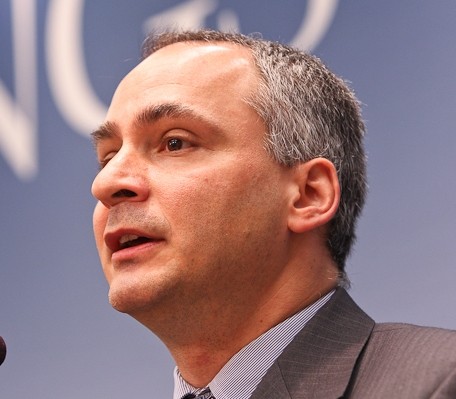

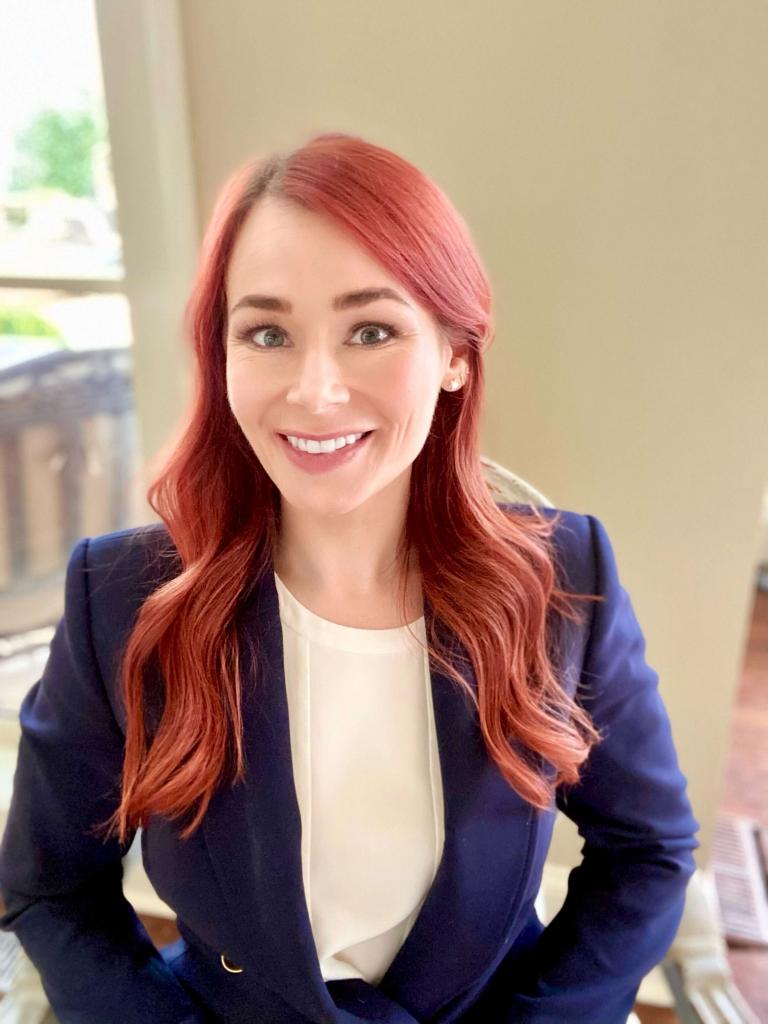


In a live conversation on YouTube, Lawfare Editor in Chief Benjamin Wittes sat down with Georgetown Law Professor Peter Harrell and Senior Editors Eric Columbus, Anna Bower, and Roger Parloff to discuss legal challenges to President Trump’s new tariffs, recent motions by James Comey in the ‘86 47 seashell’ prosecution, developments in the Reflecting Pool prosecution, a hearing on Anthropic’s summary judgement motion challenging their supply chain risk designation, and more.
You can find information on legal challenges to Trump administration actions here. And check out Lawfare’s new homepage on the litigation, new Bluesky account, and new WITOAD merch.
To receive ad-free podcasts, become a Lawfare Material Supporter at www.patreon.com/lawfare. You can also support Lawfare by making a one-time donation at https://givebutter.com/lawfare-institute.
Click the button below to view a transcript of this podcast. Please note that the transcript was auto-generated and may contain errors.
Transcript
Benjamin Wittes: We're live. It is Friday, the 31st day of July, 2026. It is 4:00 PM in Washington, D.C., and you are watching Lawfare Live: The Trials and Tribulations of the Trump Administration. I am Benjamin Wittes, and if you didn't know this, I am the editor-in-chief of Lawfare, and I am here with three Lawfare senior editors, Anna Bower, Eric Columbus, and Roger Parloff, and Peter Harrell, who is a professor in the Georgetown Center for International Economic Law. Is that, is that... Did I get it wrong?
Peter Harrell: Close enough. Close, close enough. Close enough. Institute, but yes.
Benjamin Wittes: Institute.
Peter Harrell: But close enough.
Benjamin Wittes: Institute, center, bastion! And we have a lot of stuff to talk about, guys. So much stuff. And we are gonna start with tariffs, because while we were, you know, ignoring it the president defended the U.S. national interests from Canada and, and he took off the gloves and, you know, they were sending smoke over the border, and he walloped them with you know, a new round of tariffs.
So as, as the, as Celine Dion sings "O Canada," Peter let's, let's start with what our president did to defend our interests from rapacious Canadians and then talk about some other tariffs that he imposed and the trials and tribulations that those tariffs induced. So let's start with Canada, 'cause they're our neighbor and the biggest threat.
Peter Harrell: Yeah, and, and, and clearly, you know, Trump I wouldn't necessarily have expected President Trump to use tariffs as a you know, carbon border pollution measure. But, you know, apparently that is where we are now at least with respect to, to Canada.
No on, on a more serious note, so what, what we saw Trump do last week after talking about tariffs over smoke, what he actually did was dust off a provision of the U.S. code known as Section 338, because it's 19 USC Section 1338, which is quite literally Section 338 of the Tariff Act of 1930, better known as the “Smoot-Hawley Tariff Act”. Which-
Benjamin Wittes: That's the one that induced the Great Depression? That Smoot-Hawley?
Peter Harrell: Many economists argue it induced the Great Depression, and of course, The actor Ben Stein in Ferris Bueller's Day Off has a very famous scene where he talks about the, this same Smoot-Hawley this same Smoot-Hawley Tariff, Tariff Act. And this is a provision that actually, although it was passed in 1930 it actually, it echoes it really sort of continues a provision that was first passed in 1922. Even though it's had a century of existence, never been used to impose tariffs until Donald Trump came along. So, he has succeeded not only in dusting off an old statute, but using an old statute for the very first time.
And what his allegation is, is essentially that Canada has been providing U.S. market access for cars, dairy and alcohol, three different things, on terms less favorable than Canada provides market access to other countries. So it's not sort of less favorable than domestic production, it's less favorable than, than, than third country production.
And the, this, this act of Section 338 if it is still good law, if the president has correctly interpreted it, does allow tariffs of up to 50% in response to, sort of, discrimination against U.S. products vis-a-vis third third countries. I think there are a number of legal problems with the president's interpretation. It will make fascinating litigation if it comes into force, which we'll see. It's not scheduled to come into force until August 19th. Maybe the U.S. and Canada will work something out before then. But if it does come into force, I, I think it'll be interesting to see how it fares in the courts, and count me skeptical of how it will fare in the courts.
Benjamin Wittes: And, and, and why is that? Why, why are we assuming that a hundred-year-old statute that has never been used for tariffs before can't be, you know, saddled like a horse and deployed for modern, in the modern economy at presidential will.
Peter Harrell: Yeah. I mean, that is certainly how you know, the, the Trump view is that he can do exactly that. I, I think you're, you know, if these tariffs come into force and you, we will see litigation. I'm sure all of Trump's trade actions have been litigated. I think there are a couple of different layers of argument that will, will be made here.
So, so one set of arguments that former Bush administration official and former lawyer Phil Zelikow has been making is that actually Section 338 was implicitly repealed by subsequent trade statutes in the 1960s and 1970s, and that although it is still, obviously, technically on the books, these subsequent statutes, provisions of the Trade Act of 196- Trade Expansion Act of 1962 and the Trade Act of 1974, you know, meet the standard of an implicit repeal by fully occupying the same way. It's obviously gonna be a high bar to meet, meet show an implicit repeal in court.
I think the stronger arguments against these tariffs are that Trump has fundamentally misapplied this particular provision of law towards Canada. And, and there are a couple of different ways in which I think he has misapplied it. So first, the, this law, again, we're all just looking at statute and legislative history from the 1920s and 1930, as well as some practice. I said it'd never been used to impose tariffs before. It was used to threaten tariffs a couple of times. It appears to have been used to threaten tariffs in, against Spain in 1935 things like that. So we're all, you know, going through the archives to figure, figure this out.
But among other things, it appears both in the way it was enacted and in past use that, whereas Trump says and has taken the view that he can just find that the foreign government is discriminating against the U.S. relative to third countries. I think they're, they're, they're pretty reasonable arguments that actually the International Trade Commission which is a, a sort of trade fact-finding body over at the Department of Commerce, actually has to do that fact-finding. It can't just be the president wakes up one day and decides that this is what he has found. So you have a, a procedural argument you'll make.
Also, the tariffs are supposed to offset the harm. The statute requires the tariffs can be up to 50%, but they are to offset the alleged discrimination. And in trade law, that offsetting concept has a meaning of kind of equal to the value of the found-
Benjamin Wittes: Right. It, it, it, it, it can go up to the financial value.
Peter Harrell: Yeah, up to 50, but the value to be to offset up to 50% is how the statute is drafted. And Trump's own calculations that they kind of announced in just terms of what they thought the Canadians were doing, you know, they, the the, the value of the tariffs applied is probably about twice the value of the alleged cost of the discrimination to the United States. So I think there's gonna be arguments that the value of these tariffs are, are excessive.
And then there are a whole bunch of other, th- there are three different actions or a bunch of other arguments you can make. So for example, the, the, the alcohol discrimination is not because Canada has barred U.S. booze sales to Canada. What has happened is a couple of provincial governments, as purchasers, have decided we are not purchasing for our s- pro- province-run liquor stores-
Benjamin Wittes: And hundreds of thousands of Canadians have independently decided-
Peter Harrell: Yeah.
Benjamin Wittes: We're not buying Kentucky bourbon anymore.
Peter Harrell: Correct. They're buying, you know, Canada Club and, you know, their own homebr- homegrown alcohol. And, and the statute 338 is definitely supposed to apply kind of with respect to, you know, customs-type discrimination, you know, discrimination at the border. It's not supposed to apply to what sort of behind the border procurement policies might, might look like.
So, so I just think there, there are gonna be a whole range of arguments brought, brought against this. And if I were betting you know, again, if this thing comes into force, if I were betting, the tariffs will ei- would either be tossed or or at least very substantially scaled back.
But, but, but we'll see. I mean, Trump is deeply committed to full employment for trade lawyers. You know, he talks about jobs all the time. Job number one seems to be full employment for trade lawyers. So, you know, we all get to, we all get to watch how this plays out.
Benjamin Wittes: Right, and you can't outsource that stuff 'cause of you know, you need a license.
Peter Harrell: Yeah.
Benjamin Wittes: You can't use Claude as your trade lawyer. You can't use somebody who's not barred in the relevant jurisdiction. So there's a lot of protectia for those positions.
Peter Harrell: Yeah.
Benjamin Wittes: So, Peter, I, I just would be, it would be wrong of me not to ask you about the merits of this. Is there any evidence that you find compelling that, in addition to sending a lot of smoke over the border in what really is an, a practically a military attack on the United States, and on Washington, D.C. itself, that the Canadians are discriminating against American products relative to third parties? Is that, like, is the factual predicate here plausible?
Peter Harrell: Well, I mean, the, the, I think the, the one that is arguably most plausible is in, in autos. It, it is true that Canada adopted a tariff on autos, on U.S. autos that applies only to U.S. autos and not to European Un- autos.
Of course, the, the history of that provision is that it came shortly after Trump applied a tariff on Canadian autos. And it was sort of direct, direct retaliation. The administration is kind of arguing, "Well, we can do whatever we want to you, but if you retaliate just in like kind," I mean, it's very sort of, you know, straight like kind retaliation. "Now we can further pile pile things on."
Look, I, I think what's actually going on here is that the Trump administration is frustrated with Canada about the ongoing renegotiation of the USMCA trade deal. They feel like things are going better with Mexico, and that Mexico has been more willing to make concessions in the ongoing negotiations on the USMCA agreement than Ottawa has been, and so they're kinda looking to ratchet pressure up on Canada to get Canada to, you know, put more on the table.
I think the, the challenge the Trump administration is gonna run into with that, that approach is that Canada was already kind of angry at the Trump administration. You know, they're tired of being sort of treated as a, as a, not really the 51st state, more some kind of, you know, province or something that we m- a territory that we might have. And so I worry that Canada, although Trump wants to get leverage here to negotiate an off-ramp, the risk they're running is that Canada really already felt i- i- dug in, and this actually will encourage them to dig in more.
Benjamin Wittes: All right. So, Canada is actually the mild case-
Peter Harrell: Yes.
Benjamin Wittes: The one that has not yet produced litigation. Some of Trump's other tariff actions have already produced litigation. Which ones are those and who is suing?
Peter Harrell: Yeah, so, so the, the bigger tariff action we saw last week, which was not unexpected, was the implementation of Section 301 tariffs on 86 countries. It's sort of framed as 60, but the 60 number includes the European Union as one entity. So if you put it together, it's 86 countries covering about 99% of U.S. trade.
The countries are being tariffed at either 10% or 12.5% percent. And what that action was, which had been signaled and was not unexpected, was kind of the current legal rationale for the tariffs that Trump initially imposed under IEEPA last year that the Supreme Court ruled unlawful on February 20. And then on February 20, Trump declared this thing called a Section 122 tariff which was statutorily capped at 150 days, and so they needed to have some other theory after you get to 150 days from, from February 20th, and so what they've done is this, the Section 301 tariff.
And we, we should be very clear that that's what this tariff is. Tariff is about continuing Trump's tariff regime first enacted last year. The, the, the legal hook that USTR has come up with is to investigate all of these countries, all, all 60 of them, including the EU as one, and to say that ei- each of those countries has either failed to pass a law prohibiting its imports of products made with forced labor or has failed to effectively enforce a law with products made with forced imports of forced labor.
So sort of, EU is failing to effectively enforce its laws on the books with respect to forced labor. You know, other countries are, don't even have one on the books, and hence the, the sort of that is an unfair trade practice that burdens U.S. commerce. Section 301 lets you impose tariffs on, on those and, and here we are with those tariffs. You know, again, stated to be about forced labor, it's not. This is just a pretext to maintain Trump's global, global tariffs. The, the litigation, and we got two cases-
Benjamin Wittes: And, and just to be clear-
Peter Harrell: Yeah
Benjamin Wittes: When you say it's just a pretext, that's p- pretty, like, naked from the record, right? 'Cause when the tariffs were struck down by the Supreme Court, the global tariffs, they basically said, "We're gonna redo these under 301," right?
Peter Harrell: Yeah, so I think when this gets into briefings. on the merits this is gonna be one of the really interesting and tough questions for the courts to grapple with. Because all of us sitting here talking about it and looking at the what is actually happening in the world can say this is a pretext. You know, and on February 20th, President Trump the trade representative, the Commerce Department, the Se- Secretary of Treasury all made statements to the effect of, "Don't worry, we're gonna rebuild all of these tariffs basically exactly the way they were." So the, the public record is abundantly clear.
You know, the question litigating this point when you, when you get into the details of litigation is gonna be the, the Trump v. Hawaii Supreme Court opinion from Trump's term, first term, you know, which essentially directs the court, as long as there is a adequate basis in an administrative record not to look, you know, beyond what's in the record at what the president and his advisors' actual motivation is. So very clearly a pretext. They've said it publicly. That's a little different from how the court is gonna figure out, the courts are gonna figure out a way to grapple with can they rule that this is a pretext.
Benjamin Wittes: All right, so what is the status of who, who's brought this ca- these cases-
Peter Harrell: Yeah, so-
Benjamin Wittes: And, and where are they?
Peter Harrell: So two cases. They're both in the Court of International Trade. This is, you know, the IEEPA cases were brought, some of them were in the Court of International Trade, some of them were in other courts 'cause it wasn't clear whether IEEPA was a trade statute. This is definitely a trade statute. Section 301's been used many times. It was the basis of Trump's term one tariffs on China. So you have to file a suit in the Court of International Trade.
One of the suits is brought by Learning Resources which is an educational toy company. If that name sounds familiar, that is because it is the-
Benjamin Wittes: Yeah, deja vu all over again.
Peter Harrell: Yeah, exactly. It's because it is the, the named plaintiff who was the Supreme Court case in, in February. The other case that has been filed so far is brought by a spice company called Burlap & Barrel. And also a co-plaintiff in that case is a watch importer.
The, the, those cases, the Burlap & Barrel and the watch, they are being represented, although they are not the same plaintiffs who were involved in the IEEPA case, they are being represented by Liberty Justice Center, which had represented different small business plaintiffs in an IEEPA tariff case that was consolidated in the Learning Resources case. So we're, we're basically talking about the same universe of litigants here as we saw in the IEEPA case.
The third major group of litigants in the IEEPA case was a group of Democratic state attorney general, attorneys general. I, I, they've some of them have said publicly they're looking at this. I, I would sort of expect we'll see a state case as well, but at least as of this morning, we'd not actually seen a state government case.
Benjamin Wittes: All right Anna Bower, we haven't heard from Jim Comey in a while since the Lindsey Halligan stuff, and then they re-indicted him about seashells, and he went quiet for a long time. And this week his lawyers filed, what was it, four motions? And it kinda broke the silence a little bit. So, bring us up to speed. What's going on in the Jim Comey case? Did he sell seashells by the seashore? Or did he threaten the life of the president?
Anna Bower: Yeah, so this is the 86 47 seashells Instagram post indictment, which I can't believe is a thing that I have to say. In their-
Benjamin Wittes: Yeah, the fact that we still can't say it without grinning gives you an idea.
Anna Bower: Yeah. And, and we got four motions this week from Comey's defense counsel. And, and keep in mind, Comey still has not been arraigned in this case. That arraignment is set for September in North Carolina.
Benjamin Wittes: And why is that? I- Is it just a, a local practice issue that you do the motion stuff before the arraignment? Like, I've, I've never seen a case where you indict somebody and then months later you still haven't had a preliminary hearing or an arraignment.
Anna Bower: Yeah. I, I am gonna assume it has maybe something to do with, like, judicial efficiency and the fact that, you know, this courthouse that it's, that, where this will be held, I think is kind of out of the way for, for the defendant in particular. That's usually not a reason though for to put an arraignment off. So Ben, I'm, I'm really not sure. Roger, Eric, do you have any sense of why exactly this arraignment has been put off after even the merits motions being filed?
Benjamin Wittes: Just for those who don't know f- federal court practice, normally the arraignment is the first thing that happens. Like, you have an indictment-
Anna Bower: Yeah.
Benjamin Wittes: And then 48 hours later there's an arraignment, or 12 hours later. It's unusual for arraignment to wait a week, let alone, what is it, five months?
Anna Bower: Yeah, it, it's not clear to me, Ben, and it's, and it, it is quite strange. But nonetheless the arraignment is set for September. So there is this weird posture in which we've, we have these four motions that total, you know, hundreds of pages that are being filed before the, the arraignment has even happened.
But of these four motions, two of them are motions to dismiss. So the first motion to dismiss that was filed is a motion to dismiss for failure to state an offense, the idea being that, you know, 86 47, that post that Comey put up on Instagram, no reasonable person could construe that as a true threat. And so therefore, you know, the, the indictment must be dismissed because it fails to actually state a criminal offense and that that is a political statement because, and it's therefore protected by the First Amendment. Those are the kinda arguments that motion is making.
The second motion is one that we've seen a variation of it before from Comey in the previous indictment that was dismissed. This is a motion to dismiss for vindictive or selective prosecution. On that first prong related to vindictiveness, the idea being that you know, Comey's being retaliated against for expressing his First Amendment speech. The second being that he's being selectively prosecuted. And on that prong, I think it is quite interesting that there's actually a lot that the defense counsel could cite here.
One of the kind of eye-popping facts that they put in is the fact that on Amazon, there's, like, over 200,000 items of merchandise that say “86 47” that are, you know, being sold as merchandise. And yet it seems that none of those people are being prosecuted. So, so those are the two substantive motions to dismiss.
But one of the, the other two motions are quite interesting as well, though. One of them being a motion to dis- to suppress and a motion for a Franks hearing. People who are regular listeners of this show might remember what a Franks hearing is because of our conversations around the Fulton County search and the, the litigation related to that.
A Franks hearing is basically when you know, there's a application for a warrant, and in making swearing out certain facts to show probable cause the government agent, you know, recklessly or intentionally makes false statements or omits things that go to this question of probable cause. You can get a Franks hearing where you might even be able to question the person who swore out the affidavit and then ultimately potentially get evidence suppressed related to related to that affidavit.
So here, the evidence that the defense counsel wants suppressed are y- Google and Apple accounts that the government got warrants for, for Comey and then also for his wife Patrice. So there's that, which I think I'll, I'll get to in a second kind of why that motion is quite interesting.
And then the final motion is a motion for grand jury transcripts. This is something that came up previously in the Comey, the other Comey indictment case that was dismissed- and, and they note, you know, that there's been findings that previously when Lindsay Halligan presented a Comey indictment to a grand jury the judge found that there were misstatements of law.
I also think it's quite interesting in this motion, Ben, they mention the Kash Patel public statements about what evidence was presented to the grand jury. If you recall, we had a discussion after the initial press conference that Kash Patel made a statement about Comey's post, and then also this alleged apology being presented to the grand jury. And when we kind of said, "That's very odd, because usually-"
Benjamin Wittes: You're not supposed to talk about-
Anna Bower: Right.
Benjamin Wittes: Materia- matters occurring before the grand jury, if I'm remembering the language of Rule 6E.
Anna Bower: Right. There's all these rules and norms around not talking about what has been presented to the grand jury, and at the time, I actually made this mistake myself. I kept calling Comey's statement that he made after he deleted that 86 47 post an apology. But I, but I, they make a good point in these filings that actually it wasn't an apology. He never says, "I apologize, I'm sorry." It's more of just an explanation of, "I'm deleting this post because I've been alerted to the fact that you know, some people associate this language with violence." It's actually not apol- an apology. It's, it's more of just kind of an explanation.
And so the argument that they're making in this motion to get the grand jury transcripts, one of, one of the things they cite is the fact that Kash Patel went out and said you know, the grand jury was presented with this evidence that Comey made an apology. So the idea being that potentially the government misrepresented what it was that Comey actually posted after he deleted that 86 47 Instagram post. So I thought that was interesting that that kind of came back around full circle after that.
Benjamin Wittes: And interestingly, came back not in a form of a request for any kind of sanctions for violating grand jury secrecy, but came back in a substantive argument, "Hey, the FBI director is misrepresenting what happened before," or either is misrepresenting what happened before the grand jury or misrepresented to the grand jury what Comey said-
Anna Bower: Right
Benjamin Wittes: and therefore we have questions about the integrity of the grand jury proceedings.
Anna Bower: Right. And, and then, you know, the, the final kind of thing I will say is the cumulative kind of outcome of all of these motions is that we learned a heck of a lot about the investigative steps that the government took in the course of this investigation so this is primarily comes out through the motion for a Franks hearing and then also the motion for selective or vindictive prosecution. There's all these exhibits that are filed, a- affidavits that tell us a lot about the, like, really weird and bizarre investigative steps that the government took that are really quite abnormal and unusual in a case like this.
So among other things that are some of the, you know, weird facts that are, are, bec- that become clear through these motions are things like, you know, the Secret Service used an exigency exception to the warrant requirement to track Comey in the days following this post. That's pretty wild considering that you, it's, it's the exigency exception requires like an imminent threat of harm to someone. And you even have documents that suggest that Secret Service agents were really skeptical of whether this was lawful to, to use the exigency exception.
You have things where these, there are these like just really weird kind of things that happen with interviews of someone who's known as “Person 1” who hasn't talked to Comey for, you know, two years, but for whatever reason the government decides that it's a good idea to talk to Person 1 to get some sense of, you know, what Comey might have meant by saying 86 47.
And there's an allegation in, by defense counsel here in the Franks motion that, that one reason why they should get a Franks hearing is because there's a misrepresentation as to what Person 1 said. Initially they said, "Oh, I associated this with restaurant talk," but then later said they heard from Rudy Giuliani from a podcast that it's mob talk for, you know, kill someone. And, and yet in the affidavit for, for one of the Google or Apple devices the, the agents swore out that Person 1 immediately understood that 86 47 was a call for violence. So there's, there's things like that.
There's also information about the fact that Trump wanted you know, immediately after Comey was interviewed by the Secret Service, like, wanted an, a kind of brief about what happened so that he could maybe use it for a press conference that was happening later that day. So Trump very much had a pulse on what was going on with this investigation. There's a, there's a, just a lot more, Ben, that's, like, really weird stuff going on that I, I wanna check in with Eric and Roger to see what stood out to them because honestly, you could just go on and on and point out all the weird things that were going on in this investigation. But those are just some that stood out to me. But Eric and Roger what did you make of all of it?
Eric Columbus: I mean, that's a great summary, Anna. I mean, I, one thing that I found just kind of ironic perhaps is that at, at the very beginning, after Comey was arrested, that Todd Blanche was asked about, you know, "What's up with this? This is ridiculous," basically, and Blanche said, "Wait ‘till the investigation comes out. We did an investigation about this, and that's why we indicted him."
And I think everyone kind of laughed at Blanche for that, but it turns out they did in fact do a real investigation. It's just that it was, it was a somewhat by turns comical and, and, and sordid one and really astonishing the lengths to which they went and, and to which they went and the lengths to which they failed to make this, to put lipstick on a pig, if you will, and make this indictment look, look legitimate.
Roger Parloff: Yeah, I, I agree with both Eric and Anna. The, the things that s- struck me the most were the direct involvement of Trump, as Anna said, the the wanting the readouts of what he, the interviews with the Secret Service people while he's on a plane, I forget where but on Air Force One, thousands of miles away.
The number three person in DOJ ordering this s- s- exigent surveillance that Anna mentioned that the other Secret Service agents thought was illegal. And then the AUSA and, and it seems that the Secret Service agents thought as soon as they finished interviewing him, that was it. It was over. It was resolved. And then later the AUSA writes the FBI and says, "I've been ordered to open an investigation."
I mean, just the, the, so the, you know, you're not gonna have a situation where they can argue, "Well, yeah, Trump had s-some animus toward this guy, but the U.S. attorney is pure as driven snow. He had, you know, he, he was evaluating this completely independently." No, it's a, clearly a stalking horse situation.
The other thing that struck me most was the extraordinary efforts they made to try to prove that 86 47 was mob lingo and how it failed at every step. I mean, they were just-
Benjamin Wittes: And they ran with it anyway.
Roger Parloff: What? Yeah. And then it, it was like they just keep generating more and more Brady material in a sense, just more and more exculpatory evidence, a- and then they just blow right through it. And o- one thing that occurs to me, I, I, I mean, trying to link, trying to show that Comey knew that this was mob lingo, and it's becoming more and more clear that it's, it seems to be an urban legend that this is mob lingo. But, but they wanted to prove that he knew, and I wonder if it was because maybe they realized the 86 47 charge wasn't gonna make it, and they wanted to m- hit him with a, a false statement charge to the S- Secret Service when he said he'd never heard that that interpretation of 86.
And so, you know, this person, one, got it from Giuliani, but it turns out that Giuliani has said, like on Newsmax, that he didn't know it meant that either, but he li- and, and then the, they go through the Gambi- U.S. v. Gambino case file that he, that Comey prosecuted in 1993. They can't find anything. They, they, they go through the trial transcript. They track down two FBI agents who are still alive from that file. They can't remember having heard it used that way. They track down Sammy “The Bull” Gravano, the cooperating witness who killed 19 people, admitted to it you know, a- and said, "Did you ever talk to him about 86?" "No, I don't remember that, but you know who you should talk to? This would be really great. You should talk to John Gleeson, you know, the, the prosecutor who, he's the ultimate expert." And then they go to Gleeson, and Gleeson says, "No, I've never, no, I've never heard this." And, and, and he's devoted his whole life, you know, to, to prosecuting the mob and both o- on the bench afterwards and, and, I, I mean, it's…
And, and yet they go through with it. It's just the, the most astounding and, and really, you know, th- there's nothing worse that the DOJ can do than prosecute a man because of the president's personal animus, and particularly personal animus based on First Amendment protected speech. And that's what they're doing. It's just the ultimate debasement of the DOJ.
Benjamin Wittes: On that cheerful note let us turn to Olympic canoeing. Roger there have been developments in the case of accused vandal, former Olympian Mr. Hearn, who is s- got some grand jury transcripts, like Jim Comey is seeking, and wants more. What is going on in the ongoing saga of litigation over vandalism malicious cutting of the reflecting pool by former members of Team USA?
Roger Parloff: Yeah, he, in discovery, he got Hearn, David Hearn got s- a couple of the transcripts from the grand jury and including the guy who apparently presented the only evidence about damage. Remember, this is a felony because he allegedly did $1,000 worth, over $1,000 worth of damage.
And i- in the testimony, the guy said well, now we haven't seen the testimony ourselves, that, that is under seal, but here's the description in the motion. “According to the witness, the pool was leaking more than one million gallons of water per week. Its expansion joints had exceeded their service life, and the liner already contained a rip. The government witness further confirmed that,” this was all before he touched it, “the government witness further confirmed the repairs were already necessary to address these conditions.” So it's gonna be difficult to show he caused $1,000. And then he said a grand juror asked how much additional damage Hearn caused, and the witness wouldn't answer.
Now, after he filed that motion, the government came back and said, and and, and, and, and apparently handed him we inadvertently left out a couple pages of transcript because the, the witness testimony ended, and then 21 minutes later it began again, and he was then asked, and he said something like, "Oh yeah, it would definitely be more than $1,000." And of course, it, it's hard to again see how it could be over $1,000 if those other things he said were true. So, the, the, his defense, Hearn's lawyers are saying, "We want to see the rest of the transcript. This is sort of fishy. What were the legal instructions?" Basically that, that sort of thing.
By the way, and I'll just say, also the government is now saying that, the defense lawyers violated Rule 6E, but 6E doesn't really prevent the defense lawyers from the, defense from saying things. It prevents the government saying it. But it, it-
Benjamin Wittes: In fact, not a, not a question of “doesn't really.” 6E does not cover the defense.
Roger Parloff: Right. But I mean-
Benjamin Wittes: That's right. The 6E covers the grand jurors-
Roger Parloff: That's true ...
Benjamin Wittes: the court staff, and the government.
Roger Parloff: I mean-
Benjamin Wittes: The defense allowed to talk about whatever it wants.
Roger Parloff: Well, there is a protective order, and so, w- which is agreed upon, and so there's a dispute about what the protective order allows a- and, and so on. One other thing I'll just say, the, the, the judge has now changed. It's Todd Edelman. He's a, a Obama appointee. And actually Biden tried to appoint him to the federal bench, but he, he was blocked.
And for discovery services f- purposes about 10 days ago, the case was, I, I didn't mention this before, was consolidated with three other misdemeanor cases of people who are alleged to have peeled up pieces of pa- of paint, floating paint from the Reflecting Pool.
Benjamin Wittes: Can I ask a dumb question, though?
Roger Parloff: Yeah.
Benjamin Wittes: Do any of those other three cases require different music? 'Cause I don't want like a, ut's bad enough that we have conflicts of law in this country. I don't wanna have conflicts of music.
Roger Parloff: We should look up the paint peeling music archives.
Benjamin Wittes: All right. So the Olympics are actually not the only movement that we have, you know, that has litigation. We also have stuff coming out of the labor movement. Eric Columbus the Justice Department has dropped a case against California labor leader David Huerta who, listeners will recall, Huerta was arrested in Los Angeles last summer, and I'd completely forgotten about this case, frankly, for allegedly assaulting an ICE officer. And it was kind of the first of these prominent people, I think it was before Congressman, Congresswoman MacGyver, or right around the same time. So tell us about how this case mysteriously fell apart and what, what, what happened here?
Eric Columbus: So, David Huerta is the president of the United Service- United Service Workers West which is apparently a big union in California. And he was with, with others, participating in a demonstration against ICE in Los Angeles. And he was I, I think they were trying to, I think, or allegedly trying to block ICE vehicles from moving, and he was kind of thrown to the ground and arrested.
And he was orig- originally charged with a felony count of conspiring to impede or injure an officer under 18 U.S.C. 372, which savvy Lawfare readers and listeners may recognize that as a statute used against the Broadview Six in Chicago with i- i- in, in a case that was also later dropped. And in Chicago they said it was, the, the defense attorney said it was, they could not find any evidence of that charge ever being used by that U.S. attorney's office. I don't know if it's different in the Central District of California.
But they, they never brought to a, a grand jury actually, because they perhaps concluded that the evidence did not support a, that charge, so they downgraded it to a misdemeanor and therefore avoided having to bring it to a grand jury. And they charged him under 18 U.S.C. 1501, which, which I had not heard of, but apparently criminalizes obstructing, resisting, or opposing an officer of the United States who is trying to serve a legal document. And a- apparently a search warrant was trying to be, being served by officers in, in, in conjunction with this, this protest.
He was represented by Abbe Lowell who filed the motion to dismiss and said, "Look, this is not clear what you've done, how he, in what way did he violate the statute?" The judge said, you know, "Okay, make it more clear," gave them another shot. They filed a superseding indictment, and then Abbe Lowell came back with another motion to dismiss saying basically that the, the, the indictment is too bare bones. It doesn't specify how he is obstructing specific officers. It just accuses him of obstructing officers in the totality. And that there also are First Amendment problems with the statute, both as applied to Huerta and in general. And the government filed an opposition and then apparently seemed to have thought better of the entire exercise and dropped the case this week
Benjamin Wittes: And Eric how surprised are you that this case fell apart?
Eric Columbus: I, it's tough to say because I had not really been following it until, I mean, I remember, I remember it at the time and then there was these, and then I basically forgot about it until, until the case was dismissed.
Benjamin Wittes: 'Cause I-
Eric Columbus: But I, I think it's one of these situations where we've learned a lot over the past year. Like, at the time when these stories came out, like a guy was arrested during an ICE protest, we, we may have felt that there was probably some reason if they were going to go to the step of arresting a, someone, a prominent person, that they probably had the, the, the goods on him.
And I think that what the past year has taught us, and I think that was June 2025 when that happened, what the past, like, 13, 14 months or so have taught us is that that just simply is not the case with this administration. They're willing to do completely re- you know, ridiculous things that they later discover are not backed up by the facts, and they do it again and again. They don't seem to mind.
Benjamin Wittes: Yeah, so I wanna put a finer point on this, that since this case happened, we have had a series of cases around the country Chicago in Jersey, in other cases in Los Angeles where they're, and in D.C., and of course, in Minnesota, where they just shoot the protesters, that you know, you have these protesters that are accused of doing violent behavior to, to ICE, and I am not aware of very many of those cases that actually survive the litigation process. So Texas, the Antifa case is a, certainly an outlier. That, that's… But the number of these cases that in one way or another falls apart after a high-profile arrest is pretty substantial at this point.
And I think when you get a federal case, a federal indictment or arrest against a prominent person or a not prominent person that says they assaulted an ICE officer of one sort or another the record of them not being able to stand on these over time and that they quietly go away at some point is pretty compelling at this point. And I, I, I, you know, this is not about the presumption of regularity in a judicial sense, but it is about remembering our inner civics lesson that people are innocent until proven guilty and that the burden is on the government to prove every freaking element of these cases, and that's you know, a generalizable rule.
And this, you know, the most dramatic of these is the Chicago indictment. But there's a lot of them at this point, and they do seem disproportionately to be resolving in the direction of the defense because a lot of these cases are just not merited at the end of the day. Am I, am I too in touch with my inner defense lawyer there, Eric?
Eric Columbus: No, I think that's exactly right. I mean, and of course the, the, the presumed innocent until, until proven guilty applies only in a court of law. It does not apply to the average citizen sitting at home reading a news story. And we all have instinctive reactions. And, you know, typically people who are arrested for things are, did the thing that they were arrested for. But that's no longer something that at least I can believe in situations where people are being arrested involving protests against the federal government.
Benjamin Wittes: All right. There you have it. Innocent till proven guilty, a good rule, intellectual rule of thumb when you're dealing with what your instincts should be when someone is arrested for protesting vi- alleged violence in connection with protesting.
All right Roger, I confess I thought long and hard about the question of whether I could come up with theme music for the American Bar Association. And when I say long and hard, I mean short and shallow. I did not think long and hard about it. But I could not, and while the Executive Office of the President does have "Hail to the Chief," I don't think that's the appropriate theme music for ABA v. EOP. So what is going on in the discovery hearing between the ABA and the Executive Office of the President?
Roger Parloff: Well, there was a hearing this morning in front of Judge Amir Ali here in D.C. And Judge Ali is, is a very methodical and, and r- reserved, he's a, a very good judge, but he's not of the Anna Reyes performative genre. And so this was in fact, he warned people as it began that this would be dry, and it was. And in fact, it was dry enough that I didn't make it through the whole thing. I thought I needed to prepare for this at a certain point.
But basically what's going on is, and since we do have other things, I'll, I'll, I'll do this quickly, that it was just, it's become interesting, this case, because this was filed back when the law firm executive orders were coming out and the settlements were coming out, and the ABA brought this suit to stop the government from doing this, to enjoin the government from, from these f- violations of the First Amendment. And after waiting a period for, because of motions to dismiss, we got past that, and the discovery began, and the first person they asked for they sent a subpoena to was Boris Epshteyn, who negotiated a lot of these.
And of course, Boris Epshteyn’s a very interesting and sensitive sort of person to to subpoena because it's, he's, they're also asking, they've also asked the executive office of the presidency, they've sent 14 requests for a production, including all the agreements or you know, or all the whatever evidence there is of an agreement and, and very sensitive stuff. The “Epstein” one “Epshteyn,” however it is is very sensitive because he's, who is he? He's, he's sort of a, a he's, sometimes he's Trump's lawyer, but he's not acting as Trump's lawyer here. He's negotiating. He's not an public official. What, what privileges are you going to invoke for him? And we don't even know how he's being paid and w- who's paying him for these, these errands.
And so it's very interesting, and they, and the government moved for a motion to q- quash. That hasn't yet gotten before Judge Ali at will. It, it was originally in, in New York. It's being brought down. So he's going very methodically through all these very sensitive pieces of discovery and you know, m- made no decisions today, will and it doesn't I think it will take some time to work through.
Benjamin Wittes: All right. Speeding through the next few cases. Eric we have a decision in Oregon a- against a Justice Department motion to enforce a, a decree, a consent decree, is it? Against Portland's police department as a result of the Justice Department's unclean hands. What are we, I, I confess I'm unaware of this case and don't know what it's about. What we got going on there?
Eric Columbus: Yes, my written summary may have been a little bit oblique. What they're, what the Department of Justice here is trying to do is get documents. This i- is another case that emerged from the various developments last summer when there were massive protests in Portland and Trump was trying to call out the National Guard there.
And the Civil Rights Division dug up an old consent decree that the Obama administration had signed with the, Portland Police Department back in 2012, which said, which was, they, which Portland entered into because they were not doing a good job of dealing with people who had, were having mental health crises, and they were using excessive force. So they agreed to do certain things in an agreement. And one part of the agreement was that DOJ could procure documents from the police department basically at any time in order to see how their enforcement of the agreement is going.
So the Civil Rights Division led by Harmeet Dhillon gets involved here because there was a kind of right-wing influencer named Nick Sortor, who was briefly arrested during the protests in Portland. He was I think counter-protesting/trying to interview protesters, and there was some type of scuffle, and he was briefly arrested, and he made a big stink of it, and he wound up at the White House, I believe, a few days later, as part of some influencer roundtable. And so they're trying to get, Harmeet Dhillon basically accuses the Portland Police Department of viewpoint dis- discrimination because they handled Nick Sortor in a way differently, she alleges, from a way in which they handled a, a liberal protester.
Now, I, I am skeptical about this just based upon how this Department of Justice behaves, but I don't have any facts on whether or not that, that specific allegation is correct. But what they do do then is try to get documents ba- based on this 2012 consent decree, and Portland fights back. And the judge says no. The judge says that DOJ has “unclean hands” is, is the phrase that he uses. And, and what that, that's a, a doctrine that says when you, you come to get a court to do something for you, you, you cannot have, be, be or coming to the court in bad faith.
And, and the, the court had, had three reasons for this that it cited. The, the first one was that, you know, look, you're try- you're purportedly doing this, seeking this based on political viewpoint discrimination, but you're using an agreement, a consent decree that applies only to, bad behavior by the Portland cops with regards to people experiencing mental illness. And the two things have absolutely nothing to do with each other. And I think he could have settled the case, dispatched the case on those grounds solely and not even considered it to be an unclean hands issue, but just that he lacked the power to enforce the consent decree in that manner because it wasn't actually about that.
But then he went on and talked about how the timing clearly suggests bad faith on the part of the United States because this was at the time, they first sent this letter to the Portland cops at a time when like right after the Portland cops had testified in the National Guard trial, a trial there whether you could bring out the National Guard, and basically said there's no problem. There's no need to bring out the National Guard here. So it could have been seen as retaliation against the cops by the DOJ coming in and trying to investigate them on an unrelated issue.
And finally, the judge noted that Harmeet Dhillon had been getting herself into trouble on Twitter by reposting a comment made by Nick Sortor with her own comment where she said, “Portland, it's FO time. Buckle up.” And FO, I believe, meaning find out in that case, which is itself a reference to FAFO, F-A-F-O, fuck around and find out.
So this was her threat in the second half of that. And the judge also then talked about in a lengthy footnote about how the presumption of regularity normally adheres to things the government does, but that in this case, they have, it has been over, has been, the presumption has not been warranted and has been rebutted. And he also cited some other cases that we're familiar with in Minnesota and also the Trump slush fund case in Florida where judges have found that presumption not to be warranted.
Benjamin Wittes: All right, folks, we need to significantly pick up the pace here 'cause we got a lot more stuff to get through, so let's all keep answers short, and I will keep questions short.
Continuing its trend of using settlements to pay out its political friends, the Justice Department has given a million, $1.2 million to an anti-abortion protester convicted under the FACE Act during the Biden administration and pardoned by Trump. Eric what possible basis is there for this settlement?
Eric Columbus: Well, so they, he was arrested. He, he was he, this is a guy who did a, apparently a peaceful blockade at an abortion protest and was indicted for violating the safe, the, the FACE Act, Freedom of Access to Clinic Entrances. He was at his com- he was convicted and sentenced to supervised release no prison time, and then he was pardoned by Trump.
So, but he was arrested at he alleges, at gunpoint, at pre-dawn, in a way that terrified his wife and his, his young children. And, you know, I, I have no idea whether that's true or not, but it's certainly possible. I will only say that this type of thing, for better or worse, happens all the time, and I don't think other people seeking to make Federal Tort Claims Act cases out of it will find success in getting, convincing DOJ to settle. But this is an important political constituency for the administration, and they're willing to give their allies cash. It's the second time they've done this in a Federal Tort Claims Act case f- involving FACE Act violations.
Benjamin Wittes: And the nth time they've done it for political friends in some kind of case. All right one person who loves such settlements is Todd Blanche and he seems to be in trouble as the attorney general nominee, partly because he won't commit to not engaging in such settlements using an anti-weaponization slush fund. Eric, what's the state of the nomination?
Eric Columbus: So the state of play is that Senators Cornyn and Tillis, both parts of the “Wounded Bear Caucus,” senators who won't be back next year because Trump has basically driven them out of the party, and they are not committing to vote for his nomination. And without their votes, the nomination goes down in the Senate Judiciary Committee. So there was supposed to be a vote on Thursday. Chairman Grassley postponed it.
It appears that- they're, they're, the, the sticking points are involving that, that slush fund and also the second half of the settlement of that case, w- which Todd Blanche bestow- purported to bestow upon Trump and the Trump family immunity from tax audits and other IRS and Treasury actions against them.
Reportedly, Cornyn is okay with that part, but he wants to ensure that it doesn't extend beyond anything that the I- beyond IRS and Treasury, that it doesn't, like, apply to criminal prosecutions or the like. And if the reports are true, that's something that Trump is not conceding on. It's not, I would suspect that Blanche would be more than willing to play ball here, but that it's at the very top where the resistance comes.
Benjamin Wittes: All right. Meanwhile, also on the hill, my neighbor, Anthony Fauci takes the fifth and Senator Rand Paul threatens to hold him in contempt as a result. Eric can you be held in contempt for asserting your Fifth Amendment rights?
Eric Columbus: Yes, if you don't have a reasonable basis for fearing that your comments will, could be used against you in a prosecution. Fauci was given a extremely broad pardon by President Biden on his final day in office that basically covers everything he did on the job from 2014 onwards. But yeah, Fauci, in, in ri- in his opening statement before refusing to answer questions, he said, "Look, Rand Paul i- is a crazy man who says that I belong in prison. He's been attacking me for years. I'm pretty sure he's trying to do some type of perjury trap, trying to get me to say something that then DOJ, which is also unfriendly, will then try to use to prosecute me."
You know, it, it, it's unclear what, what the standard is. I mean, I think usually there's, I, I don't, usually the idea is that you cannot take the Fifth based upon a fear that you're about to commit some new crime by speaking. But this is a very unusual situation where we have a DOJ that is hot to trot in bringing bad faith prosecutions against people in cases where there are no actual kind of crimes.
And notably, Fauci would not be able to use an advice of counsel defense if he is later prosecuted and say, "Oh, my counsel said I should be able to take the Fifth here," because that worked for s- did not work for Steve Bannon, who tried to use that in when he, he was prosecuted for disobeying the January 6th committee. He said, "Oh, my, my counsel said I could invoke inve- executive privilege here." That was held not to be good enough. There's a lot of state AGs are investigating Fauci, and he probably has a good basis probably in saying that that would be a valid basis for, of invoking his Fifth Amendment rights.
Benjamin Wittes: And why isn't it an adequate basis to say, "Hey, man, you can immunize my testimony if you want, but I've got people gunning for me and law enforcement all over the place, and unless I have a grant of immunity, I'm just not saying anything"? Why is that not the answer? I mean, I think the, the relevant statute is a 3501. Congress can immunize him, but if it doesn't wanna do that, it doesn't, like, doesn't he, I, I mean, it's not like he's not in jeopardy if he puts a toe out of line for, you know, some creep to indict him.
Eric Columbus: I mean, he would have to prove that, and that, this, I guess this gets back to the presumption of regularity. Under normal circumstances, people don't get prosecuted kind of wildly out of the blue for things that they're about to say.
Benjamin Wittes: Yeah, tell that to Jim Comey or, or Letitia James or Kilmar Abrego-Garcia. I mean, I, I, I just think if you're a lawyer for Tony Fauci and you're in front of Rand Paul, you'd be crazy to let your client say anything, no?
Eric Columbus: Maybe. I mean, look, they could pros- they could bring a frivolous prosecution either way, basically. And, but they could, they could, he could be held in contempt and he, they could try to prosecute him for, for that. I think it is probably unlikely because… Well, sorry. I think it's unlikely the Senate will hold him in contempt. DOJ could try to prosecute him anyway. Right. Which is rare, but it, it happens.
Benjamin Wittes: I, look, Tony Fauci, if you're listening, I'm not your lawyer, not anybody's lawyer. I'm not allowed to give le- legal advice. Let me just tell you this as a citizen of the District of Columbia. Ain't no jury in this city gonna convict you for refusing to testify under these circumstances in front of Rand Paul who has been gunning for you for doing your job for a long time. And, just saying, one citizen's opinion, but I, I know my way around the Barrett Prettyman Courthouse, and I'm pretty confident of that.
Roger, let's talk about another citizen of this country that is not allowed to put a toe over any line without inspiring the wrath of the Trump administration, and I'm talking about, of course, Anthropic which had a hearing this week, and the poor beleaguered AI company. Why were they in court once again?
Roger Parloff: So this is they were, you know, declared a, a supply chain, a, a risk a totally unprecedented, precedented use of two statutes actually, never used before against an American company. And this was after they were balking at allowing their government version of, of Frontier Ar-Artificial Intelligence to be used for autonomous lethal weapons or for mass surveillance of American citizens.
And so back in March, Judge Rita Lin in Northern District of California granted an injunction against v- several different actions that Hegseth and the President took directives to, to declare this to, to brand them with this very powerful stain and just debar them from o- originally all federal contracts. Now it's down to just certain contracts at DoD. And originally they w- they tried to impose a secondary boycott, saying, "Anyone who does business with them we won't work with you." So, that, that's gone too.
But Judge Lin entered that back in March. This is now the summary judgment phase cross-motion, so this is the final decision on the merits that she's deciding. And her re- op- in the opening remarks, she said something to this effect. I, this is not a transcript, this is my notes. "Having reviewed the record, it appears to me to be largely the same as record I, the record I assessed at the preliminary injunction stage. I don't see additional evidence from the govern-government that improves their position. If anything, it's gotten worse. The government is saying if a contractor criticizes the government, the government can turn around and say, ‘We don't trust you,’ and then go ahead and retaliate, say, say that they're an enemy of the s- of the state, take away their contracts. It's really troubling, at odds with the First Amendment and with 10 U.S.C. 3252. I would like to understand if that's really the government's position, because it seems quite extreme.”
So I think that gives the flavor of it. It didn't get much better from there for the government. They sort of nibbled around the edges which is what they do in these hopeless cases. They, they hope that, you know, they can get the judge to throw them a bone, and then they can say, go back to Trump and say, "Look, it said it's we granted in part and denied in part. We, you know, we, it's sort of a wash." So I, I think but I, I think it's looking pretty good for Anthropic here.
Benjamin Wittes: And what about we still have a D.C. Circuit parallel case that has stalled out somewhere, and I can't-
Roger Parloff: It has-
Benjamin Wittes: Remember where that is.
Roger Parloff: Yeah, it's still in supplemental briefing. I think next week the briefing there will be complete, the supplemental briefing will be complete, and we should get a ruling from them as well. That's a conservative panel. We might get a, we could get a different ruling.
Benjamin Wittes: Although it's the, it's a conservative panel in which Karen LeCraft Henderson sounds like she's ready to write the Port Huron statement.
Roger Parloff: Yeah. Actually, yeah. She, she she sounded like she didn't think this statute was remotely applicable under these circumstances. It's a statute that's usually used against saboteurs and ad- a- adversarial states and, and adversarial non-state actors that are, you know, you know, pirates that are sneaking things into your software. It's n- nothing remotely like one of the major AI providers in the United States.
Benjamin Wittes: All right. We don't usually talk about antitrust issues here, but Paramount Skydance has agreed to postpone its merger with Warner Brothers Discovery until after an antitrust trial. Roger, first of all why are we talking about this on Trump Trials and Tribulations? And secondly, what's going on in that case?
Roger Parloff: Well, we're talking about it because there are First Amendment issues sort of at stake, but you're right, the, it's not being litigated overtly over those. For instance, the, you know, CNN is, is at stake here, and it's part of Warner. So Paramount Skydance would take it over the way they take just took over CBS. And we see things changing at 60 Minutes, and the, the su- suggestion is, and, and Trump is very eager for this thing to go through. There was some reporting that the, it's the government antitrust division was concerned about it, but that higher-ups over, jumped over that co- all, all of those concerns.
So, but, and the there was a, a, a TRO, and then we were waiting for the preliminary injunction hearing to be set. And then I think after, or, or maybe even during Trump Trials last week the, the defendants stipulated to just not have a PI hearing, a preliminary injunction hearing, just go they would agree to basically a standstill until we could do full briefing, have a summary judgment hearing or, or trial, and, and have a final determ- merits determination.
So this is, they won't close the transaction until five days after a full merits determination or June 1st, 2027, whichever is later. So, that's a pretty big success for the state attorney generals. Tw- I think 12 of them led by California. Frankly, I did not think this would go so well for them to delay it even that long.
Benjamin Wittes: Let's talk about someone else for whom things are going surprisingly well, which is E. Jean Carroll who has collected $5.678 million that the president wants to claw back from her in Carroll two, by which we mean the first Carroll case, and who is now just has to get a cert denial in Carroll one, by which we mean the second Carroll case which would be worth $83.5 million. So, is she in the clear yet and a very rich lady, or is the Supreme Court gonna step in here, Roger?
Roger Parloff: She does have 5.62 million, and I think she's gonna keep that. The, the 83.3 million, they just filed, Trump just filed, I think Tuesday, the cert petition in, in that case, Carroll one. And in fact, the DOJ filed a cert petition too because There are two issues there that are, that are the top ones to try to get before the Supreme Court. One is presidential immunity. C- remember, this is, these are the defamations that occurred during his first term.
And, and so, he did not invoke presidential immunity for about three years. You know, this case was filed in 2019. I think he first brought it up in December of 2022. And in fact, more than that, I, I think, I, I'm not sure about this. Remember, Alina Habba was her original lawyer. So I, I think that she at one point, the judge, she ex- there was something more explicit than just not raising it. It was, it was an explicit waiver. I might be wrong there.
But anyway that's the trouble is there is this opinion from 1979, U.S. v. Helstosky. Maybe Eric knows about it. It's about legislative immunity, and it's very, very hard for a congressman to waive legislative immunity. It says "Absent, you, you can't waive it absent explicit and unequivocal renunciation… assuming any waiver is possible at all." So, the presidential immunity is if you can't waive it, he did eventually try to bring it up and they said, "You waived it." So that's something that this Supreme Court could be receptive to.
The other issue is re- s- similar. It's called Westfall Act immunity. Basically, every federal official for their official acts you can, the, the, the defendant is supposed to become the, the United States, and then you would bring a FT- a Federal Tort Claims Act C- case if you could. FDCA doesn't doesn't permit defamation claims, so she'd be out of luck. This was another one where it was sort of hide and seek. He raised it at some point late in the ga- I mean, late.
Then the administration changed and the Biden administration said, "We, we don't think this is a Westfall Act case." Apparently, the president could have wait- raised it again before trial himself and didn't. But, but anyway, the DOJ is, is saying that that, that they, they're, they're, they raised it after it was fully briefed, after, yeah, it was fully briefed at the Second Circuit.
The l- Judge Chin below said, "The fact of the matter is no other defendant would be permitted to move to substitute the United States in his place 15 months after trial and the entry of judgment against him," which is, which is what happened here. Nevertheless, these are all quite conceivable claims before this Supreme Court.
Benjamin Wittes: I have a prediction for you, Roger.
Roger Parloff: Yeah.
Benjamin Wittes: They the Supreme Court will not grant cert in this case, and the reason is that it's just money. And now it's a lot of money, but, you know, Trump has an enormous amount of money, and this, and it would look really bad to step in. And so if you just let this one pass, it's kinda no harm, no foul. It's embarrassing. It's $90 million, whatever, but it's just money. And you save the interventions for the cases that really matter if you're John Roberts and Amy Coney Barrett, where he really needs it. Just one citizen's opinion.
Roger Parloff: One, one other possible thing that in, in Carroll's favor was this, this contemplated criminal prosecution of her. I think that does not help Trump's case here. I mean, it is just so beyond the pale. I don't think SC- even Supreme Court wants to get involved there.
Benjamin Wittes: All right. I have a story for you all. Tell it really quickly. Once upon a time, in 1996 or 1997, Congress created a new court, and a young reporter at an organization that also employed one Roger Parloff wrote the first article ever about the court. And that reporter's name, a cub reporter, 26-year-old whatever reporter named Benjamin Wittes, wrote about the Alien Terrorist Removal Court, which has come to be known as the ATRC, and he wrote a alarmed article about the civil liberties implications of the ATRC, never dreaming that it would not hear a case, ever, for 30 years.
Benjamin Wittes is now 56 years old. The ATRC is 30 years old, and it had its first hearing. It had its first case this year at age 30. 30 years after Benjamin Wittes, the young cub reporter at Legal Times, wrote an article about it and then wrote about it in Slate, the new Slate magazine. Roger Parloff, you went to the hearing, not of the ATRC, which was, of course, deep in secret, but the public hearing. What happened?
Roger Parloff: Yeah, and if you really wanna know what happened, my colleague Peter Beck has written a dispatch. I don't know if it's online yet but it is really good, and speaking of cub reporters so, that is how to get the real inside story. This was you know, it's at Prettyman Courthouse. They, and we were wondering if they would have their own seal 'cause it is a, d- they don't ha- they aren't up and running with the seal yet. But,
Benjamin Wittes: Well, they've only had 30 years to make one. I mean, it's, it's not like they've been busy or anything.
Roger Parloff: I mean, it, it was funny 'cause everything was going wrong. You know, the sound system w- the mics weren't working. It was really, like, amateur. It was like, you know, our, our shows and it, it seemed like the first first time this had ever happened.
Benjamin Wittes: Hey, our sound system's great today. We got Eric sounding like he's, you know, Stevie Wonder. We got, we're-
Roger Parloff: Okay. Yeah...
Benjamin Wittes: You know, don't knock our sound system, man. Okay. Okay.
Roger Parloff: But anyway it was Judge Joan Ericksen, a senior judge from District of Minnesota. She's one of the five appointed judges to this court. And we found, like, the night the before, we found out a whole lot more about this wi- case, which was filed on July 15th.
It's, the woman is Nazira Haji Zada. She's 47. She's a, a LPR, a, a legal pub- permanent resident. She was arrested in Fort Worth and her, the accusation is that she supports ISIS. She has a son and a son-in-law who were convicted of conspiring to give mir- ma- material support to ISIS. It was a scheme to have a violent attack, I'm talking about the son and the son-in-law now. That would have coincided, it was thwarted with the 2024 election.
And you know, two AK-47s, 500 rounds so, they were buy- trying to buy. She allegedly, her role is unclear. That she, she indoctrinated them. Interestingly, her husband the government concedes was kept out of this. Her husband was at Bagram Air Force Base, employed there during the war, and I guess must have been helping us. He's Afghan. She's Afghan. She speaks Dari, which is one of the two main languages there. So she was speaking through an interpreter. She had a hijab.
And, and the this was only a sort of a scheduling hearing, sort of a, it was where she was, she gets appointed counsel, being an LPR. The statute says that. But and then the defense lawyers who had really just probably just met her that day did move to dismiss everything and to release her because of a lack of due process.
The, it, it, the DOJ was, you know, there's some very, there's some paragraphs on basically what I've told you is, is what you can find. There is now a rudimentary site for this court. And heavily redacted documents are there. The, the DOJ was taking the position that it would not even show the classified info- information to her cleared counsel. Judge Erickson was not buying that. She was saying, "No you're gonna show the classified information to them. They can't show it to her. But you're gonna show it to them unless there's, you know, you can make an individualized showing that something is really so special." But anyway, the release hearing will be August 11th. That wasn't, but… And so that's the next step
Benjamin Wittes: All right.
Roger Parloff: Oh, I think it's also coming into, I'm sorry, coming into view why, why do you go to this court? And I think the answer is for, for legal permanent residence, it's a lot faster to use this than, than going, I, I think that has to be it, that the process would be very hard to get, get somebody out otherwise.
Benjamin Wittes: All right. So meanwhile fallout from the Supreme Court's decision on TPS, temporary protective status, totally not surprising, but the First Circuit has reversed a district court order that blocked the ending of TPS for Ethiopians. Roger, how many Ethiopians are here under TPS, and, like, what's the magnitude of the effect of this?
Roger Parloff: Yeah, I don't have that one in front of me. I thought it was around 1,000. I could, I could be off by a lot. But ever since this decision came down, the next day, next two days the government petitioned in all of these cases to lift the stays. The mandate in the Supreme Court doesn't come down for 32 days. So the mandate did not come down till this week I think maybe Tuesday, I'm not sure. This, the decision was June 25th.
So, and so this the First Circuit did send it back. Everyone is now faced, all these courts are now faced with horrendous situations especially the Haitian one. And but a lot of them, you know, they filed amended complaints, and they have said "Okay, we're dropping the APA claims, which we don't, you don't have jurisdiction of, but we are bringing constitutional claims."
Now, the, you know, the trouble with that is that, you know, if, if, if, if the Haitians, if what they are doing to the Haitians isn't racial or ethnic animus, nothing is. But that's not really legal reasoning. So I don't know-
Benjamin Wittes: Yeah, it may buy-
Roger Parloff: I think, I think these are gonna lead to some mandamus actions and so it, it's not gonna be pretty.
Benjamin Wittes: Yeah, it may, it may buy some people some time.
Roger Parloff: I think that, yeah. I mean-
Benjamin Wittes: But that, but that's all it's gonna do.
Roger Parloff: Yeah.
Benjamin Wittes: All right. The Ninth and Second, Seventh Circuits have expanded the list of circuit courts that have ruled against the government's mandatory detention policy. Does this matter given that there's already a circuit split and it's going to the Supreme Court and there's only nine people whose opinions of this question matter?
Roger Parloff: Well, I don't not a lot. We've seen that the, the, the, it's now 6-2 in the circuit courts against Trump. We've seen with the Fisher case that the Supreme Court doesn't care how many judges rule one way or the other. It's, it's the arbiter. Kyle Cheney has the count among district judges as 469-54. I think what does help is that this is not strict party lines when it's this lopsided. It's very hard for me to picture-
Benjamin Wittes: No, there are a lot of Republican judges who are with the majority,
Roger Parloff: There are a lot of Trump judges with the majority. In fact, the Ninth Circuit opinion was written by a Trump appointee. So I, I think that it's very hard to imagine a Judge Amy Comey, Coney Barrett ruling for Trump on this interpretation. I, for me you also as I, I, I think this is a winnable case for the parti- for the non-citizens. And we do have two cert petitions that are already filed.
Benjamin Wittes: Yeah, I hope it is extremely well-briefed and argued because I would not, I agree with you, it is a potentially winnable case, but I don't think it is a shoo-in, and I think the quality of the lawyering at the appellate level, at the Supreme Court level will maybe matter a lot. And so I would really hope that it is represented at the, the highest level of the Supreme Court bar.
Finally, Anna Bower the D.C. Circuit has upheld Judge Nichols’s denial of a preliminary injunction. That's Carl Nichols, author of the original Fisher decision in a challenge to Trump's executive order on ripeness grounds. That sounds like Greek even as I say it. What on earth is going on?
Anna Bower: Yeah, yeah. So this is the provisions of the executive order that basically said you know, directed the DHS, the Postal Service, various federal agencies to come up with these proposed rules and processes for elections that related to these, like, list that would basically kind of show various people who have residency in different states.
One provision of it was like, you've got to transmit this list to the chief election official in the states. And then there would be, you know, kind of a process for people potentially being removed or, you know, checking the, the election officials checking that list presumably against voter registration in that state.
And then the and then the other one related to the Postal Service's handling of absentee or mail-in ballots. But, but also at the same time, the executive order said you know, you've got to come up with these proposed rules or these proposed processes consistent with applicable law and with the Privacy Act of 1974. So there were kind of these, like, qualifiers in the executive order.
These provisions were challenged, like, the day after this executive order, or the week of this ex- executive order coming out. Judge Carl Nichols denies a motion for preliminary relief based on the idea that it's not ripe. Like, there's not enough that's happened yet to be able to say this is unlawful.
And so it goes up to the D.C. Circuit, and a three-judge panel agrees and says, like, "Yeah, there's, there's reasons to be concerned about this EO if it's implemented and depending on what the proposed rules are, but on the record before us, even though we've been presented with additional kind of facts, that's not the record that was before the district court judge. We just gotta, on appeal, look at what was before the district court judge. And from what we can tell, you know, there's just not enough here to, to say that this matter is ripe.”
And, and also, you know, it matters that the, the instruction h- said “consistent with applicable law.” “We just don't know yet,” basically, is what the court is saying, whether or not this is going to be something that whatever action is taken ends up being unlawful.
I think importantly, too, one thing in this opinion that they discuss is that the plaintiffs brought up the fact of the Purcell principle. That's that idea that, you know, you can't too close to an election make these kind of big changes-
Benjamin Wittes: Unless it advantages Republicans in Louisiana.
Anna Bower: Sorry, say that again?
Benjamin Wittes: Unless it advantages Republicans in Louisiana
Anna Bower: Right. Right. Well, the, the plaintiffs brought up this concept of the Purcell principle, and the idea was, oh, well, like, maybe the federal agencies will just wait until it's too close to the election for a court to be able to intervene. And then the courts will just say, "Oh, because the Purcell principle, we can't intervene and stop this federal action."
But the court, the D.C. Circuit here says that gets the Purcel- the Purcell principle, you know, totally flips it on its head because the idea is that, you know, you wanna preserve the status quo. So the status quo in this scenario that was imagined by the plaintiffs would be whatever the states were doing before, not, you know, whatever new thing it is that the federal government wants to do to try to interfere with state processes. So that's kind of where it ends up here, Ben, is just basically s- the court saying "This isn't ripe." Did, did that-
Benjamin Wittes: All right.
Anna Bower: Does that clarify it?
Benjamin Wittes: Yeah. Well, I, you know, ripeness, great doctrine. Says, it always says, "Bring it back later." We have one final item of business before we wrap. It has come to my attention that last week when I wasn't here, this is a question I could have resolved that a listener asked Roger, and Roger conducted a thorough investigation of a very important question. Roger what was the question you were asked to investigate, and tell us about your detailed investigation.
Roger Parloff: Well, apparently I have been saying Judge “BO-AS-berg” with three syllables, and this has set off a groundswell of, of r- rebellion out there that fr- many people that f- felt, felt that it was “BOS-berg,” including people in my own organization.
And, and so I wanted to prove them wrong, and so I wrote to the source. I wrote to the chambers of Chief Judge Boasberg, and they wrote back, "Thank you for your email. Chief Judge," well, I'm gonna give it away, I guess, “The Chief Judge [name] is indeed pronounced with only two syllables, as in ‘BOZE-berg’. Sort of like Bose speakers, but with a Z, is how he spells it, Boasberg. Best, Chambers of Chief Judge Boasberg.
Benjamin Wittes: There you have it, folks.
Peter Harrell: A scoop.
Benjamin Wittes: Yeah. So- a scoop of a matter that was actually not particularly in doubt, but we have confirmed it. Yes-
Roger Parloff: Mea maxima culpa.
Benjamin Wittes: Yeah, James Boasberg's name is in fact Boasberg. I will just point out that there are other judges on the court whose names are a little bit more mysterious about how we pronounce. For example, Sparkle ‘SUK-na-nan’ or ‘Suk-NA-nan.’ And so if we wanna go down this road of, like, investigating the pronunciation of different judges, and of course there is Anna's friend the J.P. Boulee, Creme Brulee and, and…
Anyway this podcast is part of Lawfare's live stream series, Lawfare Live, the trials and tribulations of the Trump administration. And I wanna remind you that you can subscribe to Lawfare's YouTube page to receive an alert the next time we go live.
The Lawfare podcast is produced by the Lawfare Institute. You can get ad-free versions of this and other Lawfare podcasts by becoming a material supporter of Lawfare at our website, lawfaremedia.org/support. If you haven't done that yet, shame on you. Your family is, your family escutcheon is besmirched by your negligence and you are also missing out on access to special events and other content available only to our subscribers, like, for example, the ability to ask Roger Parloff to write to a federal judge's chambers for pronunciation guidance. We're not doing that on behalf of just anybody.
The podcast is edited by the good folks at the law firm of ‘Goat & Rodeo,’ and our audio engineer this episode was the estimable Anna Hickey of Lawfare, long-suffering Anna Hickey of Lawfare. Our music is, of course, from Alibi Music, and as always, thanks for listening