
Lawfare Daily: The Trials of the Trump Administration, June 5
Listen to the June 5 livestream as a podcast.
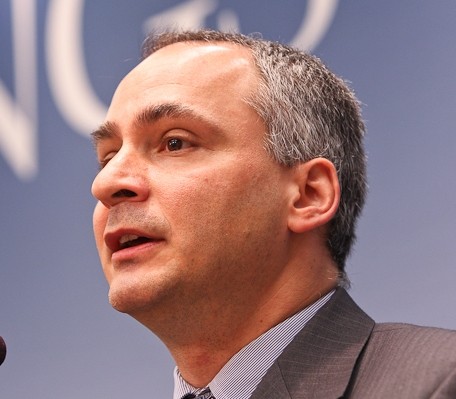
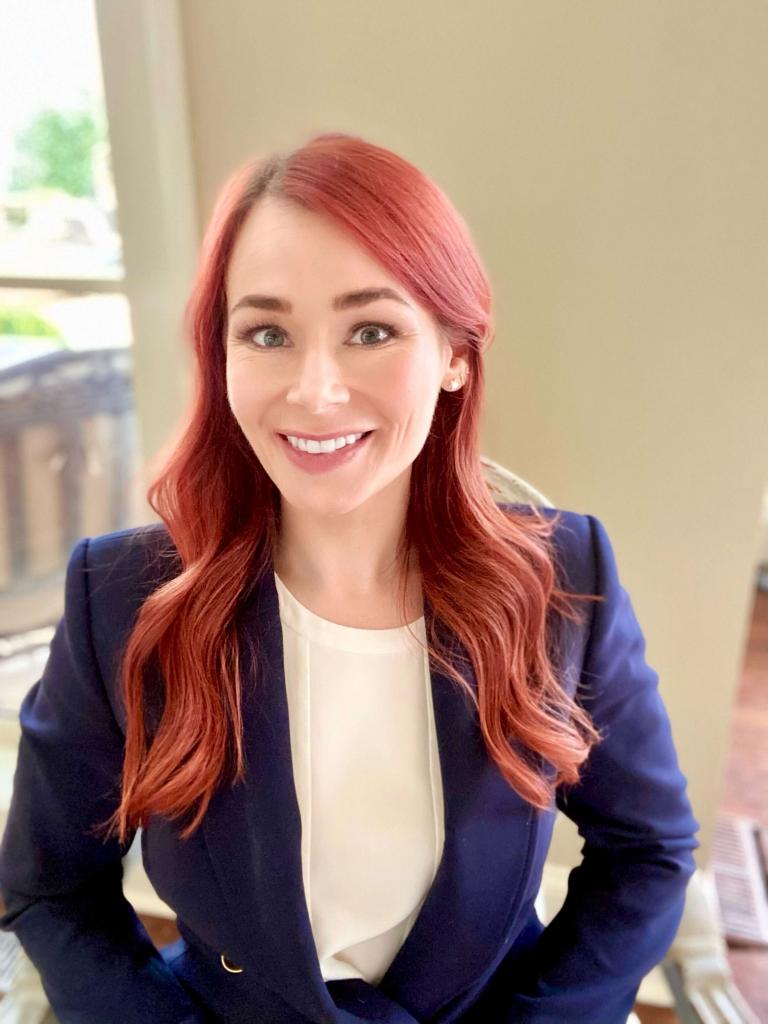



In a live conversation on YouTube, Lawfare Editor in Chief Benjamin Wittes sat down with Lawfare Senior Editors Anna Bower, Eric Columbus, Roger Parloff, and Molly Roberts to discuss argument at the D.C. Circuit over the White House ballroom, the status of the Trump administration’s “Anti-Weaponization Fund,” the superseding SPLC indictment, and more.
You can find information on legal challenges to Trump administration actions here. And check out Lawfare’s new homepage on the litigation, new Bluesky account, and new WITOAD merch.
To receive ad-free podcasts, become a Lawfare Material Supporter at www.patreon.com/lawfare. You can also support Lawfare by making a one-time donation at https://givebutter.com/lawfare-institute.
Click the button below to view a transcript of this podcast. Please note that the transcript was auto-generated and may contain errors.
Transcript
[Intro]
Benjamin Wittes: It
is Friday, June the 5th, 2026. It is 4:00 PM in Washington and you, and I mean
you are watching Lawfare Live. I'm Benjamin Wittes, editor-in-chief of Lawfare,
and I am here with not one, not two, not three, but four Lawfare senior
editors. In alphabetical order, Anna Bower, that's a B, Eric Columbus, a C,
Roger Parloff, a P, which comes shortly before Molly Roberts, comes last with
an R.
And look, the trials have been trialing and the tribulations
have been tribulating, and we are going to have a Molly Roberts–She's last in
the list, but she's first in order, 'cause she's gotta go relatively soon. So
we are gonna start with a set of things that are unified by the fact that Molly
Roberts is covering them.
[Main Podcast]
And of course, first on that list is the Trump ballroom, about
which the D.C. Circuit held oral arguments. Molly, is the ballroom gonna
withstand D.C. Circuit scrutiny? Who was the panel? What, what happened?
Molly Roberts: Yeah.
So I will tell you who the panel is, and then I will tell you whether I think
it's going to withstand D.C. Circuit scrutiny, or at least whether I think that
the D.C. Circuit is going to stay the injunction from Judge Leon on the
district court.
So the panel was Millett, Garcia, and Rao, and I would say it
breaks down about the way you'd expect that panel to break down. So Judge Rao
was the only judge who gave the lawyer for the plaintiff, the National Trust
for Historic Preservation, a really hard time, and she was primarily focused on
the question of standing, and particularly of germaneness.
So there was a lot of back and forth over the course of this
hearing about whether the woman the plaintiff is relying on for its claim, her
name is Allison Hoagland, she's an architectural history expert. Trump calls
her the woman walking her dog when he talks about whether she has STANDING, all
caps, exclamation point.
The argument focused a lot on the question of whether she had
too much of just a generalized grievance or whether she had a sufficiently
particular injury.
Benjamin Wittes: It,
do we know what the difference between standing and standing is? Are they the
same thing? Are they different? Are, is-
Molly Roberts: I
think it just depends on how mad you are about it.
Benjamin Wittes:
Okay. 'Cause I, I've been worried about the fact that I don't actually know
what- Standing as opposed to standing is
Molly Roberts: No,
that's a good point. There could be a whole other set of issues. There could be
no case law to rely on at all. Right, and- I'm not familiar with any opinions
about standing ...
Benjamin Wittes:
right. I, I, and I just think, you know, we have Lujan v. Defenders of
Wildlife in in to define standing, and we have a four-part test. We know
what it is. But, you know, standing, maybe all you need is to be walking your
dog- ... for, for standing.
Molly Roberts: So it
actually goes against Trump that, that it's standing that he's invoked
possibly, huh? I don't know ... doesn't get to it.
Benjamin Wittes: It's
just I'm concerned about it, 'cause I feel like there's an unexplored doctrinal
thing going on here.
Molly Roberts: All right.
Well, I could be the first to explore it. I'll get back to you.
Benjamin Wittes: All
right. Thanks.
Molly Roberts: But a
lot of it focused on that, and Judge Rao was focused on the idea of whether
what the National Trust is created to do has anything to do with preserving
this particular park.
So that was her germane argument. And that seemed to me like
the basis on which she's going to say that we don't even get to the merits
here. On the standing point, Judges Garcia and Millett seemed way more aligned
with the National Trust. Particularly, there was this quite long back and forth
between Yakov Roth, the lawyer for the Justice Department, and Judge Millett
that ended with her-
Benjamin Wittes: It's
Millett, by the way. Millett.
Molly Roberts: Okay,
thank you. No, I appreciate it. I, I, I guess they announced it at the
beginning, but after that it wasn't, wasn't said. Millett. I will say this
didn't have Judge Pillard, but I've heard a lot of people say Pillard, and I'm
pretty sure that one is Pillard.
Benjamin Wittes: Yeah
it’s Pillard.
Molly Roberts: Yeah,
okay. So that one I would be, I would be right on with other people being
wrong, but this one I'm wrong on with other people being right.
Okay. So Judge Milette had a long back and forth with Yakov
Roth about the standing question and essentially asking when it comes to the
sort of visual injury that's being described here, is there any way to get to a
cognizable injury after a demolition of some building or some structure has
occurred, when we're talking about putting up something new?
And his answer to that was basically, "No, not after it's
occurred," and that led to her in the end saying, "Okay, so move fast
and break things and no one has standing? Bulldoze the Statue of Liberty, and
as long as the government does it fast enough, too bad, nothing to be
done?" And he basically had to say yes to all of that.
So that's where the standing argument ended, and that was
pretty alarming, although it ended up not being the most alarming part of the
argument. Yeah.
Benjamin Wittes: I
mean, there is actually, to, to be fair to Yakov Roth, there is some truth to
that, right? Because some portion of standing is based on the idea that your
injury is remediable by some action of the court, and there's some.
Look, I mean, if it involves killing you, after you're killed,
you don't have standing. And I mean, that's a sort of ridiculous example, but
there are, there are damages that can be irremediable, and they do change the
standing analysis, right?
Molly Roberts: Yeah,
that's fair. They weren't talking about it as being a problem of it not being
remediable.
They were, he was basically arguing it would be different if
you were saying they're gonna get rid of something that you had, but that thing
is already gone. So now we're talking about putting up something new, and that
if you put up something new when the main thing, in this case the White House,
still exists, then that's not enough of an injury.
So if you put, if, if what she doesn't like is that they're
gonna put up this big ugly building so that she'll enjoy what still exists
less, that's not enough. So that was basically the way that, that he was
framing it. And then they got to the if you bulldoze the Sta- So that's what
they were initially.
Then they got to the bulldoze the Statue of Liberty, and he
seemed to think that even then you don't have standing. So they weren't talking
about remediability, but it's, it's would be a interesting way of framing it.
He was basically seeming to say that as long as we're not talking about getting
rid of something, there's no issue.
So that is where they ended on standing. They got to the
merits. That part is a little convoluted, but basically has to do with there
are two statutes where the government would be saying that it has found the
authority to do this using the money that it has to do it, which is through the
National Park Service gift fund.
And again, it was, it was a complicated argument involving the
Organic Act for the National Park Service, which had to do with whether the
statute About what the National Park Service is for, enabled them to do the
project they're doing here. And then it was this other authority, which is
authority for Congress to appropriate money for the president to do maintenance
and improvements on the White House.
So those are the two statutes they were talking about, but he
was making a sort of confusing argument where even if Congress appropriated
funds that weren't for improvements, he was saying that the statute generally
had given them authority that they could then use other funds for, the funds in
this case being the funds through the National Park Service, ev- even if they
were citing the authority from the appropriation statute.
So it was kinda confusing. The judges seemed confused by it,
too. Took a long time to get through. He was supposed to have 15 minutes, and
by the time he was done with the final bit, which was the equities, he he was
over 90 minutes. And then the equities part is where I think the hearing got
most dramatic, and that was where he basically argued that they're weighing the
aesthetic injury here to the plaintiff, which is nothing, small potatoes, wave
it aside, against the safety and security of the president.
And that's, of course, what we've been following throughout
this case, and that's what was in these filings from Trump after the White
House Correspondents' Dinner. And he essentially said, "You can't question
us on that." And Judge Millett-
Benjamin Wittes: Even
if we've put the words drone port in capital letters with a lot of punctuation?
Molly Roberts:
Especially if they put the words drone port in capital letters with a lot of
punctuation, then you absolutely can't question them on it.
Benjamin Wittes: I
see. Okay.
Molly Roberts: I will
say Judge Rao seemed pretty into the drone port. She was bringing up the drone
port later when the, when the government, or sorry, when the lawyer for the
National Trust was presenting.
She was bringing up how, you know, "Are you really
questioning the drone port? You can't possibly be questioning the drone
port." And it's like, I'm questioning the drone port, but for all sorts of
reasons. Anyway, so, so where it got to at the end was Judge Millett saying,
"You're telling us that we can't question this.
Could we have questioned this earlier? At what point did it
become a fait accompli?" And Yaakov Roth said, "Day one. You couldn't
have questioned it on day one." And she said, "So not this court, not
the Supreme Court, no court can question it?" And he said, "That's
right. Our position is that no court can question it.
It's only Congress that has the ability to question it."
And so that's kind of where he left off. He left off saying that- The court has
no ability to do anything here, and that did not sit well with Judge Millett. I
don't think it sat very well with Judge Garcia. Jury's out on Judge Rao on that
point. I think she'd just like to stop the germaneness stuff.
So that's, that's basically where we are. There was, you know,
of course, the National Trust presentation, but it was sort of less rich and
interesting and also a heck of a lot shorter. And again, where I imagine it
will come out is I think Judge Rao will side with the government on the
standing germaneness question.
And I think that at, probably on the likelihood of success on
the merits, and certainly on the question of the balance of equities, which
then when the National Trust presented, they framed as one of the equities here
is that Congress is supposed to be in charge, the president is usurping
Congress's authority, and it is the court's job to step in and not let that
happen.
I, I, I feel that they would be sympathetic to that argument.
So I think 2-1 not to, 2-1 not to stay the injunction from Richard Leon.
Benjamin Wittes: And
remind us, Roger, what the punctuation density of the underlying Richard Leon
opinion looks like in this case.
Roger Parloff: Oh, I
might not be prepared on that. I I can't remember offhand.
Benjamin Wittes:
Cause one of the questions, one of the questions I'm really struggling with is
does high punctuation mark density on the part of Judge Leon correlate with
higher or lower probability of affirmance?
And you know, should, like does he signal to the D.C. Circuit,
"Really, really, really don't reverse me on this. I feel really strongly
about it," with- ... a lot of punctuation, or is it more just like they
perceive it as district judge hand-waving, and they're like, "No, no, no.
We can't take that seriously"?
And so I think it's really, we're gonna have to, we're gonna
have to do an analysis of the longevity of opinions against the punctuation
density.
Roger Parloff: I
think we'll have to ask Claude about that one. Yeah.
Benjamin Wittes: All
right. Let's turn to the subject of DOJ politicization, and we're gonna, again,
we're gonna front-load Molly Roberts' related matters in that regard. John
Bolton is reportedly ready to reach a plea deal. Molly, what do we know?
Molly Roberts: Yeah.
This one will be a lot shorter than the previous one. So essentially, there's a
notice in the Maryland federal court where he was indicted that shows that
there's a re-arraignment on the schedule, and that could signal a guilty plea,
and the guilty plea is what's expected.
And that is set for June 26, so that is when we'll know for
sure, although it would still require a judge to approve it. And the reporting
is that he plans to plead guilty to just one count of illegal retention of
classified information. He'll have to pay a fine, and he could p- face no
prison time. The maximum is five years.
So that's just reporting from people who are familiar with the
negotiations. If he'd lost, if he had pleaded not guilty and lost, it could've
been decades in prison. So that's sort of the long and short of it. Obviously,
the question it raises here is, is this a victory for President Trump and his
prosecution of his perceived political enemies, which otherwise hasn't been
going so well?
And I suppose yes, in that John Bolton is a political enemy,
but of course, this case was always pretty different from those cases in that
there did seem plausibly to be a real crime that had occurred, which was not
the case in the Comey matter or in the Letitia James matter, for example. You
know, obviously the seashells matter is now also pending, but similarly
frivolous, and this wasn't straight-up frivolous.
I mean, I'm sure you have thoughts on it, too. The question, of
course, is was it sufficiently serious that if Trump hadn't been in charge,
this investigation that was going on under the Biden administration and then
st- kind of stalled out would've been revived? But when it comes to succeeding
on a vindictive prosecution claim, you really do need to prove that but for,
and given there was plausibly a case there, that's a lot harder than in
something like where you are sifting through Letitia James' mortgage documents
and finding a box that she checked wrong maybe by accident, so.
Benjamin Wittes:
Yeah, so I'm curious, Roger, what you make of this case 'cause on the one hand,
I look at it and say it looks kinda similar to the David Petraeus matter,
retention of classified information, transmission of them to a trusted local
party, in this case family, in that case somebody you were having, a biographer
you were having an affair with.
You do it for reasons of personal vanity. It's not going to the
press. It's not going to you know, foreign governments. But it is pretty clear
mishandling, and it's pretty clearly willful. So you can look at it and you can
say, "Well, it's pretty bad." You know, it's not, it's not the worst
thing that's ever happened in the national security world, but it's, it's not
good.
And it's war- you know, arguably warrants prosecution. On the
other hand, I look at it and say the last administration investigated this,
seems to have been content to let it pass, not out of any love for Bolton, of
course, who wasn't was not exactly politically sympathetic to the prior
administration.
But for whatever reason you don't let sleeping dogs lie for
reasons that are purely vindictive and because the president hates him. You
revive a case gleefully, and then you make a real show of a, a raid on his
house. And you do it all in a way to be maximally humiliating. And let's be
honest, you're doing that because it's a way of distracting from the fact that
the president's own engagement with classified information at Mar-A-Lago was
much worse.
And so, you know, I can kinda argue it either way. It's
definitely a real crime, but it's also not untainted by political
vindictiveness and presidential hatred, which should not be a factor in the
criminal justice system. How do you understand it?
Roger Parloff: Well,
I, I might have the timeline wrong, but I th- the way I, I thought that this
got its second wind during the Biden administration. It ha- there was this
Iranian hack of his, You know, originally there had been the book itself and an
inquiry in relating to the book, and then there was the Iranian hack. And I thought
that under Biden it, it sort of, sort of started picking up again.
And of course, the thing with that was he notified the FBI, but
he did not notify the FBI that Iran now had access to nationally- national
security information wi- because that's what was in his Gmail. And so I thought
it was pretty bad facts. I thought, you know, he really, as he, as soon as he
got the job, he hit the ground running s- sending what he fully understood was
classified information to his relatives for the purpose of writing this
detailed book.
It was very premeditated. It was very, And, and it was very
hypocritical. And so I, I don't have a lot of... you know, I, I get what you're
saying. You know, but I, I, th- it was appropriate to pursue it. And the exact
resolution it, it, it, This, this seems- maybe I guess he gets a felony and I
can't remember, did, did Petraeus have to plead to a felony or did he get a
mis-
Benjamin Wittes: No,
I think Petraeus pled to a misdemeanor and-
Roger Parloff: Misdemeanor,
yeah. But it, it still seems, to me it seems a little worse, what, what
happened here.
Benjamin Wittes: Interesting. All right.
Eric Columbus: There
are a lot of people who felt that Petraeus got off too easy. I remember that
Eric Holder I think was, was, was one of them.
Benjamin Wittes: I
believe Holder was the one who cut that deal. It was Comey who objected to it.
And, I think it was the, I think it was the other way. But
yeah, I mean, and look, there was a John Deutsch and Sandy Berger. There were,
you know, there, there does seem to be this exception for very senior officials
who grossly mishandle classified information willfully, that they plead out to
very little and get very little or no jail time, and low-grade people spend you
know, can get very long times in prison.
General Cartwright as well. I mean it, it's a long list of
people who've been who are sort of above a certain level and who do a certain
amount of egregiousness with respect to mishandling classified information and
are not they do not have the book thrown at them. And I think there's a very
legitimate case against that.
I do think this disposition is in keeping with the dispositions
of similarly ranked people. All right. Molly, you are free to turn into a puff
of smoke. And let's talk about some other matters that have arisen in the DOJ
weaponization department. Anna and Eric, you guys have a new piece out updating
us on the weaponization fund and the IRS settlement.
I gotta confess, guys, I haven't read it yet 'cause I've been
working with other things. So, I don't know which of you wants to get us
started. What are you reporting and what what should I make of, I can't tell,
is this fund dead at this point, or is it, you know, on life support, or is it,
now that the Senate has voted, is it, you know, like zombie-like gonna come
back and sit up and come after us and bite us all?
Eric Columbus: Well,
I, I think that, I think we just run through all those possibilities in our
piece and o- one conclusion that we drew is that it doesn't really matter what
the answer to those questions are. Or it doesn't matter as much as, as one
might think. Because even i- in the, what this, what this, that collusive
lawsuit that was established set up this $1.776 million, sorry, billion dollar
fund to pay out towards folks who have been, quote, "weaponized," by
the Democratic administrations.
But that just, And m- made a formal way to do what the
administration has been kind of doing so far bit by bit, which is settling
cases one by one that have come to it that largely have been filed under the
Federal Torts Claims Act by folks who claim that they have been wronged by the
federal government.
And these are the types of people who have often been... who
you would think about and who the government the Trump administration talks
about in the category of people who are the victims of, quote,
"weaponization." People like Ashli Babbitt, Michael Flynn, Carter
Page Alex Berenson, who's a, a, a kind of renegade on COVID issues.
The government has paid out over $8.6 million under the Federal
Torts Claims Act in, in the just the past, within just the past year. And
that's obviously a drop in the bucket compared to 1.776 billion, but there are
tons more cases in the pipeline. There are f- like 400 Federal Torts Claims Act
cases that have been filed so far according to The Washington Post, and there
could be more on the way.
There are probably pretty serious problems procedural problems
with a lot of those suits. But, you know, among friends, you know, who's to
worry about statute of limitations issues or things like that? It certainly was
something that the Department of Justice was not concerned about in, in
actually settling Trump's own case against the Treasury and IRS, which had its
own very severe statute of limitations problems.
So i- you know, it's quite likely that this is, is ... the
Trump administration is going to find a way to pay off people that it wants to
even without such a fund. And then furthermore Todd Blanche has said the fund
is dead. That doesn't mean it is dead. Under the normal course of events if you
sign an agreement, a settlement that requires you to do something as the
settlement agreement with plaintiff Trump and his plaintiff sons did then you
have to actually do it.
I mean, Todd, the, the DOJ signed something that required them
to create this fund. And in theory, Trump could sue them and say, "Hey,
you know, you guys better do this." More realistically, he could, you
know- You know, text you could DM Blanche and say, "Hey, Todd, you know,
I've changed my mind. You better do this."
And he's been, Trump's been making various noises over the past
couple days that suggest he, he might wanna do that. So there, there's
absolutely zero reason to think that all the bad things that people were
worried about are, are not going to happen as a result of the events of this
week. And Anna, obviously you can pick up and, and add whatever you'd like
Anna Bower: Yeah, I,
I guess like one thing that I will mention that we, we note in the piece is,
you know, I do a lot of monitoring of, of, of MAGA or right-wing figures
including people who are kind of known to be personal friends of Trump's or
kind of being MAGA insiders.
And, and one of the things that we note in the piece is that
Peter Ticktin, who was a, you know, childhood friend of Trump's has expressed a
lot of optimism. He's a lawyer who represents a, a bunch of the Jan. 6ers and
has filed claims, he says, on behalf of a lot of Jan. 6ers. And he's expressed
a lot of optimism that even though the fund is supposedly dead, that these kind
of individual settlements will proceed.
So insofar as there is this idea that the fund is dead, as we
discuss in the piece, it, it certainly seems like the administration's going to
find a way to achieve the goals that the, the fund was supposed to achieve
anyway.
Benjamin Wittes: I
will say, though, that for some people who don't have pending suits but whose
may have been expecting payouts, particularly J Sixers.
It's gonna be a, it's a lot harder to pay out a settlement of a
suit that doesn't exist or or to justify a settlement against somebody who,
say, beat a cop, than do a secret settlement on the basis of an application to
a fund where you may not be disclosing who's getting what, right? One of the
values of the fund, I think, was that it allowed you to do in some degree of
secret the sort of collusive settlements that are now have to be somewhat
public.
Anna Bower: Here,
here's my response to that. I think that ultimately those confide- I'm not
entirely sure that those confidentiality provisions would have ultimately been
would have not... Like, in that settlement agreement, it it seems to me that
ultimately there would be FOIA litigation, that probably litigants would
succeed in finding out who received compensation from the Anti-Weaponization
Fund. In the same way that in these individual settlements you can FOIA the the
agreements.
Ben, but you know as well as I do because we have litigation
for settlement agreements in our suit that it takes a long time either way. So
I don't know that it's even that big of a transparency difference in any event
because, you know, like with our litigation we f- we filed in January, and
we've received one settlement agreement, the Flynn agreement.
So a- and it's, so it's been several months. I think in either
case it'll be long after the fact that we even find out unless there's, you
know, people with human sources who are getting information about who received
what. But that's just my two cents. I don't know if anyone has differing
opinions on that.
Benjamin Wittes: All
right, let's turn to the Southern Poverty Law Center, Roger. There's a
superseding indictment. How is the new indictment different from the old
indictment?
Roger Parloff: Well,
it's a good question. It's the same 11 charges. And w- w- w- it seems that the
original indictment was done really hectically. And you know, it had several
legal errors.
So they, they fixed the leg- the obvious legal errors. The, for
instance, the the bank fraud counts they left out an element of the crime. The,
phrase with the intent to influence an action of that institution. So they've
now put that back in. Similarly, they said that the statements were false and
misleading, and a court h- c- case had said, "No, it has to be
false."
So now it says they're false. They've it's, it, it is 21 pages
instead of 14, so they've added a lot of they've s- said a little bit more
about the informants. And they might have added one. It's a little hard to
count. They're, they describe nine informants. And you know, it's very
I'm, I'm hesitant to describe what the, the allegations are
'cause, y- you know, but I, I will. But y- you just, until you hear from the
other side, you don't, you, you just, with these people, you have very little
idea of what really happened. And, and with any informant you know, if the FBI
has an in- is paying an informant with, that's, you know, inside the Proud Boys
or inside Antifa or whoever it is, they have to be pretending to be who they
are you know, like the rest of the group.
And, and money is fungible, so, it gets tricky, and you don't
wanna give away the game. And so the allegations are, you know, that they used
the money to do the things that their groups were doing, like create racist
paraphernalia or buy robes, like if you're in the Ku Klux Klan, or publish
racist material.
They it says that SPLC funds reimbursed expenses for cross
burnings, you know, wood and fuel. Well, if y- if you pay somebody as an
informant, i- i- it's that, that can happen. What's also interesting though is
to ... Oh, yeah, I, I guess the, one of the key things that they're very they,
they s- stress s- the most is w- one quote was a member of the online
leadership chat group that helped plan the Unite the Right rally in
Charlottesville.
So that it's not exactly that he helped plan it. He's a member
of that chat group. And then employee three directed him to attend this event,
and he helped arrange transportation for others to attend. I guess the thing
to, that, that I think about is, like How many of these you know, if a lot of
these guys are going to testify eh, they'll, they'll be weird witnesses.
You know? Their, their credibility will be, will be strange.
But i- i- if there's a lot of them it could be a problem for the SPLC. One, one
fra- one allegation is also strange. It says an employee of SPLC be- became
romantically involved with one of the informants. And so, the money was paying
for their personal expenses the couple.
It's a strange situation. I can't, I can't exactly parse how
that relates to the charges p- perfectly if that's, you know... but anyway it,
it, it's just at, at this stage, it's, it's still sort of a mystery, a, a, a
mystery what's really going on.
Benjamin Wittes: But
is there any... I mean, the fundamental defect in the previous indictment is
that, you know, the SPLC paid- some far-right Klans-type people for a fairly
large sum of money over time for information.
And they purported to be using that information to undermine
Klan activity. And and the government is accusing them of fraud for misleading
donors into thinking that they were disrupting the Klan when they were funding
the Klan. And my que- and of course, the defect was it's actually possible to
pay informants.
This is a strategy toward disruption. Good one, bad one is a
strategic decision, but maybe worth criticizing, but is not inconsistent with
what they were representing to donors. Is there anything in the indictment as
you read it now that addresses that and says, well, the, you know, they were
representing X to their donors and doing not X in, in their actual behavior, or
is it, or is it all explainable as in my judgment anyway was the previous
indictment, was, yeah, you have a dis- strategic disagreement with them about
whether this is a good way to disrupt the Klan but it's not fraud.
H- how do, how does this indictment measure up against that
concern?
Roger Parloff: It's, well,
it's the same in that it, it doesn't even mention that any of these people
provided information that went to law enforcement. And, and so it, it presents.
But, y- you know, that is the defense. It's, a- and it's a factual defense.
And so you don't really have to put it in the indictment. I
mean- A decent person, you know, would take that into account before ever
seeking an indictment. And, and, and that's what we just don't know. What makes
me concerned is that if you really have, say, four or five of these witnesses,
these, you know, former informants who are cooperating for one reason or
another with the government then it sounds like they're going to downplay any
effort to dismantle the group.
And so their credibility will be crucial. And and, and other,
the other, the defense evidence that in fact information was given to law
enforcement to, to destroy, to dismantle these groups. But that, that- or used
in other ways
Other ways to disman- to dismantle, yeah. Yeah. That, that
could be. But it's all-- I, I don't, I don't see how you get it dismissed
beforehand since it all seems fact- factual and you, you know, you always have
to take the facts, allegations, you assume the allegations to be true- and for
the purposes of a motion to dismiss. So I, I, I still don't see how you dismiss
it that way
Benjamin Wittes:
Meanwhile, the SPLC has filed a motion for sanctions because of the pre-release
release of a draft version of this second indictment, which went to the press
before it was filed. And I guess the question is, is this a 6violation? I would
think it is.
Roger Parloff: Yeah.
And to put it in its context, on June 1st, you know, remember when going back
when the original indictment came down, you know, that evening, Todd Blanche
went on the Laura Ingraham Show and s- and made false statements and said that,
you know, th- conveyed that as far as they knew, none of this, none of the
informants had provided information to law enforcement.
And certainly, it means Todd Blanche may not have known, but
the prosecutors knew. And and so, the defense lawyers Abbe Lowell's group and
others were up in arms and demanded s- that the, the, the judge, asked the
judge to address this and, and force order that Blanche retract the statement.
And so a magistrate ruled on June 1st, "I'm not gonna get
involved, you know, he, he corrected his statement. It might have been on a s-
on a show that had less ratings than the first show, but I'm not gonna get into
that. But I'm ordering everybody to do your jobs." And then he ends by
quoting that famous passage from, you know, Berger v. United States
1935, "The U.S. attorney's interest u- in a criminal prosecution is not
that it shall win a case, but that justice shall be done. He may prosecute with
earnestness and vigor. Indeed, he should do so. But while he may strike hard
blows, he is not at liberty to strike foul ones." The next day before the
indictment is unsealed, a draft version of the indictment, unsigned unstamped,
non-final, it differs from the final, is distributed to- the media before
before the defense lawyers get anything.
And so they begin to get calls from all the media and of course
they're, they're on the back feet. They haven't even seen it. And and in fact,
so they email the top prosecutor h- handling the case, the lead prosecutor, and
it, it seems that he doesn't know about this either. The, the, the thing is
being mailed from the Public Affairs Office, the, the director of the Public
Affairs Office of DOJ.
And, you know, it's, it, it's what we've seen all over the
place where the, the, the Public Affairs people, both in DHS and in DOJ, you
know, they're the most powerful people of all. They seem to decide things
without discussing with the line people what's going on. And and, and yes, you
know, it does appear to be
The, it, it, this describes the inner workings of the grand
jury. It was under seal. The, it appears to violate, there, there are decisions
where people have sought draft indictments in discovery and have been told,
"No, this is protected under 6E." The Justice Department manual
forbids this sort of shenanigans. So it, it's all very unprofessional. Whether,
you know, whether it goes beyond that, whether anyone ... They've asked for an
order to show cause to figure out more about what happened. You know, I'm not
very sanguine about that, you know, much happening, but it, it
Benjamin Wittes: Just,
I mean, whether it's a 6(e) violation would actually depend on whether the
draft indictment actually had been seen by any grand juror or not, right? Whether-
Roger Parloff: Well,
I mean, all of the information contained come ... I'm sorry you, you-
Benjamin Wittes: Well,
it, it can be the information, but, but if it's a draft from before they
presented the thing to the grand jury, I mean, it actually matters what the
relationship between that information and the grand jury is.
It could just be an egregious abuse of prosecutorial ethics
that doesn't implicate 6E, but it could also be a 6E violation
Roger Parloff: Well,
it, it could be. It's hard for me to ... I, I mean, I, I don't know how much
difference it makes, but you know, it's describing what the informants
allegedly did. And that is based on what was presented to the grand jury.
Benjamin Wittes: Or
presented in FBI interviews, which might not be grand jury material. It, it
real- it really does depend, but it's, it's, it's grossly inappropriate whether
it's a grand jury violation or not
Roger Parloff: Well,
I guess so. But there is case law saying that this is so intimately related to
the grand jury process that at least some, some courts consider drafts covered.
Benjamin Wittes: All
right, so let's turn to the E. Jean Carroll case one and two, by which we mean
cases two and one because they are numbered in inverse order of their going to
trial for reasons that don't matter. Roger, you have a, a new, a story out
about the criminal investigation of E. Jean Carroll and her financial backer,
Reid Hoffman or the, who wasn't really her financial backer. But so, this, I
have to confess, while I'm in the business of confessing things that I haven't
read yet, I also have not read yet. I spent the week on Katherine Pompilio's
story. So tell us what you found about this u- very gross abuse of the criminal
justice process and where we are in the investigation of Carroll and Hoffman.
Roger Parloff: Yeah.
You know, I sort of last week did a s- went over the basics of this. I... In
the article, I discuss is this an investigation of Carroll? Is this an
investigation of Hoffman? In either case, what do we know? And is there
anything there? You know, too long, didn't read. Of course, there's nothing
there.
I hope you do read it. It's, it's all, it is all there. What I
thought I might add here, and I actually don't go into this 'cause it's
speculation but I do think it's pretty clear- To me, that Carroll was the
target originally. And, and the reporting, a lot of reporters came away with
that impression.
And then for some reason and, and one speculation might be...
There are a couple things going on. It may have gone to the logical place,
Southern District, and maybe the Southern District didn't wanna touch it. And
then it goes to the Northern District of Illinois, and the theory is, well,
Hoffman has his, his nonprofit is, is located there.
But, and then he doesn't wanna get associated with it. And so
he makes a statement, "I've never opened you know, my office has
never..." He doesn't say the DOJ, but my, his office has never opened an
investigation. Now the other thing going on, and a- a- again, this is
speculation, but, you know, the, the case has reached the Supreme Court.
Carroll Two, which was tried first is, has a cert petition
pending that has been re-listed 13 times, which is unusual. And then Carroll One
is supposed to file its petition later this month. And so, on June 2nd of this
week Trump's lawyers at the James Otis firm in Missouri asked, filed a letter
saying, "Please don't decide the petition in Carroll Two until you get the
petition in Carroll One, and then decide them together."
Which may be what the Supreme Court was thinking all along in,
in doing all these re-listings. There are other possibilities, but that's,
that's certainly one. And in any event, at some point an adult over there in
the Trump administration might have said to somebody, "This is gonna look
terrible to the Supreme Court if you start, you know, going after E Jean
Carroll and s- like a goon.
You know? Y- you've got a very good chance of getting at least
one of these cases heard, and with this court you've got a chance of winning.
And why are you gonna..." So, i- it's all speculative, but when you read
this weird concatenation of events and the empty record, it's just as empty as
Jerome Powell.
I- it, the, the scenario that, those are the scenarios that
make sense to me
Benjamin Wittes: All
right. Eric, I knew when we found ourselves the other day at Lawfare's
editorial meeting talking about the judge in Georgia who was disciplined for
having sex rather loudly in chambers, that somehow this was gonna end up in Lawfare
Live.
I didn't know how, I didn't know but there was just no way that
a story this good about a federal judge was not going to you know, having an
affair with a police officer, and a- there was a Halloween party invol- I mean,
it's just, you know... And there was no way it was not gonna get wrapped up in
stuff, and here it is on the agenda.
The DOJ, the Justice Department has moved to remove her from
cases involving Georgia's voter rolls. I'm confused about what the alleged
misconduct has to do with voter rolls. Help me out.
Anna Bower: Well,
Eric Columbus: I, I,
I I, I too was hoping that we would find a way to- ... bring this into our
discussion i- if only for the sake of our ratings. Yeah, exactly.
Benjamin Wittes: So-
for those who don't know who we're talking about or what we're talking about,
give the PG-13 version of this story which you can read all about in an 11th
Circuit o- opinion if you want all the, the juicy details. But what, what
happened and why are we talking about this at all?
Eric Columbus: Sure,
yeah. The, the, the 11th Circuit I think a couple weeks ago i- it issued a. Or,
or, or it might have been the judicial, some higher entity, some, some
multi-circuit judicial panel issued a opinion upholding 11th Circuit decision
reprimanding an unnamed district court judge who committed misconduct in
various ways most salaciously by having sex with a high-ranking police officer
even though they were both married to other people and doing so in a way that
the judge's clerks could hear.
And then basically chastising the clerks. The one, one clerk
apparently reported to, to the chief district judge, and this judge then
chastised the clerk and, and then lied about it, the whole thing, to
investigators. The judge was also reprimanded for attending a victory party for
a district attorney who had won a, a primary,
Benjamin Wittes: Oh,
it wasn't a Halloween party? I thought there was a Halloween party involved
somewhere. I don't know. I don't remember. I believe
Anna Bower: it was a,
a Fani Willis dis- district attorney event.
Benjamin Wittes: Oh,
okay. I don't- Well- ... remember how, how, how Halloween got into my mind
about it, but.
Eric Columbus: Well,
yes, exactly. So, so no names were revealed in any of this, but people, there
were a r- rather surprising amount of details in the the investigator's report
that was made public that enabled people rather quickly to connect the dots
and, and figure out who it was, and it's a, a district court judge in Georgia
named Eleanor Ross.
Or I should say it has been reported that it is. The judge has
not admitted as such, and it has also been reported that it was the district
attorney was Fani Willis which would make-
Benjamin Wittes: But
it, but it's fair to say that the DOJ motion to disqualify Judge Eleanor Ross
on the basis that she is the person named presumably was filed in her court,
right?
Eric Columbus: Yes.
Oh, and, and it says in a report, it says, you know, i- it's a motion to the
motion basically says, "We want to disqualify you. According to all these
press reports, you were this judge who had sex in chambers and who attended
Fani Willis's victory party."
Benjamin Wittes:
Right. So why does any of that- It goes through all that like, I understand
that having sex in chambers with your ... audible to your clerks and hushing it
up is that's bad. I'm not saying people should be doing that. But why is it
relevant to cases involving DOJ? U- unless DOJ was involved in the sex or something,
like, what, what ... Why does this disqualify her from that case?
Eric Columbus: Well,
that's it, it does not, and DOJ is not asserting that it does. It just
salaciously included all that, all of that part, as frankly a good litigator
would do, in order to get to the, the, what they view as the more relevant
part, which is her attending Fani Willis's victory party. Given that it was a
partisan event, she should not have gone.
She was properly chastised, f- reprimanded for it by the 11th
Circuit. And as relevant to this case it involves the victory party of someone
who prosecuted Donald Trump for a- alleged crimes involving the integrity of an
election. And DOJ says, "Look, this case that is before you is also very
much about the integrity of, of elections."
Gotcha. And DOJ just a couple days ago filed a motion saying,
"Hey, we would really like you to rule on this very quickly because this
is a very important case, and we want ... You know, therefore we need a ruling
by, by June 12th." And in, in response to that the interveners in the
case, which is a various civil rights groups represented by Mark Elias's firm,
r- filed a response basically blasting DOJ and saying, "Look, you've been
so lackadaisical in prosecuting this case as you have in so many other cases.
It's ridiculous for you now to come in and say time is of the
essence. There's basically nothing you could legal- lawfully do with this
information now anyway, even if you got voter rolls. Leaving aside the merits
of the case it is too close to the election for the State of Georgia to remove
people from the voter rolls," et cetera, et cetera.
So i- it's not clear why DOJ file, filed that motion. This
whole thing may just be an exercise in trolling on their part. But it, it it
makes it a little bit more entertaining for all of us.
Benjamin Wittes: All
right Let's talk about Kilmar Abrego Garcia. When last we met Anna Bower with
Kilmar Abrego Garcia he had not yet moved to Costa Rica.
We last week declared that our suppositions had been wrong
about, you know, his passport and all kinds of things. And then he alerts Judge
Sinise that Secretary Mark Mullins had testified and seemed in his testimony to
acknowledge that Abrigo could go to Costa Rica. So what do we know about-
has the administration changed its position about Liberia
versus Costa Rica, or has Mullins just put his foot in his mouth? Or what do we
know?
Anna Bower: Yeah, it,
it seems to be the latter. It seems like he put his foot in his mouth. I, I
will say the context of this is he's having an exchange with Senator Van
Hollen, who is a Maryland senator who has done a lot to kind of raise awareness
about Kilmar Abrego's Garcia's case. He was the senator who, you know, went
down to meet with Kilmar Abrego Garcia when he was in El Salvador.
Benjamin Wittes: Did
he have margaritas with him?
Anna Bower: Al-
allegedly had margaritas that were not margaritas, or that they did not drink.
That they were just sitting on the, the-
Benjamin Wittes: They
were served for purposes of the picture- Right and they didn't drink them.
Anna Bower: Right.
And so he, he has this exchange during Mullins' testimony this week. And he,
you know, says to him Senator Van Hollen says to him, you know, "The point
is that Abrego Garcia has said that he will be removed to Costa Rica, and Costa
Rica has accepted that." And at one...
And in response, Mullins says, "Great. If he's willing to
do that, we'll be happy to send him." This is significant because, of
course, DOJ's position in the case before Judge Xinis is that they want to send
him to Liberia, and they've rejected this idea that they can send him to Costa
Rica, which is where Kilmar Abrego Garcia has designated that he would like to
go, and that he's willing to go.
And there's ongoing, you know, litigation about it because
Abrego Garcia's team in the civil case has filed a motion to resolve his habeas
claims in which they're, you know, arguing, like, they want to send him to
Liberia, but he said that he'll go to Costa Rica, and they've, you know, denied
that request.
And so they filed this notice with Mullins' testimony before
Congress. And then- You know, what's interesting too is that at the same time
the government has also filed its, Around the same time after this notice is
filed and after Mullen's testimony, the government files its response in
opposition to Abrego Garcia's motion for additional discovery on certain issues
related to, you know, the denial of sending him to Costa Rica.
And there's all this discussion in that filing, but it doesn't
include a response to or a reference to Mullen's testimony. Or at least based
on what I saw, it, I did not see anything. Maybe it, it's possible that I
missed it, but I didn't see anything in responding to it. So, that's the
latest, Ben.
We still, as far as I know, he still has not left to go to
Costa Rica, but it is an interesting development and, and we'll see what
happens.
Benjamin Wittes: All
right. Roger we have a decision from the Fifth Circuit allowing Texas to Texas
law enforcement to make immigration arrests under Texas law.
What's going on there and why were they not allowed to do it
before?
Roger Parloff: Well,
the, this is a long, this is a battle that goes back to December 2023. Texas
passed this law called SB4, and you've probably read about it. It's, it sort of
creates... Texas basically created their own immigration laws. It, they made it
a cr- crime to come across the border internationally a- a- a- anywhere other
than a point of, point of entry.
It was, it's a misdemeanor the first time, and then depending
how many, it can go up to 20 years. And of course, the problem is... And, and,
and state law enforcement can make the arrests, and state magistrates can
determine that you're deportable. And, and I guess state officials do the
deporting. And the problem is that immigration is up to Congress, federal
Congress.
And Congress has completely exercised its authority in the area
to create a vast scheme, telling how-
Benjamin Wittes: It's
called field preemption or up co- when, when Congress occupies-
Roger Parloff: Yeah. That's right.
Benjamin Wittes: You can't just as a state have a
competing obligation a comp- a competing regime. How does the Fifth Circuit get
around that other than by saying, "We're the Fifth Circuit"?
Roger Parloff:
It's... Well, the, the way that you get around so many things standing. And
increasingly the, the fact that you're doing something unconstitutional doesn't
matter as long as you can... of course we don't really know why they did it
because it's a one-sentence order.
And it's a split decision. It's 2-1. What we do know is this
st- originally like I said, it, it, it was passed in 2023, and at that time the
United States sued, and the United States has standing. And it sued along with
several organizational plaintiffs, and in- and including the county of I think
El Paso.
And it won at the district court level. And the, it actually
won at the Fifth Circuit, but then the administration changed. And and so the
US dropped out And it went to the Fifth Circuit re- rehearing en banc, and then
they reversed, saying that these organizational plaintiffs had no standing.
And so the ACLU signed-- filed a new suit, excuse me, in front
of the same judge. And in May in, you know, a seventy-eight-page opinion, he...
This is a Reagan appointee he actually sits in Hawaii normally and found that
it was what you said, field preemption and also conflict preemption the second
time, another form of federal preemption.
And the defense... I guess I should say, the defense has also
been, and Judge, our friend Judge James Ho that time the rehearing en banc
reversed. Ho wrote separately to say, "Well, Texas is empowered to do this
under its-- the Texas state war power." And that comes from Article I,
Section ten, which describes things that states may not do unless actually
invaded.
And so the argument is we're being invaded, and so we have war
powers, and this is an exercise of war power. So anyway the new, the new, new
preemption injunction went to the Fifth Circuit. It was a panel of Kyle Duncan,
who's a Trump appointee, Kurt Engelhardt, who's a, a Trump appointee, Bush put
him on the district court and then Trump elevated, and Leslie Southwick.
And two to one in a one-sentence dissent, they, they stayed the
the injunction. Leslie Southwick dissented. So, it's a, it's a, it's a strange
thing.
Benjamin Wittes: All
right. Different circuit, different direction, Eric. The D.C. Circuit has
stopped, at least temporarily, the dismissal of currently serving trans service
people. Again, what would the panel look like, and what kind of legs do you
think this has?
Eric Columbus: The
panel consisted of Judge Wilkins, who was appointed by Obama Judge Rogers, who
was appointed by, Bill Clinton ... Clinton, and Judge Walker, who was appointed
by Trump. And it was as, as you might guess, a two to one opinion.
Judge Wilkins it, it was, it was ac- it was actually split into
three, but there was both Judge Wilkins and Judge Rogers held that as to
currently ser- as to the, the subset of plaintiffs who were currently serving,
they could not be dismissed. As to plaintiffs who were, had already left the
military they were not allowed to rejoin.
Or to be more precise, the district court's injunction was
affirmed as to the subset of plaintiffs who were currently serving. It was
overturned with regard to the plaintiffs who had already been, been separated.
Judge Walker in in dissent would have vacated the injunction entirely.
Now some folks may recall that this went up to the, this issue
went up to the Supreme Court last fall and last year, at some point last year.
And it, the Supreme Court stayed an injunction that was, or, or rather vacated
an injunction that was, issued by a court out in the state of Washington but
the Supreme Court did not s- really explain why it was, it was doing so, and
it, it, it could have been on the basis of the, the over breadth of that
injunction.
It was purported to apply nationwide, not just to specific
plaintiffs. And so, basically the, the, the dispute here is over how much
deference to give to the military. And the, the as folks may recall from the
very be- the very beginning of the administration, they put out a ban on
transgender troops in the military, and they did it in basically the most nasty
w- possible way.
There was an g- executive order put out by the president that
basically says that if you are transgender, you are a bad person, and we don't
want bad people in the military. I, I, I'm exaggerating slightly, but it, it,
it, it, it talked about how a, a person who is transgender is basically living
a lie and is, is devious and untrustworthy, and these are things we don't want
in our military.
There's the, I'm not. This is not a direct quote, but I, I'm
really not exaggerating that much in terms of the awfulness of it. And then
Judge Wilkins kind of points out, just the, the ... e- even leaving that aside,
just kind of the utter expansive w-Actually, let I, I just found the words. I
might as well read them, 'cause it's, it's really so, so shocking.
The executive order says that, "Adoption of a gender
identity inconsistent with the individual's sex conflicts with a soldier's
commitment to an honorable, truthful, and disciplined lifestyle and with the
humility and selflessness required of a service member." So, a- and there
was also stuff in there in the, the, the document set forth by, by Hegseth that,
that basically talked about how this applies to anyone who has ever had any
symptom consistent with gender dysphoria, which is the kind of a, a technical
medical term. I, I don't have the precise definition in front of me, but it
basically relates to,
Benjamin Wittes: A
perception of yourself as having a gender identity not aligned with your sex
assigned at birth.
Eric Columbus: Yes,
and, and also involving, a- and it also applied to people who have a- at any
point have attempted to transition, which Judge Wilkin- which the, the
government was being very squirrelly as to what that meant, but Judge Wilkins
interpreted it, it as kind of covering anyone who ever described themselves as
being a, a, of, of a gender that is separate from the gender that they were
assigned at birth.
And he says, "Look, this is, this is animus, and this is
not particularly justified by any evidence that the military set forth. And we
want to be deferential to the military, but they've, they've, they've gotta do
a little bit more than, than what they've done if they want us to, if they want
their policies to be deferred to."
Judge Walker in in dissent says, basically, "Look,
deference to the military is, is a hallmark of our jurisprudence and has been
for a very long time," and it extends to the point where the Supreme Court
has, has upheld the military's refusal to allow a service member to wear a
yarmulke, a Jewish service member to wear a yarmulke.
That, that even where the military did not do a great job of
articulating a rationale for, for why that should be. Now, what actually
happened in that case was that Congress then passed a law forcing the military
to allow such to allow a religious head garb. And Judge Walker said, and, you
know, Congress could act here to do that if it wants to, could, to force the
military to allow transgender troops.
And Judge Walker said, "Look, I'm not saying that, that
with the, the way the military weighed the evidence is necessarily the right
way, but this is what they did, and they, they concluded that transgen- having
transgender troops is a bad thing, and who are we to question that given our
long tradition of deference to the military?"
Judge Wilkins tried to rebut that by saying that deference to
the military needs to be in, in situations where the military's acting in a
reasonable and even-handed way, which I believe is, is, is language from the,
the yarmulke case and that that was, was just simply absent here. If, if I had
to guess, I would say that this is not going to hold up at the Supreme Court
just because there's such a long tradition of deference to the military. And,
and given the composition of the Supreme Court I think it would probably wind
up being a, a 6-3 decision.
Benjamin Wittes:
Although I do think the frank animus of the order makes it a little bit
complicated because you defer to the military on its own rationale, and its own
rationale is a, is a sort of bunch of, you know, bile.
And so I, I, I do think you could say, I, I, I do think the
administration did not put its best litigating foot forward with the way it
wrote this order. Yes. But I-
Eric Columbus: I, I
think that's right. I mean, Judge Walker b- didn't deal that much with the
animus. I think basically his position is like, look, as long as there is, as
long as the military said something and put forward some explanation even if
there's a lot of animus surrounding it it's okay.
Benjamin Wittes:
Right. All right. Anna, Judge Randy Moss-
Anna Bower: Yes.
Benjamin Wittes:
defends political protesters displaying 8647 flags on the Mall, and I just
wanna know, what about people with lasers projecting on the Washington
Monument? If you project 8647 does this opinion cover you?
Anna Bower: Well, I
don't know about projecting on the monument. But if you wanted to project in
other places with a permit then it seems that this opinion would cover you.
Particularly-
Benjamin Wittes: Yeah,
so what did, what did these protesters do? Were there any projectors involved?
Anna Bower: There
were not projectors involved. So, so these protesters are people who had a, you
know, First Amendment permit to hang signs near the National Mall. They're with
a group called Accountability Now. They, they hung some signs that made various
statements describing Trump as a, I believe it was as a rapist, is the term
that they used.
But then they also hung a sign that said 8647. Of course, 8647
is the basis of the indictment against James Comey for alleged threats against
Trump. And a- amid hanging these signs the National Park Service and the Secret
Service both threatened to revoke their permit. And then also the Secret
Service paid the volunteer a visit in which the volunteer was asked about the
intention behind the sign.
The volunteer said, "I had no idea that 8647 was
associated with threats to the president. I..." You know, the volunteer
explained, like, "I want Trump to live forever," but also and again,
this is the volunteer's words, "I want him to rot in prison for that long
as well." Something to that effect.
And so the Secret Service said, like, "Okay, we just, you
know, wanted to make sure." So, the group filed for a temporary
restraining order seeking to prevent enforcement action either in the form of,
you know, revoking their permit or making them take these signs down as a
result of these interactions.
And Randy Moss issued an opinion this week saying, "Yeah,
I'm gonna issue a two-week restraining order because I think that this is first
p- First Amendment protected speech. Under the circumstances, this could not be
a true threat or incitement," which is what the government had argued in,
in saying that this was not protected by the First Amendment.
Moss did say that he didn't, you know, he wouldn't he wouldn't
say that in every circumstance there couldn't be some circumstances in which
8647 did constitute a threat and wouldn't be protected by the First Amendment.
But in these particular circumstances, it, it was protected speech. And that's,
I think, really important even though he didn't mention the Comey case.
Keep in mind that the circumstances here are really similar to
the Comey case, right? Because in that case, he posts the seashells photo that
says 8647, and then subsequently says publicly that he did not know that there
was this association or a, apparent association. "I was also not aware
that it had an association with violence."
But he s- he says that and then takes it down. And it's very
similar to the circumstances here where the volunteer expressedly says, you
know, that they weren't aware that it had this kind of association. So, even
though it's not something that directly relates to the Comey charges, I think
that it is just important for us to point out here on Lawfare Live, Ben,
because it certainly may be this opinion may kind of track what eventually will
be raised in the Comey case.
I also will mention importantly that in this case, the Secret
Service mentioned that it had 1,300 active investigations into people using the
term 8647. Now, I have not, I'm not aware of any of those cases becoming actual
criminal charges that have been indicted, but I think that that is notable in
light of what we assume to be a forthcoming selective prosecution motion from
the Comey team.
Benjamin Wittes:
Well, I th- yeah. So first of all, I think the relationship between the Comey
case and this is a little bit more direct than that. This obviously would not,
is not a controlling authority in the Fourth Circuit. But it is an authority.
Mm-hmm. And Randy Moss is one of the most respected district judges in the
country.
And also if this were to go up on an urgent basis to the D.C. Circuit,
you could imagine some interim circuit authority emerging out of this. I assume
the government will be smart enough not- Yeah ... to appeal it for that very
reason, but they've done dumber things. And you could imagine the Comey case
the First Amendment issue arising in the context where there was some pretty
persuasive authority or strong authority or even circuit authority that said,
"No, the expression 8647 in social media without more is nowhere close to
the line of a true threat or an incitement."
And, and that I think does materially change the way it would
be received.
Anna Bower: Well,
and, and not even without more, right? Because we do have more, which is, like,
a public expression of the fact that there was not an intent. The Comey case-
Benjamin Wittes: No,
no, but I mean without more in the other direction. Yeah.
Anna Bower: Right? I
see.
Benjamin Wittes: All
right. Roger, finally today Judge Mehta has stayed what may be one of the last
gasps of the January 6th cases, the litigat- the J6 litigations against the
president while Trump appeals the immunity rulings. You know, I thought we
established in Paula Jones that you don't get temporary immunity while you're
president in civil matters. What am I missing here?
Roger Parloff: Well,
I think this was what they're a- appealing, the, the temporary, the stay is not
because he's president. The stay is because he's appealing an immunity ruling
denying his claim of absolute civil, civil immunity based on the official acts
that, Based on h- his finding that most of the acts involved were not official.
And so-
Benjamin Wittes: Right.
Immunity matters have to be resolved before anything else in a, in a-
Roger Parloff: Exactly.
Right. And there were actually eight different cases, and he did let one. He,
he, he stayed seven of them, and let the e- eighth go forward. Six were easy
because Trump was the only defendant or the only remaining defendant.
There might have been other defendants earlier, they were
dropped. These are all cases of mainly... They're almost bro- all brought by
police officers or by congressmen who were injured during January 6th. One of
the cases is, is more sprawling and did have, I, I think more than a dozen
remaining defendants, you know, like, some Proud Boys, some Oath Keepers, some
I think his cam- Trump's campaign.
And he's going to let that one go forward. And then one by
congressman had on- was down to Trump and Enrique Tarrio, and he stayed that
one. I think even the one... You know, it's, it's obviously complicated 'cause
even the one with multiple defendants, you know, if you're gonna let discovery
go forward, the question is, does, does Trump have to pay to send his attorney
even to sit by and monitor quietly?
And, and if- If the case comes back down, if he loses his
appeal, will he then have to do all of those depositions, have an opportunity.
And, and, and Maida said he would have the opportunity to do all of those
little depositions again. It is a hard, it is a hard call, but that's and I
don't know if it's the correct one, but yeah, that's, that's what he did.
Benjamin Wittes: All
right. By the...
Roger Parloff: Go
ahead.
Benjamin Wittes: We
have three questions in the queue. The first is from Matt. Matt unmute yourself
and the floor is yours
Audience Member:
Yeah, thanks. I'm just wondering as a practical matter if to prevent
self-dealing in the form of settling cases against the government, could
Congress provide that any class of cases, you know, say if the president were a
party or if it involved his family or some, or some greater class of cases,
like any settlement with such, in such cases would have to be reviewed by a
federal judge, you know, maybe under an appropriately deferential standard, but
just some kind of review to make sure that there was some kind of legally
plausible legal or factual basis for the claim, or are there some reasons that
wouldn't work practically?
Benjamin Wittes: So I
actually think, first of all Congress can't generally create standing... or
create a controversy where there is none. And if there's a basically a
collusive arrangement between the plaintiff and the Justice Department then
the, you r- raise a question of whether the parties are meaningfully even
adverse.
There's a more direct way for Congress to address this, which
is simply to use its appropriation power to say the government shall not pay a
dime to the president, the vice president, the members, members of his family
to settle any claim, you know, in law or equity, or for anything else, you
know, while he is in office, et cetera, et cetera, right?
You can simply forbid the expenditure. The, I don't think
there's any question that Congress has the power to address this question, but
Congress would have to want to. Eric, you're, you've, you've spent more time
with the appropriations process than I have. Do you, am I on Mars about that?
I, no,
Eric Columbus: I
think that's, I think that's definitely right.
The, another part of, I was focusing more on the word
corruption in Matt's question, which raises, I guess, an interesting issues
about, you know, whether y- you could have certain r- required judicial
approval of, of certain types of claims where they're trying to kick money to
their political allies, and, you know, I think you could.
The question would be, of course, how to draft that in a way
that would not interfere with the mine run of, of cases where under the Federal
Tort Claims Act, there are actually completely normal, legitimate claims filed
by legitimately injured people who have no connection to the president and are
trying to get redress.
Benjamin Wittes:
Right. All right, anonymous attendee asks, "Has Comey's lawyer brought up
that in bar restaurant lingo 86 means bounce, as in, 'Hey, bounce that guy
who's drunk and disturbing others'?" I have not looked at the docket in
the Comey North Carolina case, but my, the last time, recently anyway, the last
time I did that, that dispositive motion as to which will, will come up under
the u- under the First Amendment/due process rubric that this is a grossly
overbroad indictment that could mean, you know, could pri- could charge all
kinds of legitimate speech.
I... That had not been filed yet. I am... I don't think it has
been filed yet, but it will be soon. I forget what the briefing schedule is,
but, you know, certainly by the end of June I think that that motion is due.
Finally, Elaine- And, and we should say
Roger Parloff: that
it, it, it definitely came up, I mean, the various meanings of the, the various
benign meanings of 86 came up in the case that Anna was talking about.
Benjamin Wittes: Yes.
Roger Parloff:
There's no way they're gonna miss
Benjamin Wittes:
Finally, Elaine asks, and I don't know what this question means and therefore
am gonna have to punt it to others if you guys do. I'm having trouble
understanding it. But how can the current gap between legal theory and practice
be narrowed, and could enforcement bridge the gap, or is that an
oversimplification?
I, I'm not sure I know what gap we're talking about here. Do
any of you have, have an instinct about this?
Benjamin Wittes: I'm
gonna. So Elaine, if you wanna write me an email we w- clarifying what you're
asking, we will try to address it next week. Last question. Freda asks, What do
you think is the probable outcome of lawsuits against the executive order
requiring states to submit to United States Postal Service lists of voters who
will receive mail-in ballots?
USPS would only deliver mail-in ballots to voters on
state-submitted lists. This rule is now open for 30 days of public comment on
the Federal Register. Anna, you and Molly Roberts wrote a long piece about
this. What do we think the like... I, I... And I take it this was not stayed
from going into effect by the district court. What do we know about any
litigation involving this, and what do we think its prospects are?
Anna Bower: Yeah, so
Ben, I'll, I'll be honest. I, Molly and I did write a piece about this, but
unfortunately I've, I've been so focused on... I've written a number of pieces
since, and I, that is, this has not been one that this week it, or in the past,
like, 10 days since I think the the rule was published in the Federal Register
that I have been following.
So I will have to get back to you guys next week on the answer
to this question. But Eric or Roger, do you have any knowledge on this?
Roger Parloff: I'm
afraid I don't
Eric Columbus: I,
I've ... It's been on my long list of things that I want to kind of bone up on.
I mean, I, I think that it ... So Judge Nichols said it wasn't ripe, if, if
memory serves.
Correct. And a, a proposed rule I don't think would make it ...
Get you a little bit closer, but I think they would need to wait for the r- the
rule to go into effect in order for it to fully ripen. And on the merits, I, I
don't have the sense yet without having dug into the issue.
Benjamin Wittes: All
right, we will reserve that question as well.
Folks, we're gonna leave it there. This podcast, and this may
come as a surprise to you, but it is part of Lawfare's livestream
series, Lawfare Live: the Trials and Tribulations of the Trump Administration.
And you can subscribe to that series, and you can subscribe to Lawfare's
YouTube page to receive an alert the next time we go live.
The Lawfare Podcast, if you're listening to this in
audio, is produced by the Lawfare Institute. You can get ad-free
versions of this and other Lawfare podcasts by becoming a Lawfare
material supporter at our website, lawfaremedia.org/support. And you should do
that because while it is a federal felony punishable by a lot of time in prison
to give material support to designated foreign terrorist organizations, it is a
virtue to give material support to pay the salaries of people like Anna Bower
and Roger Parloff and Eric Columbus and Anna Hickey, who is here in ghostly
form.
And if you do that, you will not only have the incredible
emotional satisfaction of knowing that you are funding this fabulous work,
you'll also get access to special events and other contents available only to
our supporters, like the ability to come on the show and ask us questions. This
podcast is edited by Goat Rodeo, and our audio engineer this episode was the
aforementioned Anna Hickey of Lawfare.
Our music is, of course, performed by Alibi Music, and as
always, thanks for listening