
Lawfare Daily: The Trials of the Trump Administration, May 22
Listen to the May 22 livestream as a podcast.
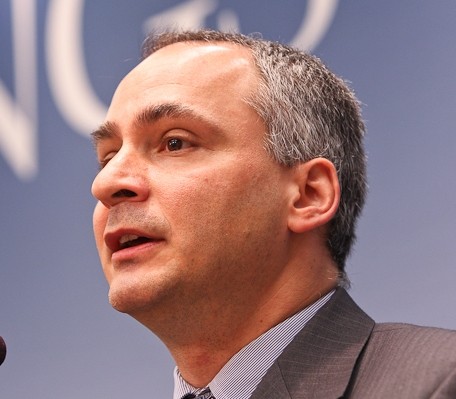
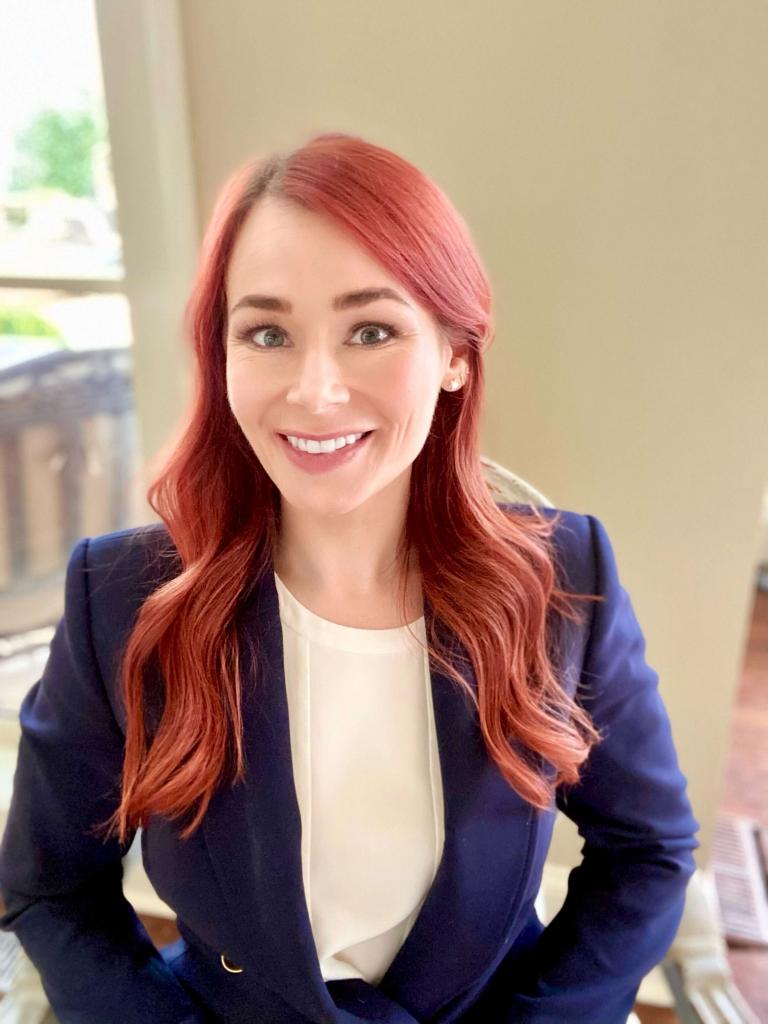


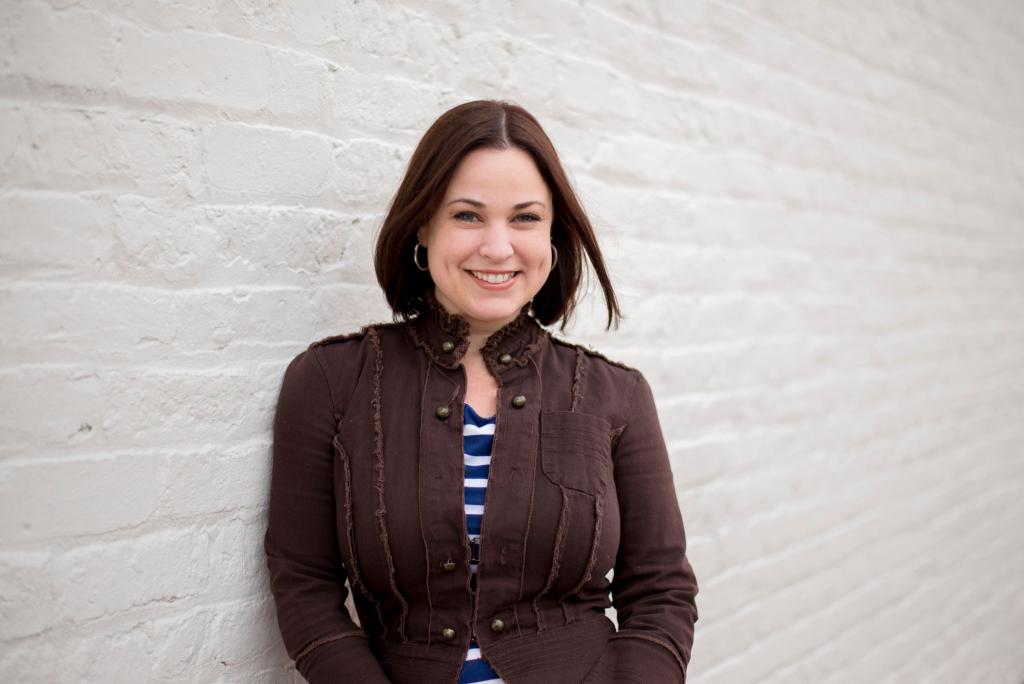
In a live conversation on YouTube, Lawfare Editor in Chief Benjamin Wittes sat down with Lawfare Senior Editors Anna Bower, Eric Columbus, and Roger Parloff discussed the Department of Justice’s newly-announced “Anti-Weaponization Fund” which purports to “hear and redress claims of others who suffered weaponization and lawfare,” oral argument in Anthropic v. U.S. Department of War before the Court of Appeals for the D.C. Circuit, and more.
You can find information on legal challenges to Trump administration actions here. And check out Lawfare’s new homepage on the litigation, new Bluesky account, and new WITOAD merch.
To receive ad-free podcasts, become a Lawfare Material Supporter at www.patreon.com/lawfare. You can also support Lawfare by making a one-time donation at https://givebutter.com/lawfare-institute.
Click the button below to view a transcript of this podcast. Please note that the transcript was auto-generated and may contain errors.
Transcript
[Intro]
Michael Feinberg: Hi, I’m Michael Feinberg, senior editor at Lawfare. You probably know me best for my coverage of the FBI and counterintelligence issues. Our goal at this site is simple: to provide you with the most incisive and independent national security analysis available anywhere. This is important to me for a very personal reason.
When I was with the government working on these matters, Lawfare was my go-to site when I needed to get quickly up to speed on a complex topic, and I feel privileged now to offer the same service to others. And with the rule of law and constitutional norms being stretched like never before, our work is that much more important.
But it’s not easy, and we can’t do it without your help. We’ve never gatekept our articles or required a subscription, and the only reason we’re able to do that is because of your donations. Please go to lawfaremedia.org/support and become a material supporter. It’s only $10 a month, or more if you’re able, and it’ll allow us to keep providing value to the conversations that matter most in these times.
[Main Podcast]
Benjamin Wittes: It is Friday, May 22nd, 2026. It is 4:00 PM in Washington, D.C., and we got breaking news, folks. The first vindictive prosecution motion to dismiss of the second Trump administration, and probably the first one in a long time in any administration, as issued from the Middle District of Tennessee in the case of Kilmar Abrego Garcia.
And that means that Abrego Garcia has beaten both Letitia James and James Comey. He takes the gold medal in the first, in the race to the first vindictive prosecution dismissal in these Olympics. A lot of people thought Comey had the inside track but then, you know, he got sidetracked, as did James, by winning on the prosecutor was illegally appointed motion, and that actually set him off the, both of them off in the wrong direction.
The re-indictment of Comey, the re-indictment of James just kinda kept failing and so she didn’t get that chance to refile it. And Comey eventually gets re-indicted in a different state, but has to start all over again. That gave Abrego Garcia the inside track. And we’re gonna cover all the the sporting details today.
I’ve got not one, not two, but three Lawfare senior editors, all of whom have written about vindictive and selective prosecution motions at some point in their storied careers. Eric Columbus, Anna Bower, and Roger Parloff welcome to Lawfare Live, which you are, by the way, watching Lawfare Live: The Trials and Tribulations of the Trump Administration.
And Anna, we had some serious tribulation today. Gonna go to Roger in a second for details of the opinion, but broadly speaking, just remind us, ‘cause when we think of Kilmar Abrego Garcia, a lot of people think about Judge Xinis and can you deport him to Liberia when he wants to go to Costa Rica, and does, by the way, we sent him to El Salvador, where he had drinks of water, but not margaritas with Senator Van Hollen.
Remind us where we are and how we got to a vindictive motion to dismiss for selective and vindictive prosecution.
Anna Bower: Yeah. So remember Judge Xinis had ordered Kilmar Abrego Garcia in his civil case to be returned from the prison in El Salvador because he was erroneously deported there. The Supreme Court then ordered that the government facilitate his return.
And in response to that, or in seeming response to that, the government eventually did bring him back, but under the guise of prosecuting him criminally on criminal charges related to s- smuggling. And he was, you know, criminally indicted. This case is ongoing, brought a selective or vindictive prosecution motion arguing that he was being retaliated against for exercising his rights in the civil case.
The judge, Judge Waverly Crenshaw initially found that there was a presumption of there was sufficient evidence of a presumption of eviden- of vindictiveness. It then fell to the government to rebut that presumption.
And folks might remember I went to Nashville a few months ago to, for that evidentiary hearing in which the government put on the testimony of Robert McGuire, who was at the time the U.S. attorney in the Middle District of Tennessee a- and then also Agent Saoud, who was the HSI age- agent who initiated the criminal investigation of Abrego. And then we, since then, since that evidentiary hearing, we’ve been waiting to see whether Judge Crenshaw will find that testimony was sufficient to rebut this produ- presumption of vindictiveness that was based a lot on public statements from, you know, people like Todd Blanche, who had suggested that Abrego had been in investigated criminally because of this civil case that he brought.
So that’s kind of where we were. And then today we got an order in which Judge Crenshaw dismissed the case dismissed the criminal charges against Abrego and then also issued an opinion, you know, discussing the reasons why, which I think Roger was further along than I was on reading it, so I will leave it to him to get into some discussion of that opinion.
Benjamin Wittes: Yeah. So Roger what did Judge Waverly Crenshaw and query, side query, what does he go by to his friends? What does Judge Waverly Crenshaw have to say about the subject?
Roger Parloff: Well, it in a nutshell, that the presumption was not rebutted. And basically, there was a lot of crucial people that weren’t called.
And including Agent Van Wie, who was on the witness list by McGuire put him on the witness list. He was the one that had been identified as the one that would know he was the person with knowledge of the decision to reopen the case, the crucial thing. And instead of calling him McGuire took the stand himself and, a- and just tried to through hearsay say what Wie had told him, which sounded like something to the effect that he was under a lot of pressure from...
Or people were asking him a lot of questions. So, he J- Judge Crenshaw writes “The government did not call Agent Van Wie to explain why. That is curious because the government identified him as the person with knowledge of the, quote, ‘decision to reopen the investigation into Abrego’s human smuggling activities.’
The decision that the court had identified as central to Abrego’s motion.” So that was a cr- that seemed very important to him. “Likewise, failure to call Blanche, failure to call Singh, Akash Singh,” and he really considered McGuire... You know, McGuire had two ma- main arguments. One was that there was new evidence, and that’s why they were investigating him, and one was that he was an independent prosecutor who made the decision without influence from above.
And the judge rejected both of those. The new evidence wasn’t new in the sense that everyone knew beforehand how to investigate this if they wanted to pursue it. They could have found Hernandez back in 2020 the key witness, the guy that was sort of running the alleged human smuggling operation who pled guilty to it or had been convicted.
I think he pled guilty. And they knew how to reach him, they just didn’t bother until after the Supreme Court ruling saying, “You need to facilitate this guy’s return.” The obvious, Singh is important because he is the deputy to Blanche. Blanche was then deputy attorney general.
Blanche had gone on Fox News, and this is crucial, you know, it’s sort of incredible, and had said words to the effect, I don’t have it in front of me that we started re-looking again at this criminal case once people started—once this judge accused us of doing something wrong. And so that sounds vindictive.
And so it was the timing which we knew from the earlier rulings that was the presumption of vindictiveness that had already been established, this weird timing that they’d—suddenly this three-year-old, four-year—three-year-old case is revived about a week after the Supreme Court says you need to facilitate his return.
And and so it was, and he the judge found that Singh was all over this and that McGuire had tried to sort of downplay Singh’s role, but Singh knew about Hernandez before McGuire did, you know. Another thing he found important, he called McGuire’s testimony, quote, “choppy.” He’s—Also he doesn’t go into any detail about the fact that Ben Schrader, the chief of the criminal division, had he, he wrote a memo.
He wanted people to—He want it circulated to decision-makers. He felt that this would look vindictive. We didn’t hear any detail I don’t think, and I didn’t see any detail about the memo other than that. But but he said nobody ever addressed it either, that nobody came forward. You know, McGuire didn’t come forward and explain why he didn’t think he thought this memo was wrong or anything like that.
So it was mainly the, you know, we had the presumption of vindictiveness and there was a failure to rebut it. And it was his way of... He knew, you know, if he started ordering Blanche to testify, there would be a thousand, you know, we’d be here until the next administration all the privileges. And so rather than doing that, he said, “Look, it’s your burden.
I’m gonna hold a hearing. You call who you like.” And you didn’t call the creek all the crucial people. You didn’t call Blanche. You didn’t call Singh. You didn’t call even Van Wie, who was on your witness list. So I think that’s sort of what did it.
Benjamin Wittes: And that’s clearly right, right? There’s no principle that says if you carry the burden and you don’t bother to put on witnesses who can address the burden, you get to carry it without some kind of negative inference from your failure to put on the relevant witnesses, right?
It’s not like the f- a Fifth Amendment thing, right?
Roger Parloff: That’s my understanding. That sound- Y- yes.
Anna Bower: And it’s not like what we’ve seen in some, like for example, in the Fulton County litigation where they wanted to call people with knowledge about a criminal investigation, but the government, you know, asserted various privileges.
I mean, it’s and was able to kind of not have an adverse inference because it’s not their burden, you know, in that case. It’s very different here, where, you know, if they’ve got evidence to put on, they’ve got evidence to put on. And so it’s ... I do think that is important for people to understand.
Benjamin Wittes: All right. So if I were Kilmar Abrego Garcia, I would be on the next plane to Costa Rica. And I wanna talk through this. I haven’t seen any media coverage of it, but as I understand the civil case, the government’s position is we wanna take him into custody to deport him immediately to Liberia—He says, “I want to go to Costa Rica and they’ve agreed to take me.
And the, but I can’t go because I have this criminal case pending where, you know, I’m not kind of allowed to run because I’ve been released on bail or released on a supervised release.” So, Roger, now the case has been dismissed. There, as far as I know, there’s nothing else that prevents him from getting on a plane to Costa Rica.
Costa Rica is a really nice country and they seem to wel- want to welcome him there. He doesn’t have a future in the United States realistically. Any reason why he can’t get on... I think there are even some direct flights from like, you know, to San Jose. Any reason he can’t just get on a plane to Costa Rica?
Roger Parloff: I believe he could. And in fact, the civil I believe that in part because Anna just read to me before we started the order in this case, which does seem to dissolve the the existing sort of ba- bond conditions of release. And that was what was tying it. Not only was it what was binding him, but the DOJ lawyers in the civil case were saying, “Well, he’s free to self-deport.”
Anna Bower: Mm-hmm.
Roger Parloff: And Judge Xinis was saying, “Yeah, if he wants to jump bail or, you know, if he wants to violate the criminal.” But now I think he is. It I don’t know how quickly the government is acting behind the scenes to try to appeal and restore some sort of or if in fact they’d be...
I sort of think it’s too big a black eye to leave it here. I mean, the whole case is about is about showing who’s boss. So I assume they’ll appeal and appeal quickly. But,
Anna Bower: Yeah. And just, I mean, just to be clear, like, it, the order says, you know, that the indictment is dismissed, and then it says that the order for release and setting conditions of release is vacated and terminated.
That is an order that has been issued on the docket. I am not aware of any reason now that those conditions of release have been terminated that he couldn’t get on the next flight to Costa Rica. It, so it, s- I, that’s something to watch for. Well,
Benjamin Wittes: I will just say, Kilmar Abrego Garcia, I am not your lawyer.
Not a lawyer. Not even... I’m really not your lawyer. Get on the next flight to Costa Rica. It’s a, this is a good outcome for you. And you know, if you end up in Monrovia next week don’t say I didn’t warn you.
Roger Parloff: Yeah, I think he should go with the fait accompli look. I mean, the-
Benjamin Wittes: Exactly
Roger Parloff: The Trump—the Trump administration always does.
Just do it.
Benjamin Wittes: Just do it. There’s noth- there’s nothing that says you can’t go to San Jose. The cloud forests are fabulous. There’s nice beaches. There is nothing wrong with Costa Rica. Hashtag just saying. Okay before we move on from Kilmar Abrego Garcia, my understanding is that Judge Xinis has enjoined the government from detaining him and sending him to Liberia, but it hasn’t, she has not put any restriction on him, right?
Roger Parloff: Yeah, that’s my understanding. Anna?
Anna Bower: That that’s my understanding as well. I will say I just saw, I have not had a chance to look at it ‘cause I think it just came the, I just got the alert on CourtListener, not, like, just a few minutes before we started. There, in the civil case, there is a motion that has been filed for limited discovery we, you know, from Kilmar Abrego Garcia’s attorneys in the civil case.
So, you know, I don’t know if that was filed before the order. I’d have to look at the timing because sometimes there’s a lag with when you get the CourtListener alert and then, you know, when it was actually filed. But it, you know, is interesting that they went ahead and filed that I suppose.
But that’s kind of the latest in the civil case. I haven’t seen anything related to the dismissal of the criminal indictment.
Benjamin Wittes: All right. Meanwhile, in litigation that has gone a little bit less- Oh ... attractively. Sorry, go ahead, Anna.
Anna Bower: S- sorry, one, one, one thing I, someone mentioned this in the chat that I will—
I do wonder about is, does he have personal possession of his passport? Because that may be an issue. I don’t know if maybe a probation officer has custody of it and there might be a l- lag in terms of getting actual travel documents bec- for that reason. So I’ll just flag that.
Benjamin Wittes: Well, I will say if you don’t have your passport Mr. Abrego, check in with the Costa Rican Embassy in Washington before you board a plane. Maybe they can give you some temporary travel documents.
Anyway let’s talk about some litigation that has resolved in a less felicitous fashion from a Democratic perspective. And that, Eric Columbus, is the IRS lawsuit and the accompanying mishegas, I think that’s the technical term, associated with its resolution.
So, let’s begin the story. Last week, I raised the question of whether, on this show, I raised the question of whether we should take seriously the leaks that- ... the president was gonna drop his $10 million dollar lawsuit, $10 billion dollar lawsuit in exchange for in exchange for a $1.7 billion dollar slush fund to distribute to his friends who claimed weaponization at the hands of the Justice Department.
And I just want to say I was right to be skeptical- Right ... because he didn’t do that. He dropped the $10 billion dollar lawsuit in response to a $1.8 billion dollar settlement, or $1.776 billion dollar. So I, my skepticism is fully justified. Eric get us started. What happened?
Eric Columbus: Well, this is a lawsuit that Trump and his two elder sons, Don Jr. and Eric, my namesake, filed against the IRS and the Treasury Department for a leak of his tax return information. This leak actually did happen. They’re not making it up. It happened in... It was information that was stolen from the IRS and Treasury by a contractor during Trump’s first term.
And this guy, Charles Littlejohn, stole Trump’s tax returns and also the tax returns of various other wealthy Americans. And the guy was prosecuted during the Biden administration. I believe he is sitting in a federal penitentiary right now. Trump in, in, in Trumpian fashion sued for the sum of $10 billion dollars, which—The technical term for that is, is a lot of money.
This is not however a suit that likely would’ve prevailed had it gone to trial because he filed his suit after the two-year statute of limitations, which begins to run when you discover that your tax information has been disclosed without your authorization. And he says “No. I didn’t find out until the IRS sent me a letter notifying me that it had been disclosed.”
But that was after the Littlejohn pleaded guilty in October 2023. And at that time, one of Trump’s own attorneys a-addressed the court on behalf of her client, which is pretty clear indication that you knew what was going on if your lawyer on... who was not freelancing talked, spoke about the crime that you were victimized by.
And there are some other problems in the suit as well. Anyway and it’s notable that Ken Griffin, another very wealthy guy whose returns were leaked, he also sued and received only a formal apology no money. So Trump the bottom line obviously is that the one the main problem here is that Trump was i-in essence suing himself.
He’s suing people who report to him. And the judge overseeing the suit, Kathleen Williams the U.S. District Court for the Southern District of Florida, an Obama appointee, was kind of troubled for this by this, and she raised the question of whether there is she had jurisdiction over the case.
Be- because under the Constitution, there is only dur- federal court subject matter jurisdiction is limited to, quote, “cases or controversies,” and which requires, among other things, that the parties be adverse to each other. There needs to be a real dispute between two parties that have opposing interests.
And she appointed a bunch of heavy hitters as amicus curiae to assist her in pondering this issue, and included among others solist- former Solicitor General Don Verrilli. And the amici in their brief said, “Well, we n- you know, this the court needs to ponder this a bit more needs to possibly explore the ways in which there is or is not adversity between the parties, such as whether the ongoing settlement negotiations are actually being conducted at arm’s length, whether there’s any steps taken to insulate the DOJ lawyers who were assigned the case from presidential direction.”
Obviously, defense counsel should not be directed by the plaintiff and the answers to those questions I think it’s safe to say the answers to those questions are probably no, there was no safeguards involved at all. We don’t know that for sure, but everything we know about this administration points to a no in this case.
And basically right after all this happened there began to be rumors that Trump was gonna drop his suit against the IRS in exchange for some massive fund. And those rumors turned out to be true. And on Monday, DOJ put out a press release announcing that Todd Blanche had established a, quote, “anti-weaponization fund,” to compensate people who suffered weaponization and lawfare.
And I can’t be positive, but w- but I don’t think he’s referring to-
Benjamin Wittes: I’ve been suffering lawfare for 15 years, by the way- Yeah ... and no one’s talking about compensating me.
Eric Columbus: Well, you know, give it time. Give it time.
Anna Bower: I think we should apply. I had to spend a lot of time waiting outside of courthouses for Lawfare covering the lawfare prosecutions.
I, I- So I consider myself a victim of lawfare.
Benjamin Wittes: I think we should file a totally tongue-in-cheek document about all that we go through to put out Lawfare and seek compensation from the fund.
Eric Columbus: And we would, I mean, people have been talking about that. Like James Comey has been talking about applying there, there’s gonna be a, all sorts of kind of, I don’t wanna say bad faith, but motivated applications shall we say.
And this is... That was day one. There was the next day Blanche kind of dropped another bombshell pointing out setting up a—Sorry. Blanche, on Tuesday, filed another document on the Department of Justice website that basically waives all claims against the plaintiffs and their families, the Trump family and the Trump organization that any claims that the government could have had against them any agency not just the agencies he sued, not just IRS and Treasury.
And just to kind of make it entirely clear what this is all about, there’s a parenthetical that says, “Including tax returns filed before the effective date.” And The New York Times has reported that there’s an ongoing IRS audit that might cost Trump over $100 million. This was reported in, in, in 2024.
And it stands to reason that’s what he’s mostly concerned about. And this is ridiculous and is not... He doesn’t even pretend to be tied to the IRS, you know, the dropping of the IRS of his lawsuit against the IRS. And I think it’s something that a future Department of Justice, if they had grounds and they were so inclined to go after Trump in a civil matter would treat as presumptively invalid.
So that’s the short of it, and I can go on you know, forever on other aspects of it, but I realize we have other stuff to discuss.
Benjamin Wittes: So we did a lengthy podcast limited to this subject so I am going to stop us there for present purposes, with one exception which is that Todd Blanche did find himself testifying before Congress on the subject.
What did he have to say about it? I’m not sure- Well- ... whether Eric or Anna is the appropriate person to direct that to.
Eric Columbus: I watched it. I don’t know if A- Anna, did you watch it or?
Anna Bower: I watched some of it, but you go ahead and then I can chime in.
Eric Columbus: Okay, sure. There were two things that that, that stuck out to me in that testimony, which he...
So he testified before the, he, before the release was posted. Only the fund was known publicly at that time. He test- then he testified, it was a previously scheduled hearing before a subcommittee of the Senate Appropriations Committee, then he went back to his office, and then he posted the release. So the two things that struck me is w- first Blanche r- refused any attempts to tie him down, to tie down the questions about whether the, there could be any limits on who could apply for funding.
All he said was, “Look, the Trumps are not going to apply.” But then there were questions like, “What about a cop ki- what about someone who had, who attacked police on January 6th and, you know, beat the crap out of a cop? Could they apply?” And Blanche, y- you know, bobbed and weaved and always refused to say yes.
And he said, “It’s, look, it’s not my decision. It’s gonna be the decision of the five commissioners who are appointed,” and he would not get p- pinned down on what will be or even what should be the limits. And then the second thing was that I found kind of interesting is that in, in response to charges that this was partisan and politicized, he said, “Look, anyone can apply, any Republican or Democrat.”
And the example he gave was Hunter Biden, which was a little bit clever actually, because as Blanche well knows Hunter Biden is not just a Democrat, but he was prosecuted under a Democratic administration. And there’s language in the settlement agreement that sa- defines “weaponization” as conduct of Democratic e- elected officials and excluding Republican elected officials.
Benjamin Wittes: So- Yeah. So Eric, can I ask a quick question?
Eric Columbus: Yeah.
Benjamin Wittes: Just a clarifying question about that. When Trump tax returns were leaked, which party was in control of the executive branch?
Eric Columbus: The Republican Party.
Benjamin Wittes: Oh, just checking. So this is a settlement- Of a case that’s about the conduct of a contractor in the IRS under a Republican administration that created a fund that is limited to weaponization, whatever that means, under a Democrat- under Democratic administrations.
Eric Columbus: Exactly.
Benjamin Wittes: Okay. Just checking.
Eric Columbus: Perfect sense.
Benjamin Wittes: Sorry, you were saying?
Eric Columbus: No, I was done actually with that. All right. Anna, if you, Anna, if you have any other thoughts about the,
Benjamin Wittes: The- Yeah, Anna, do you have further thoughts on this subject?
Anna Bower: As on the subject as a whole or on Blanche’s?
I mean, I will mention specifically that, you know, Blanche has refused to as Eric mentioned. But it is really remarkable that Blanche, who in the settlement is the person who is going to select these board members that will make the decisions. So he, you know, while he himself won’t have direct power over these decisions, he certainly could say, you know, “I will only appoint board members who wouldn’t compensate individuals who were convicted of assaulting cops on January 6th.”
He could have said that. He did not. Right. Y- you know, so that’s... I mean, it’s just all... if in an era in which I am very unfazed a- and unsurprised by everything this is one of those weeks in which you’re “I cannot believe that this is happening,” because it seems so blatantly to be self-dealing and corruption.
Benjamin Wittes: So Roger, one group of people who just can’t believe what is happening is police officers who were attacked on January 6th, who have sued to block the weaponization fund. Do they plausibly have standing here?
Roger Parloff: Well, that is weirdly the question and the only question, because as E- Eric and Anna have explained, the fact that it’s illegal and unconstitutional and corrupt- Corrupt and despicable in every way is clear. W- we don’t have is somebody that can... has standing to, to challenge it. So w- what they are doing in this lawsuit is trying to d- overcome that hurdle.
And we have Harry Dunn and D- Danny Hodges, and you probably know both of them. They were, they both testified at the January 6th committee, and they both testified at hundreds of these cases. H- Harry Dunn is U.S. Capitol Police. He’s now retired. Danny Hodges is Metropolitan Police. He’s still, he’s actually still an officer. He was the guy, Danny Hodges was the one you’ve seen crushed in the door in the lower West Terrace. And so the standing argument is that this suit endangers their lives.
They get death threats on a nearly daily basis and people follow them around they appear in conferences and they are followed and taunted and sworn at. And now you will be funding these people, and maybe with millions of dollars. He’s particularly worried about the Proud Boys they are as makes some sense, and other paramilitary organizations.
They—he does mention the Oath Keepers, they get less attention. Hodges has received threats like how to strangle himself with a noose how to suffocate himself. “Your time is over, faggot. Justice is coming. It’s riding on a pale horse.” Somebody sent him a video, apparently real, of a man shooting himself in the head.
These are, I think, and this is my subjective opinion, worse than seashells, for instance, as a true threat. And now you’re going to be giving these people money, a lot of it. And so that’s the argument. The fund’s mere existence sends a clear and chilling message. Those who enact violence in President Trump’s name will not just avoid punishment, they will be rewarded with riches.
That message by itself substantially increases the already sizable risk of vigilante da- violence Dunn and Hodges face on a near-daily basis, and it encourages those who are harassing Dunn and Hodges and sending them death threats to up the ante.
The, ‘course there’s also a ripeness issue that’s gonna be tricky, which is you know, they’re playing as Anna mentioned and Eric mentioned, they’re playing they’re b- dodging and weaving about saying who’s gonna get money and who isn’t. So-
Benjamin Wittes: And even who’s gonna be eligible to apply for it.
Roger Parloff: Well, yeah. Mm-hmm. They’ve said... Yeah yeah. I mean, correct me if I’m wrong, but the way I s- there is no definition of weaponization or lawfare. There is a paragraph that sort of says, “Here are examples of stuff that we consider weaponization.”
Extra- you can extrapolate from that. That is the weirdest kind of... I mean, that’s how I read it.
Anna Bower: It... I read it to, to kind of define “lawfare” or, and “weaponization” as let me pull up the document and I’ll tell you what it says.
Benjamin Wittes: I just wanna say, we should be the authoritative interpreters of what is “lawfare.”
I I think we, we have unusual expertise on the subject, and I would be happy to be an expert witness in any case. I, of course, charge a hefty hourly rate for expert witness testimony, but I think I think the question is textually committed to me—
Anna Bower: Well, so here’s what they say. I- they say that it i- like, this is...
And it is kind of, it’s not like they set out a definition exactly by saying, “Here’s the definition,” but they seem to defined it—define it in this sentence. But when they say “the conduct alleged in this case” meaning the conduct of Littlejohn taking the tax returns, “is representative of su- sustained use of the levers of government power by Democrat elected officials, political and career federal employees, contractors, and agents in order to target individuals, groups, and entities for improper and unlawful political, personal, and/or ideological reasons, parentheses, lawfare and weaponization.”
I take that to be a definition.
Benjamin Wittes: Again, factually incorrect. This was done by a Republican, a contractor to a Republican administration.
Anna Bower: Yeah, there’s the c- there’s the question of whether Demo- the Democrat modifier, Democrat elected officials, it carries over to all the other, ‘Cause it says Democrat elected officials, political and career federal employees, contractors.
So it, do- does that, does Democrat modify all of those other people?
Benjamin Wittes: I don’t know. If not, then maybe the Comey and Letitia James and, you know, all the people who were subject to weaponization at the hands of other administrations are plausibly within bounds.
All right. Let’s shift gears and talk about a much more serious discussion that took place this week at the D.C. Circuit where three judges grilled lawyers for the Department of Defense, which styled itself as the Department of War, and Anthropic about Pete Hegseth’s order.
I gotta say, Roger, I found this oral argument pretty surprising. I thought I did not expect Judge Karen LeCraft Henderson, who was fresh off being the most sympathetic to Hegseth in the Mark Kelly matter to be so vociferously against the Department of Defense with respect to Anthropic. And I did expect—nor did I expect Judge Katsas to be quite as conflicted and complicated on the subject as he appeared to be.
So, give me your sense of it. How did the argument go for both sides and what did you make of the panel?
Roger Parloff: Yeah, I was surprised, I thought it went better for Anthropic than I expected, which doesn’t necessarily mean they’ll win. The panel, as you said, is a rough one. It’s Judge Karen LeCraft Henderson, who is a Reagan appointee to the district court, and then George H.W.Bush Greg Katsas, who’s Trump, and Neomi Rao, who’s very Trump. And so the big surprise was Henderson, for the reasons you stated, ‘cause I also thought she was a very strong defender of military deference, defense to—de- deference to military and national security matters and she is.
But she also apparently read the statute, and she said “For the life of me, I don’t see any maliciousness,” which is one of the words in the... maliciously is in the, in a, in the definition of supply chain risk. I don’t see the department has in any way supported its determination that there is a supply chain risk, let alone a substantial supply chain risk.
To me, this is just a spectacular overreach by the department. I should say as... And you probably remember, there are two statutes, but they’re very similar. This is the one, the later statute that is potentially broader. This case, it’s only being used so far by the Defense Department. But this one has to be brought in the first instance in the D.C. Circuit.
That’s where you challenge it. The other one which was enacted earlier, it’s the one that was challenged out west in Northern District of California and was enjoined separately by a district judge that’s on appeal. That’s on abeyance. The appeal is on abeyance waiting to see what this panel does.
Katsas said there were two readings possible of the supply chain risk definition. You could read it the way Henderson does, where maliciously basically covers all the verbs that follow, or you could do it another way and some of those verbs might come off relatively neutral, like deny, disrupt, manipulate.
Manipulate sounds pretty—But anyway so, he was—But he acknowledged that certainly Anthropic’s reading was not atextual, which is what Rao was saying it was, which was surprising. She seemed to think that she was saying suppose the technology may work in ways that either Anthropic or the government m-may be unaware of, and which is true of artificial intelligence.
And that the government discovered that could have a catastrophic effect on national security or that, that could have catastrophic national security consequences. That enough ought to me-be enough was sort of her perspective. And the DOJ lawyer, Sharon Swingle, was taking that approach.
She said, “Well, it would be passing strange if you had to do more.” I really don’t think the statute reads that way, but that’s the way they read it;
Benjamin Wittes: I wanna say, just a quick word about Sharon Swingle, who is a lawyer for civil appellate who I admire a great deal. And she is somebody who in successive administrations has always been willing to go before the D.C. Circuit with the hardest cases.
And she’s very consistent about it and she’s just a pro, and I’m sure she’s gonna get a lot of criticism for some of the arguments she made. This is one of those situations where I will just say, you know, lawyers gonna have to make arguments on behalf of the administration that are ethically appropriate to make, and I thought she did a pretty admirable job of staying on the right side of the line in a matter in which, you know, she has a garbage case and the government will and should eventually lose either before the panel or before the en banc D.C. Circuit.
But but I have a lot of respect for Sharon Swingle, and I don’t believe she believes the arguments that she’s making for a second. I’m just saying. Sorry about that.
Eric Columbus: And you know, Ben, there’s one court beyond the en banc D.C. Circuit.
Benjamin Wittes: That’s right. I gotta say, I don’t count five votes on the Supreme Court for wildly outflanking Karen LeCraft Henderson on this matter.
But I will, you know, never put anything past the Supreme Court as currently constituted. That said, I think the statute’s pretty clear here, and I think she’s right, and I think the fact that it is not even obvious to me that the government has Katsas suggests that you’re gonna have a lot of problems as this creeps in its heady pace up the appellate ladder.
Roger Parloff: Katsas did seem to have a problem with or he didn’t seem to see what’s the big deal w- if the DOD uses this statute instead of using conventional procurement measures to disengage from Claude, which you know, Anthropic has no which is what Anthropic is ready to have happen.
And of course, one of the big differences at this stage is the stigma, but he did not seem too impressed with that. And then the interac—
Benjamin Wittes: I gotta say, though, that I think that’s dead wrong, and let’s say the only thing left is stigma, and I don’t think that’s right, by the way. But let’s say there was only stigma left, and so a- ba- basically th- this is operates as the only effect is a big government sort of scarlet I don’t know, what’s a...
It’s a scarlet letter ... “SCR” for supply chain risk on your forehead. I mean, if, what if the government wanted to brand you a racist, or the government wanted to brand you a, you know, commie sympathizer? Like, the, they’re there are limits on the ability to do reputation damning, da- damaging branding of individuals or companies on the basis of no reasonable record.
And so I actually don’t know that I understand Katsas’s view that the decision not to do business with Anthropic, which is clearly within the government’s rights, is equivalent to the decision to post a giant official notice, “We’re not doing business with Anthropic, and neither are any of our contractors.
And by the way, that’s ‘cause they’re a bunch of dangerous, crazy woke lefties under, that make them a supply chain risk under the statute.” I mean, one is regulated by a statute, and the other is not.
Roger Parloff: Yeah I don’t I... You don’t get an argument from me on this. But the other thing I’d say is that Anthropic’s number one point coming in Kelly Dunbar was their attorney from W- WilmerHale was that it’s not really in dispute that DOD’s determination was based, at least in part, on a mistake.
The, this view that Anthropic might have a backdoor in it that would... I mean, that Claude might have a backdoor that Anthropic could manipulate in real time to interfere with military operations. And since the m- military version is air gapped. That’s not really possible. And so, but Katsas did not seem to be going for that.
He just said, “You know, I you want us to remand back to them and then just repeat this, you know, six months from now? I’m I don’t see the point of doing that.” So, that one was also not going down. Rao seemed to be going off. Rao and Rao alone s- had an issue about reviewability. She said that the determination was not reviewable, only covered procurement actions were reviewable.
And- And no one could figure out—
Benjamin Wittes: What- And I just wanna say, this is actually an interesting... Go back to my point about Sharon Swingle. She gave Sharon Swingle an opportunity-
Roger Parloff: Yeah ...
Benjamin Wittes: to, that, you’re right ... to pick this up, and Sharon wouldn’t do it. And said, “We don’t think this is not reviewable, you know, with all due respect, we don’t challenge the reviewability of it.
We don’t chall- we don’t argue that it’s that it’s premature and not yet ready for review.” There was some language she was using, “Irredeemably premature,” or something like that. And like, you know, she was not taking these opportunities. And,
Roger Parloff: No, that’s true ...
Benjamin Wittes: You know, and that I do think is, you know, some lesson for some other government lawyers who we’ve seen who will kind of jump on anything there.
Roger Parloff: And then one last thing I wanted ‘cause I thought it was sort of amusing, and it’s not gonna be dispositive or anything, but Katsas was expressing the view that, you know, Anthropic’s reservations about using this thing for lethal autonomous weapons seemed eminently reasonable to him. He was saying, “You know, we sanction lawyers who use AI without checking it.
It hallucinates. They’re saying this model is not reliable enough to tell it which bombs to drop.” And he seemed to think, you know, that, that makes a certain amount of sense. But he also understands that DoD has a right not to use it, so the only question is which statute do you use to disengage?
And so that’s the, that that’s what they’ll have to decide.
Benjamin Wittes: All right. One step down from the D.C. Circuit, the D.C. District Court considered the matter of the Presidential Records Act and whether the executive office of the president has to, you know, follow it. This is an opinion by one of the most respected judges on the D.C. District bench, John Bates.
Roger, what did he come up with?
Roger Parloff: Here again I think the relatively easy part was... Well, I shouldn’t say easy, but he said that the P- this is a motion for preliminary injunction, so y- it’s all probables, it’s all likelies his rulings. So, the PRA is likely constitutional.
The OLC had said it was not unconstit- it was unconstitutional after 50 years of use. And you know, that’s n- not really a big surprise. There was this this all goes back to Watergate 1974. The Congress is concerned about the tapes Nixon destroying the tapes. They enact a different law, an emergency law.
That one is tested in ‘77 Nixon versus GSA. They uphold that law. The next year the Presidential Records Act sort of modeled off of it and broader is enacted. OLC says it’s const- that it is constitutional that same year and so that’s the one we’ve been using for 50 years. And so basically, he found that it was constitutional for the reasons that, that that the Supreme Court did back then.
The—I just note that, you know, everything this our current Supreme Court does seems to be reversing all of the protections that ha- were enacted post-Watergate, you know, against a crazy president. And including the Nixon versus United, a lot of Nixon versus United States does not seem to.
So the fact that there is a post-Watergate decision that is almost directly on all fours does not give me a lot of reassurance. But anyway, this is a, it’s a good ruling. He—and then the tougher thing with-
Benjamin Wittes: But it is binding precedent for a district judge.
Roger Parloff: It is for a district judge. And there was also he had to show irreparable harm and th- there were three areas in which he found that the White House guidance, which was issued the next day, is woefully different is very different from PRA and would create the possibility of irreparable harm for these plaintiffs.
Benjamin Wittes: And remind us why the president cares enough about the exist- the constitutionality of the PRAs that there is a sudden OLC opinion that has materialized saying he can violate it?
Roger Parloff: It makes it very difficult for you to destroy records. It makes it very difficult for you to take them home with you presidential records after after your term ends. And yeah, those are... I guess those are the key things.
Benjamin Wittes: Gotcha. Yeah, it’s that whole, like, you can’t be a hoarder on your way out of office kind of thing.
Roger Parloff: Yeah and there’s a lot... And you can’t conceal stuff. Yeah. Even if you’re immune from criminality, eventually people will at least find out.
Benjamin Wittes: Right. All right, so speaking of the relationship between the D.C. Circuit and the D.C. District Court no surprise, but we have the remand of the seditious conspiracy cases back to the D.C. District Court to be dismissed.
Tell us what happened.
Roger Parloff: Yeah, these are the 12 seditious conspiracy cases. I- they were all charged as conspiracy cons- seditious conspiracy. Eight Oath Keeper cases, two of those people were not actually convicted on that charge, and four Proud Boy cases, one- one of those people was not convicted on that charge.
And the—almost no analysis, this was, you know, the one that Representative Raskin tried to submit in an amicus, wanted them to appoint a real amicus to argue this point. And all they said was the judgments of the district court, they ordered that the judgments of the district court be vacated and the cases be remanded to the district court for consideration of the government’s forthcoming motion to dismiss the indictment.
In light of the government’s stated intention to file such a motion, the court concludes that vacator and remand is, quote, “just under the circumstances,” unquote, citing a statute Title 28 U.S.C. 2106. It’s just the general statute that permits appellate courts to do, to reverse cases, and to remand, and so on.
So almost nothing. And that’s, so it ends with a, not with a bang, but a whimper.
Benjamin Wittes: Well, one thing that doesn’t end with a whimper is Cleo the dog’s possession of a squeaky toy. At some—
Roger Parloff: —level of consciousness.
Benjamin Wittes: Which ends with a lot of squeaky. So I apologize for that. Hannah Bauer this all brings us to things that ended with not with a whimper or a bang or a squeaky toy, but with a court order from Judge Aileen Cannon keeping everything very quiet.
And now we have an indictment that somebody actually retained this material. I’m gonna mute myself and let you explain what’s going on.
Anna Bower: Yeah. So, if people will remember the special counsel produced two—Special Counsel Jack Smith produced two reports towards the end of the prosecutions of Trump.
One about the January 6 related case in D.C., and then the other one about the classified documents case. Eh, Judge Cannon issued an order in January 2025 in which she enjoined the release of the classified documents report. It is still, It has not been, you know, released. The order basically said you can’t transmit this report outside the Justice Department or share any information in the report with anyone who is outside of the Justice Department.
We have this new indictment now in Florida against a woman named Carmen Mercedes Lineberger, who is a former United—a prosecutor in Florida who worked out of Fort Pierce at the courthouse there and was a longtime, you know, Justice Department employee. The allegations are that she received a copy of the report back in January 2025, then subsequently, several months later, after Judge Cannon issued her order prohibiting its transmission outside the Justice Department sent both portions of, it’s kind of unclear what this is a reference to, but created a document compiling internal DOJ communications and portions of a DOJ memorandum but then also a copy of the report itself and sent those documents to her personal email addresses under the names—I believe it was chocolate cake recipe and Bundt cake recipe.
So this indictment alleges there’s, you know, there’s four counts related to this. It includes things, you know, the federal larceny statute alleging that she knowingly embezzled, stole, or converted this record or property for her own use. There’s 18 U.S.C. 1519 alleging destruction, alteration, or falsification of records in federal investigations.
Also 18 U.S.C. 2071, concealment, removal, or mutilation of a record. It’s, so there’s a lot of counts here related to this sending of the report and these messages to her personal email account. I was actually doing some research on this right as the Abrego Garcia motion dropped, so I didn’t get as far as I wanted to, but I’m a little bit skeptical of whether some of these statutes may not-
Benjamin Wittes: Me too.
Anna Bower: Yeah I’m really not sure if this is gonna hold up with the facts here.
Benjamin Wittes: All right, so help me out with this, ‘cause I’ve scanned the indictment. I l- but I ha- and I haven’t done any research. So I’m gonna put a quarter in and press the button on your forehead and get you to explain this to me.
But it’s not a leak. She didn’t leak it to anybody. That there’s no—
Anna Bower: Yeah.
Benjamin Wittes: —allegation- It’s not a conspiracy leak-
Anna Bower: Mm-hmm ...
Benjamin Wittes: Because sh- there’s no other person involved. So it’s basically a moving stuff, and it’s not classified, so it’s not illegal to have it on your personal computer. So it’s, so I understand that the circumstantial evidence that she intended to leak it or intended to conceal that she was removing it is pretty good.
You don’t name things cake recipes if you’re, you know, intending to store them in a fashion that is entirely consistent with normal government record-keeping best practices. But and I understand that if she had disclosed it, it would be a violation of Judge Cannon’s order and punishable as a contempt.
But what... I don’t know of a statute that says you are not allowed to remove from government custody unclassified material in apparent but not executed preparatory state for disclosure that would be in violation of a court order, but you didn’t do it If you did it but you didn’t do it, help me out.
What’s the crime?
Anna Bower: Yeah, that’s what I’m trying to figure out, Ben, and like I said, I, I’m still getting into the weeds on this. Like, for example, I, like, one of the things here is, you know, the federal larceny statute. The thing that stands out to me is that under that, you know, that’s where you steal or knowingly convert a record or property for your own use, but that has to be a thing of value.
And I looked into it a little bit ‘cause it’s like, how is a internal DOJ document-
Benjamin Wittes: The PACER fee
Anna Bower: —a what?
Benjamin Wittes: The PACER fee.
Anna Bower: Yeah, the PA- I mean, the PACER fee. But well, and what I found were some cases where, like, there are some circuits who actually have said, you know, things like information can be a thing of value, but in those cases, it’s like, i- there it’s facts where, like, you know a guy who got grand jury transcripts and then sold them to people who were targets for, like, $300.
So it, it’s ... And, you know, the DOJ in that case focused on the fact that, oh, well, like, transcripts cost money, and then also you can look at, like, the thief’s market of the fact that he sold them. So it, th- there’s just different facts in a lot of these cases that might kind of, superficially look a little bit similar, whereas here there’s no allegation that she intended to leak this outside of just having it on her personal computer.
I, I also don’t know if it even violates Judge Cannon’s order because she was at the Justice Department at the time. Is Judge Cannon’s order violated by someone at the Justice Department just viewing that document on their personal email? Does that constitute send, transmitting it outside the Justice Department if you yourself are a Justice employee at the time?
I, like, I ... There just seems to be ... Do you see what I’m saying?
Roger Parloff: I would think it, the criminal contempt is viable, that you send it ... If you send it to your own personal Gmail, that sounds like sending it outside the DOJ system.
Anna Bower: But even if you y- you know, even if there’s the contempt argument, like, one of these, the charges is that it was im- an effort to impede a matter within an investigation or matter within Judge Cannon’s jurisdiction.
What ... I mean, is that ... I don’t know. It just, it seems like there’s- There, that may be the closest one, I guess, like i- if you can show the contempt issue, but or that it-
Roger Parloff: Well, she’s not sh- I don’t think she’s charged with contempt at all. I thought all of these-
Anna Bower: No,
Roger Parloff: Sorry ... I think all of these charges are difficult to make out.
Anna Bower: No, I’m, I... Yeah, no I’m not talking about... Sorry, if you, what I mean is that if you can show that it’s a violation of Judge Cannon’s order, that by sending it, you are, you know, trying to impede, oh ... a matter within Judge Cannon’s jurisdiction under the sorry the s- statute number is escaping my mind at the moment, but under that charge, for example, is what I’m saying.
So that might be the closest one, but I don’t even know that it... Y- you know, you could look at it as maybe not even violating Judge Cannon’s order if it wasn’t an effort to send it outside to anyone who is not themselves an employee of the Justice Department. I don’t know. It’s, it all just seems a little bit fuzzy to me, and I need to look into it.
Benjamin Wittes: It seems, at a minimum way overcharged. And I don’t know what she intended to do with the material. It sure is not a flattering look for her. But it seems like the, they are trying to treat as a leak of classified information what is a not a leak of unclassified information. And there is, you know, a big difference between the two.
Roger Parloff: I think the biggest is the 1519 charge, which I think is the 20-year charge that’s the like I don’t know what the mutilation or the alteration... c- I mean, writing, writing bundt cake-
Benjamin Wittes: Well, describing something as a bundt cake is really a mutilation.
Roger Parloff: But the report is unchanged. Right. That’s what you wrote on your email, you know? The report- Right ... you didn’t write bundt. You didn’t alter the... And then I think Mark Zaid had a... I think he posted on 641 that he had never seen it used this way, that there was a sort of an open question about whether if you just copy something, whether that can amount to whether that can be charged as a stealing or conversion or whatever.
But anyway, there’s a, yeah, there’s a ton of questions, and there’s an obvious charge here that wasn’t made, which is the criminal contempt I mean, of the order, which is a six-month—
Benjamin Wittes: But that would have to be initiated by Judge Cannon.
There has to be a contempt finding that you then indict—
Roger Parloff: Th- there would be a, I don’t know the exact w- I think she would ref- somebody, she would refer it, but they would pursue it. And it’s just a misdemeanor. And in fact, the 641 is probably a, I would think it’s a misdemeanor too, because you can’t prove it’s more than $1,000 dollars of value.
Benjamin Wittes: All right. Right.
Roger Parloff: Is that wrong?
Benjamin Wittes: No. I don’t think so.
So let us turn now to what we used to call the Broadview Six, and then became the Broadview Four, and now, Eric Columbus, how many is it?
Eric Columbus: Now it’s the Broadview Zero. Because the case is over. This—
Benjamin Wittes: It’s not over for the government lawyers who brought it, though.
Eric Columbus: Very much not. Very much not. So, before Minneapolis, there was Chicago. Their Operation Midway Blitz is what DHS called it, where they basically flooded the zone with im- immigration enforcement, which as elsewhere, led to tons of protests, and the protests tended to center a lot of them around the Broadview holding facility, which is just outs- Broadview, Illinois, just outside of Chicago.
And in October, a grand jury in- indicted a bunch of protesters, including Kat Abughazaleh, who was r- running for who is a a former media researcher with a very hefty social media following, who was running for Congress, the Democratic primary, and who had sparred with DHS and White House officials on social media a- after her protests.
And they had, like, engaged with her. I mean, the sparring was kind of one, in one direction. Well, besides her protesting, the social media part was White House and DHS officials going after a private citizen in a very kind of surprising manner. So a grand jury indicted her and others for being involved in an incident where a...
They were protesting outside the facility, and a van driven by a ICE agent turned into where they were protesting and they were there, and it slowed to a crawl. They were basically banging on the hood of the vehicle. Some people apparently not the defendants, but others allegedly wrote the word “pig” on the vehicle and broke off a rear windshield wiper.
And the indictment accused them of felony conspiracy to injure or impede an officer in violation of 18 U.S.C. 372, which according to defense counsel and not rebutted by the government, has never been used in that s- in that jurisdiction even though it dates back to the 19th century.
And then the government’s old favorite standby 18 U.S.C. 111 of, b- basically forcibly impeding a federal officer, which is a misdemeanor charge in as charged here. It is famously or famously to me at least, the charge that was levied against the famous sandwich guy, and that did not work out well for the government.
Eh, the gov- the government eventually moved to dismiss the felony charge. Sorry, first they nar- first they narrow the scope of the felony charge because there are... i- it’s a kind of complicated statute with a bunch of different parts, and the defendants are like, “Hey we don’t really know.
We wanna know which part of it we’re charged with.” And they said, “Okay, you’re charged with the part that says you prevented, tried to prevent a cop from doing his duties by force and intimidation,” and kind of took away kind of threats of injury from the charge. And then the defendant said, “Okay, well, if you’re gonna do that, we wanna see the grand jury transcripts to make sure that you instructed the grand jury correctly because this is a complicated statute with a bunch of different parts, and if you only relied on one part of it, then maybe you screwed up somewhere along the line.”
So there are hearings on that, and to everyone’s surprise the lead prosecutor then says, “Okay, you know what? Forget about this grand jury transcript issue. We’re just gonna move to dismiss. We’re just gonna dismiss that, the felony count.” And everyone’s like, “Okay.” So they did that. Then the defendants-
Benjamin Wittes: That was a few weeks ago.
Eric Columbus: I’m sorry?
Benjamin Wittes: That was a few weeks ago.
Eric Columbus: That was a few weeks ago. That was in late April. So the defendants were still kinda curious. They’re like, “Well, why exactly are they doing that?” And they s- you know, suggested that, you know, m- maybe there were further skullduggery was going on, so they wanted the judge to look at the transcripts the grand jury transcripts.
The government submitted the transcripts to them redacted, which was a little odd. The judge looked at them and then asked for the unredacted transcripts. She was given them, and then on Wednesday, she issued a somewhat unexpected order. It says, “Anyone who’s involved in the decision to redact portions of the grand jury transcripts, come in tomorrow for a hearing.”
And the trial, mind you, was set to begin on Tuesday, the following Tuesday. And so that’s kind of like a you know, see me in the principal’s office note that you don’t really wanna get from a judge, and it turned out when everyone was assembled yesterday that i-i... with good reason.
The judge said, “Look, you know what? I’m fine with the grand jury instructions. They were done properly, but I’ve got other concerns.” She said she was kinda shocked by the redactions. She noted four problems with the redactions. First, that the prosecutors had engaged in improper, quote, “vouching” to the grand jury w-which is basically when the prosecutor puts her own credibility and trustworthiness on the line.
Say, “Look, I believe the... I... You know, you gotta trust me because I know. I’ve been doing this for 20 years,” or whatever, “and I know this, I know these witnesses would, w-would not lie to you. They’re telling the truth,” blah, blah, blah. And that’s es- that’s not kosher. It’s especially pernicious in the grand jury context because there’s no, it’s just the government. There’s... the defense counsel is not there to say, “Hey, you know, don’t let the government do this. Just stick to the evidence.” Secondly, she found that there was evidence in the transcripts that the prosecutor talked about the case with grand jurors outside of the grand jury room, which, you know, you know, for obvious reasons, is something that you shouldn’t do.
And third that the government basically after there was... There apparently was a no bill on one day the grand jury refused to issue an indictment, and then the prosecutor basically told some grand jurors who had disagreed with the government’s case that they didn’t need to show up the next day so three things that are kind of each of them very problematic.
Then there was a fourth thing and which was the redactions. And she said, you know, “That’s what I find the most problematic.” And, you know, “People screw up.” But then she said, “But as I tell my children, you own it, you admit to it, you apologize for it, and you move on. What you do not do is hide it.” And again, not a good sign when the judge is saying that you are doing something that she lectures her own children not to do.
And it was pretty clear by this point that, you know, the government had dropped the initial charge. The... Had dropped the felony charge because they didn’t want to reveal these transcripts to the judge, who at by this point was hopping mad and suggested that she entertain motions for sanctions down the road.
And then there was a break in the action, and then the government comes back. The US attorney walks in and says, you know, “Look, we’re dropping the case. We’re dropping the misdemeanor. It’s over.” Which, you know, I guess when the judge is furious at you and it’s only a misdemeanor case at this point to begin with you might wanna, you know, take a knee to avoid having defense counsel also at your throat.
And it’s was kind of an incredible development. This was a very, this was a very high-profile case that got a lot of attention through various months in part because one of the defendants was a congressional candidate. She actually... the case probably boosted her campaign. She wound up losing in very narrowly in the primary in March.
But this is just another example of how a politicized case brought by the government fell apart and actually one of many just in Chicago alone that, that fell by the wayside. So it’s really a fascinating tale.
Benjamin Wittes: All right. Roger, speaking of cases that haven’t fallen apart we finally have an ICE agent charged with the shooting of somebody in Minnesota.
Which case is this? Who’s charged him? And who was the victim of the shooting?
Roger Parloff: Yeah, this was one of the shootings that outside of Minnesota might not have been so famous because the guy did not die. The victim was Julio Sosa-Celis who was shot in the leg. And he’s a Venezuelan and he was one of two people that as soon as the shooting occurred two Venezuelans were h- him and another guy were charged with assaulting an ICE agent.
And that was sort of why the shooting wasn’t s- he... The the agent said that they had been beating him with a shovel you know, a snow shovel and a broom and for about three minutes and and then he broke away and as they were running for the door he fired his gun at them and he couldn’t even see what happened.
What develops is that here’s what really happened and the real facts are not great in some ways. But th- a guy named Alfredo Aljorno or Aljorna, who was one of the—a Venezuelan was doing DoorDash. And these guys apparently were on TPS status, so they were apparently lawful.
So, an ICE agent saw Aljorno and began a—wanted to pull him over and adj—This was about a week after Renée Good got killed. And he panicked, and he led the—he fled, and so there was a chase. And they realized that he seemed to be going toward his residence. And so, in Minnesota, apparently, they notified the local police and local police can sort of, commandeer those surveillance cameras on the street.
And so they had it trained at his door. And so what really happened was on video. And what really happened seems to be that Aljorno, as he was running to the house, slipped on the ice and fell, and then the ICE agent and the, He had a struggle. But it doesn’t appear that anyone struck him with a shovel or a broom.
Somebody did threaten him with a broom. But there was no struggle. I mean, there was no beating of him. And then they went in the house, and he shot through the door. And Sosa-Celis was behind the door trying to keep him out, and he got shot in the leg. So all of the evidence, Seemed to support that version.
And so, the government dropped the charges against Sosa-Celis and Aljorno. And and now Minnesota has charged the ICE agent with four counts of assault, a second-degree assault with a firearm and one count of falsely reporting a crime. And and his whereabouts are unknown according to the complaint, so I don’t think he’s been apprehended yet.
ICE’s response, the N- according to The New York Times story was the prosecution is unlawful and nothing but a political stunt. But at the same time, they suggest that they... that lying under oath is serious and that they might be pursuing their own charges against the man. So, and-
Benjamin Wittes: It’s a political stunt if you do it, but not if we do it
Roger Parloff: I- in fact, yeah. And then just to make this a DHS story the original DA- DHS press releases and so on smearing him and telling the story about h- or he hit him with a shovel and so on, all of that is still posted with no retractions- Of course ... and so on.
Benjamin Wittes: Speaking of somebody who doesn’t get a retraction Mahmoud Khalil does not get en banc review in the Third Circuit, right?
Roger Parloff: Yes, and this is a really a really bad thing for him. It’s a r- I- if it holds up and it it would be a really bad thing for a ton of people, because this is one of those jurisdiction-stripping provisions. He’s a, remember, he’s a legal... He was a lawful permanent resident, you know, picked up off the street, sent to Louisiana, detained.
They’re gonna throw him out of the country. He’s one of the five because based on Secretary Rubio’s finding that their political views were gonna be problematic to his foreign policy. And and they say that because of that jurisdiction-stripping statute he does not... Basically can’t bring habeas corpus.
He has to go to the immigration court where they can’t entertain a constitutional argument, and then he goes to the BIA where they can’t take a constitutional argument, and then he appeals to the, And he’s a, he would be in prison this whole time. And then you would go to the Fifth Circuit, and you would try to argue the constitutional question to them, but with no record, because they won’t take a record in the lower court.
So, this is where it stands in the Third Circuit. It was a five... It’s five out of the 11 would have granted rehearing. Bovie is not listed as having participated. And it was all on political lines. Wow ... and yeah. So it’s not great. The Second Circuit and the Fourth Circuit are likely to come out the other way in the cases of Badar Suri in Fourth Circuit and Mohsen Mahdawi and I’m not sure if Öztürk is still in that case in the Second Circuit ‘cause Öztürk is back in Turkey.
Benjamin Wittes: Right, but this is gonna set up a circuit split- Supreme Court. And this is clearly, going to the Supreme Court.
Roger Parloff: Yeah, it’s—
Benjamin Wittes: All right. Finally, we have an indictment of Raul Castro and—which is significant for two reasons. One is it’s a longstanding Brothers to the Rescue matter that some of us are old enough to remember.
Another reason is that it sure seems like the kind of thing you do if you want to invade Cuba and kidnap somebody, and you want an excuse to do it. Roger, how old is Raul Castro these days?
Roger Parloff: 94, almost 95. I’m not sure if he’s changed yet. Yeah, he’s the brother of Fidel, who was the founder, of course.
He was president from 2008 to 2018. But at the time of these events, he was head of the army and vice president. And as Ben said, this was Hermanos al Rescate, Brothers to the Rescue, and they were—You know, there were wave after wave of refugees leaving Cuba and in the ‘90s this group would, they were controversial but they were heroes to, certainly to the refugee community in, in Cuba especially those who had all their property expropriated. And they would try to rescue people that were the—coming by boat. But they would also penetrate Cuban airspace and drop flyers, pro-democracy flyers.
They were unarmed Cessnas. I’m getting my facts from the indictment, so I you know-—
Benjamin Wittes: No, this is all correct. The specific plane that was shot down over international waters. But there’s no doubt that they flew over Cuba and leafleted things. And, you know, we have been known to shoot down planes that invade our airspace, although generally not civilian planes.
It was designed to be provocative, and I can’t imagine there’s a reason to bring this case now, except that you’re planning a military operation in Cuba, and it gives you a basis to Maduro it.
Roger Parloff: Yeah, I mean, I don’t think they wanna airlift out this 95-year-old guy ‘cause he’s not really running the show anymore.
There, there’s a different... Well, actually apparently, he is still pretty significant. But he’s not the president, the titular president anymore. But it’s so... I imagine it’s wildly popular in Miami among Republican circles ‘cause I think this is still s- you know, a festering, cause célèbre.
And they, he did, they shot down two of the Cessnas, killed four people. So, and there, so there’s four murder charges, two destruction of aircraft, one conspiracy to assassinate U.S. nationals. Those are the charges.
Benjamin Wittes: All right. We have only one question in the queue today, and it is from Scott.
And the question is, what would be the constitutional method by which we, the people, could have standing in the Trump IRS case? Eric, I’m gonna turn that one over to you. Does anybody have a potential standing here? Gotta be brief about it.
Eric Columbus: Well, to answer the question specifically a “We the people” in general could not have standing because standing needs to be based upon a, what the Supreme Court has called a, quote, “concrete and particularized injury.”
And it needs to be something that’s specific that, that affects you in a way different from everyone else. And the Supreme Court has said explicitly that being, just be- being like a taxpayer is not enough. There are now up to by, by this very moment, there are, have been a total of three lawsuits filed and maybe we’ll talk about some of the others next week and the standing issues they rise.
I don’t know. But the easier way for the popular will to manifest itself on a legal issue is for Congress to act.
Benjamin Wittes: Yeah. That’s the mechanism by which we the people have a say. It is through the appropriations process. I’m looking at you, Susan Collins.
[Outro]
Look, folks, we’re gonna wrap there. And I just want to say that this podcast is part of Lawfare’s livestream series, Lawfare Live: The Trials and Tribulations of the Trump Administration.
You can subscribe to Lawfare’s YouTube to receive an alert the next time we go live. The Lawfare Podcast is produced by the Lawfare Institute. You can get ad-free versions of this and other Lawfare podcasts by becoming a material supporter of Lawfare. Where can you do that? You can do that at our website, lawfaremedia.org/support, and you should, because you just watched this whole thing, and you have no idea how many human hours of serious work goes into producing this show.
Let me tell you about some of the people who do that. There is Eric Columbus. There is Anna Bower. There is Roger Parloff. Thank you all for joining us today. They all want you, as do I, to get access to our special events and other content available only to our material supporters.
This podcast is edited by the good folks at Goat Rodeo. Our audio engineer this episode was Katherine Pompilio of Lawfare. Our theme music is, as always, from ALIBI Music. A special shout-out to Lucy the Dog.
And as always, thank you for listening