
Lawfare Daily: The Trials of the Trump Administration, November 20
Benjamin Wittes, Molly Roberts, Roger Parloff, and Anna Bower discuss the latest litigation over Trump administration policies.
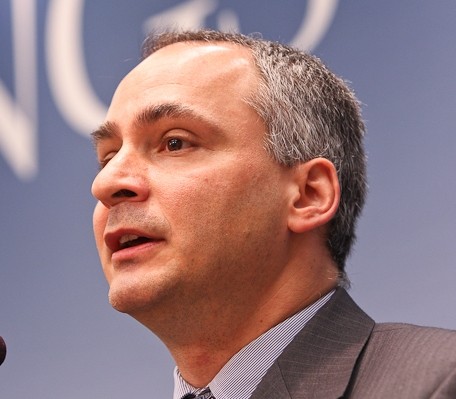


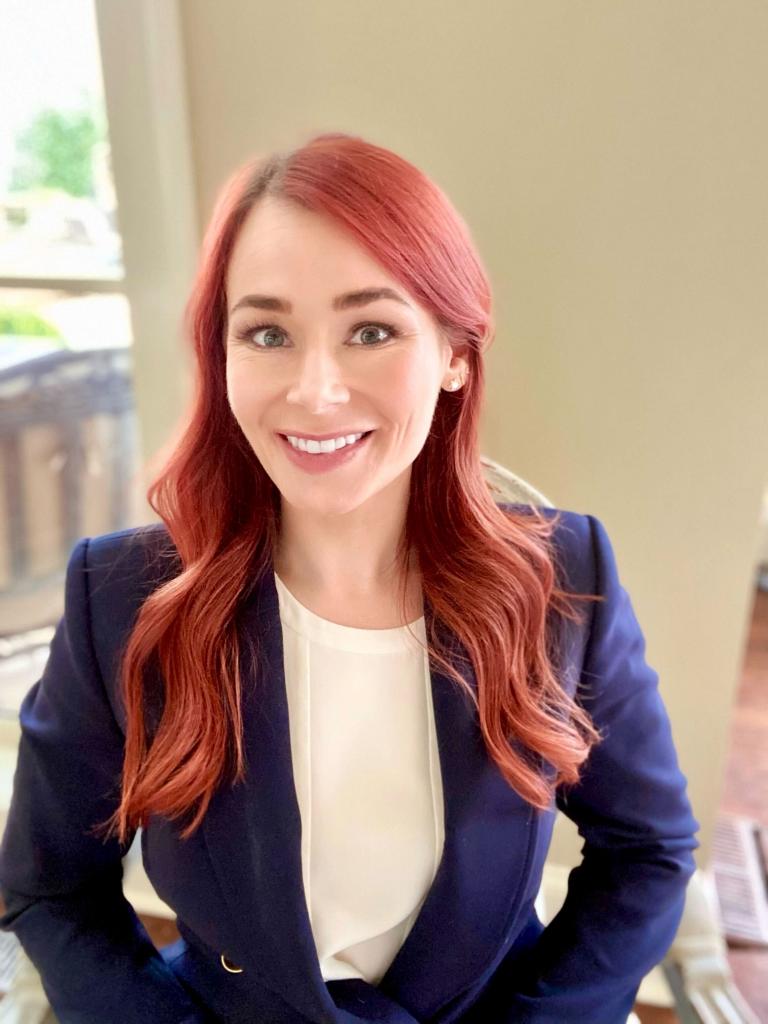
In a conversation on YouTube, Lawfare Editor in Chief Benjamin Wittes sat down with Senior Editors Molly Roberts, Roger Parloff, and Anna Bower to discuss the latest litigation over Trump administration policies, including Judge Brinkema’s preliminary injunction in the triumphal arch case, the East Potomac golf course and Kennedy Center cases, new developments in the “grand conspiracy” investigation, the escalating standoff between the Justice Department and congressional Democrats over oversight, Kirkland & Ellis’s $11.8 million in work for the administration, Trump’s libel suit against the New York Times, the Pentagon press ban, an immigration roundup, and more.
Find Lawfare’s litigation tracker here.
You can find information on legal challenges to Trump administration actions here. And check out Lawfare’s new homepage on the litigation, new Bluesky account, and new WITOAD merch
To receive ad-free podcasts, become a Lawfare Material Supporter at www.patreon.com/lawfare. You can also support Lawfare by making a one-time donation at https://givebutter.com/lawfare-institute.To receive ad-free podcasts, become a Lawfare Material Supporter at www.patreon.com/lawfare. You can also support Lawfare by making a one-time donation at https://givebutter.com/lawfare-institute.
Click the button below to view a transcript of this podcast. Please note that the transcript was auto-generated and may contain errors.
Transcript
[Intro]
Benjamin Wittes: It is Friday, the 20th day of November, the year two thousand twenty-six. It is 4:00 PM in Washington. People are out playing golf, but not you. You’re watching Lawfare Live. Although some of you may be listening to Lawfare Live while playing golf, which is a known thing to do while you’re playing golf, the Trials and Tribulations of the Trump Administration.
I am not playing golf. I’m sitting in Belgium, but I’m Benjamin Wittes, editor-in-chief of Lawfare, and I’m here with three Lawfare senior editors, two of them visible, one of them currently having tech problems, Roger Parloff, Molly Roberts, and the currently invisible Anna Bower. And while I have been away in Ukraine, the trials have kept trialing and the tribulations have kept tribulating.
[Main podcast]
And so, a lot of the cases that we are going to talk about, I am almost entirely ignorant of the developments of the week are. So, I’m going to mostly shut up this week and just ask questions and keep the play moderator. But Roger, get us started. We had a hearing today or we had a hearing today and a preliminary injunction granted from the bench by Judge Brinkema on the matter of the arch.
We don’t have a written order yet, but tell us what Judge Brinkema heard and what she did.
Roger Parloff: Yeah. This was in the— she sits in Alexandria, Virginia, Eastern District of Virginia and this was in the case brought by Arlington County. And there are now four cases or maybe three and a half, I’ll explain later cases challenging the arch.
This was the second one filed. It’s… the other three are in front of Judge Chutkan in D.C., and this becomes the first to where— to have a preliminary injunction. Judge Chutkan on November fifth entered a TRO for fourteen days, and then on Wednesday of this week extended that for another fourteen days while she mulls whether to issue a preliminary injunction in that case.
The preliminary injunction is as you know, it lasts longer, but it is also appealable, so, presumably that will happen soon too. We don’t have a written order yet. This was from the bench. She said she’ll issue it. She’s an impressive judge. Her first name I… looks like Leonie.
They introduced her as Laney, which I had never heard before, or maybe my ears just aren’t that good. But it… she’s 82. She’s a Clinton appointee. And actually there were, like, eight cases on for, on the calendar today, and ours was the eighth. And so, I watched her go through eight, and she was, like, totally on top of every single one.
Very impressive to watch. She here she did not seem to have a lot of trouble with this. She actually did cons… At first she wondered should she transfer it back to D.C. to, since Judge Chutkan had already issued an order, and it involves the same issues of standing and same substantive issues.
But the Arlington County lawyer was with Democracy Forward, Kate Talmor, explained that it was the second case. And at the time it had— Since the first case was brought, remember, by the Vietnam veterans mainly three Vietnam veterans and an architectural historian, they were very different standing theories and very different, in fact, legal theories, ‘cause the Vietnam vets filed so early that they didn’t even bring an APA claim, Administrative Procedure Act, because there was no final agency action yet.
So, she kept it, and then she felt it was a fairly easy thing. She said that the impacts on traffic alone, and especially on emergency response to Arlington Cemetery and to Reagan National Airport were enough to give her standing. And then…
Benjamin Wittes: Clearly read my amicus brief.
Roger Parloff: Yeah. Yeah. And also, another thing I like about her is like me, she still says National Airport every time she describes you know, and she hasn’t quite absorbed it over the last 30 years. And she also said, I don’t see any way the defense could be successful on the merits. And…
Benjamin Wittes: That seems to imply a likelihood of success on the merits.
Roger Parloff: Yeah. Yeah.
Benjamin Wittes: The impossibility of a successful defense.
Roger Parloff: Yeah. Yeah so, the ruling was… she was very dismissive of this notion that the arch was authorized by, in 1925 when Congress authorized Memorial Bridge. She said that, you know, it doesn’t authorize an arch and in fact National Airport didn’t exist back then which is a sort of an important intervening factor.
So, she granted it under the APA as arbitrary and capricious. She but she said it violated other statutes. I think she was saying the Commemorative Works Act and also 40 USC 8106. She also had wondered about… Which both require congressional authorization. She was also concerned about, and I think this would be a NEPA issue, the well, maybe not, but she was concerned that there had been no analysis apparently about the impact of construction cranes, which could go up to 320 feet high on military and civilian helicopters and aircraft. So, I think that’s where we are on the… on the arch cases.
Benjamin Wittes: Well, so, but meanwhile, there’s this other case other opinion from Judge Chutkan on the 18th, right?
Roger Parloff: Yes, although that was a short opinion ‘cause it just extended her previous TRO ruling which was all based... that was granted actually only in the D.C. ... There, as I mentioned, there’s two and a half cases over there, one by those Vietnam vets. The second one was by... is very similar to Arlington County.
It’s brought by D.C. and by the Commonwealth of Virginia, and is also about things like traffic congestion, disruption. And that’s the one under which she granted the TRO. And then meanwhile, the Kennedy nine members of the Kennedy family have, they’re at the motion to intervene stage.
I don’t think they’re go…They don’t wanna slow anything down, so they’re just sort of-
Benjamin Wittes: I just, I find it really confusing that the Kennedy family is intervening in the arch case, not in the Kennedy Center case. And I think-
Roger Parloff: Well-
Benjamin Wittes: I think they might need a reminder
Roger Parloff: Well, they can’t— The Kennedy Center has somebody with unquestionable standing, or at least I guess they did question it, but because Representative Beatty is an ex officio trustee, and the whole theory is under trust law.
So that’s sort of a different animal, and they didn’t need additional… Here, there were definitely some standing issues, and they had sort of a unique claim, which is about the eternal flame. They’re, these are the… these are descendants of either the children or grandchildren of Senator Bobby Kennedy or Senator Ted Kennedy, both of whom were crucial and in arranging to set up and in fact paying for a lot of the grave site for JFK, the eternal flame, and lining it up with the Lincoln Memorial so the sight lines would be beautiful.
And they’re worried about losing those unique sight lines. And so, the… she hasn’t ruled on the intervention, which is opposed, but I don’t think they’re gonna submit their own PI motion. They’re just submitting their own declarations to establish their particular form of standing.
Benjamin Wittes: It’s interesting, though. It seems to me the significance of having two separate rulings is that you’re now— these are two different circuits.
Roger Parloff: Yeah.
Benjamin Wittes: And so, if the administration is going to get these, you have two PIs, both of which are appealable, but they’re, the result of that is that you’re not in the emergency docket.
You’re on a… you’re on your basic PI, and you’ve got to go through both the D.C. and the Fourth Circuit in order to get them lifted.
Roger Parloff: I think it will come up on the emergency docket because they’ll try to get a stay, an emergency stay. I mean, maybe they won’t. It could though, if they try to get an emergency stay of the intervention because after all, it’s preventing a national security priority the drone port-
Benjamin Wittes: Right.
Roger Parloff: and all of that.
Benjamin Wittes: I have to say I saw a drone land… break the, yesterday in Kyiv, and I thought if only there were a giant arch with drone defenses, that like, maybe we would’ve stopped that one.
Roger Parloff: Right.
Benjamin Wittes: And, you know, it was just a thought.
Roger Parloff: Well, you have ties to the Ukrainian Embassy. You can let them, you should mention it.
Benjamin Wittes: I can let them know. What they need is a giant arch. All right. Well, Molly giant arches have not been the only thing we’ve all been working on this week. There have been important golf developments, and I hear that your husband is currently on the scene.
Molly Roberts: He is, yeah. Unfortunately, he’s not an official Lawfare correspondent. He is on the scene not to benefit me, but only to benefit himself because he likes golfing. But I can report that the course, as has, of course, been reported elsewhere, is not operational in that there’s no pro shop and all the pins have been pulled out of the holes, etc.
But there are a lot of golfers golfing, as many as would usually be there on a beautiful November Friday evening, or perhaps more. And in fact, there are definitely some additions because people have strollers with babies in them, people have dogs, and those typically-
Benjamin Wittes: Dangerous for children. They can get swept away by the Potomac.
Molly Roberts: Yeah. No, no, no. I mean, if toddlers were in danger, think of what could happen to the babies. And then as far as the dogs go, can’t trust them. And also, these are golfers who are out there not with set tee times. Presumably, they’re just kind of trying to be respectful and have a sort of normal pace of play and do the holes in the order that they’d typically do them.
But of course, the government had said... Well, Trump had said that— The government had said it’s dangerous to not have an operator for the course. Trump had said specifically, there are balls flying everywhere. Everyone’s yelling fore. A White House staffer sadly got hit. And so having no one there supervising anything at all, you would think that to the extent that danger ever existed, it is heightened now.
So, I guess I should talk about what has happened, which anyone who’s been listening regularly could guess even if they haven’t heard. Judge Reyes issued a temporary restraining order enjoining the government from closing East Potomac Park, which includes the golf course property during the daily hours that they were previously open.
But she didn’t require the National Park Service to do anything in particular. She didn’t require them to continue operating the golf course. So… And her reasoning I should go through briefly is essentially what it seemed like it would be from the hearing. The crumbling seawall and the lack of an operator rationales were pretextual, and by closing the property, the government likely violated NEPA.
That was because there hadn’t been an environmental assessment for the plan as a whole, and this is part of the plan, the Washington National plan to redesign the golf course with the Fazio design, and implementing it piecemeal to evade that, you can’t do. That’s illegal. It’s NEPA segmentation. And then also that they likely violated the APA, and that’s because there was no notice and comment for their rulemaking determining that the course should be closed, and that notice and comment is necessary under the National Park Service’s own closure regulations, too.
So, the government, like I said, pulled up all the pins, took out all the tee markers, basically turned tail, and that has left the intrepid public access golfers such as my husband to replace the flags on all the holes, or at least most of the holes, as far as I’ve seen, with sticks that I believe many of them come from the felled trees.
So, I suppose the trees-
Benjamin Wittes: It’s a good thing they d- it’s a good thing they downed so many trees so that they’re…
Molly Roberts: I know. It’s all worked out so well for everyone. Yeah. Everybody’s really happy with how things are. And then apparently on at least one of the holes, there is an IPA, like a can of an IPA beer to make it more of a flag and more kind of visible from a distance, right?
You get like the sun glinting off that ‘cause the point is that when you’re far out, you’re able to see the hole, so a stick doesn’t really do the job. So, I have a-
Benjamin Wittes: Okay, so I have an important metaphysical question for you. Yeah. What does it mean for a golf course to be open or at a minimum not closed?
You have an injunction that says you can’t close the golf course, but you also have, you know, terminated the contract with the operator of the golf course. So, there’s nobody to, you know, do all the things that a golf course does when it’s open. And so, my question is, what do you understand to be the substantive content of a injunction that forbids closing it?
Molly Roberts: Yeah, when you said metaphysical question, I thought you were gonna ask something about a tree falling on a golf course and anyone being around to hear it, but we’re past the trees at this point. We’re ...
Benjamin Wittes: No, no, no. This is about the nature of closure.
Molly Roberts: Yeah. No. Well, I think that’s a great question, and I am not going to answer it for you, but I am going to say that I think that Judge Reyes is going to come a lot closer to answering it because one of the things she’s asked for in the briefing on a preliminary injunction is the question of whether she can tell the government that they have to continue operating the course.
And so, there’s going to be kind of an argument about what really was the status quo prior. And I think one interesting thing that’s going on here also is that, you know, when she said, oh, well, you can’t close the property, and you can’t close the course by not letting people on it, but I’m not gonna tell you what you have to do to not close the course, I mean, I think, you know, you could say this actually is closing the course.
She could say, you know, that’s what a closure is, right? That a closure is closing down the clubhouse and closing down all the kind of operations of the course that allow it to function as golf courses. All golf courses do, which is more than just people wandering on and golfing when they want, and of course, people could also just show up now and start picnicking on it, and the golfers wouldn’t really be able to stop them.
And my husband says that’s not the case. The…
Benjamin Wittes: They could hit them with the balls… ‘cause itm right in the chest like that. It could-
Molly Roberts: Well, my husband says-
Benjamin Wittes: You know, it’s dangerous out there ...
Molly Roberts: It’s all orderly and business as usual, apart from a few journalists who are wandering around the golf course seemingly having no idea what’s going on or what the what golf decorum looks like.
So, you know, you know, you could argue that it’s functionally closed as long as it’s possible for journalists or anyone else to be in the way and not really let you golf the way that you had intended to golf, and I think a lot of that is going to come. But I sort of wondered when she did this, who was calling whose bluff?
Was she thinking, ah, well, you know, the government surely won’t shut down the course, or not shut down, but the government surely won’t just pull out of the course, or, and they’ve called her bluff by doing that, or was it more that, okay, here’s the government, government has said it’s necessary for safety, and we’re gonna have more conversation about whether that’s a pretext in the preliminary injunction proceedings, and now it’s arguably less safe than ever.
And yes, also kind of creating this situation where you see what it looks like for them to stop operating the course but to have the property open, and then you kind of are able better to assess, is this a closed golf course or an open golf course? Your question gets raised, and we see it playing out. So, I think we’re gonna hear a lot about all of that going forward and that’s the next step is the briefing on the preliminary injunction.
The government has said that it would like to waive the preliminary injunction hearing as well as any reply on the motion to stay that it’s going to file, and basically that she has enough information and will have enough information from the briefing that it will give her. And also, the plaintiffs want as part of the briefing testimony from Jessica Bowron, who’s the acting NPS director, and Kevin Griess, who’s the superintendent dealing with the national parks and the national malls, and the government doesn’t want that to happen, which is not all that surprising.
So, they’re opposing that, too, and then of course there’s also the question of whether Judge Reyes does as she is planning to do and has given notice of doing, appoint this special master to look into whether any government attorneys have failed in their duty of candor to the court, and the government wants additional briefing, which she’ll grant if she hasn’t already, on why an ethics investigation, including one conducted by a special master, isn’t, in their view, necessary in the case.
Oh, and the government has appealed this latest TRF.
Benjamin Wittes: Interesting.
Anna Bower: Can I ask a question? So maybe this is a better-
Benjamin Wittes: By all means ...
Anna Bower: Maybe this is a better question when we get to Broadview six, but isn’t their position on a special master here kind of in tension with the same, the position, the opposite position that they’re taking in the special master issue in the Broadview six case?
Or should I save that for when we get to Broadview six?
Molly Roberts: Are we doing Broadview six this week? I forget whether we’re doing it this week or whether we’re waiting-
Roger Parloff: I-
Molly Roberts: ... till Eric is back.
Anna Bower: Well, maybe we’re waiting until... I will ask Eric when he’s back.
Benjamin Wittes: Believe that is an Eric matter. So, everybody just pretend you didn’t hear us compare this to the Broadview six special master issue because our Broadview, we have to have both our golf correspondent and our Broadview six correspondent in order to have the conversation.
But I am… I’m still stuck in metaphysics. Roger, I wanna know if it is any clearer what it means to close a Kennedy Center than it is what it means to close a golf course.
Roger Parloff: It’s a good question ‘cause in fact the, the Kennedy Center has been closed for weeks, but it hasn’t been closed in violation of the order ordering it not to be closed.
It’s been closed on an emergency basis that keeps being renewed and renewed and renewed. So, I... there are some parallels here. It-
Benjamin Wittes: Or almost inverses, right?
Roger Parloff: Yeah.
Benjamin Wittes: ‘Cause the golf course is-
Roger Parloff: Yeah ...
Benjamin Wittes: is not closed, and the Kennedy Center is closed. But it all seems to raise the same question, which is, you know, we have this sense we know what it means for a business to be closed.
But Trump, you know, with Trump building matters, we get into this kind of beard-stroking what does it mean for this institution to be closed?
Roger Parloff: Yeah.
Benjamin Wittes: So, what happened at the Kennedy Center this week?
Roger Parloff: So, we had a hearing I guess yesterday in front of Judge Christopher Cooper, and he is now in a very difficult spot.
You know, it was very easy for him as far as, like, the renaming issues, and he was very strong on that. It’s illegal. You can’t do that. I would say he’s strong on that. Of course, he never has ordered them to remove the drapes that bar us from seeing that his name has been removed. But anyway, now he’s at the hard part, which is, he… you have two choices.
Trump wants to close it for around two years for renovations, and the alternative was maybe close it for four years. I mean, have it sort of, have the renovation spread over four years and not close all of it at a time, sort of a phase-in, so that something is— the theaters are— some theater is open all along.
And of course, the first... he announced the closure in February, just on Truth Social, boom. And then, you know, the board I think in about six weeks later nominally approved it. But he himself said, it’s a little late to approve it. I already announced it. And they were handed a few things, like two days before the meeting, and then they approved it.
And so, Cooper said, no, that is not fulfilling your fiduciary duty as trustees. You need to actually look at alternatives, you know, think about this, and get experts, get lawyers. And so now they’ve done that. Now they’ve, you know, gone through the motions. But this being the Trump administration, I mean, everything is semi-obvious pretext, you know, almost contemptuously obvious pretext.
But they went through the motions. And his choices are very few. You know, it, really, how are you gonna push this very recalcitrant and not very candid person to keep the Kennedy Center open against his will? I mean, how do you get him to book acts, you know? They haven’t been booking anybody.
You know, you need to book these acts a year in advance. I shouldn’t call them acts but concerts and so on. And how do you do that against their will? And there really is only one way, which would be extreme, which would be for under, you know, trust law, you could appoint a receiver, which is not preposterous on these facts.
They’ve unbelievably mismanaged this thing. You know, they politicized it. People stopped coming. They renamed it. Artists pulled out. You know, apparently it’s making, you know, about a tenth of it was until they... And then to cover up this failure, they announce, okay, we’re gonna close it for two years.
Benjamin Wittes: I have a proposal for a trustee. There’s this organization, the D.C. Links Trust that I-
Roger Parloff: Yeah. Yeah, that’s true ...
Benjamin Wittes: Just on the theory that all the entities involved in, and we should have some of the veterans involved, just merge all the cases.
Roger Parloff: But obviously, That’s the last thing I think Cooper wants to do is, ‘cause it would be even more, it would be micro… eventually micromanaging.
I mean, unless you could rip the whole thing out of Trump’s hands altogether if you start, like, having a monitor, you know, you’ll get these daily questions, well, you didn’t provide the monitor what you, the info you were supposed to. And so, I think it was an uphill battle, and he was grappling with all of those questions.
I think it was obvious. And he did ask what are the standards for a receiver, but I don’t think he wanted to do it. And I think everyone does know that it needs major renovation one way or another. So, and in fact, a hearing or two ago, he was sort of hoping the parties would even work it out in terms of, look, maybe it does need a renovation. Why don’t we figure out how to do that together?
And of course, they didn’t. And so, I don’t know how he’ll rule. The scary thing about... I mean, there is a injunction now against demolition. Or at least I, you can’t demolish it without 30 days notice. But beyond that, I don’t see what he can do.
And the scary thing is, I mean, there’s a lot of scary things, but one is the renovation will be done by him. You know, it’s gonna look like one of his-
Benjamin Wittes: Cheesecake Factory.
Roger Parloff: What? Yeah.
Benjamin Wittes: It’s gonna look like the cheesecake factory.
Roger Parloff: Yeah, the… Saddam Hussein’s Cheesecake Factory. But I don’t know what else he can do.
So, he’s gonna rule as soon as he can, he says. There are some privilege issues he’s also trying to resolve. But I think that’s… those are the main things.
Benjamin Wittes: Right. Anna Bower, it is time to discuss the grand conspiracy. And if I were at my... If I had my music deck, I would play the grand conspiracy theme.
But, my old friend Dan Richman spun out quite a yarn about being dragged down to Fort Pierce. What did he have to say?
Anna Bower: Yeah, Ben, I’m calling this one, it is grand conspiracy adjacent, but I’m thinking of this one as the second annual Justice Department humiliation ritual, brought to you by Dan Richman.
Because if you don’t recall just as a reminder, it was around this time last year, actually towards the end of the year, that Dan Richman at the end of the first Comey case in the Eastern District of Virginia, that’s the false statements case that was thrown out on grounds that Lindsay Halligan was unlawfully appointed.
Richman, Columbia Law professor was a central figure in that case. He is the person, the predicate of those charges were that Comey lied about whether or not he had authorized someone at the FBI to serve as an anonymous source in media stories about the Clinton investigation. And the person who was the alleged anonymous source that Comey had authorized was Dan Richman.
And after that case was thrown out on appointments grounds, Richman filed a Rule 41(g) motion for return of his property in D.C. District Court before Judge Kollar-Kotelly. And it was towards the end of the year around this time that Judge Kollar-Kotelly granted that motion, saying that the government’s handling of Richman’s electronic data, that it had searched in relation to the Comey case, was manifestly unconstitutional.
It kind of capped off a quite embarrassing episode in addition to it, you know, being not only embarrassing but also abuse of power to go after James Comey on these baseless charges. But the Richman episode was also an additional kind of really embarrassing episode for the Justice Department.
And then equally so this time around what’s happened and how this came about is that after Judge Kollar-Kotelly ruled on Richman getting the return of his property, the government having to delete those materials, although it could keep a copy on file with the court there was a number of sealed motions that started coming on the docket from the government, and it wasn’t clear what those were about, there wasn’t really an indication what was going on, but there were several, in the Richman case, sealed motions.
So, CNN, Katelyn Polantz, who is a great reporter at CNN on legal issues, filed a letter in which she asked the judge to unseal those materials citing, you know, common law, public access First Amendment all of those things. The fact that this is a high-profile case and that the government seemed to be investigating Comey again.
Comey also has now been charged for a third time in addition to the second prosecution involving the seashells. Cited all of those things. And the court invited briefing, including briefing from Dan Richman to get his position on whether these materials should be unsealed. And the government’s response to this was to say, oh, all of this, these sealed materials relate to grand 6(e) material, grand jury secrecy, or ancillary grand jury matters. And so therefore they should remain secret.
Really didn’t say a whole lot about it… that publicly because they filed their own brief under seal. So really all that we got on the public docket was like a one paragraph thing about it. So, that’s kind of how we got here, where Dan Richman files his response to all of this and says, you know, I don’t really know how to take a position on this ‘cause I myself don’t know what is in these sealed materials that the Justice Department has been filing.
But there’s good reason to think that the government’s claim that all of this stuff is covered by grand jury secrecy is not warranted. And what’s more, it seems like this might be related not to a legitimate investigation, but to an effort to harass Dan Richman. And he then proceeds to lay out a really remarkable series of events that reflects, I think, both incompetence and malevolence on the part of the Justice Department in its, in the way that it’s conducting itself with respect to the grand conspiracy probe.
It’s the kind of thing where some of it would be hilariously comical if not for the fact that it’s so tragic. So just to walk you through a few of those things, Ben, it starts out in a, with Dan Richman being subpoenaed to appear in Florida for the… in relation to the grand conspiracy probe, what we’ve been calling the grand conspiracy probe.
Now, his lawyers, he’s a… the government knows he’s a represented party. His lawyers speak with an FBI agent. There’s emails here in which it shows the FBI agent confirming service of the subpoena. And it’s clear as day that everyone is on board with the subpoena being accepted, service being accepted by Dan Richman’s lawyer.
There’s email evidence of this.
Benjamin Wittes: Okay, so an important piece of background here for people who don’t have any kind of legal ethics background. I believe, but I’m not ... I haven’t looked this up recently. I believe it’s Rule 4.2 of the model Rules of Attorney Behavior prevent lawyers from contacting represented parties except through counsel.
So, in other words, if I’m a… if I’m a potential witness and Roger is my lawyer, and you’re a lawyer for somebody else, you’re not allowed to go directly to me. You must go through Roger. And it is a sanctionable violation of legal ethics to contact a represented party on a legal matter when you know that person to be represented.
Now, FBI agents, unlike lawyers, are not necessarily covered by 4.2, even if they are lawyers because they’re not acting in their capacity as lawyers. But so, all of that is the general background necessary to understand the story that Anna’s unfolding here?
Anna Bower: Yeah, and there’s a few other legal ethics things that we’ll have to get to, and we’ll get to them whenever we get to them.
But I, you know, and there’s, there are some exceptions to this idea, this general rule that if you know a party is represented, you’re not supposed to reach out to them directly. But that said, the kind of spirit of the rule, right, is that if you know that somebody’s represented by a lawyer, you generally communicate with the lawyer and not directly with the party.
And here it, the service of the subpoena seemed to be very clearly settled. There were communications between the FBI agent and Dan Richman’s lawyer and that seemed to be that. But then about an hour after this email exchange occurs in which the FBI, you know, confirms that the subpoena had been served or service had been accepted by the lawyer they call the lawyer and, or communicate with the, Dan Richman’s lawyer and say, oh, actually the chain of command is saying that, you know, they want served, personal service.
And it’s indicated that the FBI is going to try to personally serve Richman, even if they have to wait outside of his apartment. And what unfolds over the next few days is that there are multiple attempts to contact Richman directly, not through his lawyer, by FBI agents. FBI agents at the end of August show up at Richman’s apartment building in New York while he is out of town.
And Richman lives in a building where, you know, there are staffers in the apartment building who kind of, you know, doormen who regulate the flow of people coming and going. When the FBI agents show up and they try to go upstairs to where the common areas of the apartment are, they, you know, say that Richman’s not home, that, or that they need to contact his lawyer.
They refuse to leave, indicate that if they’re not allowed up, there could be an, obstruction charges, things to that effect. Eventually they do leave after, only after the doormen agree to check and make sure that Richman, you know, is not home and is indeed out of town. So, the FBI agents leave. Then there’s a series of events in which Joe diGenova enters the picture.
And Joe diGenova is someone that Molly and I have written about. He took over the grand conspiracy case in April.
Benjamin Wittes: And what is his current involvement in the grand conspiracy case?
Anna Bower: Well, we’re gonna get to that, Ben, ‘cause that is actually a part of this story. But he is no longer involved in the grand conspiracy case, but at the time that this was happening, he was supposed to be the person who, the top boss in charge of the grand conspiracy case.
He’d been working this case for, you know, at that point, months and months since April. And on September 1st, he has a conversation with Richman’s attorneys in which he tells them that the accepted service by the lawyer is not good enough, and also says that the grand jury had asked for personal service on Richman of the subpoena. Now, this is an interesting revelation from Joe diGenova for a number of reasons.
One is that the government’s whole, like, everything that they’re arguing around the sealed materials is grand jury secrecy, grand jury secrecy, grand jury secrecy. Richman’s lawyers cite to the grand jury secrecy provision because here you have Joe diGenova who is making this statement in which he is purporting to say what the grand jury, you know, had requested.
Not on the face, not something that’s on the face of the subpoena, right? Like, but also that’s not even really how it works as far as I... I’ve never heard of a grand jury requesting personal service on a subject or target of an investigation. So, it seems like kind of bizarre to suggest that the grand jurors themselves had requested personal service on Richman, and that’s why accepted service is not good enough.
So, the other citation that Richman’s counsel make is to an ethical rule in which attorneys aren’t supposed to make represent… false representations of material fact to another party. So, it, the implication there is that either diGenova himself has revealed something about what’s going on in the grand jury room, or he has made a false representation of material fact.
And neither of those things either are a good look for the Justice Department and do not mesh well with its supposed arguments that it’s making in the sealing matter. So, then this conversation goes on. DiGenova also makes claims about what the grand jury’s thinking is around Richman.
He says that you know, in his mind, Richman is definitely a target. But in the grand jury’s mind, not so much. He’s more of a subject. And then, and this is quite confusing to Richman’s lawyer because Richman hasn’t received a target letter. They’re trying to get some sense of whether he is just, he’s a target or simply a subject because they’re trying to get a better sense of how to approach his upcoming appearance before the grand jury.
Does he need to invoke his Fifth Amendment rights or not? It, trying to get a sense because of those reasons. And then finally, there’s also a whole other series of inconsistent statements with various other prosecutors regarding Richman’s status. Another prosecutor who is identified as PH, although I suspect but do not know that may be Patrick Hopple who is working on another one of the Comey cases.
But that’s not clear to me. But that individual has worked both on, in EDVA on Comey cases also on the third Comey case, so it kind of stands to reason that may be Patrick Hopple. Nonetheless, whoever it is tells Richman’s lawyers that he’s obviously a subject.
So, it’s not clear. Then finally, Ben, there’s a series of other inconsistencies around whether Richman is going to merely get letter immunity which is, you know, a less robust protection than statutory immunity where the government has to go to the court and actually seek immunity that it, that is not, you know, the government can’t go back on essentially.
There’s all kinds of inconsistent statements with respect to that. Counsel says, you know, if we don’t get statutory immunity, he might have to invoke. At one point, the person who is PH indicates, well, if he has to invoke the Fifth Amendment, then he has to invoke, but that’s not how things are supposed to work.
You’re not supposed to bring a witness before the grand jury just to have them invoke their Fifth Amendment rights. It, so there’s all kinds of kind of back and forth that happens, lots of confusion. Richman ultimately does not get letter immunity, this letter, until, like, hours before he’s set to testify in Fort Pierce.
The, the next day, the government says that no they had not sought statutory immunity, so all he has is letter immunity. He goes to the grand jury waiting room, this is on September 10th, and his attorneys had, in the meantime, been told that a potential area of the grand jury’s investigation related to this service of the subpoena and what happened at his apartment building.
And lo and behold, when he shows up in the grand jury waiting room, his doormen are in Florida in the same waiting room I mean, what? And not only that, but while Richman is apparently in the waiting room, that is the very day that Joe diGenova resigns from the grand conspiracy case, and that day goes out and tells the New York Post, if you don’t have evidence, you can’t get indictments, or something to that effect.
Benjamin Wittes: My question, and I ... is what relief was Richman asking for when he presented this to the court?
Anna Bower: So, I, so, I don’t think that Richman was presenting this as ... I mean, he, I think that he want ... he’s arguing that these records should be unsealed. All of this is being presented as a way of saying that the government has behaved badly with… in relation to Dan Richman in the past.
It has, you know, an order from the court that they behaved with manifestly, in a manifestly unconstitutional way. Then you have all of these shenanigans as well. And so, there’s kind of this extra reason for, because of that, to make these records public. Like, there’s kind of an additional compelling reason to make these records public.
And then I also think the subtext is the irony of this fact that at the same time that the government is making these arguments about grand jury secrecy, grand jury secrecy, it’s being a little bit freewheeling with respect to the claims that it’s making about what the grand jury’s thinking. So, you know, I think that there’s that aspect of it too but the main thing I think is that, like, all of this is taking place in the context of a case Richman brought over the government doing an unconstitutional search of his electronic data.
And so, he’s saying, the government is still coming after me in these ways that are sure- certainly seem like they’re-
Benjamin Wittes: And my doorman.
Anna Bower: Right. They’re, like, and they’re bringing my doorman down to Florida for reasons that are really unclear. I mean, it’s been ... How is it possible to make an obstruction case out of a fact pattern in which someone’s lawyer has already accepted service on their behalf, and the FBI has confirmed it, and all of the prosecutors know that, and the person shows up on the day that they’ve been subpoenaed.
I mean, it-
Benjamin Wittes: We have no idea, right, why the government does not regard... Normally, it is a convenience to both parties to accept, for a lawyer to accept service on the part of the client. That way you don’t have the client running around hiding and evading service. You have, it’s, you don’t have unwanted contact with a represented party.
There’s no… what’s the, what is the stated reason why you need to have FBI agents chasing Dan Richman around New York to serve him rather than the normally preferred lawyer accept service on behalf of clients?
Anna Bower: We… there is no this document does not tell us other than diGenova making the statement that the grand jury requested personal service of Richman and that accepted service is not, quote, not good enough.
It, that, as far as we are aware, that is the only reason that has been given in terms of why they were wanting personal service. You know, I, have you guys, I mean, Ben and Roger especially, you’ve been covering criminal cases longer than I have. Have you ever heard of a grand jury demanding personal service on someone?
Roger Parloff: No.
Benjamin Wittes: I’ve never heard of personal service being a preferred means of service.
Roger Parloff: I think it’s a preferred means of harassment if the lawyer is willing to accept, and maybe you want to embarrass him in front of his building and serve him there anyway. But you know, this thing of causing two doormen to schlep down to Fort Pierce on the theory of a, what, abatement of service when it’s already been served?
I mean, somebody needs to... I wish this had come out before Judge Cobb dismissed Brennan’s suit about all the goings-on in the grand conspiracy, because this is just somebody has got to get some oversight. I mean, this is happening in Judge Cannon’s court. It sounds like Richman was also, it was a bit of a cri de coeur too.
You know, maybe even Judge Cannon would get offended if she knew that this is what is going on. I mean, this is such a Keystone Cops abuse of power. I… this was to me, I mean, it, there’s so much competition. I don’t want to say this is the most, but this was up there with the craziest, most petty, malevolent as Anna said, and incompetent stuff we’ve seen.
Anna Bower: And we all know that Fort Pierce is not an easy place to get to, by the way.
Roger Parloff: That’s right.
Benjamin Wittes: Well, I’m gonna refrain from a howl of rage about this. Dan Richman is a good friend, a sometime Lawfare writer, and I have been in that apartment and dealt with doormen to get me into it. So, all this hits a little close to home.
And I’m… You know, Dan is— I mean, this is part of the current administration’s crusade against Jim Comey, and Dan is known to be one of Comey’s closest friends. He is known also to have, of course, played a role in the underlying events that the president hates Jim Comey for. And, you know, it gets a lot of attention that they keep indicting Jim and that is horrible. Really horrible.
But it’s also really horrible that you go on a campaign of harassment of his friends and colleagues and their doormen. And I mean, at some point, this gets into real Hoover-esque territory, and I will just say nobody has plausibly alleged that Dan Richman did anything wrong, which ought to be some part of this conversation.
He’s a good person, a very fine law professor. And this is not what we have an FBI in order to do. End of rant. Thank you for coming to my TED Talk. Speaking of the grand conspiracy investigation, we have a new grand conspiracy Inspector Javert, Molly, and it is not Joe diGenova. Who is... But it’s also a name that you guys all know if you search the back of your memory for your mental rogues’ gallery of lawyers in this administration.
Molly, who is the new Joe diGenova?
Molly Roberts: The new Joe diGenova, I suppose you can look at it that way, is Bill Essayli, who is the would-be, sort of is still, U.S. attorney for the Central District of California, and that, somebody who’s following more closely the series of improperly appointed U.S. attorney cases can tell me if I’m wrong, but I believe that his appointment has been found to be improper, but that, that’s on stay pending appeal.
Is that wrong, anyone? That’s right. Excellent.
Roger Parloff: I think-
Molly Roberts: Yeah, I think that’s right. And so-
Roger Parloff: Mm-hmm ...
Molly Roberts: He’s been sent down to the Southern District of Florida, and I don’t think there’s a huge amount to say about it except that the reporting suggests that, as it has suggested for the past several weeks, that the grand conspiracy is sort of diminishing in grandeur in that he is tasked specifically with looking into the Mar-a-Lago search, which makes sense.
Benjamin Wittes: We call it le petite conspiracy.
Molly Roberts: Why not, right? Yeah. I, you know, work on my French accent. You can call it that. I’ll practice.
Benjamin Wittes: Well, I, actually, maybe in the spirit of we have grand juries and petit juries-
Molly Roberts: The petit conspiracy?
Benjamin Wittes: ... we should call it a petit cons-
Molly Roberts: All right, that’s…
Benjamin Wittes: ... a petit conspiracy.
Molly Roberts: That’s easier for me, although I’ve been grinding on Duolingo. So, he, yeah, he’s tasked with investigating the Mar-a-Lago search, and that kinda makes sense for what’s happening in Florida ‘cause that’s the only part of this that ever had any reason to be in Florida. And, of course, the whole thought was, well, we can stitch it all together, and as long as we kind of use the Mar-a-Lago search as the anchor for this vast conspiracy, we can do it all in Florida.
But it, the reporting suggests that reality is dawning on the Justice Department, at least to that limited degree, that it’s not really possible to do the grand conspiracy case as grandly as they wanted to. Even doing the Mar-a-Lago thing, I think is quite difficult though, given that the, they’d been kind of pinning their hopes on getting these FBI agents involved with the search to testify to the grand jury, and that has run into snags for various reasons.
One of which is that the gag order from Aileen Cannon about Jack Smith’s report, volume two, they have appealed to her... Well, appealed is not the word I want to use. I meant that like colloquially. But they’ve asked her whether that prohibits them from speaking to the grand jury and to tell them basically that they can, and she hasn’t ruled on that yet.
But also, they said when they were filing that, that what they’ll testify is that this was properly predicated. So, I don’t know how you’re then going to manage to get the case that you want there. But yeah. Anna, anything to add?
Anna Bower: I’m just wondering when they’re gonna send Aaron Reitz down there. He’s, I think he’s next.
Benjamin Wittes: We’re coming to him in a moment. All right. So normally when I do this show, I spend, you know, I spend the week following the cases, and so I’m not completely the mercy of paper, the schedule that we’ve written ourselves. But this week I’ve, you know, been out of the country. And I am just looking at the next section on our agenda, and I’m just gonna read it to you guys and with a single question, what does it mean?
Okay, here’s what’s next on our agenda. The strange case of AUSA Aaron Reitz’s letter to Senator Blumenthal. Ding, dag, Trent McCotter tweets support for Reitz’s, letter to Senator Warren, letter to Senator Schiff. Will Sharf’s letter to Robert Garcia. Representative Garcia sends 12 document preservation letters to Trump, Eric Trump, Jared Kushner, Kim Guilfoyle, Kristi Noem, et cetera.
Sharf responds to all ranking minority members of current committees saying such letters confer no obligations at this point. I’m just gonna throw it, put a quarter in, and throw it to you both, Molly and Anna. What the heck is going on here?
Molly Roberts: I believe Anna referred to it on Rational Security as silly letters.
I’ll let Anna give-
Anna Bower: Yeah, the new term is we’re calling it the war of silly letters.
Molly Roberts: I will let you then give the rundown on the opening salvo in the war of silly letters, because I know you do it well.
Anna Bower: Yeah. As everyone knows, Ben, every great war starts with a silly letter. And in the lead-up to these silly letters being sent, there was this reported meeting amongst Justice Department officials after the election in which U.S. attorneys were encouraged to be in a wartime posture.
And so began the launch of a thousand silly letters from the Southern District of Texas by a man named Aaron Reitz who has kind of been off and on at the Justice Department. You know, previously had a position, I believe it was in the Office of Legal Policy. Stopped for a while to go run for office, but got fourth in the primary in Texas, I believe it was, for attorney general.
Came back in as the U.S. attorney for the Southern District of Texas, and somehow has managed to convince himself that he has jurisdiction to investigate members of Congress for comments that they’re publicly making about oversight activities they expect to participate in the coming Congress.
And he sent all of these letters to congresspeople who... You know, whether or not you think they maybe went a little bit too far in their language, you know, they nonetheless are saying things like, lawyer up, or, we’re coming, we’re gonna investigate everyone, things to that effect that have absolutely no reasonable basis for a criminal investigation, including because of the speech or debate clause.
And yet Aaron Reitz is sending these letters saying that this conduct, this speech by members of Congress about oversight activities implicates two criminal statutes, the conspiracy against rights statutes under the Klan Act. And that as a result, they therefore must preserve records.
That’s the big opening shot here, is that these members of Congress have an obligation to preserve records related to their speech that they’re making about oversight activities. And we also had some similar letters sent by Will Scharf, who’s at the White House. Although those letters were related to, I mean, quite similar to the Aaron Reitz ones, but more focused on this idea that the administration is really focuses, focusing on right now, and seems to be what will likely be a big focus of their litigation against any subpoenas, is this idea that, you know, there has to be a legitimate legislative purpose to oversight activities.
And so, there’s a lot of big language going on here, but not a lot of action, Ben. So, you know, that’s what’s happening. But it, to me, all of, most of it seems just patently ridiculous and absurd the idea that members of Congress could be prosecuted under the conspiracy against rights statute for saying things like, we’re going to investigate people, before anything...
No subpoenas have even been sent yet. So that’s the gist of it. Molly what are your thoughts?
Molly Roberts: Yeah, no, I think that is a great and close to comprehensive rundown, which is a difficult feat given how many letters have been fired off in the war. So yeah, I mean, I think, you know, the conspiracy against rights statute, you have to have the intent to have done something unlawful, and I think that, yeah, it’s an impossible obstacle to surmount here.
The idea would be that their First Amendment rights are being violated, the people who are in the Trump administration or Trump administration allies, like a right to association kind of thing. But in…
Benjamin Wittes: Also, a committee chair sending a statement about the intended actions of his committee is pretty unambiguously within-
Molly Roberts: Speech and debate.
Benjamin Wittes: the Speech and Debate Clause.
Molly Roberts: Yeah, exactly. Exactly. And so, it’s not even a question about... I mean, this Speech or Debate Clause also, you know, you can’t question them in any place. You can’t probe their motivations, and you’re trying to get to intent here. You can’t get to intent. So even, you know, if you could argue, oh, what they’re doing isn’t lawful like, you can’t figure out that they had any intent to do it.
But you can-
Benjamin Wittes: Community sucks, man.
Molly Roberts: Yeah. So, in any case, I think that it is, yeah, indeed silly and that probably covers it. Senator Blumenthal kind of came back on one of them and said, you preserve your documents, which I think is a fair point.
Anna Bower: Yeah, and I just I already mentioned this quote on rational security, but it’s, like, days later, and I still can’t get over that this man said this in the newspaper who is a federal prosecutor.
I- one of the things that Aaron Reitz while he’s in the midst of sending this flurry of letters, one of the things that he says to the Wall Street Journal was, we don’t have to wait for them to commit a crime for us to begin investigating whether there’s a basis to escalate or indict or prosecute.
That coming from a federal prosecutor is-
Benjamin Wittes: It’s an astonishing statement ...
Anna Bower: It… absolutely astonishing. I still can’t believe it. Like, it…
Benjamin Wittes: Well, I just wanna float the possibility that the, that it’s really conspiracy against rights, R-E-I-T-Z not a conspiracy against rights, R-I-G-H-T-S. It’s not the Klan Act statute.
He just means you’re conspiring against me. All right. On truly dumb matters, you know, sometimes people say, why are you spending all this time on all these dumb matters? And the answer is ‘cause some of them actually turn into real things and require years of litigation, and we are still, Roger, dealing with litigation involving the attacks on law firms more than a year and a half after the fact, and there have been some developments this week including in the ABA’s case.
So, why don’t we start there?
Roger Parloff: Yeah, the ABA sued back in June of 2025 Executive Office of the President for the unlawful coordinated policy of sanctioning law firms for First Amendment protected activity when all of those executive orders were being issued addressing risks, a risk of Paul Weiss or whatever they were all entitled it, addressing risks from a law firm.
And so, they sought discovery and getting discovery from the Executive Office of the President is really hard. So, it’s, the key case is Cheney versus U.S. District Court from 2004. And so basically you need to balance the plaintiff’s need for the discovery against the executive branch’s interest in autonomy and safeguarding the confidentiality of communications.
The case goes to Amir Ali in D.C., who is a very good judge and the opposite of Judge Reyes in terms of performativeness.
Benjamin Wittes: Yes, he is about as untheatrical as it is possible to be.
Roger Parloff: Yeah. And a very good judge, but to a superficial reporter, dull. You know? I mean, ‘cause he really gets into the— He takes it all seriously and go, and he’s very careful, and he should be with this case if you’re gonna ask for— with this Supreme Court, if you’re asking for information from this White House.
So, he’s had multiple hearings to try to narrow the inquiries, which is what you’re supposed to do. And, you know, he tries to shave off a few months, you know, in the timeline that you’re asking to make it the least burdensome possible. He tries sequencing and phasing so that, well, why don’t you first try these documents and see if that suffices, and then maybe I’ll grant you more.
So, he issued an opinion this week and it involved 16 requests for, production of documents from a variety but the executive office of the president for most of them. Six of the requests he found to be moot, but only in the sense that the government concedes that they are discoverable in theory, and now we will get to the incredibly thorny privilege questions.
We’re not gonna see anything soon. I fear maybe not in my lifetime. But, the privilege issues will be presidential communications issues. So, for example some of the moot ones were the, among the most interesting. The ABA wants communications from law firms to Boris Epshteyn and Steve Bannon.
And those guys are clearly... There’s no executive privilege ‘cause those guys aren’t in the executive. No, I’m sorry. There, I’m sorry. There might be presidential communications in... Anyway, the— It’s moot because they concede it’s not covered by a, I think presidential... Those aren’t covered by presidential communica- Those weren’t covered by their first tier of defense, but now they can invoke, now they can litigate the privilege questions.
Five more were denied without prejudice, meaning you can come back later and try again if they’re needed. And five were granted, but he narrowed the inquiries in a bunch of ways. For some of those were documents exchanged between the targeted law firm and the executive office of the president.
Those aren’t privileged because it’s going outside the executive office of the president. And so, it’s going to third parties. But even there, he said, the White House said, well, why don’t you get those first from the law firms? And in fact, it gets strange ‘cause the government itself then subpoenaed those documents from the law firms, even though they’re to itself.
And if they get anything, they’ll hand it to the plaintiffs, and that way it’s not like you’re getting discovery from the executive office. And then if there’s stuff that’s left out, you can come back maybe and try to get it directly from the exec… It’s all very arcane and very slow. In theory the ABA won stuff this week, won the right to try to get stuff, won the right to get, sort of get to the next step in the process of getting stuff.
But, when they will actually get stuff that’s usable and interesting, I really don’t know.
Benjamin Wittes: Meanwhile, we did learn a bit about what happened to firms that capitulated, specifically to Kirkland & Ellis. What’d we learn?
Roger Parloff: Yeah, some of the ranking members on the various congressional committees have been trying to get information, this sort of information, really sort of the same information, some of the same information from the targeted law firms.
And Jamie Raskin with House Judiciary, Richard Blumenthal, Senator Schiff, they launched this inquiry in April. And they got a couple days after the election, they got something back finally from Kirkland and Ellis. They had rejected Kirkland and Ellis’ claims of privilege. And it is the first to provide them with anything, I think.
And they said that they had in fact provided eleven point eight million in services to federal entities under their sort of cooperation deal. And the New York Times in an article by Michael Schmidt added a lot of information to this as well, said that was six thousand four hundred ninety-one hours of work.
There’s something odd there because the blended hourly rate comes to more than eighteen hundred dollars an hour. So, I don’t-
Benjamin Wittes: Welcome to Kirkland & Ellis.
Roger Parloff: Yeah, I don’t know. And then most of it, the, the place, the biggest client was Department of Commerce, four million. Others were DOD, U.S. Postal Service the International Development Fund Corporation and a certain investment entity created in a deal between the administration and Japan.
They apparently refused to do work on several projects, including the Kennedy Center, the arch, the Postal Service to plan to restrict ballots and a U.S. Census project. So, they’re still seeking records from nine others, but so that was the information there.
Benjamin Wittes: But explain something to me.
This is an executive order has been to be illegal in four cases. There’s… why do any of the firms that have reached understandings to avoid such illegal orders… to honor these deals?
Roger Parloff: Why do they, say that again?
Benjamin Wittes: What, why do they have to honor these settlements? I mean, they’ve made an agreement based on an illegal shakedown.
Roger Parloff: Well-
Benjamin Wittes: Don’t they get to say, hey, the, you know, four separate district courts and now the D.C. Circuit have said, you know, this, this stuff is illegal. You know, come at us if you want, but we’re not honoring it?
Roger Parloff: Has the D.C. Circuit ruled? I’m…
Benjamin Wittes: Or maybe it’s been argued in the D.C. Circuit, right?
Roger Parloff: It’s been argued. Yeah, I don’t think it’s been decided. Also, you know, I mean, the same thing as before, a lot of this doesn’t… once everyone knows that the president in power does abuse power and that there’s no sanction for it, it’s still, regardless of what the courts say, it’s a bad idea to rile him up if-
Benjamin Wittes: Yep.
Roger Parloff: you want clients, because he-
Benjamin Wittes: So that’s the real reason.
Roger Parloff: Yeah. He’s got a thousand pressure points that are under his… more than any president ever had before because of slaughter. So, you know, if you need a merger approved by FTC or by DOJ or by FCC and if you’re facing a criminal prosecution, you would rather have lawyers who aren’t on the, on Trump’s shit list, you know, representing you.
You would... and that’s the ongoing harm. And I do think these will be very interesting documents to see if they can ever bring them to sunshine.
Benjamin Wittes: All right. Molly, we have interesting developments in First Amendment land. I think this is the second week in a relatively short period of time in which a Trump libel suit has been allowed to go forward, one against The New York Times.
The last one I think was a BBC case. What survived in Trump’s fifteen billion dollar suit against The New York Times?
Molly Roberts: Yep. So, this case is before Judge Steven Merryday in the Middle District of Florida. He’s a George H.W. Bush appointee, I believe. And originally, this case was about dozens of statements by The New York Ti- by New York Times reporters.
Seven of those statements have been allowed to proceed, and most of those, six of them, are in a book about Trump published by Penguin Random House, and, which is also a defendant in the case, and one of them is in an October twenty- twenty four article. And they all have to do with accusations against Trump of complex tax crimes, money laundering, tax evasion, that the judge said were based on incomplete, minimal information.
So, this is all, of course, about actual malice, which is the standard for libeling a public figure. You have to have acted with it, and that doesn’t mean malicious just like you don’t like him. It doesn’t matter whether you like him. It, not— So it’s not malice toward him. It’s reckless disregard for the facts underlying the statement or knowledge that the statement was false.
And so, the judge found essentially that The New York Times should have done more homework, that these reporters should have done more homework, that they should have consulted at greater length with the tax experts to figure out whether these things were actually violations of tax law, which-
Benjamin Wittes: Boy, that’s a punishing thing. You should have spent more time with tax-
Molly Roberts: Yeah, right.
Benjamin Wittes: I mean-
Molly Roberts: That can’t be right.
Benjamin Wittes: How... Yeah. Whatever the right answer is, that’s not it.
Molly Roberts: Yeah. Yeah. I mean, I, certainly, First Amendment advocates are up in arms about this, saying that it’s not really up to the judge to say that the journalists needed to spend more time talking to these experts, and that’s not what actual malice is, and it, you know, doesn’t show that they entertained serious doubts about the truth of their statements.
And it-
Benjamin Wittes: Dumb question, is the statement, either in the Penguin Random House or the New York Times article clearly false, or is that still a contested issue?
Molly Roberts: The statements are like he violated tax law. He, you know, committed money laundering. The statements are like that. So, the idea is, you know, that they’re, like, very specific about compliance with tax law, and a responsible assessment of that compliance would’ve, this is what the judge said, would’ve required forensic auditing, expert tax and legal advice, and other expensive investigatory tools.
And that they didn’t wanna do those, and they didn’t, and they should’ve tried harder essentially. So, yeah, you know, this is just, are they actionable, these particular claims? It’s not-
Benjamin Wittes: I’m still confused, though. If you say something is illegal and you didn’t do the due diligence to show that it’s unambiguously illegal with all the i’s dotted and all the t’s crossed, but it is illegal, truth is an absolute defense against libel.
Molly Roberts: Well, I don’t think they’re proven to be true, the statements. I mean, these are things that, these are things that Trump hasn’t... These are, these specific crimes-
Benjamin Wittes: So, is this... Wait, is this at the motion to dismiss stage or at the summary judgment stage?
Molly Roberts: It’s not at summary judgment. It’s just, yeah, it’s just whether they can proceed.
Benjamin Wittes: Ah, okay.
Molly Roberts: Yeah.
Benjamin Wittes: It’s whether it can proceed to discovery. Sorry. Yeah. Okay.
Molly Roberts: Yeah.
Benjamin Wittes: I understand.
Molly Roberts: Yeah. So yeah. This is also, this is a complaint that the original version of Trump’s lawsuit, the judge dismissed as too lengthy and digressive, and I think the word florid might have been used.
I think it was written sort of in the style of Trump himself, so they came back and gave it another go.
Benjamin Wittes: All right. Meanwhile, the D.C. Circuit has heard arguments in the Pentagon press ban case, which is not to be confused with the Pentagon Papers.
Molly Roberts: It is not, although they’re of course both... the Pentagon Papers case was invoked in the oral argument on the Pentagon-
Benjamin Wittes: Right.
Molly Roberts: press ban case, unsurprisingly.
Benjamin Wittes: You know, if you’re gonna have a Pen- if you’re gonna have a Pentagon something case, it has to invoke the Pentagon Papers. So, who was the D.C. Circuit panel, and how did the argument go?
Molly Roberts: Yeah, so this is really complicated, exactly what they were hearing, which was technically two cases, and we’re so short on time that I don’t wanna go into too much length, but I can certainly answer the question about who the panel was.
The panel was Millett, Henderson, and Rogers, which was interesting. I had not seen a senior D.C. Circuit Court judge be on a panel yet. So, yeah, it was interesting. I— So how did the argument go? It’s a complicated question, partly ‘cause what I, of what I said is complicated. So, there are actually two cases being heard.
This was Judge Friedman who heard this case originally, and again, I’m worried I’m gonna go way too long on this. I’m gonna do my very best. So, the short version is the Pentagon imposed, yanked credentials from The New York Times and some other reporters according to a new policy about what allowed you to have credentials.
And Judge Friedman said that policy couldn’t stand, and then the government didn’t at that time appeal. They instead revised the policy, but they revised it in such a way that in Judge Friedman’s view, it was essentially attempting to circumvent his order. They also added this escort policy. He said, you’re not in compliance.
He issued a compliance order for all of it, including the escort policy. And so, the kind of confusing bit is, like, when just the escort policy was at issue, like, when it went on appeal or when it came up when it, when the Defense Department asked only to stay the escort policy part of his compliance order.
But what’s before the D.C. Circuit now is two things. One of them is the compliance order, both the escort policy, which the D.C. Circuit had previously stayed the judge’s order enjoining the escort policy, and the rest of it, which has to do with taking away credentials from people who intentionally induce the disclosure, the unauthorized disclosure of information.
So that’s, that was one of the cases that was heard. And then the second was a preliminary injunction from the judge just about the escort policy, not about the rest of the interim policy, and that is because after all this stuff happened with the compliance order, the Times came back and sued again. But for the preliminary injunction part, they only asked for a preliminary injunction against the escort policy because the rest of the, it was already enjoined.
The rest of it was already enjoined. Okay, that’s the confusing stuff. I did my best. So those are the two things that were being argued. And I would say that on the compliance order question, it seemed to me that, as a stay panel said, the government is, this is just, I’m guessing, I’m not 100% sure, there were hard questions addressed to both sides, so take all of this with a huge grain of salt.
It seems to me that the escort policy, his order, compliance order as it relates to the escort policy, I think the appeals court might vacate, but that doesn’t mean that they will necessarily vacate the rest of the compliance order, which had to do with the rest of the interim policy, which he said you’re just...
And the government had actually said, someone from the government had said to The New York Times, I think, we use more words to say the same thing. So, a lot of the argument was about that. Judge Rogers did this analogy to a violinist where she said the, the conductor wants him out of the orchestra, and then that’s enjoined, and they say, okay, come back in the orchestra, but they tie his hands.
And then the government said you’re just making him sit in a different seat. And then she said, he’s in the practice room. So, it was very clear where she stood on that, although she also asked hard questions to the plaintiffs. And then Judge Millett, kind of similar, seemed quite skeptical, although she was on the stay panel with the escort policy part of it, and she voted to stay the escort policy.
So, I think, again, it’s clear where she is on the escort policy, less clear where she is on the intentional inducement policy. And Judge Friedman never the, you know, they could say, they could vacate both, but say the intentional inducement thing is independently unlawful and no one has ruled yet on whether, Judge Friedman hasn’t even ruled yet, on whether the intentional inducement part is independently unlawful.
So, we’ll see, but I think it’s a pretty high standard for vacating his order. There has to have been a clear error of law. And so, I think that it is more likely that even on the intentional inducement thing, a majority of the panel says that he— they’re not in a position according to the standard of review that applies to vacate his compliance order.
At one point, Judge Henderson had to intervene because Judge Rogers kind of kept asking over and over, the— pushing the government on the violinist thing and other stuff, said, just please let them make their argument. So, I— she didn’t speak as much, but I wouldn’t be surprised if it were, yeah.
Benjamin Wittes: She never does.
Molly Roberts: Yeah, I wouldn’t-
Benjamin Wittes: Was she even physically present-
Molly Roberts: She was physically present ...
Benjamin Wittes: or was she in South Carolina?
Molly Roberts: She was physically present.
Benjamin Wittes: That’s a... No, normally she joins from South Carolina.
Molly Roberts: I didn’t realize that. I was-
Benjamin Wittes: Yeah.
Molly Roberts: No, that’s interesting. I was wondering in the, the JGG contempt thing when she wasn’t present, but it said she would listen after and weigh in.
I was wondering where she was, but maybe there. But she didn’t, you know, speak or ask questions.
Benjamin Wittes: Pretty normal for her. She’s— kind of does the absentee thing.
Molly Roberts: I didn’t know that.
Benjamin Wittes: All right. Finally, Roger, we have brinksmanship in TPS matters in the court, which is not the same as brinksmanship in TDS matters in the courts.
What’s going on with TPS and Venezuela?
Roger Parloff: Yeah, you might have thought temporary protective status cases were over, and the government thinks they’re over. But there was this one involving the Venezuelans that’s been to the Supreme Court now sort of three times. And the, from, this was the 2023 tranche.
I think it’s about 300,000 people, or it was. And what was special about it was you remember the reason these have now been thrown out, basically, that the Supreme Court in the case involving the Haitians and the Syrians said that basically all of these, the TPS statute has its own jurisdiction, stripping clause that says that all determinations of the secretary of regarding a designation of TPS or a termination or an extension of TPS are basically unreviewable.
The thing here was that Kristi Noem did not... This is, she tried to cut off existing TPS status before the term ended. Normally the term you, when you designate a country as TPS entitled to, their, it’s its nationals are entitled to TPS, it’s… might be 18 months, it can be 12 months, it could be six months.
It’s often 18. And she, here she didn’t wait till it terminated till that, the end of that term to say, I’m cutting it off, which would be unreviewable. She tried to cut it off in the middle, and they said the statute doesn’t even say there is such a thing as she called it vacating. Statute doesn’t use that word, and nobody has done this in 30 years.
And so, the… and the jurisdiction stripping clause doesn’t mention vacating. It says, it mentions designations and terminations and extensions. So, they said this is not covered, and it could proceed. Well, after the... So, the judge in Northern District of California, I think this was Edward Chen, but I’m not sure, is- ‘cause this was back in September of 2025, he ruled for the plaintiff’s summary judgment.
And then the Supreme Court in the, later the Supreme Court i- immediately stayed that, and then later came the decision overturning everything, and they sent this back for, you know, for remanded for proceedings consistent with this ruling. And the Ninth Circuit, to sort of everyone’s surprise did not give the government a stay pending their, while they deliberated what to do with this.
And so, the district judge’s order from a year earlier was going to come back into effect, and so you would have about eighteen hundred Venezuelans who are now in detention who would suddenly have TPS status again. And anyway, there was a seemed to be sort of a game of chicken here and, it’s a, it is a panel that is all Democratic appointees two Biden and it’s Wardlaw, Clinton, who is a Clinton appointee, Mendoza, who’s an Obama appointee, and John Johnstone, who’s a Biden appointee.
And they were dragging their heels, and finally, the government went to the Supreme Court for the third time, and then the Ninth Circuit granted a stay. So, but it sort of, it’ll be interesting to see if they try to you know, push that distinction further. It’s not technically foreclosed by the Supreme Court’s ruling.
[Outro]
Benjamin Wittes: We are gonna leave it there. This podcast, folks, I suspect you already know this, but it is part of Lawfare’s live stream series, Lawfare Live, the trials and tribulations of the Trump administration. And because the trials keep trialing and the tribulations keep tribulating, you will want to subscribe to Lawfare’s YouTube channel to receive an alert the next time we go live.
The Lawfare Podcast is produced by the Lawfare Institute. You can get ad-free versions of this and other Lawfare podcasts by becoming a Lawfare material supporter at our website, lawfaremedia.org/support. You’ll also get access to special events and other content available only to our supporters, including the ability to ask questions, and we have run over, so I’m deferring this week’s questions to our next episode when we will have an a more extended time for Q&A.
The podcast is edited by Goat Rodeo. Our audio engineer this episode was Alina Bondarenko of Lawfare. Our theme music is, as always, Alibi Music, and also as always, thank you for listening.