
Lawfare Daily: The Trials of the Trump Administration, September 11
Listen to the Sept. 11 podcast as a livestream.
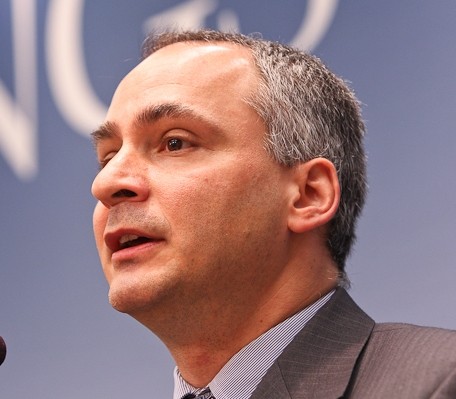
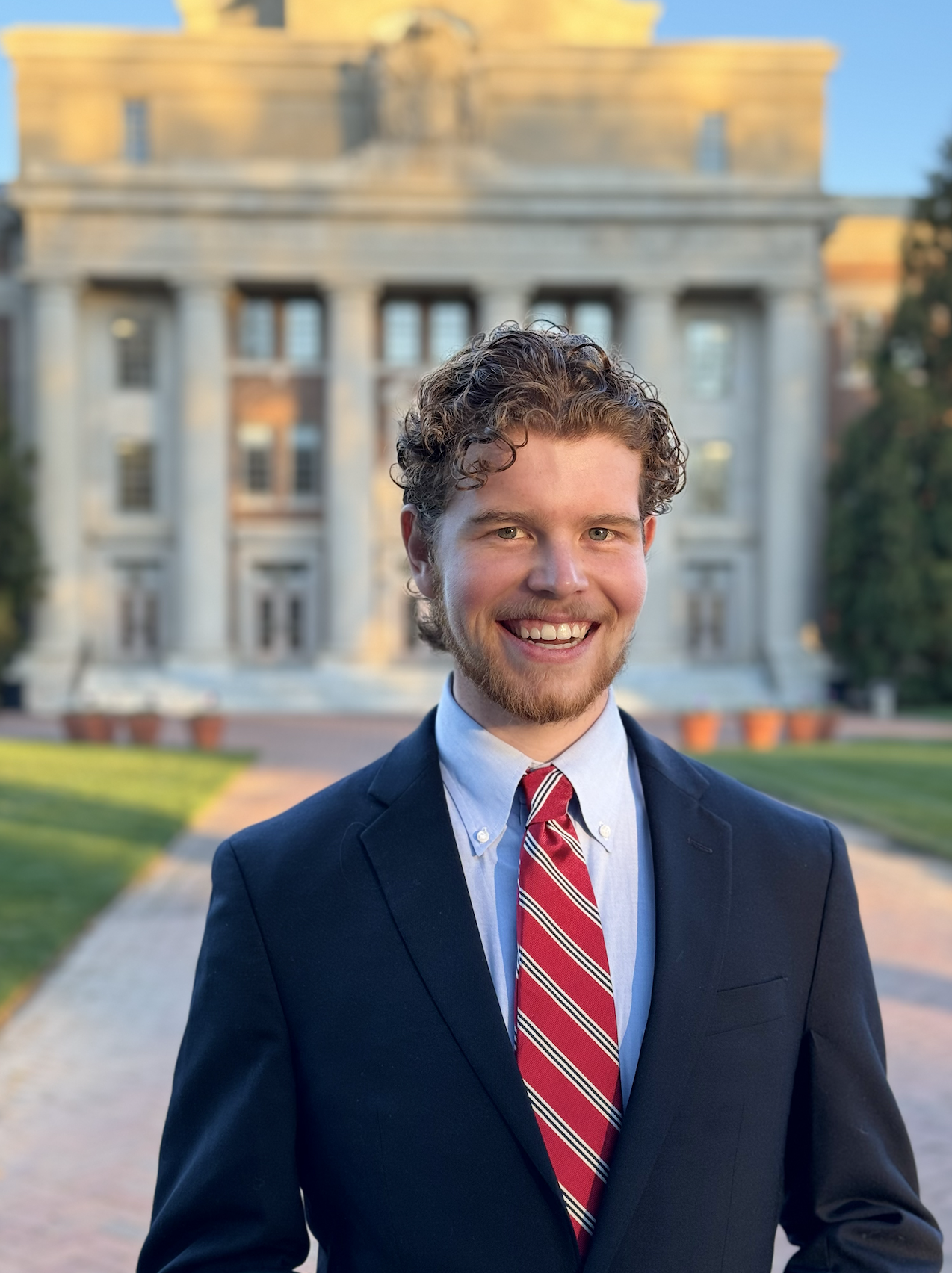
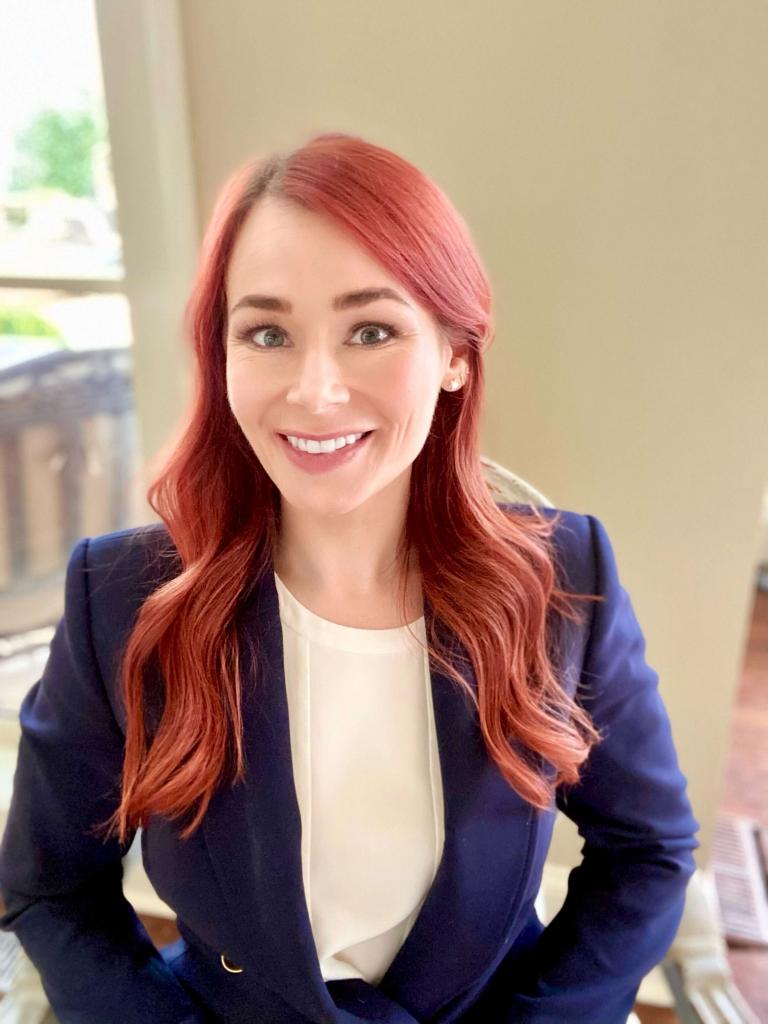



In a conversation on YouTube, Lawfare Editor in Chief Benjamin Wittes sat down with Associate Editor Peter Beck and Senior Editors Anna Bower, Eric Columbus, Molly Roberts, and Roger Parloff to discuss an Afghan legal permanent resident deported less than 2 months after case is filed in the Alien Terrorist Removal Court, updates in the Grand Conspiracy, a judge allowing the Pentagon to fire Stars and Stripes journalists, developments in President Trump’s attack on mail voting, litigation over the use of SAVE data for elections, and more.
You can find information on legal challenges to Trump administration actions here. And check out Lawfare’s new homepage on the litigation, new Bluesky account, and new WITOAD merch.
To receive ad-free podcasts, become a Lawfare Material Supporter at www.patreon.com/lawfare. You can also support Lawfare by making a one-time donation at https://givebutter.com/lawfare-institute.
Click the button below to view a transcript of this podcast. Please note that the transcript was auto-generated and may contain errors.
Transcript
Benjamin Wittes: It is Friday, the 11th day of September 2026. It is 4:00 PM in Washington, D.C. You are watching Lawfare Live: The Trials and the Tribulations of the Trump Administration. I am Benjamin Wittes, editor-in-chief of Lawfare, and I'm here with four Lawfare senior editors, Roger Parloff, Molly Roberts, Anna Bower, and Eric Columbus, and one Lawfare associate editor named Peter Beck.
We're gonna start with Peter Beck because the Alien Terrorist Removal Court has finished its first case, and Peter Beck is all over the Alien Terrorist Removal Court. You can't file a piece of paper in the ATRC, as it is called, without Peter Beck grabbing it and reporting on it. You know, it's an, it's a new court. It's only 30 years old but it's hur- it's now finished its first case. So at this rate, you know, you know, it'll have 10 cases in its first 30 years. So, or, or 300 years. Peter what is the resolution of this? You know, is it gonna turn into, like, a reality show live from the ATRC? What, what's, what's going on?
Peter Beck: Hello, hello. Well, I was really hoping that it would. And so what happened today was the ATRC has had its first case, like Ben said, for the first time in 30 years. And for listeners who aren't aware, the ATRC was created in 1996 as basically this secret court where the government could present classified evidence. And it functions a little bit like an immigration court, but the crucial differences are that it's over, it's presided over by a, a federal judge instead of an immigration judge, and the government can present classified evidence for national security purposes so to remove suspected non-citizens who have kind of terrorist affiliations or ties.
So, it was created in 1996, and then for about 30 years, the Justice Department, for a n- number of bunch of reasons, just never really brought a case until about two months ago. It just so happened that after 30 years of being asleep, the Justice Department kind of remembered that the court existed, and it filed its very first case which I got really excited about because I really love wonky courts.
And we learned a few weeks after that in a public hearing that the case wa- had to do with a woman whose son and son-in-law one of whom has already pled guilty and the other whom, her son-in-law, is accused of participating in an ISIS-inspired election day sh- plot. It was to sh- to allegedly commit a mass shooting on election day 2024. And the J- Justice Department said at the time that this woman, as kind of, the matriarch of the family, had conspired with her son and son-in-law to, to kind of help this plot happen in November 2024.
So, that happened about two months ago, and then things went really quiet for a month, and then we found out today that the woman agreed with the government that the allegations that she was both a non-citizen and then that she supported ISIS, she conceded both of those points and basically agreed for the government to allow her to be deported back to Afghanistan.
Now two things are a little bit remarkable. A month ago, when the case first started her attorneys, who both are, are members of the Federal Defender's Office out of D.C., they both made a huge point of saying, you know, "The ATRC, the government has all of this power to keep everything classified and confidential. It's super unconstitutional for those reasons, and we're gonna basically make a huge show of this whole thing, challenging everything that they possibly could." So I was excited because I thought that it was gonna be a little bit more of a legal fight.
What happened in the time since is, as I said, she agreed to go back to Afghanistan. One of the central allegations and the theory that the government was making that she supported ISIS was this kind of alleged plot that as her son and son-in-law were carrying out this mass attack in November 2024, that she had planned to relocate with the rest of her family to Afghanistan. And so it's, it's come to the, be this interesting turn of events where the government's main allegation was, "Okay, she's gonna flee to Afghanistan," and now it's, it's ended up that the judge has ordered her to be deported back there anyway.
Benjamin Wittes: So, it sounds like to the extent that the ATRC has due process problems, this case may not be a particular example of them. Is that, do you, do you find that there's any reason for concern that some great injustice was done to this woman?
Peter Beck: I'm slightly concerned because the more that I read about it and, and talk to people who were involved, she did not sound like the great mastermind of an ISIS-inspired plot that the government has made her out to be a little bit.
Benjamin Wittes: Well, that's not really the standard of whether you get to stay in the United States, right?
Peter Beck: That's true. That's true. But with that said, I think that because this case was successful, the Justice Department is likely to bring it again in another kind of gray area example. And I'm sure that we'll finally get that kind of broader constitutional fight later down the road.
Benjamin Wittes: Yeah, so when, do we know when she was deported?
Peter Beck: So, I believe August 20th, or maybe several days after that was when the removal order came down, and then the government actually didn't fly her out of the U.S., like it does on some immigrat- in some immi- immigration cases. It sounds like they just said, "Okay, we don't have any diplomatic relations with Afghanistan, and so we're gonna leave it up to you to find your way back there."
Benjamin Wittes: So how do you do that if you're in detention? Do you, I mean, it's not like you can just kind of buy a ticket, right?
Peter Beck: Y- I'm not sure. They may have just dropped her off at the airport and said, or, or maybe even bought her the ticket and said, "We'll see you in the next life." But she's no longer in the United States.
Benjamin Wittes: Interesting. All right. Well, I, Peter, we will see you in 30 years at the time of the next ATRC case. And thank you for your diligent coverage of, of the court. You have, you are now one of the very few people who's covered the 100% of a court's litigation output over time, and that is a record that it will never be beaten. And it will probably very seldom be tied. So savor it and, you know, as the court mounts cases over the decades make sure you keep on it so that you can you can always say, "I've covered, you know, I've been to 100% of the ATRC's hearing." When, once it gets to be, like, five or six, you're gonna be the only one who's gonna be able to say that.
Peter Beck: I'll be there in 2056 when, when we get round two.
Benjamin Wittes: Yeah, I mean, it's, there, you, there aren't gonna be a lot of people who live long enough to be at the third or fourth. So just, you know, keep on it.
All right, this brings us to item number two.
[Music Plays]
Yes, it is time to talk about the grand conspiracy which keeps grand conspiracizing while we are all sleeping. Molly, Anna, I don't know which of you to go to on this. But Joe diGenova, who was once a serious person, became, took over responsibility for this this very important grand conspiracy case, along with his wife, Victoria Toensing, who also used to be a serious person.
And, and diGenova has now resigned because he's discovered that there is a lack of evidence underlying a case that he, as I recall, a- announced publicly could be indicted in a matter of days or weeks and that, you know, they should all, the defendants should all be in jail already. So, walk us through what happened. Molly, why don't you get us started?
Molly Roberts: Yeah, sure. So I think that you said the headline, and we only know a little bit more than that, but Joe diGenova has resigned from prosecuting the grand conspiracy case, and he had indeed said when he got down there a few months ago that he could bring indictments within a month. Now he's leaving, having brought a grand total of zero indictments.
Benjamin Wittes: And how many months has he been in office?
Molly Roberts: I, I think it, I think it was about five months. Does, does that sound right, Anna? I think it was five months… You're muted.
Anna Bower: It was April, I think, he was appointed, right? Or maybe a little bit before that. So-
Molly Roberts: Yeah-
Anna Bower: Yeah, that sounds like-
Molly Roberts: So four or five months.
Anna Bower: Right.
Molly Roberts: Yeah, yeah. So, so a while, certainly more than a month, there's no doubt about that, and he did say to the New York Post yesterday that essentially when you don't have evidence and you are trying to bring indictments, you have an ethical problem.
And so this was quite striking from someone who was brought onto this case, it seemed, well, because of two things: one, his promise to bring these indictments within a month, and two, his years and years and years of saying on Fox News, other conservative media, that basically he believed the grand conspiracy was real, and as you said, Ben, that these people should indeed be in jail.
He has walked back what he said a little bit since then. He has said that there is evidence to back up all the legal theories that they have, but that it just requires time and that they were proceeding smartly and would've continued to proceed smartly, and the reporting suggests that there were clashes with main Justice about him having maybe created unrealistic expectations, and then about him having been perhaps slower than main Justice wanted and getting stuck down rabbit holes. Anna, anything to add?
Anna Bower: Yeah. So I mean, the, the latest that we've got is Ryan Reilly at NBC News had a conversation with Joe diGenova today. And I can't stress enough that one thing that Molly and I know about Joe diGenova is that he just wants to talk and talk and talk. He can't help himself. So I think eventually the story is going to come out, or at least his own version of it will come out. And what he told Ryan this morning is "The days leading up to my resignation are shrouded in the, i- shrouded in the secrecy of administrative behavior, and they will remain so." But then he went on to say "I want to underscore-"
Benjamin Wittes: But not so shrouded that I'm not gonna talk about them.
Anna Bower: Right.
Molly Roberts: Right. Anna's prediction is that they will not remain so to the extent-
Anna Bower: Shrouded, that they're even still shrouded. And, and I also, I didn't even add that he started this by saying, "As a courtesy to the department, and let me say, as a courtesy to the department, I am not going to discuss that." And then he goes on to say, to discuss it "It's shrouded in the secrecy of administrative behavior," but then he goes on to discuss it. And he says, "I want to underscore that we were following the principles of federal prosecution all along the way, and we did that. We, we were moving smartly, and I underscore we were moving smartly, and then things, you know, got where they got."
And he said "The people in the U.S. Attorney's office in Florida who are running this case have done a phenomenal job under the worst of circumstances. I have no doubt that I was going to be able to take every one of these cases across the finish line because we had put them in perfect posture to proceed." And then he went on to say something, gosh, where was it? There's two, he went on to say a bunch of stuff.
Molly Roberts: He, he said he loves Kash Patel, that the FBI was really great-
Anna Bower: Right.
Molly Roberts: And he only wishes that everyone involved had been as good as the FBI, which is interesting. It sounds like there was indeed a clash at main Justice. He talks also about lanes having gotten crossed. Everybody was in their lane-
Anna Bower: Yes.
Molly Roberts: And then the lanes got crossed. And there'd been reporting prior to this about the fact that he, main Justice had sent down some prosecutors from D.C. to help him, and that he had maybe sidelined those prosecutors. I think that might've been the thing that he said would be shrouded in secrecy when he was asked about it.
Anna Bower: Right. And, and there, he at one point I thought, I can't find the quote at the moment, but I thought he's mentioned something to the effect of having a lack of resources.
Molly Roberts: Yes, he did.
Anna Bower: And, and that was interesting to me and stood out to me because I was reading Alan Foyer's piece in The New York Times, and Alan quoted or not quoted, but attributed information to Justice Department official in which that Justice Department official said something to the effect of, you know, it, there was no, we gave, we gave diGenova all the resources that we could, even sent people down from Main Justice or from D.C. to help him out. You know, there was no denial of, of giving him access to resources.
So it, it, it's, it's both sides of this from the senior administration officials and then the di- diGenova team seemed to, seemed to have a difference of opinion or perspective on kind of what exactly went, went down here. And I think we'll get more information in the coming days and weeks.
Benjamin Wittes: Okay. So I wanna focus on what I think the real problem is with the grand conspiracy case, 'cause I, I think you could throw a lot of resources at this case and you could not cross lanes and you could you know, the FBI could behave well and main justice could behave well, and you could have a first-rate team on the ground, and you would still have this basic problem that the entire thing is bullshit.
And, and so I, I just wanna remind people that the theory of the grand conspiracy is that there's an agreement across time to prevent people from voting for Donald Trump by lying about all kinds of things like making up Russia collusion and, you know, causing his, making up crimes that he committed involving classified information and raiding his, and then, you know, impeaching him for Ukraine stuff, and that somehow all of these people who may not have known each other existed at various time all entered into an agreement to deprive Donald Trump of his rights and deprive voters of the ability to vote for him.
And the problem with this, as Molly once wrote, is, you know, this basic idea of linear time, and also that it's not true. And I don't think that you can correct that problem with resources or with, I, I, I mean, the problem is the whole thing is completely delusional.
And so, I guess the question that I wanna ask is, is the resignation of Jo- Joe diGenova really just to kind of put his head between his, you know, tail between his legs and kind of admit that actually I was kind of bullshitting the whole time, and now that I'm responsible for things, you know, there's kind of no evidence of any of this, 'cause it isn't true. And so you kind of make up procedural and bureaucratic nonsense to explain it, but the real explanation is that, like, okay, this works as a Fox News set of talking points, but even at a level, like, that you can make up about Jim Comey and seashells or Letitia James and mortgage fraud, the, you can't write this down on a piece of paper because it actually makes no freaking sense.
Molly Roberts: Yeah. Yes. I mean, I think it was very unclear where the crime was in any of it the whole time. I mean, apart from the John Brennan false statements part of it, there was no crime. There was just the conspiracy against rights, which doesn't work if you're not able to create, as you said, the viable case that there was an agreement across time between all these people over the course of 10 years, many of whom didn't know each other, a lot of whom didn't know each other, and the facts just aren't gonna be there for that.
And, you know, they said when Anna was reading from that Ryan Reilly piece, she quoted diGenova saying all these cases, which confirms, I think, a report that the grand conspiracy had been broken up into a series of smaller conspiracies. And I think part of why they did that is because you can't establish an agreement, but I'm not even sure you can establish the smaller agreements and, and especially if the idea is that there has to have been some deprivation of rights. I don't really understand what in each of those smaller conspiracies, what rights the president is supposed to have been deprived of in a way that you'd be able to secure an indictment. And by the way, once you break it up into smaller ones, you have even less of a claim to a jurisdictional hook in Aileen Cannon's district or, you know, a grand jury in Florida at all. You end up with a D.C. grand jury, and then good luck getting your indictment.
I don't think it means that Joe diGenova is gonna be responsible now and stop bullshitting. I think maybe he'll go back to bullshitting on Fox News. But I do think that-
Benjamin Wittes: And it'll have the added layer of, you know, "If I'd been there, we would've done blank," right?
Molly Roberts: Right.
Benjamin Wittes: "And all would've been, and we would've gotten,"
Molly Roberts: Right.
Benjamin Wittes: "Gotten this done." Then-
Anna Bower: Well, but that's exactly what he was saying right before he was appointed to do this. He was saying, "Oh, if Pam Bondi just would've appointed me when she was supposed to appoint me, we would've had indictments two months ago." And then he gets into his position, and five months later he resigns because there's nothing, there's no there there.
Molly Roberts: Yeah. Right. And I mean, I think that is what happened, right? That there is no there there, but I just don't think it's gonna, I don't think it's gonna stop him from saying all the stuff that he said before. He's just gonna say now, "If Todd Blanche had let me stick around and hadn't tried to interfere and had given me all the resources I needed," or, you know, maybe he won't say that explicitly, but that would be the, the implication as it already has been.
So, yeah. I mean, I don't think, you know, it was like earnestly held ethical concerns so much as it is he was not going to be able to get this done because there is no there there. And so-
Anna Bower: Yeah. Yeah. And, and we've already got like “Inception” levels of conspiracy theorizing about the conspir- like, it's, it, the, there's the grand conspiracy, and then now we've already got MAGA folks like Patrick Byrne, who's conspiri- who's, who's, has a conspiracy theory about the conspiracy theory in which, you know, it's all being suggested that there's a cover-up going on amongst-
Molly Roberts: Yeah
Anna Bower: The current deep state to make sure that Joe diGenova, Joe diGenova maybe didn't have access to the evidence he needed. You know, and I think that's going to continue, and ultimately I think maybe what happens, because, like, w- you know, I'm curious who is going to take over from here. Will it be Kurt Olsen, who is on that team? Will it be someone from main Justice coming down from D.C. to take over? You know, what, what exactly is going to happen? But it, at a minimum, this seems like it's going to cause some delay, and maybe the question is, like, do they just run out the clock here? Like, it seems like, it seems like if anything, this might be kind of convenient for Todd Blanche 'cause he can kind of, you know, say, "Oh, well, diGenova, he really slowed us down because he, 'cause he resigned," kind of thing, you know? I'm not sure.
Benjamin Wittes: Right. All right. Well, let, we will keep an eye on it, a jau- a very jaundiced eye. And, and remember, may all your conspiracies be grand. Speaking of people who have lost their jobs, Joe diGenova isn't the only one. Judge Trevor McFadden has declined to prevent the defense department from firing a pair of “Stars and Stripes” journalists and the publication's publisher. Anna, what's going on here, and is this the end of “Stars and Stripes”?
Anna Bower: Well, it, it seems for now to be the end of these individuals' employment at “Stars and Stripes.” But I don't, I don't know that it's the end of “Stars and Stripes.” “Stars and Stripes” is, will continue, but it certainly was, you know, this was a battle over some of the ch- editorial changes that were going on at “Stars and Stripes.”
“Stars and Stripes” is funded by the Defense Department. It's a publication that is for members of the military, that is, you know, provi- provides information to members of the military about the military. And there, when Trump came into office, there was a, a regulatory change that Pete Hegseth made repealing some of the editorial independence that Stars and Stripes previously had.
And while this kind of internal battle over editorial independence was going on, the editor-in-chief of “Stars and Stripes” and then also two employees, two reporters for “Stars and Stripes,” went on CBS News. Each of them made comments to, about, you know, the editorial independence issue and subsequently were terminated. And then f- then they subsequently also filed suit alleging, you know, violation of their First Amendment rights because they were being terminated related to the comments that they made in that CBS News interview.
Judge McFadden, the, the reason that he declined this request to reinstate them or to prevent their firing has to do with this question of the likelihood of success on the merits of their claim related to the First Amendment issues. One of the things that you look at when you're looking at, you know, typically you have to balance this question of is a government employee speaking on an issue of, of public concern and then balancing kind of, you know, that speech kind of, talking about an issue of public concern with the government's interest, that kind of thing. But there's this, like, prior, kind of issue of, you know, you only get to that point if the person was not speaking in their official capacity or in their, like, kind of official duties.
And here the issue is that Judge McFadden thinks that all of these people were, you know, acting within their official capacity as “Stars and Stripes” employees. You know, he looked at things like often, like, you know, looked at their official job responsibilities, looked at the fact that often the editor-in-chief does do interviews about the publication looked at the fact that this interview took place in the “Stars and Stripes” office. So ultimately determined that this was not citizen speech on a matter of public concern, so you don't re- really even get to the second part of the analysis. You really only just look at right now the fact that according to McFadden this was speech that was within their official duties and, and you know, the government can, can terminate people for conduct that is insufficient or insubordinate within the scope of their official duties.
So that's kind of the basis of that decision there, Ben. Meanwhile, we also had a, a second First Amendment development that's interesting related to the Pentagon and the military this week and, but in a different context, and I'm only going to men-
Benjamin Wittes: I just want the record to reflect here that Anna did not wait for the question-
Anna Bower: Oh, sorry.
Benjamin Wittes: Setting this up, and, and thereby violated the rules of, of Lawfare Live. But do go on, please.
Anna Bower: Yes. My apologies. This is another example of me hijacking the moderator responsibilities, which I think has happened before. So, yes, so in, in this context, I'm only going to briefly mention this because I believe that we talked about it back in May. There was a preliminary injunction that was issued related to the case of Tim Bakken who is the civilian West Point law professor who sued over a series of policies related to Trump's executive orders about changes in academic teaching at, at West Point or in military academies.
And there was a regulation that required prior approval for, you know, extracurricular kind of speeches or talks, that kind of thing, conference appearances. But then there was also a, a policy that was within Tim Bakken's r- department that basically kind of, in Bakken's analysis of it, prohibited him from ma- making personal, his personal views or personal opinions about subject matter that he taught in the classroom known. He sued over this and a motion to dis- the government's motion to dismiss was dismissed. A preliminary injunction was granted related to these policies back in May, which I believe we talked about at the time. Hopefully, hopefully I'm not wrong.
But the latest update is that this week there was a permanent injunction that was entered by stipulation. And, and that's quite interesting because, you know, the government has, for now, agreed not to enforce or contest the preliminary injunction, and so there was, by stipulation, this permanent injunction that was en- entered, a rare instance of the government affiliated defendants in so- some of these cases that we've talked about, you know, kind of saying, "All right, we, we throw in the towel for now."
Benjamin Wittes: Yeah, it's actually a big win. So a lot of, you know, the service academies have been under a lot of pressure over the last two years, and a, a lot of very serious people have not been able to say or write things. And I think this is a, a, a very good development and it probably affects a lot more people than Professor Bakken alone, just at, at least not by its terms, but in its likely consequences.
All right. Let us turn back to Molly Roberts, the Lawfare senior editor with, by far, the most absurdly broad portfolio, her, which includes golf, building, and elections. It's the most, you know, from the most s-
Molly Roberts: I think the golf does a lot of work for the broadening, I think.
Benjamin Wittes: I don't know. I think the, you know, the Kennedy Center stu- I mean, y- you, you got, you, you've got, yeah, the, the golf is the, the, it, it's a weird portfolio you've got. But on the super serious side of it is elections executive orders, and there have been developments in that regard. So from grand conspiracies to elections el- executive order developments, Molly, what's what's going on? Are we gonna have a free and fair election?
Molly Roberts: You know, that's a big and kind of scary question, and it is, it's-
Benjamin Wittes: Yeah, it's like the question like I used to ask Anna every week, who is the administrator of DOGE? All right. I think for the next, you know, eight weeks or so, I'm just gonna ask you, are we gonna have a free and fair election?
Molly Roberts: All right, well, you'll have to get hats made for it. I cannot answer that with complete confidence, which is somewhat distressing. I think the very fact that you are asking it is distressing. As far as this executive order goes, the reason I would say that is that I think that there is already a certain degree of chaos that has been created here, and, you know, there are already election, there are already mail-in ballots that have gone out.
There are already some places that are trying to comply. There are other places where they don't know whether they can comply. There are voters who are concerned about whether they can vote by mail and would like to vote by mail, and I think that that is alarming, right? Because regardless of how this comes out, I think the confusion will persist for a lot of people, and there are likely folks who maybe would have voted by mail, but now they haven't voted by mail, and we'll see whether they make it to the polls.
And certainly, if the Supreme Court does stay this injunction, which I don't really think they will, and we'll get to that, then I think we're in big trouble. And, and, and that's part of why I think they will refuse to stay the injunction, I think, and, and so I should probably just get into that argument.
So, the major development, I suppose, that has happened this week, although it doesn't really matter, is that the First Circuit has declined to stay the injunction. And so there were appeals pending simultaneously with the First Circuit and with the Supreme Court, and the appeal with the Supreme Court is still pending. All the briefing is done as of either yesterday or Wednesday. And so really there could be a ruling anytime on the emergency docket. And so we'll find out what they're gonna do.
The First Circuit focused on the likelihood of success on the merits and said that the rule was likely a regulation of the manner, “time, place, and manner of holding elections,” and that's assigned to the states and Congress, not to an executive agency like the Postal Service without congressional authorization, and that Congress hadn't authorized it. And doing a sort of major questions doctrine analysis, they said that it was not likely that Congress would have delegated these constitutionally assigned tasks through the wafer-thin read of this general grant of authority to manage the postal system, which is what the Department of Justice had been saying.
They'd basically been saying, "This doesn't have to do with the Elections Clause at all. It just has to do with the general authority that Congress has given USPS to manage the post system." And they said they weren't convinced by that. And then they said that when Congress does want to exercise authority under the Elections Clause to show that it's not the states, that it wants to preempt the states, which it can do when it comes to time, place, and manner. It's been very explicit about that. But they also said the balance of the equities favors relief, sorry, does not favor stay relief, favors the injunction remaining in place. And they spoke to irreparable harm, and they said, you know, effectively, that the government was not able to show that it would be harmed by an injunction going into effect.
And so I think that you could have the Supreme Court do a similar analysis on the merits, but I think you also very likely could have the Supreme Court just say, "Okay, you know, we're going to look at the balance of the equities. We're going to look at the irreparable harm alleged by the plaintiffs here, and that the government has not, the federal government has not successfully shown that it would suffer," and it's just really clear. And there, you know, are a bevy of amicus briefs from, you know, everyone from voting rights groups and legal professors to, interestingly, Republican elections officials. And so some of those are at the county level, but that's also three secretaries of state from, I believe, South Dakota and Kansas and, and Georgia.
And so in any case, I think that it is pretty easy, so that's, I mean, that's one example. I should give, I should give more examples. So there's that. There's the fact that the government was not able, so this portal still isn't operational that's supposed to, like, effect this whole rule, and the government didn't contest the claim that because the portal isn't working, if the Supreme Court grants a stay, then it will just have to not accept mail ballots from any states because there is no portal to which the state election officials can submit these lists of people who can vote, and they weren't able to contest that. So obviously, that shows disaster if this goes into effect at the moment. But also the fact that they're not ready shows what harm are they gonna suffer? They're not able to go through with something they're not even prepared to do.
And, and the, John Sauer in the briefs for the Department of Justice for the Supreme Court effectively tries to say, "Well, the harm to us is that states maybe won't have complied, so if this is ultimately found lawful and able to go into effect, they won't have time to do it then, and then their citizens won't be able to vote by mail." But, you know, if you just let the states go according to their normal procedures, their citizens would be able to vote by mail. So what's the threat then? And they say voting fraud voter fraud. And, and there's the, you know, district court and, you know, the appeals court also said there's just no evidence. That's, you know, a slight and speculative injury, basically.
So that's, that's what's going on, and I, we could see it happen any time. I think that the Supreme Court, as I said, has a very easy way out by talking about the equities here, which are very lopsided, and doesn't have to get to the merits, and that would leave open the question of the constitutionality or, you know, statutory lawfulness of this for future elections. But it would at least make it so that the midterms weren't thrown into complete disarray. That said, I think there's already been some chaos caused.
Benjamin Wittes: All right. Well, speaking of people who are adding chaos to the elections process, Harmeet Dhillon has sent letters to a, a variety of state elections officials who have not buckled to her demands for state voter rolls declaring that they are, quote, "under investigation," unquote, and demanding that they preserve records from 2024. Eric Columbus, you have been very quiet so far today. What is Assistant Attorney General Harmeet Dhillon up to here?
Eric Columbus: It's, it's, it's not entirely clear this, this as, this entire litigation actually in which DOJ has sued around 30 states for not complying with DOJ's request to cough up the public, rather not un-redacted private rec- voter ro- state voter rolls. And so far, DOJ is something like 0 for 22 in in court on, on this issue and, and including both district courts and one court of appeals decision.
So, she may be trying to ratchet up the, the tension here by sending out these letters saying to states that they are under investigation or to the, the, the top election official in each state, and this, this became public when the lieutenant governor of Utah made the, made the letter public and said, "You say I'm un-under inv-" th-this letter says, "As you know, you are under invest- currently under investigation." She said “I didn't know that at all." And so that was a little bit weird.
But the, the substantive request/demand in the letter is that they preserve, there, there's, there's this, The Civil Rights Act of 1960 requires election officials to preserve election-related materials for 22 months following a federal election, and so they've already been the, the, rather, that, that, those 22 months since the 2024 presidential election and other federal elections in that date expires right around now. So in that same letter, Harmeet Dillon says, "We want you to, to make sure you don't throw those out. You gotta preserve those anyway 'cause pursuant to a litigation hold," which, which, which means that w- when documents are the issue of litigation, you can't get, get rid of them.
Now, it's not entirely clear to me i- to what extent those documents are subject to litigation if they are so old, and the request for voter rolls is presumably a request for the most up-to-date ones, and I don't see how anything from 2024 would be relevant.
So, it's not entirely clear what Harmeet Dillon is up to here, whether she's wants them to, to keep those records for some nefarious purpose or whether this is just another part of her campaign to be elevated to the number two spot in the Department of Justice and to just impress her, the president with all her actions on everything related to elections.
Benjamin Wittes: Well, Eric, as you know, you are under investigation for et cetera, et cetera, et cetera. I think I'm gonna start almost all sentences now with, "As you know, you're under investigation for," and then the gravamen of the sentence will follow that. I, I just think it's a sort of dramatic way of introducing a subject.
Eric Columbus: It catches the reader's eye.
Benjamin Wittes: It does. It does. Especially when it's on Justice Department letterhead and when it refers to the thing as though it were something that we're already commonly known between, between the speakers.
Roger I am informed by Politico that the Trump administration has gone to the Supreme Court over the S- the SAVE Act and data it produces regarding elections. Remind us what the SAVE Act is and what it stands for.
Roger Parloff: The, well, SAVE here, we're, we're talking about a computer system of-
Benjamin Wittes: Yeah, it's not an act, it's a database, right?
Roger Parloff: Yeah.
Benjamin Wittes: Yeah. Okay, sorry. My, my, my bad.
Roger Parloff: There probably is a SAVE Act, and I don't, that might be different.
Benjamin Wittes: No, but this is a different thing. Okay. Yeah. So, so what is the SAVE?
Roger Parloff: SAVE is Systematic Alien Verification and Entitlements program. And so in 1986, Congress set up or asked the agency that was then doing what DHS now does to create this program that would help states check the, the, these immigration status of people that were seeking benefits from the state. And so it's the Systematic Alien Verification and Entitlements program. And that-
Benjamin Wittes: And I, I just, I wanna point out that from that acronym, it is not clear whether this verifies systematic aliens or whether it is a system for verifying alien entitlements. So I, I just wanna point out that the acronym here is really ambiguous.
Roger Parloff: And actually that, that didn't come up in the litigation, but-
Benjamin Wittes: Yeah. It's not a perfect science.
Roger Parloff: You ma- you make a splendid point, though. And so over the years, and, and some states, about 27 of them also, 27, began to use it also for verifying your immigration status for purposes of elections. And eventually they found that there were a few things about it that made it less optimal than it could be. That you had, it was a one-by-one inquiry. You couldn't make bulk inquiries. You couldn't upload all of your voter rolls and say, "Who are the non-citizens?" And you couldn't inquire by Social Security number. And there's a third one that frankly I don't quite understand, but the, the complaint was that there was no data about the immigration status of people born in the United States. I, I, I can tell you the immigration status of people born in the United States. They're citizens for the most part. But anyway so those, those were problems.
So in March 2025, Trump issues an ex- executive order for the Social Security Administration to make databases available to DHS so that they can begin to help state and local authorities get these additional features with SAVE. And in fact, a modified SAVE is created.
And, and, and then the, the League of Women Voters and EPIC, which is the Electronic Privacy Information Center, both sue. One of the problems that- voters have is that if you get a Social Security number when you are a non-citizen, and some non-citizens do get Social Security numbers, they're, they're entitled to them, and then later become naturalized, the Social Security Administration doesn't al-always have that update, the fact that, so that they will answer back if, if you inquire with this modified SAVE, you will often have the result that the, the, the Social Security Administration thinks you aren't a citizen, and then you're thrown off the rolls, and theoretically, you can get back on by proving your citizenship, but you, you know, there, there may be a time issue and so on.
Anyway, they sue Judge, this is in D.C., Sparkle Sooknanansays denies a, a p- a preliminary injunction, but after fully, after the full record and full briefing in June of this year she rules for the plaintiffs and says that, “Yeah, there are significant rules in the Social Security Administration statutes about, they make it very difficult for you to there are a lot of hurdles to sharing information with anybody but even, even other ag- federal agencies.” And here you're, you're sharing it with the DHS, and eventually you're sharing it with the states and local governments. And the she felt those rules weren't met. There's what's called a confidential, so at the heart of this case is a statute that's known as the confidentiality mandate.
A- after this is fully briefed and the government loses, they ask Sooknanan to stay her order, and they raise an entirely new argument about this confidentiality mandate. For the f- they raise it for the first time. So she says, "Well, wait a minute, you've, you, you can't raise that for the first time at the appellate stage. Y- you forfeited it. If, if you want, you know, you can file, I'll let you file motions saying why I should overlook that, and then we can fully develop that, but we don't even have a record that would allow us to examine factually whether your argument is true or not." And the government says, "No, that's okay. We'll just take our chances with the appellate court where there's more Trump judges." They don't really put it that way, but they, they appeal.
And so the D.C. Circuit gets the case in that posture, and it's Chief Judge Sri- Srinivasan, Obama; Robert Wilkins, Obama; and Greg Katsas, Trump. And that's how they rule, two to one political lines. And the Judge Sri- Srinivasan for the majority says, "I've never heard of, I mean, you're seeking a stay, which is an emer- you know, an emergency petition."
Benjamin Wittes: Based on an argument you've never raised before.
Roger Parloff: Based on a forfeited argument. I've never see- there's no, you know, you can't point me to any precedent in the books where that, you know, you can get a stay based on a forfeited argument. And, and ev- and we'll try to, I mean, even examining your argument in the sort of half-baked way we must because the factual record isn't there, I-- we would say you don't have a likelihood of succeeding.
Katsas disagrees. And I, I would say that it base its, obviously, you can overlook forfeited arguments in extraordinary situations, and he thinks, you know, prohibiting aliens from voting in American el- elections is terribly, terribly important. That would justify you know, and that's what he thinks this system does. And so, he would grant it, the stay.
The, and then they take an immediate petition to the Supreme Court and we will get a reply response to that on September 15th. There, it, what makes this also complicated, more complicated, is that in late October, just before the election Florida brought a case in the Northern District of Florida against DHS saying, "You must improve your SAVE system." And then Trump won the election, and there was just a series of postponements. Nothing happened in that case. And then in November, Judge Sooknanan, tipped her hand. She said, you know, she said in some setting, I forget what the order was, that there was a like, she was begi- it was clear that she, there was a, she was taking very seriously the plaintiff's arguments by then. And about a week later, there's a flurry of activity, and the government and Florida s-settle their case in the Northern District, the DHS in Florida together with three new states that join in: Ohio, Indiana, and Iowa. And there's a consent decree that says, "Yes, we can have modified SAVE." There's no analysis of modified SAVE or the Social Security statute. Social Security isn't even a, a, a party.
Anyway so after Judge Sooknanan rules and, and vacates the program, the judge in the Northern District of Florida, who is a Trump appointee named Wetherell, T. Kent Wetherell II, he issues an injunction to DHS saying, "No, you need to provide modified SAVE to these four states under the consent decree." And that has now been appealed to the Eleventh Circuit. So this is the context in which the Supreme Court now ha- you have battling
Benjamin Wittes: Well, they've gotta step in.
Roger Parloff: Injunctions, yeah. So they will take it and, and yeah, and that's where we are.
Benjamin Wittes: All right. Well, it's not where the city of Denver is. The city of Denver has sued, along with a var- a variety of voting rights and civil rights groups, to prevent ICE from deploying at polling stations. And I have one question about this, Roger, which is, why isn't this gonna get thrown out as not ripe, since ICE has not declared that it is going to be deployed at polling stations, although it's kinda hinted at it?
Roger Parloff: Yeah, I think that's the crucial hurdle. W- they're pinning their, and this is, by the way, in in addition to the City of Denver, City and County of Denver, which i- isn't the lead plaintiff. It's really brought by LULAC, the League of United Amer- Latin American Citizens, Common Cause, and a group called UnidosUS.
But yeah, that's the, the question. They're pinning their hopes on, on September 1st Secretary Mullen said was asked, "Are you gonna send ICE people and, to polling places?" And he said, "Well, the only reason why we would be at polling places is if there is a threat to that polling place, or we're serving a warrant on someone that we have been actively tracking down. ICE's job is Immigration Customs Enforcement. That's their job. If we're serving a warrant, we will be there where we need to be. We will be where we need to be." You know, is that enough to sh- and they, the, the-
Benjamin Wittes: It may be-
Roger Parloff: Plaintiffs called that a policy. Yeah.
Benjamin Wittes: It may be enough.
Roger Parloff: It might be. There, there's, there have been a couple other statements before then, and there have also been a couple incidents in which ICE agents have been in polling areas. An incident in Syracuse, an incident in San Antonio, importantly an inc- re- Ventura County. So you put these incidents together. Also Bannon, I don't know if Bannon counts, but Bannon has made statements about this is gonna happen. So you put that together. Oh, Caroline Leavitt giving a non-denial, you know. So there's things like that. The theory behind it is, there's a statute, a criminal statute called 18 U.S. 592 that-
Benjamin Wittes: Which we did a whole podcast about that and related statutes with,-
Roger Parloff: Oh.
Benjamin Wittes: Lauren Voss and-
Roger Parloff: Oh, okay.
Benjamin Wittes: and Natalie Orpett.
Roger Parloff: Whoever-
Benjamin Wittes: And Molly.
Molly Roberts: And me, yep.
Roger Parloff: Oh, okay. Sorry, I'm behind on my podca- podcast. But “whoever being an officer of the army or navy or other person in the civil, military, or naval service of the United States orders, brings, keeps, or has under his authority or control any troops or armed men at any place where a general or special election is held, unless such force be necessary to repel armed enemies of the United States, shall, shall be” fined or imprisoned and so on. So that's the basis plus the, the Administrative Procedure Act.
Assuming there is a policy and that it's, it's a final policy the idea is that policy is arbitrary and capricious and contrary to law, contrary to this law. And, and so that's the theory. This is just a, at this point just a complaint, but you're right. I think the key question is rightness, also is it a final agency action for purposes of the APA?
Benjamin Wittes: Well, speaking of things that aren't quite final agency actions, but we all know are coming: the Arch. We know it's happening, people, but there's no final, "We're building it," so can you pr- prevent it when it hasn't been formally begun or announced? Judge Chutkan has ordered the administration to provide 48 hours notice before doing any work on it. The administration has responded by moving to clarify, and by clarify, what they mean is dissolve that order so that they can go ahead and start work on the arch whenever, at will, which would, of course then allow them to build it so fast that then they could say it was a fait accompli and you can't prevent them, right? Is that the basic argument, Roger?
Roger Parloff: Well, th- th- this, this is a, a Doug Burgum tweet issue. So, and, and we mentioned it last time but, but things have happened since last time, so I'll, I'll put this in. September 3rd, which I think was the day before our last broadcast, he tweeted, "We are pleased to announce that after a very long wait, paren, over 125 years! We are preparing to start over the next two-week period the excavation work necessary for the great triumphal art and arch and military observation deck at Memorial-"
Benjamin Wittes: Oh, wait a minute. Wait a minute, wait a minute, wait a minute. 125-year wait since what?
Roger Parloff: Well, I think what he's referring to is 125 years ago, Congress did, at one point, wanna build something there, and then people decided, "No, that's not a good idea." There was already, and they didn't do it. And then laws changed and it, it, it, it, so the relevant-
Benjamin Wittes: I see, so there was some, there was some plan to do something there and 125 years ago, and the conceit is that Doug Burgum and others have been waiting breathlessly for 125 years for that project.
Roger Parloff: Yeah, and it, it's actually a crucial part of their argument because it is clear you need congressional authorization, which they don't have, and so they're saying, "Oh, yes we do. Back in 1890," I can't do the math, but whatever “there was a plan to do something like this.” And so that's the reference there.
But anyway, it sounded like he was- saying a big development was happening. And of course Last April, Judge Chutkan in the Lemmon v. Trump case, that's the triumphal arch case there had been a consent to d- agreement that they wouldn't go forward with this thing without 14 days notice. And so this seemed like the 14 days notice, but in a tweet rather than in a court proceeding.
So people ran to court, plaintiffs seeking a TRO. They don't want, you know, they are worried about another East Wing demolition at the dead, you know, at midnight. And and the same day they s- they tho- sought that on the 4th, and then the U.S. ha- ha- had a rushed response and they said, "Oh, excavation here, we don't mean construction excavation, we mean archeological excavation. And by that we mean in order for the Parks Department to make a final decision to go forward with something, they are required to do an archeological testing, I guess, to make sure that there aren't, you know, Roman ruins beneath the, the memorial circle or something like that, that they wanna preserve. So that's all we're doing." And, and, and, and, and it's actually a little more than you might think. It's like they're, they plan to do four pits, each one eight feet by 16 feet and o- of un- unspecified depth. So it's a lot of excavation.
But anyway, so Judge Chutkan, not wanting to take any chance said, issued a quick order before anyone even fully responded and said, "Okay, you need to give the court 48 hours notice before you do more than this preliminary archeological excavation." And that apparently has…
So, since then, the government is, is saying, "Look, that's all we ever meant. We can go back to the April consent order, but now your order, your 48-hour order is causing us problems 'cause there was an auto accident on N- September 7th, and a car went onto the memorial thing, and we couldn't remove debris 'cause we didn't wanna violate your order. The sword of Damocles was over our head because of your order." And, “So you need to remove your 48-hour order but we agree to go back to the consent decree.” Anyway, that's where it stands at the moment. We haven't gotten her final decision on whether to lift her 48-hour order or no, or clarify that what it's about.
Benjamin Wittes: I think we should from now on call all court orders swords of Damocles because it, it, it gives the appropriate sense of menace. I promise you, Roger, and I will bet you lunch at a restaurant in Washington of your choice, that whatever they begin, whenever they begin construction or, or, or excavation, something is gonna go up there real fast. And, and it is not it is not going to be an archaeological excavation.
All of which brings us to the subject of golf because, you know, when we started Lawfare, 16 years ago now, it really was to cover the sport of golf. And that's what we imagined was gonna happen. And Molly the, the ever theatrical Judge Reyes who is the most theatrical judge in court, if not in writing has held a hearing on proposed changes to the East Potomac Golf Course. I'm still hung up on the question of whether the East Wing material that was dumped on top of the East Potomac Golf Course is full of asbestos and other hazardous chemicals. So do we have resolution to that question yet?
Molly Roberts: Yeah, the plaintiffs are still hung up on that too, but it seems from what testing has emerged that not really. I mean, there's hazardous materials in it to a certain extent, but not above levels that they're actually dangerous to anyone there.
Benjamin Wittes: Boring.
Molly Roberts: And, yeah, super boring, and that there's not asbestos. It does seem that there was some, there were some oddities with the testing calendar where when they started moving it, it wasn't clear whether they had the test results back and stuff like that. But it does not seem that it is, like, leaking asbestos, putting golfers in danger. That said, I think it's actually still sort of interesting.
So to back up, the purpose of this hearing was supposed to just be about scheduling, but then a few things happened. So one thing that happened was the Supreme Court ruled in the Ballroom case, and then the other thing that happened was the National Park Service started cutting down a bunch of trees on the golf course and around the golf course. I guess not really a bunch on. At least one on, and then a lot around on East Potomac anyway.
Benjamin Wittes: For those who are not Washingtonians you gotta understand these are old trees. And trees down in that part of town are kinda special. Like, some of them were gifted by the Emperor of Japan, though those have already been removed actually for legitimate reasons. But there's you know, some of these trees are, are, it's not just like cutting down a tree in a backyard or something. These are trees that are some of them are historically significant, some of them are just old D.C. trees.
Molly Roberts: Right. So I think, you know, what the, what the government would say to that is two things. One, it is just like cutting down trees in a backyard. We're doing routine maintenance. And two, yeah, you're right, these are old trees, by which we mean they're dead or dying, and that's why it's routine maintenance. We need to cut them down.
So, so they show up in this hearing, and before the hearing, two things happen. Both sides file, well, the, the government files this notice of supplemental authority where it says the Supreme Court ruled in this ballroom case that there's no standing, therefore there's no standing here. It doesn't really explain exactly why. It was a pretty short filing. And also saying that the Supreme Court's ruling, interestingly, in the mail-in voting case, which we just talked about at length, but the Supreme Court already has touched on that case when they said that the rule, well, that it wasn't ripe for review. Now it's presumably ripe for review. It would be shocking if they now said it wasn't ripe. But they s- they go to the ruling about ripeness there, and they say that this isn't ripe either because it's the same thing even though it isn't exactly the same thing because, anyway. But they're saying essentially that there's no, there was no final rule there, and there is no final rule here.
So they're relying on those two things to say, you know, yeah, federal courts review final rules, not proposed rules, not directives to propose a rule. So they're saying because of ripeness, not ready either. She was not super convinced by the decision, final agency action, Judge Reyes wasn't, back in the earlier hearing on this. So I don't know that she'd be persuaded by that, but I think the standing issue will be an interesting issue. And the plaintiffs responded to that and said that it's different because this is recreational use, which is more concrete than how Allison Hogan was using the President's Park, and then actually they mentioned-
Benjamin Wittes: Yeah, and just to be clear, I think, I think that's a dispositive difference, by the way. You know-
Molly Roberts: Yeah, I do too. I do too. I think it's very meaningful.
Benjamin Wittes: If, if you're, you know, it, it is not an aesthetic standing issue to say, "Hey, I play golf here. You're gonna shut it down for a long time, so I can't, and then you're gonna open it in a form that is gonna be way too expensive for me." I, I think that's a concrete and actually and tangible financial injury.
Molly Roberts: See, that's interesting. I was just gonna say, like, the, what they, what they cite is an aesthetic standing case. It's an environmental case, but an aesthetic standing case from the part of, of aesthetic standing that we believe has maybe survived, but they're saying that it's been, the Supreme Court has clearly recognized that recreational uses are, or recreational harms are cognizable. And also they point to the, and, and th- there have been cases about ski areas and stuff. I just don't see how it's different from a ski area. But also they point to the pile of debris, and they say that they believe the pile of debris is dangerous, and that is, you know, very clearly this that, that they have standing for that. And I thought that was interesting too.
Benjamin Wittes: That's by far the most fun part of the case.
Molly Roberts: Yeah, it's, right. So the pile of debris is still there, and I actually am not sure how much it matters that they're supposedly, or s- that, that, that there seems not to be any, there seems not to be an amount of hazardous material that puts people at risk because there are also aesthetic standing cases, environmental aesthetic standing cases where the Supreme Court has said, "Actually, you don't need to prove that there is real harm to the environment, to, you know, humans who would use it. You just need to prove that humans could reasonably believe that in such a way that it would reduce the degree to which they would use it," cha- you know, like harm, harm their u- harm them via discouraging their use of it. Some people who wanted to swim in a stream and said there'd be mercury emissions that would make it unsafe to swim in the stream, didn't really matter whether it would make it unsafe. It just mattered that they could, like, that, that, th- that they could reasonably believe that it would be unsafe and not use it.
Benjamin Wittes: Color me skeptical that the current Supreme Court would stand by that.
Molly Roberts: That is very fair.
Benjamin Wittes: But it's an interesting theory.
Molly Roberts: It's fair. I just think it, it is interesting 'cause it sounded very similar to a case I'd been reading, so I'd be, I'll be curious to see to what extent that's addressed or to what extent they'll just focus on the this is a recreational use and you're not gonna be allowed to use it for cheap, and it's not gonna be the same as it was either, as it's gonna be quite different course if they get to do their plans. So yeah, I, we'll see if it gets that far.
But so, so then they come to this hearing, and right before the hearing, the plaintiffs have filed these declarations saying, "Hey, they're cutting down trees." And it's sort of this weird situation because Judge Reyes actually said that she wouldn't issue a formal order telling the government that they couldn't do any of this stuff. She just wanted them to inform the court before they cut down more than she said, "Oh, let's say 10 trees." And this is more than 10 trees. They've cut down about, now they say, a hundred, they said in the hearing, 150 trees, 77 of which were invasive and 77 of which were dead, dying, or hazardous. So I guess that makes 144, not 150. And there are around 3,800 trees in the whole East Potomac Park.
But they've said, "Yeah, it's routine maintenance, and it doesn't really have to do with the golf course," and, you know, not all of them are on the golf course. And in the hearing, the plaintiffs backed down and said, "Yeah, you know, we saw they were cutting down trees, but we don't actually have any factual basis to believe that they weren't dead or dying, that it did have to do with the golf course." So they backed down, and Judge Reyes seemed kind of piqued about the whole thing. She said she's been getting a lot of emails and letters from people saying that she has to save the trees and even threatening her if she doesn't save the trees. And she said, "You know, I am not the Lorax. I do not speak for the trees. I am a judge," in sort of a Seussian rhythm and tone.
And so, anyway, she didn't seem to be bothered all that much that she had requested that the government inform her of cutting down more than 10 trees, and she basically restated that she wants to know and needs to know if they cut down trees that aren't dead or dying, and that she's still worried and understands that the plaintiffs are worried about, as with the arch, a fait accompli, but that at the moment, you know, she had already declined to issue an injunction because she wasn't really sure what she would be enjoining. I guess it would be the cutting down of a bunch of trees, but she didn't want to do it just on that basis, and the government still says that they're going through the necessary review processes before they do anything more, and that those processes haven't been complete. So that's where we are.
Benjamin Wittes: All right. We are gonna need to pick up the pace, everybody to get through the rest of the agenda today. Roger, we have three developments in three separate questions of whether three separate U.S. attorneys or acting U.S. attorneys have been legally appointed. What are they?
Roger Parloff: Okay. I think we can do this fast. The government has filed a cert petition with the Supreme Court to, to review the disqualification of Sigal Chattah. She's was the the would-be U.S. attorney for the District of Nevada. And her-- She was one of these cases where the administration tried to manip- or manipulate, was found to have violated the Federal Vacancies Reform Act, and that's the one that…
So this is not the same as the, the statute that Lindsey Halligan was disqualified for violation of. This is the other one. This is this is where it, it says that among other things that when a U.S. attorney or, or actually any principal officer, any officer that is supposed to be appointed with Senate confirmation, when that person dies, the first assistant, his first assis- his or her first assistant, quote, "Shall perform the functions and duties of the office temporarily in an acting capacity." And the govern- the government has been trying to use that to circumvent ever having to get a Senate-confirmed po- post by having in, with U.S. attorneys, by having the attorney general appoint somebody to be the first assistant after the vacancy developments, and then say, "Well, that's the, that's now the U.S. attorney."
And that maneuver failed, and that's what they want to take to the Supreme Court now. The s- same thing happened with John Sarcone, Northern District, New York. The Second Circuit two, two, two weeks ago, you covered this while I was on vacation, also found that that maneuver violates the Federal Vacancies Reform Act. And the government has said that it will not seek en banc review. It will go directly to the Supreme Court on that. It will file cert petition before October 5th, maybe well before.
Finally this is a small development in, in, in the Central District of California. That's Bill Essayli. Remember, he was found to be disqualified I think for the same reason. But the judge said, "I can't prevent the attorney general from appointing Essayli to be the first assistant and from him having supervisory authority of all prosecutions." So, somebody is now trying to challenge that a, a, a re- a renewed challenge to that ruling based on the, the Ninth Circuit's ruling in the Chattah case. But frankly, I, I don't see where the Ninth Circuit really addressed that situation. So I, I, I'm not, I don't know how that's gonna turn out.
Benjamin Wittes: All right. Eric a magistrate judge has ordered the Justice Department to make certain disclosures regarding the slush fund for J6ers or the weaponization slush fund. I thought that was dead. And, and what kind of disclosures are, and why would a magistrate judge be ordering what kind of disclosures?
Eric Columbus: Well, we will get to the question of whether it's dead in a, in a second. First the plaintiffs here wanted discovery as to who was involved in, in coming up with the idea of the fund the “conception” of it, I think that was their term. And the magistrate judge said, "Well, that's a little bit too broad. How about we just, let's, let's just look with the names of the folks who came up with the way in which the fund was structured." So presumably-
Benjamin Wittes: Is this a, a FOIA case? Is that-
Eric Columbus: No, no, no. This is, this is discovery in, in a lawsuit just challenging the existence of the fund to begin with, and which has been preliminarily enjoined or it might have been a TRO by Judge Brinkema.
Now, at the same time that this is happening, the DOJ is trying to dismiss the case entirely. They're taking a second run at that in light of Todd Blanche's order which I believe was in August doing what he had previously refused to do, which is put in writing that the fund was dead. He had said up and down before, "Look, it's dead, it's dead. Why would I ever want to put it in writing? I told you it's dead. Why don't you believe me?" And yet I think it was shortly before his confirmation vote, he agreed to put it in writing, which was somehow hailed as a concession by some of the on-the-fence Republican senators.
But the plaintiffs in response are saying, "Look, that's, he could restart it at any time," and it's not, there's still the underlying settlement agreement between DOJ and Trump that com- purported to commit DOJ to create this fund. So in theory Trump could sue DOJ and insist on the fund being created once again, being resurrected once again. So, you know, it's, that, that could moot this discovery request, but it might not.
Benjamin Wittes: All right. Let us turn to our very brief immigration roundup this week. Roger, the mandatory immigration detention developments continue to pile up. The Fourth Circuit has weighed in, and the Supreme Court is clearly about to grant cert. What's, what's, what's going on?
Roger Parloff: Yeah. The Fourth Circuit ruled. It rejected the Trump policy on political lines two to one. And that is the, I think that's all of them that they're, we're gonna get. The D.C. Circuit, I don't think has a detention facility. So we've got 11 circuits now, 9-2 and we've got 33 circuit judges, 22-11 against. Obviously, that won't matter. But four did cross political lines, all against the Trump policy, three Trump appointees and one Reagan appointee.
The Supreme Court has three cert petitions on this, presenting this issue, and they have ordered all of them for conference on September 28th. I'm not a Supreme Court expert, but I think that means we might get a possible grant on October 5th. And if they don't grant cert something is wrong. That, those are the cert petitions from the Second, Fifth, and Sixth Circuits. I don't know if I've ever maybe you all have a s- re- I don't remember a case where all the possible circuits had already weighed in at the time
Benjamin Wittes: Right. It's, it's, it, it splits all of the circuits.
Roger Parloff: Yeah.
Benjamin Wittes: It's, it's, it's a-
Roger Parloff: Yeah.
Benjamin Wittes: It's a unique c- kind of circuit split. That's pretty cool. And, The imbalance of it is pretty interesting. All right-
Roger Parloff: Very, very Fisher-like
Benjamin Wittes: Th- yes, exactly. The one circuit that hasn't weighed in, however, is, or one of the two, 'cause I don't think the federal circuit has weighed in the D- or the Court of Appeals for the Armed Services. The D.C. Circuit, however, has upheld a district court decision saying that the IRS's decision to share taxpayer information with DHS violates the law. Remind us why DHS wants taxpayer information and what law is at issue here.
Roger Parloff: Yeah. The, there, after Watergate this may shock you, but Nixon abused some of his powers, and-
Benjamin Wittes: Although he turns out to have been kind of a pipsqueak at it.
Roger Parloff: Yeah. No, he was a piker. But at the time, we thought it was a big deal. And one of the things he abused was the IRS, any information that the IRS collected. So, Congress, which at that point had power to reign in the president, enacted laws that, that were very stringent about when the IRS could share information with other agencies or, or, and, and confidentiality laws. And there and, a- and it set up a procedure where if you, if you were pursuing a criminal investigation, you could send in the appropriate official could send that individual's name, his address, and a specific statement of reasons, and get IRS information about that person.
So, the DHS would like to know the last known addresses of essentially every undocumented person in the United States. So they, they sent an inquiry for 1.2 million people. And they didn't really fill in the part about address. They just they worked out a memo of understanding with the IRS and said that as long as you put in between five and nine digits, like, sort of like a zip code, didn't remem- r- m- it didn't matter which digits they were. That would satisfy. And there was only one speci- specified reason for the inquiry, the same theoretical criminal statute, and they got 47,000 records.
So, the Center for Tax Rights sued and the three-judge panel, unanimous, it was Judge Millett, Pillard, and Wilkins, all said that all, that this was a, issued a, a, a, it's a, a preliminary injunction and a, and a 705 a, a, a interim stay under the APA. And of course, these are all Democratic appointees, so it, it has no precedential weight.
Benjamin Wittes: All right. Finally Judge Preska in the Southern District of New York has thrown out Imran Ahmed's First Amendment challenge to possible deportation. Roger, remind us who Imran Ahmed is and why he thinks the First Amendment might prevent his deportation.
Roger Parloff: He's the CEO of a group called Center for Countering Digital Hate. And he is somebody who studies content moderation and that's been a very negative industry from the Trump administration's perspective. And he did a study that was critical of X, found that the number of hate, amount of hate speech went up after Elon Musk took it over.
And shortly thereafter, Rubio, Secretary Rubio, aanctioned him under this provision that we've talked about before that he sa- said he's a seri-serious adverse, there are “serious adverse foreign policy consequences” to his presence in the United States, and which means that he, he is a, right now, he's a, a, a-
Benjamin Wittes: He's a lawful permanent resident,
Roger Parloff: He’s a lawful permanent resident and lives in D.C. And so that would subject him to being detained and deported. So he tried to bring a First Amendment claim, and she, she gave him a TRO initially, but now she has thrown it out essentially the because of the jurisdiction-stripping provisions.
Basically, she follows the Madawi case that I think we talked about last week. The, a sort of a surprise ruling by the Second Circuit, which had earlier ruled in favor of Madawi but got a, drew a more conservative panel, and they decided that his case was barred by these, by two of, by two of the jurisdiction-stripping provisions. And Judge Prescott feels that that's it, it is true that last week the Second Circuit said it would rehear that in bank. It did not vacate its earlier ruling, which is what usually happens when you decide to rehear. It put it on pause.
But in any event, Prescott even h-held that a third jurisdictional stripping provision also provides also applies here. So it's very neg- what it would mean is, is that it, it, it's, as with Madawi, as with Mahmoud Khalil, it would mean you would be detained. You would-
Benjamin Wittes: Go through the usual immigration process-
Roger Parloff: Go through im-immigration judge.
Benjamin Wittes: And kinda argue it there.
Roger Parloff: Yeah, and then BIA, the Bureau of Immigrations. And finally, you would go to the second, you would go to the Court of Appeals, probably the Fifth Circuit, 'cause they will detain you in Louisiana. And, and you can argue your First Amendment point there, even though you won't have a record because the immigration judge won't have allowed you to make one, and, and, and you will be in jail the whole time.
Benjamin Wittes: All right, we have two questions on the board before we wrap. David asks, "Speaking of Judge Cannon, was the release of the special counsel's report ever resolved by the appeals court, or is that still pending?" Answer: still pending.
Joyce asks, "Does anyone have standing to sue the government/Treasury Department to stop it from destroying the database which was mandated by law to keep track of the beneficial ownership of corporations and LLCs? This was a measure to stop, prevent money laundering in the United States. I understand that the administration doesn't want to enforce the law but can't someone prevent the total destruction of that database as it stands today?" I do not know the answer to this question. I am aware that this issue exists and that there's an an ongoing effort to destroy this database but I do not know whether there has been litigation or who has brought it under what theory of standing. Do any of you have a sense of that?
All right. We are going to wrap. Pardon me for the loud dogs who are very excited.
[Outro]
Folks, this podcast is part of Lawfare's livestream series, Lawfare Live: The Trials and Tribulations of the Trump Administration. You can subscribe to Lawfare's YouTube to receive an alert the next time we go public.
The Lawfare Podcast is produced by the Lawfare Institute. You can get ad-free versions of this and other Lawfare podcasts by becoming a Lawfare material supporter at our website, lawfaremedia.org/support. You'll also get access to special events and other content available only to our supporters. The podcast is edited by Goat Rodeo, and our audio engineer this episode is the long-suffering Anna Hickey of Lawfare. Our theme music is by Alibi Music. And as always, thanks for listening.