
Lawfare Daily: Trans and Indispensable in the Trump White House
Former CIA officer Julia Curlee discusses the purge of the NSC in the first 70 days of Trump’s second presidency.
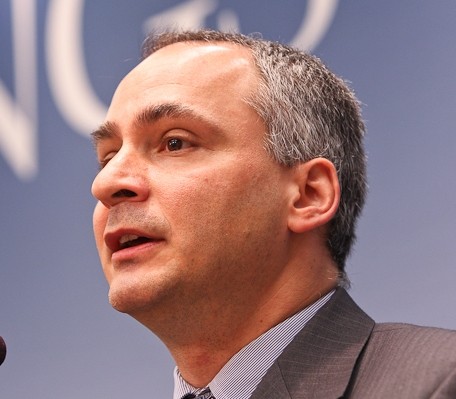
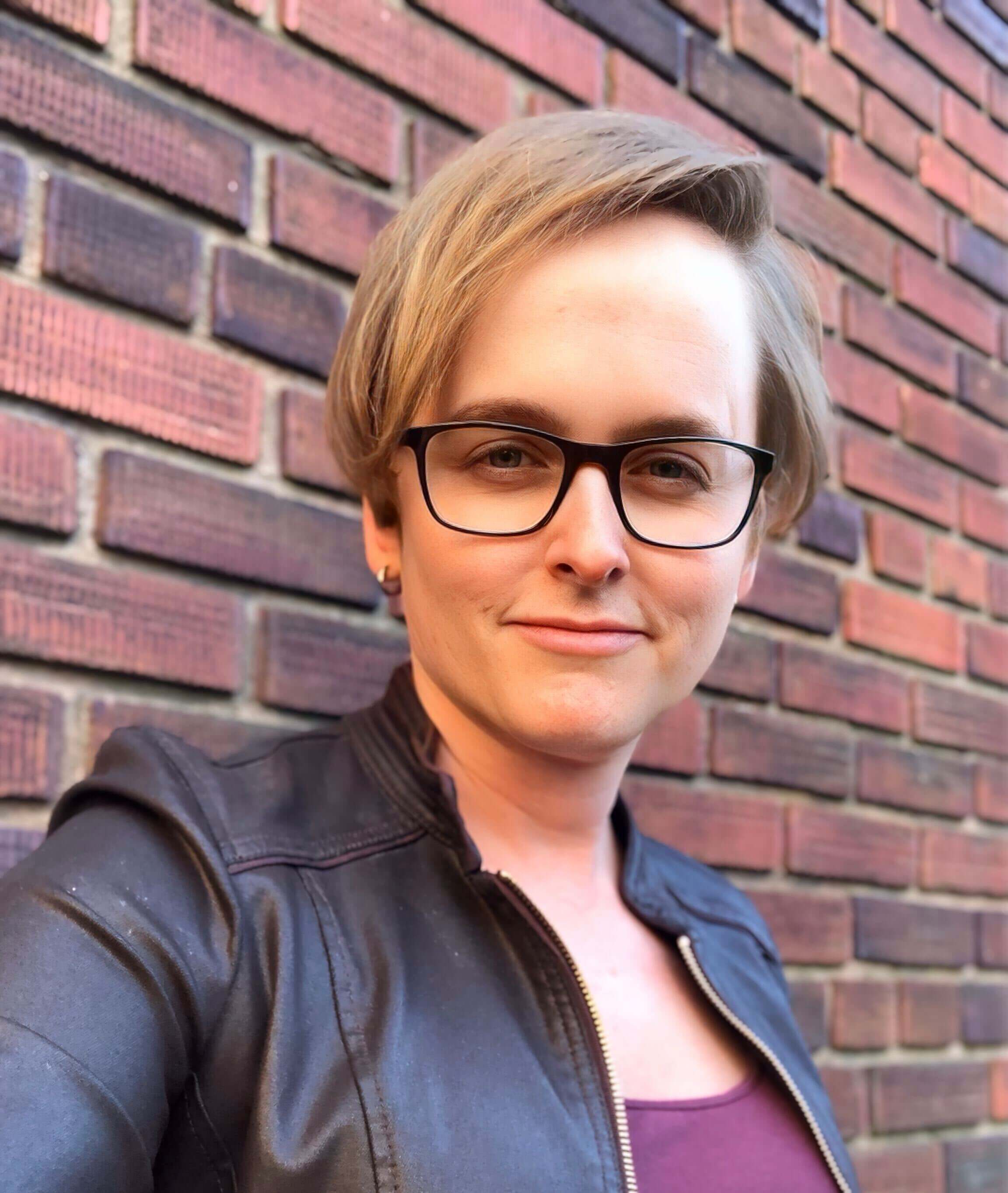
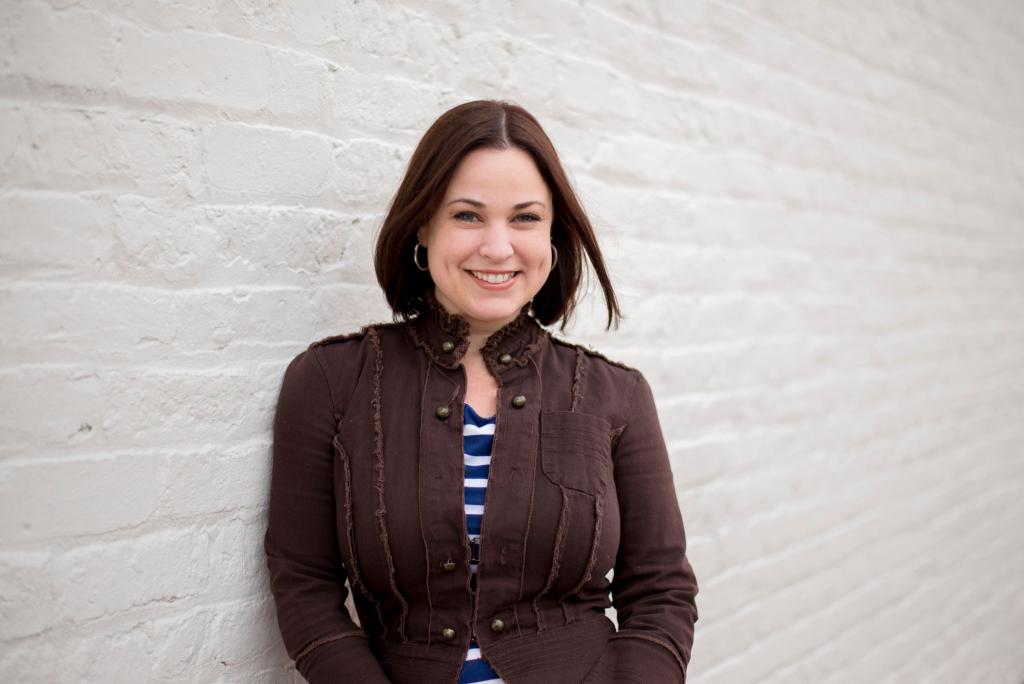
Julia Curlee was a long-time CIA officer; she served as Vice President Mike Pence’s briefer for more than a year; and she was a senior NSC official when the second Trump administration began. She is also a trans woman. In two articles published recently—this one on Lawfare and this one today in The Atlantic—she describes the purge of the NSC in the first 70 days of Trump’s second presidency.
In the Lawfare article, she talks about the institutional damage to U.S. national security. In The Atlantic article, she talks about the personal side—how she was considered too essential to let go even when everyone else was fired. That lasted until the moment it became public that she was trans. Curlee, who currently serves as a public service fellow at Lawfare, sits down with Editor in Chief Benjamin Wittes to talk about both articles, the purge at NSC, and being trans in an administration that badly needed her expertise but didn’t let her use the bathroom.
Donate to the public service fellowship here.
To receive ad-free podcasts, become a Lawfare Material Supporter at www.patreon.com/lawfare. You can also support Lawfare by making a one-time donation at https://givebutter.com/lawfare-institute.
Click the button below to view a transcript of this podcast. Please note that the transcript was auto-generated and may contain errors.
Transcript
[Intro]
Julia Curlee: When the new administration was coming in, we had all been warned, very directly, by the leadership at the National Security Council, by my boss, by the leadership at CIA, of great concern that we would all be targeted, but I was told in particular because of who I am, they worried that I would be targeted as well.
Benjamin Wittes: It's the Lawfare Podcast. I'm Benjamin Wittes, editor-in-chief of Lawfare, with Lawfare public service fellow Julia Curlee.
Julia Curlee: You will not grow a 20-year CIA analyst overnight. You will not grow a multi-tour COS, a chief of station, overnight. These are experiences that you earn through years and years of, of hard work training, and it will take a generation to repair the damage that's been done, and for, and for what reason?
Benjamin Wittes: We're talking about the National Security Council purge, the subject of an article in The Atlantic this morning by Julia Curlee and a Lawfare article several weeks ago. Curlee was the vice president's briefer for more than a year. She was so indispensable that when the entire National Security Council staff was fired on the third day of the administration, she was asked to stay, and then 66 days later, the secret came out.
[Main Podcast]
So Julia, you have written two stories, one in The Atlantic, which ran this morning, and one in Lawfare, which ran a couple months ago now. And they are, I think, two tellings of sort of the same story, and it's the story of the NSC purge. One is the story of the, of the institutional side, which is the Lawfare article, and the other is the personal side which is the story that ran today.
We're gonna spend a bit of time on both of them, but I'm, I wanna start with the larger story that both cover, which is the story of how the NSC was ripped apart in the first three months, or in, in some substantial part, first few days of, of the second Trump administration. So let's start at 40,000 feet, and then we will zoom in on both the institutional story and the personal story. What happened here?
Julia Curlee: Right, so, there I am, it's inauguration day plus two, and I am in the deputy national security advisor's office the third day of the administration, and briefing him in onto some of America's most sensitive intelligence programs. And I exit from the meeting and my assistant intercepts me mid-West Exec Avenue saying, "Everyone's fired except for you." And that's when it all fell apart.
So going into the administration, there had been these rumors floating along online that there would be this, this purge of the detailees who had been assigned to the White House from departments and agencies who really make up the, the core of the National Security Council who had served for one or two years. These are people usually at least 10 years in the business, usually 20, in some cases at the GS-15 level or above. I mean, these are our senior seasoned people.
And when this happened and the, the wiring was ripped out of the National Security Council, it then fell to me and a few other people to basically hold it all together with bailing wire and duct tape and, and trying to ensure that this new administration, which was at that point just barely arriving, had what it needed to govern the country in terms of access to America's most important secrets and be able to contact the intelligence community. God help us if there was a crisis, which thank God there was not, other than the crisis being induced by the new administration.
And so the next few weeks were just a scramble to try to put things back together again. And so in the piece that, that I wrote on the NSC purge, it's, it's really a, it's a witness to that, but it's also I'm documenting the damage that was done to the national security as a result of those opening days and these decisions that were made.
Benjamin Wittes: Yeah. So let's go back to the line “everyone's fired except for you.” How literal was that? You know, the NSC had what? About 200 people working for it?
Julia Curlee: Yeah, I think at the end it was, it was less than that. So most of the NSC are made up of these detailees from departments and agencies. So these are career civil servants. So when, when they're, I, I used “fired” because they were, it was some, some of the terminology, but, you know, they were, they were sent back to their home agencies, so they, they all had, had jobs waiting for them. Unfortunately, many of them have faced severe career setbacks as a result of, of this, this sense that they've somehow been tainted by being fired by the White House or s- let go. And career consequences have, have followed. I mean, it certainly did in, in my case.
But what was left was basically just a rump NSC of a few people trying to put things together and read in the new team as they slowly trickled in over the period of weeks. Most of the NSC are these career detailees. There is a, a political layer at the top, and these are the people chosen by the, the administration, and those were the first ones to arrive in the new Trump administration. And those in the Biden administration had departed the week before the, the new administration came in. And, and so that's why we civil service directors, generally, in the NSC had stayed behind to help with the continuity of government, which is the same process that's happened through every change of administrations from the Obama administration to the first Trump administration to the Biden administration.
Benjamin Wittes: Back to the Eisenhower administration.
Julia Curlee: Really. So the, the idea that you would just come in and with no regard to the management of the interagency of the most complex entity on Earth, the U.S. government, it's just astonishing, and it was un- it, it was never explained why, unless you just read what was out, out there on Twitter. And unfortunately, it, it would happen again, as I'm sure we'll get to.
Benjamin Wittes: Right. So of something less than 200 people, how many were not fired that third day?
Julia Curlee: Yeah, of the, the detailees there, I, I think it was less than 10, but I don't know for sure. About 160 career civil servants were, were sent packing and asked to, to get off the compound with about 15 minutes warning.
Benjamin Wittes: And why the except you? What was, I mean, I think you're remarkable, and, you know, we've done karaoke together, and that-
Julia Curlee: It's true.
Benjamin Wittes: Once you've done that, you know. But what was it about Julia Curlee that caused the except you part of the everyone's fired except you?
Julia Curlee: I don't know to be honest with you. What I, what I know is that I had been there when the senior team arrived. I'm, I, literally was in the West Wing ready to brief in the new national security advisor just hours after Donald Trump had taken the, the oath. And so, I was probably the first person that, that met them. I, I, I immediately tried to make myself useful and ensure that they got every- everything they needed before anyone had any ideas of firing me or had the chance to. And so, you know, I, I just approached the job with the same approach that I had at every turn.
Benjamin Wittes: Let me accuse you here of false modesty and propose an answer to my own question and see if you resist it. So you were the senior director for intelligence. You're an expert on all kinds of spooky things that you probably couldn't talk about if I mentioned them, but let's start with, you know where all the covert actions are going on. And you were actually indispensable. Is that unduly immodest of me on your behalf to say?
Julia Curlee: Well, in a normal administration, that would be the case, but there were many people for whom that was also the case. And, and the effect of that gutting of the NSC left many programs and, and important policy initiatives left effectively ungoverned or un- un- unmonitored for days to weeks until they were able to be replaced.
I d- I was known to many of the people coming back in because I had, in the first term, served in the Trump White House for almost two years. And, you know, I had been the PDB briefer to Mike Pence, and had gotten to know many of the people there, and they knew that I was a nonpartisan civil servant, and that I would be there to help them as I would any administration coming in. And so immediately getting to work, showing, being, being as helpful as I could hopefully that earned some trust, but obviously it didn't last.
Benjamin Wittes: Yeah, it didn't last. Yeah. Spoiler alert, it lasted for 70 days or something, right? All right, we've dropped a few hints here. Let's lay the matter bare. This is a story of how you were indispensable enough to be one of the very small number of people who weren't fired until it became public who you are, and certain things you w- you had been Mike Pence's briefer, you had been a senior d- the senior director for intelligence in the previous administration, and you were a 20-year CIA veteran?
Julia Curlee: Just about.
Benjamin Wittes: Am I getting the-
Julia Curlee: Yeah.
Benjamin Wittes: Yeah. Who is, I, I, I can say it even if you won't, you know, quite legendary among, you know, intel policy people. And you are also trans.
Julia Curlee: Spoiler alert.
Benjamin Wittes: Spoiler alert. And so this is a story at some level about how somebody is indispensable, even when everybody knows she's trans-
Julia Curlee: Yeah.
Benjamin Wittes: As long as it's not public.
Julia Curlee: Right. I'll just, I'll just back up a second. So I had come out as transgender in, in 2013. I became the first CIA officer to transition genders and stay and, and, and keep working. There had been previous officer who had tried, but it had, it basically had been driven out in a hostile workplace, and management had not supported them this many years before.
But when I, when I successfully bridged that divide and, and kept working at CIA and, and kept rising and went on to be Mike Pence's PDB briefer and, and lived out this idea that a person could rise as far as their talents could take them, it was never a secret, but it also wasn't my day job. So people generally didn't talk about it. We are CIA officers after all. We can keep a few secrets every once in a while, I guess. But it wasn't really a secret.
And when the new administration was coming in, we had all been warned very directly by the leadership at the National Security Council, by my boss, by the leadership at CIA of great concern that we would all be targeted. But I was told in particular, because of who I am, they worried that I would be targeted as well. And I was insistent that we are nonpartisan civil servants. I had been Mike Pence's PDB briefer, so you know, damn it, I'm gonna stay and I'm gonna do my part for the peaceful transfer of power. And I had briefed Donald Trump in the first term, and so I really had believed that we had, we'd, we'd gotten there. As difficult as it had been, I really believed that it was possible for me to continue to serve, and it was. Despite the fact that I'm trans, despite the fact that I had to after the executive orders, go across the street to use the bathroom, I just kept going until unfortunately it became public. And one day, 69 days in, I got a call from my boss saying, "I'm sorry, I don't know why. I, I don't have a good answer for you, but your White House tour is over."
And then my phone blows up with all of my friends forwarding the tweet at once, saying that a trans Biden holdover is hidden in the intelligence directorate and hates President Trump, and, you know, that was the end. The, the weirdest thing though is at the end of the phone call of telling me that my tour was over, they asked me to come back in on Monday.
Benjamin Wittes: Right.
Julia Curlee: Because-
Benjamin Wittes: You're, you're, you're fired, but not quite yet because we still need you for some things.
Julia Curlee: We still need you. Yeah. So I did, and I came in and we finished, finished off a very important budget item, and then we I turned over two years of, of a portfolio that I'd managed from the White House. And it was that third night, that night that, you know, a list of, of names lands on the, the, the president's desk. A, a right-wing influencer gets an appointment with the president, and there's a purge of mostly rock-ribbed conservative Republicans that night, and that was my last day before I, I went back to CIA.
Benjamin Wittes: All right. So there's a lot here, and we've now sketched out sort of both the institutional story and the personal story. Let's talk about the personal story first because it's less known, actually. I think a lot of people who are listening to this are gonna be shocked by the Mike Pence part of it, that, that Mike Pence had a trans briefer over a long period of time. He was not uninformed that you were a, a, a trans woman. How did that go?
Julia Curlee: It went really well, happy to say. So I had been serving as a PDB briefer-
Benjamin Wittes: And the PDB, for those who don't know, is the Presidential Daily Brief. So the most senior officials are entitled to daily briefings that are, that this group of CIA officers who are part of the briefer corps do, and it's a, it's a, a very rarefied set of positions that tend to get attached to individual over sometimes long period of, periods of time.
Julia Curlee: Yeah, I mean, it's the kind of assignment that every young analyst is, is sort of, you know, you think about, "Someday I'm gonna be on Air Force One with the president," and, and I ended up doing exactly that and getting to brief President Trump in the first term.
And so, one day I, I had been previously assigned to being the PDB briefer for the, the Deputy National Security Advisor in the, in the Trump administration, and my boss walks in and says, "Julia, what would you think about briefing the vice president?" And my reaction was "This, this vice president?" You know, his, his reputation, his, his politics, none of that was unknown to me, and I thought about it and, and I just decided then and there that this was just part of the package, was, you know, when, in the CIA I grew up with, we leave our politics at the, at the door. And there I was on the, on the, you know, at his house, the Naval Observatory, on the driveway and, and up walks Mike Pence, and we went from there. And when my initial tour was up, he asked me to extend. I found him to be an excellent PDB customer.
Benjamin Wittes: What makes a good PDB customer?
Julia Curlee: Yeah, so they're well-informed. They ask good questions. They really pay close attention to the briefing, but more than that, they use it and they use the intelligence community in the way it's designed, as this iterative process. So I would, I would brief him on items in the book, as we would call it, every day, and additional items that I customized based on his interests and travel and policy that was coming up, and he would task me with getting additional information for him, and then I would scurry back up to Langley to do that and, and then rinse and repeat five or six days a week when he was in Washington and then on the road. And it was, it, you know, he, he in, in my estimation, was serving as a serious policy maker in an administration that was not always filled with them.
And so it was a privilege to get to do that and to be that close in the White House to a senior policy maker, helping them advise the president to make better decisions, which is the thing that, that all of us who aspire to be CIA analysts really would live up to. So I was living out this, this very clear dream I'd had since I was a kid, and I ended up doing it for over a year, and I, I kept coming back when, when after my tenure was over. They have you fill in for, for the, the other briefers. And it was a real privilege, and, and many people have asked about the, the politics of it, and I, I understand where they're coming from, but I would do it again, and it just is part of, of who I am and who our organization had been, at least until now in the administration.
Benjamin Wittes: And let's let's talk about this from Pence's point of view here, which I'm gonna ask you to imagine for a minute. I assume he always treated you reasonably and… the, the, the gender politics never got in the way?
Julia Curlee: Well, it didn't come up in the course of our PDB briefings. It wasn't really a topic. No it never did.
Benjamin Wittes: But he never displayed any discomfort with the fact that you were trans or-
Julia Curlee: No, not at all.
Benjamin Wittes: I mean, it's, it's not like it's not a matter that he doesn't have publicly stated views of.
Julia Curlee: I, I realized that. And he knew I was married to a woman and, and I, you know, I, I was not, I was not hiding this from anyone. I had, I had for many years at that point been one of the most visible openly trans people in the intelligence community. I knew that his staff knew. I knew that his, his chief of staff was certainly aware, and it just didn't matter. So he never made it an issue. You know, there were some times when he propped open the door to make sure that he wasn't seen alone with a woman, you know. And, and,
Benjamin Wittes: But, but that's a Pence rule politics-
Julia Curlee: It is a Pence rule.
Benjamin Wittes: It has nothing to do with being trans, right?
Julia Curlee: Separate, this is, well, no. It, you know, as I say in the piece, you know, there, there's been no person that's quite affirmed my gender identity as Mike Pence.
You know, and it, it, it, it really filled me with confidence in this, in the, in the, the term and my service to him that this, this creed, this promise that, that had followed me from when I was a kid and this idea that I needed to, to grow up and go into public service was really deep in my family. And, you know, the idea of service before politics, politics before self, if you work hard, you don't complain, the country will take care of you, is, is really what I believed.
Benjamin Wittes: And you got through the first Trump administration believing that?
Julia Curlee: I did. I did. In fact, it reinforced that idea. So at the end, I mean, I, I recounted in the piece one of the things that happened was in the last week after January 6th, the vice president called all of his former briefers to his office in the West Wing, and we all, we all stood around talking about what the experience had meant to us, the chance to serve our country in, in the White House.
Benjamin Wittes: This was after January 6th.
Julia Curlee: Yeah, it was about a week afterwards. And when it came to me, I, I was, I was breaking up. I cry easily, and this was another one of those occasions. And I said, "You know, sir, what you did last week, I was never more proud to have worked for you." And to me, watching him certify the election of his opponent and follow the, the law, follow the, the, what was expected of us in spite of all political incentive to do otherwise, that was, that was the deal, and, and it reflected back to me this idea of, of nonpartisan service when it, when it counts the most. And, and I appreciated that, and I felt at the end of that that, that we'd made it. You know? If a, if a trans woman can brief Mike Pence and, and the world doesn't explode, we, we're there. So...
Benjamin Wittes: For a year. Not, not just once.
Julia Curlee: Yeah, more or less.
Benjamin Wittes: Do it again.
Julia Curlee: Right, and, and follow him around the world and various –
Benjamin Wittes: Right.
Julia Curlee: To various interesting places. I really thought that, that, you know, that whole thing about the long arc and, of, of history and, and I really thought that, that we had made it.
And so when we get to the new term, and I had been in the, the Biden White House at that point for, for 20 months or so, and it was my turn to be there for a transition of power, not to a party or, or a, a politics that I agree with, but that doesn't matter. We leave that at the turnstile. And so I felt like it was my duty to stay in the same way, and my fear is that that was broken.
Benjamin Wittes: Okay, so we're gonna come to that, but for you, there are some tangible signs along the 70 days, 69 days that you're there, that the deal with the Mike Pences of the world wasn't holding anymore. The first is that you have to go across the street to a Starbucks to use the bathroom. Talk a little bit about the environment that's going on in the second term Trump White House. You know, quite apart from the substance of, of-
Julia Curlee: Yeah.
Benjamin Wittes: The disaster that's happening around you, talk a little bit about the environment for you personally as you are so indispensable that you're one of the nine people that they don't let, they don't get rid of on day three.
Julia Curlee: You know, it was, it was the most amazing juxtaposition of, of events. You know, on, on one hand, I'm in the office with, with Mike Waltz, the national security advisor. I'm with, with his deputy several times a week, and I'm at the center of several things that, that, that we were doing to try to launch the new administration and do policy reviews, ensure the, the right information was coming in from the intelligence communities, getting PDB customers up and running so they could get their information.
And, and it was an, just a, a, a full sense of being in the center of a White House in a way that, that I hadn't experienced before when we were fully staffed out, and, and everyone was very appreciative of that. I did not get a sense from any of my colleagues that, the, the new people coming in, that they harbored any animus to me as a, as a Biden administration holdover or as a trans person, that there were many former Pence staffers that came in who all knew I was trans.
And I felt like the work was, was exactly what I was there to do. At the same time, I couldn't go to the bathroom on the compound. I was timing policy meetings around, do I have enough time to get across the street to the Starbucks or the Potbelly Sandwich place? I, I mapped them all out like it was some sort of an operation, like every day, multiple times a day, and I would have to get back in time to run a policy meeting.
And so it was this crazy combination of those things, and then there was a series of decisions by the administration to systematically eventually make it really impossible for me to, to, to continue as a CIA officer eventually. There was the stripping of my healthcare coverage of things like estrogen that keeps me healthy. There was the flipping of my passport from, I have a, I had a diplomatic passport that reflects my gender identity and how I appear in, in the world, and we got the executive order that said that that would be taken away and, and I would have to, in the future, travel as a CIA officer with “male” on my passport. And there was this stripping of, of anti-discrimination protections. There was the fi- the, the new attempt by the administration to ban trans people from the military. It was just one thing after another that was happening at the same time where I'm somehow indispensable in a White House but, but not welcome in the restroom. So hard to describe that.
Benjamin Wittes: And all of this is as you are also the one who is now begging people who have just been fired to come back because they are actually indispensable as well. So talk about the, now we're back in this, the institutional story. All of this is happening to you against the background of the destruction of this institution, even as they're trying to set up an administration that can do national security policy. So what is your day like between the covert missions to the Potbelly sandwiches and the Starbucks? What are these meetings that you're, you're running?
Julia Curlee: Well, we were trying to stand up a policy process as you would for any administration. I'd been very familiar with how it had worked in the first term, and it was different from the Biden administration, but it was not of a type different. It was just different size and scale and, and, and focus. The same coordination process which has undergirded the U.S. foreign policy since 1947. You have departments and agencies that have different equities and different focus, and they need to be coordinated so that the U.S. government acts as one body, and that's what the NSC is there for.
So with the destruction of the NSC and just a handful of us left, we were desperately trying to stand up a, a new coordinating body that, to make sure that it reflected the new policies of the United States. So it was chaos. And then there were these other things thrown into the mix where we're trying to figure out what to do about the president's tweeted desires for invading Gren- Greenland and, and other, and other things, and trying to figure out what is, what is real and what is not. So it, it was a very difficult period, b- but we did our best and, and it was, I think, limping along until that fateful day in, in April when the next purge came. And, and that is really when the sort of death blow to the NSC as a serious, serious policy coordination body was delivered, and I don't think it's ever recovered since then.
Benjamin Wittes: Yeah, so let's come back to day 69 when a certain person that we're not gonna talk about by name tweeted about you, didn't seem to know your name, which did not become public at the time. But talk us through the sequence of events.
Julia Curlee: So I'm at a rib joint in Roanoke, Virginia-
Benjamin Wittes: Where all such things happen.
Julia Curlee: Where all things happen with my family, and I get a phone call, and it's my boss on a weekend saying, "I'm sorry, your tour is over. I don't know why." And then the tweets start rolling in. But they asked me to come in on, on Monday, and I did, and worked through those days. And the key thing, and, and I've reflected on it a lot, is they didn't care that I was trans. It didn't matter at all. It mattered so little they asked me to stay when-
Benjamin Wittes: Right.
Julia Curlee: They had every opportunity for me to just fade away into not being a problem. But when it became public, it obviously became a political problem for someone. Despite my service, despite the, you know, my service to the previous Republican vice president, none of it mattered once it became public.
Benjamin Wittes: Do you think that would've been different if it had happened in, imagine that the same person had issued the same tweet, only I've learned that, you know, a, a trans person is briefing the vice president. Do you think that Mike Pence's and first-term Trump's attitude would have been different? Was this a function of the change in administration over time, or was it a function of the fact that the hypocrisy really is pervasive and they can, they can handle a trans woman a, in a senior policymaking or briefing role, they just can't handle having to answer for it in public?
Julia Curlee: I think that's probably right. I, I don't know how they would've responded in the first term. I mean, one, one, one thing that's, that's a little bit funny is that once I started briefing the vice president, my wife and I decided that we were gonna put my new boss's identity in the closet, you know? So we, we had to stick Mike Pence in the closet because we were afraid that someone-
Benjamin Wittes: Yeah.
Julia Curlee: Might call a reporter. And, and I did. You know, none of us wanted that, and we just, I just wanted to serve, and for it not to become a political issue, and thank God it did not.
I don't know, and I, I don't know why such hatred enveloped the administration into the second term. What I know, and, and this was from when I was serving at the Biden White House toward the end of the campaign, it became very clear to me, and I, I, I vividly remember standing in the Sit Room watching the TVs, one of the many, and watching the administration just ripping into the very idea of a trans person existing. And just the animus dripping toward this tiny minority. There's just, we're, we're really a tiny group of people, and watching hundreds of millions of dollars be poured into the political campaign to demonize us as a people.
And what struck me in that moment was how familiar it was from a career watching foreign governments do precisely this thing. I'd written PDBs about it on Russia, on Iran, how they take a tiny minority, make them the enemy within, and then it becomes the cover for a broader extremist agenda that would otherwise not find support. And so something happened. Someone decided that this would be a good way to stir up votes, and unfortunately, it's caught some really, some of my best friends who, in the military, who were just thrown out for the crime of being themselves.
Benjamin Wittes: So this is not the first piece you have written for The Atlantic. There are two others. Is that right?
Julia Curlee: Yeah. Yep.
Benjamin Wittes: And there's a reason why you wanted to write this piece there, and I want you to tell us about the other two pieces and why this story really had to go there.
Julia Curlee: So I had transitioned in 2013, and I had, I had lived this amazing life. I'd always dreamed of being a CIA officer, and I had always been convinced that if I came out, if I accepted the fact that I was trans and I came out, that it would destroy that, that dream. You know, when I was a kid, trans people were jokes. We were, we were freaks on television. That's all, that's all they let us be. And so I knew that I couldn't possibly be one of those people.
And so when the, when the first Trump administration was elected, I felt like it was important to make sure that people knew that people like me are able to serve and have full and fulfilling life. And at that point in my career, I hadn't been a, a briefer or worked in the White House, but I'd gotten to do amazing things before and after I had transitioned. And I wanted to make sure that, that, that young Americans thinking about a career in the intelligence community Would give CIA a chance. And, you know, I closed that essay in, in a pseudonym so I could continue serving as a CIA officer with the phrase, you know, "Young Americans should know that-
Benjamin Wittes: But, but, but just to be clear, you did that under a pseudonym to protect your CIA identity, not because you were afraid of writing something 'cause you were trans.
Julia Curlee: No. I mean, yeah, I mean, you know, I had transitioned in, in plain sight of hundreds of people in 2013. At least in my world, it was hardly a secret at that point. And you know, the, the people that had helped me get through those, those really awful years where I didn't think I would make it who had been sort of elders who had been, come before who were trans people, they made me promise that once I transitioned, I would not just disappear. It, it used to be the case that trans people were told that the best thing for you and for everybody is for you to leave town and for you to pretend like you're dead and never talk to your family or friends again. It'll be easier for everybody. And that was horrible.
And so what, what they wanted to make sure was that there would be people around for the next person that needed somebody after me. So this was part of my paying it back and paying it forward, was, was sending out this signal that you could serve your country and you could be trans, and those are not incompatible. And I was very proud of CIA for that, that we showed, we're, we're, there, you know, that we were one of the most progressive in terms of diversity and inclusion because it was a vital intelligence requirement that we have Americans of all kinds and stripes because we had a global mission and needed to tap the full potential of the American population, and some of them happen to be trans.
And so I wanted to, to use my story, and I worked together with CIA. This was all cleared. I, I wrote under pseudonym, and, and that was it, and I then promptly put Jenny Hall, my, my nom de plume, into a drawer and assumed I would never talk, I would never talk publicly ever again because I was gonna serve as a CIA officer for the rest of my career, and that was the whole plan.
And unfortunately, so to, to reach to the present and, and to close this chapter in The Atlantic was very meaningful to me because there was a bargain. There was a deal that reflected the American creed that we can all rise as far as our talents take us. And I was an embodiment of that. I was used as a recruiting tool for CIA, willingly, because I was proud of my service. There were officers that joined CIA because of that article, they told me. Some of them didn't even know I was the author. I know that some of those officers who joined because of that article were fired last year while I was working in the White House that fired them.
And so I had to close this chapter and I, I appreciated that The Atlantic gave me a chance to write in, in true name and, and, and to tell the rest of my story, which happened to include working for Mike Pence in the middle in the, in the, the second Trump White House, and to, to show that the bargain has been broken and that I could not in good conscience advise LGBT Americans to come work at the CIA, which for a person that went to college campuses to, to tell them that they could serve their country is heartbreaking. But it is, it is intolerable to me that, that those articles written not, in a pseudonym, but still by me, were floating around out there on the internet, and I had to correct the record.
Benjamin Wittes: So let's talk about what happened to you after April of 2025. Everybody's fired except you. You're, you're too essential to leave, but you can't use the bathroom. That's two months, and then, "Oh my God, we're shocked, shocked to discover there's a trans woman here."
Julia Curlee: There's gambling going on here in the-
Benjamin Wittes: "You gotta go back to CIA, but not on Monday 'cause we need you." No, no-'
Julia Curlee: ‘Cause we need you until Wednesday. Yeah.
Benjamin Wittes: Until Wednesday. Yeah. So on, on Thursday we're shocked, shocked. Go back to CIA. You go back to CIA and what happens? Is it still a place that you can have a career?
Julia Curlee: No. No. My, my ability to keep serving was, was done. I mean, for one thing, I was radioactive having just been fired by the White House, and I knew that just watching what was happening at other agencies and, and the way I was treated, that if it got out that, that I was trans or that I'd been targeted individually, I mean, it, any, any next briefing for any official in the administration could be my last I couldn't use the bathroom. I had to walk across the building to the one single stall, and it was humiliating to be honest.
After the first Trump administration, they had sent out a call for pictures to be, to be provided to the museum. CIA has a museum. It's one of the best museums that you people out there unfortunately will never get to see. And they, they asked all the PDB briefers to submit our pictures from our time at the White House, and so I did, thinking it would be a little tiny one in the corner. No, they, they blew it up into a giant, larger than life photo of me with the vice president's PDB book on Air Force One. And it's, you know, me doing the work, and every day I would go from my office down the elevator, get out in the museum. I would look up. I would see my own picture in the museum that at one point the CIA had been proud of, and below it is a bathroom I'm no longer allowed to use And I would do that for five, five or six times a day over and over again. And I just couldn't keep doing that. And I couldn't, I couldn't use my passport anymore. I couldn't be the officer that I wanted to be.
And then the, the final straw was for Pride every year I would send out an email to the, to my colleagues coming out again, which was my annual fulfillment of my promise to not disappear. And it would simply say, you know, "You are not alone. Happy Pride.” And after having been fired by the White House by someone within the building, someone decided to get rid of me by sending my name to someone on Twitter. I knew that if I sent that email, someone would, somebody would do that. And so, I canceled it, and I didn't send it for the first time in 12 years. And I knew that basically to survive, I would have to, to lie. I'd have to pretend that I wasn't trans and hide, again. And I just couldn't do that. So I had to figure out a way of quitting, and thank God there's this, this crazy organization called Lawfare that-
Benjamin Wittes: Well, we're gonna come to that.
Julia Curlee: We'll come to that later? Okay.
Benjamin Wittes: Yeah, we're gonna come to that at the end.
Julia Curlee: All right.
Benjamin Wittes: But-
Julia Curlee: Don't wanna spoil the ending.
Benjamin Wittes: Yeah, no, no. We're gonna end on a happy note. But I wanna dwell on the year between when you left the White House and when you left the agency.
Julia Curlee: I spent a lot of time looking for work. And I quickly discovered this dynamic in, in D.C. right now, which is this conspiracy of silence where whether they are think tanks or, or private industry, if you're so fortunate to get a position, 'cause of course the workforce has been flooded with thousands of people with a similar background, the, the exchange is silence because everybody does business with the government, and people's clearances can be yanked with a phone call, and the vindictiveness of the administration against past critics is without precedent.
And, and so I knew that if I had, if I had eventually gone that direction and eventually gotten lucky enough to land somewhere, it would have meant silence. And the thing I could not abide, you know, as, as, as hard as it is to have lost my calling, to lose my calling and then have the story, have my history erased effectively 'cause I couldn't tell anyone about it, that was intolerable. And I thought about the people who have also been purged, who can't tell their stories because of restrictions, 'cause we all have mortgages and families and things like that.
And then I thought about the fact that, like, I will not allow another generation of trans kids to grow up like I did, with thinking that there's no future for you. And I'll be damned if they do. And, and I want them to know that someone like them briefed multiple presidents and worked in the White House. And it was fine. And to make sure by entering it on the record as, as I've done now that, that that's out there, it, it means, it means a lot to me that, that they and their parents will know. And so it's been a, a real privilege since I've been out to get to write and to, to document things for which I was a witness in the White House and the institutional destruction of some of our most important entities.
And, and I don't get into this, but just the, the purge of individuals who were found to be the wrong kind of American is the same purge as the ones who said, "We don't want analysts who will not tell the president what he wants to hear." Are this, it's the same purge as the one that targeted officers for having told the truth about you know, the intervention in our election by the Russians in 2016 and twen- you know, attempt in 2020. Like, this is the same playbook, and it needs to be documented, understood, and fought against, and that's what I think we're doing here.
Benjamin Wittes: How many people has the purge, as you define it, affected? And let me, let me, let me be precise in an analyst kind of way about how I'm defining terms here. People who've had their careers ended or severely disrupted because they are either the wrong kind of Americans, because they are, they told the truth about something that is unpopular, they're simply branded with the previous administration and they may have done nothing, not anything courageous, not anything cowardly. They just, you know, have a taint associated with them of some sort or another, or otherwise because they're wrapped up in some vindictive thing that the administration is pursuing a vendetta against them. What's the universe of people that you're aware of?
Julia Curlee: It ranges from some of the most admired officers in, in, in our generation who were deeply admired and respected for the work they were doing, and then to have them fired for living up to the values that the organization teaches its young officers was a devastating blow to the realities to, to morale within. But there are also people at lower ranks who were, who were purged because they were CC'd on the email. It was that dumb, and I can't imagine what they're, what they feel like having, having lost their careers for, for the dumbest of reasons. That saw these, these attacks on the institution, saw that, that no one stood up for them and decided to vote with their feet. And a generation of talent has left CIA, and it is the generation that joined after 9/11.
It's, it seems incredible to me that at a time in which we're in a war with Iran, we would be encouraging or purging the very group of people at about that 20 to 25-year mark who fought the wars in Iraq and Afghanistan and learned terribly hard lessons along the way. And you will not grow a 20-year CIA analyst overnight. You will not grow a multi-tour COS, a chief of station, overnight. These are experiences that you earn through years and years of, of hard work training, and it will take a generation to repair the damage that's been done. And for, and for what reason? The, the misguided thought that there's some deep state enemy within?
Benjamin Wittes: As you say, most of these people who get purged, they find themselves in a situation in which, you know, if you're gonna be employed, it's gonna be because you shut up. The incentive structure is not to come forward and speak. How many of these people have been, are okay, and how many of them are, you know, either unemployed or grossly underemployed and kind of staying quiet because they, they are still hopeful that there are jobs for them?
Julia Curlee: Yeah, I, I don't wanna speak for them and tell their stories 'cause I know that, that in many cases they, they can't 'cause of all the dynamics that, that we're talking about. But I've known, I've known many who spent many months unemployed despite being, having im- you know, everybody look at their resumes, that these are impeccable people, just, just true gems that have really an amazing experience. I mean, when you, you go to, you go to a boardroom, these are people that have briefed presidents of the United States and have, have d- directed the, the, the production of the President's Daily Brief and other, you know, critical intelligence assessments. Any company would, would be lucky to have them.
Benjamin Wittes: So it's not, when you say the purge, it didn't just destroy the NSC-
Julia Curlee: Yeah, yeah.
Benjamin Wittes: Which it did. It also created a career-ending asteroid event for a whole set of species of intelligence officers.
Julia Curlee: Yeah, and, and, and set a direction that, for the rest to follow where, if, if they could, I mean, the dynamic was, if they can go after this person who is one of the most respected people in the intelligence community, what, what chance do I have?
And so that, that very much turned my cohort looking toward the exit. And for, for, and for what reason? I mean, and so there are other, there are other groups of people that we could talk about, whether it's the probationary officers who were let go, the, after some of their names were spilled on the internet and then the just, just bloodletting at places like the DNI and other intelligence agencies that have taken huge hits in terms of their numbers.
This is the seed corn. This is the, this is the group of officers that would grow into the 20-year person 18 years from now, and there will be a demographic gap in, in our intelligence corps for decades at this point un- unless we figure out some way of, of repairing the damage and, and bringing people back, which we're not very good at.
Benjamin Wittes: So finish the story of what happened to you. You spent a year being the untouchable at the agency and decided you had to quit, and I assume that every think tank was knocking at your door and that all the, everybody that you've briefed over the years was, you know, lining up corporate board positions for you. I, I assume that the, you know, that there was no consulting company and that wasn't tripping over themselves to make you offers for, you know, you be available for an hour a week, and we'll throw huge amounts of money at you, right? Isn't that what usually happens?
Julia Curlee: No, Benjamin Wittes, you, you jest. Or maybe you don't actually. That was not the case. If you knew who I was, you knew I was, I was purged. If you didn't, why would you hire me? But, but also, I also did not want to accept the, the, the, you know, the muzzle the, that would come with working for certain types of companies who dominate the Washington area where I live, and wanted to be able to write and, and work in my profession, which is being a defense analyst or, and write publicly about what I had seen and the damage being done to our institutions and that, that unfortunately, that combination of things would make me unemployable in most places.
And so there had been this, this scrappy publication I think I've told this story before. While I was serving as Mike Pence's PDB briefer once a week my guilty pleasure was listening into this show called Rational Security, which, which I would joke was the, the deep state therapy hour that I, that I always needed.
Benjamin Wittes: Deep state rat guilty pleasure.
Julia Curlee: It was, it was great. I mean, it was just like, ugh, you know, like smart conversation about the things that I work on and, and the, the news of the, of the day and, and by funny people. And it was great. And so that's how Lawfare originally came on my, my radar, and I, in looking around, was- heard about the Public Service Fellowship which I am very, very proud and grateful to, to have, have gotten to do, which, which exists exactly for people like me. Amazing how that, how that works out, that there could be a supply of, of-
Benjamin Wittes: Yeah.
Julia Curlee: Of officers.
Benjamin Wittes: Not commensurate with the demand, I'm afraid, but-
Julia Curlee: No, it's, no, it's not, sadly. And it's been a wonderful, it's been a wonderful platform. I, I've been, I've been led to believe that, that, that even though I will not be a, a Lawfare Public Service Fellow forever, my, my, like the federal bench, it's a lifetime commitment to, to continue.
Benjamin Wittes: Yeah, once we have our claws into you, we never let go.
Julia Curlee: No, but it's been, it's been a great life raft that I've had many people approach me who, who would desperately want something like that. In, in response to the pieces I published, the, I'm, I'm, I think I'm now up to 14 people who have said the combination of, "Thank you for speaking out. I wish I could, but mortgages, kids, college, et cetera, et cetera. They'll fire me, blah, blah, blah, blah, blah. Thank you. Keep doing what you're doing."
There is this dynamic where everyone knows what's going on in, in our community. It's not news, anything I'm, I'm saying here, but no one can say anything about it, which is this, this frankly autocratic dynamic that, that I would used to read about Eastern Europe.
Benjamin Wittes: Yeah. So let me, let me put some flesh on those bones. How many intelligence community officers are there senior to you in the, either at CIA or at the White House, who since the beginning of the Tr- second Trump administration have spoken publicly?
Julia Curlee: As far as I'm aware, of people that served in any kind of policy or any, any, a senior policy capacity in the second Trump administration, as far as I know, I'm the only one who has spoken publicly in this way.
Benjamin Wittes: Yeah. So just to be clear, how are you defining the, it's, it's basically anybody in the second Trump White House in a-
Julia Curlee: In the White House itself. Yeah. I mean-
Benjamin Wittes: In the national security space or at all-
Julia Curlee: Right. I mean, obviously Lawfare has had a succession of, of really accomplished public service fellows from different departments and agencies. I like to joke I'm the, the, the CIA Mike Feinberg. You know, like, it's, I just-
Benjamin Wittes: Right. So, so, so this is limited to the White House itself.
Julia Curlee: Just to the White House itself, just, it, it, that's how s- just stunningly small this, this universe is. And, and you know, there, there's a group of, there's a larger group of people who are former, who have been out of the intelligence world for longer, who are doing important work in this space, and I don't want to undervalue what they're doing. I'm, I'm working with, with, with many of them. But of those recently leaving who know well what is happening and the damage being done to our institutions that we all served, there's precious few that I'm aware of who are speaking out. I know a, a handful of them, but most people are scared. I'm scared.
I'm, I'm, you know, I wrote in the article that, that I, I assume the White House and its online mob will come for me. I'm not fearless, I just cannot be silent about what is happening, and I'm, I'm just glad I found one of the few places that lets you do that. And I wish more institutions in the D.C. area would show some courage and provide a life raft and, and, and be willing to, to support this kind of analysis and speech, 'cause it's, it's critical that the country knows what's happening, 'cause they're paying for it.
Benjamin Wittes: We're gonna leave it there. Julia Curlee thank you for your years and years of service in a million different capacities including the ones we've talked about today and the ones we haven't talked about today, and including the current one of being willing to talk about the purge as somebody who participated in the victim side of it and experienced it, and including the personal side of it that is stuff that you really never signed up to be, as you put it earlier in this conversation, your day job. It's an honor to work with you, and the Public Service Fellowship has no higher purpose than to facilitate communications of the type that you are engaged with, with, with the public.
Julia Curlee: Thank you.
[Main Podcast]
Benjamin Wittes: The Lawfare Podcast is produced by the Lawfare Institute. You can get ad-free versions of this and other Lawfare podcasts by becoming a material supporter of Lawfare at our website, lawfaremedia.org/support. You'll also get access to special events and other content available only to our supporters. The podcast is edited by Jen Patja, and our theme music is from Alibi Music. As always, thanks for listening.