
Lawfare Daily: What We're Worried About for the Elections
Lawfare contributors highlight different potential threats to election security and integrity.


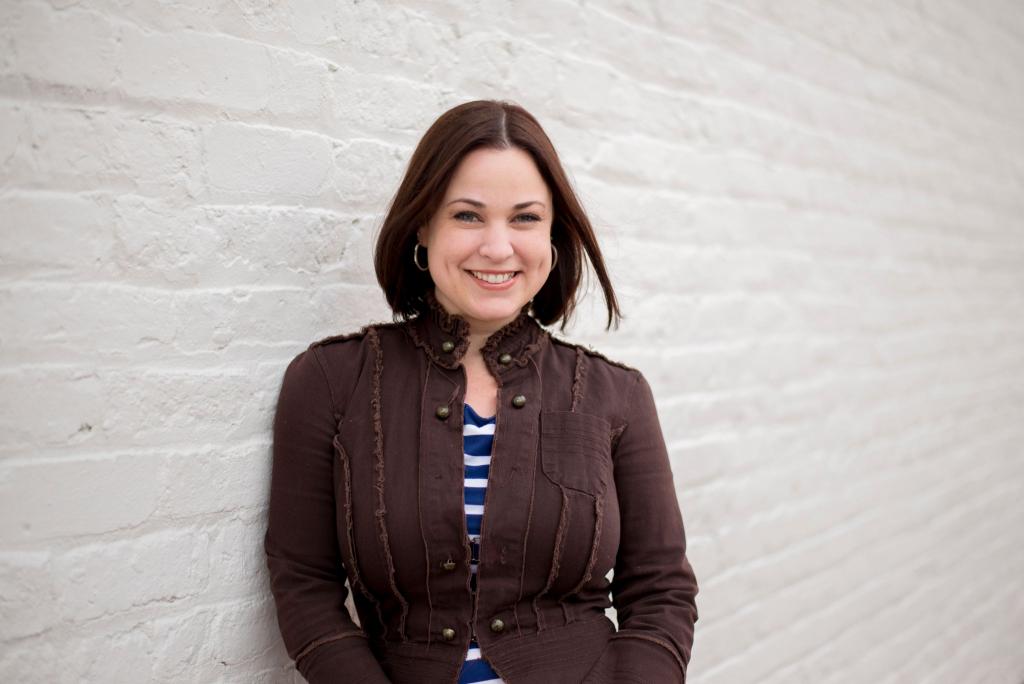
On today's podcast, Executive Editor Natalie K. Orpett talks with Lawfare Senior Editors Molly Roberts and Loren Voss, Contributing Editor Renée DiResta, and Public Service Fellow Julia Curlee about what they're watching in the run-up to the midterm elections. Each of them is focused on different potential threats to election security and integrity—from what’s being challenged in the courts to what’s happening in the online information ecosystem, from concerns over physical security at the polls to concerns over the health of government institutions. They talk about how they are identifying and evaluating the threats, what impact they might have, and what, if anything, can be done about it.
To receive ad-free podcasts, become a Lawfare Material Supporter at www.patreon.com/lawfare. You can also support Lawfare by making a one-time donation at https://givebutter.com/
Click the button below to view a transcript of this podcast. Please note that the transcript was auto-generated and may contain errors.
Transcript
[Intro]
Loren Voss: My greatest concern is physical intervention in the elections, right? And that, that could be federal law enforcement, military forces, or other armed actors intervening in or even around the elections.
Julia Curlee: All of the other official public servant-led institutions that would be kicking in right now, whether it’s CISA or the ODNI Foreign Malign Influence Center, or the FBI’s task force, all of those have been gutted.
So, what’s left is this politicized process.
Natalie Orpett: It’s the Lawfare Podcast. I’m Natalie Orpett, Executive Editor of Lawfare, with my colleagues, Senior Editors Molly Roberts and Loren Voss, contributing editor Renée DiResta, and Public Service Fellow Julia Curlee.
Molly Roberts: I am definitely most worried about the possible seizure of voting machines or ballots to break the chain of custody so that an election couldn’t be properly certified because the votes couldn’t be properly counted, at least the ones that were seized.
Renée DiResta: And so, it’s not that there’s one specific claim, it’s more this phenomenon by which people are so inclined to believe that this is happening because they’ve heard it before, and nobody ever stops to point out that it didn’t come true in any of the prior times.
[Main podcast]
Natalie Orpett: Today we’re talking about the upcoming midterm elections. In particular, what are the threats to election security and integrity? Molly, Renée, Loren, and Julia have been thinking about these questions from completely different angles, from what’s being challenged in the courts to what’s happening in the online information ecosystem, from concerns over physical security at the polls to concerns over government institutions.
We discussed how they are identifying and evaluating the threats, what impact they may have, and what, if anything, can be done about it.
Each of you comes from a quite different perspective based on your background, your area of expertise, and the things that you tend to focus on. So, I wanted to have all four of you on together to talk from these disparate angles as a way of just giving a bit of a lay of the land, and I will say that this is certainly not a comprehensive look at all of the things that folks should be thinking about in connection with the elections, or even that Lawfare itself is thinking about in connection with the elections.
But I think it is, each of you is doing such interesting work that I wanted to get you all on to talk about it. So, to start us off, I’m gonna go to each of you in turn, and I want to just start with a couple sentences, very top level, what have you been thinking about as the midterms approach? What are you worried about?
What are you thinking about? And then I want to hear just a couple words on what your background is, sort of what brings you to this perspective that you’re thinking about, and what makes it important to you. Molly, let’s start with you.
Molly Roberts: Yeah. So, I’ve been thinking about really a potpourri of issues related to the midterms, but I guess a good way to categorize them would be sort… some of them have been ahead, far ahead of the midterm, so I was focusing for a long time on the mail-in voting executive order.
Some of them have to do with what might happen kind of on or right around election day. The one I’ve been most thinking about there probably has to do with the seizure of ballots or of voting equipment, and the breaking of the ballot chain of custody. And then the third is sort of what happens fairly long after the midterms, and the question there is, is there anything that could occur as the House is being organized?
So, you think everything’s over, it’s not over yet. And as far as where I come from on it, I think the best way to explain it would be that I’m a member of the court reporting team here, and so I have been trying to focus on issues that already are or look like they very well will be in litigation.
Natalie Orpett: Excellent. Renée?
Renée DiResta: Well, I am all in immersed in the information environment as always, and I am running a project for this, this election cycle, running an AI notewriter on X, a community notes bot, and this gives me a lot of really interesting visibility into what people are concerned about, what they’re requesting corrections on, where people see things that they just don’t understand.
You know, the... As Molly was referencing, the, all the legislative and judicial back and forth around, you know, decisions in North Carolina or people suing California. You’re, they’re really starting to lead to a lot of confusion, a lot of public confusion about what’s real and what’s true, and then what’s not.
And then the other piece of that, though, is the recognition that in the olden days, we would’ve had fact checkers who were doing this, and they’re, and you know, their, the social media posts would be labeled by fact checkers. Instead, we’ve moved to this community model where my note, you know, my little bot can write a note, but it’s really dependent on people to rate it and to vote on it, and a lot of people have to achieve consensus across both sides of the political aisle before that note shows up.
And what I’m seeing is that’s just not gonna happen. Like, community notes is not gonna save us. There’s gonna be a whole lot of rumors and de-legitimization claims, and there is not gonna be very much that happens in a timely way to, to mitigate those concerns for the public.
Natalie Orpett: Okay. Loren, tell us what you’re thinking about.
Loren Voss: So, my greatest concern is physical intervention in the elections, right? And that, that could be federal law enforcement, military forces, or other armed actors intervening in or even around the elections. And so, it’s not just, like, them taking possession of the ballots or voting machines. It could be the indirect deployment in a city.
You could affect transit, intimidate people, reduce access points. And I’m most worried about this because the harm occurs immediately, and it’s really difficult to remedy afterwards. Some of the other things, like there are ways that you can litigate or deal with it, but you can’t, you know, quite frankly fix that fully when it’s this type of physical intervention.
And also, there’s just this line that gets crossed about the health of our democracy, right? You know, you can have requests for voter rolls, you can have lawsuits over voter rolls, cutting federal funding because you’re not changing your election processes. But to me, there’s something about crossing a line that we can’t come back from at the point that you have physical intervention in an election in the United States for the purposes of interfering in the election, right?
And changing results you don’t like. And then obviously if this is something like the military, this is a huge impact on the institution long term and democracy, and that’s something, you know, I’ve spent a lot of time doing over the last month, is a polling project at the German Marshall Fund looking at military and elections and what people think about that.
And obviously that they do not want the military involved in elections. They do not want the military following what they deem unlawful orders. But it turns out that they don’t have a lot of trust actually that the military won’t follow unlawful orders, and that the military will act in line with their constitutional rights.
But I, you know, focusing just on that one thread, I think, you know, it is a mistake. There’s all of these different strategies out there for interference and all of these different actors, and so one of the concerns I’ve had, you know, over the last year is that you actually have to understand the entire ecosystem and how these interact, and that’s one of the hardest parts of actually assessing the election interference, right?
It’s... People talk about the federal government a lot, right? But there’s state and local officials, non-state actors, foreign actors, like all of these different pieces coming together. So, what I’ve actually spent the last six months or so doing is co-chairing an election interference working group from experts across not just elections law, but like national security, disinformation, military voter protection, because we needed to actually look at what is that ecosystem, how do those pieces go together?
And so that, I think, is one of the things that I’ve been a little bit disappointed in, is I feel like, you know, people have their silos, and there are some great people that reach across, but not as much as you would hope.
Natalie Orpett: Okay, and last but not least, Julia, tell us what you’ve been thinking about.
Julia Curlee: Yeah.
Well, I am laser-focused on the selective declassification of intelligence that could provide the predicate to do all the things that y’all have been talking about. This story began back in July. Most of us in this call participated in writing Lawfare’s response to the president’s primetime address, where he used declassified intelligence from CIA to lay out what he called shocking vulnerabilities in our election infrastructure.
Of course, what the White House released did none of those things. His accusations about Chinese meddling that, that had turned the election against him, nothing in the information they released really showed that, and they had selectively picked raw reports from CIA that were contradicted by the assessments that had been released many years ago.
This, however, was picked up on the right-wing internet and was seen as validating all of the conspiracy theories all these years about voting machines and foreign interference going against the president, not for the president as, as the analysis had shown.
And so they have set up an infrastructure which could be now used in the same way in the leading days up to the election. If you look at where we are we’re just under two weeks out at the time of this recording, taskings could be flowing out right now to CIA to find individual reports that may be true in their individual quality but against the sense of the intelligence community as a whole, in order to declassify those and drop them on the electorate in the days leading up to or in the immediate aftermath of the vote to say that the count in this county, and this county, which all happen to be places where the president may not like the results, must be the result of foreign interference in these elections, and that justifies us trying to go in and seize ballots or voting machines which could break the custody chain for votes.
And so, looking at this right now, ‘cause this could be something that is in motion, we’ll see. Secretary Mullen on August 24th issued another memo laying this out as yet a justification for the federal government to step in and demand hand recounts and threaten to prosecute individual local authorities if they had, you know, went along with allowing non-citizens to vote or knowingly allowed compromised equipment to be used.
The federal government is using this as a backdoor in order to involve itself in state and local elections where it has no authority to do so. And so we’ll be watching this, I think, in the coming days. And but all that’s missing at this point, with the White House having set up its own declassification operation and with a pliant CIA that showed itself to be willing to go along with this, is just the intent.
There’s nothing really stopping it at this point, and all of the other official public servant-led institutions that would be kicking in right now, whether it’s CISA or the ODNI Foreign Malign Influence Center or the FBI’s task force, all of those have been gutted. So, what’s left is this politicized process.
And so, we’re just gonna have to watch this very closely and examine what they release if they do so.
Natalie Orpett: Okay, so that is quite a whirlwind, and I think that should give everyone a good taste of why I am absolutely no fun at parties when people ask me what I think about the upcoming elections. I wanna focus in on a piece that’s cross-cutting here.
So, I think there’s a theme that sort of comes from all of your work, is that you can think about challenges to the elections as being either a question of a risk of potential interference Which can come from a couple of different angles. There are different mechanisms for it, different potential actors, different motivations, et cetera, and certainly different means by which interference could be attempted, and each of you is looking at different pieces of that.
But another piece of it, another way of thinking about the elections, another challenge, is the possibility that they won’t be understood to be free and fair, that there is either too much confusion or too much doubt, or just too much concern that something is amiss. So, I want to hear from each of you how you’re thinking about that distinction, right?
There’s the possibility of interference as sort of an offensive, intentional move, and there’s also the possibility of, you know, I don’t know that you would call it necessarily more nefarious, but certainly more diffuse and less, potentially less directed challenges in the form of how are people going to understand this to be a free and fair and credible and legitimate election.
Molly, let’s start with you.
Molly Roberts: Yeah, so I think there are kind of a few pieces there. I guess the first one would be does sowing doubt throughout or creating confusion throughout leading up to the elections have any effect on how people vote? So, I think a lot of people right now, I mean, I know from the reporting a lot of people right now are confused about whether they can vote by mail.
They were confused about whether they could. People think they might have to go in person. There are surely some people who didn’t vote by mail because they weren’t sure whether it would be allowed. Now they’re planning to vote early, vote in person. We’ll see if they make it out there. Same thing with the question of troops at the polls.
I’m sure that Loren will talk to you about how it’s illegal to have armed men at the polls. On the other hand, most Americans don’t know that, so will that deter them from doing something? Even if you don’t ultimately take the action, even if you were gonna take the action and then it would get litigated, that doesn’t mean it’s not going to affect how people behave.
So, I think that’s thing number one. Then number two would be the election happens, either what the narrative was beforehand affects how people vote or it doesn’t, but all this false information creates doubt in the legitimacy of the election after the fact. Obviously, we saw what happened with January 6th there, and I don’t think it’s completely crazy to worry about maybe not exactly that kind of event, but about a similar event or events, maybe more localized.
Who knows? And that’s dangerous. Of course that’s dangerous. Then I think also there’s the possibility, and this is certainly what I’ve been thinking about from the litigation point of view, that the mis- and disinformation that Renée’s been talking about, that the selective declassification that Julia has been talking about, that any of the litigation on the mail-in voting or on the non-citizens on voting rolls, any of what the administration has done so far that has failed as far as the courts are concerned will be used down the line as a pretext either for further action, so, you know, a certification challenge to the election, or we’re seizing ballots because we say there’s foreign interference, either with a declaration of a national emergency or not.
So, I think there’s a threat that they use that to do something concrete. So, I mean, I said two things. I think that’s really three things. One is changing how people vote, one is having some pretext for a concrete action that happens down the line, and then the third is you don’t necessarily do anything concrete, but nobody believes in the election, and maybe that foments some action on the streets or just is bad for democracy because you want people to believe that their elected leaders are legitimate when the election was indeed legitimate.
Natalie Orpett: Renée, so your work really sort of falls very much into these buckets. You have a background and wealth of expertise on foreign interference and all of the disinformation, misinformation, information ecosystem concerns and how that has played out over a long period of time. So, I’m curious how you’re thinking about that component of the sort of active interference I was talking about.
But then you’re also looking as, I think, an interesting sort of laboratory of how people are confused, what they’re asking, how the system such as it is, or lack of system, is responding or not to try to clarify that confusion in the absence, as you said, of fact-checkers that used to be part of that back and forth.
But I’m wondering, you know, that is an interesting laboratory, as I said, because it seems to me a bit of a better representation than a poll. So, a lot of the reporting that we get is based on either polls or anecdotal discussions that reporters have with voters, and you’re seeing something else.
So, tell us about both pieces of those and how you think of them together.
Renée DiResta: Yeah, so I just don’t think foreign interference ever really accomplishes much. Since 2016 all the way through, you have a lot of foreign trolls playing at the edges, a lot of them doing things to delegitimize, to sow division, to advance in some cases.
Iran likes to promote candidates it thinks are gonna benefit it from a policy standpoint. China likes to tear down candidates it thinks are not good for it, right? They all have different strategies. But that kind of stuff gets so little engagement compared to what political influencers and political elites tell people on social media.
And what we saw in 2020, the reason why I don’t use misinformation as a term very often, is that I think that rumors and propaganda are the two words people are really looking for here. Rumors are things that might turn out to be true, right? There is going to be somewhere in this country where some voting machine is going to go haywire on Election Day.
Absolutely. We know it. It happens every single time, right? There is gonna be like, you know, a handful very small number of people who vote who shouldn’t vote. Again very small. Happens occasionally. These are grains of truth that are then spun out into overarching explainers for why a candidate lost, right?
Why the guy that you wanted to win didn’t win. You see the politicians themselves doing it because they know that just asking questions, nobody’s gonna hold them accountable for it. They’re not gonna be, you know, they’re not even gonna be fact-checked now. And to a large extent, even fact-checkers were delegitimized, which is why Community Notes came to be in the first place, right?
We’re solving kind of a problem of our own creation here by creating a weaker system that appeals to legitimacy while being somewhat comparable as far as efficacy, but really it needs to, like, I think the program needs some revamping. I think that one of the things that I have a little bit of advantage point into in the work that I do, and what we used to do at Stanford Internet Observatory also, is that you can just watch the social conversation and see what people are talking about.
There’s going to be some times when that is not an accurate representation of public or prevailing opinion because you do have inauthentic participants perhaps, or you do have a disproportionate number of one side that’s vocal on an issue versus another. There’s a lot of reasons for that.
But I think ultimately the combination of just watching the conversation, you know, there’ll be like one of these... Watch, you’ll see on X there’ll be these election rigging groups that will spring up. They’ll just say, ah we’re watching, we’re looking for evidence, and here we’re discussing the evidence of election rigging.
And there’ll be just dozens and dozens of people in there tossing ideas around, and then tagging influencers in hopes that they can get their rumor essentially picked up and amplified, right? Move that rumor up the chain. And then what you see is the politicians pick up the rumor, right? There was a suitcase near my polling place.
You’ll see that rumor fly. oh, the suitcase must have been the m- the, you know, the ballots that they added at the very end to make your candidate win over mine. But then you’ll see the politician actually validate that, right? Particularly on the right, let’s be honest. And that’s the problem that we have, actually.
It’s that the leaders are not, you know, they are willing to play this game for short-term gain, I think, at the expense of one side or another in this country being perpetually convinced that something is being rigged. And the final thing I’ll say on Community Notes is that, again, I not only see what people are confused about, meaning like what gets note requests, but I can also see the spread in my up votes and down votes, right?
So, any time I write a note I can see how many people liked it and how many people didn’t like it. And let me tell you, when I write a note that clarifies something that the left has done that’s false or misleading, I get a lot of up votes. When I do that clarifying something that the right has done, I get a ton of down votes, right?
And these things just don’t clear. They’re never gonna show up. So, I can see where the polarization is in the rating, you know, in some of the, the ratings data also. But there’s nothing I can do about that really, right? All those of us who contribute to the program are sort of at the mercy of getting enough ratings and trying to find some way to appeal to the public.
Natalie Orpett: Okay, thank you. Loren, I think what you’ve been focused on is in some respects the most specific to the sort of directed interference possibility the idea that a concrete thing would happen, as you said, a… the physical possibility of interference on election day relating to the vote. But it does seem to me that you mentioned also the fact that even if that type of interference does not manifest itself, the possibility that it might or the fear that it might could have a significant impact on people’s thinking about it, which of course in turn would affect the credibility, the legitimacy, the sense or trust that this is a free and fair election.
So, you really are focusing on both of these themes that identified, and I wonder how you’re thinking about each of those pieces separately and together.
Loren Voss: Yeah, so I think that’s right. There’s a lot of things that are occurring, and they have varying levels of consequences on the election, right?
And so that’s why it’s useful to have like a framework or a way of thinking about it. And what we ended up doing in the working group was having like six families of strategies And, so there’s, you know, the physical intervention one that I mentioned, you know, deploy and obstruct, blocking access, closing polling places, preventing usage of machines, compromising security, you know, the seizure of ballots, all the extreme things that people hear about.
You know, also the indirect things. There’s also the second one was, you know, process stoppage, whether that’s, you know, stopping the canvas at the local level, certification at the state level. But there’s all of these things, then there’s versions that are, like, not as clear on what the impact is. So, there’s, like, intimidate and threaten, especially by, like, non-state actors, right?
We’re already seeing doxing. We’re seeing physical safety risks. We’ll potentially see, you know, armed poll watchers once again, physical threats to polling sites. We saw bomb scares, you know, previously, potential, you know, cyber attacks. You know, from federal actors we’re seeing, like, the criminal investigations, demanding access to voter rolls, requiring process changes.
We see federal observers, which is, you know, generally, you know, okay, but the worry of federal observers, you know, inserting themselves into process or elevating specious concerns. The fourth thing that we looked at was, like, litigate and contest, right? To try and affect the outcome, but also most of these litigation strategies don’t work, right?
And so, they’re part of more of that, like, disinformation effort to build legitimacy around various other, you know, interference efforts, and so that’s like the fraud, ineligible voters, and there’s like, you know, a couple ways you could go with that. There’s also, you know, one that we hadn’t talked about too much yet, which is, you know, state-led intervention, and there’s some… been some efforts in some states to centralize administration of elections a little bit more, you know, give opportunities for them to, like, supersede local administration, potentially do voter roll purges, late process changes, things like that.
And then, you know, what Renée has talked about, like the foreign influence and interference efforts. And so, my takeaway from that is we talk about those six strategies, but really there’s only, like, three real ways that will have an election impact on the results, right? And so that’s like the physical intervention, that’s the legal challenges, and that’s, like, the stoppage of process.
We can talk about the foreign intervention. I defer to Renée, who says, you know, that’s unlikely and not really gonna have an impact. And so that, that leaves those three. And so, there’s a question there of like, okay, of that, what matters? And I wanna encourage people not to immediately discount all of the other things because it doesn’t have a direct impact on the results.
We always wanna ask that question, right? Like, what are the consequences? But because of the way the ecosystem works, we see all of these things that people call unsuccessful actually being part of a wider strategy to build that disinformation effort, to increase people’s worry that the election will not be free and fair, to make them not want to vote, to think their vote doesn’t matter, to make them think that they’ll be, you know, stopped from voting.
And so even if those are, like, unsuccessful at the tactical level, they can be incredibly successful, you know, at the strategic level. You know, the way that I think about it then, if you look at all those strategies and what their actual impacts are, what you need to do then is then look at all the different efforts and say, you know, what is the likelihood of those things occurring, and what are the consequences of it?
And so, you have your direct consequences, the ones that directly interfere in the election results, but then you have all of those indirect consequences. And the way that... You know, in the working group, we created this very, very ugly, messy web of how all of these pieces connect together. And we had to make it interactive so you could turn it because it was too messy to even look at.
And we ended up not showing that to a lot of people because it was actually, you know, too complicated. So, you have to think about those different relationships, but I also worry then when people aren’t thinking that way, they’re so focused just on, like, the likelihood and those efforts that we’re missing very significant things that could occur, even if unlikely, even if it’s an indirect effect, but could have significant catastrophic consequences.
The other thing that I would say that I think is important for the way to think about all of these different efforts is people frequently talk about, here’s the riskiest states or here’s the riskiest districts, right? And it seems to be, you know, the same ones that keep floating around, which is, you know, the ones that have very close election races.
But what I would say is there shouldn’t be one single map of, like, here’s the straight states or congressional districts that are most vulnerable to election interference. For all the things we’re talking about, it varies, right? A jurisdiction that’s at high risk of somebody trying to... You know, certification obstruction is not the same for physical intervention or voter rolls or even, like, non-state actor poll watchers, right?
Or... And so, what you actually need, and what the working group looked at, was, you know, what are those different priorities for each one of those strategies? And then you end up with this, like, massive list, and then you understand how difficult this problem actually is. If you wanted to look at reducing the risk in all of the areas that have risk, and you want to think about all the threats that could occur, then you have this huge problem.
Then to Julia’s point, you know, a lot of the, the countermeasures and efforts used to come through the federal government, if not directly for them doing a collaboration and information sharing role, and that’s gone now. And so, you see all of these, you know, countermeasures that are needed, not just at the centralized level, but the jurisdictional level, that are missing in a way that just wasn’t necessarily true in previous elections.
Natalie Orpett: Julia, how about you?
Julia Curlee: Yeah. Well, there, there’s this delightful phrase from Putin’s Russia, which was that, you know, in his Russia everything is... Or nothing is true and everything is possible. And it’s The Surreal Reality of Putin’s Russia, is the book’s called, and it’s really seems like that is the goal here.
So much of the accusations about voting machines seems to be a conspiracy theory desperate in search of the evidence to prove it, and it is immune to every effort to debunk, every effort to test the actual theory. It just drives forward with individual officers in the government now searching for evidence that would prove the president’s theory.
Just a couple days ago there was another report that came out in ProPublica that talked about how DHS officers tasked CISA to try to hack voting machines on their own to try to prove this theory that it could be done. In doing so, they basically had ignored all of the testing that had previously undergone.
The same voting machines that had elected Donald Trump in the previous election had been used, and they had sent them to the Idaho National Lab and patched whatever vulnerability, and effectively addressed this problem back in, in, in 2020. But here we are again in 2026 trying to validate the same theory again using now the three letter agencies of the federal government enlisted to support the conspiracy theory.
So, I don’t think this is gonna go away. I don’t think the absence of evidence is going to stop the accusation. I think the only question on the table really is whether it will matter enough if the, the margins are close enough to make it worth the concerted effort in the aftermath of the election.
Natalie Orpett: Okay, so I wanna explore actually that dichotomy a little bit, which is that there’s sort of two different pieces that we need to worry about, one of which is the results.
Is what are the possibilities that something might impact or affect, or interfere in some respect with the results themselves? And then separately, a second component is this question of trust in the results whether anyone will believe the results are what they are. And in my view, it’s always a little bit difficult to actually separate those two because the mechanisms of voting really come down to a lot of technicalities of, I mean, as several of you have said, there’s a lot of just how do the machines work?
How do the lines queue up? Do we believe that the, you know, paper that shoots out of this machine is representative of what the person pointed to when they hit a button? And then there’s the question of counting it afterwards. Do we believe that the people who counted did the right job counting?
Are the right people counting, or was someone watching them? All of those seem to affect the question of whether results can be tampered with, but of course also feed into this separate component of whether people will, in the aftermath of whatever the results are, have any faith in those results. But acknowledging that those things are in fact quite difficult to disaggregate, I wanna take a stab at doing it anyway, which is by asking each of you what would you identify as your biggest concern about the risk that you’ve been following that could affect the results themselves?
And then we’ll come back to what is the biggest risk for affecting faith in the results. So, Molly, you get the first challenge on that one. What do you think is the biggest risk for affecting the results themselves?
Molly Roberts: Yeah, I think this counts as affecting the results themselves. I am definitely most worried about the possible seizure of voting machines or ballots to break the chain of custody so that an election couldn’t be properly certified because the votes couldn’t be properly counted, at least the ones that were seized.
And yeah, I mean, then what you do going forward I think is not totally clear. It depends on the place, but sometimes you might have to go back and try to have the election again. So, I think that’s certainly dangerous. Even the delay that it causes in certification could be dangerous. But I think that qualifies as an affecting the results threat.
It’s not just about doubt, it’s about the process itself being disrupted.
Natalie Orpett: And Renée, how about you? What do you think is the top risk you’re following for something that might affect the results themselves?
Renée DiResta: I actually don’t think there’s a lot that’s going to, so I maybe am an outlier on this. I think that elections are free and fair.
They’re fairly run. They’re run by professionals. They’re uniformly safe and secure. The machines work, you know? So short of some sort of, like, unexpected remarkable hack or some sort of massive police presence somewhere that does, you know, real damage on a suppression front. I actually think really that optics and perception with the losers are actually gonna be the much bigger problem.
Natalie Orpett: Okay. Loren, how about you? What are you looking at as the top risk of affecting the results themselves?
Loren Voss: I mean, I really hope that Renée is right. If we can have that. I mean, I think, you know, most of what we’re seeing now is the disinformation, but I do think that there is some type of trigger out there, and I’m not sure what it is, where we cross that line and we move into the physical intervention piece.
And I would say, you know, similar to Molly, there’s, you know, ballot seizure, but there’s a broader physical intervention, right? And I think about, like, you could seize ballots. You could just compromise the security of the room where it’s occurring. And when you seize the ballots, you’re not just breaking the custody of the ballot chain, but you could also claim, oh, we’ve counted them instead, and the results are different, right?
This is what we’ve... Once we took out all of the, you know, the bad, illegal ballots, this is what we found. You could see them, though, you know, just for whatever security reasons, closing multiple polling places to the point that like, oh, even if you know, send people elsewhere, you can reduce by the tens of thousands who actually decides to go vote.
Or you could see, you know, physical intervention in a Democratic city where there was such a presence on the streets that people’s access is blocked, right? And they literally can’t get to where they need to be. And then that, you know, that type of voter suppression, you could see to such an extreme that would affect an election result, right?
If you wanted to target maybe one specific congressional district and pick an area where you knew in that area 90% of the voters went one way and I could absolutely see that happening. Now, to Renée’s point, like, when this happens, you will know it’s happening, right? This isn’t the, like, disinformation of illegal voters.
Like, you will see this physical intervention happening in real time. And so, we’re not there yet, but to me, that’s the biggest concern, some type of, like, verification preclusion around, you know, the ballots or the sites or the access or some type of blocking, you know, access, closing polling places type thing.
Natalie Orpett: Okay, Julia, to you now. What are you thinking about all of this?
Julia Curlee: Yeah, I agree with what everybody has said about the actual threat to the vote. I think that the biggest worry that I have is the… is what the impact is on the institutions if this just continues and the frog keeps on being boiled by political actors trying to pull in institutions of our government that are not supposed to be politicized: CIA, FBI, DHS, CISA.
These are supposed to be executing technical functions, and they’re being pushed in a very political direction without any seeming consequence. Now, after the president’s speech earlier this year, there was a lot of shrugging that went on because it was so shambolic, and some of the... Like, very few people actually believed it.
But in the process, they enlisted institutions like the CIA in misinforming the American public, and in the wake of it, no one resigned, and there was, there were no open hearings. There couldn’t have been. Maybe if the House turns over, there will be, but I am very worried that you’re building an institution that is willing and able to be manipulated to turn its capabilities of information control on the American people, and these are just baby steps down that road.
We’re not living in 1984, but I had never seen anything like what occurred in my professional life of the IC being enlisted to delegitimize American elections, which is what happened when the president gave his speech, and I’m very worried that’s the road we’re on.
Natalie Orpett: Okay. I think that’s a good segue, good being a relative term, to the other piece that I wanted to ask each of you about, which is what you would you identify as the top threat to trust in the results of the elections?
So to me, this is perhaps the more complicated problem because whereas you might be able to figure out, for example, who has standing to challenge a certain type of interference that may have affected the outcome of the elections, there isn’t really so much that you can think of in terms of bringing a lawsuit that would challenge the notion that a widespread group of Americans don’t believe that the elections were fair or don’t believe that the results are accurate.
So, Molly, what do you think in terms of the biggest threat to people’s belief or trust in the results of the election, whatever they may be?
Molly Roberts: Yeah, I think it’s difficult to isolate one thing from all the efforts the administration is making on various vectors. So, I mean, I definitely would say I think the threat is the rhetoric of the Trump administration and Trump administration allies’ rhetoric and actions versus, you know, anyone not connected to that.
Like, I don’t think that the biggest threat is foreign interference, for instance. So, I would say that, and then concretely I will just throw one thing out there to try to be specific, which is I think that the Department of Justice, DHS, government agencies going and sending letters to states saying, we think you have non-voters on the rolls.
We’re gonna take legal action. We require you to take these steps or else we’re going to prosecute you or sue you, is dangerous because when people read about that, they think that means there was a crime committed, even though that hasn’t been proven yet. And then I kind of just wanna go back a little and say that I am talking about the biggest threats, but I, for the most part, do agree with Renée, or at least I think that it’s really important that even as we talk about the threats, we make clear that we’re not saying that this is going to happen, because there’s always this weird tension here where a lot of the threat you asked me about right now, is people not trusting the outcome of the elections.
And we want to be honest about the things that could happen, and we want to catalog those, and we want to make sure people are prepared to counter them. But of course, there could be the result that it makes people believe less that the election was legitimate just from the other side, from the administration having messed with it in some way, and that isn’t better for anyone.
Natalie Orpett: I think that is such an excellent point, and I do promise to end the podcast with a more uplifting note of thinking about what things might be possible to stave off some of these risks that we’re talking about. But in the meantime, Renée continue on the theme that Molly was talking about and tell us what else you’re thinking about in terms of trust in the results of the election.
Renée DiResta: Well, one thing I want to point out is that the rumors that appear in elections recur over and over again. And you’re gonna see the... I can tell you already what you’re gonna see, right? We had the color revolution one start about two days ago. That color revolution one has popped up in 2020, 2022, 2024.
Now we’re seeing it in 2026, this idea that the left is going to start a color revolution to overthrow the rightfully elected leader. You know, you could point out that it didn’t happen in either 2022 or 2024, but that doesn’t matter. We know. The world is a universe of possibilities there.
Natalie Orpett: Sorry, Renée, are you saying a color revolution, like in-
Renée DiResta: Yeah. Oh yeah. No, color revolution is a very common one. So, a color revolution, for those who don’t know, is it’s named after these popular uprisings that happened in Ukraine, in Hong Kong, there’ve been a few of them, where the people legitimately come into the street, oftentimes wearing a particular color.
There’s a mass protest. Now, one of the ways in which Russia and China delegitimized those protests was to allege that they were really secretly started by the CIA, right? And what you see in the United States is this allegation that, again the CIA and the deep state are gonna be behind, if Trump wins, trying to, you know, to overthrow him, or if the Republicans win, trying to lead mass protests and revolts to disrupt governance.
This has never actually come true, but this narrative goes viral every single election because it taps into these deep state villain-type narratives that play so well. So, I think that’s one of the things that has... This notion of the recurring trope, the recurring themes and claims that play out over and over again, and there’s just very slight differences.
This time, the color revolution will be thrown by the DSA, right? It was the Sunshine what was the name of that Sunshine group? Sunshine Coalition or something back in 2020. You know, they always pick a different group that’s gonna be behind it all, right? So, the details change, but the narrative stays the same.
I think about it a lot like Mad Libs. Like, you’re gonna see the exact same rumors. There’s gonna be the, you know, the rigged voting machine, where somebody in some locale is gonna have rigged the machine. They’re gonna tell you that story. There’s gonna be bust-in voters. There’s gonna be dead voters. You know, I mean, when I tell you we see the same stories, we see them over and over again, and only the details change.
The narratives are always 100% the same. And the reason that people do that is because those narratives are resonant. People think like, oh, I’ve heard that before, or, oh, I’ve seen that in a movie. And, so it’s not that there’s one specific claim. It’s more this phenomenon by which people are so inclined to believe that this is happening because they’ve heard it before, and nobody ever stops to point out that it didn’t come true in any of the prior times.
So, the ways in which election rumors function, it’s ... You know, you would think, just to give you a sneak peek on the what can you do about it question is, I think that pointing this out ad nauseam actually really has to happen. Right now, we see the color revolution thing start to go by, and, you know, nobody ever responds to it and says like, okay, but you said this in the last four elections, and it didn’t come to pass, so, like, what happened?
You know? So, we’re just not doing a very good job delegitimizing the delegitimizers at this point. That’s how I would put that.
Natalie Orpett: Yeah, that’s really interesting. Loren, what are you thinking about in terms of the biggest risk to people’s belief or trust in the outcome of the election results?
Loren Voss: I’ve been tracking what Renée was talking about with the color revolution, because it’s specifically now there’s an effort focused on the Insurrection Act, where the argument is, you know, people come out and say Trump may try to interfere in the election, and then they say no, this is on purpose.
They’re saying this to encourage violence. They actually want the president to intervene. They want him to invoke the Insurrection Act so that then they can claim he’s a dictator and, you know, overthrow the government. And I really see that narrative taking off, as Renée says, but to me, the, like, the critical issue here is the disinformation is coming in some part from the federal government, and I think that is what makes this difficult, is people are hearing it from government leaders and from government agencies.
Government agencies are putting out this information, not even an individual. And what it comes down to it then is, like, it’s so fact-dependent, right? You know, oh, there was 200,000 illegal voters, but we haven’t given you the names or any of the information. And, you know, to actually figure this out, I would need to know how did you find these people?
Who are these people? And all this, like, private information, and so, so many of these things to actually, like, accurately debunk, you either need information you don’t have access to, or you need people like Renée who are spending their time doing all of the research and telling me the truth because I don’t, you know, I don’t have all of the facts.
And there’s so many of these narratives, right? And so, it immediately goes to, like, okay, what’s your, you know, first response, and that’s how you’re gonna feel about it because we’re busy. There’s a lot going on. Things are expensive. People work too much. You know, like, we don’t have time to get all of this information, but you have this sense of legitimacy when you have it coming from the government.
And so, you know, I think it’s just overwhelming people with narratives that they don’t have the, the facts in front of them to, you know, disprove.
Natalie Orpett: Yeah, Julia, that sounds very similar to what you were saying before, specifically with regard to the use of federal agencies to bring some of this doubt to bear.
But tell us a little bit more about that in, in light of what Molly and Renée and Loren have just said too.
Julia Curlee: Yeah. I am not worried about our elections being held. Most of the state and local authorities are... You know, they’ve been doing this forever. Our system inherently resists this outside manipulation because of federalism.
But I really would want to reflect upon the fact that 10 years ago this election, we had a Russian interference in our election to attempt to throw the election to the current president, and that current president has waged war against the institutions and dismantled those institutions as much as he could that defend us against further foreign interference.
In 2016, we had those institutions that were able to expose the foreign interference as it was happening. They didn’t necessarily… do a perfect job in terms of informing the public and certainly partisanship interfered with the ability to respond. But I don’t think you can underestimate the damage that’s been done to those institutions, and so I just think about the politicization, that work that I’ve done when I’ve looked at the response of these institutions, has been that they’re not gonna warn.
Even if they have information within their vaults, they may not be putting that information forward. They’re certainly not gonna declassify it to the public. And I would very much worry that a year or two from now, if things might trickle out that suggest there was an interference attempt in our election, and there’s...
And it may be impossible under the current government prove it one way or the other. So, I think that institutional damage is real, and this is just a dress rehearsal for, you know, the presidential election two years from now.
Natalie Orpett: Okay, I don’t feel good again.
Julia Curlee: Sorry.
Natalie Orpett: So, let’s try to pivot, guys because we will try to leave our listeners with a sense that maybe not all is lost.
So, Molly, I’m gonna come to you first with this challenge that I foreshadowed of, is there something that you’re thinking of that can be done, is being done, or otherwise just mitigates some of the risks that you’ve been thinking about that people may be less focused on than they should be?
Molly Roberts: Definitely.
So, I think both can be done and is being done. I think a lot of the work has been done already, which is encouraging. So, a lot of the questions about what could happen after an election have to do with these certification disputes, but states have actually tightened their certification laws a lot since the last time around when there were challenges in this respect.
And so, I think that’s great. On the ballots thing or chain of custody that I mentioned, in particular already there are groups out there issuing resources and getting those resources in front of state, local election officials, in front of judges that have to do with, this is how chain of custody works, this is why it really matters if it gets broken.
So, you know, when you’re a judge, kind of what it means to approve a search warrant, for example, and then if you’re the state and local election official, what you have to respond to, how you have to respond to it, and I think that’s really useful. So, I think there’s a lot of work like that happening, and that it’s encouraging.
And then I guess the other thing I would say is that, as I believe somebody already mentioned, it’s a lot harder to steal an election that isn’t close. So, if the election is won by a great margin, that sort of maybe mitigates the possibility with these midterm elections at least of any of this malfeasance having a real effect.
Natalie Orpett: Okay, Renée, what sort of sunshine would you like to leave with our listeners?
Renée DiResta: Well, I mean, I think there are a lot of election officials who are out there doing in- just incredible work. They are really working to get as much communication out there as possible. I would say that it’s... There’s opportunities for people, just ordinary people who are listening, to amplify them, right?
When the, you know, when stuff starts to go viral on social media, realize that, like, you can be part of that also that it is a collective voices dynamic, and that this is something that anybody who wants to help can really empower themselves by participating and, like, boosting election officials who are trying to get information out there.
I think, you know, I don’t have very good things to say right now about social media in general, not because I’m, you know, not a user of it myself, but more just because I think that the political wind’s, like, significantly changed, and now I think it is really up to the users on it to try to push back, to try to be more effective this time around.
And we are seeing a lot of people who are on social media platforms starting to do that. So, my hope is that, you know, if you see your favorite influencer talking about it, if you know, if you’re a content creator yourself, really there’s a huge opportunity to exercise your own voice and to push back against some of this stuff very directly.
Natalie Orpett: Okay. Thank you. Loren, over to you with the challenge of leaving something upbeat or just naming something that can be done... is being done, helps to mitigate the risk.
Loren Voss: Something to make us feel better. I mean, there’s already a lot of education on the law, on the threats, on disinformation. There’s also, you know, a lot of effort already put in place at, like, the state and local level on plans, right, on how the government will respond if there’s reports of interference, if there’s reports on disinformation narratives taking off.
To me, you know- you think about it like, you know, this is a decision tree. So, all of the actors that might interfere, you need to convince them of one of three things. Either, one, that their effort will not succeed, right? The actors won’t take the action, or there’s too much prep and defense work done, like their action won’t work.
Two, their actions will be stopped by the courts, right? And so, it won’t be effective for that way. Or three, that what they do will be so publicly unpopular that there’ll be a backlash either with, you know, peaceful protests in the streets or even, you know, future elections will be impacted. But if you can succeed on even one of those three points, right?
Like, that’s how you, that’s how you get these things not to happen by any of the actors. I mean, and I think if some type of actual, you know, interference, not just the disinformation piece happens anyway, you know, there’s ways to think about reducing risk, and that’s, you know... In order for these things to succeed, there’s quite a lot of actors that actually have to participate in them.
And any one of them can refuse to do things that are illegal and unconstitutional, right? And like, so making sure that you’re messaging that and getting people to be brave, I think is important. And then finally, just, you know, the, the accountability piece, and thinking that if efforts do happen, whether or not they’re even mildly successful having people already thinking about accountability, right?
How do we hold people responsible that didn’t do the right thing? And how do we rebuild the systems, you know, so that we reduce this risk, and so we’re not having this conversation in 2028. I would like to not be on this podcast in 2028 with all of you talking about the same things.
Natalie Orpett: Fully endorse that.
Julia, you get the last word.
Julia Curlee: I think we’re gonna have full employment for election malfeasance watchers for some time. So, here’s my good news. They’re pretty incompetent, and it’s pretty obvious what they’re trying to do, and I think that there’s been a lot of education work that’s already been done, and you’ve got pre-positioned lawyers, and you’ve got the Brennan Center throwing out recommendations to civil society.
And this isn’t our first rodeo with this, so I feel like there is that, where it’s, you know, forewarned is forearmed. I would say that I’m just optimistically, you know... I saw the lieutenant governor of Utah, who’s Republican, the… a couple of days ago on 60 Minutes, and asked directly about these allegations of, you know, potential fraud and early...
She’s like, no. No, we got this. We’re competent administrators. We run free and fair elections. This is a state matter. Federal government, get out. And I would love to see more of that kind of state and local leadership. I think it was really effective.
[Outro]
Natalie Orpett: Okay, I think we are going to leave it there. We will all be closely watching in the next couple of weeks, and I can’t decide whether I should say that I hope we will all talk again soon or not.
But whatever the case may be, thank you for joining us.
The Lawfare Podcast is produced by the Lawfare Institute. If you want to support the show and listen ad-free, you can become a Lawfare material supporter at lawfaremedia.org/support. Supporters also get access to special events and other bonus content we don’t share anywhere else. If you enjoy the podcast, please rate and review us wherever you listen.
It really does help. And be sure to check out our other shows, including Rational Security, Allies, The Aftermath, and Escalation, our latest Lawfare Presents podcast series about the war in Ukraine. You can also find all of our written work at lawfaremedia.org. The podcast is edited by Jen Patja with audio engineering by Cara Shillenn of Goat Rodeo.
Our theme song is from Alibi Music. As always, thank you for listening.