
Lawfare Daily: Why Autocrats Hate Cities with Ambassador Nina Hachigian
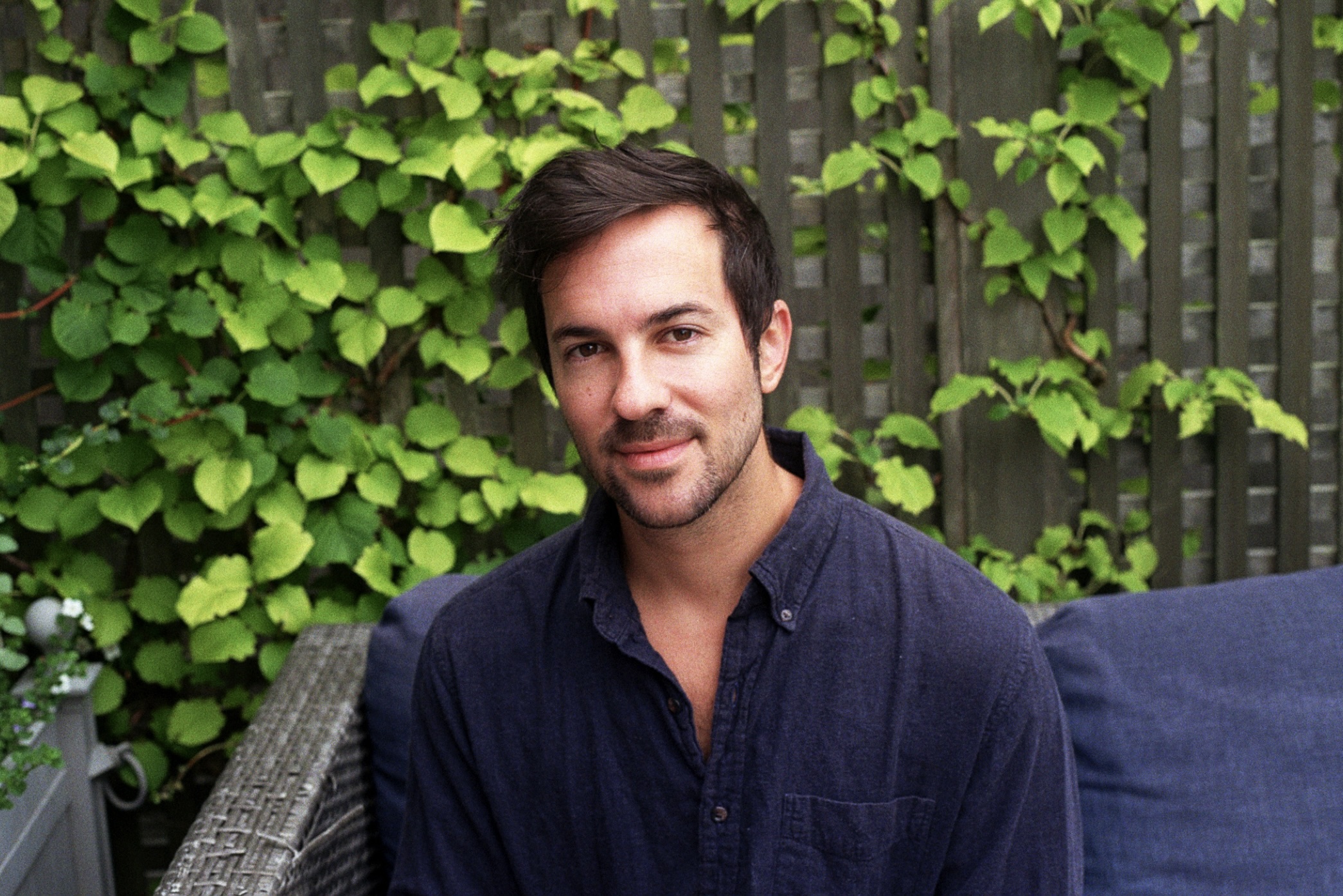

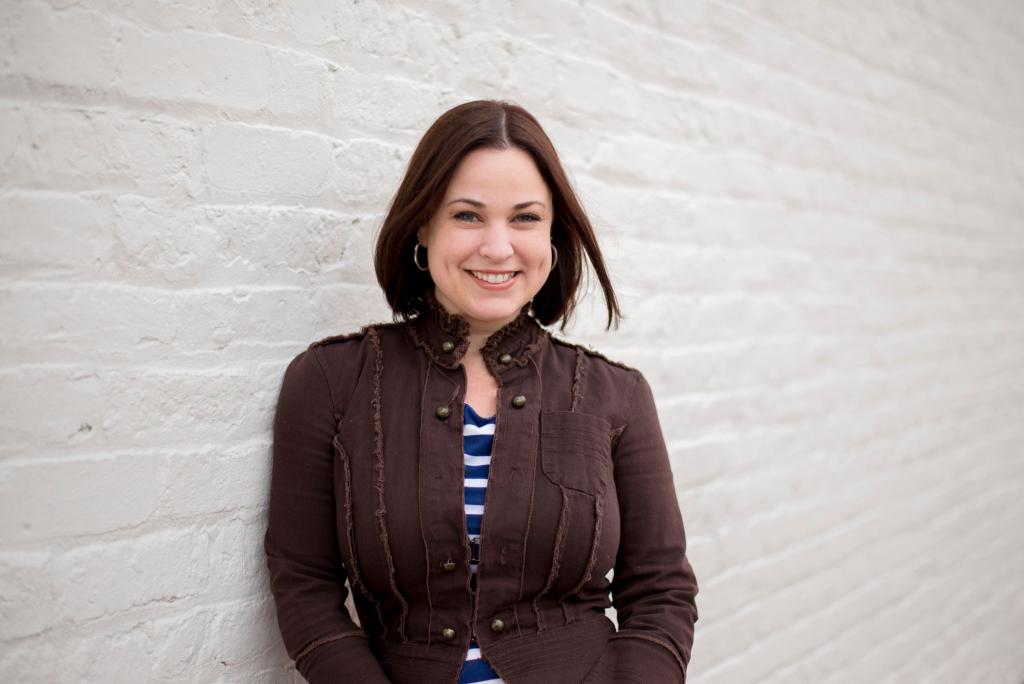
On today’s episode, Lawfare Managing Editor Tyler McBrien sits down with Ambassador Nina Hachigian, President and CEO of the Alliance for Local Leaders International and the first U.S. Special Representative for City and State Diplomacy from 2022 to 2025.
They discuss Hachigian’s recent piece in Foreign Affairs, entitled "The Autocrat’s Worst Enemy: Why Despots Hate Cities and the Mayors Who Run Them,” how cities are both “laboratories of democracy” and backstops against democratic backsliding, and what U.S. mayors can learn about resisting autocracy from their counterparts abroad.
To receive ad-free podcasts, become a Lawfare Material Supporter at www.patreon.com/lawfare. You can also support Lawfare by making a one-time donation at https://givebutter.com/lawfare-institute.
Click the button below to view a transcript of this podcast. Please note that the transcript was auto-generated and may contain errors.
Transcript
[Intro]
Nina Hachigian: I think autocrats tend to not like what cities stand for, so pluralism and individual freedoms, they make it difficult for autocrats to really consolidate politically.
Tyler McBrien: It's the Lawfare Podcast. I'm Tyler McBrien, managing editor of Lawfare, with Ambassador Nina Hachigian, president and CEO of the Alliance for Local Leaders International, and the first U.S. special representative for city and state diplomacy from 2022 to 2025.
Nina Hachigian: They are little democracies with three branches of government, with rights guaranteed, with transparency and accountability and responsiveness and tangible progress, tangible delivery of what people need and want, and that keeps our norms somewhat preserved.
Tyler McBrien: Today we're talking about the ambassador's recent piece in Foreign Affairs entitled “The Autocrat's Worst Enemy.” We discussed how cities are both laboratories of democracy and backstops against democratic backsliding, as well as what U.S. mayors can learn about resisting autocracy from their counterparts abroad.
[Main Podcast]
So ambassador, I wanted to start if I may, with a bit about your background and the origins of your interest in this relationship between cities, democracy, international affairs, diplomacy. In other words, why did you write this?
Nina Hachigian: Yeah. Thank you for the question. So I was, I had a kind of relatively traditional career in foreign policy. It was, you know, worked at think tanks, and then was lucky to be an ambassador under President Obama. And then I came back to the U.S. and got a, an offer I couldn't refuse from Mayor Eric Garcetti of Los Angeles to be his first deputy mayor of international affairs.
And in that job, I learned about just the incredible power of cities, both in improving the, the lives of the residents of the city, but also in how they network internationally and learn a tremendous amount from each other. So I'll give you two examples of that.
So one the mayor took a trip to Mexico City. We have a sister city relationship with Mexico City. This was before I came on board. And he met with Claudia Sheinbaum, now the president of Mexico, and noticed there that they had this earthquake early warning system that, that she told him about. So he came back to Los Angeles and said, "We need to have an earthquake early warning system." And so the city worked on that and, and set it up, so now, you know, you have residents in Los Angeles who have a few seconds to, you know, jump under a table before the earthquake hits. And then the s- the state since adopted it, so now we have 40 million residents of California who all can have this app on their phone that gives them a little time. So that's one example.
Another is that he was chair of a group called C40, and that is the 100 or so biggest cities of the world, all of whom have pledged to, to attack climate change because of the terrible effects it was having in all their cities. Floods, you know, heat, I don't have to go through it, and expensive energy. And so that collective has done a tremendous amount toward taking carbon out of the atmosphere. And when you think about it, cities, you know, they have public transit. That's, if you electrify your public transit, you know, that's a big step. You can divert your organic waste and that doesn't then, you know, create methane, which is worse than carbon, et cetera, et cetera. So those are two kinds of examples of how cities work internationally.
So that was that. And then I got a chance to do that work in the Biden administration, but not just for Los Angeles, but for all cities in the United States. And then we did a lot of connectivity, not actually just cities. It was cities and states and counties and the whole, the whole lot. And in that job, we did a lot of connecting across borders for learning, for shared problem-solving, et cetera. And in that job also, and we, you know, we reached, I think, something like 5,000 local leaders and answered lots of questions and helped them with their own international plans. I was expecting the biggest surprise of that job. I was expecting, you know, I'm coming from Los Angeles, big global city, but there is interest across the United States in some of the smallest towns and cities in international work.
But anyway, in that role, we did some, a bunch of work on democracy, and so I was aware, I became aware of how cities can preserve and exercise and innovate the systems of democracy, the kinds of things that we take for granted, like guaranteeing people's freedoms, you know, issuing permits to protest, and monitoring elections, and working with civil society, and being transparent, and trying to be responsive to people's needs quickly and tangibly. All of that's democracy, and it happens in these mini democracies all around the world.
Tyler McBrien: Thank you for that. That's a really helpful setup, and we will definitely dig into a lot of that municipal multilateralism, as you refer to it in your piece. And before we dig into the meat of your argument in your Foreign Affairs piece, I'm hoping you could shed a little light on what happens in these offices of international affairs. It's something that I've been curious about. I live in New York City, and it's an inherently global city, and a lot of the work of City Hall, regardless of the city, is inherently global in nature or, or democratic in nature, of course, which we will s- talk about.
But what's a day in the life like at an international affairs office? And, and what's the, and, and what types of cities have them versus don't? I as- obviously New York, LA, I assume Chicago. How small of a city do you get where they don't really exist?
Nina Hachigian: Well, sadly in the United States, the capacity for this international engagement is actually quite limited. So you're, you're pointed out that Los Angeles and, and New York have the biggest offices. New York has a lovely new commissioner. I really like her. She's really smart, a commissioner of international affairs. And she's got a great team, and similarly with LA. And then it's like, you know, Seattle has one person, Atlanta may have a few, San Antonio has one person, like, these big cities, Chicago has one person. And then most places have nobody, and they're just, you know, the chief of staff is doing it, or, you know, someone else. Maybe occasionally you've got someone in the economic development department who is doing these issues. But so a day in the life really changes depending on what kind of city you're talking about.
And let me just draw a contrast here, because Tokyo has, like, 50 people doing international affairs, and Shanghai has 100, and even Buenos Aires has, like, 20. So we really, I mean, in general, we under-resource cities in the United States, and when it comes to international engagement, you know, there's, there's just no, there are very few cities that can afford to, you know, reap the benefits of someone who's doing international work.
But to answer your question, it could be that we are working on a community college program to send low-income community college students overseas for free to gain that, like, life-altering mind-expanding experience. It could be that we are trying to attract businesses, foreign businesses to set up. It could be that we are hosting a FIFA game. The, the mayor of Arlington, Texas, was telling me about how he set up office space for the countries so that in case their fans, you know, had visa problems or whatever, medical problems, that there was a place there near the stadium for the, for the officials to be. And it could be solving this, you know, it could be during COVID, a lot of conversation with other cities around the world about what they were doing for testing, what they were doing for, you know, are they closing their schools or not, and what's the calculus? So a ton of sharing of best practices.
Tyler McBrien: Thank you for that as well. I want to now zoom out. The global work of cities and, and mayors is related to the argument you lay out in, in your Foreign Affairs piece, but it's not, not so core to it, which is more of a democratic renewal, democratic backsliding, backstop argument, as, as you refer to it. So, I wanted to, to just give you a chance to just lay out, you know, what you are trying to argue in your Foreign Affairs piece. You know, special focus on especially the, the American case.
Nina Hachigian: Yeah. Well, I'll say number one, autocrats hate cities and the mayors who run them. They can be opposition figures, like in the case of Istanbul, that mayor's been thrown in jail. I think autocrats tend to not like what cities stand for, so pluralism and individual freedoms. They make it difficult for autocrats to really consolidate politically.
Autocrats then in turn persecute mayors. So you have, you know, mayors who are jailed or slandered, you know, in, in me- in the media. You know, President Duterte of the Philippines killed, like, 28 mayors. The mayor of Gdansk, Poland, was assassinated. The mayor of Caracas was jailed. But one, a- another reason that they do that is that mayors are preserving democracy. They are kind of reservoirs of individual freedoms. They, as I said earlier, they keep alive these norms and the systems. They, you know, protect houses of worship. They may be giving, you know, funding or space to civil society. They are responsive to the essential needs of their constituents in a, in a, in a tangible way that people can really see. They may create civic spaces that give the public a platform to defy the authoritarian. They're very innovative when it comes to democracy. And all of that kind of can be an antidote to the cynicism that autocrats want residents, citizens to feel. Mayors can prevent the worst overreaches.
So, I can tell you the story of the Budapest Pride Parade. So the mayor of Budapest is under the, you know, 16 years of Viktor Orbán fighting the defunding that Orbán was leveling against Budapest. They were, like, going, you know, on the verge of bankruptcy all the time. And, and so, you know, he would message to his residents using garbage cans and telling them that, you know, "The reason that your garbage isn't being picked up isn't because of the city, it's because Viktor Orbán took our money away," that kind of thing.
So the central government made celebrating LGBTQ community illegal, and Budapest had been having, hav- has had a Pride Parade, you know, for, for a long time. So the mayor said, "Okay, we're gonna make this a Budapest Pride Parade and a municipal event." And 10 times the number of people came as had ever come before, and this was last year. So hundreds of thousands of people were crowding the streets of Budapest.
And just that act, the fact that they were all defying the authoritarian was, kind of burst the aura of invincibility that Orbán had. And of course, we know, like, you know, our current government is using Orbán's consolidation as a blueprint. And that was one of the many reasons, and there were many, that Viktor Orbán's reign fell.
Similarly in Caracas there were huge protests against Maduro, and the, the prosecutor of Mayor López, the mayor of Caracas, suggested that he had subliminally, you know, talked people into protesting and, you know, threw him in jail. And then finally, like, mayors can act collectively as we, as we've spoken about, but they can do so as well for democracy and rule of law in addition to, you know, o- other topics that we discussed.
Tyler McBrien: There's so many rich examples and case studies that you reference throughout the piece, including Viktor Orbán's Hungary and, and Budapest, and many of them, you know, have different makeups of government and are sort of on a, you know, along a spectrum of autocracy.
Can you drill down a bit and speak to how different forms of autocracy lend themselves to different relationships between the autocrat and the city? So from, you know, fully consolidated autocracies insofar as, as they exist, to, to less so, much less so in the U.S., for example. How does that change the dynamic?
Nina Hachigian: Yeah. It, it changes it a lot. So in, in Russia, China, North Korea, Iran, these are, these are fully consolidated autocracies where any city leader is gonna be you know, a member of the party. And in those cases, they, I think, tend to have relatively friendly relationships. I mean, probably not 100% of the time, but, you know, this is where the oligarchs live, like, this is where the fancy restaurants are, like, this is, you know, they, this is where the, the economic drivers are typically. So they are assets to a regime that is fully consolidated autocracy.
But what's on the rise today are these more elected autocrats, so they, they, they enter office being elected. And in those cases, because elections are still, you know, in the offing, even if they aren't fair, that then, then it can change because the, the, you know, autocrats fear a popular, you know, opposition figure, even if that person doesn't have, you know, ambitions to run for higher office, but many do.
So, the less consolidated, the more elections are still a possibility, the less, you know, cities are cherished by the national government. It's interesting, though, in our country, like, the, the, the attacks in Minneapolis, for example, like, it's not like Mayor Frey is, you know, gonna run for, well, maybe he will run for president, but he's not a, you know, an obvious, you know, he's, he's not like the mayor of Istanbul who, like, accepted the presidential nomination. So, you know, I think, I think that the politics are still there, but it isn't necessarily the mayor. It might just be what cities are standing for pluralism, individual rights, you know.
Tyler McBrien: Yeah. I, I also wonder if he will run, 'cause we do have this American convention that you have to be bashful and, and s- you know, say, "No, thank you. I'm not gonna run," and then that's usually a signal that, that you will be running.
Nina Hachigian: I mean, in the rest of the world, like, mayors become presidents all the time. Like, it's a very common place.
Tyler McBrien: And, and I actually wanted to ask about some of the counter examples there, because some of the very same autocrats that you reference in your case studies themselves began their political careers as mayors. So what about th- h- what do you make of those contradictions, counter examples? Is it just that mayors of big cities have big platforms, and it's just kind of an obvious springboard? Or, yeah, I don't know what you make of the Erdogans, the Dutertes.
Nina Hachigian: Putin as well. Well, I think they know, they know how powerful mayors are, right? So the first thing to do is to squash them, right? So, and they know that's where they came from, right? So the f- the, you know, step one is to squash any popular opposition mayor that comes after you. It seems pretty logical to me.
Tyler McBrien: Well, you mentioned this idea of cities as both generative for democracy, as these laboratories of democracy, experimenting with direct democracy, like participatory budgeting, and then also as bastions against threats to democracy so these, this backstop idea. Could you break down a few examples of the latter category? So you mentioned the, the LGBTQ pride parade, this kind of opening the discourse or you know, bringing people back out into the streets. What other examples come to mind for that sort of backstop idea?
Nina Hachigian: Yeah, sure. I'll give you a couple examples. So in Poland, there was a very draconian abortion law, even more draconian abortion law passed by the right-wing government, and there was this uprising of women, it was called the Women's Strike, and the mayor used the bus stop screens to, to support them. He marched with them, and again, that was one of the many, you know, protests that eventually brought down that government. He ran for president unsuccessfully, but not by much. So that's another example.
In this country, I mean, you had Michelle Wu of Boston, you know, early in the Trump administration, like March, just, you know, speaking truth to power at a time when law firms were, you know, folding, and businesses were folding, and universities were folding, and she was, you know, taking the fight to him. Like, that's a, that's courageous, and that kind of just even speaking out gives others succor and is a way to be, you know, defy an authoritarian.
I mean, obviously we don't know. Our fall in freedoms is faster than anyone else's, Turkey, Hungary, Russia even, but you know, we're a big country, and there's, there are a lot of cities and there's a lot of states that are going to make it difficult to really consolidate, and so we'll see. I don't know what the end of our story looks like yet. But I'm hopeful.
Tyler McBrien: And I wanna lay my cards on the table that I, I am hopeful as well, and I found the piece and the evidence really compelling, and I've, I've long been interested in, in city and state diplomacy, and sub-national diplomacy.
And yet I, I couldn't help but, but think of some of the limits of the analysis of the, the mayor and the limits to mayoral power, especially in the federal system we have. Even going back to Little Rock for example, when the mayor of Little Rock requested troops from the president, but it wasn't really statutorily required for the mayor to do so. The president could have done, done so anyway, and even politically you, you know, when Mayor Zohran Mamdani was elected in New York, you kept hearing this refrain that, "Well, New York is not America. It's, it's it..." Th- you know, those kinds of exceptional arguments of big cities, especially in the U.S. vis-a-vis a rural population or the rest of the country.
So what are the limitations here of, of, of mayoral power? I realize I'm putting you in a, in a, in an odd position you know, given what you do and, and advocate, but yeah.
Nina Hachigian: Yeah, I mean, of course there are, right? I mean, they, they, they have a huge amount of influence in their own metropolis. They can do a lot when they're acting collectively, but, you know, they are not the 100% answer, right? I mean, we need our democracy back at a national level too in order to really, you know, be guaranteed of our freedoms, otherwise we can have troops sent into cities and, you know, then there's, there's not a whole lot. You know, mayors and cities are passing ordinances all the time that try to make it more difficult, but, you know, there's limits when you've got Marines, you know, that, like, like Los Angeles had.
But what I'm saying is that they are places to build back from. They are little democracies with three branches of government, with rights guaranteed, with transparency and accountability, and responsiveness, and tangible progress, tangible delivery of what people need and want, and that keeps our norms somewhat preserved and makes it be that there are places that you can then, you know, rebuild. Rebuild is not really the right word. Build. 'Cause obviously our democracy wasn't working great for everybody to begin with, so we gotta rethink it.
But if I can get on my federalism high horse for a minute, it drives me crazy that the federal government can withhold money for basic services that cities deliver, like infrastructure, like food, and housing, and the federal government has the ability to just say, "Nope, we're not gonna give you that money that you need to provide these basic services." Like, that is, that is messed up. Like, I know that our form of federalism stops at the state level, but it shouldn't.
Like, if the principle is people should govern close, you know, the, the government should be closest to the people, that is cities and towns. That's not states. And so not to say that states aren't important. They're important. But it shouldn't be the case that cities get so constricted when what they're trying to do are the very basic, deliver the very basic things that people need for quality of life and for life in, in many cases. For educating your kids, for, you know, parks. Like, all the stuff that, that really makes up our quality of life. So, all of which is to say that I hope that the smart folks who are, you know, rethinking what comes next are thinking about that.
Tyler McBrien: In those situations, I wanted to ask you about a strategy that some mayors may take that was not mentioned in your foreign affairs piece. A situation in which a mayor takes a more realpolitik stance and, and plays nice with an autocrat in the hopes that some of these funds will go unblocked or that they can just deliver services better to their constituents.
You know, if, if a mayor is, is weighing that kind of calculus or strategy, what would you advise? You know, I, I'm thinking, you know, this isn't quite a perfect analogy, but Mayor Zohran Mamdani's sort of secret Oval Office visits to try to fund big housing projects while, you know, many people back home would be angry that he was maybe giving a rubber stamp to some of the immigration enforcement policies, et cetera. So what do you make of that kind of, you know, just realpolitik strategy that some mayors may think about?
Nina Hachigian: I mean, every mayor has to make the judgment for themselves what they're gonna do. You know, you have mayors in red states that are, that's a different scenario than when you've got mayors in blue states. It tends to be that red states tend to want to curb city actions more than blue states do, just as a generality. I haven't proven that, but I, that's, that's what it seems like in at least anecdotally.
But I will maybe repeat the words of the mayor of Budapest, who I sort of asked this question. I was like, "So what do you, you know, what do, what would you advise U.S. mayors?" And he said, he sort of said, "Well, I'm really happy that I hung on, and I'm really happy that I never caved." And Jacob Frey would say something, has said similar things. Like, “they're coming for all of us, you know. Don't think you can duck.”
On the other hand, I, I would, I would think that if, again, like, the mayor knows best and the city knows best what they're gonna try to do. Maybe it's a tactic they try. You know, maybe it works, maybe it doesn't. But I certainly wouldn't fault anyone for trying that.
I will say we haven't really talked about the international solidarity aspects of this, that there is this network called the Pact of Free Cities that was started by the Visegrad Four capital cities. So Budapest, Warsaw, Bratislava, and Prague started this, just with the four of them, started this pact of solidarity, Pact of Free Cities, where they could share lessons about how they were being defunded or attacked or whatnot. They eventually invited more cities to join th- with them. And when I was deputy mayor of Los Angeles, Los Angeles joined, but it's mostly European, European, you know, London, Paris, but also, like, Amsterdam, but also Kyiv and Zagreb and Sofia. And then this year, 10 American cities joined. My organization, ALLIES, the Alliance for Local Leaders International, recruited 10 American cities across the country to join this network that promotes rule of law and individual freedoms and democracy.
And we'll see. We, we, we've become the strategic partner, ALLIES has, and there is now a little bit of a leadership structure, and so we'll see, you know, what, what is to come with that organization. But I have a lot of, it's very exciting to me that it exists. It's, it was a space that wasn't filled before, and so now there is a way for mayors to collaborate across borders on these, you know, fundamental freedoms.
Tyler McBrien: As we, you know, turn to the close here, I, I did wanna dig into some of these strategies, both learned f- in, from these international solidaristic arrangements of the sharing of best practices between mayors who have been through this before or been through worse but also this d- domestic solidarity between mayors within the United States. You dug into some of these pretty, some interesting examples toward the end of your piece, but specifically when we talk about the sharing of best practices, what are some of the most compelling practices that you've heard about or, you know, asked mayors about?
Nina Hachigian: Well, I think the legal strategy's important. I mean, I think that that kind of pushing back, which many cities have done, I think that's pretty critical. That's just how our system works. It's not the case in every country, but, you know, mayors and, and states are using it, I think, pretty effectively, getting a lot of, you know, judgments in their favor. So that's one.
Using humor, and I think is effective and, you know, in, in these times, like it's nice to laugh. So like the mayor of Portland, you, you know, now I think our president called, called Portland like “war ravaged,” and so he started a social media campaign, like #WarRavagedPortland with these like idyllic pictures of, of the city, and his residents joined in, and so I, I, I think that's a, a pretty good one.
And then making sure that your residents are with you, that they know their rights, that they understand their rights to protest and their rights to peaceful civil discourse, and that they are, you know, understanding or, or with you on whatever level of resistance, you know, the city you as the mayor think is appropriate. That's something that the mayor of Budapest did. He was always in touch with, through polling of his people, to kind of understand, like, "Okay, we're not gonna pay this tax, because if we did, you wouldn't get your, you know, your water turned on. Your, your water would be turned off. But is, you know, are you okay with that?" Kind of thing. So I think that would be another, like, important, you know, strategy.
And then, you know, just collectively speaking truth to power. The U.S. Conference of Mayors has issued a number of statements about tariffs, but also after, you know, Minneapolis, very bipartisan group, you know, who said this, "This chaos has to stop." And I think that, you know, that kind of collective powerful messaging is, is important. They did an- they had another statement around, a group of mayors had another statement around this federal rule that would say that a political appointee can decide whether or not to issue federal grants to cities and states. I mean, that would be really devastating if that rule came to pass. And so cities and states are mobilized to try to defeat that. So…
Tyler McBrien: Yeah you had mentioned in, in the piece some of these creative reforms to tax codes that allow cities and municipalities to own more of the, and, and disperse more of the funds that, that they generate through tax levies, things like that.
Nina Hachigian: Yeah. I think you're referring to Poland. That happened at the national level. After Solidarity movement, I don't know exactly the history of how it happened, but it, it was written in national law that cities get to keep a percentage of the income tax that they generate. And so that enabled Warsaw, which is both a city and a county, so it got, you know, to keep about half of its income tax, which made it a much stronger city than Budapest, which doesn't, did not have that law at the national level. So, I think some kind of guarantee that cities are funded to the, you know, for the basic services that, that they provide I think would be, I would recommend that to, to any national government that is, you know, so inclined.
Tyler McBrien: Now, before we actually come to a close here, I do wanna pause and open it up. Is there anything else I should have asked you or anything else you wanted to, to close on before we do so?
Nina Hachigian: Yeah, I'll say one thing I suppose, that is worth knowing. Mayors are trusted by about 70% of the population versus the federal government, which is somewhere between 30 and 40%. And that makes them also really, you know, powerful political actors. And they, I think they get that trust because they're, you know, as the mayor of Chattanooga says, like, "Mayors have to eat their own cookie." Like, they're in the neighborhoods. They live in the city. You can bump into them at the grocery store. And they're responsive. The, the, the time from, you know, request to, to response is much shorter than it would be, you know, at the national level or the, or the state level. So yeah, I think that's another reason why they're, you know, an important part of democracy.
Tyler McBrien: Well, I don't have super granular audience data, but I think it's safe to assume that many, if not most of our listeners, are urban-dwelling people. So on behalf of the many-
Nina Hachigian: 80% of Americans
Tyler McBrien: There you go. And, and, you know, a lot of our global listeners too, I imagine, are, are city dwellers. So this will be a very relevant conversation to most people who are listening. So I really wanna thank you for, for joining me today, Ambassador.
Nina Hachigian: My pleasure. And if you are, you know, depressed about the state of democracy, go help your mayor.
[Outro]
Tyler McBrien: The Lawfare Podcast is produced by the Lawfare Institute. If you wanna support the show and listen ad-free, you can become a Lawfare material supporter at lawfaremedia.org/support. Supporters also get access to special events and other bonus content we don't share anywhere else. If you enjoy the podcast, please rate and review us wherever you listen. It really does help.
And be sure to check out our other shows, including Rational Security, Allies, The Aftermath, and Escalation, our latest Lawfare Presents podcast series about the war in Ukraine. You can also find all of our written work at lawfaremedia.org. The podcast is edited by Jen Patja, with audio engineering by Noam Osband of Goat Rodeo. Our theme music is from Alibi Music. As always, thanks for listening.