
Rational Security: The “Predestination” Edition
Scott Anderson sat down with Alan Rozenshtein, Tyler McBrien, Julia Curlee, and Ariane Tabatabai to talk through the week’s big national security news stories.
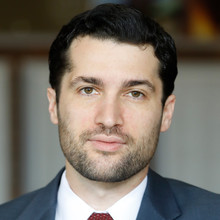
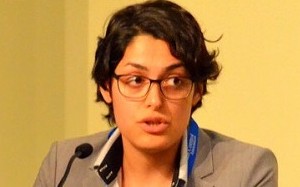
Scott R. Anderson is a Senior Editor at Lawfare and General Counsel of the Lawfare Institute. He is also a Senior Fellow in Governance Studies at the Brookings Institution and a Non-resident Senior Fellow in the National Security Law Program at Columbia Law School. He previously served as an Attorney-Adviser in the Office of the Legal Adviser at the U.S. Department of State and as the legal advisor for the U.S. Embassy in Baghdad, Iraq.
Julia Curlee is a Public Service Fellow at Lawfare and a former CIA analyst with twenty-five years of experience in national security. She served as an NSC director in the Biden and second Trump White Houses and as a PDB briefer to the Vice President. She completed multiple tours in the Middle East and South Asia and served in CIA's China Mission Center. She holds master's degrees from the National War College and American University. The opinions presented here are her own and not those of the U.S. government.
Tyler McBrien is the managing editor of Lawfare. He previously worked as an editor with the Council on Foreign Relations and a Princeton in Africa Fellow with Equal Education in South Africa, and holds an MA in international relations from the University of Chicago.
Alan Z. Rozenshtein is a Member of Technical Staff at Anthropic and Associate Professor of Law (on leave) at the University of Minnesota Law School. Previously, he served as an Attorney Advisor with the Office of Law and Policy in the National Security Division of the U.S. Department of Justice and a Special Assistant United States Attorney in the U.S. Attorney's Office for the District of Maryland.
Ariane Tabatabai is the Vice President of Research, Security and Defense at the Chicago Council on Global Affairs and a contributing editor at Lawfare. Previously, she served in a number of roles in the U.S. Department of State and Department of Defense, including as Deputy Assistant Secretary of Defense for Force Education and Training. She is the author of "No Conquest" and "No Defeat" and co-author of "Triple Axis – Iran’s Relations with Russia and China."
This week, Scott sat down with cohost emeritus and Lawfare Research Director Alan Rozenshtein, Lawfare Managing Editor Tyler McBrien, Lawfare Public Service Fellow Julia Curlee, and Lawfare Contributing Editor and Vice President of Research, Security and Defense at the Chicago Council on Global Affairs Ariane Tabatabai, to talk through the week’s big national security news stories, including:
In object lessons, Tyler remains steadfast in his mission to ensure that no one ever runs out of podcasts, this week plugging A Whole Other Country, a discovery from Tribeca Festival Audio. Alan embraces peak dad-tech with his bbq upgrade—a new, after-market temperature controller. Scott savors a delightfully spicy Supreme Court dust-up in FS Credit Opportunities Corp. v. Saba Capital Master Fund, Ltd. And Julia celebrates her mug, an appropriate mainstay during her post-White-House-PDB “deep state therapy hour.”
To receive ad-free podcasts, become a Lawfare Material Supporter at www.patreon.com/lawfare. You can also support Lawfare by making a one-time donation at https://givebutter.com/lawfare-institute.