-

The Ukraine Strain in the U.S.-UAE Partnership
The Russian invasion shows how the relationship between the United States and the UAE is changing—but also how it will remain the same. -
The Week That Was: All of Lawfare in One Post
Your weekly summary of everything on the site. -
ChinaTalk: Beijing to Britain: China in the U.K.'s Halls of Power
From then-PM David Cameron knocking back pints with Xi at the local pub to the Chinese ambassador being banned from Parliament: how has China's relationship with the UK changed since the so-called Golden... -
Today’s Headlines and Commentary
Lawfare’s daily roundup of national security news and opinion. -
The Lawfare Podcast: Are Big Sanctions Coming for a Chinese Tech Company?
-
Return of the Angry Political Man
Bill Barr volunteers his disturbing view of John Durham’s mission. -
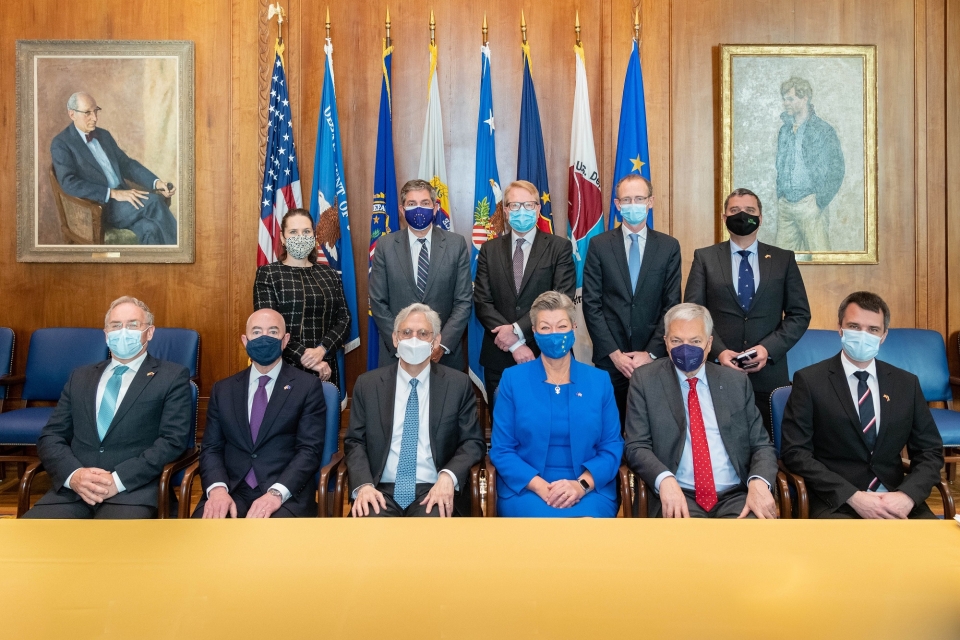
Has the Time for an EU-U.S. Agreement on E-Evidence Come and Gone?
A legislative deadlock in Brussels risks the future of U.S.-EU negotiations. -
Today’s Headlines and Commentary
Lawfare’s daily roundup of national security news and opinion. -
Drone Strikes and Evidence-Based Counterterrorism
An appreciation of the effects of targeted strikes—as well as legal and ethical assessments of them—should guide decisions about whether, when, and where to conduct strikes. -
Chatter: The Secrets of Gay Washington with Jamie Kirchick
-
The Lawfare Podcast: Bringing in the Content Moderation Auditors
-
Turns Out It Is Not 85 Percent
A recently published paper from three George Washington University students refutes a commonly cited statistic about ownership of critical infrastructure and offers a more accurate portrayal of public an... -
Today’s Headlines and Commentary
Lawfare’s daily roundup of national security news and opinion. -
Foreign Equities and Informational Restraints on U.S. Prosecutors
Recent developments allowing federal criminal enforcers access to foreign evidence without gatekeeping by foreign states will, if not attended to, increase the likelihood of friction when U.S. prosecutio... -
The Cyberlaw Podcast: Silicon Valley Speech Suppression Is Going To The Supreme Court
-
First Amendment Absolutism and Florida’s Social Media Law
The Eleventh Circuit’s opinion striking down most of Florida’s controversial social media law mostly gets the First Amendment right but also shortchanges the important government interests at stake. -
The Lawfare Podcast: China’s NFT Plans for Digital Control
-
Rational Security 2.0: The 'Washington Meltdown' Edition
-
Thoughts on the Michael Sussmann Verdict
The Michael Sussmann case was an attempt to supplant the traditional understanding of the Trump-Russia story with an insurgent model in which the more important story than the Trump-Russia relationship w... -
The Law of Armed Conflict in 2040? A New Volume
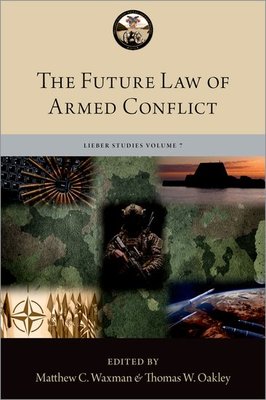
I am pleased to announce Oxford University Press’s publication of “The Future Law of Armed Conflict,” a volume I co-edited with my former student and member of West Point’s law department, Tom Oakley.










More Articles
-
You Don't Have to Sell It to Be Bound by It: GPAI and the EU AI Act
Models never released publicly may still fall under the EU AI Act. Companies cannot assume that what stays in-house stays out of scope. -
Lawfare Daily: Far-Right Gains and a Political Reckoning in Germany
Discussing what’s going on in the German political scene. -
Why We Opted Not to Work at the AI Labs
As AI labs draw professors and students away from universities, society risks losing the expertise to govern what those labs build.
-(1)-(1).png?sfvrsn=1bc11cd_4)