Can Hungary Derussify Its Electric Power Sector?


Hungary has long stood apart from the rest of the European Union in its approach to Russian energy. While countries in similar geographic and historical circumstances have taken meaningful steps to reduce their reliance on Russian natural gas and nuclear fuel—particularly following Russia’s invasion of Ukraine in 2022—Hungary moved in the opposite direction. It deepened its dependence on Russia under Viktor Orbán’s government, making its posture a persistent point of friction with the European Union and the broader Western alliance. Russian energy dependence also featured in Hungary’s recent election. After defeating Orbán and ending his 16-year premiership, the Tisza Party’s Péter Magyar became prime minister on May 9. Tisza pledged to reduce Hungary’s dependence on Russian energy by 2035 and made diversifying the energy mix a campaign promise. Moreover, since 2020, Hungary has targeted 90 percent decarbonization of electric generation by 2030, and is bound by EU regulation to eliminate Russian pipeline and liquid natural gas (LNG) imports by the end of 2027. These interrelated goals will each demand different, occasionally competing, decisions by the new government.
This piece evaluates the feasibility of these commitments within the context of Hungary’s electric power sector. It begins by mapping the structure of Hungary’s electricity market and the true depth of its Russian dependence, which is more complex than the usual gas-centric narrative suggests.
Hungary can derussify, diversify, and decarbonize its power sector at once, but only by treating nuclear power, not gas, as the keystone of its Russian dependence: By correctly sequencing nuclear fuel supply diversification, gas sourcing, and domestic low-carbon generation, Hungary can overcome the political incentives that entrenched that dependence.
The Structure of Hungary’s Electric Power Sector
As shown in Figure 1, in 2025, nuclear and solar power dominated Hungary’s electric power sector, followed by natural gas, coal, and bioenergy. Solar overtook gas as the second-largest source of electricity by 2024 at 27 percent, having grown from just 70 megawatts (MW) of installed capacity in 2017 to 8.18 gigawatts (GW) by 2025. Increased use of solar has coincided with decreased use of coal. With its last lignite-fired power plant closing soon, Hungary is set to deliver on its EU commitment to phase out coal. Gas, however, remains a major source of Hungarian electricity, supplying between 20 and 27 percent of generation for most of the past decade. Wind energy and hydro have long played only marginal roles at 1.5 and 0.5 percent, respectively, while bioenergy has hovered mostly between 4 and 7 percent, and might well develop further.
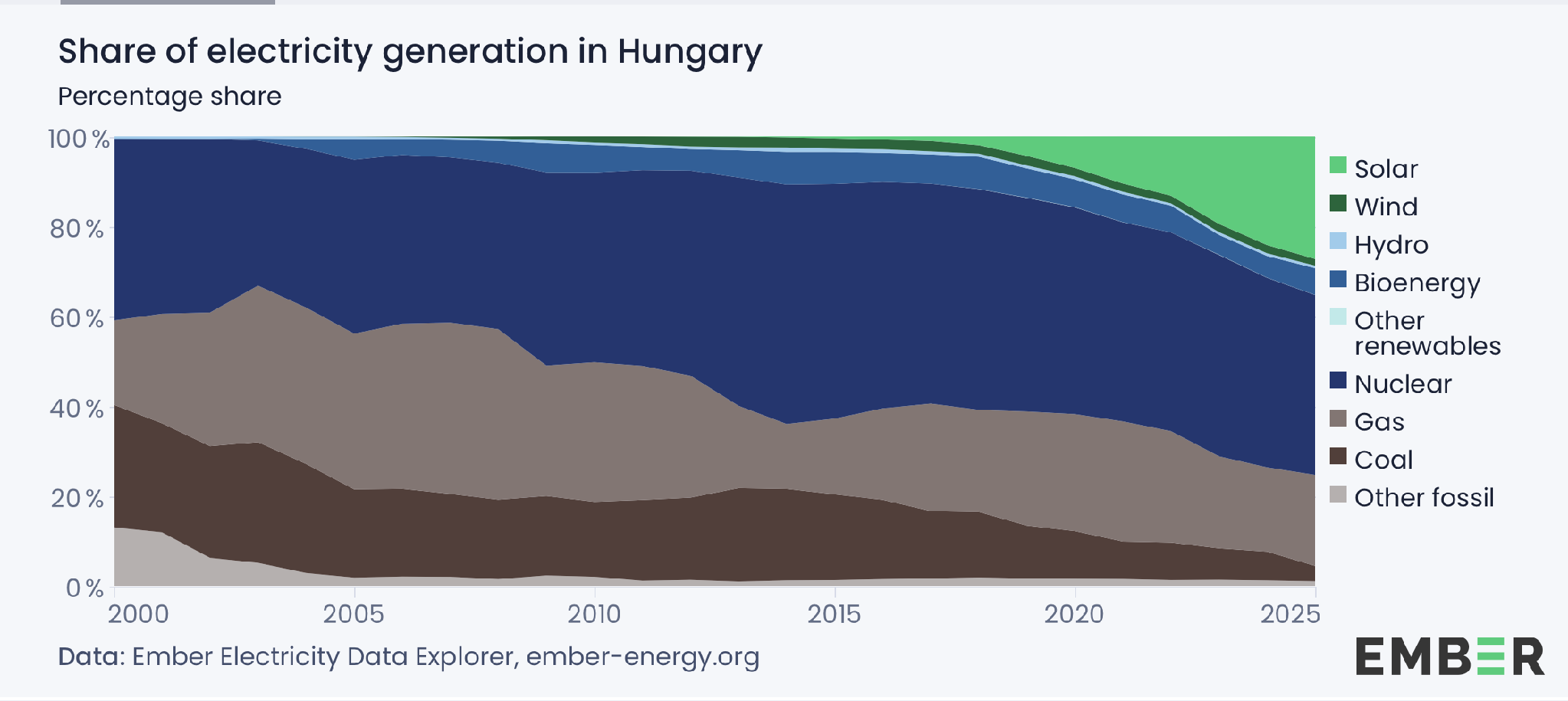
Figure 1. Hungary’s electric power sector.
Hungary’s electric grid is highly reliant on electricity imports from neighbors. Domestic generation does not meet demand. Extensive cross-border interconnections make this possible: Electricity imports peaked at 31 percent of domestic consumption in 2013. Though skyrocketing solar generation has reduced net electricity imports to around 18 percent of consumption, Hungary remains among the world’s highest electricity importers.
Dependence on Russia
While natural gas has been the most prominently discussed channel of Hungary’s reliance on Russian energy, this narrative misunderstands the nature of the dependence. Hungary produces 18-20 percent of the natural gas consumed (1.6 billion cubic meters) and imports the rest, with 90 percent of it from Russia in 2025, up from 60 percent in 2021. Because gas generates approximately 20 percent of Hungary’s electricity, Russian gas accounts for only about 14 percent of the country’s power. The larger axis of dependence lies elsewhere.
That dependence is nuclear, and it has deep historical roots. Without any organic participation in the nuclear supply fuel chain, Hungary has, since the Soviet era, relied entirely on Russia’s Rosatom for every stage of the nuclear fuel life cycle: production, supply, reprocessing, and disposal. For now, this dependence remains and will continue: Every one of Hungary’s nuclear reactors is Russian-built, with more under construction.
Decisions under Orbán’s administration reinforced and expanded Hungary’s inherited reliance on Russian nuclear infrastructure. The existing Paks Nuclear Power Plant (Paks I) comprises four Soviet-built VVER 440 (model V-213) reactors that came online between 1982 and 1987. Together, the reactors have a capacity of nearly 2,000 MW and generate 40 to 50 percent of Hungary’s electricity annually. Under Orbán, their operating lives were extended by 20 years, to 2032 and 2037, and a second 20-year extension, to 2052 and 2057, is in preparation.
Paks I is slated to be replaced by two VVER-1200 reactors (Paks II), currently under construction, with a combined capacity of 2,400 MW. Orbán’s government contracted Rosatom to build them, and a Russian state loan covers 80 percent of the project’s cost. Russia will remain involved in operations after construction is complete, and a 10-year procurement contract with Rosatom limits Paks II to Russian nuclear fuel for the foreseeable future.
Russian natural gas and Russia-sourced nuclear fuel jointly supply up to 50-60 percent of Hungary’s electric power. Hungary has plainly failed to move away from Russian energy. Even after the invasion of Ukraine, Orbán’s government deepened its reliance on Russian natural gas and doubled down on its plan to build more Russian reactors. Indeed, the Center for the Study of Democracy calls Hungary “the most significant remaining stronghold of Russian energy dependence” in Europe. While Hungary’s willingness to flout EU derussification goals has made gas the most visible channel of dependence, addressing the nuclear energy supply chain will be crucial to reducing the power sector’s overall exposure.
What Drove the Electric Power Sector’s Russification?
History and geography shaped Hungary’s electric power sector. As a landlocked country with limited natural resources, Hungary is predisposed to import dependence, a position deepened by Soviet-era infrastructure designed around Russian supply. But geography and history alone do not explain why Hungary has failed to escape these constraints.
The distinguishing factor is political choice. Other countries with comparable Soviet-era ties diversified out of concern for supply security and to signal their geopolitical alignment, but Hungary resisted until recently. To concentrate power, Orbán’s government first renationalized key segments of the energy sector, thus pursuing the popular objective of eliminating foreign corporate influence while concentrating decision-making in the state. That gave Orbán the latitude to pursue a Russia-aligned foreign policy. He handled energy diplomacy with Russia personally, negotiating contract extensions, renegotiating the terms of long-term purchase agreements, and pushing the Paks II project forward. History, in short, created a baseline of dependence on Russia, and the Orbán government’s political motivations intensified it.
These choices pay economic dividends that have, until now, reinforced dependence. Discounted Russian gas underwrites rezsicsökkentés (Hungary’s household utility price cap), a signature Orbán policy that lowered prices and won broad popular support. Hungary also became a regional transit hub for natural gas: It imports far more Russian gas than it needs domestically, with much of it at discounted rates. Government-aligned businesses then resell the excess to neighboring states at a substantial profit—for example, more than $500 million in 2024. These economic benefits keep Hungary hooked on Russian gas and make the decision to reduce dependence harder politically. While the Tisza government has indicated its commitment to its EU obligations, it has still expressed reservations about the cost and difficulty of eliminating Hungary’s Russian natural gas imports. Diversification, then, has not been blocked by lack of alternatives, but by political and economic interests that dependence sustains.
The result is a gas industry that has continuously increased Russian imports. In 2021, the MVM Group, Hungary’s dominant, vertically integrated utility, signed a 15-year contract to import 4.5 billion cubic meters of Russian gas annually, a figure raised to 6.5 billion cubic meters in 2024. When the suspension of Ukrainian transit in late 2024 cut import capacity and left TurkStream, which runs via Bulgaria and Serbia, as Russia’s last pipeline to Europe, Hungary still increased Russia’s share of its natural gas imports. Hungary’s natural gas imports surged 17 percent following the suspension, enabling it to sell this gas to the West and thereby making Hungary’s role as a transit hub even more lucrative. Actual delivery of Russian gas exceeded the contracted amount, reaching 7.6 billion cubic meters in 2024 and 7.8 billion cubic meters in 2025. Economic expediency and political alignment have therefore led to an ever more russified Hungarian electric power sector.
How Can Hungary Derussify Its Power Sector?
The most important step toward derussification is eliminating Russian nuclear fuel. Russian-fueled reactors generate a large share of Hungary’s electricity, which makes nuclear the keystone of any derussification strategy. And because the nuclear industry faces regulatory, physical, and logistical hurdles that stretch lengthy timelines, any plan has to start there.
Hungary has already begun diversifying its fuel sources. In late 2024, it struck a deal with France’s Framatome for fuel shipments beginning in 2027. A $114 million nuclear fuel procurement deal with the United States’ Westinghouse in 2025, under which the first batches will be loaded into reactors in 2028, is a clearer break. Hungary’s expanded stockpile can help turn nuclear fuel diversification into complete derussification. After the outbreak of war in Ukraine, the company operating Paks I raised its nuclear fuel stockpile to cover three years’ worth of supply. Hungary can use that fuel as a buffer while it winds down Russian imports, though it should avoid depleting the stockpile too much. With the arrival of Western shipments in 2027, Hungary could eliminate direct Russian supply by 2035—in line with Tisza’s goal.
Paks II, however, threatens to bring Russian fuel back. The 10-year fuel procurement contract with Rosatom means derussification would last only until the plant becomes operational, which is currently planned for 2032. The recently announced U.S. Small Modular Reactor projects could avert this without reducing nuclear power’s share of generation, sustaining both derussification and decarbonization. But they are unlikely to be complete by Tisza’s 2035 deadline, so if Paks I’s operating life is not extended, Paks II may have to play at least a transitional role.
Operationalizing Paks II presents political challenges. The new government has scrutinized the project’s financing, citing lack of transparency. What’s more, critics have long questioned whether the plant serves Hungarian or Russian interests. Continuing the project while the Ukraine war continues could also strain relations with Hungary’s Western partners. Yet replacing Paks II with Western alternatives would only shift Hungary’s long-term dependence from Russia to the West, defeating the purpose of diversification. Paks II could therefore still provide long-term replacement capacity and low-carbon generation, once these concerns are resolved.
Hungary’s second major dependency is natural gas, and ending it requires addressing the sector’s logistical and economic challenges. Hungary has several credible alternative sources. It has held about 16 percent of capacity in Croatia’s Krk LNG terminal since 2021 (around 6.1 billion cubic meters), though other regional buyers compete for capacity as the terminal expands. The Mosonmagyaróvár interconnector with Austria offers additional capacity. Romania’s Neptun Deep offshore gas field—expected to begin production in 2027 at around 8 billion cubic meters annually—could be a game changer, and the planned expansion of the Bulgaria-Romania-Hungary-Austria (BRUA) pipeline would let Hungary draw on some of that gas.
Together, these three corridors could replace all of Hungary’s current Russian gas imports. The main obstacle is political rather than logistical. The Orbán government repeatedly cited discounted natural gas prices to justify Russian supply arrangements, which also bolstered support for its Russia-friendly posture. Tisza argues instead that diversifying sources of imported natural gas will lower prices through competition. The need to realign with the EU to secure funding that had been suspended under Orbán, together with the EU’s legal commitment to phase out Russian gas, gives the government an incentive to make the effort.
Domestic sources can reduce Hungary’s structural need for both carbon-based and Russia-sourced energy simultaneously. Hungary’s biofuel production is an asset: It exports a large share of its supply, which could be redirected to replace some natural gas in heating or in power generation through cofiring. Geothermal can displace natural gas directly, in heating, or indirectly, in generation. Hungary’s geothermal use for power is currently negligible, but its abundant reserves could support significant generation capacity, and planned expansions in geothermal heating are estimated to displace up to 1 billion cubic meters of natural gas by 2035. Hungary is also planning to build hydrogen capacity to 20,000 tons per year by 2030, which could displace Russian natural gas in a similar fashion. Battery storage, which Hungary is now building out, will make its exceptionally high solar penetration more useful to the grid. Hungary has authorized no new solar interconnections in the past three years, but projects already in the pipeline should modestly expand solar capacity. Wind is Hungary’s clearest untapped opportunity: Recent deregulation and subsidy programs have improved the environment for the industry, yet installed capacity has not grown. None of these sources can eliminate Hungary’s dependence on Russian natural gas alone, but together they can change the dynamic while advancing decarbonization and diversification.
Electricity imports could also advance all three goals. Hungary is involved in an ongoing project to import renewable electricity from Azerbaijan through the Black Sea Submarine Cable, which could bring non-Russian electric power into the supply mix by 2029. That would diversify Hungary’s imports, improve resilience, and advance both decarbonization and derussification. Hungary must be careful, though, not to create a new vulnerability by becoming overly reliant on imports.
* * *
Hungary’s new Tisza government must balance three competing but interrelated objectives in the electric power sector: derussification, diversification, and decarbonization. Tisza’s Western-facing geopolitical reorientation, the moral case for denying Russia resources it uses to sustain its assault on Ukraine, and Russia’s weaponization of energy all make eliminating Russian dependence an immediate priority. While the war persists, Hungary should strive for complete derussification. But it should not simply replace Russian dependence with excessive reliance on Western suppliers. Hungary has long straddled East and West, and it should not become wholly and permanently dependent on either. Diversification also provides stability amid geopolitical uncertainty, so Hungary must diversify its suppliers, import routes, and generation technologies. Diversifying generation in turn advances the final objective, decarbonization, through which Hungary meets its environmental and European commitments.
Hungary cannot derussify the electric power sector without addressing nuclear power, which is also central to diversification and decarbonization. To meet Tisza’s 2035 timeline for derussifying nuclear power, Hungary should draw down existing fuel stockpiles without depleting them and shift Paks I to Western fuel as it becomes available. Once concerns about Paks II are resolved and the war ends, the plant could provide long-term replacement capacity and low-carbon generation. Hungary should also advance Western small modular reactor projects, both to diversify its nuclear technology and as a fallback if Russian fuel restrictions keep Paks II from operating by the time Paks I closes.
Eliminating Russian natural gas imports would advance both decarbonization and derussification, provided that Hungary also cuts its overall natural gas consumption. That may mean giving up discounted Russian gas. Imports from neighboring countries could serve as a temporary substitute while domestic low-carbon generation expands, and geothermal, hydrogen, wind, bioenergy, solar, and battery storage could gradually displace gas and diversify the fuel mix.
With careful sequencing and investment, Hungary can reduce its reliance on Russia, broaden its energy options, and lower emissions. Doing so will strengthen the economy, improve resilience, and realign Hungary’s foreign policy with the European Union. The path to derussifying Hungary’s power sector is neither simple nor swift, but it is available. Hungary must take it.