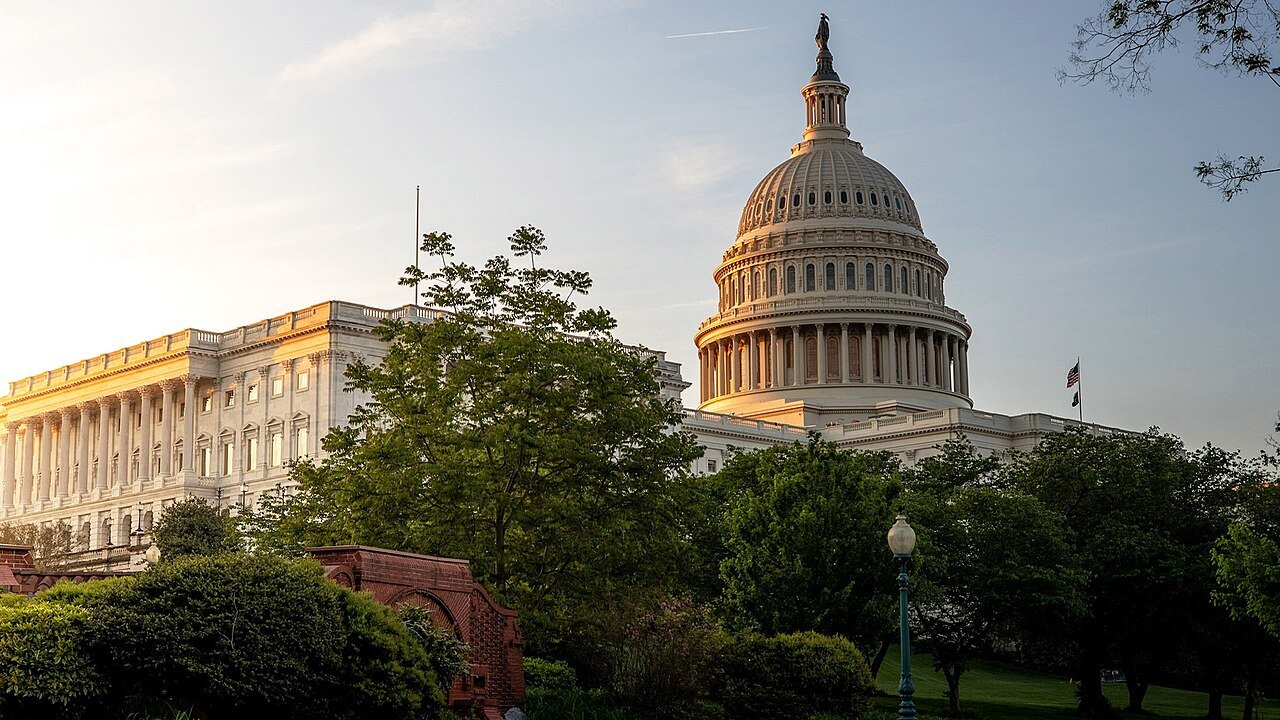
Lawfare Daily: Anna Bower on the Confirmation Hearing of Pete Hegseth
Discussing the first nomination hearing of Trump's second cabinet.

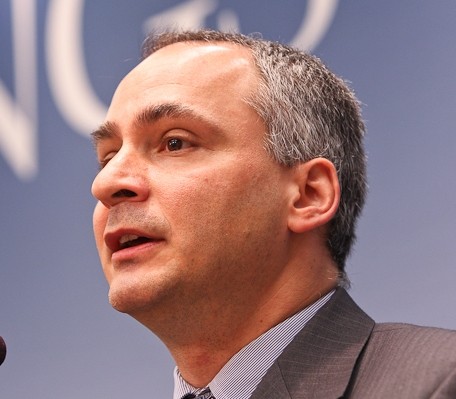
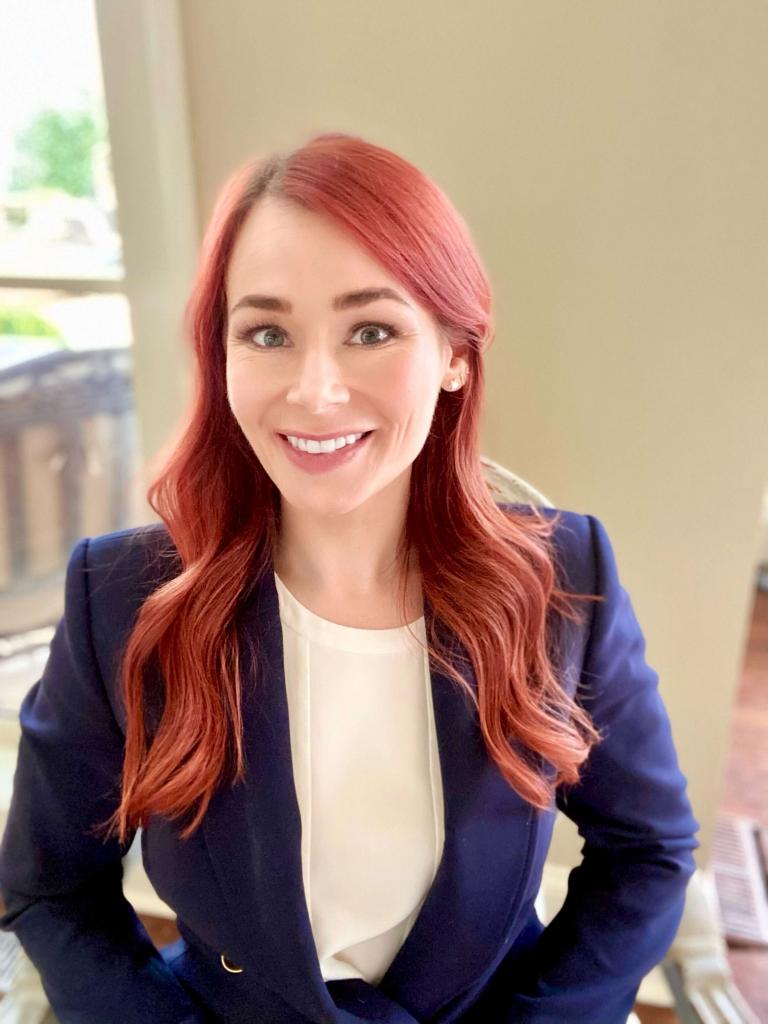

In a live conversation on January 14, Lawfare Editor-in-Chief Benjamin Wittes spoke to Lawfare Senior Editor Anna Bower about the confirmation hearing of Pete Hegseth by the Senate Armed Services Committee on his expected nomination to be secretary of defense, the first confirmation hearing for one of President-elect Trump’s cabinet nominations in his second term.
To receive ad-free podcasts, become a Lawfare Material Supporter at www.patreon.com/lawfare. You can also support Lawfare by making a one-time donation at https://givebutter.com/lawfare-institute.
Click the button below to view a transcript of this podcast. Please note that the transcript was auto-generated and may contain errors.
Transcript
[Intro]
Anna Bower: There are
some people who are kind of really embracing Pete Hegseth and, and embracing
the idea that he might be someone who, in their view, could shake things up,
even though he does not have the traditional background of someone who would
typically be nominated as secretary of defense.
Benjamin Wittes: It's
the Lawfare Podcast. I'm Benjamin Wittes, Lawfare's Editor-in-Chief
with senior editor Anna Bower.
Anna Bower: That, to
me, is a really kind of disturbing anecdote for someone to tell who's about to
be the secretary of defense because instilling, you know, the belief amongst
people in the military that rules of engagement matter and that the laws of war
matter seems really important.
Benjamin Wittes: In a
live recording on January 14th, we discussed the confirmation hearing for Pete
Hegseth by the Senate Armed Services Committee, which considered Hegseth's
nomination as secretary of defense on Tuesday morning.
[Main Podcast]
Let's start as we always do, Anna, with the line. How was the
line to get into the Pete Hegseth hearing?
Anna Bower: Well,
actually, so Ben, what I've discovered is that being a congressional reporter
who has a reserved seat in a committee confirmation hearing room, it means that
you don't have to do crazy things like show up 24 hours before the events and
start a line.
Benjamin Wittes: So
are you now one of these, like, pampered East Coast elites who just goes to
your assigned seat and acts all entitled while the scrappy, hard working
reporter with, with dust on her boots is out there sleeping out on the curb to
get in?
Anna Bower: I mean,
I, so hardly. There's, there's these big tables that they put for reporters in
between, you know, where the actual hearing is taking place and then the
audience. And there's tons of room, there were actually a lot of seats that
were just left empty I think it helps that this is available on C-SPAN, so a
lot of reporters will just report on it from the comfort of their home. And, in
fact, sometimes there's even an advantage to covering it from watching on C-SPAN
because you can watch things back if you didn't hear. you know, if you're
worried you misheard something, that kind of thing.
But I did worry at the start, then, that I'd gotten, that I'd
mistimed the line because I showed up and I saw a reporter friend of mine from
ABC and, and I said, oh, like, where's the entrance? Like, where's the line?
And she was like, oh, it's already full. I'm so sorry. And it turns out that
we'd both had bad information. And our reserve seats were there and were open
and we were able to get in. But it was crazy watching people roll up five
minutes before and just take their spot. So courts, take notes.
Benjamin Wittes: It's
a vision of your future, Anna. You're gonna, you're gonna get it. And the first
thing is you don't have to wait in line. The next thing is the Georgetown
cocktail parties, the famed Georgetown cocktail parties. And before you know
it, you will be swallowed up by the system and part of the uni-party.
Anna Bower: Oh gosh.
Well, you know, just watch out. Yeah, or I'll need to watch out actually.
Benjamin Wittes:
You'll be saying things like, you know, we're all part of the same big
conversation in this town. Some are Republicans and some are Democrats, but we
all, you know, we're all working toward the same goals by different means. It's
your future.
Oh, one more atmospherics matter. There were some protests at
the beginning during his confirmation, during his opening statement. What do we
know about them? People dragged out kicking and screaming.
Anna Bower: Yeah. So
I was sitting pretty close to one of the first protesters. It was an older
gentleman in, a kind of all cream or all beige suit who had a cane and-
Benjamin Wittes: It's
always the guys in beige suits you need to worry about.
Anna Bower: And, and
he was wearing a hat that was some type of, you know, veterans hat or military
hat. And he stood up and he said very loudly during the Pete Hegseth's opening,
I am a Vietnam veteran. And then he and I and I don't know the exact words, but
he said something to the effect of, you know, you are a Christian Zionist and
you support the killing or the war in Gaza.
And, and he was, you know, taken out very quickly and was, and
was yelling about this as he went out protesting. And then Pete Hegseth got
going again and it was, became very clear that there was likely a planned protest
of, of people who were protesting the conflict in Gaza.
Benjamin Wittes: And
do we know, Senator Cotton at one point said that one of them was Code Pink. Do,
is our assumption that this was a Code Pink protest organized, or do we not
have a sense of that?
Anna Bower: So I, I
did not know what base, like, for what reason he had to say that it was a Code
Pink protest, or, or that one of the protesters was affiliated with Code Pink
in some way. I was not aware at the time, and I'm not now what we know exactly
about and please if you've seen news reporting on this then please correct me,
but I, I just don't know what reason he had for mentioning that.
But yes at one point it did come up later in the hearing
because Tom Cotton asked Pete Hegseth about you know, do you consider yourself
a Christian Zionist. And that asked some of the things that about the what the
protesters were saying.
One other atmospheric I will say too Ben is that there were
some familiar Trump world legal, legal Trump world faces in the room today. One
of them being Tim Parlatore who has been representing Pete Hegseth, in the
recent past with respect to these allegations that have come out about him. Tim
Parlatore has kind of been a media liaison as well, you know, making statements
to the media about the legal trials and tribulations of Pete Hegseth related to
this sexual assault allegation from 2017.
Benjamin Wittes: That's
a term of art, trials and tribulations.
Anna Bower: Trials
and tri- yeah, that's what I mean. Trials and tribulations in the sense that, not
that he has had a trial or has been charged in any way in relation to the
sexual assault allegation, which there was a criminal complaint for, but there
was never, you know, a substantive kind of case because the case didn't move
forward. I, I just mean in the sense that he has faced some obstacles as he has
been nominated.
Benjamin Wittes: I
was joking. Just making a trials and tribulations joke, because, you know, the Lawfare
Live series.
Alright, so, let's start with Hegseth's opening statement.
Opening statement of a nominee is always interesting because it's kind of how
they want you to understand them. And a couple things stood out about this
opening statement to me.
The first was how much he did not run away from all the sort of
anti-woke stuff in his writings and on Fox News. And he basically took the
position wokeness is antithetical to lethality. I'm for lethality. The word
lethality was spoken just hundreds of times in this hearing, which was like a
bit of a change.
The second big theme I thought was that he just ran straight
into the idea that he's unqualified, and he didn't try to make up his qual-. He
just said, hey, there are conventionally qualified people and they've gotten us
into this mess, and so the president has decided that he wants somebody with
dust on his shoes to represent the warfighters.
And so it came off to me as his fundamental message was yeah,
I'm in a traditional sense unqualified. My qualification is that I come from
the street and have shared experiences and care about the guys who were, and he
kept calling them guys, not, you know, he would sometimes correct himself and
say men and women. But he had to correct himself.
And my other qualification is that I'm, I'm, you know, going to
tear down this, this fabric of DEI and CRT and woke that is impeding the
lethality of the military. How would you describe his self-presentation?
Anna Bower: Well,
yeah, I mean, I think that those are all good points. The other thing that
stood out to me about the opening statement was that he did not do what maybe
some people might have decided to do, which is really confront the allegations
that he's faced regarding sexual assault and drinking and financial
mismanagement in a, in a very kind of concrete head on kind of way.
I, I believe he did reference you know that there have been, you
know attacks on his character or smears or something of that effect or that
he's not a perfect man. He, he cut those were themes that he kind of touched on
when left to, you know speak about it when not prompted just with specific
questions. But I, I think that he really tried to not focus on that in his
opening statement
And I think that you know, it seems like it was, I wasn't
expecting much from his opening statement, maybe in part because I read it the
night before CNN published it. But it, it seemed that, you know, at the very
least what you can say about Pete Hegseth is he has experience presenting
himself. He has experienced being a communication guy.
Benjamin Wittes: He’s
extremely articulate.
Anna Bower: Yeah.
Benjamin Wittes: And, and he's not actually an ignoramus
on defense policy questions. He's, he, he's conversant in all kinds of, of
things.
He seems like he would be, I don't know that at one point,
Senator Blumenthal was kind of trying to, he said, I think I would, I would
support you for spokesman of the Defense Department. Which I thought was kind
of like, like, you know, you have real communication skills. He's a, he was a
very good witness before a committee in a way that. You know, I, I don't know
that I was expecting.
Anna Bower: And he's
really good at not answering questions, right? And I think that that actually
is something that maybe the Democrats on the committee who were trying to nail
down responses really, either weren't prepared enough for. Or just he was so
good at giving non responsive answers that they really often, you know, let him
get away with a lot of kind of non responses then maybe they should have.
Benjamin Wittes: All
right, so seems to me we had two completely different hearings here one was
republicans having either bought into this idea of the proudly unqualified guy.
And some of them were really explicit on this point. Markwayne Mullins actually
went off on a long rant about how qualifications are kind of garbage and the
only legal qualification for being secretary of defense is that you'd be a
civilian.
And then, you know, most of the Republicans were, I think, not
up for embracing the idea of an unqualified nominee, but just kind of ignored
it and tried to talk defense or DEI policy with him. What did you, let's talk
about the Republican side of the questioning first. What did you think was
interesting and, and worth bringing out there?
Anna Bower: Yeah,
well, and you also have some people who kind of use their time to, instead of
really questioning him, just giving a stump speech about DEI and the military,
which very much goes toward your idea that there are some people who are kind
of really embracing Pete Hegseth. And, and embracing the idea that he might be
someone who in their view could shake things up, even though he does not have
the traditional background of someone who would typically be nominated as
Secretary of Defense.
I think on the other side of things though, the person who
stands out to me the most, who everyone was wondering what exactly the content
and substance of her questioning would be, is Joni Ernst. Who is kind of one of
the Republican voices on the committee, who people were looking to in terms of
a litmus test for how, how might some other senators feel about this. Will
people kind of really fall into place and, and go for the Hegseth nomination
despite all of these allegations that have come out about reports of drinking
in the workplace financial mismanagement? All of that.
And, and she, instead of, you know, really focusing on any of
those things and trying to, you know, have a substantive conversation with them
about it more so focused on, you know, how will you audit the Pentagon, which
has been something that she is, you know, a Pentagon audit is something that
she's supported.
So it very much was in the category that I, I agree with you,
the kind of ignoring the bad and, and by those omissions really suggesting that
she has put aside any real concerns or possibility that she might not support
his nomination. Did you get that sense?
Benjamin Wittes: Oh
yeah, I mean, I, I thought, the moment she started talking, I thought, okay, no
chance she's voting against him based on this record. And realistically, that
means he gets confirmed.
And I think the entire hearing proceeded on that assumption,
that absent a change in the record, he gets confirmed. And I think the
Democrats were operating on that assumption. And the Republicans certainly
were, and she was the one who had the opportunity to change that equilibrium
and create a different default outcome. And boy, did she not do it.
Anna Bower: No, she
didn't. And the other thing I'll say too, Ben, and I'm curious for your
thoughts on it is what did you make of some of these comments that were made
throughout the hearing about the FBI background report? And do you, and this
idea that it was insufficient, that there weren't conversations with people who
might have relevant knowledge about some of these allegations have been raised.
I mean to what extent do you think that any of that would have actually made a
difference for someone like Ernst, you know, or is it just the case that it
probably wouldn't have mattered anyway?
Benjamin Wittes: So
look, I don't know. I don't know what the FBI did and didn't do. And I also
don't know what the people that they talked to told them, right? And so,
without knowing that, it's very hard to know is the problem with the FBI
investigation that a robust one didn't happen, and if not, why not, right? Why
was it scoped too narrowly?
Or whether the problem is, you know, the results say, what the
results say and people don't care. And I think it's, you know, we know that
sometimes, you know, the, the FBI in the context of these background
investigations, investigates what it's asked to investigate. And so it's
possible that the, you know, the request was narrow and doesn't reach a whole
bunch of the matters that have been alleged, which would be awful.
I mean, and that's not really the way those investigations are
supposed to work. So I don't know the answer to the question. I did notice. as
you did, that the ranking member complained about it. He also complained that
there was only one round of questions. The Democrats had clearly wanted to ask
more questions.
And so the process does seem to have been constrained in a
fashion so as to be protective of Hegseth, and whether that was because everybody
knows how this is coming out and everybody knows how everybody's voting, so
let's just get on with it. Or whether it's because the majority has the reins
and they're doing things in the manner that they want to do them, I really
don't know.
I do notice that the Democratic complaints were mild. Jack
Reed, the ranking member, put a bunch of stuff on the record, but he did it in
a very friendly way. And then when Mark Kelly brought it up again, he did it in
a very friendly way. There was no, normally when it's not kind of, you know, it
didn't, it never got contentious.
And so it does, it did have a little bit of a, the feel of
everybody knew this was how it was going to happen. And everybody knew the
Democrats had to object. And nobody minded all that much. But that's just a
hypothesis on my part.
Anna Bower: Well, so
let's talk about the Democrats questioning. What did you make of that aspect of
the hearing?
Benjamin Wittes:
Well, so it, it, they covered all the ground that I expected them to cover, but
they did it in first of all, a different order than I expected. And I think
that that's a Kavanaugh effect. They made some calculations that were, so they
did not put the rape allegation up front.
With the exception of Mazie Hirono, all the hard questionings
on that allegation were done by men which I thought was a deliberate strategic
judgment and a very interesting one. And the most important exchanges on those
issues were done by Tim Kaine, who, by the way, did a terrific job with it. You
could really see his Richmond trial lawyer background coming out, you know, habeas
case lawyer coming out in, in that.
And I thought what they were trying to do, I'd be curious for
your sense of this, my sense is they were trying to get him pinned down on the
record denying this and acknowledging that it would be disqualifying if it were
true. This and the alcoholism and the, you know, the, the treatment of women in
the, in, in various offices and the showing up drunk, right? And then later
drop the evidence that this stuff really happened.
And I don't know that that latter part is right. But it did
seem to me like both he and Kelly in particular, with these questions, would
this be disqualifying if it were true, which he never really answered by the
way. I thought was, they seem to be setting him up for later disclosures, and I
don't know that to be true. But I'm not sure I understand why you would do the
questioning that way if you didn't have something in your pocket. What did you
think?
Anna Bower: Yeah, I
think that that's right. I think that was a very effective part of the hearing.
I think they were most effective when, doing a kind of cross examination like
type of questioning because it was much harder for him to give non-responsive
answers. And, you know, it made it all the more clear that he was avoiding
giving answers when he did try to give those non-responses.
One of the things that really stood out to me, for example, I
believe this was Kelly, but correct me if I'm wrong and it was maybe Kaine and
I'm misremembering. When Kelly went through the sequences of events and, you
know, wanted Hegseth to say, you know, yes or no, this happened. And he just
kept responding, anonymous smears, anonymous smears, rather than saying, no, it
didn't happen or no, that's completely false. It's kind of a weasel word,
right?
Benjamin Wittes: It's
kind of a non denial denial.
Anna Bower: Yeah.
Benjamin Wittes: Although
and it it's enough, you know, not that he was under oath or although there, I,
I, nobody's talking in the criminal context. But if you showed that that really
did happen it's enough to get you out of a false statements or perjury thing.
I think you'd have a very hard time getting confirmed if you, if
you hung your hat on the difference between anonymous smear and false, right?
Like, so I think, I think it's a clever strategy on the part of Tim Kaine and
Mark Kelly. If in fact they have something to drop if they don't then I'm not
sure what it is except noise.
Anna Bower: Yeah, and
then I, I will say outside of those questions about the sexual assault
allegations the drinking that kind of thing the other line of questioning that
I found really effective from the democrats was the newest member of the
committee, Elissa Slotkin. Who talked, focused a lot, and this also was a focus
at an earlier part of the hearing about where the Democrats on the committee
were trying to really pin down, like, what are you willing to do as secretary
of defense?
Because there's so much concern about what if Trump gives in
order to, you know, invade Greenland. That was one line of questioning, is, you
know, would you carry out in order to invade our ally or to invade the
territory of our ally? That, but Elissa Slotkin, I think, really got it the
most right in terms of the questions that she was asking, in which she focused
on, you know, if there's an illegal order that is issued, that goes against our
constitutional structure, would you carry it out?
And he, he really kept trying to dodge her, nd kept saying, I
disagree with the premise that President Trump would ever issue an order that
is unconstitutional or that kind of thing, as opposed to just saying, no, I
wouldn't carry out an unlawful order.
Benjamin Wittes: And
when actually pushed to the wall on it, what he said was interesting, which was
there are laws and rules in place to make sure it wouldn't happen, right? Which
is actually, first of all, of complicated truth. It's not clearly untrue, but
it's not clearly true. No, I thought it was a very effective line of
questioning. So here is from a macro point of view, is this all kabuki theater
or does any of it matter?
Anna Bower: I mean,
look, I, I always think that these things matter in terms of the public being
able to see who it is that has been nominated for secretary of defense. It
matters just for the principle of it. It matters that we have this process, but
whether it actually matters for the bottom line of whether Pete Hegseth will or
will not be confirmed, I don't know.
And it in part depends on what you mentioned about it did seem
like maybe there could be some questions here that were setting up a situation
in which if there's additional information, additional witnesses who come
forward, there could at some point be some kind of record that's developed
between now and when Hegseth's nomination is supposed to be put to a vote in
the committee or, you know, for the Senate as a whole that, you know, you could
develop some kind of facts that changes the calculus here.
But right now I just don't see, I, I see this nomination moving
forward and Pete Hegseth being confirmed.
Benjamin Wittes: I
completely agree. I think absent an intervening event, you will have a party
line vote in the committee leading to a party line vote with maybe two but not
three Republican defections on the Senate floor.
All right, I want to talk about a few other features of this
hearing that really jumped out at me. One, the number of Democrats who
complained that Hegseth did not meet with them. Normally, when you are a
executive branch nominee, you do a courtesy call on, certainly any of the
members of the committee of jurisdiction that will meet with you. And you often
ask for meetings with people who you think are reluctant to vote for you.
I was very surprised, but that Hegseth apparently didn't meet
with any Democrats, although it's not clear to me whether he met with the
ranking member. But no Democrat that I noticed said, in my meeting with you
blah blah blah and quite a few complained that he had not met with them. And so
I'm interested in your sense of why would you play it that way if you're Pete Hegseth.
There's no harm in meeting with somebody. These are people you're going to have
to work with as SecDef. What do you think is going on here?
Anna Bower: Well, and
so I don't know, but I, one question that I had, which we've been pretty
wrapped up in some of the Trump trial stuff that I have not been watching as
closely as I maybe would have in the past week or two. Is this something that
is, is happening with other Trump nominees or? You know, is it a Trump nominee
thing, or is it a Pete Hegseth thing? So I just don't know what the answer to
that is.
He, he does strike me, though. I mean, look, he's been a Fox
News personality. He, if you read parts of his book, he's, he's very combative,
and I think that that came out at times when he was having some of these
exchanges with the Democrats who were questioning him.
Benjamin Wittes: But,
you know, Bill Barr is very combative too, but if you invite him to your office
as a senator when he's a nominee, he's going to show up at whatever time you
say.
Anna Bower: Well, so
what do you make of it then?
Benjamin Wittes:
Well, I don't know. I mean, one possibility is that it was a strategic decision
by Hegseth or by his handlers that there's no chance of any democratic vote. So
don't spend any time working for them because the, the only thing that matters
is can you bag Joni Ernst and Deb Fischer, who are the, the relevant people on
the committee. And as Republican women go on the committee, the Senate will go.
The second possibility is that it was a Trump thing, right?
That party discipline is the only thing that matters, and that this is
actually, we're going to see the same thing from Pam Bondi, we're going to see
the same thing.
But I thought it was really striking, it's unthinkable that a
nominee for George W. Bush, Or George H.W. Bush, or Ronald Reagan, or Richard
Nixon, or Gerald Ford wouldn't meet with, you know, the Democrat members of the
authorizing committee. That strikes me as a novel development that I've just
never heard of before.
Anna Bower: Well, and
particularly given Hegseth's, you know, claims during the hearing today that he
believes that this is a non partisan position and that you know, he or that
partisanship doesn't have a role in the secretary of defense's job like that
kind of thing, It was quite hard to square what he was saying about that with
his unwillingness to meet with them. But there are a lot of things that he said
today that were hard to square with his past conduct or past statements.
Benjamin Wittes: What
are you thinking of like that? He, that he supports women in combat.
Anna Bower: Yeah. So
that's the main one is that, I mean, a month ago, he was on a podcast saying
something to the effect of. I don't think that women should be in combat. And
then today he's saying, oh, I've never, I, I believe that women can be in all
roles in the military.
Benjamin Wittes: And
that it's purely a matter of having objective standards.
Anna Bower: Right.
And, and so he kept going back to this again and again, but that is not at all
what he has said in the past. In his book, he said some, some line like, when
the boys go on the, you know, battlefield. And then he's like, and it should be
boys.
And, you know, there's all kinds of statements that he has said
that indicate that he at least publicly had the position that he doesn't
believe women should be in combat roles. He really just did a complete reversal
of that, or tried to, and it even prompted one senator to say, well, I
appreciate, sarcastically, well, I appreciate the 11th hour conversion.
Benjamin Wittes: So
he had a similar flip on his law of war, prior enthusiasm for war crimes, which
seems to have, I'm trying to, this is an area about which precision on lawfare
matters. I had understood his position to be, we should not be fighting Geneva
Convention rules while the other side fights with no rules.
And now he seems to take the position, with which I actually
agree as a matter of policy, that, at least in principle, that the complaint is
not about the Geneva Conventions or about the law of armed conflict. It is
about the layers of additional policy restriction we put on top of that. And
that his, you know, that these are overly restrictive rules of engagement, and
within the context of the Geneva Conventions, we should lighten up on some of
that stuff, as Mattis did in the run up to the ISIS conflict.
Do you have a sense of, to be fair to him, I have not looked at
his past statements on this with the kind of care that prepared me for, for
figuring out whether he was obfuscating or whether he was drawing a careful
distinction today. Do you have a sense of which is the reality here?
Anna Bower: So I, I
think that that is a charitable interpretation of what he was saying today. I,
I do think his past statements are a little bit, like, he, he has certainly
said things that are, you know, we shouldn't be following these laws that were
written 80 years ago. And it's clear he's talking about the Geneva Convention.
Benjamin Wittes: And
he says in mahogany paneled rooms, which I want to know how he knows what the
paneling was in the rooms where the Geneva Conventions were written. How does
he know it wasn't rosewood paneling or birch?
Anna Bower: Who
knows? But yeah, I, so it's clear that he's made, he's kind of flirted with
this idea that he's not a fan of the Geneva Conventions. But I mean also today,
Ben, there were times, even though I think you articulated very well what a potentially
overly charitable interpretation of what he was saying today is because I, I
took him to be a little bit more skeptical of the substance of the Geneva
Convention than what's described today.
But I, because, and part of that is because at other times he
would say things like, well, Senator, you know, we should never have these
international bodies telling us, you know, what we're, we should be doing here
in America. And it's like, well, that is, that literally is international law.
Benjamin Wittes:
Right. And it's also not a good description of the Geneva Convention, since the
Geneva Conventions were, negotiated, among other things, by the United States
and were, you know, ratified by the Senate of the United States. I mean, there
is a, it's not like, you know, the UN swooping in and telling you what you are
and aren't allowed to do on the battlefield.
Anna Bower: And I
think that that's part of my point, though, is just that he, he seems to, he
goes back and forth. And he says these things that he's so imprecise about what
he means that you're kind of like, well, what do you actually believe and what
do you even actually mean and what specifically are you talking about?
And, you know, that's a theme throughout this hearing where.
For example, he kept talking again and again about standards and how standards
have changed. And, you know, that is his big complaint with the military is
that we're not ready, we're not prepared and not lethal anymore because of
these changing standards.
And then Senator Gillibrand, you know, got to the point of
saying, well, can you give me one example where standards have changed and
where, you know, women can meet a lower standard than, than men, and, that kind
of thing I thought was quite effective.
Benjamin Wittes:
Like, he couldn't cite her a single example, and didn't try. He seemed to be
channeling the resentful kind of men's locker room like chit chat water cooler,
like about how we're less effective because of all the, you know, because the
standards have gone down so that they can have more women. But it was
interesting how data less it was.
Anna Bower: Well,
it's very Trumpian because, you know, she said, can you give me an example? And
his response was, you know, when I was writing my book, there were many, many
people that I talked to in the military.
Benjamin Wittes: And one
hundred percent of them. What my initial reaction to is that sounds like
selection bias to me. I'm sure I could find a hundred people who are really
resentful of women combat soldiers if I went looking for them.
Anna Bower: Yeah. And
well, it's, so there's that, but it's also just in terms of how Trumpian it is,
it's a version of the many people are saying, which is Trump's favorite line of
argument, or supporting his arguments, is he just throws out a premise that is
many people are saying, even if it's one person saying it. And, and then, you
know, that's his evidence. And Hegseth was channeling that.
Benjamin Wittes:
Yeah, I also, there was a similar exchange, I forget with whom, about his
defense of people who'd been accused of war crimes, in which he kept insisting
that these were, you know, people who had been acquitted and, you know, his,
the Senate interlocutors said, wait a minute, you don't need a pardon if you've
been acquitted. These are people who were convicted.
You know, these are not, I think, positions you take if you
think you're going to be nominated to be SecDef. But if you want to sell a lot
of books and be on Fox News, they're, they're very good positions to take, I
suppose.
Anna Bower: Well, on
that, on that line of thought, I, I thought that one of the most bizarre
moments of the hearing was when Senator Reed, I believe it was, questioned him
about the term I don't even know actually if this term is a bad term or not
because I've never even heard it used before But I thought that he said Jag,
but the term is, is it jagoff? Is that the term?
Benjamin Wittes: Yes,
the term is JAG-off and obviously it refers to JAGs whom we don't like because
they say no to us, right? And it is a term of opprobrium used to refer to
operational lawyers who restrict operator's conduct.
Anna Bower: And I,
but I thought that it was, so my understanding is that it's also a term that is
used kind of regionally in like Chicago or in, in Philadelphia as a kind of
more general insult that people can use for someone who's like a jerk.
But in the military context, it is often, apparently, according
to Hegseth, in his book, and then as he described today, he used to refer to
JAG officers, the people, you know, prosecute military crimes. But it was
interesting because I was interested in this. After the hearing and looked at
his book, he describes using that term to refer to JAG officers. And he says at
one point, you know, some of them are doing good work, but most of them are
people who spend more time prosecuting our troops than they do putting the bad
guys in jail.
And it's like, well, so wait a second, like the kind of, if you
think about it, it just raises the question of, does he think that anyone who
is in the military can not also at times do things that would be, you know, a
quote, bad guy thing to do.
Benjamin Wittes: But,
So I'm, I want to say, I want to defend him on this point. First of all, I am
unaware of its regional use in the nonmilitary context, but I think in any
field in which lawyers routinely interact with non-lawyers, there are people
who have pejorative attitudes, frustrated attitudes toward me. So the lawyers
who prevent them from doing anything they want to do. You see this in Silicon
Valley with engineers all the time.
You know, anytime that the blank culture interacts with the
legal culture, there's going to be some resentment of the lawyers in the blank
culture. And I don't begrudge him somewhat off color use, term, except insofar
as he's suggesting that war criminals shouldn't be prosecuted. Where the issue
there isn't the term, from my point of view, it's the substantive view that
American troops should be able to commit war crimes without being prosecuted
for it, which is a outrageous thing for a SecDef to believe.
Anna Bower: Right.
And the, and the reason that, and I'm, it's not the term whatsoever. I mean,
look, it's. People within, you know military culture, there's all kinds of
nicknames that, and kind of, you know, making fun of different, you know,
people who are in this. This group or that group or whatever and it's, and it's
sometimes in good fun sometimes not so much, but, so I, I take the point there,
but I, I think it though does actually, the way he talks about JAG officers is
what is more important to me and is something that is more revealing about him.
In the book when I went and looked at this book, you know,
where he's explaining why he calls them that term, JAG officers. He then gives
an anecdote in which he talks about how he wants, a JAG officer once gave his
platoon in Iraq in 2005, a presentation on rules of engagement and gave them
this hypothetical and told them, you know, in this situation, you're not
allowed to fire because X, Y, and Z. And, you know, it won't be legal and
proper if you, if you were to go ahead and, and fire in this situation.
And so then Hegseth recounts how he then went to his platoon
afterward and said, hey guys, you know, I just don't want any of that nonsense
that you were just told to get into your head. Cause it's just bullshit rules
and it's gonna get people killed.
Like, that to me is a really kind of disturbing, disturbing
anecdote for someone to tell who's about to be the Secretary of Defense because
instilling, you know, the belief amongst people in the military that rules of
engagement matter and that the laws of war matter seems really important.
Benjamin Wittes:
Right. So I certainly agree with that. I just don't want to confuse that
substantive point with the pejorative use of the term, which you know, it seems
to me like making a lawyer joke and that's one of the things the culture is
allowed to do.
Anna Bower: Yeah. And
I, and I think though the reason it was raised is because it shows like in the
context that he has used it and the, the way that he uses it in the book, it
suggests a kind of disdain for, you know, the laws of war and, and that that is
why it was, it was brought up at this hearing. And, and, you know, what it says
about how he thinks about prosecutors who prosecute war crimes kind of thing.
Benjamin Wittes: All
right, Tracy, you have a question.
Audience Member: Yeah.
My question was about how I thought that Pete Hegseth and the Republicans kind
of had a, were signaling each other by using the terms America First and
lethality. And, and yeah, I, I've heard the term America First, but it really
seemed to me to be, to stand for something deeper, that they all understood,
and the rest of us maybe didn't.
And so, I guess my question is, is there some place where we
can read more about what this ideology is? Is it a Project 2025 thing? Did you
see that? Or did you notice that when you were watching the hearing? Or is this
just a bunch of BS? You know, and that they're just using these terms, you
know, in meaningless ways.
Benjamin Wittes: It's
a super interesting question. Anna, do you have thoughts on it?
Anna Bower: So yeah,
America First has definitely been Trump's like kind of an overarching word for
his, this is Trump's platform and his policies. And they often talk about, you
know, this is an America First policy and, and, and whatnot. And it's basically
just a shorthand for this is, you know, Trump's platform and, and Trump's
policies.
The lethality thing is really interesting and I have not I did
not know until today that it had been such a buzzword amongst Republicans who
are talking about armed services and the Defense Department. So Ben, I'm
curious if that was something that rang any bells for you, because it's not
something that I knew was such a, you know, recurrent theme within that policy
platform.
Benjamin Wittes:
Yeah. So these are two terms that have very different origins and histories and
entered this lexicon in very different ways. Lethality is a military term and
it is a it's a, it's a shorthand way of describing force effectiveness at
accomplishing lethal military objectives, right? How, how effectively does X
set of units perform using X weapon systems in, you know, demolishing X sets of
targets, right?
So when people use the term lethality in this context, what
they mean, and this, how this became a buzzword in Republican anti-DEI circles,
I don't really know. But the trajectory of the term is, you know, as you start
focusing on things like climate change, on things like, which by the way the
has very good reason to focus on given that certain, a lot of bases are in
places where sea level rise is expected to cause extensive damage. And so
you're not actually talking, it's not a trivial thing, climate change for the
military.
But when it focuses on things like DEI or the word that really
aggravates Hegseth is equity. When, when you focus on things like, you know,
things that are values other than warfighting values per se, right, that the
result is a drop in effectiveness. This is the claim, I'm not endorsing the
claim, I'm repeating it here, and that the measure of the effectiveness is
lethality. And I think a lot of people in the military, would not object to the
use of the word lethality as a benchmark against which a military effectiveness
should be measured.
How it became something that Republicans use and Democrats
don't is an interesting question. America First is a different thing. It's a
political platform and it's something that, you know, you wouldn't see a bunch
of military officers sitting around and talking about America First, right?
It's a political platform that in its original form dates to the 1930s.
It was it was the platform for of the isolationist, antiwar,
and ultimately pro-Nazi movement of Americans. It was led by a bunch of people,
including Charles Lindbergh, and it was extremely powerful. It was the major
foreign policy opposition to Roosevelt in the late 30s and through 1940 and up
to December 1941.
And Trump very self consciously re-adopted that language in
2016 to refer to whatever he thinks is good policy in the foreign policy
department. And there have been a lot of efforts, particularly by Michael
Anton, by other people in the Trump foreign policy orbit, to describe Stephen
Miller, what America First foreign policy is. Some of them more successful and
compelling than others.
But it is, it's very different from, when Hegseth talks about
that, when he says America first foreign policy, he just means Trump's foreign
policy objectives. There's no objective measure of that.
Somebody asks in the chat, what about the term war fighters? Again,
war fighters is a term that is roughly approximate there, again, there's, I
think there's nothing in principle objectionable about the use of the term.
People not in the military culture will often say soldiers, but of course
soldiers is distinct from sailors, airmen, marines, and war fighters is kind of
a catch all, roughly approximate to servicemen or service personnel.
To me, the most interesting phrase that Hegseth kept using wasn’t
war fighters, but warrior ethos. And a bunch of the Republican senators used
that as well. They praised him for his warrior ethos and that is a term that I
do not know actually. And have not, it had a weird Nietzschean vibe to me and I,
I don't know what it refers to other than the sense that the military should be
big and strong and should stand by war criminals. All right, we are going to
wrap up. Anna, do you have any further thoughts before we do?
Anna Bower: Well, I
feel like it would be a mistake for us to not mention that one thing that they
didn't really talk about it all and that was completely absent from Hegseth's
opening statement. And, and then that subsequently raised a question about it
from senator is the conflicts in Ukraine.
Ben, at one point Hegseth eventually did address this and say
something like, well, that's a presidential policy level decision. And of
course we know who the good guy is and who the bad guy is. And we want
everything to be as advantageous for the Ukrainians as possible. I think that.
Benjamin Wittes: He
didn't say for the Ukrainians. He said, he never articulated who the good side
and who the bad side is. We know who the good side and who the bad side is. And
we want, Trump's been very clear that we want an end to this conflict. And we
hope it will end on, in a fashion most advantageous to the good guys, I think
was the way he put it. That's not obviously a quote.
But it's, he very conspicuously didn't say the right, you know,
identify who was who, although he left it semi implicit, I suppose. And it's
all designed, and I, I think on this, I've got to say probably rightly so,
given that his principal hasn't articulated what the policy is. You know, he
can't get ahead of the president on that. And so I actually, as much as it
repulses me that the Trump, incoming Trump administration can't say Ukraine is
the good guys, Russia is the bad guys, I, I think without Trump's express
consent it would have been very wrong of him to get out ahead of Trump on that.
All right, who's it gonna be tomorrow, Anna? Are you, you going
to another hearing tomorrow?
Anna Bower: One of us
will be there. Pam Bondi is scheduled to be on tomorrow. Pam Bondi has two days
scheduled this week, so that will make for some interesting hearings, and I'm
sure that we'll talk about it before the end of the week.
Benjamin Wittes: We
will be back tomorrow afternoon to talk about the Pam Bondi hearing. I think
the intelligence committee is having a hearing tomorrow as well. Is that right?
Anna Bower: That sounds right.
Benjamin Wittes: Different people will go to different
hearings and we'll all circle up at the end of the day. We will talk to you
after that.
The Lawfare Podcast is produced in cooperation with the
Brookings Institution. You can get ad-free versions of this and other Lawfare
podcasts by becoming a material supporter of Lawfare using our website,
lawfaremedia.org/support. You'll also get access to special events and other
content available only to our supporters.
Have you rated and reviewed the Lawfare Podcast? If not,
please do so wherever you get your podcasts. And look out for our other podcast
offerings. This podcast is edited by Jen Patja. Our theme music is from Alibi
Music. As always, thanks for listenin.
_transits_the_caribbean_sea_(36534339183).jpg?sfvrsn=ac022da4_5)