Lawfare Daily: DOJ’s Very Online Civil Rights Head, with Quinta Jurecic and Anna Bower

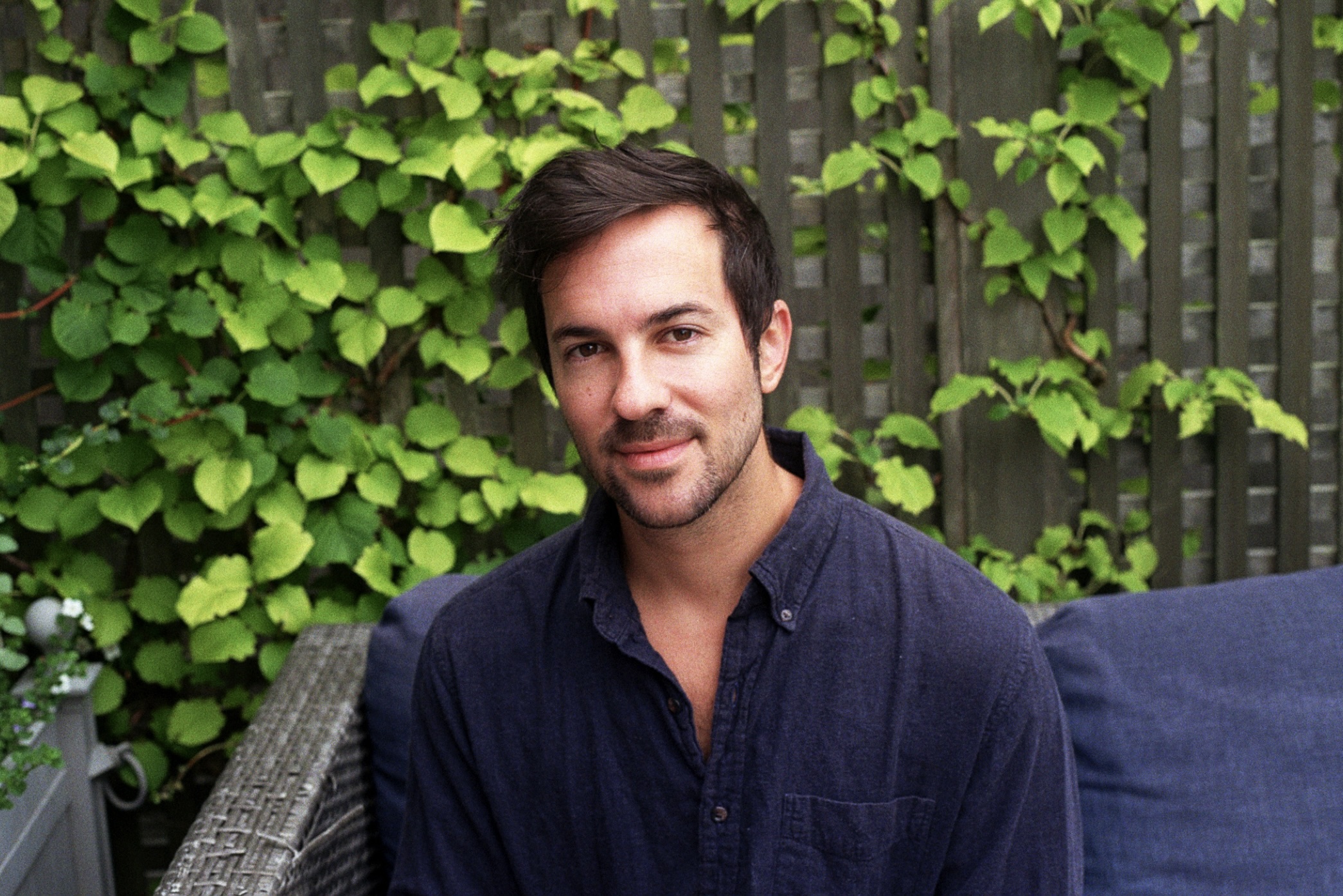
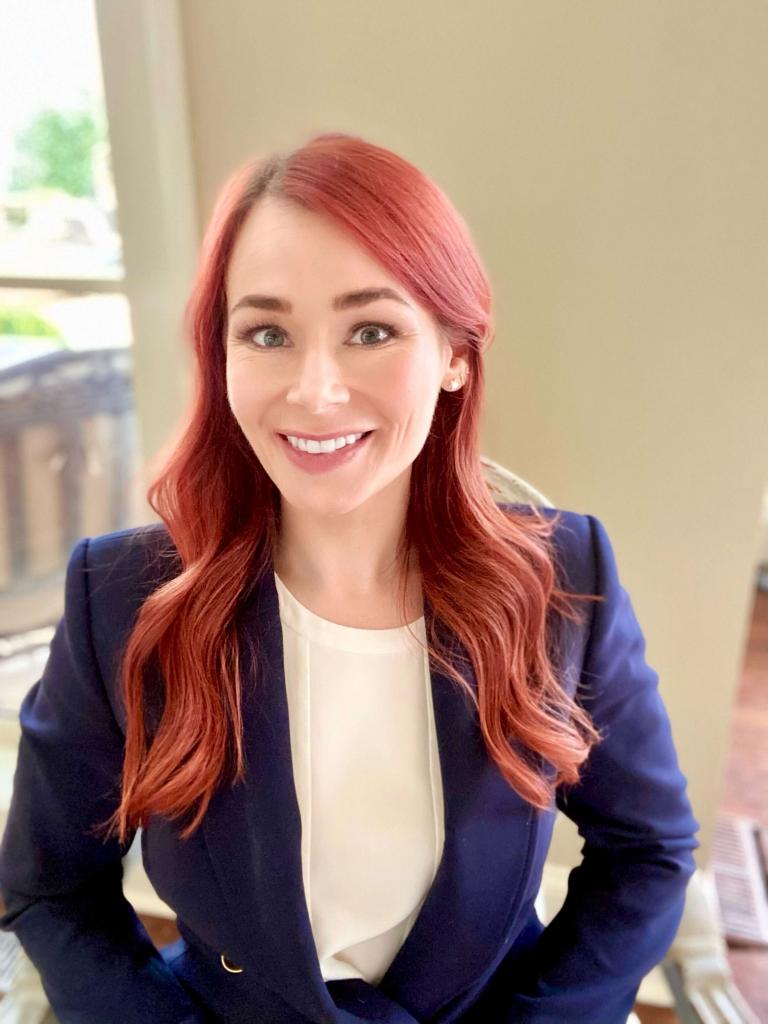

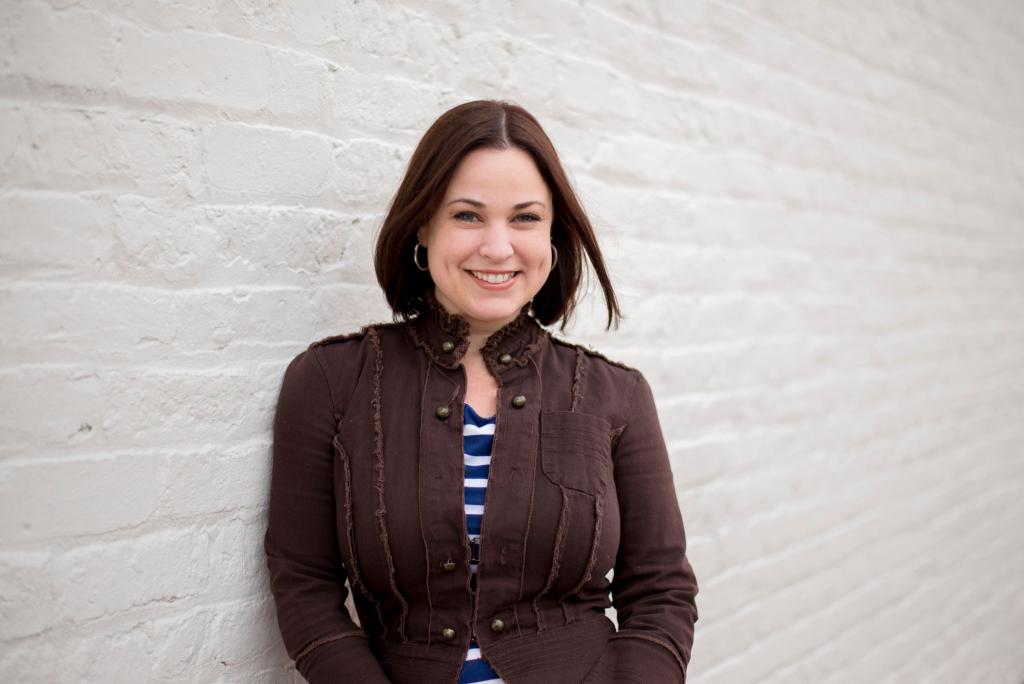
In her recent profile of Harmeet Dhillon, the assistant attorney general for civil rights at the Department of Justice, The Atlantic’s Quinta Jurecic writes, “Dhillon’s leadership of the division is both the next step in the natural progression of a career spent needling liberals and a preview of what is to come if she continues to rise within the Justice Department.” But, Jurecic notes, Dhillon may be “at the top of her game, yet her position has never appeared more precarious.”
For today’s episode, Lawfare Managing Editor Tyler McBrien sits down with Jurecic and Lawfare Senior Editor Anna Bower to talk through the life and times of the Justice Department’s current head of the civil rights division. They discuss Dhillon's extensive social media presence, the hallmarks of her tenure at the Justice Department thus far, and why there may be limits to how high she can climb in the MAGA movement.
To receive ad-free podcasts, become a Lawfare Material Supporter at www.patreon.com/lawfare. You can also support Lawfare by making a one-time donation at https://givebutter.com/
Click the button below to view a transcript of this podcast. Please note that the transcript was auto-generated and may contain errors.
Transcript
[Intro]
Anna Bower: It was
only, you know, several hours after this church service protest started going
viral, that we started to see Harmeet Dhillon, you know, posting about it. And
eventually the Justice Department, the Civil Rights Division, you know,
investigated this, brought charges against, you know, over two dozen people who
were involved in this protest at the church.
Tyler McBrien: It's
the Lawfare Podcast. I'm Tyler McBrien, managing editor of Lawfare,
with Quinta Jurecic, a staff writer at The Atlantic, and Anna Bower, a senior
editor here at Lawfare.
Quinta Jurecic: It
seems to me that you should want DOJ to actually be putting in the time and the
work to seriously investigate these cases in ways that will actually resolve
the issues rather than this sort of slap dash, social media driven approach
that maybe, you know there, there's a lot of sound and fury, but the end result
may be very little.
Tyler McBrien: Today
we're talking about Quinta's recent profile in the Atlantic of Harmeet Dhillon,
the assistant attorney general for civil rights at the Justice Department.
[Main Podcast]
So, Quinta, I wanna start with you. There's no shortage of
things happening in the world within your ambit, but you recently put a lot of
time and effort into an amazing profile out on Harmeet Dhillon out in the
Atlantic very recently, just days ago at the time of recording.
So why Harmeet Dhillon? Why did you choose to write about her?
Quinta Jurecic: Well,
always good to be back on the Lawfare Podcast. So Dhillon, I think is a
really interesting figure because she has a very important job, the assistant attorney
general for civil rights, so she oversees the Civil Rights Division. That has
always been, you know, a significant position in the Justice Department. You're
in charge of really the lion's share of the government's civil rights
enforcement. That can mean, you know, criminal prosecutions of civil rights
violations. It can also mean investigations and civil enforcement.
Traditionally, I think I would say assistant attorney generals
for civil rights have not really been a household name, even though it is an
important job. Dhillon is really someone who has taken this role and her
profile has really risen over the course of her time in this position. She
posts a lot on X, the everything app. She shows up a lot on conservative and right-wing
media, television shows, you know, YouTube, livestreams, that kind of thing.
She's really kind of making a name for herself.
So there was this public profile that I thought would be
interesting to, to kind of dig into and take a close look at. And then there's
also just the matter of what she has done with the division. So Trump, you
know, came into government, very clearly saying that he wanted to use the
Justice Department as kind of a tool of his administration's agenda. He wanted
to use it to go after the people he disliked.
And because the civil rights division is so centrally located
in a lot of issues that kind of have really been animating MAGA in terms of,
you know, affirmative action, transgender rights, gender issues of disparities
between how men and women are treated, I think the Civil Rights Division was
kind of at the center of the storm, and so what we've seen is that Dhillon has
reoriented the division's work into kind of what I've been thinking of as like
the Uno reverse model of the Civil Rights Division sort of taking its work and
orienting it from away from serving the sort of historically disadvantaged
communities that it has traditionally focused on, and more toward focusing on
groups that we would not have put in that category.
So, you know, Christians, for example, white Americans, men.
But then she has also done this at the same time as she has driven out a
significant proportion of the division's workforce. So there's some statistics
from Justice Connection, the organization that sort of networks current and
former DOJ employees, that suggests that at one point, 75% of the attorneys who
were at the division as of 2024 had left, either because they were fired, they
quit. They took the DOGE deferred resignation offer, and so Dhillon is trying
to restaff the division.
I think there's some indications that she's having trouble with
that and we can talk about it, but that hollowing out of expertise and
restaffing, I would argue along ideological lines, I think is a really
important story, not only for the Civil Rights Division, but also for what it
says about, you know, how the Trump administration is refashioning DOJ in its
own image in ways that really no previous administration has done, and also
what might the legacy of this be going forward.
Tyler McBrien: Yeah,
that was really helpful. That was a great overview of all the things I wanna
talk about, the staffing the, obviously the posts of our most online, perhaps,
civil rights division head in DOJ history.
I think it's safe to say.
Quinta Jurecic:
Absolutely.
Tyler McBrien: And
also, you know, this Uno reverse, as you call it. I want to also, yeah, dig
into what you think Harmeet Dhillon's conception of civil rights is and how her
upbringing led to that.
But first, Anna, I'm actually just really curious, 'cause I
don't know the answer to this question of when Harmeet Dhillon appeared on your
radar as someone who's watched the Justice Department for years, was it during
the first Trump administration?
Was it more recent? I'm—yeah. When did you first hear the name Harmeet
Dhillon?
Anna Bower: I mean, Harmeet
has definitely been on my radar for a while because of her firm and its
representation. You know, after, in the aftermath of the first Trump
administration, Dhillon's firm, you know, was representing a lot of
conservatives and conservative causes that I was following in the course of my
work as a reporter.
She has been a Trump world figure for a long time and had a
substantial, you know, Twitter following, and just lots of clout in that world
for a long time before she was in her current government position. So she was
on my radar, but it really wasn't until she, you know, got into government
during this second Trump administration that I started really obsessively
following her and her activities, her posting habits online in part because,
you know, there's a lot of things that you can learn about what the Civil
Rights Division might be doing or what it's interested in based on what Harmeet
Dhillon is tweeting on a daily basis.
Tyler McBrien: Either
intentionally or unintentionally, right?
Anna Bower: Exactly.
Tyler McBrien: Clear
bit about what you saw hidden in a photo that she posted on x.
Anna Bower: Oh,
right, right. So something like that, you know, there, there was this example
that you've just alluded to in which Harmeet Dhillon posted a photo of herself
signing a document and tried to hide the content of that document by like, putting
a separate piece of paper upside down on top of it. But actually if you zoom in
and, you know, enhanced the image and kind of flipped it around.
Quinta Jurecic: Computer
enhanced,
Anna Bower: Yeah,
exactly. Computer enhanced. If you did all of that, you could very clearly see
that it was a letter that was being sent to the Ohio State University's School
of Medicine. And so from that, we were able to break a little bit of news that
the Civil Rights Division was looking into the Ohio State University.
And so, you know, things like that you can find out. So it's
valuable from a journalistic perspective, but also just really fascinating and
somewhat bewildering from the perspective of someone who's familiar with
Justice Department norms because, often you don't see people who work in the
Justice Department talking to the extent that Harmeet Dhillon does about
ongoing investigations and arguably making, you know, very politicized
statements that are not typically what you see Justice Department officials
making.
So it was very interesting from that perspective. We can talk a
little bit more about how, you know, there are statements that she's made that
has indeed found its way into cases. And so it's just very interesting from,
for all of those reasons and that's why I started following her.
Tyler McBrien: So,
Quinta, other than perhaps struggles with OpSec, which to be fair to the AG is
not unique to her in this current administration.
What are some of the other hallmarks of the Harmeet Dhillon
Civil Rights Division? Most of which, most of what we are about to talk about,
I assume are a bit of a rupture from past practice to some continuation. What
are the current activities of the Civil Rights Division of the DOJ?
Quinta Jurecic: As
you say, I think it's really important to distinguish between what's eruption
and what's a continuation.
And one thing that you know I spoke to I think over a dozen
current and former attorneys at the Civil Rights Division for this piece. And
one thing that a lot of them emphasized is, you know—Look, priorities change
from administration to administration, right. Particularly the Civil Rights
Division, which is kind of, again, at the center of a lot of politically
sensitive issues that administrations of different parties might have different
opinions on.
So democratic administrations tend to really double down on
enforcing voter voting rights, you know, access to reproductive healthcare,
Republican administrations tend to scale down that work and scale up enforcing
religious freedom issues. Right, I think, you know, a lot of us probably
remember in the first Trump administration when Attorney General Jeff Sessions,
there's a name you haven't probably hadn't thought of for a while, withdrew
from a lot of consent decrees that the Justice Department had reached with
police departments around the country.
But there, there's a range that people will move within, and
the back and forth within that range is totally expected. Attorneys who, you
know, career attorneys who work at the department, you know, understand that
are fine with it. What we've seen now, one person described it to me as like,
you know, you have the highway barriers to keep you from going off the highway.
Usually it's, you know, you go between the barriers, and this is like we've
crashed through the barrier, we've gone through the sound barrier and we're
heading for the development.
Everything is just completely off course in a way that we've
never seen before.
And so I think a really good example is one of the first things
that Dhillon did in her new position. She withdrew a, the Justice Department
from a settlement that had been reached with Lowndes County, Alabama, which is
a poor, predominantly black county that has long, had trouble with sewage
systems because of the consistency of the soil. It's in the Black Belt. And so
a lot of people in the area end up having to use sort of DIY septic tank
systems that don't work well. And you end up with sewage bubbling up when it
rains, which is obviously unsanitary and potentially really dangerous.
DOJ under Biden had reached a settlement, an environmental
justice settlement with Alabama and with the county to move forward on helping
residents, you know, install functioning sewage systems. And Dhillon terminated
that and said that, you know, it was something that needed to be gotten rid of
under Trump's executive order, demanding that the administration stop any
activity relating to DEI.
I think that, you know, Dhillon didn't really explain in her
public statement why helping county install functioning sewage system would
constitute DEI, but that's the mode that we're working in.
And one person who I talked to who had overseen the section of
the Civil Rights Division that had been implementing that settlement said that
she felt that this basically showed that the administration saw civil rights
itself as DEI.
Tyler McBrien: After
that first shot across the bow, I suppose, of the settlement, and I'm curious
what you've observed during Harmeet’s tenure, you know, Quinta writes about an
inner profile about a flood of memos that came after that, you know, as Harmeet
Dhillon's intentions for this radical change of the civil rights division began
to take shape. What were some of the things that you noticed?
Anna Bower: Yeah, so
I mean, I'll mention a few of the things that I've been reporting on that
relate to Harmeet’s work at the Civil Rights Division and some of the things
that she seems to have taken a really close kind of personal interest in. One
of the things relates to a protest that occurred in Minnesota at a church, and
it involved protesters interrupting a church service.
And this went viral—Videos of this moment went viral on social
media. And you know, a, as soon as something starts going viral and I see
people on the right kind of clamoring for prosecutions. I almost immediately
wonder how long it's going to be until we see some, somebody within the Justice
Department make some kind of statement about it.
And sure enough, it was only, you know, several hours after
this church service protests started going viral, that we started to see Harmeet
Dhillon, you know, posting about it. And eventually the Justice Department, the
Civil Rights Division, you know, investigated this, brought charges against,
you know, over two dozen people who were involved in this protest at the
church. And the prosecution was, is interesting because. It's using the House
of Worship Provision under the FACE Act.
Now, people might be most familiar with the FACE Act because it
is a statute that was enacted that has largely been used to prosecute people
who try to blockade or make threats in relation to abortion clinics or crisis
pregnancy centers. And there's a prong of that statute that relates
specifically to those types of reproductive healthcare centers. But there's a
separate prong of it that relates to people who, you know, try to interfere
with or obstruct access to church services? It's been very rarely prosecuted.
Actually, I think this prosecution is the first criminal prosecution under the
House of Worship prong of the FACE Act.
Historically, it was, kind of, you know, thought to be quite
risky to prosecute people under those House of Worship provisions of the FACE
Act, because of the constitutional basis for that particular provision was seen
to be a little bit shaky. Basically the gist of it is that it's not clear that
there is a Commerce Clause basis for Congress enacting that provision of the
act.
So instead, what the Justice Department often did was prosecute
people who attack churches under a different provision of federal law. But Harmeet
has kind of taken up this FACE Act statute as and the claimed weaponization
around it. There's this claim that, you know, the Biden Justice Department
weaponized the FACE Act against peaceful protestors.
And so this was a kind of big deal for her bringing this house
of worship prong prosecution. She talks about it frequently, has made it very
clear that it's something she has a very personal interest. In and in fact in
one of the FACE Act cases, not this one that I'm talking about, but an appeal
that went to the 11th Circuit related to the FACE Act, Harmeet personally
argued that before the 11th Circuit so clearly has this like very, you know,
personal interest in the FACE Act.
And so I've written about that and I think that part of it is
very interesting, especially as it relates to, you know, we typically think of
the Civil Rights Division as largely civil enforcement, but there's these other
areas where it's a criminal enforcement aspect that the Civil Rights Division
is looking into, and sometimes in ways that are quite unusual.
There's reporting that the Civil Rights Division is
investigating Cassidy Hutchinson, the former White House aide who testified
before the January 6th Committee, quite famously, and has long, you know, met
the ire of Trump. For that reason, but it's a quite unusual kind of area for
the Civil Rights Division to be investigating someone for testimony that they
gave before Congress.
And then finally, you know, in another perspective on the
criminal enforcement side of things, there's this odd kind of connection
potentially between the Fulton County FBI search for election 2020 election records
and Harmeet’s effort to get election records from various states, including
Georgia.
Dhillon has, again, seemed to take a very personal interest, in
Fulton County in particular, starting basically in the fall of last year, the
Civil Rights Division, you know, started sending letters to Fulton County
asking for these 2020 election records, then filed a civil suit seeking those
same records, and then it was a month later basically that the FBI suddenly
executed a search warrant and seized those very same records that Dhillon's
office had been seeking, and that has then led to the plaintiffs in a suit
seeking the return of those records, the Fulton County Board of Commissioners
seeking the return of those election records, is now alleging that there's some
kind of pretext, you know, a connection between Dhillon's office was unable to
obtain these records through its own civil suit, and so what they decided to do
was get the criminal division involved to go in and seize them.
So that's the areas that I've been looking at in terms of my
own reporting and what Dhillon's been up to with the Civil Rights Division.
Tyler McBrien: I
wanna pick up on that word you used a few times, unusual. Now, Quinta, as you
may or may not know, I am not a constitutional law scholar, but some of these
actions seem to me to reflect an unusual understanding of civil rights and the
role of the Civil Rights Division, as many people call it, the crown jewel of
the DOJ, as you referenced in your piece.
I wonder if you could help me understand what you think Harmeet
Dhillon's conception of civil rights is, and what is motivating this, as a
former civil rights division had called it, this wrecking ball to the division.
And I should also note that the DOJ and I believe Harmeet Dhillon herself
declined to comment.
But of course, you have this rich corpus of public posts and a
very extensive in interviews with former and I believe current DOJ members. And
to continue my very long windup, I wonder if you could do so by taking us back.
And the profile does such a great job of tracing some of her intellectual
origins, dating back to her upbringing and her time on the Dartmouth Review.
So could you give us a bit of a, like a potted history of her
bio and especially, you know, how it can help us understand what she's doing
now?
Quinta Jurecic: Dhillon
is an immigrant. So her family, she grew up in India until she was about six
years old. Her family, her father then moved the family to the U.K., then to
the U.S. They ended up settling in Smithfield, North Carolina, which used to be
famous for having an enormous KKK billboard outside the town.
She has said that her growing up in that kind of environment,
in, you know, small town, North Carolina actually is what made her and her
parents Republicans. And her stated reasoning of, and she said this on podcast,
is basically that, you know, this is a state where the Democratic Party is
pretty firmly in the, kind of the Dixiecrat, sort of anti-civil rights
category, she said, and these are her words that it was the Republicans who
were in favor of integration and equal rights for all people.
I think historically speaking, that is certainly contestable.
It is definitely true that the Democratic—North Carolina Democratic Party was
not a bastion of equality and justice for all for a long time. But Dhillon's
parents also, she said host, did fundraisers for Jesse Helms, who is a famous
segregationist until very late in the game.
But Helms did cultivate ties with Sikh activists and Dhillon's
family is Sikh. She's spoken a lot about her faith. It's clearly very important
to her, as you say. She then went on to Dartmouth College and joined the
Dartmouth Review, which is kind of a bomb-throwing unofficial student newspaper
on the right.
She eventually became the editor-in-chief there, and while she
was there, both as an editor and editor-in-chief, the publication had quite a
few controversies involving the reviews, let's say aggressive stories about a
Black musicology professor. They published a story about the school's president,
who was Jewish, that was titled “Ein Reich, Ein Volk, Ein Freedmann,” which Dhillon
as a student told the New York Times was meant to be a satirical look at how
conservative students were oppressed by liberal fascism.
So she is definitely somebody who has a. Interest in upsetting
the sort of liberals around her, let's say. And I think that, I would argue
that something that continues really through her career and through her adult
life. The form that takes is a little bit variable. So she, you know, she moves
to San Francisco, she advocates for Sikh rights after 9/11 when there were a
lot of sort of misplaced hate crimes against Sikhs, unfortunately. She spends a
little bit of time on the board of the ACLU of Northern California.
And so what I would argue is that there's a throughline there
in terms of saying, you know, I'm at the Dartmouth Review, you know, upsetting
liberals by puncturing, liberal pieties than in Northern California, upsetting
liberals by saying, I'm a different kind of Republican. You know, I'm not what,
I'm not what all you liberals think Republicans might be.
Then she, so during that period, I think she sort of is in line
with the Republican Party's attempt to move toward a more moderate self-presentation,
particularly after Mitt Romney's loss in 2012, you know, and try to make the
party appeal to immigrants, to people of color.
Then when Trump takes over the party, she really is all in on
that, and maintains her herself as a voice within the party, but becomes a
little more hard line on immigration, and I think returns to some of those bomb-throwing
Dartmouth roots. And this is what Anna was talking about earlier.
She founds a firm called the Dhillon Law Group, which is now
run by her brother, which sort of is very good at identifying hot button
culture, war issues, and picking, you know, finding a client who's at the
center of a firestorm and representing them. So she represented James Damore,
who is the Google engineer who was fired from the company after writing a long
memo suggesting that women were biologically less suited to be in tech.
She represents Chloe Cole, who is a very prominent detransition,
she's really sort of raises her profile through, through that kind of, you
know, culture war, owning the libs kind of work. And I would argue that this is
really what gets her in the position that she's in today, where she's then
nominated to serve as assistant AG for civil rights and has continued that kind
of lib-owning mentality in her running of the division.
Tyler McBrien: I'm
curious, Anna, your view on this. One thing I picked up from your profile,
Quinta, is the suggestion that one of Harmeet Dhillon's formative lessons from
her time at the review was the use of the media. I don't, I, I hesitate to call
it media savvy because I think it also harms her in certain ways.
But Anna, how do you think about how Harmeet Dhillon uses media
attention? How it helps her both personally in her career and in her, in the
activities that she wants to, you know, put forth or continue? And then also
maybe how it hamstrings her or harms her.
Anna Bower: Yeah, I
mean, look I think it's pretty clear to me at least that having influence
online in, in so far as we consider that to be a use of the media is very
important to Harmeet Dhillon, you know, she spends a significant amount of her
time, as far as I can tell, just tweeting things out to the world, whether it
is, you know, things as kind of routine and mundane is like her gardening
habits,
Quinta Jurecic: Her knitting.
Anna Bower: Lots of
knitting habit content. You know, she's very into knitting. She spends a lot of
time knitting as far as I can tell. Her kitchen content, pictures of her
kitchen, pictures of food that she's making where, you know, walks that she's
going on her exercise habits. Things like that she spends a lot of time talking
about.
But then, you know, also she's doing a lot of tweeting about
work as well, and she's even made very clear that often some of the things that
she decides to work on are things that she's just monitoring online, you know,
monitoring media reports, monitoring what is going viral online to figure out,
you know, what she thinks her office should do.
I've even seen in some documents that I've reviewed, public
court documents in one case that was brought against the Justice Department
related to the acting of its community services program, you know, in that
administrative record, one thing that pops up is Harmeet Dhillon telling people
‘look into this’ based on a tip that she's received through a DM on Twitter.
So, you know, it's very clear that she's, you know, using the
internet and that medium as a way to both find things to investigate for work
for the, looking at the direction of her office, but also is curating like a
persona around herself.
I believe that in one of her filings her public filings related
to her financial ethics disclosures prior to her working in government, there
was something like $40,000 that she made in a year for the Twitter influencer
program. So she's clearly, you know, making a lot of impressions on people
through her tweeting, but at the same time, it can come back to bite her at
least it has thus far.
So, to give you one example, Tyler, and this is a continual
theme that we kind of see in the Justice Department where these norm violating
communications that people at DOJ are making where they're talking about
ongoing investigations will then eventually like find their way into these
court cases and often in a way that is harmful to the positions that the
Justice Department is trying to advance.
So one of the more recent examples of this, it relates to the
Fulton County case that I mentioned where there's this pretext argument that
the county is advancing as it's seeking to get its election documents back.
It's saying, Harmeet Dhillon failed to get these documents through a civil suit,
so therefore the criminal division went in and seized them through a pretextual
warrant. And really this was all just about, you know, getting these documents
for the Civil Rights Division to review. And as a part of that argument, the
county wanted to get some information from the government about the timeline,
like, when did the civil rights division stuff start? When did the criminal
referral for the search warrant happen? Those kinds of things.
And the government said no, no, no, you can't have this
information because it's privileged information, you know, it's law enforcement,
ongoing investigation, deliberative process privilege, like assertive various
privileges, but meanwhile Harmeet Dhillon had been going on, online on her
Twitter account, and then also in various media appearances where she's trying
to really talk up the work of the Civil Rights Division. And part of that is
that she keeps getting asked about the Fulton County search warrant.
And at one point she even says to a reporter, something to the
effect of like, oh, you know, the Civil Rights Division, we tried to get these
documents this way. We tried to get 'em that way. We tried to get 'em that way
and none of that worked. And so then some of my colleagues with the criminal
division went in and got a search warrant and she doesn't quite connect them.
You know, it's all very just kind of suggestive or implied and it's not exactly
clear what she's really saying about the connection between the two.
But she's making public statements about the timeline that do
help the county's argument that they're making right about this timeline and
about the pretext. Meanwhile, she also has a tweet that she posts that makes it
seem like there's some connection. All of this ends up finding its way into the
case as this is being litigated. And again, it kind of helps the county's
argument, right?
Because even though they're not able to get this information
from the government because of its claims of privilege, you've got Harmeet Dhillon
out there saying things that support the very theory that the county is
arguing.
And so that's just one example, Tyler, of how these things
really can come back to bite Harmeet Dhillon and others at DOJ, who are kind of
violating these longstanding norms about talking about ongoing investigations.
Tyler McBrien: Quinta.
I wanted to turn to you to see if you had anything to add on this point. But
first I just wanted to pull one quote that you had, you were quoting Dhillon,
who was on Tucker Carlson's podcast.
She's actually addressing criticisms of her being perpetually
online. And then she goes on to say, but that's actually where I see a lot of
the civil rights violations in our country being exposed, which I actually
don't disagree with fully, but I probably am interpreting it in a different way
than she intended.
Maybe it's where a lot of the civil rights violations in our
country are being committed. So, yeah. What do you make of our very online AG of
the Civil Rights Division?
Quinta Jurecic: She's
definitely very online. She's definitely, as you've said, she has defended
being very online as you know, the way that she does a lot of her work.
I do think Anna is totally right that, you know, there's, there
is a pro and a con to this approach. It is really good if what you want is to
get a lot of attention on social media and in this iteration of the Trump
administration, getting a lot of attention on social media seems to actually be
a significant driving factor in how policy is made. Whether you wanna call that
slopulism or something else, I don't think we have a great word for it yet. But
there is a real feedback loop there.
The flip side, of course, is, as Anna says, that can really
come back to bite you when it starts showing up in court documents. And I think
you, I mean, you see that as well in, for example the Cities Church case, the FACE
Act and Section 241 prosecution of Don Lemon and Georgia for, the journalists,
and then the anti-ICE protestors in this, the St. Paul church where the sort
of, the fact that this case was really, gives every appearance of having been
thrown together over the course of about a week and a half after people started
complaining on Twitter, that's starting to show up in the shoddiness of the
government's case.
And you see the judge is frustrated that they're not handing
over discovery quickly enough. The government actually had to dismiss charges
against one defendant, because it turned out that she was never at the protest.
She had, I think it, she had parked her car nearby to pick something up in like
a, another building, and the federal government geolocated her nearby and
indicted her without ever bothering to, you know, interview her, check with her
that she had been there.
That is really shoddy work.
And you can argue, even if you are somebody who thinks that
there are, you know, there was a serious civil rights violation at that church
or that you know a lot, some of the issues that Dhillon is bringing cases on
are things that the Civil Rights Division should be concerned with, I think
there is actually a good case that her approach to moving forward these cases
should be concerning from that perspective, too.
Because if you really want justice for, you know, the
parishioners of Cities Church, it's not clear to me how bringing a kind of
slapdash case that every lawyer I have spoken to about this, including people
who are familiar with this kind of prosecution, has said, you know, it is
highly likely that this case gets thrown out because it's so shoddy.
You know, how does that actually achieve anything other than
getting a lot of likes on Twitter? You know, if you think for example, that,
you know, let's take the lawsuit that was recently filed against UCLA for
antisemitism and employment practices by the division, for example.
So there's this lawsuit that is filed in February 2026. This is
filed almost a year after attorneys in the division were told that they had one
month to put together and bring a complaint against the UC system, which, so,
for starters, that's backwards, right? Usually you start with the evidence and
then determine whether you should bring the complaint.
But one of the attorneys who, you know, had worked on that case
and eventually quit, said, you know, look like they, they give us a month to
bring this investigation. They ended up bringing, actually filing the case a
year later. They could have just given us time to investigate the case. And
again, if you're really concerned about what you believe is anti, you know,
systematic failure to respond to antisemitism at UCLA, it seems to me that you
should want DOJ to actually be putting in the time and the work to seriously
investigate these cases in ways that will actually resolve the issues, rather
than this sort of slap dash social media driven approach that maybe.
You know there, there's a lot of sound and fury, but the end
result may be very little.
Anna Bower: And
similarly too, you know, we've seen in other cases, in criminal prosecutions
that have been brought, the Comey case, the Letitia James case, where all of
these, the volume of public statements can really, I mean it, the, those cases
did not reach the merits of the selective or vindictive prosecutions claim. But
in both of those cases, like the amount of exhibits that support a selective or
vindictive prosecution claim. So many of them were just public statements that
were being made by, you know, the president by people at DOJ.
Same thing in the Kilmar Abrego Garcia case, where that
selective or vindictive prosecution claim is still pending, but was able to
reach the, you know, kind of middle ground of the judge finding a presumption
of vindictiveness. Because of public statements about the case that top
administration officials were making.
And so you would think by this point, like some of these
administration officials would think to themselves, oh, there's a reason why
there are norms around talking about an ongoing investigation because it
preserves the integrity of the case by not talking about it, right.
And so to Quinta's point, like, again, I just, I absolutely
agree Quinta that like you, if you are someone who did care about preserving
the integrity of these verdicts or these cases that, that you would kind of
think twice about speaking out of turn, like the way that some of these people
have, including Harmeet Dhillon.
Tyler McBrien: Quinta,
I wanna ask you a question that was nagging at me reading the profile, and
that's whether Harmeet Dhillon is a principled ideologue that sticks to her
principles and that there's a very clear, like intellectual throughline
throughout all of these eras or whether she blows where the Republican wins
below and is does what's expedient for her career and for getting media
attention—
Because in, in one light I mean, I think I ended up toward the
ladder after reading the piece, I think in one light she moderates herself and
positions during the Romney era, for example. But then I listened to a
conversation you had with Lawfare Editor-in-Chief Benjamin Wittes, and
it seemed like you, you were, your interpretation was more so the former, that
there actually is this this core set of beliefs that she sticks to.
Could you speak a bit about that dichotomy?
Quinta Jurecic: I do
think that, you know, there, there is a serious ideological through line here
just from public statements, right? This is somebody who has always been a
Republican who has always been on the right side of the aisle and whose
commitments there do seem to be, you know, genuine.
There are some things that she clearly feels very strongly
about. I mean, like I've said, I think she is, she seems to feel very strongly
about religious freedom. That is a throughline in her work. It's work that she
did for Sikh communities after 9/11. She's spoken a lot about, you know, the
importance of her own religious faith in her life. And so I do think that is consistent
to me.
This is something I didn't really have space to get into during
the piece, but one of the ways that she kind of raised her profile near the end
of the second Trump administration, or excuse me, first Trump administration,
was by litigating a bunch of COVID cases for churches and other houses of
worship where people wanting to gather in person, despite COVID restrictions.
And she has framed that as a religious freedom issue.
So I think that, that remains very consistent, and I think you
can arguably see that in, you know, the Cities Church case, for example. And
other statements that she's made about, you know, caring a lot about ensuring
access, you know, free access to houses of worship, whether under the FACE Act
or other provisions.
She does seem to have been consistent for a long period of time
in an antipathy toward affirmative action as we have typically understood it in
a range of areas and a belief that, you know, the Democratic Party has been
overly concerned with, what I guess we now call DEI, in attempting to alleviate
historical discrepancies is that she's sort of in the model of a more
traditionally conservative, you know, stop discriminating the John Roberts the
way to stop discrimination on the basis of racist, to stop discriminating on
the basis of race—or of gender, right? Any, anything along those lines.
I do think that has put her at odds with some aspects of the
current MAGA coalition. For example, you know, people who are calling for, say
pro-white affirmative action. That is a position that she has expressed real
discomfort with. But then there are also issues where she, her position appears
to have changed over time, sort of in line with the prevailing position of the
Republican party.
So immigration, for example she, you know, previously during
kind of the 2012 period, had spoken a lot about the need for the Republican Party
to appeal to immigrants. Now she is taking a much, much harder line on not just
irregular immigration you know, people coming here who are undocumented or
don't have permanent legal status, but also even, you know, legal immigration.
She said recently on a podcast that she thought that the U.S.
should be a country where, you know the immigrant doctor or lawyer is the
exception. So that is something where her position has kind of changed more. So
all in all, I think what I would say is that there is a real consistency here.
There is also some willingness to kind of go where the wind is
blowing.
Tyler McBrien:
Quinta, you teed up perfectly the place where I want to end, which is Harmeet Dhillon's
future and the limits of her ambition, I guess. There's a ceiling there for
her, it seems in MAGA world, not only for what she says and has done, but just
who she is, Sikh woman of color from an immigrant background.
I wanna go to Anna first to, for you to speculate of what you
see as Harmeet Dhillon's future. Will she continue to climb the ranks at DOJ or
will she hit the shoals of racism, I guess within for lack of a better word,
racism, sexism within the ascendant right in MAGA?
Anna Bower: I think
I'm gonna defer to Quinta mostly on this because I'm just so curious for her
thoughts.
But, you know, I would say at this point, if there's a reason
why Harmeet Dhillon doesn't ascend to a higher position. I think that it might
have more to do with internal MAGA squabbling than it does to do with, you
know, any kind of racial or ethnic reason or discrimination or something to
that effect.
But I, I think that it certainly, it seems to me that it's, you
know, there's reporting that Dhillon could be promoted within DOJ. I am not
entirely sure whether or not that's going to happen, but I could see it
happening. I feel like, I just don't really know. Yeah.
Quinta Jurecic: I
feel like the shifting coalitions are really hard to keep track of from the
outside. And so Tyler, I think what you're referencing is, so after Pam Bondi,
after Trump fired Pam Bondi, there was reporting that Dhillon was in the
running, you know, for stepping into the attorney general role. It wasn't
really clear whether that would've been an acting basis or as a formal nominee.
There was also reporting that she was going to, basically step
up from her current position to the third ranking role in DOJ, the associate
attorney general position. The problem of course, is that there's somebody
who's already in that drop. His name is Stanley Woodward. He was a former Trump
defense attorney.
So there was a very confusing period of maybe 24 hours or so
where a bunch of right-wing outlets reported that Woodward had already been
fired and that Dhillon was about to be promoted. And then Woodward showed up at
work the next day and his name was on a bunch of court filings. And he appears
to still be there. So I, for one, am somewhat confused about what exactly was
happening during that period. It seems pretty clear that something was
happening behind the scenes. I don't know what that something was, but Stanley
Woodward still has his job and Harmeet Dhillon is still in her job.
So I think it's pretty clear that she has enough of a fan base
among the kind of like MAGA influencers on X that might in this administration
where that kind of thing is really important, might help boost her chances of
moving upward. You know, there, there were a lot of people on the right
including some pretty prominent voices posting that she should be the next
associate attorney general or attorney general.
And so I could, you know, that matters in this administration.
That said, it also seems pretty clear that at this point, Todd Blanche, the deputy
attorney general, who's now the acting AG, is kind of settling into the role
and it's a little hard for me to see how Dhillon could conceivably push him out
unless, you know, Trump gets angry at him for something or another. So I guess
what I'm saying to, to Anna's point is that it really is a question of kind of
the coalitional politics of MAGA.
That said, I do think that the fact that, you know, for the
sort of really hard right MAGA folks in line with the, you know, Nick Fuentes,
Groyper faction, you know, there is a, not only a white nationalism and
Christian nationalism, but specifically anti-South Asian racism that has really
grown.
Among that faction, you see it, if you click on Dhillon's
Twitter posts, there's some really ugly, appalling, invective being leveled at
her racial slurs. People telling her to go back to India in ways that are
genuinely disturbing. And I do wonder if, you know, given that all of this is
about coalitional politics within the sort of the MAGA movement, who will make
the people online happy, whether that be a problem for her going forward?
I think it's something that she is trying to navigate. You
know, we can, again, I would've loved to ask her about this. Unfortunately, I
didn't have the chance. So we can only see how she does it in the public eye.
But I do think that it's, you know, it's one aspect of the tensions that Trump's
movement is now facing.
You know, he sort of came into office in 2024 on the back of a
coalition of voters that was more multiracial than any Republican president had
managed to put together for quite a long time. And that—there's indications
that base of support is now kind of peeling off and falling apart.
And I think that Dhillon, you know, has an unusually prominent
role as a woman of color in this administration. And so her, she is sort of
positioned in such a way that what ends up happening with her and how she
navigates that might be a bit of a canary in the coal mine for how the
Republican party right now handles those tensions.
Tyler McBrien: Yeah,
I do wonder a great deal how she thinks of that tension, given that she does
strike me as someone who would read the replies and see this. And she does have
these moments that you, these rare moments, one that you mentioned in the
piece, which she said something like she wishes there was a Groyper filter or
you know, sort of a, distancing herself from Nick Fuentes and his ilk—
While at the same time, you know, occupying the same interview
seat across from Tucker Carlson that Nick Fuentes did, which again caused, you
know, a bit of a stir in, in the MAGA Right. But, so I lied earlier. I actually
want to end where you ended the piece, Quinta, which is this recognition and
acknowledgement that what you say out in the real world, the Civil Rights
Division under Harmeet Dhillon's leadership has already had, has is already
felt. And it's felt both in what the division is doing and not doing.
So I wanna end there. If you could just tell us a bit about
what you think the legacy of Harmeet Dhillon's tenure will be, as it's felt out
in the real world.
Quinta Jurecic: I think
there are a few different ways. One is, you know, there are cases that this
division is bringing that under a previous administration, Republican or
Democratic, it would probably never have brought. And we've talked about a
number of those investigations.
I think that those cases are, you know, there's damage that is
done there in terms of frightening people out of exercising legitimate rights.
Just the work and money that has to be put in to defend yourself against some
of these, you know, investigations prosecutions, litigation.
There's also a lot of work that isn't being done, and some of
that is not being done because Dhillon has reoriented the division away from
those traditional priorities. Some of it isn't being done because there just
aren't enough people, because everyone has left. You know, if you look at the
division's press release section there, the Disability Rights Section is still,
you know, they are still doing some investigations and litigating some cases,
but it's not at the same level that it has been under previous administrations.
Again, even under Republican administrations.
One really disturbing example that I was alerted to is if you
look at, if you search for Title IX cases brought by the division under this
administration, so Title IX being the civil rights statute that ensures equal
access to educational opportunities between men and women.
All of the Title IX cases that this division has put out press
releases about have to do with how schools and school districts are handling
transgender students or transgender athletes. I could not find public records
of anything that had to do with, for example, you know, sexual assault
allegations, which is a very traditional use of Title IX, you know, ensuring
that educational resources are not being denied to girls.
And so, you know, that doesn't mean that those things aren't
happening, it just means that there's nobody there at the federal level, which
has historically kind of been, you know, the backstop when states or local
jurisdictions don't have the resources or don't care, no one is there to
investigate and come in and sort of play that, that role.
So I will say that, you know, the attorneys who I spoke to who
had left the division all, a lot of them felt very conflicted about that
decision because they said, you know, look like people who are there now are
basically there to do harm reduction, right? They want to continue doing their
work as best they can, and they want to continue trying to protect people, but
the problem is that they're just, there aren't enough of them.
And so I think that is concerning both because of all the cases
that aren't getting brought and because it's kind of a green light. You know,
if you're a school district, you know that nobody's gonna do anything if you
have a serious sexual assault problem, for example.
And so that is not only a problem right now, but it's going to
be a problem in the future under, you know—If we have a future administration
that's more interested in returning to traditional civil rights work, whether
Republican or Democratic, just because the division is still so understaffed
that you would have to put an enormous amount of resources into re-staffing at
a level where you have the resources and the expertise to pursue those cases
that really, really need to be brought.
Tyler McBrien: Well,
we will have to leave it on that somewhat dower note, but Quinta Jurecic and
Anna Bower, thank you so much for joining me and thank you both for your
reporting. Quinta, the profile was great. It really helped me understand not
only this enigma that we see posting online constantly, but also just the
greater dynamics of the Justice Department.
So thank you both.
Quinta Jurecic: Thank
you for having me.
[Outro]
Tyler McBrien: The Lawfare
Podcast is produced by the Lawfare Institute. If you wanna support
the show and listen ad-free, you can become a Lawfare material supporter
at lawfaremedia.org/support. Supporters also get access to special events and
other bonus content we don't share anywhere else. If you enjoy the podcast,
please rate and review us wherever you listen. It really does help.
And be sure to check out our other shows, including Rational
Security, Allies, The Aftermath, and Escalation, our
latest Lawfare Presents podcast series about the war in Ukraine. You can
also find all of our written work at lawfaremedia.org.
The podcast is edited by Jen Patja, with audio engineering by Cara
Shillenn of Goat Rodeo. Our theme music is from ALIBI Music.
As always, thanks for listening.
.jpg?sfvrsn=16c62278_5)