Lawfare Daily: NATO’s Eastern Flank: The View from Lithuania
.jpg?sfvrsn=7e943f95_3)
.jpg?sfvrsn=1cdf5d62_3)
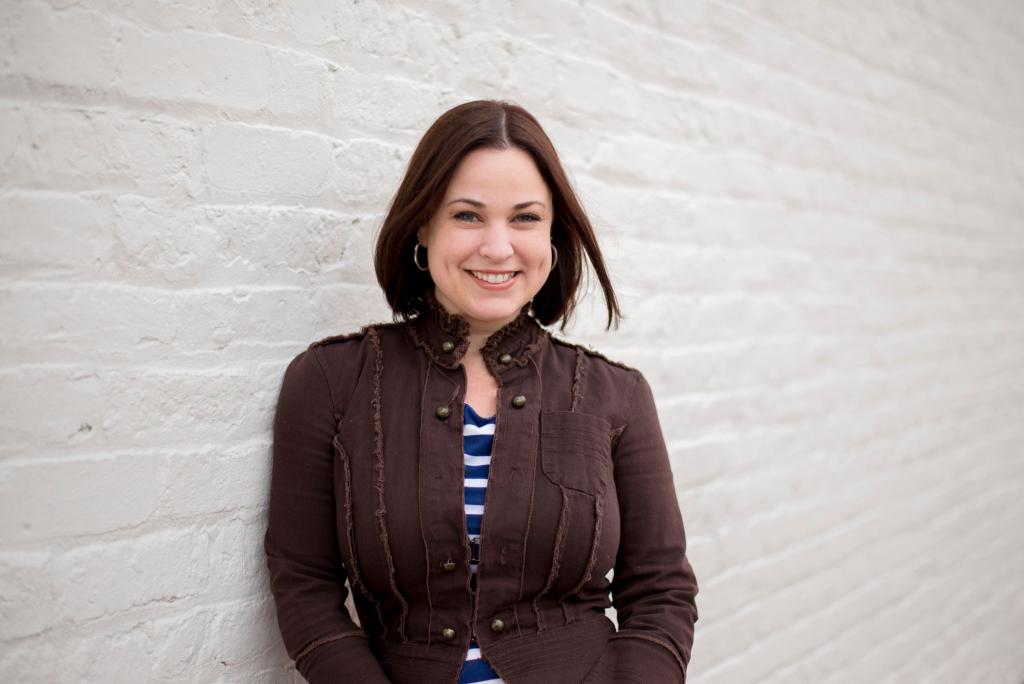
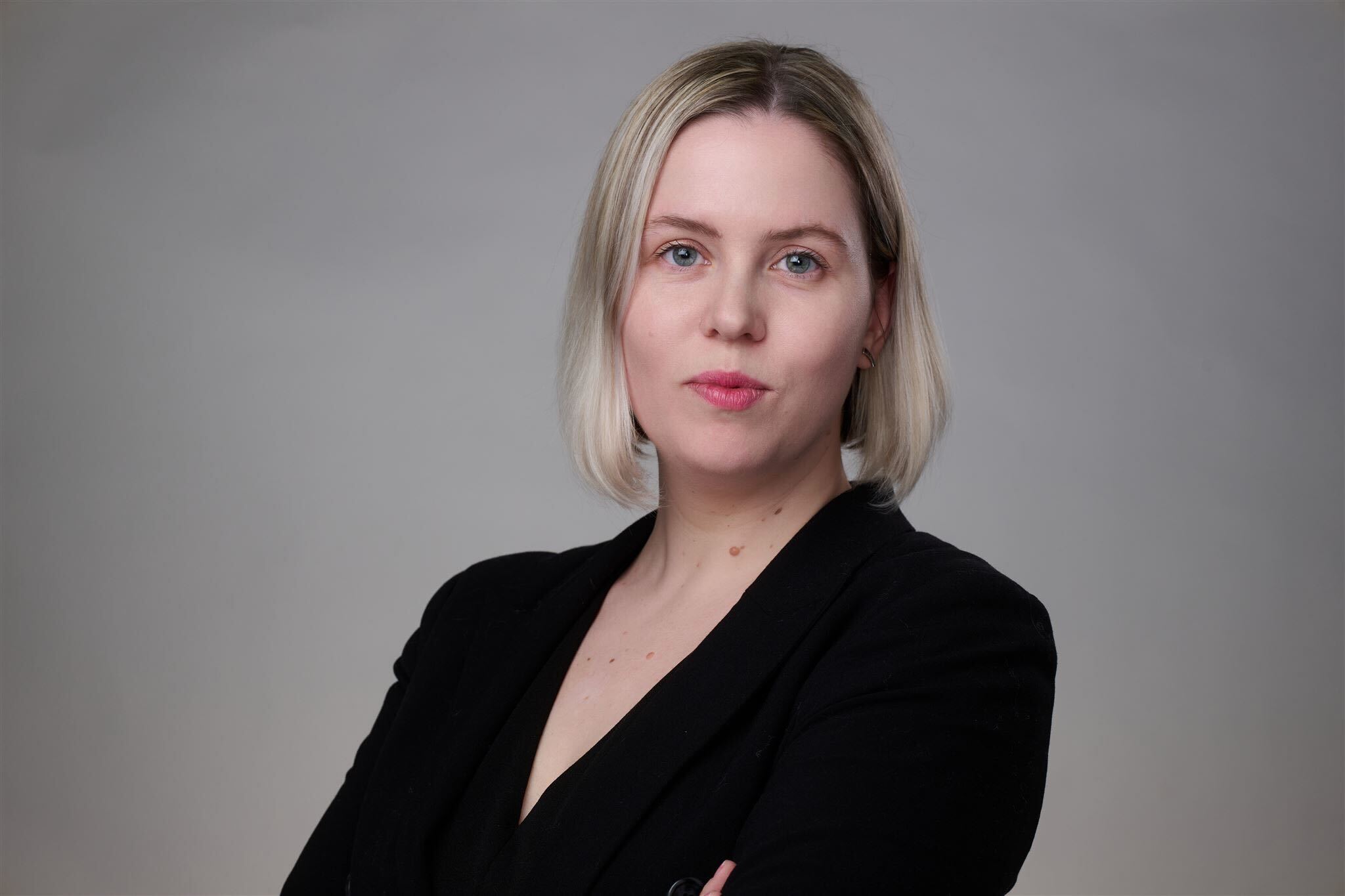
Katsiaryna Shmatsina, Eurasia Fellow at Lawfare, sits down with Gabrielius Landsbergis, former Lithuanian Foreign Minister (2020–2024), now a visiting fellow at Stanford University, and Vytis Jurkonis, Associate Professor at Vilnius University and Director of Freedom House’s Lithuania office.
They discuss Lithuania’s response to Russia’s full-scale invasion of Ukraine, including shifts in security policy, public sentiment, and military readiness. The conversation covers regional defense, U.S.–Lithuania relations, NATO’s role, and growing concerns about possible escalation into the Baltic region. They also reflect on Lithuania’s path from Soviet occupation to independence and its integration into NATO and the EU.
Additional resources on this topic:
- Read more from Gabrielius
- Read more from Katsiaryna on the U.S. administration’s deal with Belarusian regime
- Related: Regional threat assessment of Russian military buildup near NATO borders
To receive ad-free podcasts, become a Lawfare Material Supporter at www.patreon.com/lawfare. You can also support Lawfare by making a one-time donation at https://givebutter.com/lawfare-institute.
Click the button below to view a transcript of this podcast. Please note that the transcript was auto-generated and may contain errors.
Transcript
[Intro]
Gabrielius Landsbergis:
It’s not easy. I'm still kind of believing that we are caught in the perfect
storm of aggressive Russia, and U.S. is reconfiguring its role in the world.
And unfortunately, we are at the front line. If Europe or the West would be
challenged, it's very likely that we would face it first.
Katsiaryna Shmatsina:
It's the Lawfare Podcast. I'm Katsiaryna Shmatsina, Eurasia fellow
at the Lawfare Institute with Gabrielius Landsbergis, former minister of
foreign affairs of Lithuania, and Vytis Jurkonis, Associate Professor at
University of Vilnius.
Vytis Jurkonis:
Really, Kremlin doesn't understand anything else but power. And that needs to
be our response. We cannot, we don't have the luxury to actually think that
we'll talk to him, we’ll open his eyes and he will understand. No, he wouldn't.
Katsiaryna Shmatsina:
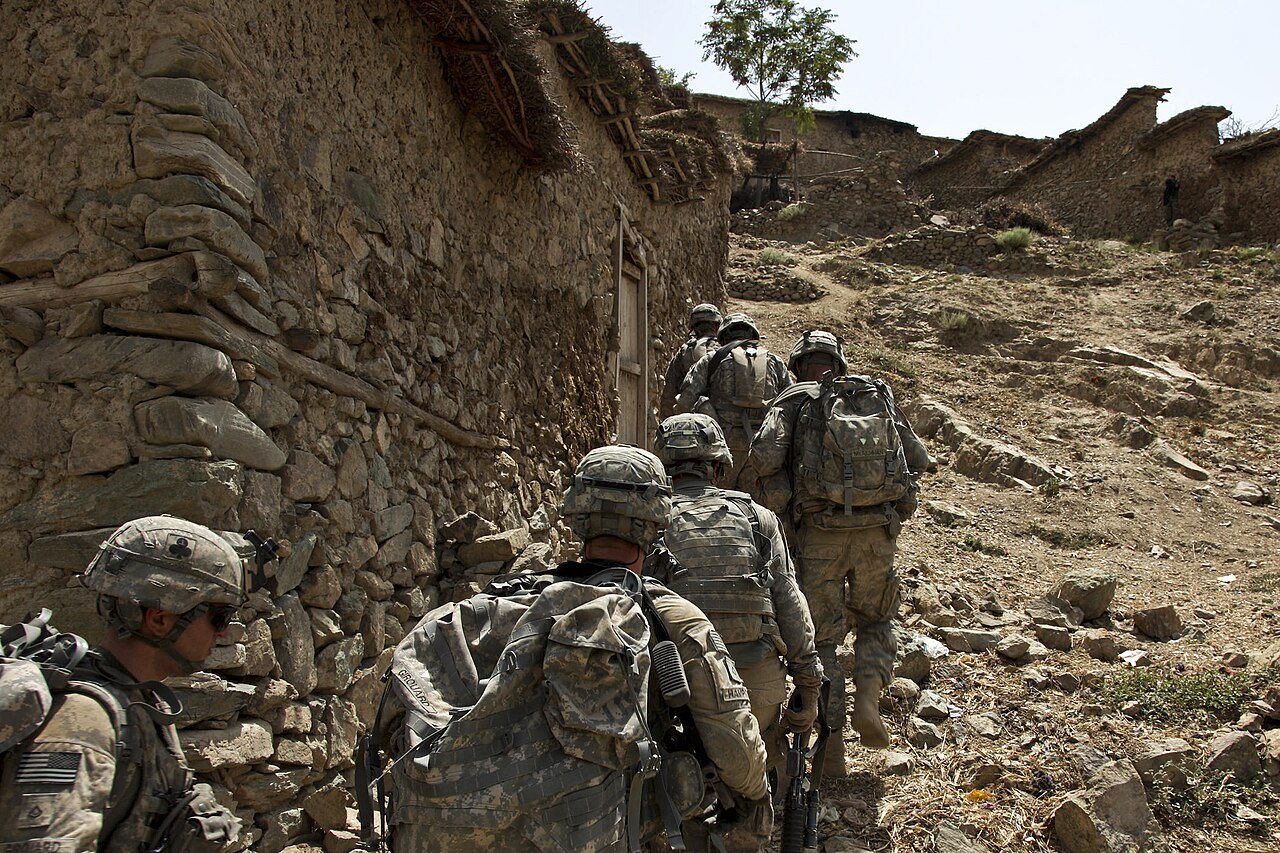
Today we are talking about Lithuania’s security perspective as a NATO member
bordering Russia and Belarus.
[Main episode]
Katsiaryna Shmatsina:
Today we are turning our attention to NATO's eastern flank, to Lithuania, a
country with deep historic memory of Russian Soviet occupation, resistance, and
now a frontline democracy watching Russia's war in Ukraine from close
proximity.
And I would like to set the stage from big picture and ask a
question: How would you describe the current atmosphere in Lithuania? Has the
perception of security changed since the full-scale Russian invasion of
Ukraine?
And I would like to start with Vytis, since you have the
firsthand experience working with Ukrainian refugees and civil society.
Vytis Jurkonis: Thank
you for having me here. Indeed, the situation is tense in the region.
I mean, it's obvious because of the war. It's obvious because
of all sorts of provocations which are happening like airspace being violated,
cyberattacks, instrumentalized migration and whatnot.
Obviously, it's also led by disinformation, discreditation, and
all sorts of other information warfare, kind of to also infuse psychological
effects to the Lithuanian society. Also, to spread the divide-and-rule, sometimes
hatred against migrants or, I don't know, like some liberal groups, if you
will.
I mean, the pattern of what Kremlin and Lukashenko’s regime is
doing is somewhat similar, though it might vary depending on situation. If we
talk about the mood of the society, my understanding and my feeling is that the
peak of stress and big big concern was just before the full-scale invasion, because
there was a lot of uncertainty.
What is going to happen? How is this going to look like? And I
think the resilience and the ability to defend themselves was the inspiration
for Lithuanians, that Ukraine managed to defend itself. Even being not at the
best odds, so to say.
So, and we have noticed an immediate, huge huge solidarity with
the Ukrainians, like hosting the refugees coming from Ukraine, assisting the
society, the military, state institutions.
Lithuanian society has been incredibly generous, donating money
to all sorts of like civic initiatives. I think the best-known initiative is Blue/Yellow,
which provides also military equipment to military units.
So, it has been an inspiration. It managed to calm down some,
because when you are able to respond, when you are able to act, I think it diminishes
your stress somewhat.
So we do have ups and downs, waves of attack in this
psychological warfare. So obviously I think part of the society is generally
concerned. When Gabrielius Landsbergis is our foreign, minister of foreign
affairs, like in the previous government, was trying to address issues that we
need to be prepared very fast, there were like parts of the society, which were
saying like, you are dragging us into the conflict.
Which was a totally misread thing that was like an alert to the
Europeans and to Lithuanians in general that it's serious. But the source of
the aggression, the source of war, all sorts of provocations were, are, and I’m
afraid will be coming from Moscow and Minsk.
And I think that Gabrielius was certainly right to say that we
need to show that we are prepared, as your Atlantic Community but also as the
society. Because it also has a preventive effect, where the enemy might count a
couple of times, whether, and do the cost-benefit analysis, were it worth it?
On the other hand, we see that in the Baltic Sea region.
There's Sweden, Finland, which joined the NATO Alliance. And I think from that
standpoint, it's also showing that other countries are stepping up. Those who
used to be neutral. And they understand all the threats coming from the east.
So I think that the, there are like some pluses, some minuses
in terms of the dynamics, but the general attitude that Lithuanians are ready
to respond back. They understand the gravity of the situation, but there's no
panic whatsoever.
Katsiaryna Shmatsina:
Gabrielius, I am honored that you found time to join the conversation and I'm
looking forward to drawing from your expertise in diplomatic service and in, in
the government.
So since Russia’s endeavors in Ukraine, did you see any policy
shifts in Lithuania, like in the policy circle or some actions taken by the
Ministry of Defense?
Gabrielius Landsbergis:
Well, clearly there have been changes. Just to name a few, so we are, we
started somewhere at 2% of spending on defense at the beginning of the war. And
we're now––well, at least officially, the government claims that we are roughly
around 5%.
So that's one example of how things are changing. I believe
that, again, coming from what Vitys said, that indeed the stress has subsided
and the population is, a lot more calmer than it has been at the beginning of
the war.
But it also reflects in the way that the government makes
decisions. So, during the first days of war, you could feel that you could push
almost any decision through the parliament. The government would debate almost
constantly, in order to make sure that we are prepared as much as we can be.
Now everything is much more back to normal. So the debates on
the parliament are more difficult. The discussion is much more polarized. That
means that there are people who would say, well, maybe you know, we shouldn't
be doing this. Maybe we should be doing something completely different.
And that is, for me at least, it is a bit concerning. Because
even though Ukrainians have been able to save us from the war in a way, but as
I say, we're not out of the night yet. There are still not––we shouldn't be
prepared to see the light of the dawn very soon.
And that means that we still need to be preparing, we still
need to be doing as much as we can, taking in Ukrainian lessons, building up
anti-drone defenses and, so many other things. Because nobody––not in the
military, in political sphere or anywhere––could be saying that, or should be
saying that, well, tomorrow will be safer.
Unfortunately, most of the people say something different. That,
well, Putin, most likely he's going to escalate. We've seen that happening, like
the drones in Poland, the jets in Estonia, the drones that stopped the airports
in Nordic countries. These things continue and they're going to continue. And
we have to answer the question whether we are getting prepared for these sort
of eventualities.
And it's, I mentioned one thing as a, being prepared from the
military perspective. So, being able to shoot down. There's also another
element, are we able to make Putin pay for it. Are we prepared to issue costs
in some way for these drone operations or not?
And are we able to make decisions where it matters? So these
questions, unfortunately, are not yet answered. Hopefully we have enough time.
Katsiaryna Shmatsina:
I wanted to encourage our audience to check out Gabrielius Landsbergis’s
personal website. And as far as I remember, like last time I checked you had
this like logo, which says, I'm Gabrielius Landsbergis, and I refuse to
deescalate.
And I also know that you wrote memoirs or like reflecting on––
Gabrielius Landsbergis:
still working on it.
Katsiaryna Shmatsina:
Okay. Yeah. Looking forward to reading those.
I had a meeting on the Hill the other day, and the question I
was asked whether Russia is launching drone attacks on NATO to convey a message
such as, ‘do not send weapons to Ukraine, you might need them yourself.’
And I wanted to redirect this question to both of you. Do you
believe Russia might attempt to extend its aggression to the Baltic states,
moving beyond Ukraine?
Vytis Jurkonis: Well,
that's a question which has two sides of the coin. One, which is if they are
trying to intimidate us, the question is not only on the one, which is like sending
that signal. But on the other, on the receiver’s end, how are we responding?
And Gabrielius alluded to that, right? It is just, so what are
we doing? Any response, a symmetrical––I remember my former boss, David Kramer,
was working on a book. I don't know, maybe he has written it.
What does it mean, like when someone in Washington says that
this is not acceptable, right? It is just what kind of practical consequences
do that entail, right? So it's important to respond so that the signal is
received by the one who's sending us that signal.
The other thing is, I believe Kremlin, its modus operandi is
always testing the boundaries, how far they might push.
It's just like saying, oh, that was an accident. Oh, we didn't
notice. Oh, like, it's not us. And all that jazz. I mean, we've seen that many
times. With the green men, it's not us. With MH17, it's not us. With all sorts
of “it's not us,” right.
And we need to be very clear, you know, especially when we know
who did that so that we say that and that then there's a response. Otherwise,
if we choose to kind of, ‘let's not escalate,’ by not saying the truth, I think
that this is certainly has opposite effect, which is encouraging Kremlin to
actually be more aggressive and push the boundaries even further.
Gabrielius Landsbergis:
I will just, you know, add a couple of things.
So one is that, Putin is feeling the bite of the war. Probably
for the first time in three years, he's actually having to pay the price for
the war because of what? Of Ukrainian long-range attacks.
That means that regular Russian in Moscow, St. Petersburg, or,
somewhere further from the center understands that, okay, there is a chance
that Ukrainians can, can inflict harm on us. And they are. And it feels.
So for him, now, without the full-scale or much larger
mobilization in Russia, for him it's very difficult to change the situation in
Ukraine.
The only hope is that Ukrainians will just get tired first. That
is his hope. So how do you change balance, then, of the war? So then, you kind
of, you––you figure out new axis of attack. And this is where, you know, western
Europe or ‘West’ as such comes into play.
And this is why, in my assumption, we are seeing these
escalations with drones and whatnot. Meaning––and your question was very right,
that probably his attempt could be to put enough pressure so that the debate,
the national debate, would start in the capitals of Western Europe that maybe
we are assisting Ukraine too much, because you see, we might ourselves find
ourselves at war. And therefore we cannot do much and that, and we need to
defend ourselves.
That could be his attempt. You know, I'm not sure whether that––we,
it still remains to be seen that whether he's successful or not, especially
with escalation.
But we have to keep that in mind, and honestly, my advice would
be to prepare for that and send a preemptive signal that, look, this is not
going to work. We are going to support Ukraine, and we're not getting, we're,
we won't be afraid of your escalation.
Now the second thing is, again, in many cases when we see
Russian escalation, people will say, well, I mean, should we be taking down his
jets? And Mark Rutte, the secretary general of NATO said, well, if they don't
pose any threat, then, you know, we will not be taking them down.
Kind of––I agree with Vitys ,that basically this invites
further escalation. For Putin this is a sign of weakness, and basically, okay
guys, you cannot do anything, that means that I can continue. And he will
continue.
But there are ways how can we answer. And they are symmetric.
There, there are ways from, for example––we have all sorts of cyber
capabilities that could turn off the lights in the airport that houses the jets.
And, one day is just unable to take off because, it's just not working.
There have been some interesting pager operations in Middle
East. And if suddenly, Russian generals or whoever would have to start checking
their mobile devices to be sure that they suddenly, they wouldn't be exploding
in some way.
There, there are ways how to send a message without, without
shooting a rocket at Russian city. And I think that way, West could manage
escalation quite well.
Katsiaryna Shmatsina:
If we talk about Lithuania or Russia's interest towards Lithuania and sort of
having Kaliningrad as a neighbor, or, I came across certain investigative
journalist reports about Russian sabotage training attacks and on Klaipėda Port,
potentially, or whatever Russians are up to in, again, like on the Kaliningrad
side or in Belarus for that matter.
And I realized that drone attacks aimed at Poland is something
that hits headlines. Right now it's in the news, but what kind of attacks or
hybrid attacks or operations Lithuanians are experiencing as we speak?
Vytis Jurkonis: I
think, well, there were headlines when the cables were torn in the Baltic Sea,
right?
And that was affecting the entire like Baltic Sea region, which
in fact encourage more closer regional cooperation on like security region, so
I would say––on security issues. So I'd say, we managed to get out of the
situation even more coordinated and resilient, though we shouldn't fall, like,
fall asleep.
We should continue. 'Cause I remember like one of the advisors
of Gabrielius previously was always mentioning this. Take the Nordic Baltic
countries alone in terms of their budgets. Take it into the perspective and
compare that with the budget of Russia. And then you see that sometimes maybe
you don't even need some of the other EU countries, that like we are capable to
actually respond.
Especially since Finland and Sweden joined. But there were all
sorts of provocations before. I mean, it's not that it started as of February
2022. Let me remind you, the grown soldier story. Like it is what, 2007, 2008
perhaps, right?
So when some youth groups were beating, like, smashing windows
in the streets of Tallinn, cyberattacks were happening. I wonder if that kind
of event unfolded now, whether it would not be perceived as the Article Five,
right?
Again, in 2005 or something like that, we––when we were already
a member state of NATO, a military jet just fell down in the territory of
Lithuania. I can go on and on. I mean, let's even remember the interference
into the domestic affairs, that Lithuania was the first country to impeach its
president because of the ties and influences related to Kremlin.
So, so I mean the spectrum of all the provocations is very
wide. Now, obviously, the cyberattacks, all the propaganda, all of that. Which
is in, basically, in the manual of Kremlin trying to affect––previously we were
also blackmailed because of our energy, because of our economic ties.
And I think that Lithuania was among the very first who decided
that we might face short-term costs which are going to be higher. We’re going
to spend more now just to make sure that we are not becoming victims of that
kind of blackmail.
And now, like, we are not the, in this energy circle of BRELL,
as of this year. Which was a huge, huge effort. As some politicians were saying,
that was the our last, like, battle regarding our independence. Obviously given
the circumstances now and the war in Ukraine, most probably not the last
battle, but it was certainly a very very important one.
Because when we joined the EU, one of the requirements was to
basically shut down our nuclear power plant and from 100% self-sufficient
country on energy resources, we became 100% dependent country.
So it was a long way, and Lithuania had to adapt a lot of like
measures to be much more resilient, much more independent. And this fight
continues.
Katsiaryna Shmatsina:
Gabrielius I wanted to talk with you about the Alliance politics and are there
any changes to the NATO policies in the light of second Trump administration?
And have you observed any change to Lithuania-U.S. relations?
Any shifting priorities, or what's your perception of the U.S. commitment to
European security more broadly?
Gabrielius Landsbergis:
Well, that's an important question. I think that to, to evaluate even the last
10, well, somewhat 10 months after the inauguration, we––if we try to evaluate
the, even the last 10 months, we are seeing certain shifts in the attitude even
within the new administration.
The biggest underlying problem, the way that I see, is that
we've ended, I believe that we ended at time of strategic clarity when it comes
to U.S. commitment, and we've entered a stage which we could call––or entering
a stage that we would, could potentially call the ambiguity.
I think that the most important phrase that has been said in
that regard was when Secretary of Defense or War, Mr. Hegseth, mentioned that
Europe can no longer depend on U.S. for its security. It was never explicitly
explained as to what it really means.
I mean, apart from the clear and understandable request for
Europe to take a greater role in defending itself, in paying more for its
defenses, that's all understandable.
But my worry is that this message can be read in certain ways
also in Moscow. That, you know, when Europe yesterday announced that well,
European Commission announced that Europe would be ready to defend itself by
2030. So in combination, Putin is reading, okay, so this is my timeline. Then
Americans are changing their position. Europeans are not yet ready, so I have
to figure out things by 2030.
So this is what makes me a bit uneasy while watching the whole
situation. Now, when I say that things are still, even with this
administration, things are changing and not yet certain. You know, for example,
the way that attitude towards Ukraine has shifted.
At first it was, Russia first, Ukraine second. Now looks like
it has flipped, at least for the time being. We're waiting for a meeting
between President Trump and President Zelenskyy in, upcoming days. Again, we
will see how that works out. So, I mean, so that kind of, in general, there's
a, this changing environment.
But in general, I'm a bit worried that it might give some wrong
ideas to put that the U.S. is no longer as interested or as committed to U.S.
defense that it has been in the past. Secondly, from practical perspective,
there have been changes. So one of them is what is called the Baltic Security
Initiative.
There was a special line in the Pentagon's budget which has
foreseen several hundred million dollars––so not a huge amount, but still
quite, quite significant for three Baltic countries––that could be spent on
procuring defense equipment in United States. And as per last decisions made by
the Pentagon planners, this has been canceled.
It still has not yet gone through all the procedures in the House,
but again, most likely that this is––it's very likely that it's not going to
come back. And last point of this is, you know, that everyone in Europe is
waiting for what is called the U.S. force posture review. That will define how
many and which of U.S. troops will remain in Europe and in what proportions.
Again, we are watching that very closely. Some experts are
alluding to the possibility that the Baltic states might see a diminishing in U.S.
numbers, U.S. troop numbers in our territory. Which, again, I think is, would
be a worrying signal. Even though in some cases the numbers might look like
they are symbolic, but then again, while Putin is looking for a trigger,
symbolic gestures might convince him that it's––they're enough for him to make
a move.
So it's not easy. I'm still kind of believing that we are
caught in the perfect storm of aggressive Russia, and U.S. is reconfiguring its
role in the world. And unfortunately, we are at the front line. If Europe or
the West would be challenged, it's very likely that we would face it first.
Katsiaryna Shmatsina:
I wanted to talk about the debate about the prospect of peace deals, peace talk
on Ukraine-Russia War. And maybe more broadly, because I think Lithuania has
this unique experience and vantage point––like, you have the right to speak
from your past, record of relations with Russia––how a deal could look like?
And more importantly, do you think Russia would stop if it gets
some territories, some concessions? I came across some academics or some
western analysts who would argue that it was Ukraine's fault or western fault
that Russia felt triggered and threatened, and hence had to adopt a more like
an aggressive foreign policy.
So again, not to put words in your mouth, but I wonder what's
your perspective on that? And I'll make sure we discuss the Lithuanian
historical experience of dealing with Russia.
Vytis Jurkonis: Well,
it's, complicated question if we are trying to like, bring parallels from the
past. So, you know, there are a lot of a lot of instances and examples to
compare.
I think that if we talk about the, any negotiations, the
fundamental question is trust. This is what we need to answer. Do we trust the
other side? There are books written I mean, I'm lecturing Arts of Negotiation,
so, so I can talk on and on regarding that. But you know, bargaining with the
devil: do we argue?
So one theory says, one school says that we cannot and we
should not, because it's only encouraging bad behavior. The other would argue
that we should, because especially when the costs are very high. I mean,
whatever the case is, at some point you might be negotiating with the other
side which is evil, which has evil intent.
But then you approach these negotiations extremely ready. One
of the former FBI negotiators, Chris Voss has written the book “Never Split the
Difference,” right? And he was a negotiator negotiating with the terrorists. So,
it was his daily life, basically, to negotiate.
So it is possible, and it's sometimes very much needed. But you
need to be damn prepared and have the institutional memory. And I think that,
at the moment, it would be better to bring some comparisons with what is
happening in the region.
We do have some sort of negotiations. I don't know if we can
even call it negotiations, but some sort of process regarding the release of
political prisoners in Belarus, the neighboring country, the ally number one of
Russia. Well, from the cost-benefit analysis, Washington and generally your
Atlantic community might have a lot a lot of leverage. And not so much in terms
of costs, strictly speaking. And I think Belarus could have been a low-hanging
fruit, where Donald Trump's administration might have entered this with the
like full power, sending a very clear signal that there are no jokes, sending
signal to Putin that we are going to be too, super hard.
So now the question is, what kind of signals is Vladimir Putin
receiving from these negotiations, from this process? Because in his eyes, obviously
Lukashenko is certainly not a very strong leader, or a country which has plenty
of resources. And we, if we come to these kind of like negotiations as soft, that
is going to be the signal that Vladimir Putin is going to be reading.
So I think that the current sanctions regime, it needs to be
strengthened. We need to like deepen, broaden, make sure that whoever who
collaborates with the companies or with the individuals who are under
sanctions, there are criminal cases. We need to be supporting Ukraine and
increase our support.
That is going to be a proper signal, and that is going to provide
us with the negotiation space. Otherwise, we are going to be entering this from
the soft position. That's how Vladimir Putin would be reading it.
Yeah, at the moment Vladimir Putin is dragging foot, obviously.
He is not interested, as far as I can tell, in any peace deal. He's––because he
keeps bombarding civic objects, and he wants to make sure that Ukraine is hurt
as hard as it gets. And he might be still dragging foot. Because we are hearing
about the possible peace deal for what, almost a year, right? And casualties in
Ukraine are like––we hear about it daily. I don't exclude the possibility that
we might, at some point, start negotiations, but we need to come much better
prepared to it than we are at the moment.
Katsiaryna Shmatsina:
Gabrielius, I wanted to address the same question to you. And also was
wondering if you could share some insights from your diplomatic career dealing
with the Russian delegations, or any impressions or insights you had at that
time?
Gabrielius Landsbergis:
Well, I mean, there have been quite, quite minimal interactions throughout my
time.
I think that I've encountered Russian delegation probably just
once, during the OSC meeting in December 2021. So a couple of months before,
before the war, where minister Lavrov declared the goals, the strategic and
geopolitical goals, of Russia.
They started very ominous. And I think that they are, in most
of the case, have not changed. Basically the underlying goal is the withdrawal
of NATO, up until 1997 borders. So that means that no NATO in Lithuania, no
NATO in Poland. And, you know, it has to retreat, leaving the territories in
gray zone, or basically just leaving the territories, the countries, up to
Russia to take. That could be their thinking.
Additionally, to what you asked before, I think that it's an
important question to tackle this, the question whether Russia's interests have
been affected or hurt somehow, and it was provoked. I think that we need to
address this. And I, I call this weaponized victimization, where you use a term––you
present yourself as a victim, a perpetual victim.
And Russians have been exceptionally good at that, all the way
from the Second World War. Even when Stalin held in his fist, big chunk of
Europe, he still was presenting himself that, well, according to per capita people
lost, he would need to go all the way to Portugal in order to compensate how
much Russians lost, how many people did they lose, and how much did they
sacrifice for the, you know, for the victory against Nazism.
And it's, it’s a continuous trend. An empire that was the first
to begin the war, that was first to begin the Second World War with its attack
against Poland, after the agreement with Nazi Germany, suddenly they become the
biggest, biggest victim.
And we all tend to forget that––or at least not that it's
impolite to, to remind them that basically you are the culprit. The reason why
countries want to join NATO is because Russia has been aggressive.
That Russia has been aggressive against Chechnya. That forced
many countries in the eastern flank to fast-forward their accession to NATO. After
2008, that was, has been, even pushed for. 2014, again, you see NATO forces
being ushered eastwards. And then, so, so the story goes. But then again, we've
always presented with this argument that somebody is a victim and that, you
know, that somebody is Russia.
Unfortunately, in many cases, I'm hearing the very similar
arguments being made by China, you know, the hundred years of humiliation. Everybody
harmed the big countries, and now the only thing that they can do is fight back
and kill innocent people in order to amend the harms that have been done.
I think it requires a very strong pushback, this weaponized
victimization. And, yeah, I don't buy it at all. I think that the blame is
clearly on, in Russia's court. And I think that it will––they, for all our
sake, I believe that they will, they will lose the argument and the war.
Now, about the question that we just answered, do we trust
Putin? There's also additional, another part in this: whether Putin trusts us.
And I believe that, well, trying to imagine a person, who is spending his days
in bunker, not trusting almost anybody in his circles, now, for him to believe
that any sort of, for example, ceasefire agreement that he would sign with
Ukrainians, with the support of, I don't know, some, western countries––that
this would somehow hold?
I, I would never imagine him believing that. And probably this
is the reason why he refused a ceasefire when it was proposed by President
Trump and demanded by and agreed with by Ukrainians.
And he said, well, the only thing that I would agree is the
piece that solves the, the core issues of our dispute with Ukraine. Right? So,
you know, the establishment of Kyiv, Rurik Empire, and all the other things. So
basically he wants to go all the way, basically by denying Ukraine it's right
to exist. Even though the ceasefire looked like a deal that he could take,
right?
You take the ceasefire, you reconstitute your army, and then
you figure out some things from there. But he, since he doesn't trust the
ceasefire––he wouldn't trust the ceasefire––that means that it's not in his
interest to have it. Because, he cannot remove the troops. He needs million
troops just to hold the front.
And he knows that as long as his fire is there, he will be
stuck in those trenches. And just watching every day for Ukrainian drones. So
that means that he's, you know, he doesn't see a way out unless he is able to
take over to take over Kyiv. That is my calculation.
Katsiaryna Shmatsina:
Vitys, I see you have a comment reaction to that.
Vytis Jurkonis: Yeah.
I started to like, with trust––and Gabrielius, just like also followed up on
this. There might be some sort of misinterpretation, I think. And sometimes we
hear this argument as if, you know, blaming Putin is simply mental. I don't
want to give him any excuses, or say that this entire situation is because he
misperceives the reality––I mean, facts are clear, in terms of the
responsibility.
The Budapest memorandum, right? Who signed that? All parties,
Russia being one of them, signed Budapest memorandum basically ensuring that
Ukraine borders are secure if it gives away the nuclear weapons, right? So, and
U.S. was part of that deal.
And it's not that we are talking about the Second World War. We
are talking, like––it happened not that far. Vladimir Putin was back then alive,
and he clearly remembers that. So, then, Minsk Dialogue. Which is very recent,
and Vladimir Putin was active already, and we can look, like, going para by
para at, how many points which were as agreed, were violated.
So in a way we are ending up that clearly Kremlin doesn't
understand anything else but power. And that needs to be our response. Like we
cannot, we don't have the luxury to actually think that we'll talk to him,
we'll open his eyes and he will understand. No, he wouldn't. On, for multiple
reasons.
And therefore, basically at the moment, the only answer is help
Ukraine and prepare for the worst-case scenario to defend yourself.
Katsiaryna Shmatsina:
So when I bring up some historical parallels or when I talk about the NATO
expansion and European Union enlargement, I do not suggest to get lost in some
historical details. But I would love to hear your perspective and your, I
believe that, like your witnesses of Lithuania's path towards NATO membership
and EU membership.
And if you could just share, again, like any observations, any
policy discussions or activist efforts for that matter, in the nineties or late
eighties? What brought Lithuania––because Lithuanian sovereignty, it was not a
given. It was taken and there was a fight behind it. And as far as I know,
there was also quite a fight for Lithuania joining European Union.
So what was the rationale behind it for Lithuanian side, and
how did it look like?
Vytis Jurkonis: Well,
first of all, I think that there's the historical memory. Like, our
grandparents do remember, like not only what was happening during the Soviet
occupation, but what was happening in between the First and Second World War,
and especially during the very start of the Soviet occupation,
Kremlin is presenting as if in 1945, our part of Europe was
liberated. In fact, for us, it was the second occupation. Nazis ended, the
Soviets started.
And we had massive deportations. Basically every third family,
if I'm not mistaken, faced these repressions. We had an armed resistance, very
strong one. At all odds basically––because unlike Chechnya, we don't have
mountains––and even despite all odds, the armed resilience was taking place
from 1945 basically for almost 10 years, which was almost a miracle.
And initially, like, the Forest Brothers were relying on the support
from the West, saying well, clearly they would not allow this occupation, clearly
they understand. But due to the geopolitical circumstances, even if the
Americans didn't recognize legally the, like, the occupation, de facto, we were
occupied, and it took us generations like to recover.
There was a movement, the underground movement, like all sorts
of varieties, like starting with the Catholic Church Chronicles, like some
printed underground press like music, rock, jazz, basketball. Those who haven't
watched, there's a wonderful movie, “The Other Dream Team,” where like
Lithuanian basketball club was competing with the military basketball club from
Moscow, CSKA. And it embodied some sort of struggle.
So there were all sorts of inspirations which eventually became
a movement, a political movement, called Sąjūdis, where one of the leaders was Gabrielius’s
grandfather, Professor Landsbergis.
It was not easy. But I think Gabrielius also remembers that––I
don't know if you were part of that Baltic chain where 2 million people from
Lithuania to like Estonia, from Vilnius to Riga and Tallinn, 2 million people
were holding hands to commemorate the Molotov-Ribbentrop Pact, and that demand
that this historical mistake would be fixed.
So I was a kiddo back then. What was––I mean, less than 10
years old. And that was a huge huge inspiration, showing the incredible unity to
fight back in peaceful protest.
And it was like brick by brick dismantling the Soviet Union. So
I think that there's, in our historic memory, there's a strong focus on
resilience, on fighting even at odds. And a genuine understanding that freedom
is not for free, that you need to fight it, and sometimes it means sacrifices.
And honestly, in 1991, a number of Lithuanians were killed
because they were standing, like, defending the TV tower. Meanwhile, the Soviet
army was going on it with tanks, shooting into the peaceful protestors.
So there's always a price, but we are grateful and thankful for
those who sacrificed that. And it's sort of an inspiration, but also a
responsibility for our generation to keep going.
Gabrielius Landsbergis:
I will maybe just add a couple of points. So one is, so 1989 and 1990s, for the
West, was definitely not about the Baltic independence. It was, these were the
years of German reunification. And most of the effort or diplomatic effort by
the Western leaders––United States and Germany and France and United Kingdom––has
been devoted to reunify Germany.
Part of the thinking was, as far as we know now from the
documents kind of that the leaders were thinking about what to do with Eastern
Germany once it's reunited with the West, and maybe what to do with Poland,
Czechoslovakia, and Hungary. This is where the Western reach has ended.
Now, from the Lithuanian perspective, the understanding was
that if we don't make a step, if we, kind of––because the door has opened,
right? The empire is falling. If we don't make a step, we might be left behind
all the changes that are happening in the West. And interestingly enough, that
our interest, that Lithuanian interest was to squeeze through the opening that
has been made available, while the leaders of the West had actually had the
different interests.
And therefore, now, paradoxically, we do remember, I think it's
quite important to remember, the letters of French and German leaders then to
Lithuanian leadership, asking them to stop their work on Lithuanian
independence. Because they were worried that, well, maybe it's in the best
interest of everyone to save Russian Empire from falling.
Warsaw Pact, kind of, that was a dumb thing. You know, the
Germany, okay, that is reunited. But what happens if Russian Empire falls? They
did not have an answer.
And therefore, you know, Lithuania declared its independence in
1990. The first country out of the occupied Soviet Republic. So basically we
were the part of the empire, not Poland and Czechoslovakia and Hungary. So we
were the first ones. Not even the Baltic countries followed us.
But we started the discussion that, basically, this is it. We
want to be free, we are free people. We elected the parliament that is
democratic and recognized, and we declared our independence.
And now it's up to the West to make their move. And it took
almost one and a half years for us to wait for the recognition, which came
after the failed pooch in Moscow, where basically Soviet Empire was dissolved
officially then. And then, you know, others declare their independence and so
on and so forth. So then, kind of, the whole situation changed.
But if you count the years, Lithuania has been independent the
longest. And I'm rather proud about it.
Katsiaryna Shmatsina:
Well, that is a great place to leave it on an uplifting note. Gabrielius, Vitys,
thank you so much for this great conversation.
Gabrielius Landsbergis:
Thank you for the questions.
Vytis Jurkonis: Thank
you.
Katsiaryna Shmatsina:
The Lawfare Podcast is produced in cooperation with the Brookings
Institution. You can get ad-free versions of this and other Lawfare
podcasts by becoming a Lawfare material supporter through our website,
lawfaremedia.org/support. You'll also get access to special events and other
content available only to our supporters.
Please rate and review us wherever you get your podcasts. Look
out for our other podcasts, including Rational Security, Allies, The
Aftermath, and Escalation, our latest Lawfare Presents
podcast series about the war in Ukraine. Check out our written work at lawfaremedia.org.
The podcast is edited by Jen Patja and our audio engineer this
episode was Cara Shillenn of Goat Rodeo. Our theme song is from ALIBI Music. As
always, thank you for listening.