Lawfare Daily: The Explosive Mystery That Rocked Rural Georgia

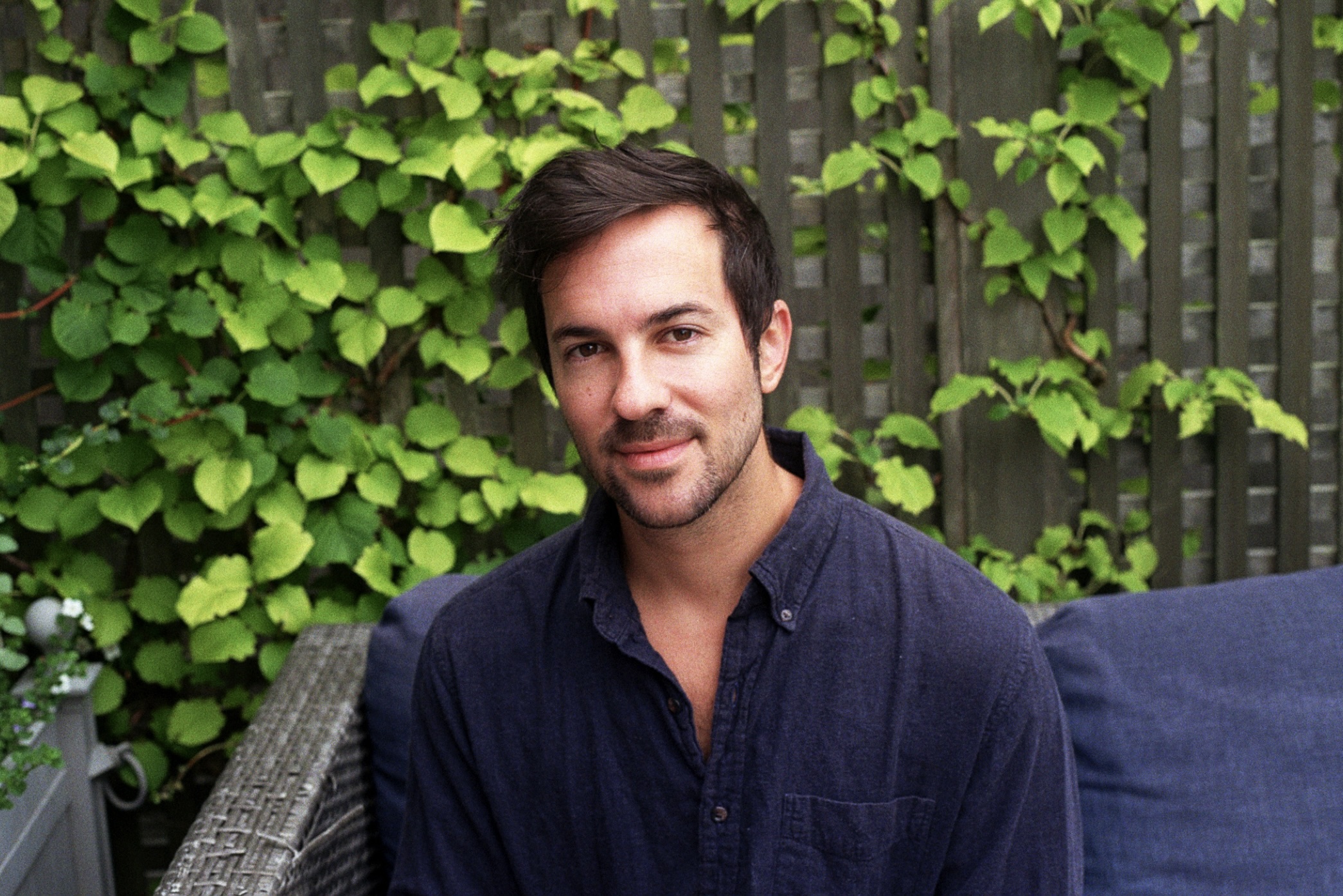


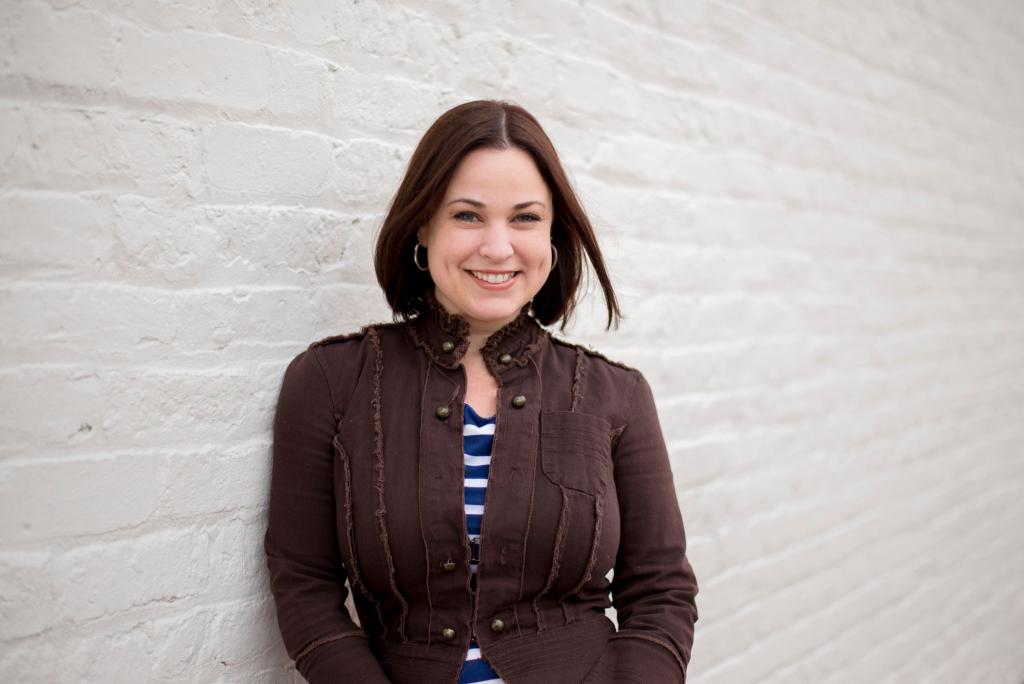
In 1979, a man using a pseudonym built a strange monument in Elberton, Georgia. Called “America’s Stonehenge" by some, the massive granite monolith known as the Georgia Guidestones attracted conspiracy theories and controversy until July 2022, when someone blew them up. Those two mysteries—who built the Guidestones and who destroyed them—are at the heart of a new narrative podcast series from Goat Rodeo and the Atlanta Journal-Constitution called “Who Blew Up the Guidestones?”
Lawfare Editor-in-Chief Benjamin Wittes sat down with some of the team behind the show, including its host, Lawfare Managing Editor Tyler McBrien; series lead producer Megan Nadolski of Goat Rodeo; and Charles Minshew, senior editor of data journalism at the Atlanta Journal-Constitution. They talked about the origins of the Guidestones and their creator, the Georgia Bureau of Investigation, over-the-counter explosives, QAnon, and much, much more.
To receive ad-free podcasts, become a Lawfare Material Supporter at www.patreon.com/lawfare. You can also support Lawfare by making a one-time donation at https://givebutter.com/
Click the button below to view a transcript of this podcast. Please note that the transcript was auto-generated and may contain errors.
Transcript
[Intro]
Charles Minshew: It
meant something different to lots of people. You know? There were people that
loved it, people that thought it was quirky, and then people who just
absolutely thought it needed to go away.
Benjamin Wittes: It's
the Lawfare Podcast. I'm Benjamin Wittes, editor-in-chief of Lawfare
with Lawfare Managing Editor Tyler McBrien, Megan Nadolskiof Goat Rodeo,
and Charles Minshew of the Atlanta Journal-Constitution.
Tyler McBrien: This
really, I think, made our task so much harder and made the task of the GBI so
much harder. It's a monument hated by so many people with so many motives.
Blown up by something that anyone can buy. Anyone. Anyone over 18.
Benjamin Wittes:
Today we are talking the Georgia Guidestones, the mysterious Stonehenge of the
United States that showed up in 1979 and got blown up in 2022. Who blew up the Guidestones?
We may have an answer for you.
[Main Podcast]
So Tyler, first of all, why did you run off and do this project
where you solve a terrorism incident with a publication other than Lawfare?
Tyler McBrien:
Because you said no.
Benjamin Wittes:
Yeah. Bad move on my part.
Tyler McBrien: But in
all seriousness it's just such a Georgia story and, you know, teaming up with
the Atlanta Journal-Constitution was just, was very logical. It was a very a
marriage of interests and needs. And then of course, you know, the bridge here
is the wonderful people at Goat Rodeo who produce all of Lawfare, Lawfare’s
podcasts, and now the AJC as well.
Benjamin Wittes:
Yeah. So give us a little bit of the history of the project for those who have
not listened to any of the episodes of who blew up the Guidestones. First of
all, you wanna solve that problem for yourself 'cause it is now finished and it
is amazing. But what are the Guidestones, or maybe I should say, what were the Guidestones
and what led you to pursue a seven part narrative podcast about who blew them
up?
Tyler McBrien: Well,
initially it was sketched out as a sixth part, and so the seventh was a
surprise twist, grand finale ending. But for those who don't know, the Georgia
Guidestones were a bit of an odd monument in rural northeastern Georgia in a
county called Elbert County with a very historic granite industry.
They were built in 1979 to 1980 by a man who used a pseudonym,
R.C. Christian, and they were blown up in 2022 by still an unknown person or
persons. There's been still no arrests at the time of this recording. There's
been no arrests and no suspects named by law enforcement. The genesis of the
project is that I also had grew up in Georgia.
I had heard about them growing up from first, from my sister
actually. And they always were this magnet of conspiracy theories because of
what was written on them, first. And then I think just conspiracy theories,
beget conspiracy theories. And so they took on a life of their own until their
eventual demise in 2022.
And it's just always been a story that stuck with me. And like,
like any, I think hometown monument, I had never I always thought I could visit
them. They'd always be there. There's massive monument of stone weighing
thousands of tons of solid granite. But then someone blew them up and they were
gone.
And I think this was part of my journey to try to make up for
that or like reconstitute them in some way for myself. And luckily, I was
talking to Ian and Megan about it. And they also, I think, you know, were
interested and I they caught the bug too.
Benjamin Wittes: So
let's use that to introduce the other two guests today.
Megan, how did you get involved in this project and had you
ever heard of the Guidestones when Tyler first approached you about them?
Megan Nadolski: Yes.
So I would just like to say here on this show that I'm the only one here right
now that has actually seen the Georgia Guidestones before they were destroyed.
I'm with Tyler on weird and wonderful roadside monuments. I had
no idea that they might have the dark past or origins that they had, but I went
and took a weird picture in front of 'em. I'm on a surveillance, piece of
surveillance footage somewhere that Charles might have helped dig up. But
that's how—and the way that we started doing the project with Tyler was as all
good Goat Rodeo projects started with an escalating series of drinks where
Tyler got asked about a blank check if he could make anything what would he
make?
And his first answer with Georgia Guidestones, and I said, I've
been there, let's do it. You know? So,
Tyler McBrien: And
I'll just add for Lawfare listeners the drinks in question here were
following a panel event for the podcast Escalation, which Goat Rodeo
produced and which I co-hosted with Nastia Lapatina. So it was just it was a
quick handoff, one to the next.
Benjamin Wittes:
Excellent. And Charles, how did you get roped into this merry band?
Charles Minshew:
Well, the request to me first was, can you help us find some records about the
explosion at the Guidestones? And I'm like, yeah, sure. I'll see what I can
find. And I was thinking I was just setting up for a one one-hour interview and
here I am still through episode seven.
Benjamin Wittes: Very
cool. And so how did the Atlanta, more broadly, how did the Atlanta Journal
Constitution get involved? It was, this is a local story for you guys, but I,
as I understand it, this is something that Tyler and Megan approached the AJC
about, not the other way around. Is that right?
Megan Nadolski: That
is correct.
But the thing that is important to note here is the AJC has
been covering the Guidestones since they went up. It started first as a
features like, like we sort of talked about that quirky roadside attraction. It
would be covered as we moved on through politics. A lot of the reporters at the
AJC would cover it when it'd come up, because it did often.
And then finally it hit the front page of the news when it was
blown up. So it made a lot of sense that this has been a story that the Atlanta
Journal-Constitution has been following all the way through. So they really
were the only ones to do it.
Benjamin Wittes: And
Charles, give us a brief history of the Guidestones for those for whom this all
sounds like ancient Greek. Tyler mentions that they were put there mysteriously
by somebody named R.C. Christian, and they were there until somebody blew them
up a few years ago. What were they and what was the nature of the controversy
about them?
Charles Minshew:
Yeah. Well, I'll tell you as a student of Georgia history in eighth grade.
Growing up in South Georgia, we learned about the Georgia
Guidestones as Georgia Stonehenge, but we never really learned about the
messages written on the stones, just that this roadside oddity existed. So
you're right. It was built in the late 1970s, early 1980s by this guy named R.C.
Christian, who was only known to a, to one or two folks in Elbert County.
He had these kind of, just these ideals for how to guide
humanity. You know, some people would say, well, it's to guide humanity after
kind of a cataclysm. But as we dug deeper throughout the podcast, it was really
that we found out, well, this guy believed in some pretty bad things. You know,
there's some white supremacy at play.
There's, you know, some genocidal thoughts at play. It's not
from this, you know, very beneficial view of humanity. It's from a really dark
place and like, you know, just as mysteriously as they went up, they kind of
mysteriously went away in July of 2022.
Benjamin Wittes:
Tyler, you introduced the show by basically saying there are two mysteries
here.
One is who put them there, and the other is who took 'em away.
But one of the mysteries you solved pretty quickly because frankly somebody
else had sort of already solved it. So let's dispense with that one at the
outset. Who is R.C. Christian? Why did he put the Guidestones there and how did
this stay secret for a long time until it didn't and you know, how did it come
out, who they were?
Tyler McBrien: Yeah,
this was really surprising to me. I tr I think we truly went into this
investigation with these two bookends of mysteries in mind, and I didn't
realize the first one had essentially been solved. But basically I would, I
just add so R.C. Christian is a pseudonym used and for anyone who's interested
in the occult or offshoots, sects of Christianity, some people theorize that
this is code for Rosicrucianism and a lot of the precepts on the actual
stones themselves comport with some teachings of Rosicrucianism, harmony with
nature, that kind of thing.
But the, as Charles was saying, they immediately were a
lightning rod of controversy, mostly because of the first precept which
intrigues people to maintain humanity under 500 million. And even in 1980, that
would take billions of people to die. So, so, you know, people always cast a
weary eye at them because of, especially because of this one.
Charles also mentioned that it was called Georgia's Stonehenge
or America's Stonehenge, and this is because R.C. Christian, in addition to
writing out the precepts, also published a book, a manifesto of sorts, in which
he explicitly referenced Stonehenge and said, ‘Well, the only problem with
Stonehenge is that there was nothing written on it. We don't know what it
meant.’ And so he took it upon himself to write on his.
But in the course of our early reporting, what we found was
that there's a reporter, a very great reporter who's now at the AJC. His name
is Thomas Lake. At the time he was writing for CNN right after I believe the
Guidestones were exploded. He started poking into the same questions, and he
stumbled upon. A bit of a fringe documentary that was released in 2015, I
believe, but had been made in over the course of years by two evangelical
Christian filmmakers with, I think it's fair to say, limited distribution.
But the film is called “Dark Clouds Over Elberton”—
Benjamin Wittes: And Elberton
is the town where the Guidestones were located or outside of which they were
located. Right?
Tyler McBrien: Exactly,
yes. Yeah. So Elbert County is the county with all the granite quarries and the
granite finishing sheds. And then Elberton is the town itself.
And they found this film, “Dark Clouds Over Elberton”. And in
it it's a remarkable watch. It's, some of it's a bit hokey and cheesy, but I
think that adds to the appeal. They essentially stumble upon the fact that
they, I will, I'll make a long story short, they through some very interesting
reporting they found.
That they're pretty sure that it's a man named Herbert Kersten
or Robert Christian. Herbert Kersten, fairly similar from Fort Dodge, Iowa, who
was an avowed eugenics. He was a supporter of William Shockley, who was the
leader of the American Eugenicist movement. There's extensive correspondence
between them.
And he also would write in support of Malthusian worries of
population control in local newspapers. And then I think the kicker for a lot
of us was that he was he wrote an endorsement letter, and I believe also
donated to the campaign of David Duke, the former KKK grand wizard who was
running for office.
And so this, you know, amounted to a very unsavory profile of a
man who was putting his I, you know, his unsavory ideas out there and his
racist ideas,
Benjamin Wittes: Although
is, I mean, the idea that you wanna keep the population under 500 million is
pretty unpleasant even in 1979 when there were only like four or five billion
people in the world, but most of the guidestones precepts are pretty
unobjectionable, right?
They're just like ‘be nice to nature.’
Tyler McBrien:
Exactly. They're just kind of, some of it's just sensible advice. Some of it
though, interestingly, does address law and governance calling for a world
court calling for, to unite humanity under a new language. Kind of like a,
Benjamin Wittes: Like
an Esperanto—
Tyler McBrien: Kind
of thing—
Exactly. Yeah. And so I, you know, I did wonder if he was also
this, I think it makes sense you know, of the time as well. But yeah, no, most
of 'em are very unobjectionable to the point of just being kind of like, Woo-woo,
just like nice things that are written
Benjamin Wittes: With
a little bit of racism just sprinkled in.
Tyler McBrien: And eugenicists,
right. We're inferring a lot of on the David thing. Yeah, exactly. But I will
say also there, there is different interpretations of the maintain humanity
under 500 million because he said he was writing for, these were Guidestones,
as Charles was saying, for after the calamity in his time. This being what he,
I think what he saw is an inevitable nuclear clash between the U.S. and the
Soviet Union. So, so that was like guiding it for maintaining when we're we
rebuild the world.
Benjamin Wittes:
Gotcha. Alright, so set up by a woo-woo environmentalist, post-apocalyptic
eugenics. It sits, there becomes a tourist attraction kind of gathering place
for Wiccans and for people who want to do midnight rituals of one sort or
another.
But it is always objected to by evangelical folks and
eventually becomes a kind of obsessive focus of QAnon types. Charles, what's
the, tell me about like what the sort of gathering storm of people who don't
like the Guidestones over the course of the 90s and the current last couple
decades, when did they become a thing that people were demanding be removed?
Charles Minshew: You
know, I'd have to go back and look at when the first calls for removal
happened. But they really, the, some of the calls began to grow, you know,
around the same time in the, you know, mid 2010s when the kind of, you know,
far right, alt-right groups kind of started to pop up. And you kind of saw some
of this Christian nationalism rise to the top of the kind of discourse around
the U.S.
That some of that same stuff started bubbling up locally. You
can listen to Elbert County Board of Commissioner meeting minutes or read those
minutes and the, even in the weeks leading up to the explosion in July of 2022,
where there were folks who were coming to the meeting saying, you need to tear
these down.
They're a monument to, you know, to Satan, people who were
being really outspoken about it. And the government is like, well. It's there.
You know, we're not gonna vote to tear this down. But you also have, you know,
when you also have these situations where you look through the police reports
of times that the officers actually went out to the Guidestones.
You know, we looked about three or four years before the
explosion and found times where officers went out there and found what appeared
to be chicken blood on the Guidestones or red paint. But you also had people
who were filming music videos out at the Guidestones and in one unfortunate
situation, even had a person who tried to take their own life out at the
Guidestones and they survived as far as we know.
So it meant something different to lots of people, you know,
there were people that loved it, people that thought it was quirky, and then
people who just absolutely thought it needed to go away.
Megan Nadolski: Yeah.
Charles, getting those records, Ben, those incident reports helped us build a
bit of a timeline where along with the interviews with people, we were able to
see, yes, it meant a lot of different things to different people.
But starting in around 2016, what the incidents that happened
at the Stones started to sort of increase in severity. And in terms of how
serious, you know, someone painted ‘you won't win’ in red spray paint. I
believe it was around 2016 on the stones the suicide around or attempt around
that time and things just sort of started to ratchet up.
We were able to really build a timeline from those reports to
see a ratcheting up of incidents around the stones. And then online too, which
it was really interesting to see the fever pitch.
Benjamin Wittes:
Right. So I'm curious just how each of you felt about the stones. Were they a
weird, cool roadside curiosity? Were they something that was, you know,
spiritually interesting or important? Were they satanic and or a monument to
eugenics? What did, like, what did you think about them?
Charles Minshew: I
learned about them in middle school. Didn't think about 'em much again until
they blew up in July, on July 6th. I was in the AJC newsroom when we heard
about the explosion and was just like, wow, that's weird.
So in those intervening years, didn't think about it a lot.
Like Tyler, I had moved, you know, I had moved back to Georgia in 2022. Did not
do this, but I moved back in 2022 and wanted to visit and never got the chance.
Benjamin Wittes:
Tyler, what did you make of 'em?
Tyler McBrien: Yeah,
it's funny. You know, Charles is reminding me of when we were reporting this, I
had to kind of keep reminding myself that everyone in Elberton doesn't, they
don't walk around all day just constantly thinking about the Guidestones.
They have jobs, they have lives. But when I started this
project, I really was fascinated more so on just the reactions that they
elicited in other people. You know, how they could just map on to the
conspiracy theory du jour of whatever time period it was.
But then one, something hap—So over the course of the
reporting, we found the Guidestones, the remnants of them, they were just
essentially dumped at someone's quarry. I won't go into that too much 'cause I,
it's a great part of the show. But from there, the person who had them gave me
a small piece of the Guidestones and I had a few mishaps, a few unfortunate
incidents, and so I started to sort of believe in the power and started joking,
half-joking that I was cursed through a series of unfortunate events that
occurred after I took the Guidestone piece back to my apartment in New York.
But I think that helped honestly with reporting this to try to
meet these people where they are and to think and how they think, and. And take
it seriously. I'm curious what Megan will say as well.
Benjamin Wittes:
Yeah. Megan you were there, you actually saw them while they were still alive.
What'd you make of them?
Megan Nadolski: Oh,
well, I feel a little Ben, like you and I might be similar this way in that I
think so it seems like so much of the world has been flattened recently that we
sometimes forget just how weird and wonderful and different so many different
like so many places are. And Georgia is certainly one of those places that
entertains the weird and wonderful.
So at first without knowing anything, I was like, Charles, I
feel a little actually dumb saying. But I didn't think much about what was on
the Stones. I just thought they were very cool and huge. I mean, if you saw
them in person, they really were stunning. And then I think we talked to the
man who, alongside his father, hand-chiseled every letter onto those stones.
So then I started thinking about them really as like, you know,
needing to be respected as the work of an artist, you know, or people that
really cared and respected their craft and maybe also didn't think too much
about a paying job, right? But then as things got much darker. It made me
really think in general about monuments and what of what Charles was saying in
the United States, which is, they mean a lot of different things to a lot of
different people, but there is usually a, an original truth about what their
intent was and why they were put up.
And it felt important to me that we and Tyler and the whole
team here, that we really acknowledged that and then also took very seriously
that someone took it into their own hands to blow them up. And I still feel
very much that isn't something anyone should get to do. So,
Benjamin Wittes: Alright,
so what happened the night of July 6th, 2022?
Is that right? Tyler? Give us the raw facts.
Tyler McBrien: Yes.
Well first I'll say, I mean, to Megan's point, there was, I think at first at
least, a bit of a struggle to establish the stakes here. And we can get into
that later too. You know, it's a, there were no, fortunately there no one was
hurt. There were no, no one was missing, et cetera. It was—
Benjamin Wittes:
Yeah. But a bomb went off.
Tyler McBrien:
Exactly. Yeah.
Benjamin Wittes: In
the United States I used to think that like a bombing was a big deal and like,
like. I dunno,
Tyler McBrien: Call
me old fashioned.
Benjamin Wittes: It
doesn't seem to me like there's that much stakes to establish somebody didn't
like a public monument and blew it up.
Tyler McBrien: So
I'll give you the facts of what was known publicly before we released the show.
And we know this because there's surveillance footage that the Georgia Bureau
of Investigation released to the public immediately after the bombing. But in
the early morning hours of July 6th, around 3:50 am, a silver car pulls up.
It's, it pulls up, it's out of the side of the cameras though.
You see someone, a figure walk up to the foot of the Guidestones with a
container. They set the container down. Although they're, by that point,
they're blocked by one of the Guidestones. Then they sort of skip off in a very
odd way into the darkness of the tree line.
About 10 minutes elapses, there's a huge explosion from the
container that was at the foot of the Guidestones. There's white smoke going
everywhere, and it's pretty cinematic because there's the Guidestones were lit
up at night. And then immediately you start to hear a car rev its engine and a
silver car flashes across the screen and the smoke starts to settle and that's
it.
And so then immediately, the, that day, later in the day, the local
police show up. I believe ATF shows up as well. the GBI show up, they assess
that the site is too dangerous to start their investigation because the
explosion broke one of the six pieces. The rest were still standing, but very
precariously.
There were a lot of cracks in the granite. So they brought a, I
think a backhoe or some sort of bulldozer in, knocked them down, and then began
their investigation.
Benjamin Wittes:
Alright. Lot to talk about there. First of all, and this is one mystery, the
show answers completely, which is what happened to them.
They kind of disappeared, and I believe it's in episode four, you
guys find them. I'm not gonna ask you where they were, but how did you find
them?
Tyler McBrien: They
sort of found us, I would say and it's actually, so it's in episode six, we've
been, we had been monitoring social media, doing opensource investigation for a
bit—
Local Facebook groups, we saw they were very active, so we
posted in someone from the AJC posted in one of the Facebook groups that for Elberton
and someone dm-ed us and said, I have the Guidestones at my quarry. They just
appeared here when I got back from July 4th vacation in 2022, I thought he was
pulling our leg. We, I got up, we got on the phone with him.
He started talking about lizard people almost right away. I
sort of wrote him off and then he sent us photos with geotag with the, you
know, time the metadata all checked out. So we, I flew, we flew down to Georgia
and he had the goods and they were sure enough, just sitting at his quarry, a
little overgrown at this point in disarray, in broken pieces.
But they were there.
Benjamin Wittes:
Megan, are they cooler in broken pieces or cooler standing?
Megan Nadolski: I
mean, they look like the 10 commandments, like broken into pieces in a random
field bin. Like, they, I would say they're still, they would still be worth
looking at. They're so wild.
Charles Minshew: You
know, I was talking to some folks after that episode and I was told by someone
in Elbert County that the quarry that they are at, or the quarry that they
were, that they came from.
So the Guidestones are back where they started.
Benjamin Wittes:
Yeah, that's kind of cool.
Charles Minshew: 40
plus years ago,
Tyler McBrien: Once I
revealed that, I had a piece of the Guidestones and an actual auctioneer
emailed me or someone who purported to be an auctioneer, you know, saying that
there's some real money here. We could auction this off if you'd like.
Benjamin Wittes:
Yeah. Alright, so next question. What do you use to blow up a giant monument,
Charles? When you know, one of the first things you would wanna establish as an
investigator is what kind of explosives would be used to do this? Who bought
that kind of explosives? This is a quarry town, so everybody assumes that we're
talking about dynamite from one of the quarries, but it turns out the story is
a little different from that. So give us a story about the explosive forensics.
Charles Minshew:
Yeah. So the first, you know, the first thing that GBI, ATF would've run down
was, where's all the dynamite in Elbert County?
And it was all there. So it's like, okay, this investigation
could be over pretty quickly. If we determine it's dynamite, we find the
missing dynamite, we find the bomber well. We dug into it a little bit more and
found out through explosive experts and through law enforcement sources that it
was most likely probably Tannerite, which Tannerite is totally different from
dynamite,
Benjamin Wittes: Right,
so what is it?
Charles Minshew: So
Tannerite is a binary mixture. Basically you have two kinds of powder, and I'm
not a chemist, so I cannot remember what the two chemicals are right now, but
you get powder that's in two different packets. You mix it together and you can
do this in like half-pound or one-pound increments, and you shoot it with a high-powered
rifle and it explodes.
It's really great for siting a gun if you are a hunter or
something, you wanna see if your gun is actually hitting targets right on. I've
used it in South Georgia, I've seen as much as 10 pounds of the stuff blow up.
So in order to test this out, we saw how easy it is to buy Tannerite.
Benjamin Wittes: How
much Tannerite would it take to blow up the Guidestones?
Charles Minshew: You
know, we're not sure entirely, but we think it would take around 40, 50 pounds
at least. Yeah.
Benjamin Wittes: So
what is 40, 50 pounds of Tannerite cost and where do you get it? And can you
get it without attracting law? I mean law enforcement attention, that's not
something you're going to use to check out a high-power rifle sighting, right?
What happens when you go and try to buy quantities of Tannerite
in the volume that it would take to do something like this?
Charles Minshew:
Well, I'm gonna just start this by saying as of today, April 28th, I have not
been contacted by anybody in my local police or GBI for buying 20 pounds of the
stuff back in January, so.
Benjamin Wittes: Like
half of what you would need?
Charles Minshew:
Yeah, half of what I would need. So I went to a sporting goods store up in
Kennesaw, Georgia. So that's Northwest Atlanta metro area, for folks who aren't
familiar. Walked into the store and it took me longer to actually, you know,
find the stuff because I walked to the wrong side of the store.
And that's in episode four of the podcast. And I called Megan
while I was in the store because I didn't want to be muttering like a crazy
person, talking to myself. I saw the one-pound package, the five-pound package,
and then kind of the big package, a 20-pound package of this stuff. It's all in
little bags that's meant to be mixed together in small quantities.
But I walked out with 20-pounds. You know, the cashier didn't
even know what I was buying. There was no ID check. There was no, no questions
like, are you 18 or older? It was just—
Benjamin Wittes: So
what does it cost?
Charles Minshew: I
paid 120 bucks for 20 pounds,
Benjamin Wittes: So
you could blow up the guidestones for 250?
Charles Minshew:
Yeah, 250 bucks and, you know, you need access to a rifle,
Benjamin Wittes: But
those are pretty common in rural—
Charles Minshew: Those
are common in Georgia.
You don't need a permit for a gun. You don't need a permit for Tannerite
in Georgia.
Benjamin Wittes: So
why does anybody use high explosives? Or like, you know, why don't we have a
lot more bombings in this country? It seems like a cheap, effective way to make
a loud statement. I'm sound like I'm being cheeky, but I'm really not.
I'm, yeah. I'm curious why, you know, we have all these mass
shootings, we have all these, you know, terrorist incidents. Why haven't the
bad guys noticed Tannerite?
Megan Nadolski: Well,
when we, two things when we did talk to an expert who had, you know, done the
investigation on the Oklahoma City bombing or the Olympics bombing, one of the
things he said, first of all, was that they are seeing Tannerite more and more.
It is being used at an increasingly alarming pace that isn't a, you know necessarily
a, something we took up with the podcast, but that is one of the things he
wanted to talk about over and over again.
Second thing is that the guidance he gave us and that we were
given over and over again is that bombings are very rare because of the type of
person who wants to carry something like that out, you could blow yourself up
easily. It isn't, like Charles just told you he's not a chemist, you know, it
is a chemistry, you know, sort of experiment. So we just found that the
profiles of someone who would do this, there weren't that many people, even
though the access was, you know, they didn't even check his ID.
Benjamin Wittes: And
Tyler what, other than the absence of dynamite missing led you to the idea that
this was probably a Tannerite bombing.
Tyler McBrien: As
Charles was saying, we, the bomb experts that we spoke to based on the site and
the sound and the color of the smoke, for example, essentially was doing a
visual forensic analysis of the surveillance video.
And so based on that with a high degree of confidence already
we, we thought it was Tannerite, but that was actually a confirmation of a tip
we got from a source in law enforcement who said that they essentially
concluded that it was Tannerite. I think also the absence of the ATF is also a
tell here.
The ATF, I believe showed up but left fairly quickly. I assume
this is an assumption, I assume because they concluded it was Tannerite, which
is, does not fall under, you know, the ATF’s concern. I, it would be a stretch
to say that Tannerite is unregulated. It is very lightly regulated and it
varies by state and of course the way in which this person used it is illegal.
But buying the amounts to, to amass this quantity is easily done.
And so, I mean, this really, I think made our task so much
harder and made the task of the GBI so much harder. It's a monument hated by so
many people with so many motives blown up by something that anyone can buy. Anyone
over 18.
Charles Minshew:
Right. And I think one more thing that kind of pointed us to Tannerite, was if
you've seen the surveillance video, you see a person carrying one of those
heavy, like plastic totes, and that's all you need for Tannerite. You just need
it in a contained place. You don't need any kind of like, you know, tape and a
timer and wires and everything.
You just need a vessel and the powder, and then something to
strike it with.
Tyler McBrien: And
the last thing I'll say is that I mean, yeah, to your question Ben, some of the
bad guys have figured it out as Megan was saying, and it has been used in—but
it's also been used. There also have also been a lot of horrible accidents with
Tannerite.
They've been used in gender reveals, even when used properly.
It's a, it's an explosive. And so it's, that was a very concerning sort of side
plot to this story of learning about Tannerite and it's very light regulations.
Benjamin Wittes:
Yeah. I think one of the other reasons Tannerite has not been used in a lot of
terrorist bombings is that you have to be in the immediate vicinity of the
bombing to pull it off.
Right. So because it doesn't remotely detonate. You have to be
within line of sight and that makes it unappealing from the vantage point of
somebody who wants to plant a bomb and be five miles away, by the time it blows
up, the time device is actually gives you time to escape. Whereas if you have
to be within line of sight with a high-power rifle, your chances of getting
caught, in rural Georgia at night is one thing, but if you're like, for
example, at the Boston Marathon or you know, at other places where people wanna
detonate bombs, that's a little bit more dicey.
So with all of that as a 40-minute prologue, Tyler, who blew up
the Guidestones?
Tyler McBrien: I can
say that we. We raised the question of, we, we found, you know, two people that
we really think the GBI should have and probably still should look into.
There were a lot of things about them that experts told us to
look out for. I'm being very careful with my words here, as you can tell. But—
Benjamin Wittes: Like
all but confessing in voicemail messages. Like there's some stuff in there that
in the last episode, which is now public, I mean it's a little bit more than
circumstantial. They get really close to telling you, we did it.
Tyler McBrien: Yeah,
first, at first I'll say these two men, we only use their first names, Eric and
Ken. They deny any involvement in the Guidestones bombing. But yes, to your
point I got some voicemails. I had extensive conversations on the phone with
both of them.
At times we're not seemingly able to just unequivocally deny
their involvement later they did. But yeah, I mean there were some really—yeah
I guess I'm curious, like Megan and Charles, what were the biggest things that
jumped out when we started talking to them?
Megan Nadolski: I
think, you know, in episode five, we, you know, in addition to looking for
anyone who had prior experience with explosives, which we, one of the people we
talk about does, and that, you know, that was really one of the first things we
started to sort of hone in on.
The second thing was any involvement with Kandiss Taylor or any
support of Kandiss Taylor? No,
Benjamin Wittes: we
haven't talked about Kandiss Taylor yet. Yeah. But since you mentioned her.
Explain who she is and what her relationship with this whole story is.
Megan Nadolski: Well,
Kandiss Taylor is a politician from South Georgia.
During her race for governor back in, Tyler, Charles, 2020? 20—
Tyler McBrien: ’22?
2022,
Megan Nadolski: 2022,
she decided to roll out her campaign platform with a series of of videos. She
had 10 sort of orders, 10 executive orders, and she was looking for a 10th.
She'd kind of figured out her nine, was looking for a 10th and had visited the
Georgia Guidestones.
And as she explained to us, gotten a a very creepy eerie
feeling. She does sort of subscribe to some QAnon type school of thoughts as
well. And when it came time to make her campaign platform, she thought of the
Georgia Guidestones and she made a video very cinematic. We've all seen it a
couple times that mentioned that the Georgia Guidestones should come down if
she were elected for Georgia Governor.
She’s sort of synonymous with the Georgia Guidestones.
Benjamin Wittes: So
you're looking for people with explosives backgrounds who are supportive of Kandiss
Taylor, or have some, what are your other criteria for likely, for your likely
suspect?
Charles Minshew:
Yeah, I mean, you know, we're looking for people who were in Elbert County,
people who have history with explosive devices or know their way around
firearms. We're looking for people who are supporters of Kandiss Taylor. We're
looking for people who just have an axe to grind with people in Elbert County.
Right.
And we find all of those in some of the places that we looked.
Nothing that's definitive. We're not we don't have access to a case file, we
don't have access to buckets of evidence.
We can just follow the thread and pull it until we can't pull
anymore. And that's what we've done in episode seven.
Tyler McBrien: Yeah
the last piece I'll say is that the getaway car that I mentioned earlier, we
arrived at what we believe to be the most likely make and model a certain type
of BMW. That's fairly, it's not very new.
And so there aren't so many on the road. And we did that
through a series of, you know, ask crowdsourcing from car nerds on Reddit and
downloading A 3D model and, you know, overlaying that. But we also found that
these people would've had access to a BMW had bought and sold cars, fixed them.
Often European cars made mention in 2022 on a Facebook post of a
POS BMW. So, so that was another big thing as well, chasing down the getaway
car. And that also fit, or at least we didn't find anything that would've made
it impossible for them for it to be them.
Benjamin Wittes: So
what happens now, the Guidestones are back in a quarry.
Is anybody planning to do anything with them? Are they just
gonna sit there? You know, is the quarry owner gonna create a tourist site out
of the final resting place? What's a, what's the future of the Guidestones?
Megan Nadolski: Well,
I think, you know, when we met with the man who has the Guidestones on his
property, there was talk of donating them to a local museum, one of the local
museums, the Elberton Granite Museum. There was also talk of, they'd make a
very cool park. Tyler has actually, I think already written up a context plaque
that's, you know, it's print ready. And so there, but when we did talk to folks
in the town I don't know what might have changed for them.
It's really their choice. It's their community, it's their
monument. They, there was a lot of fear that if they were to put the
Guidestones back in any way, it would be something that might make them nervous
as a target of a, especially if there are no arrests made of a future attack.
Benjamin Wittes: I
wanna ask about why the investigation of this has been so desultory.
This happened in 2022, ATF, normally if there's a bombing. The
Feds are, take that very seriously. ATF seems to have shown up and then
wandered away. The Georgia Bureau of Investigations I mean, I think you guys
account of the GBI investigation is just completely devastating in terms of the
number of people who've been interviewed in terms of the signs of life.
So, Charles, I'm curious why you think both state and federal
authorities were so uninterested in getting to the bottom of this over a pretty
protracted period of time. Is it, 'cause nobody suspected that this was ISIS
that did it. Is it, 'cause Tannerite is not that big a deal? What? Like what?
What do you make of the fact that you guys probably solved this crime four
years after it happened, and law enforcement's interest seemed so minimal.
Charles Minshew: Yeah
I think it's a case of the GBI has quite a lot of stuff that they're actively
working on and the case of the Guidestones, nobody died, nobody got hurt and
there's a lot of stuff on their plate.
So I think that if there's interest within the GBI, it just
kind of fell down their priority list. Like, we'll come to it when we get a
tip. We'll come to it when we get more information. We spent a lot of time
trying to get in touch with the GBI, Megan and Tyler went to their office in
Athens and we've had lots of phone calls.
And then when we do go down this rabbit hole to talking about
the two folks in episode seven. We reached out to the GBI again and they talked
to us that time. You know, we told them what we knew and it wasn't on the
record, sort of investigative interview where they were asking us questions
twice about what we knew and why we were so concerned that we would get our
company security involved and that we would come to the GBI with information
about these two people.
Tyler McBrien: The
short answer is we don't know because we had such a difficult time getting the
GBI to talk to us, my charitable interpretation here is that, as Charles was
saying, they had a lot on their plate. The—I found some local reporting at the
time from January 2022 that said that the GBI’s lab had a backlog of 29,000
cases.
I'm sure a lot of them were violent crimes that involved like
bodily harm or death or something that are higher priority. I think they were
just getting inundated with tips from conspiracy theorists, they didn't take it
seriously. It was just a bunch of rocks blown up in a field. And then I think
the, my, you know, my less charitable interpretation is I was, as I was getting
to, is that they just, they didn't care.
They didn't take it seriously. Which I think was hard for some
people in Elberton to swallow 'cause they wanted closure. It was also a serious
explosion, successful explosion in their town. It's a much more visceral thing
for them. And so, yeah, I, I don't know. I and I think the last thing I would
say is it did, it seemed solvable to a lot of people.
There's surveillance footage, there's a getaway car, there's a
person you know, on camera putting it down. So I think all of that just led to
just very, a lot of confusion over what the investigation was doing or not.
Megan Nadolski: Yeah,
and I'll just say, Ben, I think one thing I is, if all of those things are
true, that they didn't take it very seriously, or it wasn't a priority, or they
had a giant case log. I mean, we understand you know, open records laws. We, we
get that. But there was also at the same time, this extreme stonewalling that
went on as we tried to ask for any information about if it, we couldn't quite
get a straight answer.
Either it was very consequential and they had something in
their pocket that they were following or they didn't care at all. And if they
didn't care at all, then why? Why this total lack of wanting to work with the
Atlanta Journal Constitution on this effort. It just really didn't square for
me.
Benjamin Wittes: And
what do we know about the current state of the investigation? You went and
shared a bunch of information with them, now you've shared that information
with the public.
What do we know about where, what the status of this duo is in
front of the GBI?
Tyler McBrien: So, so
first I'll say the episode came out today as of the time of recording, so something
may happen in the next few days, but the current status is that the case is
still open and that they I need to, this may not be the exact quote, but the
GBI told us on the record after we told 'em about these people, these two men,
that it's an, these active lead that they're looking into.
And I think that's about all.
Benjamin Wittes: And
when you say it is an active lead, is it an active lead because you told them
about it? Or is it an active lead because they already knew about these guys?
Tyler McBrien: My
guess is the former, they told us on the record that they, I, that they had not
heard of these names before we told—
Benjamin Wittes: I
see.
Tyler McBrien: —them.
I see.
Benjamin Wittes: I
see. So, Charles, one last question before I let you guys all go. What happened
to the Tannerite after you guys were done with the show? Do you still have it?
Charles Minshew: You
know, it's something that we discussed. You know, we had lots of conversations
with our attorneys, with our publisher, law enforcement.
We were really thinking about how do we get rid of this stuff?
'cause you know, the best way to get rid of it is to blow it up. But lots of
people didn't want us to do that. Instead, it was bad idea. So it's, still
setting in a box in an undisclosed location, only to me. And we're waiting to
deal with it.
Tyler McBrien: That's
season two.
Charles Minshew: Of
who blew up the Tannerite.
Benjamin Wittes:
Well, we are going to leave it there. Congratulations to all three of you. The
show is who blew up the Guidestones. There is a. I would say a boatload of
stuff that we did not talk about in this show, including the fact that this
isn't the first monument in Elberton that has been ripped down and kind of disappeared.
There's a history of this and it all does connect back to race. And there's
just a million interesting threads here You can listen to. Charles buying 20
pounds of Tannerite. You can hang out with Tyler as he visits the Guidestones
in an overgrown field. It's a really interesting, entertaining and ultimately
very important piece of work 'cause it's an unsolved act of terrorism.
Thank you, Tyler, Charles, and Megan for joining us today.
Tyler McBrien: Thanks
for having us, Ben. This was great.
Megan Nadolski:
Thanks, Ben.
Charles Minshew:
Thanks a lot.
[Outro]
Benjamin Wittes: The Lawfare
Podcast is produced by the Lawfare Institute. You can get ad-free
versions of this and other Lawfare podcasts by becoming a material
supporter of Lawfare at our website, lawfaremedia.org/support. You'll
also get access to special events and other content available only to our
supporters.
The podcast is edited by Jen Patja, and our theme music is from
ALIBI Music.
As always, thanks for listening.