Lawfare Daily: The Trials of the Trump Administration, Jul 10
Listen to the July 10 livestream as a podcast.
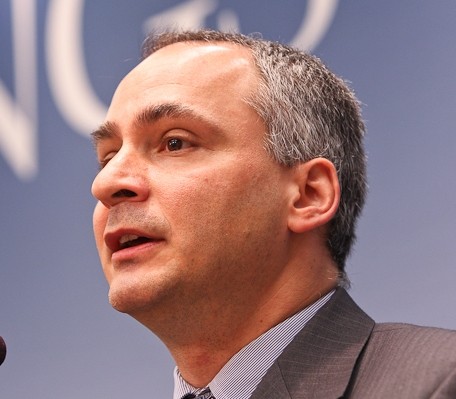
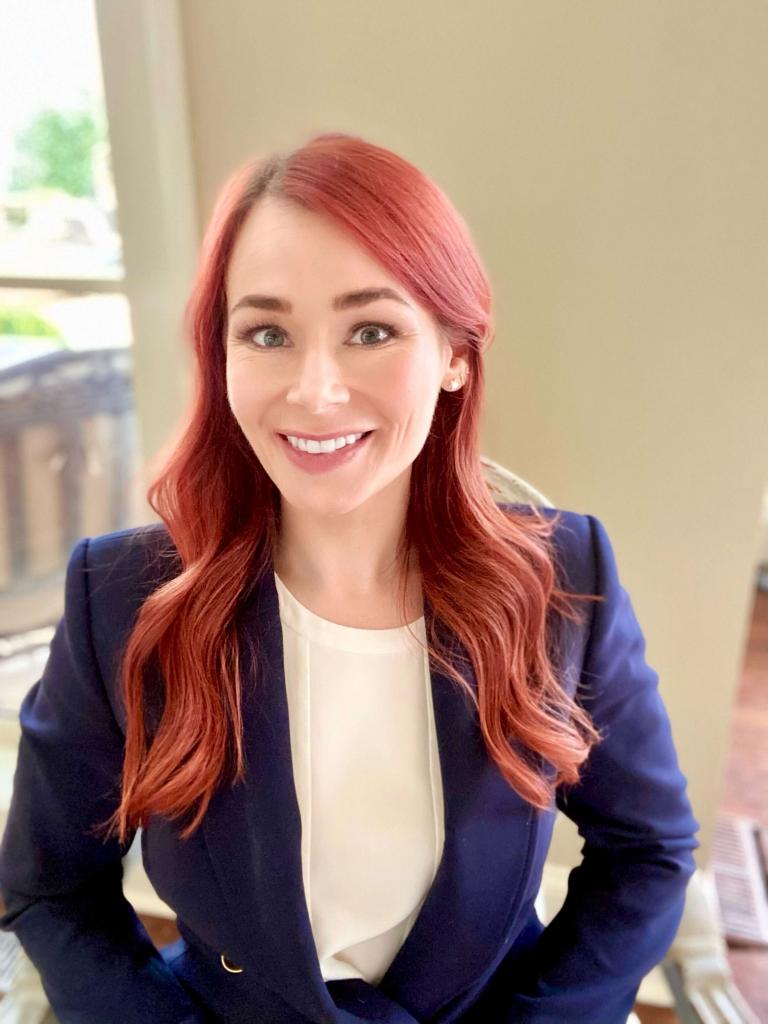



In a live conversation on YouTube, Lawfare Editor in Chief Benjamin Wittes sat down with Senior Editors Eric Columbus, Anna Bower, Molly Roberts, and Roger Parloff to discuss the Justice Department settling a second suit with Michael Flynn, developments in the E. Jean Carroll litigation, the D.C. Circuit denying a stay pending appeal of the order to take Trump’s name off the Kennedy Center, and more.
You can find information on legal challenges to Trump administration actions here. And check out Lawfare’s new homepage on the litigation, new Bluesky account, and new WITOAD merch.
To receive ad-free podcasts, become a Lawfare Material Supporter at www.patreon.com/lawfare. You can also support Lawfare by making a one-time donation at https://givebutter.com/lawfare-institute.
Click the button below to view a transcript of this podcast. Please note that the transcript was auto-generated and may contain errors.
Transcript
Benjamin Wittes: It is Friday, the 10th day of June 2026. It is 4:00 PM in Washington, D.C., and I have a surprising announcement for you folks. You are watching Lawfare Live: The Trials and Tribulations of the Trump administration. My name is Benjamin Wittes. I'm editor-in-chief of Lawfare, and I am here with Lawfare senior editors, in alphabetical order, Anna Bower, Eric Columbus, Roger Parloff, and Molly Roberts. My, my live insta-alphabet- alphabetizational skills are unparalleled. And the trials have been trialing and the tribulations have been tribulating, and we are going to go all through it.
We're gonna start with Anna Bower, who is in Georgia, where a federal judge has quashed DOJ subpoenas seeking information about 2020 poll workers and volunteers in Fulton County. And Anna, I wanna start with the identity of the federal judge in question 'cause it makes this story a little bit more interesting. Was this one of those liberal activist judges that Georgia is so famous for?
Anna Bower: No, this is not one of those liberal activist judges that Georgia is so famous for. This-
Benjamin Wittes: So it's not somebody who gave money to Fani Willis?
Anna Bower: It is not, no. This is Judge William Ray who is a well-known conservative judge deep Georgia roots type of guy who, you know, went to UGA for undergrad, grad school, spent some time in Georgia politics as a Republican, as a state senator. And in fact, his successor to that seat as a state senator was none other than David Schaefer, who later would be indicted alongside Donald Trump in the Fulton County case brought by Fani Willis. Judge Ray also served before he was on the bench as the Republican Party chairman in Gwinnett County.
So this is a guy with a lot of Republican bona fides before he becomes a judge. He ultimately, after serving as a, as a state court judge for some time, is then appointed to the federal bench by none other than... Can you guess, Ben?
Benjamin Wittes: Let me guess. Jimmy Carter.
Anna Bower: No. Donald Trump during his first term. And Judge Ray-
Benjamin Wittes: I'm still just working on this guy being, you know, a crazed liberal activist slavering with eagerness to overturn the will of the people.
Anna Bower: Yeah, and, and look, like Judge Ray, as far as I can recall when, during law school when I worked in the federal PD's office you know, my recollection is that Judge Ray is, is known to be a pretty, you know, tough on crime type of judge.
This is not someone who is, is, you know, known to be a type of judge you might think would quash a subpoena. The, it certainly seems like the type of judge who, putting aside his political ideology you know, really often takes the presumption of regularity very seriously and presumes that DOJ is acting in good faith and, and those types of things.
Benjamin Wittes: All right. So, what did he have to say? And rem- and remind us, this is not the search warrant. This is an additional subpoena that has been served on whom for information about these poll workers?
Anna Bower: Yeah, so, this is a subpoena. It's related 'cause re- recall that there was the search warrant, Fulton County sought to get its election materials back. Judge Boulee declined to allow that or, or grant that relief. This is again, as we've mentioned before, a different judge, and it's a subpoena, but it's related to that same investigation that's ongoing related to the 2020 election in Fulton County.
And the subpoena sought a ton of informa- personal identifying information about, basically, I, I mean, look, this isn't, this is just me paraphrasing and summarizing, but, like, basically it's, it seeks personal identifying information about, like, anyone who volunteered or worked on the election in Fulton County during the 2020 election, like election workers.
And DOJ has argued that this is all a part of a legitimate law enforcement investigation, that they need this information to investigate the crimes. It, it seems from the order and from the filings, it's the same underlying crimes that are being investigated that were mentioned in the affidavit and in the search warrant related to the seizure of election materials at the election hub. Recall that that's, you know, the, the election fraud statute and then also the retention statute that makes it a misdemeanor not to fail to retain election materials for a period of 22 months after the election. And Fulton County, who received the subpoena, then moved to quash the subpoena, arguing, you know, that it's unreasonable and oppressive making those types of arguments.
And for a long time we didn't have access to the docket because it was sealed in this case, but many of the materials have now been unsealed, including this order from Judge Ray in which he quashes the subpoena for this information about election workers. And it's a really remarkable 28-page opinion in part because, as you mentioned, Ben, it's coming from this judge with these con- this conservative background who is a Trump appointee, but also because he really doesn't hold back in making it clear that he thinks that, you know, this is just pretext for Trump to look for reasons to shore up his claims that the 2020 election was fraudulent and rigged.
He, he quite, and, and there's so many things in this that I wish I could point out. I, I started highlighting things and ended up with, like, three full pages of, of things that I wanted to point out. And so it's really worth, I, I encourage people to read it because it's worth reading.
But he, he says, you know, basically, I, I don't, he doesn't seem to believe the DOJ has a legitimate law enforcement purpose here. And then he goes on to say, "I'm going to quash this because I'm balancing the need versus, you know, the burden of compliance on the county." That's the legal standard that he applies. And in doing so, he looks at, for example, the statute of limitations and says, "It's just not possible, if you look at it, that there's a legitimate law enforcement need here because there's just no way that the, that there could be a crime be- because the statute of limitations for these crimes that have been mentioned has lapsed."
So he, he does that. And then, you know, there's just a lot of comments here that are, again, really just kind of zingers in which he makes it very clear that he thinks that this is all just kind of, what is it, how is it that he puts it? Quote, "arbitrary fishing expedition." So I, it's, I, I think it's really remarkable. It kind of is a blueprint potentially for future efforts to quash subpoenas for, in these kinds of circumstances, maybe in other states where there's investigations related to the 2020 election. But yeah.
Benjamin Wittes: Right, maybe in Florida in connection with the grand conspiracy investigation. So I remember back in the old days when we were talking about Judge JP, AKA “Creme Boulee” we you observed after spending a lot of time in that evidentiary hearing that the sort of doubt about the presumption of regularity just kinda hadn't made, made its way to Georgia yet, and that that might be, you know, big in D.C. and big in the Nor- in the Eastern District of Virginia and, you know, Boston and New York. But down in Georgia, there was still, you know, kind of the Justice Department was the Justice Department, and Judge Boulee was definitely operating in that. This seems like it's, like the memo's gotten to Georgia.
Anna Bower: I, I definitely think the memo's gotten to Georgia, and I, I don't think that it helps that, you know, DOJ is using, you know, there's one footnote in which Judge Ray says here that, you know, it's not even clear that there's a Georgia grand jury that's even, you know, looking at this stuff. There's, all that he's seen is that there, there's this out of district grand jury. So I don't think that Judge Ray seems to be looking very kindly upon this idea that it's, they're having, have, they have all these irregular procedures that are being used to investigate this issue.
But also it may be too that with the difference between Judge Boulee and then how Judge Ray handled it, Judge Ray pointed out that there's just a different standard that's operative here with respect to what Judge Boulee was looking at and then, you know, what Judge Ray is looking at.
On the one hand, there was that very high standard that we talked about of callous disregard. Judge Boulee didn't think that the Fulton County had met that standard in order to obtain its property back, whereas here there's a different standard when it comes to quashing a subpoena, and the standard that he applied was, you know, this balancing test of weighing the need for the materials versus the burden of compliance. So, so, so two very different types of things that they're looking at and he-
Benjamin Wittes: Yeah, but, but that, that can't explain the difference in tone.
Anna Bower: Yeah.
Benjamin Wittes: Right?
Anna Bower: I think that's right.
Benjamin Wittes: The, you know, Judge Boulee you'd think he was confronted with a normal Justice Department doing a normal criminal investigation about which there may have been some questions around the edges. And, you know, Judge Ray sounds like he has been reading “The New York Times” and kinda knows what, what the, you know, know, kn- knows that there is a national trend of judges being suspicious of the factual representations of the administration.
Anna Bower: Yeah, and I need to think a little bit more about, like, what it would be that might be the reason why. Has, has there been additional intervening, you know, happenings in the Northern District that, that might have led to this? I'm not sure. But-
Benjamin Wittes: Well, there, there have been some prominent conservative judges writing, I mean, Judge the chief judge in Minnesota, right? Who whose opinion I believe Roger talked about last week, or, or, or maybe it was Eric, I'm not sure.
There, you know, like, there have been the word just kind of may be getting around that-
Anna Bower: Right
Benjamin Wittes: The Justice Department isn't playing by the rules. All right, let's move one state south.
Anna Bower: Can I, can I just say really quickly-
Benjamin Wittes: Please
Anna Bower: Before we leave, leave this, is that there hasn't been a notice of appeal that I've seen yet, but it, Judge Ray seems to anticipate that there will be. He has a footnote or a line in this opinion in which he says, you know, he's talking about the standard he applied and he says, you know, "There's not controlling precedent in this district," and, you know, "I will apply the controlling precedent if the 11th Circuit decides differently," or something to that effect. So, he certainly has on his mind that there may be an appeal, but there's nothing yet that I can tell that indicates DOJ is gonna go up to the 11th Circuit.
Benjamin Wittes: All right. Molly, one state south, we have an opinion ordering the Department of Homeland Security to restore four states' access to citizenship data. What's going on there, and are we setting up a, a, a conflict between district judges around the country?
Molly Roberts: Yes, is the answer to the second question. The answer to the first question is, so Judge T. Kent Wetherell II, which is an excellent name,
Benjamin Wittes: Yeah. We got we, we’ve, we've T. Kent?
Molly Roberts: Yes, T, like, yes-
Benjamin Wittes: Okay.
Molly Roberts: The letter, the initial, Kent Wetherell II of the Northern District of Florida. It was the name-
Benjamin Wittes: Okay. I'm, I'm, I'm on
Molly Roberts: name so good they had to use it twice. And he, he ordered-
Benjamin Wittes: Maybe we should call you T. Molly Roberts II for the rest of the show.
Molly Roberts: Sure. I'll take it. It's, it's much, much more exciting name. Mine's a little too generic sometimes for my taste.
He ordered the Department of Homeland Security to allow four Republican-led states access to federal citizenship data to help them screen their voter rolls, so allowing them to use the SAVE database that the administration has reconstructed.
Benjamin Wittes: And what was preventing them from doing so?
Molly Roberts: Well, so what was preventing them from doing so most recently was an order from Judge Sparkle Sooknanan here in D.C.-
Benjamin Wittes: Right-
Molly Roberts: Telling the Department of Ju-
Benjamin Wittes: All of the awesomely named judges.
Molly Roberts: I know. I was gonna say they're, they're great in very different ways. They're great. They're both terrific names. They're both way better than Molly Roberts. So I don't know. It's the case that's making me a little bit jealous.
But she had ordered the Department of Homeland Security to stop letting states search this data because the information was incorrect, out of date, it could lead to disenfranchisement, and it was violating the Privacy Act. And we talked about this when she did that two weeks ago, but basically it had to do with the administration having sort of overhauled, reconstituted the SAVE database, which was initially created to verify people's immigration status for public benefits purposes. They were overhauling it to use it for verifying citizenship for voting purposes, and she said, "You can't do that."
The kind of strange aspect of what happened here is that it is based on a legal settlement that happened last year between the administration and Florida, which came to be because the Florida attorney general had sued the Biden administration for not letting states verify citizenship against federal records when they said, "Hey, we wanna search your records and verify citizenship."
And then the Trump DOJ came in, took over, moved to settle, and gave Florida even more than it had asked for by saying, "Oh, and we're gonna incorporate Social Security data here that you can get too." And this is sort of an interesting and perhaps insidious trend by which the administration settles with states on board with its agenda and comes to these agreements that bind the parties for, in this case, 20 years.
So, effectively ossifying federal policy for future administrations, not just this one. And that's happening in other areas than this voting area. And so-
Benjamin Wittes And-
Molly Roberts: Yeah, go on
Benjamin Wittes: To be fair to the Trump administration the, you know, administrations of other dispositions have done the same thing through consent decrees of one sort or another. Although I don't know that they've done it in these particular areas, but it's kind of a way of making policy that lasts for, you know, that, that is very difficult for successive administrations to change.
Molly Roberts: Right. And in this case, it's also now conflicting with an order from another federal judge, and so, you've created this separate conflict based on the settlement. And Judge Wetherell said, literally, "One of the orders has to give," and in the interim, he's going to issue his order to the Department of Homeland Security, and he'll leave it to them to figure out how to fulfill their obligations. He wants a status report by the 17th, I believe, about how they're complying. And so the-
Benjamin Wittes: So if I were Judge Sparkle Sooknanan I would say, "I had an order. I have not rescinded my order or modified my order. What is this guy with a cheap name from the Northern District of Florida coming in and ordering you to violate my order?" Has she had anything to say about this?
Molly Roberts: I don't think she has yet, although I could be mistaken. I imagine that she will. The D.C. Circuit is also considering an appeal of her decision. So tho- those are kind of the various factors at play here in D.C. But it seems sort of wild to think that this judge in Florida would issue an invitation for the Department of Homeland Security not to obey her order, and that she would-
Benjamin Wittes: It's not an invitation, it's a demand-
Molly Roberts: It's yes, yes, it's an order not to obey her order. Yes, that is right.
Benjamin Wittes: that is right. Right. So you have, you have the, you have two executive branches, which since we have a unitary executive, they get to act sequentially, right? One says you're, "We're not giving you this stuff." Yep. The other one says, "We are, and actually we're gonna force some other stuff down your throat."
Molly Roberts: Yep.
Benjamin Wittes: And then you have two federal judges. One says, "You can't, you can't access it," and the other says, "You must access it." I, I'm not sure what the conflict mechanism, the conflict resolution mechanism is here. The 11th Circuit doesn't bind Judge Sparkle Sooknanan on, and the D.C. Circuit, however it rules, doesn't bind Judge T. Kent Wetherell. And so how does the, the state know which order to follow?
Molly Roberts: Well, it's less the state or, or you, the state you mean the federal government or-
Benjamin Wittes: DHS
Molly Roberts: It, it's DHS. So I mean, I kind of think they choose the order they like better to follow. Right? I mean, I, I, I don't know. They're gonna be presumably asked by both judges, "Are you complying or are you not complying?" And then I guess they'll tell T. Kent Wetherell if they decide that they want to let Florida search these databases, which they do.
They've been all about trying to get as many states as possible to search these databases. I guess they'll say yes, Judge, to him, and then they'll say to Judge Sooknanan, "No, no, we have a problem." I, I, I, I don't know. And then, and then you'd think she would issue some sort of order to, you know, enforce. But-
Benjamin Wittes: Well, we will keep on this. And for those who are worrying, yes, we are, we will check in on the names of any other judges who get involved. And we will make sure you're aware of, of that.
Meanwhile speaking of elections the administration, the president has fired all three serving, although one of them was allowed to resign, as I recall members of an obscure elections board that no one's ever heard of that is supposed to give technical aid to, and advice to state boards of elections. So first of all, what is the EAC, the Electoral Advisory Committee? And secondly, should we care if it is now depopulated?
Molly Roberts: Yeah. So it's a, it's a good question about whether we should care. I think yes, but I think that it is not totally clear what the point of this is or totally clear what's going to happen.
So, you are right. Two of the Republican commissioners on the Election Assistance Commission were, well, so one voluntarily departed months ago. There's supposed to be four commissioners, two from each party. One was allowed, graciously, to resign yesterday, and then the two remaining Democrats were fired, so now there's no one.
Benjamin Wittes: And were they given a chance to resign? Was it just-
Molly Roberts: I do not believe so. I believe they just got an email saying, "You are done."
Benjamin Wittes: So it's like, you know, one, it's like the, some people, you give them a pistol, and you let them dispatch themselves, and some people, you just kill them.
Molly Roberts: Yes, yes. You let the Republican go with honor, I suppose.
Benjamin Wittes: Yeah, exactly.
Molly Roberts: Yeah. It’s, but, yeah, again-
Benjamin Wittes: It's good that they did that-
Molly Roberts: Very gracious.
Benjamin Wittes: For him or her.
Molly Roberts: Yeah, yeah, but so the commission does a few things. It's a very limited role. So one thing that it does is it maintains the federal voter registration form, but that is not something that is widely used.
Another thing that it does is it establishes voluntary guidelines for voting systems to conform to, and then it also does certification for the voting systems, but states don't have to have their voting systems certified by it. They just often take advantage of that. And then they do grant making to support state election administration. So those are-
Benjamin Wittes: So-
Molly Roberts: Yeah, go on.
Benjamin Wittes: Why does Donald Trump or anybody care enough about these people to fire them? Like, what's the significance of this that, I, I mean, other than sort of wanton destruction on the federal government, what's the objective here?
Molly Roberts: Yeah. So I mean, this is a bit of theorizing, hypothesizing, although some of it I think is pretty well-informed, and I'm also curious to hear what Anna thinks about this. But the 2025 executive order on voting that President Trump issued actually focused on the Election Assistance Commission. It focused on that federal voter registration form. It wanted there to be a citizenship requirement included.
So, I mean, you can think, okay, now that got struck down because he was trying to do it through the commissioners. He was told he couldn't tell the commissioners via executive order what to do, but, you know, maybe if there are no commissioners, he can just try to go ahead and do it himself. I'm sure he can't, right? But maybe he thinks he can, or maybe he's going to try to appoint, you know, acting commissioners, and then he's gonna appoint people who are already gonna do that without having to tell them via executive order. Although, again, I don't think putting a citizenship requirement on that form is actually, makes a huge difference for the election.
The other thing that he maybe could do is, again, the Election Assistance Commission certifies voting machines, and, you know, it's possible that if what you're trying to do in the wake of the election is raise a lot of doubt about whether things were conducted normally and you want to allege fraud in spots, you can say, "Oh, these weren't certified because the Election Assistance Commission wasn't able to do it 'cause they can't do anything 'cause there's no one working for them."
Those are just a few thoughts. It's definitely something that I want to learn more about, so hopefully stay tuned.
Benjamin Wittes: Yeah, it just seems like of all the de- components of the federal government to decide on July 9th or whenever, like, they've gotta go, the Election Assistance Committee- Commission seems like an odd one. Anna, what's your take on all this?
Anna Bower: Yeah, I need to do a little bit more digging and refreshing of, of some background with the election, how the Election Assistance Commission figured into some previous litigation over the 2020 election because that, it, it, to my recollection, for example, in Georgia, Kurt Olsen, who most recently was the “White House Election Czar” or whatever it was that they called him and then now apparently is working on the grand conspiracy case in Florida man of many hat- or man of many jobs-
Benjamin Wittes: Yeah.
Anna Bower: Much like Marco Rubio. He, he brought a case in Georgia that related to certification of the machines, trying to get say that the machines were not appropriately, you know, certified, and it, and it had something to do with the EAC guidelines related to certification of machines. So I, I need to refresh my recollection of that case and exactly how potentially that could all play out here.
But the thing that I would note is just that, like, any re- like, the board it has to, to be able to actually do new things or, or, or disperse new grants or make new policies, it has to actually have a, a quorum, and it doesn't have a functioning quorum right now because the, the people have been fired or resigned. And- Oh, you're, you're muted, Ben.
Benjamin Wittes: Sorry, it, it, it, it overstates the ma- understates the matter to say it doesn't have a quorum.
Anna Bower: It doesn't have a quorum at all.
Benjamin Wittes: It has no members.
Anna Bower: It has no members at all, and so it can't, it, it, it can't, they can't continue, as my understanding goes, the, the staff of the EAC that still exists can continue to do certain things to kind of maintain like a bare minimum level of, of existing functionality, but they can't do, you know, the things that the board would typically do, obviously, 'cause there is no board. And to have a, a, you know, board that can function, you have to appoint people and have them confirmed by the, the, you know, confirmed.
So, the question is, you know, how much damage can really be done here up in the run-up to '20, to, to the midterms because you don't have a board, and without the board you can't really do anything. And if you wanna have a new board, well, are, it, are you really gonna get the people that you want who are the election conspiracy theorists confirmed by the Senate? I think maybe not.
Benjamin Wittes: Right. All right.
Eric Columbus: Sorry, can I just ask to plug the piece that we just published on this by Nick Bednar? Nick we just published a piece by, co-authored by Nick Bednar a, a longtime writer for Lawfare, and Todd Phillips, another professor who I think is writing his second piece for Lawfare, arguing that despite the recent decision in the Slaughter case allowing the president to remove multi- board members in, in multi-member boards without cause, that he cannot do that in this EAC context because what he's basically doing is destroying the agency and rendering it incapable of doing anything, and basically destroying a, a an entity that was created by Congress. And they, they also argue that he's cannot in fact appoint acting commissioners under the Federal Vacancy Reform Act.
So, I don't know if their argument is right. I, I hope it is, but it's an interesting piece and worth checking out. It's titled "Faithful Execution and the Removal Power."
Benjamin Wittes: All right. Roger, there have been developments to the tune of $5 million in the E. Jean Carroll case. Bring us up to speed.
Roger Parloff: Yeah. So this is Carroll II which-
Benjamin Wittes: By which Roger means Carroll One.
Roger Parloff: By which I mean the one that was tried first. And yeah, it's $5 million. It's, it's actually very important, not because of the 5 million, but because this is the one that adjudicated the sexual abuse charge, and, and so, and also one defamation charge when Trump was out of office in 2022.
So, the, the court denied cert Ju- June 29th with no noted dissents. And so, J- Roberta Kaplan, no relation to Judge Kaplan put in for the release of the 5 million from the court registry where Trump had had to deposit 5.5 million security to appeal. And that gains interest, and that'll be sufficient to cover the award with post-judgment interest, which is around 5.779.
The, Trump's attorney asked for more time, said, "I'm gonna move to rehear for a petition to rehear the denial of the cert." Kaplan denied the, he said, "I'm, I'm, I've just retained a new lawyer. I ne- he needs time to to get up to speed." Kaplan said, "Forget about it." And then the opposition motion was filed by this new lawyer and, and an old lawyer, Michael Madaio, and the new lawyer is Josh Halpern. And it said, "We have just filed our petition for rehearing. We want to await that."
And I'll, I'll talk about the petition for rehearing in a minute, which is, is sort of interesting. And… Roberta Kaplan responded to that, and then the judge denied that in a six-page motion. Basically, you know, the two of them stipulated back, I think, in 2023 when the judgment came down they said "We're after a denial of a cert, a cert denial you will release the judgment," and that's what you have.
And so he just said, you know, "This is a literal interpretation. If you wanted, if you could have written a final denial of cert," obviously it's exceedingly rare. There is such a thing as a rehearing at moving to rehear, but obviously it's exceedingly rare.
Then he quickly appealed that. He sought an administrative stay from the Second Circuit and that in- incidentally Roberta Kaplan called that the seventh appeal. I don't know if that's the seventh appeal in Carroll II or if that's all two the two cases together. But anyway that was denied the same day, July 8th, in a one-sentence ruling by the Second Circuit, really just one Second Circuit judge.
So, the, it looks like she will get her money. As I understand it, it takes a while to move five or close to $6 million from a court registry and get it through the banks and get it to Roberta Kaplan's client account, and I don't think that has happened yet. I think it's expected to happen early next week.
If I could go back, though, to that petition for rehearing, it's quite i- interesting to me 'cause it's, it's, I obviously, I think it sh- should lose. I, I think it's it's raises issue, an issue that's never been raised before, so you would think it's been waived.
But people had wondered because this case reached the Supreme Court, was fully briefed by January. And so, in February, the Supreme Court started rescheduling and resched- they rescheduled this 15 times. Now it may be one justice, we don't know how many and we, but nobody could figure out why, 'cause the two cases are very, very distinct in terms of the issues they raised.
Carroll II is just sort of, run-of-the-mill evidentiary issues that the Supreme Court never handles. The other one, it, which is about defamations during his term as president, first term, that raises sort of conventional immunity issues and related issues about presidents.
And, and so what the claim is, is very similar to the one that is being raised in People v. New York, the criminal case, which is incidentally being done by the Sullivan & Cromwell lawyers who apparently are now playing a role in the petition for the upcoming the upcoming petition in Carroll I. Anyway it, it seems that one of the justices, at least, wanted to view the two together. And and eventually on June 2nd Trump's lawyer in Carroll II actually asked them to wait until Carroll I was filed, the petition, so that they could.
And the, so the theory is this in Carroll II obviously when Carroll was describing, when everybody was describing the events, you had to mention that Trump first began to defame her in 2019 when he was president. And, and that's not the subject of this case, but that is a different case, don't, but it was mentioned. And so Trump v. United States comes down in 2024 after this case, after Trump, all, all, both these cases are fully briefed, and it says, remember in that part that Justice Barrett didn't join, you can't use, you can't even use evidence of an official act to prove non-immunized wrongs.
And so they're saying that's the question that's being raised in the next case, Carroll I, and if we're right about that and you find that, you know, that was immunized, the defamation in, during his term, then you, there was a reference to it in this case, Carroll II, and that should taint it. That's the connection. Now, hopefully that's been waived 100 times, but anyway, that's, that's where that stands.
Benjamin Wittes: All right. Let's talk briefly about Sullivan & Cromwell which seems like there is a, is it an overstatement to say pitched fratricidal battle between partners about whether to keep representing the president?
Roger Parloff: That seems to be the a fair, fair comment. “Wall Street Journal” has a good article today, Ryan Barber, Joe Palazzolo, and Josh Dawsey. There's a, also an article on, ab- “Above the Law.”
And accor- I think I mentioned this last time that there was some issue about Sullivan & Cromwell, whether they were involved. At that time, I thought they had decided not to be inv- They had told many journalists that they were not involved. But from the Journal, it sounds like, they may be involved. I guess we won't know until they file the brief, and even then, if it doesn't have their name on, they might have ghosted it anyway.
But yeah, they seem to be doing it. And like I said the, the, the argument that is being raised now belatedly in Carroll II sounds a lot like the one that the same Sullivan & Cromwell lawyers, Robert Giuffra is the top one raised in the People v. New York case. The, there the claim was that after the trial the, the Supreme Court ruled in, in Trump v. United States that, you know, even that official acts couldn't be used to prove unef- unimmunized wrongs, and of course, some of that case involved, you know, statements that Hope Hicks made in the Oval Office and stuff like that.
Benjamin Wittes: All right. Let us turn to the trial of and tribulation of Olympian David Hearn who, you know, has been arraigned now for the iniquitous crime of peeling paint off of the bottom of the reflecting pool. And Roger, is this any way to treat a canoeing hero?
Roger Parloff: I, I'll, I'll maintain a, a neutral posture here. My usual neutral posture.
Benjamin Wittes: I mean, I, I thought, I thought when you, when you have canoed for your country, you are entitled to commit property crime for the rest of your life. What, what value is a canoeing trip to the Olympics?
Roger Parloff: Well, I do think this fellow is going to have a lot of jury appeal.
Benjamin Wittes: I do too.
Roger Parloff: I, I went to the Superior Court to see this. He is a, he's, you know, he's not a huge middle linebacker-type athlete. He's a, a very wiry and lithe and, but very fit even I mean, he was an Olympian a long time ago. He's a tough customer. He did not look scared. And I think he's gonna make a good wit- There were a lot of people there, you know, a lot of support. His Olympic coach was there, his neighbor from Bethesda was there. I'm sure a lot of, a lot of people from the C1 canoeing community-
Benjamin Wittes: Right, right.
Roger Parloff: Which I learned is the difference. It's not this sort of canoeing, it's one, one paddling.
Benjamin Wittes: Yes.
Roger Parloff: You go… Yeah. But anyway this was just an arraignment basically. He wanted to get a quick trial date but she said there because of the lack of resources and when you're, if you're a non-detained defendant, you're not gonna go to trial before February 2027. So ,they arranged a status conference in August.
The, but the, the main lawyer in court was Mary Dohrmann, who is with the Washington Litigation Group. She used to be one of Jack Smith's assistants and was also DOJ lawyer for A U- AUSA for maybe seven years. Also a guy from Steptoe named Steve Levin, who's a very experienced criminal guy and, and Norm Eisen.
Benjamin Wittes: There's a lot of firepower for Superior Court.
Roger Parloff: Yeah. Yeah. And, and Norm Eisen from De- Democracy Defenders. The prosecutor was Kevin Reddington he appears to have joined the office in April 2025. He graduated in 2021. I mean, he was admitted in 2021. And, and then the judge is Carmen McLean, and of course, she's not an Article III judge, this is superior court so the appointment process is a little different. But she was nominated by Obama in 2016, re-nominated by Trump in 2017 and confirmed in 2019. She's a Jones Day partner before that, so that could give you the shivers, but she was head of their pro bono department. And in fact, she was chair of their diversity committee, so, she might need-
Benjamin Wittes: I'm surprised she's still on the bench.
Roger Parloff: Yeah, she might need to worry about getting indicted herself, so-
Benjamin Wittes: Yeah...
Roger Parloff: Anyway, the interesting seems like a down the middle judge, but I, I, I, I think there will also be significant motions practice. The defense team is asking for a lot of discovery. They wanna see every video and still that's been taken of the reflecting pool basically since June 2nd. So, it'll be interesting.
Benjamin Wittes: All right. We will keep an eye on this in the true spirit of the Olympic tradition. And you know, we don't have golf for you this week, but we do have Olympic canoeing.
All right. Let's talk about the Kennedy Center because you know… You know, I went away and they were, Judge Cooper had ordered the name to come off, and then this vanity thing went up and, and now there's a D.C. Circuit denial of a stay pending appeal of this opinion, and his name's come off, but nobody can see that it's off because there's this curtain in the way, like it's a, you know, we're, we're shielding the public's eyes from this. What's going on?
Roger Parloff: Well, as far as that curtain the plaintiff did ask to have that removed or at least explained. And Judge Cooper, he seems to be handling them with the defendants with kid gloves. He said they, he gave them until July 31st to explain that when they explain some other things that they need, the, the, the sort of the next step in the case. And if it's still there, then they need to explain why. And it's still there.
Meanwhile of course, if you remember the day that he was supposed to finally take the letters down, he put in an emergency appeal to, appeal to the D.C. Circuit, and he mentioned for the first time a bylaw to a group, to a different, to a nonprofit, probably a D.C. nonprofit, called the Trump-Kennedy Center for the Performing Art- Arts Foundation, and he claimed that this would require the return of millions of dollars hundreds of millions, if his name was not restored.
And they, they rejected that argument this week. They had, they had denied the administrative appeal, and now they've, I mean the administrative stay, and now they've denied the stay of appeal. A- and basically they say "Appellants argue that a new entity called the crun- Trump-Kennedy Center for the Performing A- Arts Foundation will no longer be able to fundraise and must return all money raised or committed to it if the name Trump is not returned. Appellants never raised that factu- factual contention in district court, and they have given no explanation for failing to do so. Such a posthos- hoc argument cannot demonstrate an abuse of discretion by the district court." This was unanimous. It was Millett, Wilkins, and Katsas, which is Obama, Obama, Trump. So I, I think that's settled.
Benjamin Wittes: But, you know-
Roger Parloff: Also, it's, it's-
Benjamin Wittes: If my name is not put on The Kennedy Center. There are millions of dollars that I will have to return to people that I represented that my name would be on the Kennedy Center, and, and, and yet the court has not intervened on my behalf.
Roger Parloff: Yeah. So- the, good point. And the also, the irreparable harm was a hard argument to make because-
Benjamin Wittes: Right.
Roger Parloff: Allegedly the let- the, the name has already been removed. So-
Benjamin Wittes: Also, you can put letters back on.
Roger Parloff: Yes, you can put letters back on.
Benjamin Wittes: It, it's the definition of irreparable harm, right? Yeah. Taking letters off, putting them back on. It's, it's, you know, it's, talk about things that are reparable.
All right. Speaking of making amends and settling things and, you know, the Justice Department, Ana Bower, has settled yet another suit with Mike Flynn and paid him off again. So, what, what are they giving him money for this time?
Anna Bower: Yeah. Well, actually we, we, I think we talked about this back in April. Recall that Michael Flynn settled one suit for 1.25 million, and we've published that settlement that we obtained through a, a FOIA suit that Ben and I are the plaintiffs in. So people can check that out on Lawfare.
But there was a second suit that had not yet been settled until recently that related to allegations that Flynn made that his retirement pay related to his service in the armed forces had been illegally garnished by the U.S. military in connection to disciplinary proceedings related to a speech that he gave in which he received payment from a Russia-controlled entity. So his retirement pay was garnished because of that.
He then sued over it, and in April, as we, I think discussed here, or maybe I just wrote about it or, on Twitter or something, there was a joint status report in which the parties asked for additional time because they had agreed in principle to a settlement. So, we kind of knew that a settlement was coming.
And then in the most recent filing, they've, they've stated that, you know, they've actually agreed f- and finalized a settlement. And it's been reported by Bloomberg that that settlement, although it's not public and I, and we haven't obtained it, Bloomberg's reporting is that that settlement is for less than $75,000. So a much smaller sum compared to the 1.25 million settlement for Flynn's other civil suit.
But nonetheless a, an indication that although there was so much backlash in relation to the weaponization fund, it seems that the Flynn happenings indicate that the administration seems to have no qualms about moving forward with individual settlements despite the backlash related to the weaponization fund. So yeah, that's the update with Flynn, Ben. Any questions?
Benjamin Wittes: No, I mean, I just wonder does, is there any other litigation pending that he has that we're gonna find out, like, three weeks from now they've settled you know, and paid him another lump sum?
Anna Bower: Not that I'm aware of, but you never know. We'll, we'll see.
Benjamin Wittes: All right. Yeah. All right. We're back to Judge Sparkle Sooknanan here Eric, and I hear she is not thrilled about having to approve the Security and Exchange Commission's settlement with Elon Musk over purchases of Twitter stock in the run-up to his transaction purchasing all of Twitter.
Eric Columbus: That's a good description, “not thrilled.” So there's a, a, rule in the SEC that you have to if you buy 5% of a company that you have to disclose that you have done so, and I'm sure I'm, you know, overlooking all kinds of exceptions and, and details there. But this is part of the Security Exchange Act, Securities Exchange Act of 1934.
Elon Musk did not do so. He bought, when he bought 5% of, of Twitter back in the day, and he was making small purchases of Twitter in, in the run-up to eventually buying the whole thing. And this apparently ultimately by, by, by not disclosing, apparently this saved him around $150 million because the price would have gone up, the stock price would have gone up, and therefore his eventual purchase price would have gone up had he been disclosing all along that he was buying money in, in Twitter.
So, in, in the beginning of 2025, in, in January 2025 right before, right at the tail end of the Biden administration the SEC sued Musk for this. And apparently the, the, such a suit is, is, is usually accompanied by a settlement because it's very cut and dry if you, if you violate this law. But, but Elon Musk is not the typical defendant. He is rather obstinate, and of course, he knew that a, a friendly administration was, was coming in.
The SEC asked for $150 million back in, in essence, which apparently is also unusual, but is linked to the unusualness of the defendant not settling then and there. And so, then Musk tried to dismiss the complaint. The, the case kind of dragged along.
Suddenly in May, the SEC filed an amended complaint with, with Musk's consent, and the parties jointly moved for the court to enter a consent judgment. And the consent judgment would require Musk to pay only $1.5 million. And, and technically the judgment would, would run not against Musk himself, but as, as against a, a new defendant called the Elon Musk Revocable Trust which appears to everyone, as far as anyone can tell, to be basically Elon Musk just in irrevocable trust form.
Benjamin Wittes: Do we call you from now on the Eric Columbus Ir- Irrevocable Trust?
Eric Columbus: Yes, you, you're welcome to.
Benjamin Wittes: Okay, 'cause I'm, I'm, I'm thinking that's a good persona, you know, for us all to have an irrevocable trust associated with our names.
Eric Columbus: It might be.
Benjamin Wittes: That can accept punishment on our behalf.
Eric Columbus: There was also at one point a, a, a status conference in March, and, and Judge Sooknanan reminds us of this in her opinion, where Musk's counsel stated that she'd been informed that the parties had made progress towards settling the case. But then she said, "Unfortunately, my, my colleagues," meaning opposing counsel, "at the SEC were not fully read in on that." And that's kind of a bit of a red flag to a judge-
Benjamin Wittes: Yeah.
Eric Columbus: When she's, when one when the defendant knows things that the the government's lawyers do not know or the government's lawyers working on the case.
So, Judge Sooknanan then talks about how she's basically constrained by what she can do, and that she, she's able only to review a settlement for, to see whether it's, it's fair whether it's adequate, and whether it's in the public interest, and that she, she cannot substitute her own interest as to whether, her own judgment rather, as to whether if she had been in the, in the, in the party's shoes, whether she would've entered into the settlement.
And she notes also that the SEC could have dismissed the case entirely, and had it done so, then she would've had no authority to review it at all.
Benjamin Wittes: Right.
Eric Columbus: But that a consent decree in essence invokes the court's jurisdiction, and therefore she does have a, a, a limited role. And, and she goes through the, the, the factors and, and with regard to fairness, she's really just confused by why the, the judgment runs against the trust and as opposed to against Musk himself. And all she could kind of come up with is that maybe now Musk can say, "Oh, I was never held liable in anything," and, and technically would say that actually she-
Benjamin Wittes: It's just my bank account that was held liable
Eric Columbus: Ex- exactly. And she quotes a law review article that says that “a revocable trust is basically just a settler's brokerage account in, in different clothes.”
Benjamin Wittes: Right.
Eric Columbus: But she says, "Look, I, I... This is weird, but I can't really do anything about it. It doesn't really make it unfair or unreasonable. I mean, it's still Musk, you know, paying, paying this." And then she, you know, considers whether the, the, the payment is adequate. And she's, and the SEC says, and both parties say, "Look, this $1.5 million that Musk has to pay is actually the largest penalty ever imposed for a standalone violation of this provision." And she says, "Yeah, but he made $150 million from it, so it's not really that much."
And, and there may be other ca- I was actually chatting with a, a securities lawyer about this earlier today and, who's A- Anne Lipton, who is the, the foremost corporate law expert on Blue Sky and a professor at, at the University of Colorado. And she said like, "Look, you know, y- there may be other cases where y- y- the person who violates this provision does save a, a, a, big ton of money. You just don't really hear about it 'cause usually the settlement agreements are kind of bare bones and the person settles a- a- a m- defendant settles immediately."
But here where Musk was not settling SEC was kind of annoyed enough to put in all the factual details. And, and and, and again Judge Sutkungen concluded that the factor… that she could not conclude that it was an in- inadequate settlement-
Benjamin Wittes: Right
Eric Columbus: Just because of that.
Benjamin Wittes: When two parties wanna settle something, it's very hard to tell them they're not allowed to.
The Molly Roberts Irrevocable Trust, let's talk about the letter in the Eastern District of New York filed by the irrevocable trust of the Principal Associate Deputy Attorney General Trent McCotter defending the decision to drop charges against the irrev- the irrevocable trust of an Indian billionaire.
Molly Roberts: Yeah, sounds good. I'm getting lots of new names today. It's exciting. So this is kind of a weird one. It is about India's richest man, Gautam Adani, or at least that's where it starts. He invested billions of dollars in the United States, and then mysteriously, or not, the Department of Justice dropped its criminal case against him. And now the principal associate at- and Principal Associate Deputy Attorney General, Trent McCotter, has filed a letter in that case at the demand of a federal judge who wanted to see sufficient factual support for the decision, saying these two things didn't have anything to do with each other.
So in May, “The New York Times” had reported that Adani's lawyer met with Department of Justice officials to argue the case should be abandoned and essentially offered this quid pro quo of $10 billion invested into the United States to create thousands of jobs in exchange for dropped charges.
And McCotter says in this letter that he knew about the offer, but he'd already decided to drop the charges, and the, this was for bribes. It was securities charges for hundreds of millions of dollars in bribes that Adani had allegedly paid to Indian officials in exchange for solar energy contracts for his company. His company sought investments from people in the United States, which is the hook to the United States.
So the letter says, "No harm was done to these investors. This is an intra-Indian matter. As proof, the word India appears more than 200 times.” But that's not really the most interesting part of it. The most interesting part is that McCotter essentially says, "We don't have to tell you that. I'm telling you that as a favor. You don't have any right to ask."
And he goes, it's a long, long letter, and it's a strongly worded letter, and it says basically that this is, well, it says this is a “judicial inquisition.” The judge had called the dismissal motion “terse, bland, and conclusory,” and he says that “that's fair, but there are lots of reasons that that's what dismissal motions have to be. And when the court demands an explanation, it's hurting the defendant more than anyone else. But what's more, these are privileged debates.” He invokes Article II. He says judicial inquisition chills these internal debates and that Again, the, he says that “the rationales for dismissing the charges are protected by privileges of a constitutional dimension. We don't have to tell you, but I am hereby granting a limited waiver of the relevant privileges to explain why I move to dismiss.” And then he goes through this not terribly convincing explanation of why he moved to dismiss.
Benjamin Wittes: And just to be clear, this is an indictment of the richest man in India over bribes in India-
Molly Roberts: Yeah.
Benjamin Wittes: That he is alleged to have gotten the Justice Department to drop by making, essentially bribes in the United States in the form of promises to invest $10 billion in the United States. And, and the deputy, the principal deputy associate attorney general's response is, "I don't have to tell you any of this, but yes, I was aware of the offer when I decided to drop the thing, but it had nothing to do with it"?
Molly Roberts: Yeah, that's exactly right, and I should have said at the beginning that he promised this money, he promised to invest it. He hasn't made the investment. But yes, what you said is all-
Benjamin Wittes: So we don't even get the bribe?
Molly Roberts: I don't think we've got, I do not believe we have yet gotten, gotten the bribe. I don't think.
Benjamin Wittes: Okay.
Molly Roberts: I don't believe we've gotten it, that bribe has come through.
Benjamin Wittes: It just seems like we should at least get the bribe if we're
Molly Roberts: I mean, now that it's all out in the open, maybe it's less likely we get the bribe.
Benjamin Wittes: Yeah, it just seems-
Molly Roberts: So really nobody, nobody benefits here.
Benjamin Wittes: Seems like a rip-off.
Molly Roberts: The defendant does benefit here, just like Trent McConnor said he did, and all they're trying to do is keep defendants safe, so.
Benjamin Wittes: All right, Eric Columbus, Irrevoc- Irrevocable Trust. Let's talk about Judge Ali, who, as I believe you predicted a long time ago, has held that the DNC pipe bomber, RNC and DNC pipe bomber, is not covered by President Trump's pardon.
I think we talked about this argument on this show months and months and months ago, and you said you know, the text of the order says everybody who's been convicted is pardoned, and every, this guy hadn't been convicted yet, and he hadn't actually, hadn't even been charged 'cause nobody knew who he was, and that is why, and really the only reason why the pardon doesn't cover him for trying to blow up both the DNC and the RNC.
Am I right that we talked about this and that Judge Ali clearly is listening to Trials and Tribulations and, and snapped to attention when we spoke about it?
Eric Columbus: Well, I assume he would be listening regardless of whether or not we talked about it. I don't specifically recall talking about it, but that, I, I'm not gonna put my memory up against yours by any means.
In, in one sense, this is a cut-and-dry case in that the terms of the pardon apply only to, convictions that arise out of the events on, on January 6th. However, the Department of Justice has interpreted those that pardon in a very weird way by extending it in, in various directions, extending it to people who had been indicted but had not been convicted. They received pardon certificates. And also by extending it to people who were charged with unrelated crimes that were discovered when search warrants were executed by January 6th investigators. So, DOJ has been very eager to apply this rather broadly. So it-
Benjamin Wittes: But not apparently to pipe bombings.
Eric Columbus: But not apparently to pipe bombings. Now, there are lots of other questions about whether this was related to January 6th at all as, as Cole claimed. It was not, actually. And there are also, there's also a second pardon that he maybe could have tried to avail himself of but did not, that, that purported to pardon everyone who was involved in challenges to the certification and other aspects of the election.
So, I, and one reason why I wanted to discuss it today is just to flag a piece that I wrote about it on, way back in, in April that went through all these issues and went through just the whole weird way in which DOJ has interpreted these pardons I think largely at the behest of the president himself.
And it's obviously quite possible that Trump might decide, "Hey, why not? Let's pardon this guy. He seems like a misguided, nice young guy." I'm, I'm quoting Trump. That's not my words. I'm quoting Trump's hypothetical words. And in which case, it's quite possible that Virginia could indict him for the same thing.
Benjamin Wittes: All right. Molly, speaking of blasts from the past, Brian Cole is not the only one, there's also Judge Dugan, who listeners may recall was convicted of helping somebody elude ICE. She was a, a, a judge in, in Wisconsin, and she helped, allegedly, and was convicted of helping a person in her court escape ICE detention for 60 seconds or something.
But she is not going to prison, unlike, I suspect, Brian Cole at the end of the day. Is that right?
Molly Roberts: That is right. She is not going to prison. She will instead pay a $5,000 fine, and the prison time was supposed to be from 15 to 21 months, but the U.S. District Judge Lynn Adelman determined, and mis- determined that she was a good person who made a bad decision, is effectively what he said in court.
And you basically described what happened. A Mexican defendant was scheduled to appear before her for a hearing in a state battery case after he had reentered the country illegally, and she stopped the ICE agents outside her courtroom, said their administrative warrant wasn't enough for an arrest, and then she led him out a private jury door. And then after a brief foot chase, he was arrested anyway in front of the courtroom, and he has since been deported.
So ultimately, she was convicted of felony obstruction, but he, she, they were briefly obstructed. Ultimately, they managed to arrest the guy. And her lawyers had argued along the way that the administration was trying to crush her to intimidate the judiciary into going along with ICE's strategy, sort of abusing immigrants' decisions to appear as the law requires at court as a convenient way to find them and arrest them. She had said that she was trying to maintain the decorum and safety of her courtroom, and that she was just trying to do her job, essentially.
So the kind of dispute here was, well, was she just trying to do her job and was she just trying to exercise the privileges that judges have to maintain their own courtrooms, or was she trying to help him evade the law? And of course, ultimately, it was, the jury found that she was trying to evade the law, but the judge found that she shouldn't go to prison for it. So that's where we are.
Benjamin Wittes: Right. So do you, when, when the jury finds that you were helping somebody evade the law and the judge finds that you shouldn't go to prison, do you get to stay a judge in Wisconsin?
Molly Roberts: I actually don't know the answer to that question because she resigned. She resigned under threat of impeachment. So, she resigned, I believe-
Benjamin Wittes: I think the answer is no ...
Molly Roberts: I believe she resigned a, I could be wrong, but I thought she resigned a month after the conviction. So that suggests to me that there's not any automatic mechanism.
Benjamin Wittes: Right. I, I-
Molly Roberts: Yeah.
Benjamin Wittes: Suspect it means that you don't anticipate-
Molly Roberts: Exactly.
Benjamin Wittes: Prevailing and-
Molly Roberts: Exactly. Yeah.
Benjamin Wittes: All right. Roger, the Fifth Circuit has weighed in on mandatory immigration detention. I gotta say, I did not see this one coming. With, where, where did they go, and where does this leave the, the, the score in, in federal appellate dispositions of this question?
Roger Parloff: Well, this was an interesting sort of footnote to the mandatory detention cases. Actually, we're gonna talk about a case called Sosnova Rodriguez. If you remember there've been, we've talked a lot about mandatory detention, Trump's mandatory detention policy. I think at this point, six courts of appeals have ruled on it, four have upheld it, two have- I mean, four have struck it down or said it's, it's illegal, two have upheld it. One that did uphold it was the Fifth Circuit.
And then this ruling came down eight days ago that said that put an enormous asterisk on that case. It was a split panel, two to one, and it said "Yeah it's mandatory, but if you keep the person for more than 90 days, it violates due process. You need to give them a hearing." And one of the two judges said, "You, you need to give the hearing earlier than that even."
Well, today, that, eight days later, the en banc Fifth Circuit on its own decided to rehear this case without, without being asked. And so that ruling is vacated in automatically. So, obviously-
Benjamin Wittes: So wait, which ruling? The, the after 90 days it's, it's a due process problem or the underlying-
Roger Parloff: That's right. Yeah.
Benjamin Wittes: but the underlying detention is mandatory and the Fifth Circuit still stands.
Roger Parloff: That's right. And they will decide yeah, they will, the, the, the government's position and, and the dissenting judge hi- his position is you know, Congress's power is plenary and, and if here they've decided that if you enter illegally the process that's due is, is-
Benjamin Wittes: Right.
Roger Parloff: Zero. You know, you, you-
Benjamin Wittes: Whate- whatever process Congress gives you in the border is due process.
Roger Parloff: Yeah. That's right. And he sort of acknowledges that maybe at a certain point, but s- if there's no reasonable chance of you ever being removed then, then, then maybe a constitutional issue would be presented.
I, I also would flag, we didn't mention it at the time, but on June 15th, the Supreme Court took a very, a- a, a case in the same neck of the woods, I'll say. And it, it's they reached out to take it 'cause it's, it's, it seems moot, or if it's not moot, it's certainly not the sort of posture that y- they usually take cases. But that, it's another case of, of people that are charged under a different, it's, it's 1226C, which is when you you're entering the co- it's, it's for people that have been convicted of crimes, illegal aliens who have been convicted of crimes. And there are certain crimes, it's mandatory. It's sort of like the Lake and Riley Act. I think that even before Lake and Riley, certain crimes you, you, you were not entitled to a bond.
The strange thing here is that both of these people were LPRs, le- legal permanent residents, and both had been here for many years since the crime. They'd c- you know, they'd done their time, they'd finished. One was probation. The other, it had been 14 years since he served out his sentence. And then they're arrested by, you know, ICE And one was kept seven months, one was kept 21 months, and the Second Circuit said, "No, at s- at some point it's, it's sort of, unreasonably prolonged and you need to get at least a bail hearing to see whether you're really dangerous or you're at risk of flight."
And that, they took cert in that. And what makes it odd is that neither of those people are here anymore are in custody. One of them is gone, left the country. And the other, I think was released during COVID which you know, for a different reason because it was… And so, there's the, the posture is weird to reach out and take, but they took it and said, "Well, okay, brief the me- mootness question, too." So obviously I, I don't think it bodes well for the non-citizens in any of these cases.
Benjamin Wittes: All right. Speaking of non-citizens who things don't bode well for, there was a shocking story arising out of a piece of litigation that the government has been dishing to the Iranians information about Iranian asylum seekers in the United States in the course of, of, arising out of their deportation proceedings.
I could not tell honestly from looking at this complaint how seri- like what the level of factual rigor associated with this was, but it struck me as a genuinely shocking allegation if true. What do you make of it, Roger?
Roger Parloff: Yeah, I, I share... I mean, this is a, a complaint filed by Public Citizen Litigation Group. Those are the lawyers. That's a very reputable group. The plaintiff is the Iranian American El- Legal Defense Fund. And like you say, and, and so because it's a complaint, we haven't seen the response yet. NPR reported it in, in their report. ICE denied, DHS hadn't yet responded. But it's based on reports, according to the complaint, that they have gotten from Iranian detainees.
And it is true that this government, that our government, the, the Trump administration has started, they've sent back over 100 Iranians to Iran. And so in March of 2025, it alleges, they adopted a policy of providing the Islamic Republic of, of Iran with confidential information from the immigration files of Iranians seeking asylum in the United States. So this would be like pro-democracy protesters, religious minorities like evangelical Christians, LGBTQ people obviously people that would, if sent back, and they knew this, would be risking imprisonment even death, torture.
And they allege that the there was a meeting in March of 2025 at the Iranian interest section of the Embassy of Pakistan. That's how we communicate with the Iranian government. And representatives of the State Department requested you know, had got a meeting to facilitate deportations, and this led to monthly meetings right up until the war.
And apparently, and allegedly, files are still being sent to this Iranian, whatever it's called, interest section. That's the allegation. Even since the war, the fi- they don't have the ha- in-person meetings, but even the files are still... and it says, quote, "According to Iranian detainees who met with an Iranian interest section official, the official had knowledge of their immigration cases, including details of their asylum applications."
They also called these non-consensual meetings. The, the, the, the detainees had to have meetings. And there have also been, there's been public reportings about the people that have been sent back, that upon arrival, they are required to fill out forms explaining why did you seek asylum abroad, and that some of them have been interrogated by Iranian intelligence.
Like I say, we haven't heard, we haven't gotten the complaint. I, I, I, we, I mean, we haven't gotten the answer. I mean, we know, we the, the answer will be, "You don't have standing."
Benjamin Wittes: Right.
Roger Parloff: Hopefully they, they will address the, some of the issues.
Benjamin Wittes: All right. Finally, Eric, the Fifth Circuit has, this is a complicated sentence, upheld the district court's denial of a motion to intervene in a collusive settlement, allegedly collusive settlement, between the Justice Department and Texas in a Justice Department challenge to a Texas law which allowed illegal aliens residing in Texas to pay in-state tuition rates at Texas universities. Did I get that right?
Eric Columbus: Yes. Yes, you did. So basically, Texas passed a law, I think a decade ago, that allowed people who are not here legally to get in-state tuition at, at Texas universities and colleges. And as you might imagine, the current administration is not a fan of that, of such laws, and is trying to get rid of them by arguing that it, it, these laws are preempted by a provision in I believe 1996 Immigration Act, legis- immigration legislation.
And last year, DOJ filed suit against Texas, and in a remarkably efficient resolution, no less than six hours later, no more than six hours later, the parties, DOJ and Texas, had entered into a consent decree that had been signed off by the judge, and I believe the judge was, was Reed O- Reed O'Connor of the Northern District of Texas, that in which the attorney general promised not to enforce that law a-anymore and to basically get rid of it which is something that the conservatives have been trying to do in Texas for a decade and had not been able to.
And so, it, it, it clearly was ca- a collusive settlement, and DOJ admitted as mu- the, the parties admitted as much that they had, they had co- they rather they admitted they had communicated beforehand, before the lawsuit in order to have it be re-resolved very promptly.
And so, so right after that some student groups and a community college intervened sue- tried to intervene in order to challenge the settlement, and the district court denied their mo- their attempt to intervene on the ground that it was legally futile, which apparently is a, a term of art in the law of intervention, which means that if you have no chance of winning your suit on the merits then there's no reason to let you intervene, even if otherwise you, your interests are affected by this lawsuit and you would have had, you would have been allowed to intervene if there was some chance that you might have, have won.
And those groups then appealed to the D- to the, to the Fifth Circuit and they lost again yesterday in a, in a split panel, two to one, Judge Smith a Reagan appointee, wrote the opinion. He was joined by Judge Willett, who is a fifth, a Trump appointee, and the center was Judge Ramirez, appointed by Biden. And the, the majority opinion held that DOJ was right, that this was in fact preempted by the 1996 legislation. And the, they re-rejected a further argument that this was, in fact commandeering of the state in violation of the Tenth Amendment.
And they said, "Look, this does not regulate states directly. It just declares a limitation on, the, the, the, the federal act in question just declares a limitation on, on who can be eligible to get this money from the state, and that the state is not forced to do anything. The state is not forced to have a, an in-state benefit program at all, and there's nothing that the state needs to do. They're just kind of not allowed to do, rather, a certain type of, of, of, of college applicant is no longer able to get this type of reduced admission.”
And in dissent, Judge Ramirez said, kind of points out the fact about how this was a six-hour settlement, which the majority didn't, didn't note at all, and said “Look, I, I think we need to send this back to the district court to evaluate its jurisdiction to see whether, in fact, the parties are adverse." This is an issue that we've seen, you know, pop up elsewhere such as in the litigation over, or not even the litigation, but, but the, the creation of the, the settlement. no, sorry, the settlement re- regarding Trump's lawsuit against the IRS that led to the creation of the $1.776 billion slush fund.
And, you know, she had real doubts about that and wanted the district court to address it in the first place. She also would have come out differently on the, the commandeering question, the Tenth Amendment question, feeling that it, it did kind of directly regulate the state and therefore was not permissible.
Benjamin Wittes: All right. We have time for just a couple questions, which is good 'cause we have a couple questions left over from last week and none this week.
So Simon asked last week, "Trying to understand the court's decision in the Lisa Cook case. I'm genuinely puzzled by the apparent belief that overt political control over the Federal Reserve Board would somehow be worse than or even as bad as such control over so many other formerly independent bodies, including the SEC, the FTC, the FCC, the EPA, the CFTC, and many other agencies with key economic roles. What am I or what are they missing?"
And I think the simple two-word answer to that question is interest rates. And whether this has any constitutional significance at all, let me say that I'm quite skeptical, but there is an enormous amount of economic evidence that, you know, countries with independent federal monetary, you know, with indep- with independent monetary policy have better control over interest than other countries because they can't do precisely the thing that Trump wants to do which is, you know, have political control over rate cuts to juice the economy to help the incumbents. Now, I don't think that is a constitutionally significant fact, but I think that's what's behind the sense that the Fed is different.
Andrew asks, "Are partisan appointed requirements like the SEC's and the FTC's rule that no more than three commissioners can belong to the same party consistent with the unitary executive theory pro- implied by Slaughter? Would the court likely reject an effort by President Trump to appoint five Republicans, i.e., his appointment different from removal?"
I will throw this one open to the group for anyone who has thoughts on it. I will just note at the outset that there are lots of requirements of people who, for example, the solicitor general is required but to be learned in the law, right? The… There, you know, Congress is allowed to write qualifications into statutes. So, that said, I'm curious what others think about this. Is that the sum total of the answer, or is there more to it than that?
Eric Columbus: So, Justice Sotomayor a- addressed this in her dissent, and she said, "Look, these requirements can easily be evaded simply by firing the people in the party that's opposed to the president.” The, the, the statute says you can't have more than three members of one party and it's a fi- I believe that you can operate with fewer than five commissioners. So just fire the members of the minority party, and you don't even need to appoint five Republicans. And I, I mean, I don't know the question, but it, it's quite possible that a court might strike down if he attempted to, to appoint a fourth and fifth Republican. But Trump doesn't need to in order to achieve his goals if he's got a three-nothing majority.
Benjamin Wittes: Or you could just fire everybody as he did with the election advisory commission.
Eric Columbus: I suppose.
Benjamin Wittes: All right, we are gonna leave it there, guys.
[Outro]
This podcast is a part of Lawfare's live stream series, Lawfare Live:The Trials and Tribulations of the Trump Administration. And I've got an important message for you. You can subscribe to our YouTube page to receive an alert the next time we go live. It'll probably be next Friday at 4:00, but you never know, and you, you want that alert to remind you.
The Lawfare Podcast is produced by the Lawfare Institute. You can get ad-free versions of this and other Lawfare podcasts by becoming a Lawfare material supporter at our website. And if you haven't done that, you really should. Lawfaremedia.org/support. You'll also get access to special events and other content that is available only to our supporters. You'll feel elite, you'll feel taken care of, you'll feel special next to your friends, and you'll be able to say, "I got to do that 'cause I am a Lawfare material supporter. Why aren't you?"
The podcast is edited by the great folks at Goat Rodeo, and our audio engineer this episode was great American Anna Hickey of Lawfare. Our theme music is, as always, performed by Alibi Music. And as always, thanks for listening.