Lawfare Daily: The Trials of the Trump Administration, July 17
Listen to the July 17 livestream as a podcast.
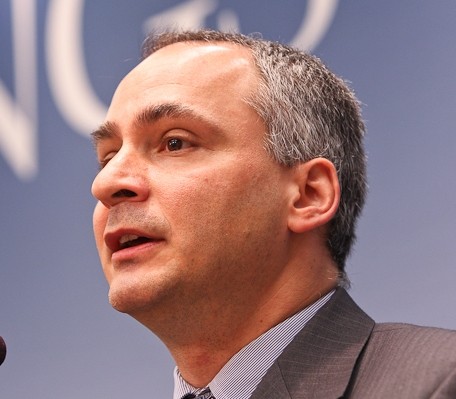
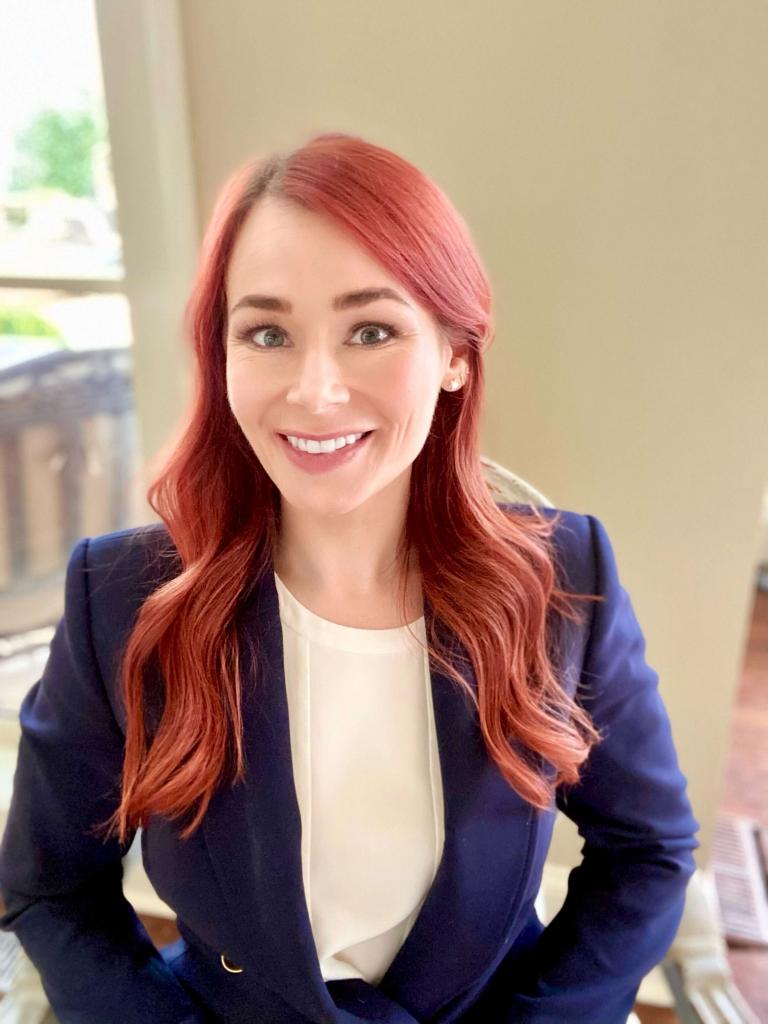



In a live conversation on YouTube, Lawfare Editor in Chief Benjamin Wittes sat down with Senior Editors Eric Columbus, Anna Bower, Molly Roberts, and Roger Parloff to discuss the confirmation hearing for acting Attorney General Todd Blanche, subpoenas sent to New York Times reporters, a judicial opinion voiding President Trump’s settlement with the IRS, and more.
You can find information on legal challenges to Trump administration actions here. And check out Lawfare’s new homepage on the litigation, new Bluesky account, and new WITOAD merch.
To receive ad-free podcasts, become a Lawfare Material Supporter at www.patreon.com/lawfare. You can also support Lawfare by making a one-time donation at https://givebutter.com/lawfare-institute.
Click the button below to view a transcript of this podcast. Please note that the transcript was auto-generated and may contain errors.
Transcript
Benjamin Wittes: It is Friday, the 17th day of July in 2026, and you are watching Lawfare Live: The Trials and Tribulations of the Trump Administration. I'm Benjamin Wittes, editor-in-chief of Lawfare, and I am here with four separate Lawfare senior editors. In reverse alphabetical order, Molly Roberts, Roger Parloff, Eric Columbus, and Anna Bower. And the trials over the last week have been trialing and the tribulations have been tribulating, and for none more than Todd Blanche, and we're gonna get to Mr. Blanche in a minute.
But before we do, we're gonna pause a minute, moment over Donald Trump's speech last night which was not all it was cracked up to be, but it still was a thing. We did a whole separate Lawfare Live on it this morning, so, we're gonna be very brief on this. But, Anna, I know what Molly made of it because I've done not one, but two livestreams with Molly today about it. What did you make of it?
Anna Bower: I thought that it was kind of a no- I mean, I, I haven't listened to the livestreams that we've done today on it, but I felt that it was a bit of a big nothing burger, Ben. The, there was so much hype in the lead-up to, to this speech and it was a lot of recycled information and it also was a lot of information, including in this document release as well, of, of things that don't provide any support for the idea that American elections were interfered, were actually interfered with.
You know, it's things like there are vulnerabilities, but there's no actual, you know, e- evidence of there being, the, the fact that those vulnerabilities were actually exploited. But, you know, curious for thoughts from Molly more specifically on whether I'm right about this being a big dud.
Molly Roberts: Oh, I think you're 100% right on it being a big dud. I mean, certainly you're right on the documents not supporting what they claim that they support. A lot of times the file name of the document when you go into these zipped folders makes it seem like it's gonna say something a lot worse than what the document actually says. So, it's certainly selective declassification at its finest or least fine or whatever. So I agree with you on that.
Actually, kind of what I thought was, you know, they bill this primetime speech and everybody tunes in and is waiting to see what happens, and nothing much happens. But then today, what Markwayne Mullin said, which got a lot less hype in the lead-up, was much more alarming, which was he threatened to prosecute top election officials who don't run their voter rolls through SAVE even though courts have blocked SAVE, and also, weird. Like, you're the DHS secretary, what are you doing?
Benjamin Wittes: Yeah, can I-
Molly Roberts: But also, yeah.
Benjamin Wittes: Can I just pause a moment and ask what authority the DHS secretary has to prosecute people?
Molly Roberts: I don't believe that that's in his remit.
Benjamin Wittes: So, do, do you understand him to have been ignorantly threatening to do something that he, in fact, has no authority whatsoever to do? Or do you understand this to be an attempted power grab by the DHS secretary and sort of a coup against the attorney general?
Molly Roberts: I mean, great question. I wasn't really sure whether he was kind of just getting out ahead of his skis and it's something that the administration plans to signal more broadly not coming from the Department of Homeland Security. But the fact that he was the one who said it first I thought was extremely alarming, because I'm certainly worried by the kind of degree to which ICE resembles a paramilitary force under the president's personal control.
So I don't have a definitive answer for you. I felt the optics of it were really scary. He also threatened to withhold grants from those who don't scrub their voting machines, which is more something that DHS can do.
Anna Bower: Well, wasn't there-
Eric Columbus: I mean-
Anna Bower: Also an, an, a moment, perhaps I'm misremembering I was trying to pull up the transcript, but wasn't there also a moment in Trump's speech where he directs, I believe it was ODNI, to criminally charge people, which is similarly, you know, is not the office that criminally charges people.
Eric Columbus: He said that, really?
Anna Bower: Am I correct about that, or am I misremembering?
Molly Roberts: He, he directs, he directs a bunch of agencies to look into the coverup. I don't know that he said, and. ODNI specifically, or some intelligence agency, like, without the power to prosecute specifically, should do the prosecution. But he named a number of agencies, including ODNI, and said he wanted them to look into the coverup. The “coverup” in, in quotation marks, in giant blaring quotation marks.
Benjamin Wittes: Eric?
Eric Columbus: Yeah, I was gonna say re- regarding Mullin, I mean, I, I did not get the sense that he was choosing his words too carefully. I, I think he was kind of just indicating that if you're not playing nice with DHS, y- you, state leaders could be subject to fines, and then he said, "And even prison time."
So I, you know, he's a guy who likes to talk tough, and I wouldn't necessarily read this as an indication of administration policy. But equally obviously it's not, it's not, it doesn't mean that they're not gonna try to do anything just because-
Benjamin Wittes: Right.
Eric Columbus: He said they would.
Anna Bower: Just a brief correction on my part. Trump, in his speech, says, "I'm asking the Office of the Director of National Intelligence, the Department of Justice, the FBI, and the CIA to investigate you know, and, and where appropriate, to file criminal charges." So, my apologies for misremembering. He does include the FBI and the Department of Justice in that statement.
Benjamin Wittes: All right. Let us turntTo the aforementioned acting Attorney General Todd Blanche, who while the Secretary of Homeland Security was launching a coup against him, perhaps unknowingly this week he was on Capitol Hill testifying to get the permanent job. Anna, how'd he do?
Anna Bower: Well, Ben, to my mind, I, I think that he did better than, than Pam Bondi's recent appearances before various congressional committees in that he was much more measured.
Benjamin Wittes: Talk about damning with faint praise.
Anna Bower: He-
Benjamin Wittes: Better than Pam Bondi.
Anna Bower: He managed to get all the way through this hearing without, you know, yelling at members of the Senate. And he also did not mention the Dow being over 50-thou one time. So, to, to that extent, it was a success. I- Eric, you watched it as well. What, what was your take?
Eric Columbus: Yeah, I mean, he's, he, he, he comes across as much more professional than, than Pam Bon- unlike some prosecutors, he is skilled at being on the receiving end of, of questions as well. And he's very, you know, he's very good at slicing things finely, which is a good skill to have when you are testifying before Congress because your interlocutors are often not as adept a- as, as you are in, in these arts.
Like he was asked about during, he said, "Well, you know, in these, these lawsuits for voter rolls, they're trying to get the unredacted state voter rolls, to have any judges agreed with DOJ's position." And he said, "Well, they've agreed with some of our positions." Which is technically true. There were a bunch of arguments raised against DOJ, and some judges, in the course of ruling against DOJ-
Benjamin Wittes: Right, accept some portion of their argument.
Eric Columbus: Yes. And, and so there was some kind of nice sleight of hands with that. He was pressed a lot about the, anti-weaponization fund, which he, he kept saying was dead. And, and then there's a question like, "Well, why don't you do something or put forth a piece of paper saying that it's dead?" And he, you know, he didn't really have great responses for that.
He said, "Well, the reason we're not doing it in court is because w- it's not appropriate to have a cabinet secretary submit declarations for... It's not appropriate for a, a judge to force a cabinet secretary to input decla- put in declarations." He seemed open to the idea that there could be congressional language to finally kill the fund, but it's, it, it, it's not clear whether that was actually willingness on his part or just kind of wanting to kind of play nice to Congress and kick the ball down the road.
He said a couple times that, that, that Trump would not, that he would not do anything illegal or unethical and that Trump would never ask him to, to do that, which I found rather amusing. I'm not sure if anyone else in the room found it amusing. They kept it to themselves.
And I, I don't, there wasn't really a huge amount of, of interest. There was a lot of discuss- and, oh, another, another interest- interesting moment of, of just kind of slicing things a little bit finely, he was asked whether, by Cory Booker from New Jersey, whether he, whether Blanche had ordered the arrest of I, I believe it was the of Mayor Baraka of, of Newark and who, who was arrested and, and then charges were dropped against the mayor for his participation in a protest yeah, outside of a detention facility, a state detention facility that is leased by ICE.
And Blanche said, "Well, no, I did not order his arrest. I just authorized it," which was interesting. Apparently, I think, I think there needs to be some type of high-level approval of an arrest of a, a public official, and he apparently gave that approval. And so in his mind, that was not ordering it, but he was just authorizing it.
He also said, which is interesting and maybe I think for the first time, that he was asked, you know, again and again, "Do you believe a January 6th attacker or someone who actually hurt people should get money under the Anti-Weaponization Fund?" And Blanche said, "Well, you know, if the, if there had been parameters set up under that fund, that such a person would, would likely not recover. And but it's not gonna happen anyway."
And this was a question from Senator Padilla who then asked a, I, I thought it was a very good question. He said, "Well, can you, I wanna make clear that they can't recover under the Federal Tort Claims Act. Would you support that?" And then Blanche kind of hedges this and says, "Well, you're talking about a statute that exists," blah, blah, blah, and eventually they move on to something else.
And, but this is something that Anna and I wrote an article about, about how even with the weapon- weaponiz- Anti-Weaponization Fund, even if it is well and truly dead, they can basically still accomplish most of, if they actually want to pay off all their, their buddies in in malefactors, they could do that using existing law, the Federal Tort Claims Act.
Benjamin Wittes: Just sue and settle, right?
Eric Columbus: Basically, yeah.
Benjamin Wittes: Yeah.
Eric Columbus: And,
Benjamin Wittes: All right, so-
Eric Columbus: Then there was... Sorry, go. You, you, you do the segue.
Benjamin Wittes: No, go ahead.
Eric Columbus: No, I was, I was just do the segue to, to Grassley and Jack Smith, which was also the subject of a lot of questions and-
Benjamin Wittes: Wait, wait, wait, wait, wait. We're not done with Mr. Blanche yet.
Eric Columbus: Okay.
Benjamin Wittes: Yep, so I, Roger has a question before I do.
Roger Parloff: Yeah, for Eric or Anna, 'cause I didn't watch all the testimony, and I, I saw, on TV afterwards you know, I saw excerpts of questions about the anti-weaponization fund, maybe 'cause it, it was one of the things Cornyn was asking about. But how much attention did the tax waiver part of it get? Which, you know, as far, it, they are not pret- claiming is over, and you know, comes pretty close, raises a lot of criminal questions.
Eric Columbus: What do you mean by criminal questions?
Roger Parloff: A- a- a- about whether there was criminal conduct. I mean, the asking the IRS to-
Eric Columbus: Oh.
Roger Parloff: Maybe-
Eric Columbus: That part was, I, it, it, it came up I think a couple of times. That part was no one said, "Did you, are you engaged in criminal conduct by, by setting this up?" Blanche noted correctly that this does not immunize Trump as to future conduct. It only immunizes him from audits from, for past filings by the-
Roger Parloff: Only immunizes him for the $100 million audit that was pending.
Eric Columbus: Exactly, yeah. And y- they, they kind of- i- it was a little bit frustrating to me that they d- and they talked about kind of the legal aspect of it. But no one asked what, what seemed to me a, a rather simple and obvious question. Like, whatever would make you think that someone whose tax returns were leaked, why in the world would you, a- and who sues you by that, a- a- under that and-
Benjamin Wittes: All right, Eric, we're getting a lot of noise on your line. Anna Hickey, can you work with Eric to make that work? And we're going to, we will come back to Eric when when we can hear him.
In the meantime, Anna Bower let's talk about Chuck Grassley, who says that he has received records from the Justice Department that prove that Jack Smith's team reviewed the contents, not just the metadata associated with congressional text messages. Now, I distinctly recall you and me talking about Jack Smith's testimony where he said, "I only got the m- you know, the metadata, the use of this." So did Jack Smith commit perjury, or is Chuck Grassley going beyond the facts here?
Anna Bower: Jack Smith very obviously did not commit perjury i- in, in the in this exchange that many members of Congress are now encouraging an investigation under the allegation that Jack Smith committed perjury because Jack Smith was asked in this deposition before Congress that you know, w- w- did you receive the content of congressional communications from these toll records that you requested? Now, Ben, do you know what toll records are?
Benjamin Wittes: Well, toll records would be the billing records of who called whom when, and they by definition do not contain contents. They just contain the to and from and the time of the call and the duration of the call. And so if he received contents, it wouldn't have been from the toll records. He would've had to get it from somewhere else, presumably with a search warrant.
Anna Bower: Right, and remember, the toll records are specifically in this question what he's asked about. He's asked if in the toll records he received the content of the communications. Toll records are by definition non-content.
Benjamin Wittes: Right. It's like-
Anna Bower: It's just who called who.
Benjamin Wittes: It’s like in the poem, did you read a novel?
Anna Bower: Yeah. Right. Right. So he's asked about this and he says, "No we didn't, you know, receive the contents of these communications in the toll records."
Now fast-forward to on the eve of Todd Blanche's confirmation hearing, Grassley sends out this thing about these communications and this letter the Justice Department sent him in which they, they reveal that at one point Smith's team reviewed the contents of the contents of text messages that were between White House officials and members of Congress. These are messages that Jack Smith's team got from NARA that were of White House officials- texting with people, and it just happened to include some of them were members of Congress.
Benjamin Wittes: So NARA here is the National Archive.
Anna Bower: Yeah.
Benjamin Wittes: And so I take it what happens is these are government records, right?
Anna Bower: Right.
Benjamin Wittes: Because you're using a government phone, so you send text messages, and then the National Archive gets those when the administration leaves office. You don't need a warrant as the government to get your own records. Right. So you get records of the text messages, and they just happen to be texting with members of Congress, so there's some incidental collection of content that's generated by members of Congress. Is there noth- is that it?
Anna Bower: That's, that's what, as I understand it, that is it, but it has led to this allegation that Jack Smith committed perjury. Josh Hawley, Mike Lee, people like that have been now calling for an investigation. There's even a question there were multiple questions during Blanche's confirmation hearing about this. Blanche ended up saying, you know, they're looking into it, essentially.
But it all seemed to be, you know, timed to kind of, provide fodder for some type of distraction you know, either in advance of or, or during Blanche's confirmation hearing. That, that's my take on it. Roger people who watched, you know, do you, do you have anything else to add? Am I missing anything here? No.
Benjamin Wittes: And what, and with respect to, to Blanche, did you get any sense that that there are going to be or may be Republican defections on Blanche, or is this just gonna be one of those party line or near party line things?
Anna Bower: So my understanding, and, and look, I, I'm not a congressional reporter, so I, I, this is not, this is just based on, you know, reading the people who are the congressional reporters who, who are, you know, talking to sources about this. My sense from both the public hearing and then also from reading those reports, is that even the people who had expressed some hesitation you know, about the Anti-Weaponization Fund, about Blanche's position, you know, people like Thom Tillis, Blanche's position on January 6th pardons, you know, the Epstein files stuff, he-
Benjamin Wittes: Sea shells indictments-
Anna Bower: Yeah.
Benjamin Wittes: Serial indictments of Letitia James. A dismissal of a case for vindictive prosecution because of the conduct of, among other people, Todd Blanche. The entire history of the behavior of Blanche's principal deputy- or s- principal associate Emil Bove. I mean, it's not like it's a short record
Anna Bower: No, it's not like it's a short record, but I'm, I'm pointing to specific things that some p- you know, Republican members of Congress have, have pointed to as kind of their red line or their areas of concern. Specifically the Anti-Weaponization Fund and specif- specifically, you know, the January 6th pardons for people who assaulted cops.
And it seems like there's not going to be... Like, it, it seems like that was all kind of just you know, “I'm concerned” political rhetoric as opposed to a real kind of red line. Because if, if it, it, you know, if that's really a red line, I, I don't know that Todd Blanche's statements during this hearing about, for example, Anti-Weaponization Fund really did not do much to dispel concerns that at some point, you know, Trump's team could go and, and seek to enforce this settlement, that meaning his personal lawyers.
He r- again, kind of, really skirted this question of whether he would rescind whe- whether he'd be willing to rescind his orders in writing. You know, stuff like that, that if you were really concerned about the Anti-Weaponization Fund, you would think that would be kind of a, a hard line for you. But as, as far as I can tell, it doesn't seem like people, you know, who, who professed concern, I believe like Thom Tillis, like people like that, it doesn't seem like that's kind of moving the needle for them at all.
Benjamin Wittes: Do you have the impression that there were any likely Republican defections on, on the the talented Mr. Blanche?
Eric Columbus: I think Cornyn would be the only possibility. It, it's, it would, if I had to bet, I would say Cornyn would, would vote for him. I think Tillis was, was drawing a line, a hard line on, on Blanche's willingness to meet with the survivors of Jeffrey Epstein, and, which Blanche apparently did yesterday.
Benjamin Wittes: After saying it would be inappropriate.
Eric Columbus: After saying it would be inappropriate because they were represented by counsel, to which the obvious-
Benjamin Wittes: Right.
Eric Columbus: Response is, well, so when you talk to their counsel and then if your coun- the counsel says sure, then you can do it
Benjamin Wittes: Well, I'm represented by counsel too, so I, I, I don't think it's appropriate for Todd Blanche to meet with me. All right. Eric, we have a very important question about Todd Blanche, which is, does it matter if he gets confirmed since he seems like he's gonna stay in the acting attorney general role anyway?
Eric Columbus: As a legal matter, it probably does not matter. The, he is, the, the Attorney General Succession Act says that if there's a vacancy then the deputy attorney general may exercise all the duties of that office, and there's no time limit in there. And so he could, you know, probably stay there as long as he wants.
And, and, and this is not really a, a, unlike many Trump legal puzzles we have a recent precedent that is not from the last Trump administration. It's from something more recent. It's from the Biden administration when the labor secretary resigned in March 2023, and the deputy labor secretary became the acting secretary via a similar statute.
Biden nominated her for the job. It was clear that she didn't have the votes. It became clear after a few months 'cause Manchin and Sinema opposed her and as did all the Republicans. And so Biden just kept her there. Just, she was just the acting labor secretary in Julie Su, and she was there for nearly two years until Biden Biden's term end, and she was dubbed “Biden's forever nominee.” And Todd, that could be Todd Blanche's situation if it becomes clear that he does not have the votes.
Benjamin Wittes: All right. Well, since it doesn't seem to matter whether he gets confirmed or not, perhaps we should move on and talk about something else.
Eric Columbus: Before we do, I just wanna say that, just wanna plug that I wrote an article about what I just said, so I was not just making it up on the spot. And you can read it. It's called “The Unbearable Lightness of the Todd Blanche Confirmation Fight,” and I was, I was proud of that title.
Benjamin Wittes: Indeed. All right. Meanwhile, while, while Todd Blanche was getting relatively kid hand kid gloves treatment from the Judiciary Committee, he was subpoenaing New York Times reporters just to create a record for the Judiciary Committee to ignore. Roger, what is this about? And what do I have to do to get a subpoena to testify about my reporting on Qatari jets?
Roger Parloff: Yeah. So, on July 8th, The Times did a story by Tyler Pager Julian Barnes, Eric Schmidt, no, I mean, Mike Schmidt and Eric Lipton. Trump had flown into Turkey on the Qatari or, or Qatari emolument jet, the Air Force- the new Air Force One.
And, but when he flew to England afterwards Mildenhall, England, he took the Air Force the old Air Force One. And so reporters asked him about that, and he gave really fishy answers. And you know, like, "Well, they wanted to show the big one to the troops in England."
And, and at the same time when they pressed him, he, he, he said, "Well, it's not about, I- long story short, the, the reporting was that there, it lacked an advanced missile sys- de- defense system that the older plane had, that they hadn't yet retrofitted it with those, and, and because of the threats created by the Iran situation the Secret Service asked him to take the old plane.
Benjamin Wittes: And, and just to be clear, Roger, when you fly, would you ever fly without an advanced anti-missile system?
Roger Parloff: Well, in, in fairness I, I wouldn't if I had a plane that had them already.
Benjamin Wittes: Okay. But, and like, faced with a choice-
Roger Parloff: Yeah.
Benjamin Wittes: With, I, I think what Trump described as “luxuries like no one's ever seen before” in one plane, or an advanced anti-missile system in the other plane, which do you go with, putting Secret Service advice aside for a second?
Roger Parloff: Well, yeah, I would take the advanced missile system. But, but actually, from England back to the U.S., he took the cushy train- plane. Yeah. He was out, out of range, I guess, of Iranian missiles and decided to get back on the, the Qatari jet.
So, on July 10th, apparently three of the New York Times reporters received subpoenas. The New York Times has now said that apparently five subpoenas were prepared, one for Adam Goldman too, who's not listed on that article. And, but, but only three were served, or at least received as of Wednesday, I think. And then they've now moved for to quash it, to quash them. And the un- unfortunate- they're still sealed. The, the Times says that they are trying to unseal them.
David McCraw, the deputy general counsel, called them abusive and improper, said they were brought in bad faith to punish The Times for its coverage. Now a- and apparently the, another piece is that apparently they reported in their article on when they got the grand jury subpoenas that apparently a high-level FBI official did ask them not to publish it. Didn't, didn't tell them why they shouldn't. So, I saw a, Jack Smith who you know, the Harvard law professor who I think, can I say he helped found this L- Lawfare? Is that accurate?
Benjamin Wittes: You mean Jack Goldsmith?
Roger Parloff: Yeah, Jack Goldsmith, I mean.
Benjamin Wittes: Oh, yeah, Jack-
Roger Parloff: Yeah.
Benjamin Wittes: And he is not facing any pressure for perjury about-
Roger Parloff: That's good
Benjamin Wittes: A- about toll records. Yes, Jack was one of the three co-fa- co-founders of Lawfare, along with Bobby Chesney and me.
Roger Parloff: Yeah. So he did a h- had an interesting piece on this in his thing, “Executive Functions.” And the law here is not great for journalists. You know, long story short if a, a journalist has information about a crime and the, the, there is no ironclad reporter's privilege.
And the circuits are sort of split about how much protection the reporter gets. The Second Circuit where this is, it the, the, the grand jury subpoenas were apparently served in or at least they're qu- they're being, the motion to quash is in the Southern District of New York, and I think the grand jury subpoenas came from Jay from the Southern District, from Jay Clayton.
And the Second Circuit's a little better than the Fourth Circuit. But there is, I, I, I think the reason that the general counsel was saying, was emphasizing the, the background here, and there is a lot of background with Trump suing The Times in de- for defamation and for, for E- EEOC now issues, putting a lot of pressure on many media organizations.
But there's also sort of, you know, the, the, it's not a trivial national security question about how the president's plane is the defense mechanisms that are on it or aren't on it, but more importantly, and, and also whether there was classified information involved. So they, and the the government has said they're not going after the reporters, they're going after the leakers of, and they said of, of classified information. So, it's not a slam dum- dunk case for The Times.
Benjamin Wittes: Right. All right, let's talk about cases that were also not a slam dunk at least for in this case, for the government which is the slush fund case where Judge Williams has now come in and said the settlement is abusive and collusive and was unethical, and seems to be sending everybody to the bar. Eric, what is going on?
Eric Columbus: This is the original lawsuit in, that was, that Trump and his family filed against Treasury and the IRS in Florida, and it's before Judge Williams. She is an Obama appointee and a, generally fairly liberal. And this was when they, they quickly came to a, a quote-unquote "settlement," or, or, or tried to come to a settlement actually right before, they purported to come to a settlement right before, right when she kind of began looking into whether there was sufficient adversity between the parties, and they attempted to dismiss it. They, they did dismiss the case.
And, but nonetheless, she appointed some, a couple of former judges and other lawyers to be amici and look into what, if anything, she had the authority to do and she i- in a lo- lo- in a lengthy 55-page opinion, she considered whether to grant sanctions here, and she concluded that she, in fact, she should.
And she first said that she did, even though the parties volunt- even though the plaintiff voluntarily, or the parties, I guess, voluntarily dismissed the case, they, she said, "Look, I still have authority under the law to determine whether sanctions should be ordered." And so she proceeded to, and she went through in, in impressive detail, and it, it's kind of, I think there's some kind of historical benefit to having done so, cataloging all the ways in which the, the parties behaved improperly here.
And I, I won't go through that because if you are a loyal listener, you, you, you probably know much of that already. They filed this for an improper purpose and therefore they could not, therefore it was, it was sanctionable. And the, the, the sanctions she ordered were to, she referred to the bar a couple of Trump's private lawyers.
And she, with regard to Blanche, she said, "Well, you know, I've got the authority to have to order monetary sanctions here, but I'm there isn't really that whole lot to, to deal with here. I could, for the court-appointed amici, I could try to have them pay those expenses, but the court-appointed amici declined any payment, so there's nothing there. I am, however, going to order I'm gonna ask the other amici who filed briefs of their own accord if they want to submit any bills. And, and some people suggested that she referred Blanche to the bar, and I think one senator also suggested that.
Benjamin Wittes: Roger, let's talk about the law firm stuff, which, you know, we used to have two groups of law firms, the groups that got EO'd and sued, where we kept talking about them because there was a live issue between them and the White House, and the group of law firms that capitulated, which we kind of stopped talking about other than occasionally to note their disgrace relative to the four or something that challenged it.
But now we are once again talking about the law firms that capitulated because it turns out if you give the bully your lunch money once, he wants it the next day too. So what happened that nobody could have anticipated coming between these poor law firms that just wanted to pay $100 million or in, in pro bono stuff or whatever, and then kind of go on unmolested further by, by the administration?
Roger Parloff: Yeah, this is a strange thing, and m- most of what I know about the recent stuff comes from a Times article from J- J- July 14 for, by Michael Schmidt and Devlin B- Barrett. They reported that the Trump administration is now s- subpoenaing the le- the leaders of the cooperating law firms, the nine cooperating law firms, to depositions and they're lawyering up.
I'll, I'll, but I'll, I'll, and, and apparently also the same with respect to the law firms that are, have resisted. I'll, I'll tell you what the context is. And, and the other important part is that the ABA is subpoenaing Boris “Epshteyn” or “Epstein,” however you pronounce it. And that's probably what's causing all of the tumult.
The, the backdrop is this you know, back in June of 2025, the ABA sued the White House, the Executive Office of the President, and this was about all of the executive orders attacking law firms, and by this time, nine of the firms had folded and, and made settlements. And this was to try to stop int- the policy of intimidating law firms through these executive orders and intimidating them into violate to not represent clients that that the administration doesn't approve of in violation the so violating the, the First Amendment and other, and other constitutional provisions by doing that.
So they sued in, in June 2025 seeking a declaratory judgment and injunction. That was stalled for a while with a motion to dismiss from the government. And the judge in D.C. Amir Ali denied that finally in March of this year. And then in June, he set a discovery schedule. And so, in July, the f- I think the very first person that the ABA wanted to talk to was Boris Epshteyn, 'cause all of the reporting suggests that he's the guy that negotiated these settlements.
And he's an outsider. He's not in the administration. And so the conversations between him as a private citizen and the private law firms should not be protected by privilege, and so I think that was their thinking. But, and Epshteyn is, is a very hot potato, if you remember that I think before the administra- just before the administration started, there had been a s- semi-scandal where Scott Bessent complained that he, that Epshteyn seemed to be demanding or inviting a monthly stipend from, from Bessent at around the time that he was being considered for a position in the cabinet. And, and-
Benjamin Wittes: Epshsteyn is the new Michael Cohen
Roger Parloff: Y- yeah, and, you know, there's a question about, well, who exactly is paying him for his work here and how does he get paid? So anyway they, they filed, ge, he got the first, I think subpoena. It's a civil subpoena to, to testify and also a, a subpoena duces to bring your do- produce documents.
And and so they moved to qu- the Trump administration moved to quash in the Southern District. So that's in front of a different judge at the moment, Katherine Fa- “Fayeh” or Fa- “Failla.” But actually, there's a motion to move that down to be in front of Judge Ali also pending.
So, and then while that was happening, it seems that, it seems that the Trump administration began to subpoena all of these. You would think they would be sort of, friendly witnesses in theory, the law firms that settled with them. But, and, and nobody's exactly sure what they're what, what they're doing. But the, the law fi- the article suggested that maybe they were, they were hoping that these law firms that don't, that whose managing partners don't wanna be doing this will urge the ABA to back off and to back off their subpoena to, to Epshteyn and, and others. Bannon is another person that's gonna be a ta- targeted here.
So, it's a, it's a pretty interesting situation from a law firm from a lawsuit that I hadn't really focused on because it was, I tho- I thought the big, the main event were the law firms themselves, Perkins Coie and Sussman Godfrey and so on. But anyway it's a, it's an interesting situation.
Benjamin Wittes: All right. We have an award to present and I think this is the first honoree for this award, which is the shortest serving ever U.S. attorney. Roger, would you like to do the honors and present this award?
Roger Parloff: Yes. This goes to Roger Rogoff from Roger Parloff to Roger Rogoff. And it's he was a U.S. attorney of the Western District of Washington for almost an hour.
And what happened was the attorney general, I don't know which one at the time, had installed an immigration, former immigration judge in that position for the Trump administration. And h- his 120 days expired. That's under the interim the, that's under the 28 USC 546.
He was an interim U.S. attorney. And at that point, the Trum- Trump admin- Trump had not appointed, had not nominated anyone to be permanent, and so the bench of that district, quote, "In view of lo- the longstanding vacancy," unquote, in that position, did what they're allowed to do under that section, I think Section D. They, they appointed somebody to fill it, Roger Rogoff, who's a veteran litigator and a former Democratic-appointed state superior court judge. And he was fired.
So, and and, and B- Blanche had on Twitter, he had promised to fire him. And of course, they cite Article 2 and they cite 541(c), which does say that the, each U.S. attorney is removable by the President of the United States. And so between, you know, the, the, the reasoning of the Slaughter decision and that section he may well have the right to fire him. But 541(c) on the other hand, is you know, 541 is the provision that says when you appoint the, that the president appoints the U.S. attorney with the consent of the Senate, which is not what happened.
So the question is when the, when you have to resort to having the bench appointed under 546, I think D, can the president repru- remove that guy too? And this person has said, "Well, we are considering all our options," and he has hired a law firm. So it's conceivable we will get the first litigation on this question there.
Benjamin Wittes: I find it pretty hard to believe that he could prevail on this. This is a position that there is some fairly well-developed law, that it is an inferior officer and therefore appointable by the court. But it is also a, you know, presidentially appointed position with advice and consent of the Senate, and I find it inconceivable that a Supreme Court that decided Slaughter the way that it did would not regard it as within the power of the president to remove a U.S. attorney. But, you know that and a quarter will get you a cup of coffee with a few more dollars.
All right, let's talk about David Hearn because, you know, Roger we need we need to talk about canoeing in Lawfare Live, always. David Hearn, of course, is the reflecting pool defendant and you know, my vote for Man of the Year, Time magazine Man of the Year. So, he also, like the congressional Republicans says there's interesting stuff in connection with the search warrant for his phone records.
Roger Parloff: Yeah. He, I remember, I think it was last week, I, I had attended his, or two weeks ago, I can't remember, I attended his Superior Court arraignment and, and in fact my computer fell off a chair and eventually the, the screen broke, and eventually the logic board broke, and so I've done nothing but deal with Apple since then.
But anyway, right after he was arraigned, and we didn't know, I didn't know this, but he was taken aside and he was his phone was seized by a U.S. attorney's office investigator. It's actually and he, he got a seizure warrant, not a search warrant. The seizure warrant and the idea would be that eventually they would try to get a search warrant. I don't know that they have yet.
And so the next day hi- Hearn's lawyers filed a, basically a Rule 41, we've talked about a lot of those, to get his property back. But what he, what was interesting was that wh- what his lawyers say, and, and, and this is still sealed, the seizure warrant is sealed, so I'm taking the word of Hearn's lawyers about what it says, but they say that in it, it cites a government witness, and what the witness said was that Hearn took some pictures of the reflecting pool before he reached down and touched the, the reflecting pool and then whatever happened, what happened.
And the importance of that is that those pictures have been, you know, were almost immediately in The Washington Post and other papers. They show, you know, they show Hearn's shoe, in fact, and along the edge of the reflecting pool, and what you see is, you know, great shards of lining peeking up from you know, through the surface in this incredibly, and all of that was a per-
Benjamin Wittes: And the significance of this is that this was before he allegedly maliciously cut it with his razored canoe paddle?
Roger Parloff: Yeah. And so, it does seem exculpatory because remember, it, it, the, the crime is you, you have to de- certainly for a felony, you need to cause $1,000 worth of damage. And if the lining is already shredded and you're gonna have to replace it, it's worthless, and it's doubtful that you could do $1,000 of damage by touching or even pulling on it. And in fact, it's doubtful that you could do any damage if it's worthless already.
So, that might mean you can't get a misdemeanor either. So, anyway, that's an interesting development. But like I say, it's based on their motion and I, I haven't seen the response yet, so to be fair.
Benjamin Wittes: All right. Well, we will be back to talk more about the travails of canoe legend David Hearn. We're gonna follow up on this case, low that it may be go all the way to the Supreme Court.
Molly the D.C. Circuit, speaking of the Supreme Court has ruled that a district court doesn't have any jurisdiction to review the Postal Service's revised mail handling policies. Why are we talking about this? And what, like, why, why does anybody, why is this on Trump Trials and Tribulations?
And what is the entity that has primary jurisdiction here and you had to go through, you know, is it the Merit Systems Protection Board? Is it you know, who, who is the, the initial lord and master of changes to the Postal Service's revised rules?
Molly Roberts: Yeah, I'm learning about so many entities that I never would've known existed. The answer to that last question is the Postal Regulatory Commission. So this is a little complicated. It's not just in Trump Trials and Tribulations because it dates to a dispute over the summer of 2020 during the first Trump administration. It is here, we're talking about it now, because it could be relevant to what's happening ahead of the midterms.
So we've discussed in other recent weeks the president's executive order on mail-in voting, which seeks to tell the Postal Service to adjust its policies to only transmit mail-in ballots who, for, to people who appear on states' lists that they submit, and it's all kind of tied to the idea of trying to get states to verify their voter rolls and have a citizenship requirement.
So, this decision, as I said, dates to a dispute over the summer of 2020 when the Postal Service made some changes like reducing high-speed sorting, having, getting rid of some extra delivery trips that some blue states and cities were worried would make it harder to vote by mail or have votes transmitted by mail counted, especially during COVID.
So back then, the state sued, and District Court Judge Emmet Sullivan blocked the changes. The decision ended up on appeal to the D.C. Circuit, and then just last week, the D.C. Circuit unanimously threw out the ruling. The panel was Neomi Rao, who, as we all know, is a Trump appointee, and Chief Judge Sri Srinivasan and Robert Wilkins, who are both Obama appointees.
So she kind of won them over to her side on this one, and it's a procedural case, as she says. It starts and ends with jurisdiction. It's basically about whether the suing states had to go first to the Postal Regulatory Commission, even if that would've taken too long before Election Day, before going to the district court.
So it's not saying the district court can't ever have any jurisdiction over it, saying at first they have to go through the Postal Regulatory Commission, and then you could bring a lawsuit based on the opinion of the Postal Regulatory Commission. So that's what it's saying. And to arrive at the decision, they applied a test that courts typically use in cases about Congress channeling claims for initial review to a body like the Postal Regulatory Commission.
So why is it relevant here? It's because it seems to augur poorly for challenges to these recent USPS changes or any others the administration would try to make ahead of the election.
Benjamin Wittes: Right.
Molly Roberts: That's fair, but it is a little overblown, I think, primarily because there's a footnote in the ruling where the judges say that this decision is about a challenge to the district court's grant of summary judgment and explicitly doesn't address whether the scheme would have foreclosed meaningful judicial review, which is one of the key prongs of the test to determine whether the court can rule on it anyway at the preliminary injunction stage, which states went through in this case too to halt the changes right before the election.
So it, it explicitly says we're not saying that you can't get a preliminary injunction against postal service changes without going to this body. You can still try to do that. It's when you're trying then to move to the next step of judgment that you run into trouble.
So really what it is is a sign, first of all, you can see, these, it, it doesn't, you know, directly address any preliminary injunction that's been issued, which preliminary injunctions have been issued against the recent rules. Also, it's kind of a sign to anyone who has a problem with the rules that they should go ahead right now and go to the Postal Regulatory Commission and, you know, see if they can get an order from them on the, on the changes.
So, so we'll see what happens. We'll see whether that happens. I'm not 100% sure how the fact that the postal service proposed changes have been blocked and that they say they're not implementing now, I'm not, I'm not sure how that affects the ability of anyone to go to the PRC. But yeah, I think that it is somewhat concerning, but not as alarming as it may have initially appeared.
Benjamin Wittes: All right, so I wanna just ask whether you're now, going to use PRC constantly in casual conversations so that people think you're referring to the People's Republic of China, and actually you'll be referring to the Postal Regulatory Commission?
Molly Roberts: Yeah. No, no, no, definitely. I, I want to confuse as many of my friends and family as possible.
Benjamin Wittes: That's exactly the right attitude. All right. Judge Boasberg, Roger, who seems like he's, like, the busiest man in Washington had a case challenging a State Department policy that frankly I had forgotten existed.
So, for those who don't believe Renée DiResta when she says that they really have declared war on everybody who does trust and safety and, and misinformation, disinformation research and policy, content moderation, that sort of thing keep in mind that the State Department slapped a visa ban on people who work in these fields and actually revoked visas of people who some of whom, you know, live here and because they, you know, work in content moderation. And so this came, of course, before Judge Boasberg because everything comes before Judge Boasberg. And Roger, what did he do with it?
Roger Parloff: He did pause it or suspend it. He issued a, a stay under Section 705 of the APA. So the, it's the equivalent of a preliminary injunction, but it's what but it's under the APA and it's, and like you say, I mean, content moderation is sort of like DEI. It's one of the things that the, this administration has declared war on. And, and even though it's sort of a, a vague concept and I mean, embraces a whole lot of things, including things that a lot of that nobody disagrees with. You know, like nobody, almost nobody, wants child pornography on, on so- you know, social media platforms.
So it's sort of a… They're, they're a line-drawing question and there are people like Renée who are the pe- who study these problems. There's a whole ecosystem of researchers, fact-checkers, advocates, trust and safety professionals. And so, there's an organization of the called the Coalition for Independent Technology Research, CITR, and they sued. It's a group of, that represents these people that sued to, to challenge these policies.
Now, they can't get, you know, people like Renée herself but they can get they tried to get to harass people from other, that are foreign nationals. Either try to not allow them to get visas or to revoke their visas if they're already here.
And the provision that they relied on is one you're now familiar with. We've talked about it in the context of people like a Mahmoud Khalil and Rümeysa Öztürk and Yoon, Yoon, Yoon Seo Chung. The 8 U.S.C. 1182(a)(3)(C)(1) and (a)(3)(C)(3), the, the, this is when the Secretary of State says there's reasonable ground to believe that an individual's entry or proposed activities in the U.S. would have potentially serious adverse foreign policy consequences for the United States.
And, and so that's the theory under which this was done. It was challenged under the First Amendment, also Fifth Amendment vagueness. You might remember Judge Farbiarz struck this down for vagueness. And also some APA provisions.
And and he, Judge Boasberg, did say that it was likely, that it likely violated the First Amendment. He had to slalom past some of these jurisdiction-stripping provisions but he said this is very likely viewpoint discrimination. “It reaches private researchers, advocates, nonprofit leaders, and trust and safety professionals whose asserted “censorship” consists of studying platforms, reporting on differ disinformation, petitioning for access to platform data, and urging platforms or advertisers to act on what they find.”
He did say that, you know, there might be some lawful applications. For instance, if a foreign national, if when foreign countries punish, like purport to fine Twitter, say, or X, for having more permissive policies than they have in Europe, it might be permissible to punish the foreign sovereign, you know, to revoke the visas of, or rej- deny a visa to the foreign nationals responsible. But, but he didn't make specific findings, but this one was predominantly going to be unconstitutional.
Benjamin Wittes: All right. Meanwhile, In actual federal war on civilians. The federal government has apparently agreed to give Minnesota evidence relevant to the shootings of Renee Good and Alex Pretti. What do we know about that? And are these are they finally cooperating with the state investigations of these killings?
Roger Parloff: There, there has been progress. It's, it's about six months after the, the fact. It's those two shootings which of course killed citizens, and also Julio Sosa-Celis, who was not killed and is not a citizen, but that shooting is also controversial. And his shooter Christian Castro, has been indicted by Minnesota, the ICE agent.
And so, and the, the, the, Minnesota had come to D.C, and had filed suit here against DOJ trying to get this stuff, and that may be what shook it loose. And they, this may settle that suit. But the Hennepin County Attorney Mary Moriarty did say there is now two-way sharing going on. They do have hard drives of evidence in those two ca- or three cases. They do have the car that Renee Good was driving. So, it does seem to be progress.
I'd also note, just while we're on the topic, that there's a, a second guy that Minnesota a second ICE guy that Minnesota indicted, Greg Morgan. You remember, he's the one who was driving up the shoulder in an unmarked SUV after work, or as work was ending, and to get back quickly and a guy a, an angry motorist sort of cut him off 'cause they don't, he doesn't like it when people do that. It's illegal. And, and the officer pointed his gun at, at the two citizens in the car that did that.
That's now, the government removed that case, I mean he removed that case to a federal court, and the government is supporting the agent in that case in trying to prevent it from being remanded to state court, and they have filed a, a brief saying that they regard that, him as having a colorable federal defense. That's going to go to a hearing pretty soon. So that's some- something interesting to watch.
Benjamin Wittes: All right. Meanwhile, speaking of something interesting to watch, Ma- Mahmoud Khalil is back in court. What is, my sense is his situation is getting pretty desperate for a guy with as strong a claim of outrageous government behavior as he has. What court is he in, and why, and what is he trying to do?
Roger Parloff: Well, the, the new case w- we're talking about is in the so- I, I think it's in the Southern District of New York. I, I actually don't… Yeah, it is. But the key case is, is his removal case, which is down to the wire. He's gonna file a petition for cert with the Supreme Court pretty soon. And of course that's, that's sort of a long shot. The Third Circuit did not help him, and the re-rehearing was denied. So, you're right, he's in a bad shape.
This one is an interesting read. It's 131 pages. It, it's Mahmoud Khalil versus Heritage Foundation, but it's really about, I think it's around 17 defendants. And it's the Heritage Foundation, its leaders, Betar and C-Canary Mission, which you probably know a lot more about than I do, Ben. Todd Blanche, Kristy Noem, Stephen Miller, and it, it alleges a vast, and I don't mean to diminish, I don't mean to make fun of it, but a, a conspiracy, a, a, a Ku Klux Klan conspiracy under 42 U.S.C. 1985-3, the Ku Klux Klan Act. And there's also 1986, which is conspiring to deprive some- to interfere with somebody's constitutional rights.
And they the, and 1986, the next section is neg- is an interesting section, which is “neglecting to prevent” conspiracy to interfere with someone's constitutional rights. It's a, it's factually it's a well-documented accusation of, of cooperation between all these groups to deprive Palestinian protesters of their First Amendment rights to, to protest. And… But I, I just, and I don't know this, the law in this area, but I can't believe, I'm, I'm very skeptical that this, th- that this is viable because if it is, there's, we'd be seeing more of these things. I, I, I think it's it's, it is by the Center for Constitutional Rights. But I, I, I think it's a little bit of a cri in the, a cri de Coeur.
Benjamin Wittes: All right. Speaking of 2-1 D.C, Circuit opinions, Molly, you're, you're, like, specializing in them this week. The, a divided D.C. Circuit panel has granted the Defense Department's emergency motion for a stay of Judge Paul Friedman's injunction against the escort requirements for journalists brought by the New- in the Pentagon brought by The New York Times. So, who were the two and who was the one?
Molly Roberts: Yeah, it's not necessarily as easy to guess as it might be. So the two were Henderson and Millett, and the one was Garcia. So Henderson, George W. Bush appointee-
Benjamin Wittes: Interesting. Okay, so we're cross-ideological.
Molly Roberts: Yes, it's cross-ideological. Exactly. So, you know, I guess one thing that's important to be clear about is that this is just the escort requirement, which has now been sort of broken out separately from the original Pentagon press policy, which involved getting this special press credential. And to get that, you had to sign on to all these patently ludicrous restrictions that basically made it so that you couldn't ask any hard questions of the administration or try to cultivate any sources, so do reporting.
So, so this is broken out from that now. It's a separate issue because when Judge Friedman ruled on the policy as a whole and then the policy was revised, the initial policy hadn't had an escort requirement. The new one did. So he hadn't ruled on it, and then this got sent back to him. He ruled on the escort thing. The administration asked for a stay, and it's that stay that now the D.C. Circuit has granted.
And, and the two judges said that they thought that The New York Times was unlikely to succeed on the merits and that they thought that because The Times hadn't argued that the escort requirement, which is the requirement that you get an escort to go into any area of the Pentagon. And there was some worry for a while that you would need pre-approval, so you couldn't just show up and say, "Hey, give me an escort." And the Department of Defense has tried to assuage concerns by saying, "No, you don't need pre-approval," but you still need an escort.
Anyway. That the escort policy wasn't generally applicable to all reporters. They hadn't argued it wasn't implemented evenhandedly. And so, you know, it was kind of different from the press credential policy in that regard, because the press credential, if you're Laura Loomer, you were allowed to come in and send out a tweet soliciting all sorts of unauthorized information. But if you were a more kind of critical or critical thinking outlet, you weren't.
The judges also noted that The Times hadn't raised claims that the policy was unlawful for reasons other than retaliation as a basis for denying the stay. And Judge Garcia, disagreeing, said essentially, "Well, we shouldn't let them get away with a retaliatory policy, a policy that was issued as retaliation, just because now it's broadly and evenly applied." And he said, you know, "The chilling effect doesn't go away just because the same requirement is applied to everyone."
So we'll see what happens. They'll have to go and argue it out, and it seems like the Times might want to focus on why the requirement is unlawful for reasons other than retaliation, which I imagine kind of involves expanding on that idea of the chilling effects, but I, I don't know how easy it will be.
Benjamin Wittes: All right. Finally, Roger, we have a state lawsuit to block David Ellison's takeover of Warner Brothers. Is this a cri de coeur, or is there some plausibility to the notion that it may have traction?
Roger Parloff: I, I think, well, I'm, I'm not an antitrust expert. It, it, it doesn't look like the strongest case. But, and, we, we're covering it because obviously there's interest i- i- in the First Am- Amendment angle is that this would swallow up CNN, and David Ellison would have control of it the way he got control of CBS, and Trump is all for it.
As, as far as the briefs which were filed, July 13th. It's a very conventional antitrust case. There are redacted portions of the plaint- of the complaint and and, and there was a hearing today which I was futzing with my Apple issues so I did not attend. There it's a, a motion yeah, for a TRO or, or preliminary injunction on the West Coast.
But it's, as far as I could tell, it's being argued, maybe they're, are amici, but it's being argued as a pure conventional economic case about Section 7 of the Clayton Act arguing that it will substantially harm competition. It, it, it's a merger of two of the nation's five major film distributors. There it, it, it also concentrates the, the market for cable channels and there's several other markets that are impacted. But and, and it's, it, it would cause maybe 30% of the market, it would, of several different markets would be controlled by this one entity. But it, it, it has extremely good lawyers on the other side, very famous lawyers, antitrust lawyers on the other side. And there are two other, it's, it's been joined with two other lawsuits. The, the Writers Guild ha- filed a su- WEST suit filed a suit and, and one other suit.
I would say that the other, the other thing going on is that the European Commission will probably take a close look at the, i- is taking a close look at this. And, and that one they, they are pretty aggressive. But whether the, even if they get involved, and of course Trump's reaction to that would be amazing if, if they do there would, it, it might be resolved through a settlement, not by stopping the whole, Right, merger and say, you know, "Okay, well, don't take this these three companies, take only this one,” this arrangement. So, I, I think it's a long shot
Benjamin Wittes: All right. So, let us go to audience questions. Sam asks "What is up with the Venezuelan oil?" Venezuela, the oil, and the payments to the United States. I don't know that any of us is really in a position to answer that authoritatively.
I will tell you what I know, which is that there is some U.S.-run fund that receives the money for sale of Venezuelan oil that then you know, supposedly passes it on and Venezuela can spend it subject to some oversight. I'm not sure I know any more detail than that. Do any of you guys?
Roger Parloff: I don't, but I would recommend Tyler Pager's New York Times story about Marco Rubio essentially being the viceroy of Venezuela at the moment. It's, it's very-
Benjamin Wittes: Yeah
Roger Parloff: Amazing.
Benjamin Wittes: All right. And we also, of course, Venezuela's also been the subject of a completely devastating earthquake that it is having a lot of recovery issues with. And I hope to have some coverage of that situation next week on the Lawfare Podcast.
David asks "In the Nick Bednar Phillips article on Slaughter, who has standing to sue under the theory laid down?" So this is an article written by Nick Bednar and and Todd Phillips entitled “Faithful Execution and the Removal Power.”
I think the answer to that is anybody fired under a theory, on fired from government, has standing to challenge the firing. I don't think standing is going to be an obstacle. But of course, Slaughter, who standing was not challenged, did in fact lose and the educa- the Election Administration Assistance Commission members EAC, which is not to be confused with Intelligence Community Assessment, which is ICA they would all have standing to sue in that situation too.
I don't think standing is a obstacle to chal- the nature of removal from office is that it convey, it tends, it's, it's an injury in fact that can be remediated by some court action, right? So it's, so it's, it's pretty standing is not gonna be a barrier there.
All right. Do we have any other questions? All right, I will take that as a no. And so we are going to wrap up. All right. You know, I didn't have, couldn't use the the, the Marseillaise or the the, you know, the usual the, the grand conspiracy
[Outro]
theme. All right. This has been a production of Lawfare, and it is a part of Lawfare’s live stream series, Lawfare Live: The Trials of the Trump Administration.
And I have a message for you. You can subscribe to our YouTube page to get an alert, 'cause you don't get enough alerts on your phone, the next time we go live. We can help you with that problem. The Lawfare Podcast is produced by the Lawfare Institute.
You can get ad-free versions of this and other Lawfare podcasts by becoming a Lawfare material supporter at our website, lawfaremedia.org/support. And if you do that, you'll also get access to special events and other content available only to our supporters, like the ability to join this live and have your questions answered on the show.
This podcast is edited by the good folks at Goat Rodeo and our audio engineer this episode, handling errant mics like they are you know, just so much flotsam and jetsam, is the estimable Anna Hickey of Lawfare. Our music is, of course, from Alibi Music. And as always, thanks for listening