Courts & Litigation Executive Branch States & Localities

Lawfare Daily: The Trials of the Trump Administration, Oct. 10

Benjamin Wittes, Anna Bower, Eric Columbus, Roger Parloff, Molly Roberts, Loren Voss
Monday, October 13, 2025, 9:09 AM
Listen to the Friday livestream as a podcast.

In a live conversation on YouTube, Lawfare Editor in Chief Benjamin Wittes sat down with Lawfare Public Service Fellow Loren Voss and Senior Editors Anna Bower, Roger Parloff, Eric Columbus, and Molly Roberts to discuss the legal challenges to the National Guard deployment in Portland and Chicago, a hearing over the attempted deportation of Kilmar Abrego Garcia, the arraignment of James Comey, and so much more.

You can find information on legal challenges to Trump administration actions here. And check out Lawfare’s new homepage on the litigation, new Bluesky account, and new WITOAD merch.

Click the button below to view a transcript of this podcast. Please note that the transcript was auto-generated and may contain errors.


Transcript

[Intro]

Benjamin Wittes: It is the Lawfare Podcast. I'm Benjamin Wittes, editor in chief of Lawfare with Lawfare Senior Editors Eric Columbus, Molly Roberts, Anna Bower, and Roger Parloff and Lawfare Public Service Fellow Loren Voss.

In a live recording of the Trials and Tribulations of the Trump administration on Friday, October 10th, 2025, we talked about the indictment of Letitia James. We talked about deployments of federal troops and the litigations surrounding them in Portland, Oregon, and Chicago, Illinois. We got updates on the Kilmar Abrego Garcia cases, criminal and civil, and so much more.

It is Friday, the 10th day of October. It is 4:00 PM and this is Lawfare Live. I'm Benjamin Wittes, editor in chief of Lawfare, and I am here with Lawfare Senior Editors Eric Columbus, Anna Bower, Molly Roberts, and Lawfare Public Service Fellow Lauren Voss.

We are going to be joined by Roger Parloff later on in the show, but he has been detained by Judge Paula Xinis who will not release him from her courtroom where he is covering the Abrego Garcia case. And eventually we will have to file a habeas petition for him in order to get him on here to bring you a update on that case. But as long as that, that case is running we're gonna let him stay in there as long as he can.

In the meantime, there is breaking news, which is that Roger Stone has attacked Anna Bower and called her a nobody in response to an article written by one Molly Roberts, whom he did not bother to even mention. And so I want the two of you to have it out, which is worse or better to be a nobody in the eyes of Roger Stone or to be not even mentioned by Roger Stone. I can't decide, which is a mark of higher distinction. Molly, are you in an envy situation vis-a-vis Anna Bower now, or is it the other way around?

Molly Roberts: Yeah, it seems I can only aspire to be a nobody. I'm pretty sure he didn't mention me because he's too scared of me. He knows I'd come right back after him.

Benjamin Wittes: That's right. That's, that's what's going on. What do you think, Anna, is it, is this an injustice to you that you've been called a nobody? Or is it an injustice to Molly that you've been credited with her work?

Anna Bower: Yeah, I think it's an injustice to Molly. I will, will say that it seems there was another guy who seemed to confuse us as well, that Roger has been promoting. So it may not be Roger Stone's fault, but that other guy who confused Roger Stone perhaps. But I am considering responding to Roger Stone by saying I may be a nobody but who is the administrator of DOGE. So, let me know. I think it's a good response, but we'll see. I can't decide.

Benjamin Wittes: I think that's the right spirit. I will say that I have never confused Molly Roberts and Anna Bower, though both are female senior editors at Lawfare with two syllable first names and two syllable last names. And you know, they write about law. Other than that hard to understand the confusion.

Alright Molly, the reason you are being attacked by Roger Stone, despite him not seeming to be able to confuse, discern you from Anna Bower is that you have been writing about Letitia James and the indictment thereof.

The indictment of course happened yesterday evening. You had written a long piece anticipating the indictment. Lindsay Halligan threw you a curve ball and indicted on a completely different set of meritless facts. So what, what is, you know, near 24 hours after the indictment, what can we say about this case?

Molly Roberts: Yeah, she definitely threw me and everyone else, perhaps including main justice, a curve ball. I can only hope that I at least made contact with it. So essentially what happened was there was a criminal referral back in the spring from Bill Pulte, who's the Federal Housing Finance Agency director, and he identified a property in Norfolk, Virginia that everybody expected would be the subject of this indictment.

It looked like a pretty bad case. That's what my initial piece was about. It turned out that the indictment covered a different property in Norfolk, Virginia, and the case, in my thinking, is no stronger. So I can explain a little bit about what the details of that are if you want.

Benjamin Wittes: Yeah. So, look, it seems like everybody in the world has committed mortgage fraud in the Eastern District of Virginia, and Letitia James apparently did so serially, but has only been indicted for one count. So let's bore down into the one count that is, is bad enough to merit indictment. What, what is she alleged to have done?

Molly Roberts: So she's indicted on one count of bank fraud and one count of making false statements to financial institution. And this home was purchased in 2020, but the statute of limitations on those particular laws are 10 years long. So that's why he's able to do this.

What did she do? Well, she basically said that she was purchasing a home as a second home, but according to the indictment, it was actually an investment property. And if that sounds not that different, it's because it isn't that different, right? A lot of people buy a second home and they think they'll make a little rental income from it, or they buy a home and they end up using it a little differently. And it turns out that and senior–

Benjamin Wittes: And if you were somebody who say, bought a second home, maybe as a second home, but then got elected to be the attorney general of New York,

Molly Roberts: You got a little busy.

Benjamin Wittes: Yeah. You got a little busy and maybe you rent it out. Is that, is that. I mean, it's not like it's not like people's plans don't change.

Molly Roberts: Totally. And that's partly why the, the rule around this second home writer, the text of the second home writer, which is the document that the indictment points to, to say that she misrepresented herself. That's partly why it only covers the first year in which you own the house in the first place. But even then, there's an explicit allowance for doing short-term rentals, which is what it looks like be Letitia James did here, if she rented the home out at all.

So the indictment is a little slippery because it says that here's the second home rider that she signed that prohibits her from entering into particular type of types of arrangements that would prevent her from having the home primarily available for her personal use during that first year. And then it doesn't allege that she entered any such arrangement. It alleges that she engaged in behavior, renting the house out a bit and not using it that much, that actually the second home rider does not prohibit.

Benjamin Wittes: So, dumb question, but the rider prohibits you from you from doing what with the house?

Molly Roberts: The rider prohibits you from entering into rental arrangements during that first year. Well, first of all, it prohibits you from like using some agency to do this for you versus doing it yourself.

But it also prohibits you from entering to rental arrangements during the year that will make it so that the home isn't available primarily for your personal use. It's very like weedsy and wordy, which is maybe why a grand jury decided to go ahead and give Lindsay Halligan this indictment. But basically it doesn't prohibit you from doing a short-term rental for, you know, a few months or whatever over the course of the year. And also it doesn't require that you actually spend any personal days at that home.

Benjamin Wittes: And, and just so that we're clear, when you sign such a rider normally that's a contract issue between you and the lender, right? It's not, it's not fraud for me to say, you know, sign a document promising to do X and then you know, with a mortgage contractor, and then for one reason or another, I don't do X. It may be, it's just like, normally I would think of that as a breach of contract. Where does the fraud come into it?

Molly Roberts: Right. So they would have to prove that she intended to deceive the bank, the lender, and also that that deception would've been likely to, or that she had the intent to convince the lender, or that it would've been likely that it would've convinced the lender to give her a loan at a better rate than the lender otherwise would've done.

Benjamin Wittes: And why are we assuming, and we by here. By we here, I mean, Lindsey Halligan, that the lender would give you a better rate if it was a second home than it was a rental property. After all, a second home doesn't generate income with which you pay your mortgage and a income property does. So what, what's the reason for thinking that, that she would be lying in order to obtain a better rate?

Molly Roberts: Yeah, I mean the referral or not the referral. The indictment says that on average you could be expected based on kind of the standard range of rates for second homes versus investment properties to pay, I think a 0.815% higher rate on an investment property than on a second home, which in Letitia James' case, over the lifetime of the loan.

Would've yielded her, what they call ill-gotten gains of just under $19,000. So yeah, it's, it's, it's a range of rates that a lender would tend to offer, and the range tends to be higher rates for investment properties than for second homes.

Benjamin Wittes: Alright. So if I am Letitia James' lawyers here, it seems to me there is two obvious courses of action.

Unlike the Jim Comey indictment, we only have there's no mystery as to what the facts are here because there's no classified information, there's no the, so one thing you could do is everything Comey is gonna do, which is, you know, your vindictive prosecution motion that's gonna be as rich as Comey's is.

But the second thing you can do is file a motion that says, assume the facts as alleged. They don't amount to a crime under under the statute for all the reasons that we just discussed. The rider's kind of vague. It doesn't seem to prohibit what she prohibit, what, what it prohibits. So, what do you expect her first move here to be?

Molly Roberts: Yeah, I mean, I think that she could absolutely do that. She is scheduled to appear in court on October 24th. She's been issued a summons, not an arrest warrant, so it looks like they're not going to try to perp walk her. The her lawyer, Abbe Lowell and the rest of the, her team didn't have that ability ahead of this to get any documents that might debunk what's in here.

In the case of the indictment that was expected, they furnished a ton of documents that kind of showed this isn't even accurate, what's being alleged. So like you said, it's possible they could do the same thing here. They could say, really, she didn't misrepresent herself at all. Or they could say, even if she did say that she intended to use it as a second home, like you said, it's not against the law. So I think they could take either of those route

Benjamin Wittes: And then of course they will also file the vindictive, the, the–

Molly Roberts: Selective and vindictive prosecution. Yes. Yeah.

Benjamin Wittes: Yeah. So I'm curious how that motion, it seems to me it is almost exactly the same as, as Comey's, which is to say you have the same sequence of events.

Previous prosecutor refuses to bring the case. President removes previous prosecutor installs somebody who's willing to bring the case. Nobody in the office is willing to work on it. And the president says he doesn't care if it has merit and, you know, demands it in public. His history with Letitia James and his history with Comey are a little bit different, right?

I mean, his hatred of her goes back less far. It has a bit of a race and gender equality overtones to it. It seems to me the motion is basically the same though. Do you, do you think there are material differences between the way she argues it and the way Comey does? There'd be, individual facts are different, but the overall pattern seems like, I'd be surprised if their lawyers aren't swapping notes at this point.

Molly Roberts: Yeah. No, I don't think materially different. I mean, I think in the case of Letitia James, there's this concrete thing that she did as attorney general, which was bring the case against Trump and the Trump Organization that she won. And so I think it's very clear to point that to what he sees as a harm to him. And what was it harm to him. I mean, he suffered from it, and then that's what he, that's what he's being vindictive about now. So, but I think generally the outline seems the same to me.

Benjamin Wittes: Anna, do you, you, you've also spent some time with the Letitia James materials today. Do you have thoughts on, on this case, how it is similar slash different from the Comey case and and what else we should be taking note of at this stage?

Anna Bower: Yeah, I mean, I think that they both have particularly strong vindictive prosecution motions that will be forthcoming. I'll note as well that I think it's likely that we'll see from Letitia James' counsel an appointments issue that is raised an motion as we expect, as, as well from Comey's team.

In terms of some potential differences, I mean, look, Comey's beef with Trump, or I should say Trump's beef with Comey, because that's really what it is goes back much longer than Leticia James. So there might be, you know, just a, a much more volume in terms of the public statements that Trump has made about Comey over the years.

I also will add as well that, you know, Comey's alleged crime goes all the way back really to 2017 because it relates to, you know, reaffirming these statements that he made in his 2020 testimony about something that he said in 2017. That was during the first Trump administration. There was already you know, an investigation or multiple investigations that in which Comey was a, a person of focus by investigators ultimately resulted in no charges.

But the government all of this is to say the government at that time was on notice of what was going on. Nothing came of it. And then it's only years later after Trump is reelected and he's trying to settle scores that they decide to prosecute this case. And of course, right before the statute of limitations is up.

The, the timing is a little bit different with the Leticia James thing because the government might be able to say, oh, well we didn't know about this until, you know, recently, and it was just came to our attention. There's also a difference, statute of limitations thing. It's not, it doesn't look quite as like, oh, we were really just trying to get this in under the wire. So those are two things the government might try to argue to distinguish the cases. I don't think those are compelling or you know, things that would be kind of avail the government of the arguments that this is a vindictive prosecution.

But I will just mention that those are two potential distinguishing factors they might focus on.

Benjamin Wittes: Yeah, I mean, I, I agree with that. Although I think that one thing both cases have in common is that the underlying merits of both cases are so weak that, that the, the very weakness of the case emphasizes the vindictiveness of the enterprise.

That like this is not a situ, neither one of these is a situation in which a prosecutor looked out over the world and said, what are, you know, what is the worst example? We gotta set an example in the area of mortgage fraud so that people take these forms seriously. Wow, this one really stands out, right.

Anna Bower: And yeah, I think that's right. And I also will add too, it's very convenient for the government that's, so many people do not understand how these things work or how to, how to read a contract or what this very technical language means and how it means different things in different contexts. And so it's, it's the kind of thing where like, you know, you can get really bogged down in the weeds of what's going on in this indictment because to understand why it is so weak, you kind of have to, but if you are looking to just.

You know, ruin someone's reputation and make them look bad as retaliation. It's convenient to you that this is the kind of thing that you really do gotta get into the details to see exactly how weak this case is.

Benjamin Wittes: Yeah. And one thing, one other advantage that Leticia James has here is that the allegations are actually spelled out in the indictment.

And so, as Molly was describing before, she can file a motion to dismiss that says, hey, this is on its face, a defective indictment. And of course Comey can't do that because the nature of the allegations are obscure. And, you know. Some might suspect intentionally obscure to the degree that the prosecutors who were sitting at the table on the other day at the arraignment, which we'll come to in a moment, didn't seem to really understand the nature of the allegations in their own indictment which is something that I'm not sure I've ever seen before. So I do think there are some differences.

But I also think that the broad pattern here is, is very similar. These are gonna be the two strongest selective, or at least vindictive prosecution motions we have ever seen in American history, at least in the modern in the modern justice system. We've never seen anything like these motions. And and they're gonna be a super interesting litigation to watch. I think to the degree that. You know, they are, they are likely to be the basis of disposition of at least one and maybe both of these cases.

And you're likely to thus have relatively quick appeals that put the way Trump is using the Justice Department immediately in front of the Fourth Circuit and, and then in front of the Supreme Court. And so, watch these two cases. This is a situation where Lindsey Halligan has you know, dragged the Justice Department and it's not clear that either that the, that main justice even fully understood what she was doing here, dragged them at Trump's behest into a confrontation that is gonna be very substantial with respect. Yeah.

Anna Bower: And keep in mind too, that it's not just these two cases where we're gonna get development of the law in this area. We'll talk a little bit later about the Abrego Garcia criminal case and that motion for vindictive prosecution is already proceeding to an evidentiary hearing.

LaMonica Mc or, or LaMonica McIver also has a similar motion as well in her case. So, it's really an area of law that has not been litigated much in to at least to this extent in, in a long time. It's the kind of thing where usually these are just kind of losers of emotion. But I think that because of what's happening we're gonna get a lot of litigation in this area. So it's definitely one to watch.

Benjamin Wittes: So let's turn then to the Comey arraignment, which we're gonna treat kind of briefly, because we did a separate Lawfare Live on that with Anna and Roger earlier in the week. But Anna give us for those who missed that, the quick overview of where we ended up.

Anna Bower: Yeah. So let me just give some high level highlights understanding that people, if you want more detail, should go back and find the Substack Live that we did.

So, a few things that became apparent at this hearing, Ben. One is that Comey's counsel, Patrick Fitzgerald said that they still do not know who person one and person three in the indictment is. Remember that the indictment in this case is very vague. It's unclear and just–

Benjamin Wittes: And just to be clear, we do know.

Anna Bower: Yeah.

Benjamin Wittes: We just don't know in an official sense, right?

Anna Bower: Yeah. So why don't you remind people what, what we know.

Benjamin Wittes: So what we know or what everybody assumes is that. Person one is Hillary Clinton, and person three is a law professor and Lawfare contributor named Dan Richmond. And everybody assumes this and there's a lot of circumstantial reason to believe it.

And, and when Fitzgerald says he, they don't know that, I don't think what he does, what he means is not that they're at sea, they have no idea. What he means is that the government has not informed them of that in an official way and has not provided them any of the material that would substantiate what these, what precisely is alleged to have happened.

And so you can't really prepare a defense on the basis of your kind of vaporous assumptions based on press reports.

Anna Bower: Right? And, and remember for those who need reminding that the indictment alleges that Comey lied to Congress when he said that, you know, he has never authorized someone to be an anonymous source for media report.

And, and so the person one and person three thing figures into this, in that. The allegation seems to be that he was lying about this in respect to the fact that in reality the government alleges that he knew that he had authorized Dan Richmond to be an anonymous source for a news report about a, a report about the Clinton investigation.

Dan, you know, was a SGE or a special government employee, kind of outside expert at the FBI for some time. He, we know that he from public documents, we know that he served as a kind of informal media liaison for Comia times. But we also know from those same public documents that during a leak investigation, he said that, you know.

Comey had never authorized him to speak to the media. And there's ABC reporting this week as well, in which apparently Richmond told investigators that Comey in fact said, do not talk to the media. So, there's a lot of questions about exactly what the factual pattern is, but that's kind of what we know or what we assume.

And, and, and so it was again, very surprising to hear that even Comey's defense counsel has not been told exactly what the details underlying the factual basis of this complaint is. Other things too, Ben, that we learned, you meant, you alluded to this earlier. The, the judge set a trial date for January 5th.

And keep in mind that there is a speedy Trial Act. There's a clock that starts running once somebody is arraigned, you know, that you do calculations to see like what is within the Speedy Trial Act clock. What is outside of it? You kind of have to give some justification if you want a trial. Oh, are you, are you, you're muted, Ben.

Benjamin Wittes: Yeah, and just for those who don't live in the D.C. area, understand that the Speedy Trial Act in Virginia and the Speedy Trial Act in Maryland and Washington may as well be entirely different laws from one another. The, the, the, you know, the stuff that happened in, in Washington, in the Trump case, the serial did, that just doesn't happen in Northern Virginia.

They, the judges there take moving cases along at an expeditious rate extremely seriously. Alexandria is often called the Rocket Docket sometimes disparagingly. But what Judge Nachmanoff was doing the other day, which is just, you know, wants to set a briefing schedule that's going to, you know, get him to trial as close as he can to the Speedy Act Trial Act deadline.

That is normal business in the Eastern District of Virginia, and it's it's quite, quite cross political. It's it's just the culture of that court.

Anna Bower: Yeah. And so the both of the parties calculated the current deadline as December 17th. Although Comey's counsel said, you know, we expect that will be extended a little bit further out because of various things that would toll or extend that deadline.

But it was one of the things that I will note that was very interesting with respect to this is, you know, Comey's counsel said, hey, we want a January 5th deadline. Or, or actually, I think they originally said January 12th. It got set for January 5th. They said, we want this deadline 'cause we think there will be these dispositive pretrial motions listed off at least five.

That would include a vindictive and selective prosecution motion, a challenge to Lindsay Hagan's appointment, an outrageous government conduct motion, agrand abuse of grand jury process motion. And a literal tru–is it Bronston–literal truth motion.

Benjamin Wittes: And just for those who don't know, Bronston, Bronston is a case that stands for the idea that a statement that is literally true cannot be a perjury.

So if, if Anna asks me did you. Do this terrible deed in a room with green wallpaper. And I respond the wallpaper was a little bit off green. And you know, it turns out that the wallpaper that's a bad example, but the sentence is literally true, but highly misleading, right? So I did in fact do this terrible deed.

No, no, Anna, your, your, your allegation is, is horribly unfair. The, the, the wallpaper in that room was not green. And everybody interprets that as me denying that I did something awful in that room. But in fact, all I was really denying literally was the color of the wallpaper that sent that statement cannot be a perjury.

And and so, you know, a literal truth motion would be simply to say, wait a minute. I, I'm sure it would focus on the word anonymously. But but the, you know, that there's something about the specific words that Comey spoke, that even if you think they're misleading, are literally true and therefore cannot be a false statement.

Anna Bower: Yeah. And so they, they, they mention all these motions that they wanna file. So we have a sense of that. And then the judge turns to the prosecution and says, okay, so they've set out what they wanna do, what motions they wanna file. Do you agree with that prosecution that this case cannot be tried within, you know, before mid-December, the December 17th date?

And over at the prosecution table we've got Lindsey Halligan and we've got the two new attorneys who are brought in from North Carolina, from the eastern district there Gabriel Diaz and Tyler Lemons. Lemons is the guy who's doing the speaking for the government and lemons tells the judge you know, judge, we wanna honor the defense request for a January trial, but also we're still getting our hands around the evidence in this case.

And there's a lot of it and a lot of it and a large amount of it will be classified information. That's really remarkable because typically whenever a pro, the prosecution comes in at a first hearing on a scheduling conference or an arraignment, and they're asked about, you know, this kind of thing, they're able to at least articulate to a basic degree like what they expect of the discovery. They're, they're not going in there saying, we're still getting, wrapping our hands around the discovery ourselves. So that was a remarkable.

And then the other thing too is, is the classified information bit. The government again, you know, like I said, suggested that this case might involve a, a introduction at trial of classified information. They did not have a good sense of how they intend to handle that. I think maybe in part because the guys who just got outta the case don't really know what is going on in the case. But they said that they hoped that they might be able to declassify the information for use at trial as opposed to going through a CIPA process.

CIPA, of course, is the statute that regulates the introduction or the use of classified information in criminal trials. So that was very interesting. Those are the things that substantively stood out to me. Ben, what stood out to you and what do you make of all this?

Benjamin Wittes: Well, I, I mean, first of all, an arraignment is a very brief hearing and there's not a lot of substance that gets dealt with at an arraignment.

That said, there were a couple of atmospheric things that were. I, I thought really eye-opening and the first was just the relative level of pride in position on the part of pro. You know, normally, you know, federal prosecutors are kind of proud to be there and they believe that their case represents justice in some sense, and defense lawyers.

Occasionally believe in the merits of their specific case, but more often they believe in their role in the system. Right. And they're acknowledge that they're, you know, they're representing scoundrels. But there's a really important reason to represent scoundrels, right? And to make sure that the government is dotting every I and crossing every t.

And here you have a situation in which the Eastern District of Virginia could not beg, plead, or, or, or threaten any lawyer who worked there before this case was brought to show up in court. Literally not one. Right? The, the three lawyers at the prosecution table are the pardon me, corrupt replacement for the guy who wouldn't bring the case. And two out-of-state lawyers who have literally no idea what they're doing and sort of acknowledge that to the judge. And so like there is nobody who worked in the Eastern District of Virginia who's willing to stand up in court, which is usually something of a matter of pride.

You talk to federal prosecutors, like, what's your favorite part of their job? And some of them will actually tell you. I like standing up in court and saying, your honor, I'm Benjamin Wittes and I represent the United States. And there was literally nobody from the Eastern District of Virginia who was willing to do that and sensing that I think.

Pat Fitzgerald gets up and he opens his presentation by saying I'm Pat Fitzgerald, your honor, and it is the honor of my life to represent the defendant in this case. And you know, this is somebody who put Rob Blagojevich in jail. He's a famed mob prosecutor, right? He's like, there are a lot of honors in this guy's life and the honor of his life in this presentation is standing up in court to oppose the United States. And that's a, that's a remarkable thing. I think it was aimed at a, you know, like he's a smart lawyer. It's theatrical on purpose, but I, I actually. I, it really caught me.

Anna Bower: Yeah, just on that point, I, I was talking to people after the arraignment who were there, and it wa it very much felt, you know, in a way that was inverted.

The balance of power usually is like, you can feel, like you said, that the prosecution kind of has the power in the room. In this arraignment, like unlike any other arraignment I've ever seen in my life, it very much felt like. It was almost as if the defense was the prosecution and the prosecution was the defense.

Benjamin Wittes: Right. So I, this is the other thing that I thought was remarkable was, you know, the prosecution was dramatically unprepared for this. And you know, we, we, we've only started to get through, get our hands around discovery. We think there may be classified information issues, but we're not sure, you know, I only got here yesterday, your honor.

That sounds like a defense team. That's like, you know, I was, I'm a court appointed lawyer. I was just assigned to this case yesterday. I haven't had a chance to talk to my client about it, right. Except to advise him of his rights. I need some time, your honor, that you see that from defense people all the time.

And it's completely respectable in the defense, in the, in the defense community because that's the way, that's the asymmetry of the, of the power arrangements in court. But it is, you know, usually when you have a prosecution, they've spent quality time with the case already because they've brought it before a grand jury. They've done the investigation and so they're in a position to talk about it. And here you don't have that.

And on the other side of the room you have not one, but two pretty celebrated U.S. attorneys one of whom is the defendant and the other of whom of course is his lawyer.  You have a deputy attorney general. You have local counsel who is an esteemed Eastern District defense counsel in her own right. She's like, nobody's talking about her, but she's a very serious attorney.

And and Pat Fitzgerald gets up and lays out in not precise detail, but in considerable detail what motions he's got. He's got a briefing schedule for them, and the judge just write says, sounds good, and, you know, makes an order out of it. And so you, you, you do see a pretty dramatic difference in the quality and preparation and esprit de corps of the lawyering that I've never seen anything like in an arraignment.

Alright, let us move on 'cause we got a lot of ground to cover. Before we do though, quickly, both Molly and Anna is shifty Schiff next and is it happening next week?

Molly Roberts: I think he's probably next. Trump said he should be next and so far what Trump has been asking for has been happening, although the home in question for him is in Potomac, Maryland. It is not in the Eastern District of Virginia, which may be a barrier given there's no Lindsay Halligan there.

Benjamin Wittes: Was there a phone call made to the Eastern District of Virginia?

Molly Roberts: This is a good question. There's surely some nexus, right?

Benjamin Wittes: I mean, I, I just think you know. Okay. Maybe Lindsay Halligan will be appointed like special acting interim transcontinental trans-Potomac U.S. attorney for the District of Maryland. What do you think, Anna, is this happening next week?

Anna Bower: We'll see, I don't know. But I, I, I think if I had to bet, I would actually say that John Bolton is next. But I, but I don't know. You, you know, like Molly said, what Trump has wanted has been happening. So it, it, and it, it, you know, it sounds based on the reporting, it was reported earlier today that Lindsey Halligan was not coordinating this with Pam Bondi, that the Justice Department senior officials were caught off guard, in fact, by the Letitia James indictment.

So, you know, I, I think that even top Justice Department officials might not know who is next or what's really happening with Lindsay Halligan at least.

Benjamin Wittes: Yeah. On that note, I would say some people are gonna have to have tough conversations this weekend on that front particularly Todd Blanche and Pam Bondi who, both of whom appear to have been blindsided by this indictment. And I not know how you stay as deputy attorney general after the president and the Eastern District of Virginia have blindsided you with an indictment of a particularly one that if you do not think it had merit but we'll find out.

Alright, let's radically shift topics and talk about deployments of federal troops and the National Guard in the streets of American cities. Loren Voss, have you been, you know, I go away for a few days and you send troops all over the country. What what I don't know. I, you know, let's start with Portland, Oregon. I, I, I confess with all the indictment stuff, I have been a little bit out of touch on the, you know, militarization of American cities. What is the latest in Portland and and are the troops you know, there or not?

Loren Voss: Yeah, I mean, I think there's so much going on. I kind of wanna like start getting a map and like adding on pictures for everyone.

Benjamin Wittes: Yeah. We need color codes for areas: troops, deployment states, stay, you know, troop deployment, stay TRO. I like what's but let's start, let's do it geographically. Tell us the Portland story.

Loren Voss: Yeah. So, Portland, Oregon. So since last week Judge Immergut is, she had a second hearing and issued a second TRO. So remember the first TRO that and joined the SecDef memorandum that federalized and deployed the Oregon National Guard to Portland.

As a result of that, the federal government took 200 of the California National Guard, which they'd previously federalized for L.A. and decided they were gonna redeploy them to Oregon. They also then decided to release a Texas mobilization order through the SecDef that would send federalized Texas National Guard members to Oregon also to Illinois and other locations as needed.

Right? So, she issued the TRO said, you can't use Oregon National Guard. So the government tried to move California National Guard and then tried to move Texas National Guard. So there was a hearing Sunday nights. Judge Immergut was understandably less than thrilled with the, the updates. And she basically asked the defendants like, why is this not just trying to circumvent my first TRO?

You know, if you can, if you can federalize the troops in one place and then move them to another place where there was no ability to federalize, what's the purpose of 12406? You need a claim that Oregon conditions need it.

So she issued, oh, I should say California joined as a plaintiff. They amended their, commit their complaints. So now California joined the Oregon case. And so the judge issued a second TRO. The second TRO is that the defendants are temporarily enjoined from deploying federalized members of the National Guard in Oregon. Right. So that is a wide scope. It's not to a specific federalization order because we're talking about three separate ones now.

It's not to a specific state. Once again, three separate states, but it's not even to a specific federalization statute, which I found interesting too. So it's not specific to 12406. The, the federal government obviously appealed and made aner emergency motion to stay. This the TRO one. The Ninth Circuit provided an administrative stay of that first TRO that was specific to Oregon National Guard on Wednesday. They had a hearing yesterday. I hope people watched it. It was very interesting. Different different panel than what we had for the Newsom case.

So this one was Graber, Nelson and Bade. Two of them are Trump appointees, Nelson and Bade. And then we have Graber who was a Clinton appointee. At this hearing, no decision was made, but I'd say two out of three of them pretty much said that the district court did not give enough deference to the president in interpreting 12406 and whether or not the situation applied.

Graber did ask twice if there were any disagreements on the fact, on the facts, and the lawyer the DOJ lawyer said no. But I mean, oh my goodness. There's so many disagreements on the facts, right? Disagreements on the size of the protestors, when, when, and how they were out of control, how they were managed, what troops were needed to, to manage them. Right.

So one local TV station just ran like a 24 hour news, live newsfeed of the area, and you really need that going longer term. But it came down to, I think, three points that the judges seemed swayed on. One was that you can consider more history than the district court did, who kind of just looked at like the recent week leading up to the decision to deploy the troops.

And they said, you know, you can go all the way back to June. The facility was almost shut down for a month. You can consider all of this. Federal law enforcement had been redeployed from various other areas and it's not sustainable. There's a lot of, and then finally there's a lot of internal deliberation that the federal government has done that plaintiffs just can't know.

And so there was a lot of additional things until they're like, so you're too con, you're too confident that you know exactly how this decision was made. So I would not expect them to be favorable to the plaintiffs here. But I would say that this is all on TRO number one, right? And so they even clarified this during the hearing.

So even if these judges say that TRO one should be stayed that TRO just stops the Oregon National Guard order from September 28th. It does not stop TRO two, which stops the federalization and deployment of all national guards. So basically, like you could technically, you know, I guess have some of you could federalize the Oregon National Guard. You just couldn't use them anywhere. Sorry, there's a,

Benjamin Wittes: And I assume that the federal, that the TRO on use and deployment of what National Guard, whether from California or Federalized Oregon or from, you know, Mars is separately on appeal, or is the government just respecting that?

Loren Voss: So they have not appealed the second TRO yet what they said that they would do. Sorry, and, and, and to agree with the chat here. The first one is about federalizing and deploying Oregon National Guard. The second TRO is just about deploying. So you could technically federalize other National Guards and then not deploy, right? So, yeah, so the judge was like, okay, well then why are you asking for this?

Because if we, if we stop TRO one, then you still can't use the troops. And they, they said, you know, oh, well, we'll take this back to the district court and say, because the reasoning that you used for TRO two is the same as one, then you should get rid of TRO two. And if the judge doesn't agree, then we will appeal and come back to you.

But the, the, you know, the ninth, the ninth circuit was like, well, but you haven't even appealed yet, right? Like, you haven't done anything. The clock is running. And, and you know, they agreed that they hadn't yet, but they think that they're first gonna go back to the district court and try to try to argue that they should, you know, be the ones to, to pull back that second TRO.

So we'll, we'll see if that works. But I mean, granted, we're still waiting to hear from the Ninth Circuit, so they didn't seem like they were in a rush. You know, this, the one, this TRO ends in eight days they're like, well, you know, what happens if we just don't rule by then? But Judge Immergut is gonna have another hearing, you know, and could extend it. And I mean–

Benjamin Wittes: Or could issue a preliminary injunction, right?

Loren Voss: Right, right. Or, you know, you could just let it go and keep TRO number two, which is like, fine federalize them, but you can't deploy them.

Benjamin Wittes: Right. Alright. So meanwhile in Chicago, Illinois we have had a completely different story guided by some, shall we say, completely different rulings from courts. What is going on in the streets of the second city?

Loren Voss: Yeah. So, Chicago, a little bit different, right? So we had October 4th the federalization order of 300 Illinois National Guard members. And then that Texas mobilization order that I mentioned that mobilized 400 Texas National Guardsmen was also to Chicago.

So it was to Portland, Chicago then elsewhere. We'll see what that means. But 200 of those troops from Texas did arrive in Chicago on Wednesday night, and then I, and were deployed on Thursday. So on the sixth, Illinois, City of Chicago filed the complaints and motion for TRO and, and preliminary injunction.

The case is similar to what we've seen in Portland, right? It's an ultra vires 12406 claim, right? Like the, the situation doesn't meet any of the sub conditions in 12406, a violation of PCA and 10 U.S.C. 275, a Tenth Amendment claim, an APA claim, and a con, you know, the same constitutional argument.

So you see some of the same things, but it is a little bit different. One is that it really does, at least the complaint focuses on that, like colorable good face standard and focuses not just on what it, the lawyers are saying, but what President Trump is saying, what Steven Miller is saying what the attorney general is saying publicly. Things like they're going to target sanctuary cities. Chicago will find out why it's the Department of War. It is a hellhole worse than Afghanistan. Right? Like those types of things.

And so then they also talk about the harm a little bit differently. So there's more on that claim of an unequal treatment between states and that they're being targeted for being a sanc, you know, having a sanctuary city. And then a little bit different argument on diversion of state resources. So it's not just like the National Guard gets diverted. But that these deployments will increase the need at a minimum for coordination with local and state police. But also that it will likely increase violence which will in, you know, increase their need to to interact.

They also had a higher, a different level of relief in the complaint. They didn't just ask for a National Guard of the U.S. So National Guard of the U.S. is when the National Guard is federalized. They also ask for any state national guard. Maybe they're thinking that, you know, they might try a Title 32 deployment to Illinois. But they, and then they also asked for deployment of the U.S. military in Chicago, in Illinois. So that was their original complaint.

So they're realizing, you know, this could go in a couple different ways the  TRO preliminary injunction motion was more narrow. It was specifically the implementation and enforcement of the two memos, so the Illinois National Guard one and the Texas one. So they had a a status hearing on the sixth. This was before, Judge April Perry a Biden appointee from like November of last year, I believe.

So then she had a October 9th TRO and PI hearing. So there were no virtual options for this. So we're all following John Seidel of the Chicago Sun Times on BlueSky who tells us what happens during these hearings. So I'll just give you a couple quick highlights.

The judge in this case really highlighted that disconnect that I mentioned before, that was in the complaint between what the president is saying and what the lawyers are saying in court. And she's saying, you know, the president's going to say the troop is gonna, the troops are gonna do all of these things, but you're telling me it's just gonna be this narrow protection mission.

You also have had comments that the elected state officials, like the governor and the mayor are impeding the ability to implement the law. Does that mean there might be actions against them? And so the judge really pushed on what that mission is, what it could turn into. And the DOJ lawyer didn't have a good answer, you know, basically said it's a dynamic situation and wasn't really clear on what that scope could be.

And so she kind of got to the, like law enforcement question, the PCA question, right? Well, okay, they're not arresting people, but are they doing patrols? Are they doing crowd control? And DOJ basically said, we'll get back to you with an answer on that. And then she asked this really interesting question on 12406, which is, well, what if the federal agents are the ones that started the alleged violence?

Would it affect the ability to enact the statute like 12 4 0 6 and meet those predicate conditions if the violence was caused by federal agents doing, you know, agitation in the streets? DOJ obviously said, no, that doesn't matter. Once there's violence and the conditions are met then, you know, here we are.

Benjamin Wittes: Yeah, the president has the inherent authority to stoke violence and then invoke the law to respond.

Loren Voss: Right.

Benjamin Wittes: That was a joke.

Loren Voss: Yeah. Well, I mean, I think that was the answer.

Speaker 5: That's that. But that is, it's a joke when I say it. It's a le it's a legal argument when they say it.

Loren Voss: Yeah. And then she she also pointed out some of the evidence was not accurate. There was a couple different situations he pointed to. The one that was the most serious was that there was a claim from, from the DOJ filings that there were two different locations that had requested additional presence. And one of the National Guard one was the ice facility and one was their courthouse.

And the FPS had asked for their courthouse to be protected, and she really pushed back and she said, I don't, you know, I've been told that's not true. Where is that coming from? And it was, army, the deputy commanding general had, had given a statement that said like, that was one of the two places that was requested.

So she actually gave a break so that they could answer some of these questions. That general came back with a statement saying, oh, I was mistaken. They didn't actually ask for protection of the courthouse. It was the area near the courthouse, not the courthouse. But she seemed upset that like the evidence was not always what she thought was accurate.

So she actually gave an an oral ruling granting the motion apart. So she granted the TRO and that temporarily enjoin the defendants from ordering the federalization and deployment of the National Guard of the U.S. within Illinois. You know, and expires on the 23rd of October. She only gave the reasoning and the hearing.

We just have, you know, the written motion for the TRO. But she said it comes down to a credibility determination. There's just too much contradiction between the Trump administration declarations and state and local law enforcement. And she basically said, DHS perceptions of events are simply unreliable.

She pointed to four other federal prosecutions and lawsuits in unrelated legal decisions that had happened in, in the last like week that undermined DHS, DHS's credibility. They had prosecuted some protestors and it looks like, you know, most of those just completely fell apart. There was one no bill in Chicago, which like shocked everybody.

And she did say that 12406 allows review, but she really wasn't specific on how much deference must be given. And then, so the defendants appealed. Then we're waiting to see what happens there. So to baseline, there should be no troops, no National Guard federalized troops on the ground in Portland or in Chicago right now. You still may have some in L.A. You obviously have the ones in D.C.

Benjamin Wittes: Wow. All right. So, more dinosaurs on the streets of Portland than federal troops right now. Because people in Portland are wearing inflatable dinosaur costumes to go protest. And I think if you haven't seen the videos of the inflatable dinosaurs in running around Portland, it is a thing of beauty.

Alright. Eric. Speaking of situation in Chicago, we have litigation involving journalists. What is Kristi Noem doing to our fair perfection on in the streets of Chicago, and what are the courts doing about it?

Eric Columbus: So the the, the folks protecting the ICE, purportedly protecting the ICE facility just outside of Chicago have been firing pepper spray, pepper balls various other riot control munitions been shoving people to the ground and a collection of plaintiffs consisting of some journalists some protestors and at least one Presbyterian minister filed suit to get ice as basically to stop doing this. And they prevailed. They got a TRO on a few counts and where, where–

Benjamin Wittes: Which, which court is this in? And who's the judge?

Eric Columbus: This is, is it the same court as, as Loren was just talking about the Northern District of Illinois in Chicago. The judge is Sara Ellis, who is an Obama appointee. And she granted the TRO on a few bases.

First that it was a, a First Amendment retaliation against protestors and for protesting and against journalists for, committing journalism, if you will. And they were being shot with chemical munitions, gas pepper sprayed, hit with non-lethal, hit with near lethal grenades and otherwise, and/or otherwise threatened with arrest.

And another basis for the injunction, for the TRO rather was interestingly a claim under the Religious Freedom Restoration Act brought by the Presbyterian minister. And I should say–

Benjamin Wittes: Journalism is a religion after all.

Eric Columbus: I should say this is part of a proposed class of, of similarly situated people because there were more than one minister religious person protesting as and, and protesting, not just if you're, it doesn't count if you're a religious person who is protesting, but that you are protesting as a, in a religious way, if you will, by, by praying or in a way that is part of your religious practice.

And the Religious Freedom Restoration Act says that the government, the federal government, may substantially burden a person's exercise of religion only if it demonstrates that application of the burden to the person is in furtherance of a compelling governmental interest and is the least restrictive means of furthering that compelling governmental interest.

And so the judge found that they were in fact, targeting people engaged in prayer, and that there were, as with the journalists, there were much less burdensome ways, if you will, of protecting the federal building than the physical force that they were using against these people who were praying.

And then relatedly, she also found that there's likely that the plaintiffs would prevail on a Fourth Amendment excessive force claim. And so she entered an injunction a TRO rather, that did a variety of things and basically it barred the cops from ice from dispersing or arresting or threatening or using physical force against any journalists.

Unless they have any probable cause to believe that the person has committed a crime bar them against issuing crowd, dispersal orders against anyone where, who is in a place where they have a lawful right to be. Unless there are exigent circumstances that justify it pursuant to a DHS use of force policy it bothered them from using riot control weapons on anyone who's not posing in a, an immediate threat.

You bother them from using force such as shoving a person to the ground, tackling them body, slamming them unless it's necessary proportionate to, affecting arrest. And so some of these things are basically like you know, just follow the law injunctions, but some of them were not. And the judge felt that this was necessary in order to get people in order to get ICE to stop engaging in what she found to be outrageous behavior. It's not clear whether this is working.

There is video circulating on the internet today of a producer for Chicago TV station being thrown to the ground and handcuffed behind her back. It's, we don't, it's very short video, so we don't know what preceded it. But it has caused some alarm among a lot of people who have viewed it. The judge denied a stay pending appeal.

Now, I should say at this point, this is very similar to a case brought in Los Angeles in June in which similar restrictions were imposed on ICE with regard to dealings with the press. And that was a TRO ICE did not try to do anything, did not, you know, generally a TRO is considered not to be appealable though there have been times including as, as Loren just discussed, in the in the troop deployment context where the government has in fact, a, a appeal the TROs. It did not do so in Los Angeles. It seems to have reserve the right to do so here in Chicago based upon seeking a stay pending appeal.

Benjamin Wittes: All right. As you can see, we have been joined by the very estimable Roger Parloff, who is I believe in a library in Greenbelt, Maryland which library is also Lawfare’s Secret Studio headquarters for post court hearing live streams. Roger, you have just come out of a day long hearing before Judge Paula Xinis in the Kilmar Abrego Garcia case or the civil one. Bring us up to speed. What has she been up to all day?

Roger Parloff: Well, this started at 11 and it might still be going on. I had to leave at four 30. Yeah. So, but we took testimony from one ICE official John Schultz.

Benjamin Wittes: Wait, before we know who we're taking testimony from, what is even before the court at this point?

Roger Parloff: Yeah, so on Monday we were gonna have we had a hearing here about, it was supposed to be about discovery relating to the petition, the habeas petition, and but it turned out that it was gonna be into what steps the government had taken and was taking to try to remove him.

There were, had the government was so vague and had apparently done so little that she. She moved directly to what's an important point of the habeas, which is release released from custody. And so we had a hearing today on whether he should be released and the grounds is. What's, what's called Avius motion, more or less?

There's a the, the statutes the immigration statutes say that when you get an order of removal and this is in eight U.S.C. 1231(a) and two, one and two you, the government, you shall be detained for 90 days, and then the A six says. And that can be extended. But it, and it doesn't say how long.

And then the go, the Supreme Court in, in 2001 in Zadvydas v. Davis said, well, presumptively, you can't be detained more than six months. And the key thing you're looking for is, is there a significant likelihood of removal in the reasonably foreseeable future? And of course, what's the problem the government is having is that you know, it, it, it, of course, it's, they're saying most of the time that they are gonna let Abrego go to trial, which isn't until January.

And these effort, and you know, in, in August they said they gave, they emailed his lawyer. They didn't, they didn't serve anything on him. They emailed his lawyer and said, well, we've designated Uganda for you. And then in September they emailed his lawyer and said something like we've, we changed it to Tini because you had a fear of going to Uganda and anyway it develops that and on Monday they were unable to say, well, what exactly does that mean? Have you even contacted Eswatini? And the lawyers were sort of, well, I don't really know. I, we don't, we don't have that. Maybe we have. So today we had a witness and it developed that, no, they hadn't even contacted Eswatini, which by the way, is the former Swaziland.

And and then it the lawyer said that they did reach out to them Wednesday afternoon, Wednesday evening of this week for the first time. And then and on a Thursday morning, they learned that the answer was no, Eswatini will not take them. Meanwhile there's Ghana rumors in the background, and Ghana has rejected those.

But the witness says, but, you know, talks are ongoing or, you know, a no doesn't mean it's over. Meanwhile, the, the main point that the a couple, a couple of the points that the Abrego's lawyers are making is that, and I was a little surprised by this, they, they, they are saying that they will, they have designated Costa Rica as their preferred destination that we knew.

But they said they'll really do it. I mean, if, if, if the government is willing to remove him, you know, Monday.

Benjamin Wittes: Hey, man, if you're under indictment in Tennessee.

Roger Parloff: Yeah.

Benjamin Wittes: And they're threatening to remove you Eswatini or Uganda. Costa Rica's a nice country. Yeah. That it's not violent. They, it's, they're, his language is spoken there. It's not the worst deal in the world. And I, you know, I, I say this, I'm not joking at all. It would be malpractice of his lawyers not to, to take a Costa Rica deal instead of maybe having to go to criminal trial on a, you know, on a human trafficking charge. Right.

Anna Bower: Well, well, and also Costa Rica is the one that gave assurances that he would not be sent back to El Salvador and, right, right. And it has, yeah.

Benjamin Wittes: And it has a really good human rights record, and it's, you know, like there are worse places in the world to be deported to than Costa Rica.

Roger Parloff: Yeah. And it was part of the plea offer that was made to him. If he pled they, they presented him with diplomatic assurances from Costa Rica. The, the, the assurances say you would go there at the end of serving your sentence, but there's no reason to believe that if they're willing to take him after the sentence, they wouldn't be willing to take him before.

And why aren't they pursuing that? And meanwhile, they're, they're, they're throwing out these crazy names that he has. No.

Benjamin Wittes: And what was the answer to that? I mean, I assume they are, we, I mean, I mean, we know the real answer, which is that it's a punitive, coercive mechanism, punitive. And presumably they're not gonna say that in open court.

Roger Parloff: Right. And we haven't I, so we had the, we had the the evidentiary portion, then there was 10 minutes of closed courtroom for under seal evidentiary evidence. And then they started the arguments and it was still Abrego's attorneys arguing when I had to leave at 4:30. So I haven't heard exactly what they're gonna say in response.

I know that some of the response is, some of the claims are, well, you know, we weren't gonna start looking to place him. You've got an injunction in place against moving him out of the country, so of course we're not gonna, you know, and she said, well, and, and the, said, there's no regulation.

It's saying you can't get started now. I mean, and are you seriously? And, and, and she was saying, if I lift the injunction, are you, are you willing to let him go? And, and Abrego saying he's willing to go. So anyway, I, I do expect I don't, I'm not expecting there to be a ruling tonight 'cause I'm ex but I don't know.

And but I think she'll want to cross her t's and dot her i's on this because there will be an immediate appeal, appeal and so, but it's pretty, I mean. I think there's gonna be a release order. There have actually been, you know, I described Aus and it didn't sound, you know, the thing here is that the order of removal was in 2019.

So the, the facts are different and he was released. So the government the Abrego says, well, the six months period still starts then because you could be, there's nothing keeping you from trying to remove him. Why should, you know? Why do you need to have him in detention to remove him? You've had five years, you've had six years, and and there are actually a number of cases and a district court level including several in Maryland.

And they're really harrowing fact circumstances. I mean, you know, we focus on Abrego. There's these people you've never heard of that, you know, have been in this country for 17 years and suddenly. They're whisked off the street and they're trying to remove them and and, and, you know, no, no, uh uh, or trivial, you know, like a, a, a misdemeanor marijuana possession or something.

So there are cases in his favor, but they're at a low level. And of course, I should also say Zadvydas  itself is a five four ruling with the, you know, written by Justice Breyer, yeah. So, you know, they'll, yeah,

Benjamin Wittes: That's it. And look, and Zadvydas was frankly a very sympathetic case from the government's point of view.

It was, is a career criminal who, yeah, is stateless. There's no reason criminal. Yeah. I mean, he was a serial criminal. Yeah. There's no reason why any country would wanna take him. He's been convicted and convicted and, and he's and, and his deportation is completely righteous. And, and they just can't figure out what to, and they're earnestly trying to find a country that'll take him, you know, they just can't find one because who wants somebody like that?

Right. And so, I, I, I actually think the, you know, if you're paulini, you're like, you know, I, I, if you're willing to say, if the Supreme Court is willing to say that, you know, you can't de detains Zadvydas forever. Well, Kmar Abrego Garcia is a much more sympathetic case than Zadvydas.

Roger Parloff: The one other argument which is non-trivial, which is that the statute sort of, it says it, it seems to say, it looks like, it says that if you designate a country to be removed, you know, a third party, your preference, there needs to be good reason not to send you there. You, they can't just pull one out of a hat in Africa to, you know, that you have no connection to and make that the preference.

Benjamin Wittes: No, no. The president has the inherent authority, Roger to, to deport you to a country of his choice to punish you for not, you know, for embarrassing him. That's–

Roger Parloff: There, there is one other thing that came up, which was that I, and I, I haven't poured over my notes. I think it was after the Uganda designation in quotes the, the witness got a call, he didn't know about that. His division, which is supposed to be in charge of this sort of thing, knew nothing about it.

His, his boss sent him an a newspaper article with the article attached saying that apparently he's going to Uganda and said, get ready words to that effect. And and then he gets a call and it's from somebody on something called the Homeland Security Council. And

Anna Bower: Which I believe is Stephen Miller.

Roger Parloff: Well, it's, it's in the national, it's a, a wing of the National Security Council. And and they were saying what what was the call about? And Jonathan Gwynn for DOJ invoked presidential communications privilege. And then there would. There was a large, a long bench conference, but you know that, you know, that, you know, Anna and I were at a four hour Yeah.

Hearing a few weeks ago. And you know, they had a different guy that had been called to tell what's gonna happen when when he, if he gets out of criminal detention, what is, what will the process be? And they were pretending at that point that, you know, some nameless field officer in either Baltimore or New Orleans was gonna, oh, start looking for the country for him.

And this sort of suggests that it's not really working in that way.

Benjamin Wittes: Alright we got a few more things to get to and we got a few audience questions. So I'm gonna ask everybody to be relatively expeditious in answers.

Roger Parloff: Anna did, did she talk about the criminal case?

Benjamin Wittes: No, that's what we were gonna turn to, to now, Anna Kilmar Abrego Garcia also had movement in his criminal case. Give us an update on that front.

Anna Bower: Yeah, so remember that we're on our way towards a hearing on Abrego's motion for vindictive prosecution. The judge made a, you know, preliminary finding that there was a sufficient showing of vindictiveness that then, you know, raises this presumption that the government has to rebut.

Abrego had requested an evidentiary hearing and dis and discovery as well. So the judge granted that request for limited discovery. That goes to the question of vindictiveness. And there, there was supposed to be a, an evidentiary hearing that then got reset to being just a status conference because there's this discovery dispute that is brewing in the case over this question of, you know, what does the government have to hand over?

I, I will say that I think this is actually a really important question that is coming up, because it's going to come up not just in the Abrego Garcia. Matter, but also in the Comey matter probably, and also in the Letitia James matter when we eventually likely do get to discovery and an evidentiary hearing.

In those cases the government is asserting a variety of privileges as to why it should not have to turn over certain documents. Those privileges include attorney work product it includes executive privilege, deliberative process privilege and Abrego’s counsel just yesterday provided a very compelling response.

I thought I'd be curious to hear what Roger thought about it though, in which they basically said, you know, in a vindictive prosecution discovery dispute, you can't assert these qualified privileges. You, you know, because these are things that like, have to basically o over be overcome by the defendant's constitutional rights. So they don't think that those privileges can be asserted to block access to those documents or to allow the government to probe.  

Benjamin Wittes: Isn’t this U.S. v. Nixon? I, I mean U.S. v. Nixon is, it is, yeah. Go ahead Roger. You know, a, it's a criminal subpoena trial subpoena, and you say you balance it and the needs of the trial outweigh what, what, what's what's the difference?

Roger Parloff: That is one of the cases that was started. Yeah.

Anna Bower: Yeah. I mean, it seems like that it is, should be it. Right? And, and we don't, look, I wasn't there today. I don't know how exactly how much 'cause we, all that we've gotten so far is the response from the Abrego team in which they address this. So I don't know exactly what the government's reply to that would be. It seems to me like it's pretty clear that you've kind of got to weigh the constitutional rights of the defendant to outweigh the privilege assertions. But,

Benjamin Wittes: It's not just wwll the government has all the cards here. Right. The government is ful, is free to protect its information. It just can't protect its information and pursue a vindictive prosecution, right?

Like yeah. It, it just has to drop the case in that case.

Anna Bower: Yeah. And or at the very least, there might be an adverse inference that the judge is allowed to make if the government isn't willing to fork over these materials. Right. And, and so, and already, keep in mind the presumption has already been raised.

Right. And so it's like the government's burden to kind of show already that they're not pursuing a vindictive prosecution at this evidentiary hearing. So it seems like if they're not willing to turn over things that are relevant and there's an adverse inference, it, it all seems like it should go in the favor of Abrigo.

But so this is, this is something that's coming up that I think is interesting from what I understand about what happened today, though. There wasn't a whole lot of substantive discussion about these issues because it was more of a scheduling and status kind of conference. What we do know is that there has been an evidentiary hearing on these matters.

That's set for November 3rd. So that will be very interesting. And then there was a series of, you know, like discovery, like when you gotta hand over discovery. There, there might be a motion to compel that is potentially forthcoming. The judge apparently mentioned that. So, we are still waiting on a transcript of, of this status conference though.

So I'm not entirely sure what all the exact dates and, and substance of what, but that is as far as I understand, what happened today in Nashville.

Benjamin Wittes: Alright, well we will keep an eye on this because as Anna says, it has enormous implications for the possibility of discovery in both the Letitia James and Jim Comey motions that we expect.

And oh, by the way. Unlike Kilmar Abrego Garcia where the prima facie case for, you know, is very strong but probably not strong enough to prevail. Comey and James actually have an overpowering case based on the public record, so they may need the discovery a little less, but yeah, keep your eye on this space.

Alright, Eric, we got two more matters to cover before we cover three audience questions. And the first involves my old friend and colleague Mike Abramowitz, with whom I worked at the Washington Post, and maybe Molly Roberts did too, although would've been a different overlap. But Mike is a extremely fine journalist and most recently was named to run the Voice of America.

Only to be fired and replaced by Kari Lake. Which is like my vision of hell is like one day you wake up in the morning and you've been notified that you're being fired and or Kari Lake is your new boss and is gonna fire you. D.C. Circuit has other things to say about it. What did they say in Mike's case?

Eric Columbus: So, yeah, Mike was the director of Voice of America, which is part of the U.S. Agency for Global Media, which is now kind of sorta headed by Kari Lake. They wanted to get rid of him, they put him on administrative leave, then they tried to demote him and then they purported to fire him. And Judge Lambert the trial judge of District in D.C. said no by statute it can be fired only by the Agency for Global Media Board and by its CEO.

And the government sought a, a motion sought, a stay pending appeal, and it was denied this week in a decision by three Obama and Biden judges. Basically they quoted the standard that the Supreme Court recently set. It said, said that in general they noted that the government faces a greater harm from an order allowing a removed officer to continue exercising the executive power than a wrongfully removed officer faces from being unable to perform his duty.

But the court said, no, this is very different case from that situation though, because Abramowitz is already on administrative leave. And that's not an issue in this appeal. And therefore the, the government is not harmed by him just remaining on administrative leave. They don't need to, you know, formally fire him in order to avoid their harms and. Even if they really, really wanna do that and want to appoint a replacement, they, the president can't do that immediately anyway.

He needs to get the, the interna, the Board of the Agency for Global Media, the International Broadcasting Advisory Board to to fire Abramowitz. But they can't do that because they don't have a quorum. So if the president really, really cared about this, he could cross his t's and dot his i's and get it going. But absent that, the, there's no justification for a state pending appeal.

Benjamin Wittes: And do you think this is likely to have legs either before the en banc D.C. Circuit or at the Supreme Court? Or is this a one of those outlying things that if you have three bemocratic, panelists on a D.C. Circuit panel, the world looks very different than if you have Naomi Rao and Greg Katsas or Judge Walker or something.

Eric Columbus: Well, I, I mean, I, I, I think this, this certainly would withstand any challenge of the D.C. Circuit en banc. I don't think the court would would've any interest in taking it on the Supreme Court. I don't know. I mean, I, I, I would be surprised if the administration tried to take this up because it just, just seems like, it's like, who cares?

It, it's so exhausting. There's, there's so much there. There's nothing, there's no real strong reason I think for them to want or need a different result here. And because they can just leave Mike on administrative leave.

Benjamin Wittes: Exactly. And do whatever they want with the agency anyway.

Eric Columbus: Yes. But who knows.

Benjamin Wittes: Alright. Meanwhile, in 20, 33 minutes the government's brief on whether it can RIF all the furloughed employees is due. Russ Vought announced earlier today that the RIFs have begun, which is perhaps the most obnoxious tweet in the history of the Office of Management and Budget sort of triumphing over fired government employees. Eric, what do we know about the shutdown RIF dispute that is now shaping up in court?

Eric Columbus: So, I talked about this last week, but just to kind of just go over it a little bit again with, with the background this is, this is in the context of a lawsuit brought by a union representing government employees.

At the beginning it was a the lawsuit was filed a couple of weeks ago. They were challenging OMB instructions to consider RIFs for employees in programs that lack funding due to the shutdown, and that are, quote, not consistent with the president's priorities. And this is kind of uncharted territory about whether you can, in fact, do RIFs during a shutdown. The, it, it, it, it seems likely that you a shutdown provides a legal reason, a bonafide reason, authorizing you to do a RIF.

But the next question is, if the government is shut down do federal agencies have the authority to do the work that is required to plan the RIF and execute the RIFs? And I think the answer is, is given the amount of deference we've seen the courts provide to the government here, I think the ultimate answer is probably going to be yes.

That the government can in fact do that because when you need to be prepared to do to work with less and with less money in the event of if appropriations restart at a lower level and that the government needs to have some latitude to prepare for that and. Then the question becomes, what happens if the government then reopens at a, at the current cr or at a level that is not in fact greatly reduced from where they started?

They might have to rehire a lot of these people who they've riffed back. So it's a very odd both substantively the process and procedurally, and I will plug our, our the great Nick Bednar, a law professor who is the, the foremost expert in this, in academia, who has written for us on several occasions on RIFs, and his work is very much worth reading.

Benjamin Wittes: All right. Andrew Steele, you get the first question today. Please unmute yourself.

Andrew Steele: Hey, everyone. The question I put in was has there ever been a successful vindictive or selective prosecution motion in the United States against the federal government? I just put the question in Westlaw as well while we were talking, and I'm gonna put two cases that I found in the chat that you might consider as examples of successful prosecution. They're very extraordinary or successful motions for, for vindictive of prosecution. But just wondering if there was any like, benchmark that you had in mind for what now are gonna be three motions pending, obviously, James Comey's, Letitia James and Abrego's, which is, which is currently pending as well.

Benjamin Wittes: So I can only speak for myself here. I have never seen one. You know, they're fairly routine in political cases and they always fail. And they fail to the point that they are often not worth reading the briefing over their, it's, they fail so predictably and for the same reasons.

My impression is that the, where government conduct has been outrageous enough to support one the motion that tends to, to proceed is an outrageous government conduct motion. And so I wouldn't be surprised if there are some outrageous government conduct motions that could be, that have succeeded, that could be reframed as selective or vindictive prosecution.

But I can't think of a single case that I have ever seen in, at least not in a, you know, in a high profile case where there has been a successful motion for vindictive prosecution, do, does anybody know of a counter example to that?

Andrew Steele: So, can I just answer Mr. Hawkins's question? Yes, the search was scoped to only federal cases, and I think the first one that I posted here, United States v. Jarrett, which is in the Seventh Circuit. I don't remember exactly which district it was, but that was a case where it was a defense attorney who was known to be like, very overzealous. And, you know, the prosecutor then looked into something along these lines.

I, I think that's probably the right paradigm as an example. You know, it's just going up. It, it's, it's the, what, what was raised in the Abrego motion? A a person trying to just exercise their statutory rights to litigate and, and criminal investigation being brought against them.

Benjamin Wittes: Right. But I, I would just note that there is a real difference between some garden variety prosecutorial misconduct directed at a defense lawyer and, you know, acts of public presidential vindictiveness.

Yeah, and I think, you know, the, the, the, to the extent there are successful motions, I would expect them to look very much like that, which is, you know, some rogue FBI agent or some rogue prosecutor does something outrageous for personal reasons. Right? Think you know, or, or, you know, these things happen in state court sometimes, like the Duke lacrosse case where you have a prosecutor who just gets a bee in his bonnet against a group of people.

But I, I, I don't know of any case, certainly not in the Watergate context, in which, you know, in which it, there's sort of a successful one of these motions that emanates from the highest level of publicly and openly stated vindictiveness. So I don't know if anybody can think of any flag them for me, but that's my impression.

Anna Bower: Well, I'll take a look at those cases that you posted. I I'm aware of cases that have gotten to the discovery phase or where discovery and, and evidentiary hearing have been ordered, but I'm not aware of cases off the top of my head in which it's, you know, gone as far as after there's discovery or evidence that the case has been dismissed. But it's something that I've been meaning to look more into. And so this question is a good reason to do so.

Benjamin Wittes: Jeff M. Please unmute yourself. And the floor is yours. No reply from Jeff M. All right, John Hawkinson, the floor is yours.

John Hawkinson: Thanks Ben. And Jeff asks you to read his question in the chat.

Benjamin Wittes: Gotcha.

John Hawkinson: Can I summarize discovery dispute first be by all means? So, the, the joint motion was filed and basically there's one disputed item, and here's the paragraph.

Mr. Comey asserts that the first set of pretrial motions due on October 20th, which the court ordered at the arraignment hearing, demands that discovery be produced on Monday, October 13th. That's this coming Monday. Naturally, at least some of this discovery will inform the basis for the vindictive and selective prosecution motion that is to be filed on October 20th.

As of the date of this filing, the defense has received one page of discovery. The government contends that the term deadline for pretrial motions refers to the deadline for the second tranche of motions October 30th, 2025. And so of course they would like, two weeks to produce that discovery. And so that's the dispute.

Benjamin Wittes: Alright, and what is your question?

John Hawkinson: So my question is a little bit slightly taken over by events, but I wonder about the Eastern District of Virginia Defense bar coordinating on challenges to Hagan's appointment. Because especially when you were suggesting that Comey might want to go to trial really fast and forego such a challenge those challenges could happen in other cases and they could have an effect on Comey's case.

By way of background in the Alina Habba challenges in New Jersey, you know, one person went first and then once there was a favorable decision, they were, lot other defendants were able to leverage that in their own cases. And I also wonder if Halligan could pull a Marco Rubio and become the interim or acting U.S. attorney in some other district, perhaps to indict Adam Schiff, maybe replacing Bill Essayli in the central district,

Anna Bower: Also known as the Ed Martin who has four titles at DOJ.

Benjamin Wittes: So, I will just say on the second point, I was actually wondering about that. And, you know, there are legal defects with these appointments already and you might not wanna exacerbate them by having doing multiple ones at the same time. And nor do I know if there is any rule. Usually being a U.S. attorney in one jurisdiction is really job enough.

But but you know, they've tried all kinds of things in terms of appointments. With respect to your second question, look, the, the problem of speedy trial in relation to these motions has been solved and it was solved. You know, I thought Fitzgerald was very clear about that, that they want a speedy trial, but they want it. But they do think these cases can be resolved without one, without a trial at all. And they want a chance, they want to crack at these various motions for all the reasons we've been talking about.

The, I expect for all the reasons we talked about earlier that, you know, it's gonna be very important to Comey and I suspect important to Letitia James and, and Schiff as well, to establish that they are not getting off on a technicality, but that, that these indictments are deficient and that they are not guilty of these charges. And so you want to resolve them on a basis that establishes that.

And I do think the look for the motion for vindictive prosecution to be laced with that and to be written in a way that emphasizes the point. But I do think the solution to the problem is has been that Judge Nachmanoff and and Fitzgerald both agreed that there were, that they would be, they would move this very quickly.

They would get to trial in early January, but they were gonna do these motions first. And that creates a real workload burden on the defense because these are complicated motions to litigate and it's a heck of a burden for a judge. But that's how they're gonna do it.

Roger Parloff: It, it might have been implicit in the question, and maybe even explicit. I don't know if you said it, but the, the one problem with the Halligan motion is that it will be referred to an out of district judge. And so Nachmanoff can't control it as well, but I, it's gonna be part of the motion, you know, it's gonna be coupled with the motion for selective prosecution. I mean, the motion for selective prosecution will certainly refer to it. And so, it'll, it'll get in that way.

Benjamin Wittes: Folks, we're gonna leave it there. This has been a super packed week and we got it done running only 10 minutes over, which on some more relaxed weeks we don't even manage to be this crisp. Thank you to Molly Roberts, to Eric Columbus, to Anna Bower, to Loren Voss, and to Roger Parloff from the Greenbelt Library.

Folks, we're gonna be back next week. We don't know which indictments will it be? Shifty Schiff? Will it be John Bolton and his mustache? And do you need a separate indictment for the mustache, or is that just you know, like part of him? Does it have its own, you know, a human personality for purposes of, of, of the law? Stick with it. Keep the faith. We'll be back next week.

Natalie Orpett: The Lawfare Podcast is produced in cooperation with the Brookings Institution. You can get ad-free versions of this and other Lawfare podcasts by becoming a Lawfare material supporter at our website, lawfaremedia.org/support. You'll also get access to special events and other content available only to our supporters.

Please rate and review us wherever you get your podcasts. Look out for our other podcasts, including Rational Security, Allies, The Aftermath and Escalation, our latest Lawfare Presents podcast series about the war in Ukraine. Check out our written work at lawfaremedia.org. The podcast is edited by Jen Patja and our audio engineer this episode was Ian Enright of Goat Rodeo. Our theme music is from ALIBI Music. As always, thank you for listening.


Benjamin Wittes is editor in chief of Lawfare and a Senior Fellow in Governance Studies at the Brookings Institution. He is the author of several books.
Anna Bower is a senior editor at Lawfare. Anna holds a Bachelor of Laws from the University of Cambridge and a Juris Doctorate from Harvard Law School. She joined Lawfare as a recipient of Harvard’s Sumner M. Redstone Fellowship in Public Service. Prior to law school, Anna worked as a judicial assistant for a Superior Court judge in the Northeastern Judicial Circuit of Georgia. She also previously worked as a Fulbright Fellow at Anadolu University in Eskişehir, Turkey. A native of Georgia, Anna is based in Atlanta and Washington, D.C.
Eric Columbus is a senior editor at Lawfare. He previously served as special litigation counsel at the U.S. House of Representatives’ Office of General Counsel from 2020 to 2023. During the Obama administration, he served in political appointments at the Department of Justice and the Department of Homeland Security.
Roger Parloff is a journalist based in Washington, D.C. For 12 years, he was the main legal correspondent at Fortune Magazine. His work has also been published in ProPublica, The New York Times, New York, NewYorker.com, Yahoo Finance, Air Mail, IEEE Spectrum, Inside, Legal Affairs, Brill’s Content, and others. An attorney who no longer practices, he is the author of "Triple Jeopardy," a book about an Arizona death penalty case. He is a senior editor at Lawfare.
Molly Roberts is a senior editor at Lawfare. She was previously a member of the editorial board at The Washington Post, where she covered technology, legal affairs and more, as well as wrote columns about everything from cryptocurrency grift and graft to panda diplomacy at the National Zoo.
Loren Voss most recently served as Director for Defense Policy and Strategy at the National Security Council. She chairs the Lieber Society on the Law of Armed Conflict at the American Society of International Law and previously served as a Senior Advisor for the Department of Defense and taught classes on domestic deployment of the military and disinformation at GW Law. Loren previously served on active duty in the U.S. Air Force.
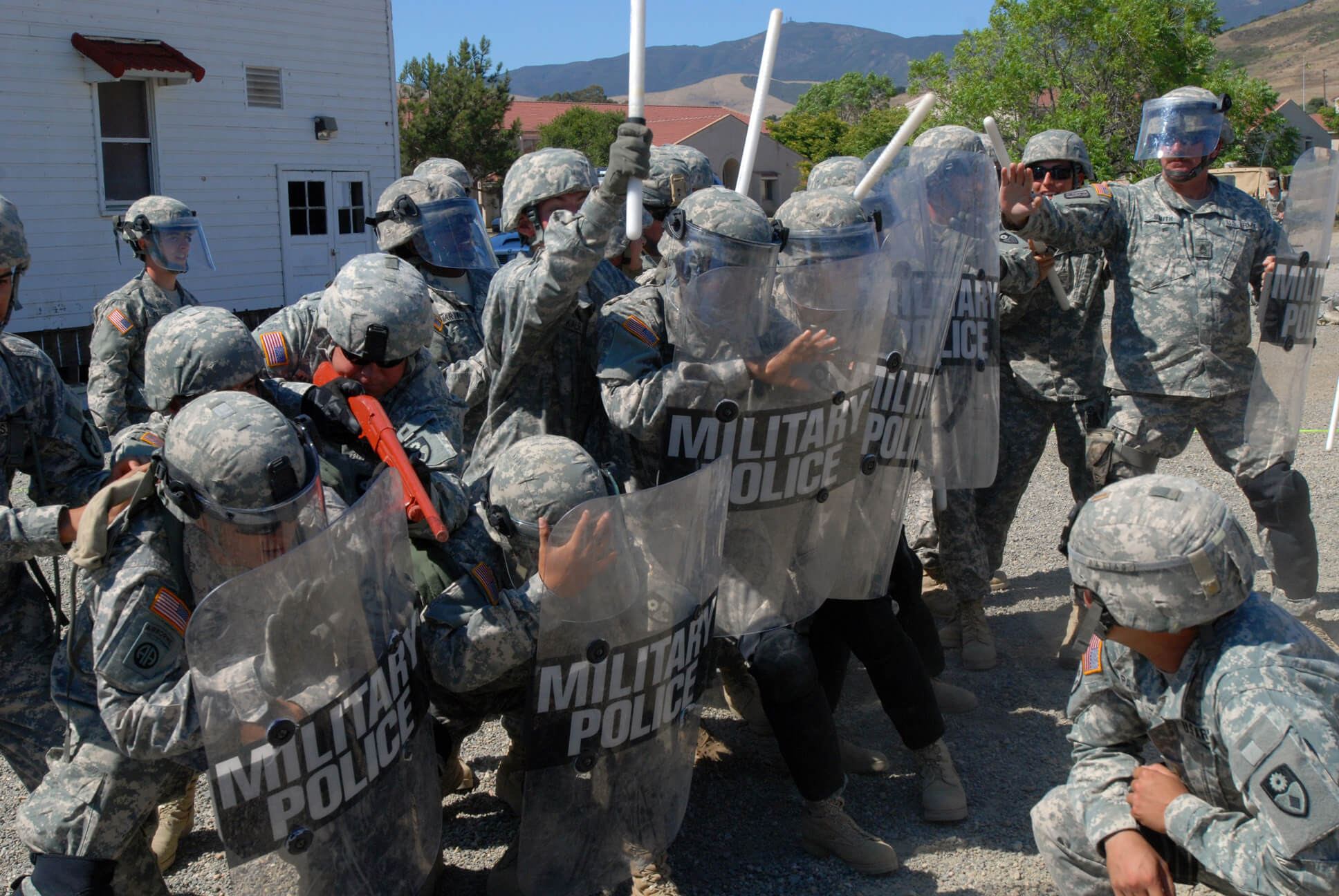
}

Subscribe to Lawfare