Rational Security: The “Deeply Iran-ic” Edition




This week, Scott sat down with his Lawfare colleagues Daniel Byman, Tyler McBrien, and Natalie Orpett to talk through aspects of the week’s biggest Iran-focused news stories, including:
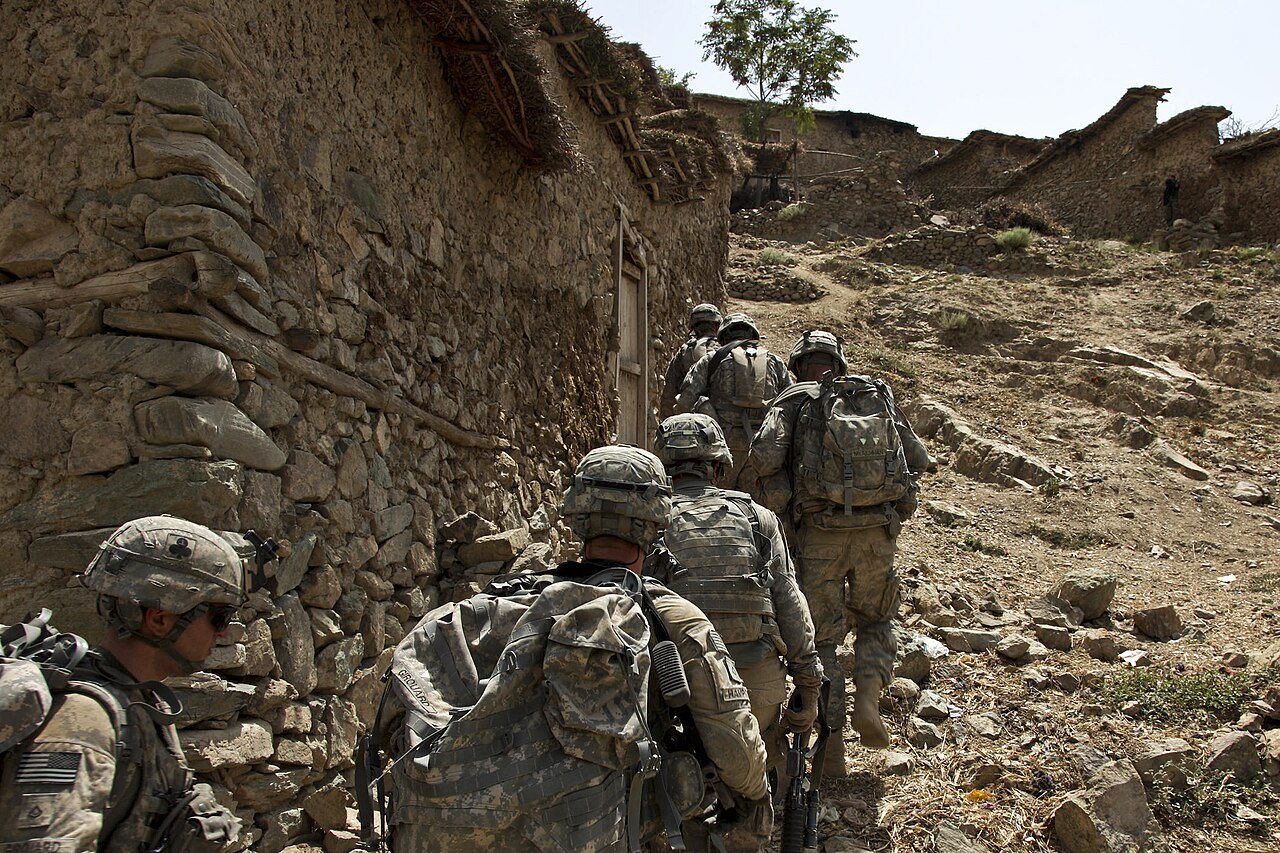
- “Situational Iran-y.” The world came into Tuesday evening fearing a major escalation in the ongoing U.S. and Israeli conflict with Iran. But instead, President Trump made a last-minute choice to accept a two-week ceasefire, conditional on the opening of the Strait of Hormuz—a condition that Iran indicated it was prepared to meet, kind of, so long as “open” means coordinating with its military forces (and paying) for safe transit. Is this the beginning of the end of the Iran conflict? And what does the shape of the ceasefire tell us about the conflict’s likely regional implications moving forward?
- “Verbal Iran-y.” Tuesday’s breakthrough ceasefire agreement came after days of increasingly outlandish rhetoric by President Trump, including a threat earlier that day that “a whole civilization will die tonight” if his conditions were not met. What role did Trump’s threats play in the outcome? And what might the broader ramifications might be of the U.S. president issuing threats that would amount to war crimes (if not genocide) if actually followed up on?
- “Dramatic Iran-y.” While Trump’s rhetoric was undoubtedly intended to communicate strength, it came from a place of increasing weakness. U.S. military operations in Iran were weeks away from a major statutory barrier, and efforts to secure needed supplemental funding are facing headwinds in Congress. Perhaps more importantly, the conflict has proven widely unpopular and devastating for the U.S. and broader global economy—two factors that weigh heavily on Trump and his congressional allies in an election year. What will this shift in the Iran conflict mean for Trump’s political future? Not to mention the legal and institutional arrangements that have allowed him to pursue so unorthodox a foreign policy in recent months?
In object lessons, Dan is not playing games when simulating the 1960 presidential election. Natalie is delighting in another kind of history with the masterful writing in Claire Messud’s “This Strange Eventful History.” Scott is revisiting a 2002 Donald Trump review of “Citizen Kane” that has a somewhat surprising ending. And Tyler is recommending that you watch as much Artemis II content as humanly possible.
Note: We’re taking a little break next week, but keep an eye out for our next episode on April 23!
To receive ad-free podcasts, become a Lawfare Material Supporter at www.patreon.com/lawfare. You can also support Lawfare by making a one-time donation at https://givebutter.com/lawfare-institute.