
.png?sfvrsn=94f97f2c_3)
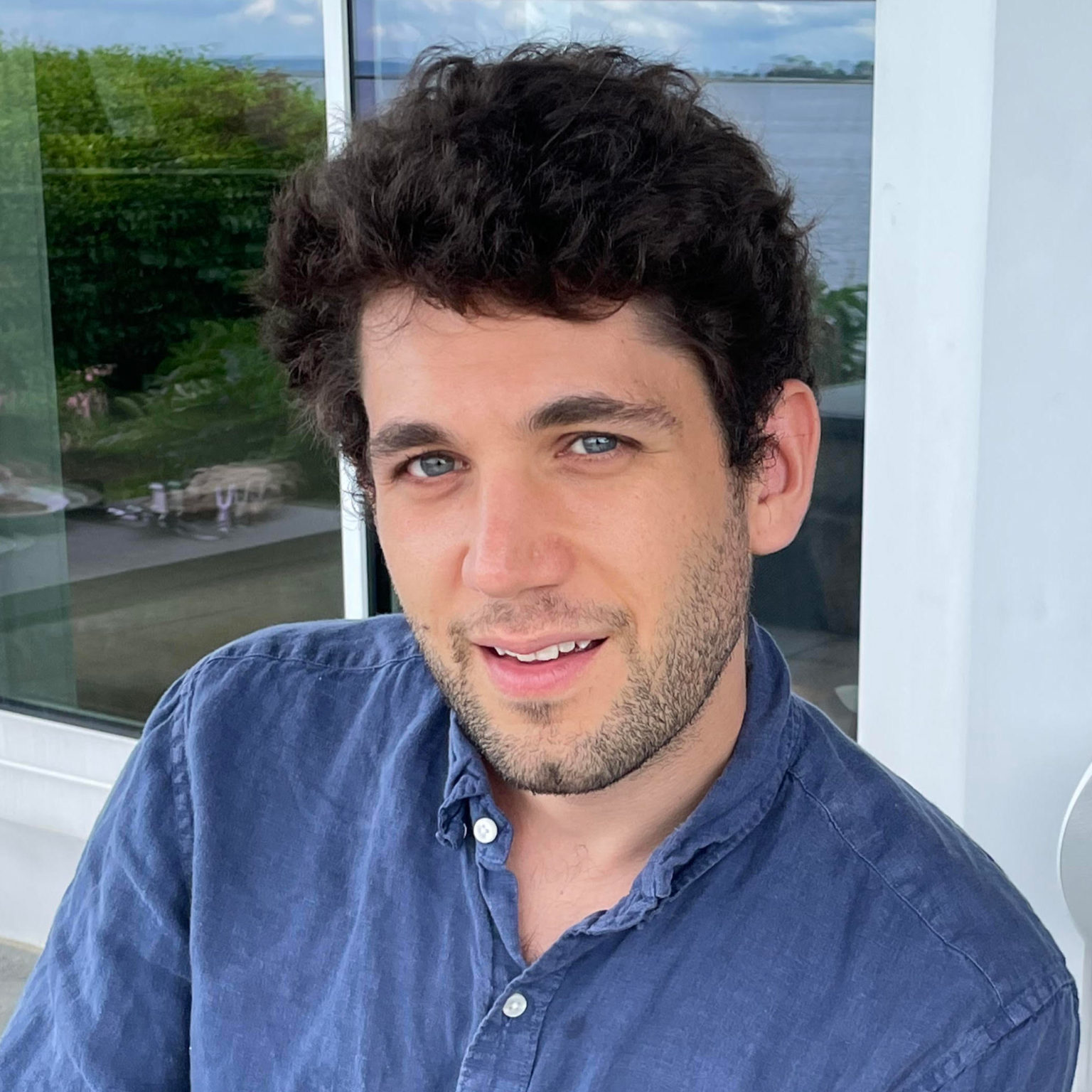
Gabriel Nicholas, a member of the Product Public Policy team at Anthropic, joins Kevin Frazier, AI Innovation and Law Fellow at the University of Texas School of Law and a Senior Editor at Lawfare, to introduce the policy problems (and some solutions) posed by AI agents. Defined as AI tools capable of autonomously completing tasks on your behalf, it’s widely expected that AI agents will soon become ubiquitous. The integration of AI agents into sensitive tasks presents a slew of technical, social, economic, and political questions. Gabriel walks through the weighty questions that labs are thinking through as AI agents finally become “a thing.”
Kevin Frazier is a senior editor at Lawfare and the Director of the AI Innovation and Law Program at the University of Texas School of Law.
Gabriel Nicholas is a member of the Product Public Policy team at Anthropic.


.jpg?sfvrsn=68f3cd7e_4)
