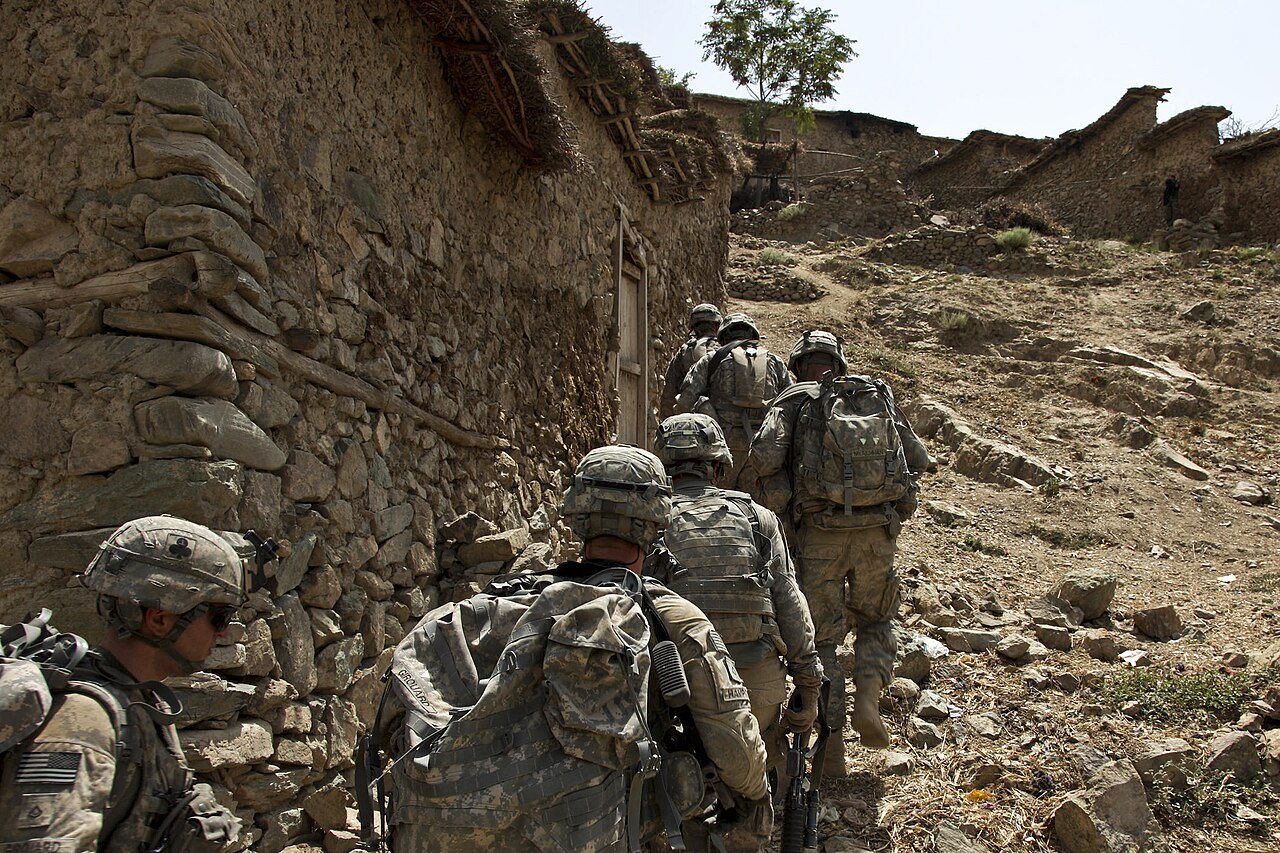
The Situation: A View From Kyiv
That ridiculous feeling of coming from a society that is endeavoring to destroy itself to visit a society that is working to preserve itself.
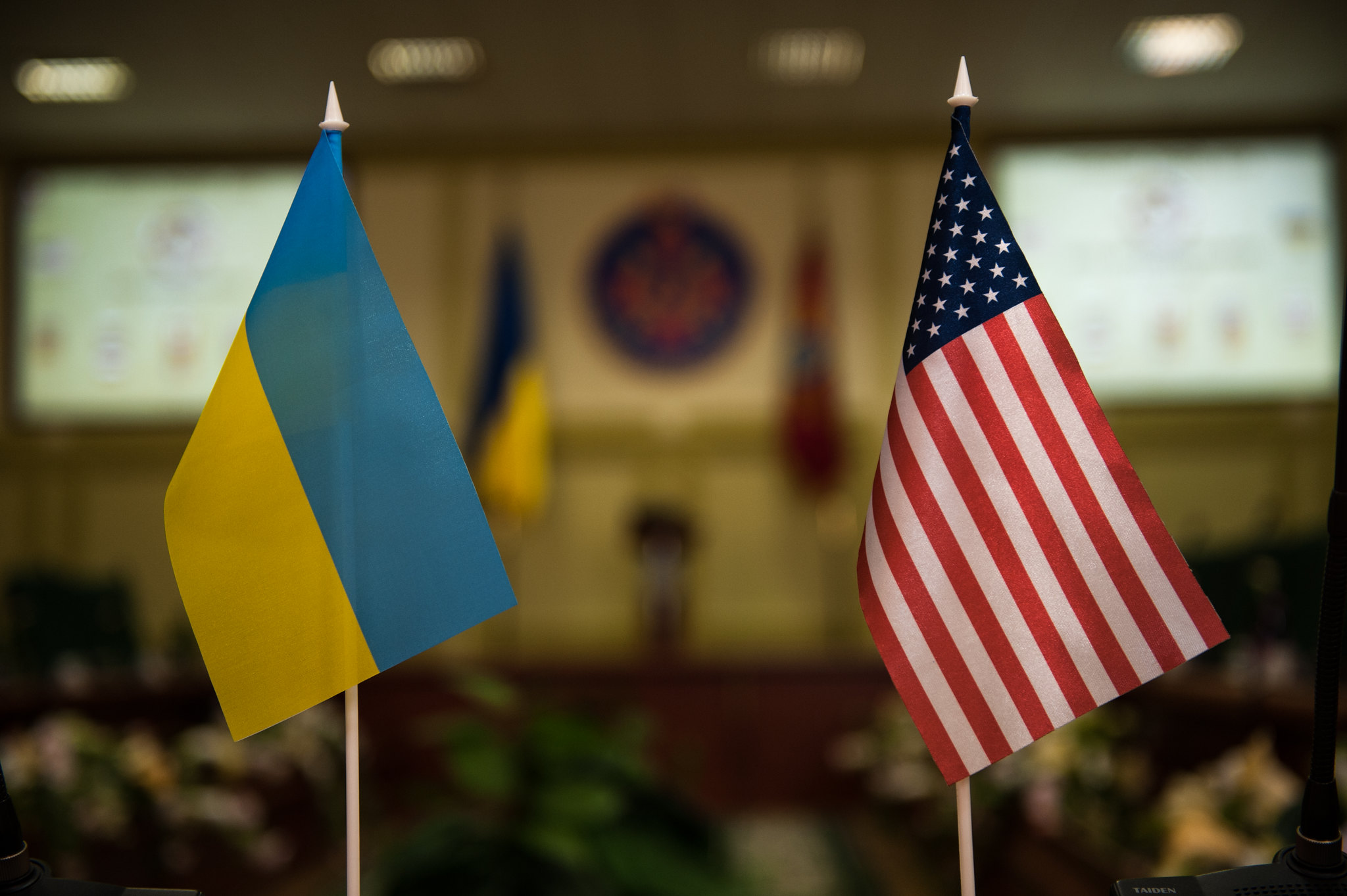
The Situation on Thursday took a look at the way our closest ally in the world now talks about the United States of America in public.
On Saturday I got on an airplane, and on then another airplane, then on a train, and then an overnight train, to come to a country whose situation depends pervasively on The Situation.
I arrived in Ukraine on Monday morning and will be here for a couple of weeks: meeting with people, learning about the war, visiting friends, and getting a window on a society which I have only seen through a series of keyholes.
The Situation here is very far away—and yet very close.
Far away in the sense that ICE raids are far less salient than the air raids that regularly knock out power and heating to millions of people; in the sense that the buffoonery the President gets up to in Davos operates as a kind of distant dark comedy playing in the background, not an up-close horror show transfixing people. There is a very different horror show playing close up.
And yet close in the sense that few countries’ fates are more indelibly tied up with The Situation than Ukraine’s. Ever since Trump’s perfect phone call with President Volodymyr Zelensky during Trump’s first term in office, Ukraine’s ability to defend itself—and I mean that in the most literal, physical, existential, day-to-day sense of the phrase—has been tied to Trump’s political fortunes and whims. Whether the country receives robust American support, whether and to what extent America embraces the foe that is trying to destroy Ukraine, whether Ukraine is subject to extortion from its patron over mineral rights or capitulative peace plans, whether the United States blows up the larger alliances Ukraine aspires to join to secure its future are all functions of The Situation, after all. And Ukrainians watch American developments not merely with the horrified fascination of the rest of the world but with the immediate sense that these developments may directly affect their lives.
And thus The Situation lurks in the background—critically important yet weirdly incomprehensible.
Because understanding America’s political self-immolation is impossible even when it’s one’s full-time job, and it all moves so fast all the time on the way to getting nowhere—ever.
And who has time for that when one’s power is out and one has no heat and when it’s really cold, and when there are air raids—multiple times per day—that one has to decide whether to take shelter from or to ignore? And who has time for that when it’s another country’s internal affairs and one has so little ability to affect it anyway? And who has time for that when it’s the ultimate moving target and nothing Trump says today, positive or negative, will govern tomorrow?
And let’s face it, it’s all so profoundly dumb.
There is something humbling—one might even say humiliating—about showing one’s face in a country whose problems are mostly externally inflicted and which struggles daily in a military sense to defend its right to determine its own fate, coming from a country which indisputably holds its own fate in its own hands yet which inflicts needless harms upon itself seemingly for fun.
There is something embarrassing about driving by a children’s hospital bombed recently by Russia—about being in a country that every day stares in the face such signs of Russian malign intent and activity—having just come from a country that regularly denies the reality of Russia’s behavior.
At the highest level of altitude, one feels ridiculous, coming from a society that is busily, proudly endeavoring to destroy itself, spending time in a society that is working under the toughest of circumstances to preserve itself.
It is a common trope among Westerners visiting Kyiv that life in the city goes on as normal despite the war. And this is true in some limited sense. Restaurants and cafes are open and blithely turn on generators and light candles when the power goes out. There are really nice book stores. The food stores are reasonably well-supplied—better so, actually, than the stores in Washington were in advance of this weekend’s storm. And the metro runs regularly, even if people use stations as bomb shelters even as others walk through them to get to the streets where the air strikes might land. One can walk through Kyiv and pretend that it’s just a normal European capital going about its day despite the stresses of a war that is never far away and sometimes comes very close.
Westerners like this vantage point on life here because it meshes well with our own political prejudices, whatever those happen to be. If you’re pro-Ukrainain, the observation about life continuing as normal inevitably leads to some admiring remark about the country’s resilience, about those plucky Ukrainians going about their daily lives in the face of the war—with London-during-the-Blitz reference to follow.
If you’re a Ukraine skeptic, a MAGA type or a more general foe of American engagement overseas, the observation leads to some disparagement of the Ukrainian need for Western help: look at those Kyivans partying at night clubs while American money, taken from the pockets of real heartland Amuricans, funds the war.
The truth is that the premise is wrong: the normality is skin deep.
I have been here for 72 hours, and I have already had repeated conversations with people who are stretched incredibly thin: a woman whose apartment on the 16th floor of an old Soviet era apartment block has had neither heat nor electricity nor running water for days; a prominent Kyiv intellectual, currently serving in government, who told me fiercely that it was important never to accept the environment here as an acceptable way to live; a media liaison for a military unit who observed while stepping over piles of crushed ice in the street that this is a stressful time to be in Kyiv—very different even from other winters; and Lawfare’s own Kyiv fellow, Anastasiia Lapatina, who feels a certain unnatural urgency about going out at night to deliver batteries to strangers to help power people’s heaters because it’s really cold out.
You can fool yourself with bromides about “normality” because there’s a chic hipster vibe in a lot of Kyiv offices and eateries, and the place is a fashionable combination of old and modern and Soviet and run-down and brand, spanking new.
But the resilience is one of necessity. It’s a brave face on a profoundly non-normal way to live. People go on as normal-ish because what the heck else are they going to do? But they are really tired, and they have to do their jobs—like everyone else—and then go home and pick up kids and figure out how to keep apartments warm and phones charged. And they’re constantly sleep deprived because of air attacks at night.
I visited a media organization here on Monday, where the offices were about half empty. A staffer explained to me that some people were present because the office had power and many of their homes did not, while other were absent because the office had no heat—while many of their homes did. He shrugged.
What does The Situation mean for any of this? It means that Ukrainians never know whether America is part of the solution or part of the problem—or a bit of both at the same time. And it means that Americans are so distracted by our own troubles that many of them don’t even know there’s a man-made energy crisis in Kyiv that means that millions of people are cut off from heat and power during a serious cold snap.
And even as the cold weather and power outages continue here, the Situation continues tomorrow.