
Lawfare Daily: The Jan. 6 Pardonee Crime Wave with Katherine Pompilio
A new Lawfare study reveals that almost 1 in 16 Jan. 6 pardonees have been arrested for, charged with, or convicted of crimes separate from Jan. 6 since the attack.
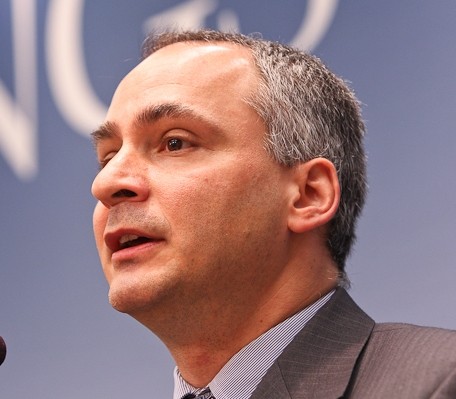
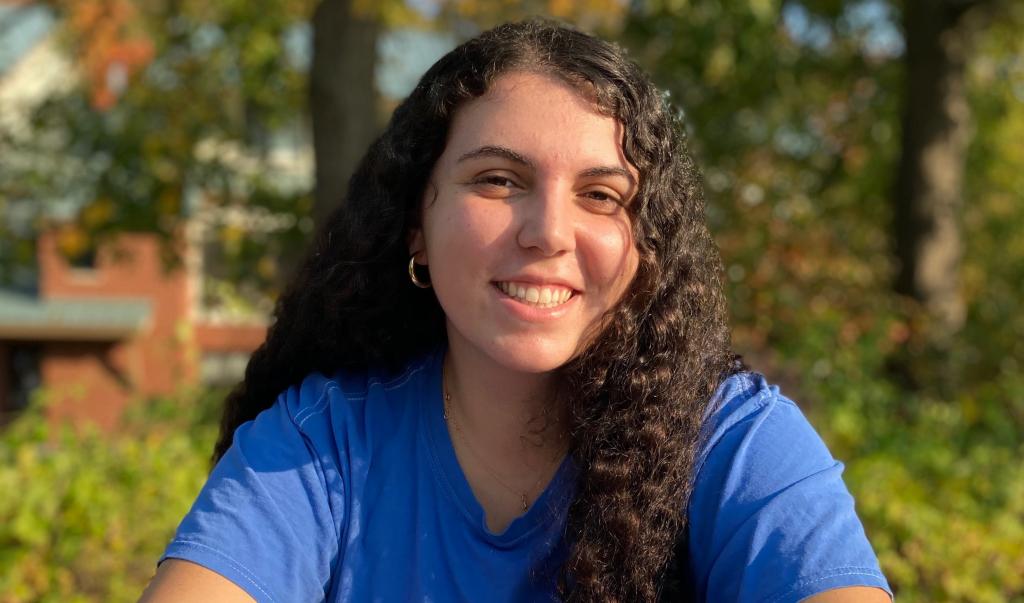
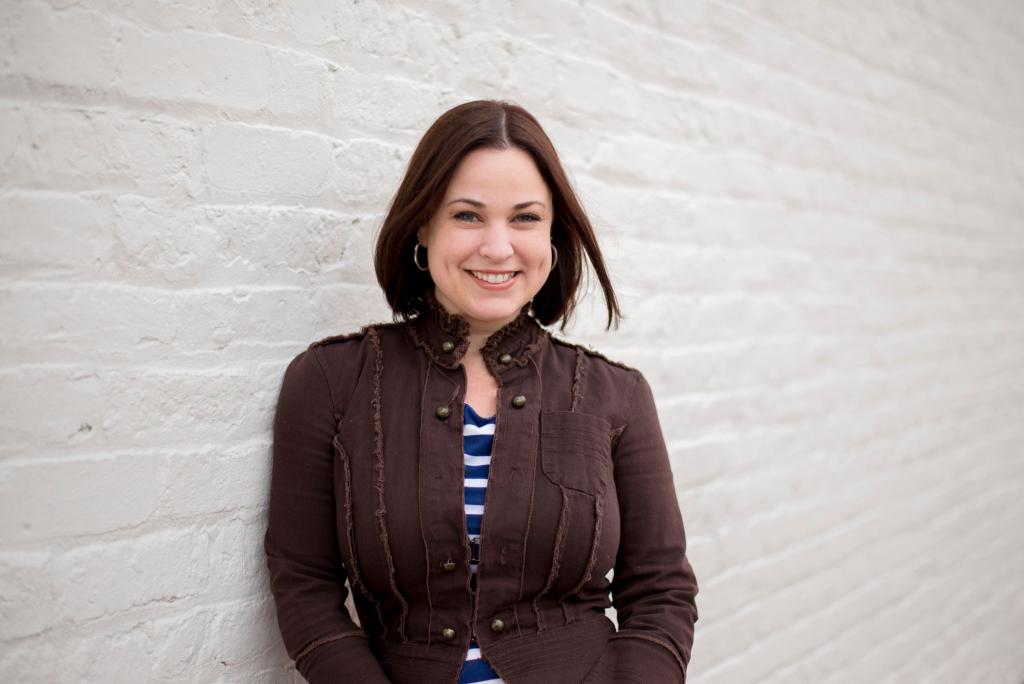
In a new report for Lawfare, Associate Editor Katherine Pompilio finds that 97 of the more than 1,500 individuals granted clemency by President Trump for their roles in the Jan. 6 Capitol attack have been arrested for, charged with, or convicted of crimes separate from Jan. 6 since their participation in the Jan. 6 riot.
On today’s episode, Pompilio joins Lawfare Editor in Chief Benjamin Wittes to discuss the new report, the types of crimes these 97 individuals have been charged with, the power (and consequences) of the presidential pardon, and more.
Please note that this episode contains content that some people may find disturbing. Listener discretion is advised.
To receive ad-free podcasts, become a Lawfare Material Supporter at www.patreon.com/lawfare. You can also support Lawfare by making a one-time donation at https://givebutter.com/lawfare-institute.
Click the button below to view a transcript of this podcast. Please note that the transcript was auto-generated and may contain errors.
Transcript
[Intro]
Katherine Pompilio: So there are 28 people on this list that have been charged with or have committed or allegedly committed gun crimes. The vast majority of these people in this section, illegal guns or allegedly illegal guns were found in their homes after the FBI conducted a search warrant of their homes in connection with their then suspected participation in the January 6th riots.
Benjamin Wittes: It’s the Lawfare Podcast. I’m Benjamin Wittes, editor-in-chief of Lawfare, with Lawfare Associate Editor Katherine Pompilio.
Katherine Pompilio: That is criminal misconduct in my opinion, and simply because the Trump Justice Department had decided that they wanted to pardon him for this because they felt that it was covered by the Jan.
6 pardons doesn’t mean that the crime did not happen.
Benjamin Wittes: We’re talking January 6th recidivism today. The numbers are not just bigger than you think, they’re way bigger than you think, and Catherine has the receipts. In a lengthy story on Lawfare accompanied by an incredible infographic, Katherine has documented 97 separate cases in which people covered by Trump’s January 6th clemency action have committed other crimes unrelated to January 6th since the riot.
So Katherine, I wanna start with the question of how you got onto this. How did you look at a crew report that had 33 J6ers who were, you know, had broken bad after J6 again and say, “I bet they’re undercounting this”?
Katherine Pompilio: I’ll start by saying that I have been working on January 6th related matters for Lawfare since I started at Lawfare, so that’s 2022.
So I have been paying attention to these people and what has happened to these people since they participated in the riot, since they were charged, prosecuted, convicted, and the pardoned and everything else that came with that.
Benjamin Wittes: And there is an important process point here for all of you. Never get on Katherine Pompilio’s bad side because she will follow you to the ends of the earth forever.
And you know, at, the number of times I’ve gotten texts from her, “Look at what so and so is up to” is, it’s not trivial. Yeah, so all right. You’ve been, let’s just use the word stalking these guys for a lot of years.
Katherine Pompilio: I put my internet stalking skills, you know, instead of, like, my friend’s boyfriends or d- guys it’s January 6th-ers, which is good.
But yeah, no, I’ve been following these people for a really long time. I also think that aside from, you know, the, a majority of them that just walk into the building and took pictures and came around, which is still, you know, not great, there are a lot of these people that are characters that, you know, seriously actually, like, hurt people and damaged really, and, like, damaged a lot of property and really hurt some Capitol Police officers and Metro PD.
But, you know, there’s also the guy who wears a headdress to, to the riot, and there are, they are just a cast of really interesting people. So yeah, it’s been fun to, to follow them for years.
Benjamin Wittes: So when people think of them, they think of, you know, there are 1,500 people who were convicted of things, but the them is actually a much larger set than that.
So how do you define the set of people that you are interested in and that you follow around and kind of keep track of?
Katherine Pompilio: Yeah. So reporting right after the riot or since the riot said that there were about actually... So for figures, more than 1,500 people were prosecuted for January 6th, but estimates based on crowd size and other things have the number of participants upwards of 10,000 people.
So there are quite literally thousands of more individuals that we don’t know their names, we don’t know who they are, we don’t know where they live, what they did. So the list that I know of pretty familiarly is the 1,500 plus. That being said, there are a lot more of these people some of which, you know, posted online that they were there, others that, you know, have probably kept it a secret to this day.
I looked at these 1,500 people because, again, I know that, I know their names, I know they’ve been prosecuted, so I thought it would be a lot easier than just kind of the abstract number of 10,000 to look into each one of them and see what they’ve been up to since their pardons and since the riot
Benjamin Wittes: Right. But let’s talk about the larger group first. It plays a lesser role in your story, but it’s not trivial. The 10,000 were all subject to the pardon.
Katherine Pompilio: Yeah.
Benjamin Wittes: The pardon affects anybody who was prosecuted or not.
Katherine Pompilio: Yes.
Benjamin Wittes: And so we had one guy who was never prosecuted for January 6th, but who boasted of having been there, who seems to have posted social media about it, and he killed somebody the other day.
Katherine Pompilio: Yes.
Benjamin Wittes: So, like, let’s start with that. He’s not in your data set ‘cause he was not prosecuted, but I want people to understand that the universe of people who are J6ers who go on to commit other crimes is not limited to the 1,500 who were prosec- or the 1,600 who were prosecuted, or thus the 97 who are in your data set.
So talk a little bit about our friend, the social media recent arrestee.
Katherine Pompilio: Yeah. So our friend is named Tim Arvidson. He’s from Colorado. And reporting from last week, I believe, he allegedly shot and killed a man, I think his neighbor, on the side of the road in Colorado Springs.
According to reporting from the Colorado Times Recorder, he had been posting that he t- that he participated in the riot. He uploaded a video of himself on Capitol grounds, and he told his Facebook friends that the FBI came to his door after his, quote, “younger, fat, childless, manless, woke sister” alerted investigators to him.
And then after the pardon, he posted on Facebook, again, this man was never prosecuted by the federal government for the, for his participation. He posted that he felt like a dark cloud had been lifted after President Trump issued the pardons. So, yeah, th- m- it’s a reminder that, you know, there are a lot more people out there that Trump’s clemency order covers, and so there are likely many more people out there that have gone on to commit other crimes like Arvidson.
You know, and again, he’s one of the worst of them. He allegedly killed somebody so these are not trivial, you know, like, traffic infractions.
Benjamin Wittes: Although some of the traffic infractions killed people, too.
Katherine Pompilio: Right. Though some of the traffic infractionskilled people, too. Absolutely.
Benjamin Wittes: Yeah, and we’ll get to that. Yeah.
Katherine Pompilio: All right.
Benjamin Wittes: So, so that’s one sense in which- Even your story is an undercount—
Katherine Pompilio: 100%.
Benjamin Wittes: Let’s talk about some... Before we even get to the number, before we focus on the number 97, let’s talk about the universe that isn’t in that number, ‘cause I think people need to understand that 97 is a floor, not a ceiling, and that the 97 plus X, the X could be pretty big.
So why else is 97—Why are we not confident that you have all of them?
Katherine Pompilio: So again, we have the list of 1,600 people that I was able to search. I’m not able to search the names of people that I don’t know, but even of the names that I have searched, it’s ridiculously hard to find information about these people online.
Benjamin Wittes: And why is that? We live in a surveillance society, you know. The internet never forgets. It’s, you know, 1,500 people. Why can’t you just Google them and w- why did CREW not find these people? Why did The New York Times not? Why is this project hard?
Katherine Pompilio: This project was so hard. Well, first because pardoned individuals, like the people that we h- know their names, they don’t have any monitoring requirements.
They’re not parolees, so data about them just completely disappears. A lot of them also have common names, and they’ve committed crimes on the local and state level, so they show up in local county level courts, and their reporting about them or their documents, their charging documents have no mention of their participation in Jan. 6.
So that’s one thing. Second, the hyperlocal news is often behind a paywall and also really difficult to find. You have to do a bunch of searches, multiple searches per person, sometimes even to narrow the search per alleged crime. And if you just don’t know what you’re looking for, you just have a name vaguely, it’s really difficult.
You have to go through pages and pages and pages of these people. And third, again we just don’t know who the extra, you know, 8,500 people are, so it’s impossible to do these searches.
Benjamin Wittes: Yeah. And I will just add a fourth factor, which is that, you know, while some January 6th-ers have very distinctive names like Enrique Tarrio or, you know, some of the other more famous ones, some of them have really generic names, and if you have a generic name and you want to find any crime that person may have committed over a, it’s now a six-year period, you’re going to end up with a whole lot of false hits that are just people with the same name or similar names.
Katherine Pompilio: I cannot tell you the amount of times that I would be looking for something I had from some research, you know, found, I don’t know, I’m not gonna use a specific name, but so Smith, right, let’s say, and I was looking for an assault charge, and I found one that I had all this information and I was ready to write it down, and then I realized that the Smith I was talking about was in a completely different state and a different race and not at the Jan. 6 riot.
So yeah, it’s really hard to narrow down these people and con- also confirm who has been convicted or charged with other crimes and then also confirm that they were at the riot. I did a lot of comparing of mugshots of different people. So yeah, it is a lot.
Benjamin Wittes: All right, let’s talk about 97. So first of all, what was the state of the art in counting J6ers who committed other crimes before you did this project?
Katherine Pompilio: Yeah. So I saw a report from CREW. Their initial count, I looked at it around, around January, right after the five-year anniversary of the attack, and they had 33 people that they had counted that have been either arrested, charged with, or convicted of crimes since their participation in the Jan. 6 riot.
Then there was, a few months later, an editorial put out by The New York Times called “The People Trump Pardoned Are on a Crime Spree.” It was based off of the CREW report. Since then, they had discovered more people. That had about 39 people in its list. And then CREW actually yesterday, on June 3rd, updated their list, so they found one other person, so their list is now at 40.
So yeah, that was kind of the state of things. We found 97.
Benjamin Wittes: So the delta between 97 and 40 is a factor of two and a half.
Katherine Pompilio: Mm-hmm.
Benjamin Wittes: That’s a big difference, and it’s also, in objective terms, a large number of people. So let me bounce off you a couple of things that people who might be skeptical that you found a whole lot of stuff that nobody else found are gonna say, which is, “Well, maybe Pompilio only found, like, trivial, you know, traffic violations or low-key credit card misuse or that kind of thing,” whereas The New York Times and CREW were focused on serious crimes.
How do the quality of the crimes in your dataset match up against the quality of the crimes in the previous efforts?
Katherine Pompilio: I did find a lot of traffic tickets, and I did not include them. The extra people or the additional people that I found range from attempted murder and sexual assault to DUIs, gun charges, different sort of aggravated menacing, stalking.
You know, the list goes on. So it’s, they are serious, real crimes. You know, they are not just small little infractions. We do have one, I will admit, one jaywalking charge, but that was not just, you know, he didn’t cross the street in the right way. The person in that case was allegedly trying to conduct a First Amendment audit of an FBI office shortly after participating in the attack.
So again, these are not small things that most people have done or have on their record.
Benjamin Wittes: So you divided the crimes into a set of categories, and some people are in more than one category. But so, the first category is the least surprising one, and I think it overlaps entirely with the previous CREW and New York Times reports.
How would you characterize this first category?
Katherine Pompilio: Yeah. So these are people whose crimes or alleged crimes have been facilitated by President Trump’s pardon. So these are people who were in jail up and received sentences that were supposed to go past the date of January 20th, 2025 when Trump issued his executive order.
And so if Trump had not pardoned them, they would have still been in prison by the time they had gone on to commit their crimes or been arrested for their, for alleged crimes.
Benjamin Wittes: And how many of those people are there?
Katherine Pompilio: There are five of those people.
Benjamin Wittes: So this is actually a small group and people who are, you know, looking for crimes actively facilitated by the pardon.
There really aren’t that many of them, at least not yet.
Katherine Pompilio: Right. Not by my count. This one has been widely reported on, so I didn’t discover him, but Andrew Paul Johnson, he had been convicted of multiple sex crimes against children. He also tried to buy the silence, some of which occurred before the pardon and some of which occurred after the pardon while he was—If he had not been pardoned, he still would have been in law enforcement custody.
He also tried to buy the silence of his victims by saying that he was a Jan 6 pardonee and that he was getting $10 million dollars from the government and he would leave it to them in his will. There was Zachary Alam, who after he was pardoned, was convicted of felony burglary and grand larceny. Ryan Nichols, who was charged with deadly conduct and harassment.
He was in a church parking lot and he pulled a gun on someone. And then also Jake Lang, who is a figure that comes up a lot. He’s done a lot since the pardon, but most notably he-
Benjamin Wittes: Yeah, it’s kind of a, like a one-man crime spree.
Katherine Pompilio: Right. Yeah. He’s, and he’s been going off and like honestly, I’ve had to update this piece probably every week because of him that I’ve been working on it.
But he most recently he was held in contempt of court in Tennessee because he was at a trial for a white supremacist, and he was held in contempt of court and sentenced to 10 days in jail. He also had a destruction of property charge that is still—He’s going to trial, I believe, on that one, that he n- he destroyed an ice sculpture in Minnesota that said “Prosecute ICE” and did it to do pro-ICE.
And then Enrique Tarrio, after he was pardoned, was at a rally familiarly on Capitol grounds, and he was arrested for allegedly, you know, trying to knock the phone out of the hand of a woman and being aggressive with her and I think allegedly hitting her. The U.S. Attorney’s office ultimately chose not to pursue those charges, so he was just arrested for the crime.
He wasn’t charged or prosecuted, but-
Benjamin Wittes: And who was the acting, the interim U.S. attorney at the time?
Katherine Pompilio: Ed Martin
Benjamin Wittes: Right.
Katherine Pompilio: Yep.
Benjamin Wittes: All right. That is, I think, the least surprising category since it involves a relatively small number of people, I think all of whom have been reported on before. But this next category, I just wanna dwell on it a little bit.
It’s a category of violent crime, and this category includes 41 people, which is to say it’s a larger data set than the entire CREW, New York Times previous reporting. That is, there are more violent criminals in your data set than there are total criminals in any previous reporting on this subject.
Katherine Pompilio: Yeah.
Benjamin Wittes: So tell us a little bit about some of the new guys you found in the, in, in the violent crime department.
Katherine Pompilio: Yeah. Well, I’ll note that this is the section that overlaps the most with CREW and The New York Times’ reporting. The people, I have them listed in order of what I felt was severity of the crime or alleged crime.
So the people at the top of this list, The New York Times and CREW got. These are the people who kind of, you know, committed the most egregious s- or allegedly committed the most egregious crimes. There’s like, you know, John Banuelos, who allegedly kidnapped a woman for 12 hours and then raped her. But there are people that have not been previously reported on.
Some of my personal favorites include Mark Mazza. So he was sentenced to 60 months in prison and ordered to pay $2,000 dollars in restitution. He was carrying guns at the riot, and he brought a Taurus revolver and a bunch of other loaded guns and was chanting, “This is our effing house.” He got in trouble in his home state of Indiana for a- attacking, and this is the language of the prosecutors, he attacked a juvenile victim who was a 12-year-old Hispanic boy after the boy made derogatory comments about Donald Trump.
Mazza then responded to the victim, “Trump kills,” and then he used the N-word. So, “Trump kills N-words like you,” and then he picked up the 12-year-old boy by the neck and then slammed him to the ground and continued to hold him by the neck on the ground, and the victim said that he wasn’t able to breathe. So that has not been previously reported on except for in hyperlocal news.
That was not in The Times, CREW report. There is Howard C. Richardson, who during January 6th, he assaulted officers. He pushed a large metal sign into a law of law enforcement. And then back home in Pennsylvania, he got in trouble for pushing a man off of a moving motorcycle, and then the person was injured so badly that it took a chunk out of his right leg and they had to get surgery.
And then when confronted by the vi- motorcycle victim’s brother, he brought out a metal pipe and then also pulled out a gun and then also pulled out a blade and then was arrested and charged with aggravated assault. The list goes on. There is—This one’s not as bad, but Casey Tryon-Castro, she was at a concert.
She broke into the concert venue and was allegedly drunk and was confronted by officers and when they tried to remove her, she bit one of them, which is fun. There was also Eric Bochene, I believe is how you pronounce his name. After the Capitol attack, he pleaded guilty to entering and remaining in a restricted building or grounds.
He, during his Jan. 6 proceedings, fired his court-appointed lawyer and asked the court for—He was representing himself and he asked the court for $75,000 dollars an hour and then $50 million dollars for DNA.
Benjamin Wittes: Did he—Did the court grant that?
Katherine Pompilio: No, they did not.
Benjamin Wittes: Okay.
Katherine Pompilio: He was in trouble in New York State Court for allegedly hitting his daughter in the face twice, dragging her off her bed, which caused a laceration on her forehead, and then he left her, took her cell phone so she couldn’t call the police.
He was pleaded guilty to disorderly conduct in New York and he completed his sentence and I spoke with the clerk’s office and they told me that he calls them periodically to tell them that he has now moved to Vietnam. Allegedly, they didn’t seem to believe that, and he now goes by Dr. Wong and eats exotic fruits.
So yeah. But these are violent, really scary crimes. This is another one, Payton John Valdez. He was charged in Colorado with vehi- felony vehicular eluding and assault menacing. He fired a gun multiple times while chasing somebody in his car and then he ran a red light and swerved to avoid a, in a police chase to avoid a spike strip and then he pleaded guilty to those charges as well.
The list goes on. There is a lot.
Benjamin Wittes: Also, it will not shock, I think, a lot of listeners that there’s a bunch of sex criminals in here. Some of them in the violent sex crimes department, but some of them in m- more garden variety sex crimes. How many are we talking about? And without getting too graphic, what sort of stuff are they up to?
Katherine Pompilio: Yeah. So of the people who have committed or have been accused of committing sex crimes, we have 14 of the 97. Of those 14, seven are violent sex crimes. A lot of these crimes either include rape, like for example, Dillon Herrington allegedly raped a victim at a bar. Andrew Paul Johnson, which we talked about, sexually molested children, minors.
Most of these violent sexual assaults are against children. And then there’s also, yeah, John Banuelos, who was arrested for eventually he kidnapped a woman, told her he was going to kill her, choked her, and then sexually assaulted her for 12 hours. Kene Brian Lazo, there was another charge in this case against, you know, aggravated sexual battery for children under the age of 13.
The list goes on. And then outside of the violent sex crimes are mostly people who had child sexual abuse material on their phones.
Benjamin Wittes: Yeah. There, there does seem to be a lot of child porn in this community.
Katherine Pompilio: A lot. And a lot of it, like for example, I won’t get into the details. You can read them in the piece.
They’re really disturbing. But for example, one guy, Daniel Tocci, he was found with 100,000 images of CSAM and other horrifying images and videos on his phone or on, on his computer. He was sentenced to only four years in prison in Massachusetts for this. But yeah, there’s a lot of CSAM here. And then the other sex crimes include the newest one that I just added yesterday from April, I believe.
He was convicted in a prostitution sting in Polk County in an operation called Polk Around and Find Out, which was awesome. And then, yeah, also online solicitation of a minor, but never actually meeting up with minors. So, oh, and then one guy, Daryl Johnson, sorry, there’s just a lot, he secretly filmed women in his father’s tanning salon getting changed and in the tanning beds.
So yeah, a lot of them.
Benjamin Wittes: All right. Another thing that will not surprise listeners is that a whole lot of people are involved in gun crimes of one sort or another. What’s the scope of that?
Katherine Pompilio: So there are 28 people on this list that have been charged with or have committed or allegedly committed gun crimes.
The vast majority of these people in this section, illegal guns or allegedly illegal guns were found in their homes after the FBI conducted a search warrant of their homes in connection with their then suspected participation in the January 6th riots. So they, this looks like having anywhere from, you know, a ridiculous amount of ammunition to short barrel shotguns, a bunch of automatic rifles.
There was one guy in New York who had a, basically an arsenal in his apartment in the Upper East Side. I don’t know if I included this in the piece, but he was boasting about, like, meeting liberal women on dating apps in New York and then taking them to, them, to his apartment and showing them his gun collection.
This category, I will note, is the one that is the most contested by the defendants because a lot of them have argued that the pardon actually covers these gun charges since they were found in connection with January 6th, and they argue that Trump’s executive order covers that because he dismissed any pending charges or investigations related to the events of that day.
Benjamin Wittes: And in fairness to them, some of these are a little bit ambiguous in that the guns are often discovered when the FBI is executing search warrants related to January 6th, but they are then charged. The, I mean, the guns themselves have nothing to do with January 6th, and the charges are not January 6th related.
Some of them have prevailed on this argument and had their cases dismissed. Most of them have not. Is that fair?
Katherine Pompilio: Yeah. I will say the ones that the gun charges were prosecuted by the Biden Justice Department, those obviously went through. Those that were by the time Trump came into office and it was time to prosecute the gun charges, the Trump Justice Department moved in almost all of the cases to drop the gun charges.
There was also, I’ll note one guy, his name’s Daniel Wilson. He was convicted of—When the FBI searched his home in relation to his suspected participation in January 6th, he had a firearm there, and he was prohibited from owning firearms because he had a separate charge, a prior charge that had nothing to do with the January 6th attack.
The Justice Department was still pursuing it, and they actually moved to dismiss the charges against him. The judge in the case rejected that argument, or opposed that argument, and Trump ended up issuing for Wilson specifically a second full and unconditional pardon to rid him of those charges.
Benjamin Wittes: And so give us a defense of your decision to include this material.
What’s the parameter of what we consider to be, you know, th- this became an editorial decision, how related to January 6th does something have to be in order to, A, be covered by the pardon, and B, be outside the scope of an article that by its terms is about other crimes? So what’s the definitional rule that you used here?
Katherine Pompilio: Yeah. So for me, from an editorial standpoint, just because a pardon has been issued or just because a U.S. attorney declined to pursue charges or somebody was found not guilty by reason of insanity doesn’t mean that some sort of criminal misconduct did not occur. So he was found, specifically in Wilson’s case, he was found to have a gun that he was not supposed to have because he had a prior criminal conviction unrelated to January 6th.
That is criminal misconduct in my opinion, and simply because the Trump Justice Department had decided that they wanted to pardon him for this because they felt that it was covered by the Jan. 6th pardons doesn’t mean that the crime did not happen.
Benjamin Wittes: I mean, it’s fair to say definitionally You took the view if the January 6th pardon covers it, as in if it involved January 6th directly, if it was for your conduct for which you were prosecuted for January 6th, we’re not including it.
Katherine Pompilio: Correct.
Benjamin Wittes: But if it is separate criminal conduct that was learned about as a result of the January 6th investigation, maybe you had a lot of drugs, maybe you, they searched your house and you had guns, or maybe you boasted about it or something in the context of talking about January 6th, the fact that it emerged in the context of a January 6th investigation doesn’t take it off the plate.
Katherine Pompilio: Yeah, I mean, if it didn’t happen on January 6th, then it doesn’t mean that it didn’t happen at all. I’m not gonna—just because the Trump administration pardoned it—pretend that it didn’t exist. The fact of the matter in many of these cases is that the law enforcement showed up at a person’s home because of a suspicion that they had committed a crime, and while there, they found illegal firearms, in some cases illegal substances, as part of executing that search warrant.
Just because Trump or the other members of the administration has claimed that, you know, these people are pardoned and everything to do with Jan 6th specifically is pardoned doesn’t mean that these crimes or these infractions don’t exist. I’m not gonna, you know, like cover my eyes and be like, “Well, I guess if Trump said there wasn’t, if the gun is covered, then the gun is covered.”
There were still guns, there was still ammunition, there were still, you know, things in these people’s homes that pardon or no pardon, Jan. 6 or no Jan. 6, they were not allowed to have. And just generally all around the Justice Department was justified in being there because they were executing a search warrant.
Benjamin Wittes: Finally, there is the largest category, which is the other uncategorizable. Some of these are low-grade offenses, some of them are not, but they’re not sex crimes, not gun crimes, not violent crimes, and they weren’t facilitated by the pardon. So what kind of stuff is in this everything else basket?
Katherine Pompilio: Yeah, so I made the decision, these are mostly drug charges or charges related to DUIs, DWIs.
I just made the decision there were certain DWIs, DUIs that resulted in either the death or the injury of specific people. I decided to categorize those as nonviolent because it wasn’t an actionable, you know, “I’m not gonna run you down with my car and hit you,” it was a drunk driver. Not to say that, you know, that takes away any of their responsibility, but I-
Benjamin Wittes: It’s not intentional.
Katherine Pompilio: No. It’s not an intentional violent assault on somebody. So those people are included. There are plenty other, I think most of them are DUIs that involved not other people getting hurt, but, you know, there was one guy who slammed his car into a cement pole, and it resulted in the injury of four other people.
These charges also include nonviolent stalking, which was also... Or menacing, which is, was a hard distinction to bear, but it didn’t involve the physical assaulting or even really threatening people. A lot of cyberstalking, a lot of phone calls, but without threatening their, like, livelihood. So I made the decision to categorize those people in there.
There are a few child endangerment situations, again, so nonviolent. There was a guy, Josiah Kenyon, who allegedly, while on the run from law enforcement for his prosecution for January 6th, he kept his family in an unheated trailer in the mountains of Nevada, so he got a child endangerment charge.
Benjamin Wittes: So it’s kind of a br- it’s a grab bag with a heavy DUI-
Katherine Pompilio: It is a heavy DUI, heavy drug group, but they are not all group.
There is one guy in there who was just walking around his neighborhood at night with his pants off, not towards anybody just—Again, doesn’t make it better, but I didn’t classify that one, for example, as a sex crime.
Benjamin Wittes: Well, it makes it a little better.
Katherine Pompilio: Right.
Benjamin Wittes: Yeah. I mean, it’s not directed at anybody.
It’s not, you know, it’s—
Katherine Pompilio: Just out with his pants off, which-
Benjamin Wittes: College streaking—only out in the community.
Katherine Pompilio: Right.
Benjamin Wittes: So what is your conclusion from all this? I mean, like, zoom out to 40,000 feet. You have a lot of these people. It’s one in 16 people prosecuted for January 6th has committed some other crime since January 6th.
You believe it’s more. The previous efforts to count it have dramatically undercounted it. What conclusion do you draw from all of this?
Katherine Pompilio: I think the big one is expect more of these people. This is just a start, really. So I’ve been looking into it. I would love if others looked into other people that have committed these crimes.
But I think it’s really important to know who these people are and what they’ve done. I think, you know, we saw last week, I know that this is now, I think, dead, but, you know, the Trump administration’s Anti-Weaponization Fund where they were going to offer payouts to those that they had felt were politically persecuted.
That’s not happening anymore, but I don’t see a future in which the Trump administration doesn’t find some way to either give payouts or treat a certain population of people that have committed other crimes really well. And so I think that this group of people should not be treated as like, the entire January 6th pardoned clemency granted group should not be treated as a monolith.
There were specific people who were specifically prosecuted for unrelated crimes, and I think it’s really important to know who those people are so that we can continue to keep track of them because frankly, the administration won’t. They’re actually actively deleting this record. And so I think keeping a record of who these people are and what they’ve done and adding to it, which I’m expecting they’re—we will, and we will find probably tens if not hundreds more, just so we keep that record.
Benjamin Wittes: Before we let you go, I wanna ask about one additional feature of this. There is a lengthy news story about it. There is also an infographic which displays the picture, usually a mugshot, and then information. If you click on the mugshot, it flips over and displays narrative information about the individual.
Talk about the decision to present the information that way rather than, you know, as a searchable database or as a, you know, a just a l- very long 95, 96, 97 entry news story.
Katherine Pompilio: I’ll start with nobody wants to read 97 pages of a news story. My Google Doc for this was one hundred pages long, and it was more than 30,000 words.
So I don’t think any—that’s a book, you know. It’s a short book. So I don’t think anybody wants to sit down and see, you know, a read time summary of an hour and a half, two hours. Our infographic is also searchable, so it is a searchable database, but I decided to include photos of these people because it really...
You’re looking in the eyes of people who have been accused of, one, accused of or convicted of participating in an attack on the United States Capitol, full stop. I think that’s already pretty powerful. But second, you’re looking them in the eyes. They’ve been arrested for, charged with, or convicted of other crimes completely unrelated to the January 6th charges.
So I think it humanizes them in a way, but it also, you know, gives the reader a full picture that this just, this isn’t just a name, this isn’t just some far-off crime that happened in some random county in upstate New York or wherever. This is a group of people who all participated in an event together who have all gone on to allegedly commit other crimes, and I thought that they, you know, should be grouped together.
Benjamin Wittes: Katherine Pompilio, thank you so much for joining us today.
Katherine Pompilio: Thanks, Ben Wittes.
[Outro]
Benjamin Wittes: The Lawfare Podcast is produced by the Lawfare Institute. You can get ad-free versions of this and other Lawfare podcasts by becoming a material supporter of Lawfare at our website, lawfaremedia.org/support. You’ll also get access to special events and other content available only to our supporters.
The podcast is edited by Jen Patja, and our theme music is from ALIBI Music. As always, thanks for listening.