-
Codifying the protection of civilians as a commander’s explicit objective in all operations is an essential step toward reducing noncombatant casualties.
-
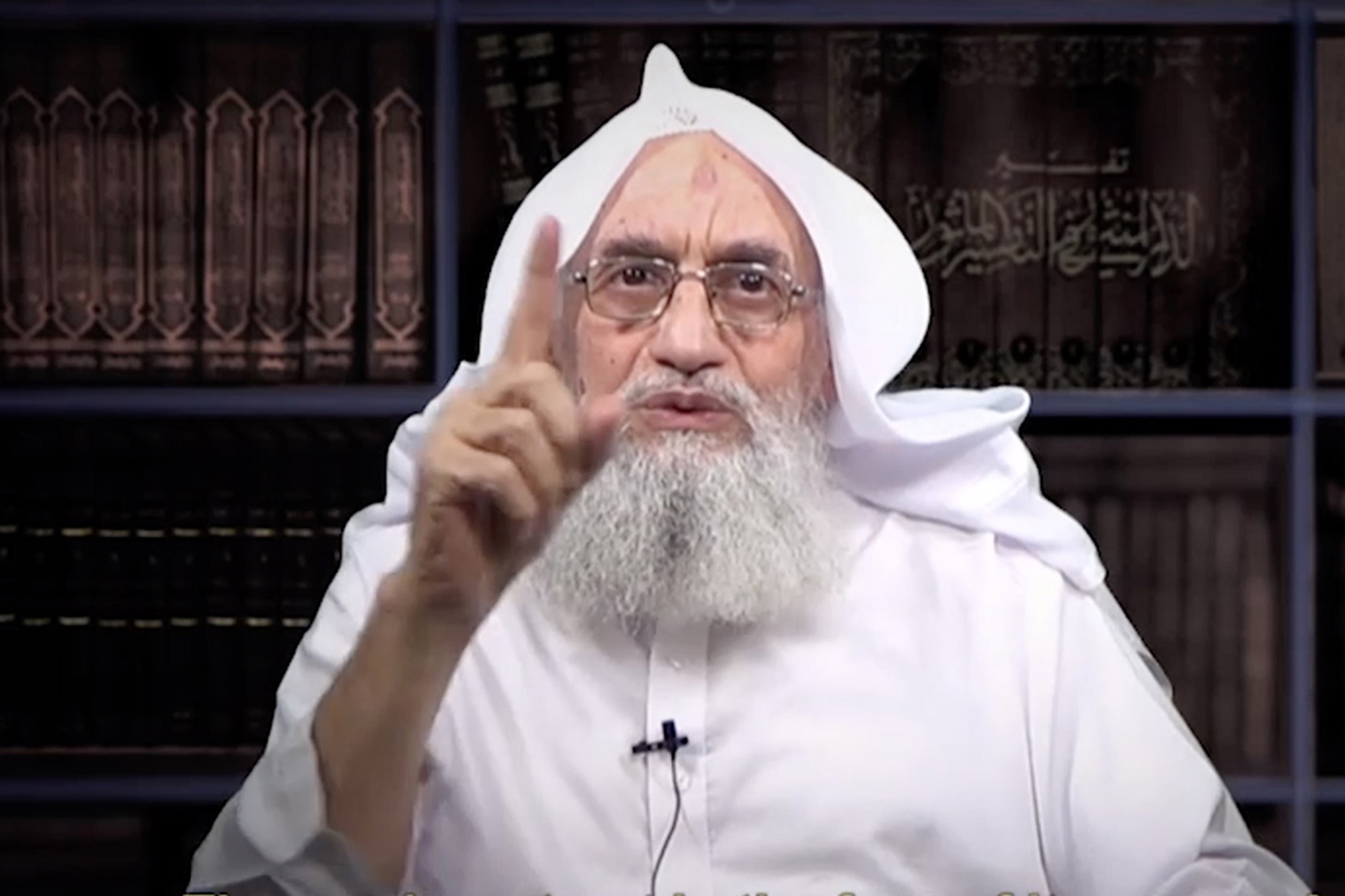
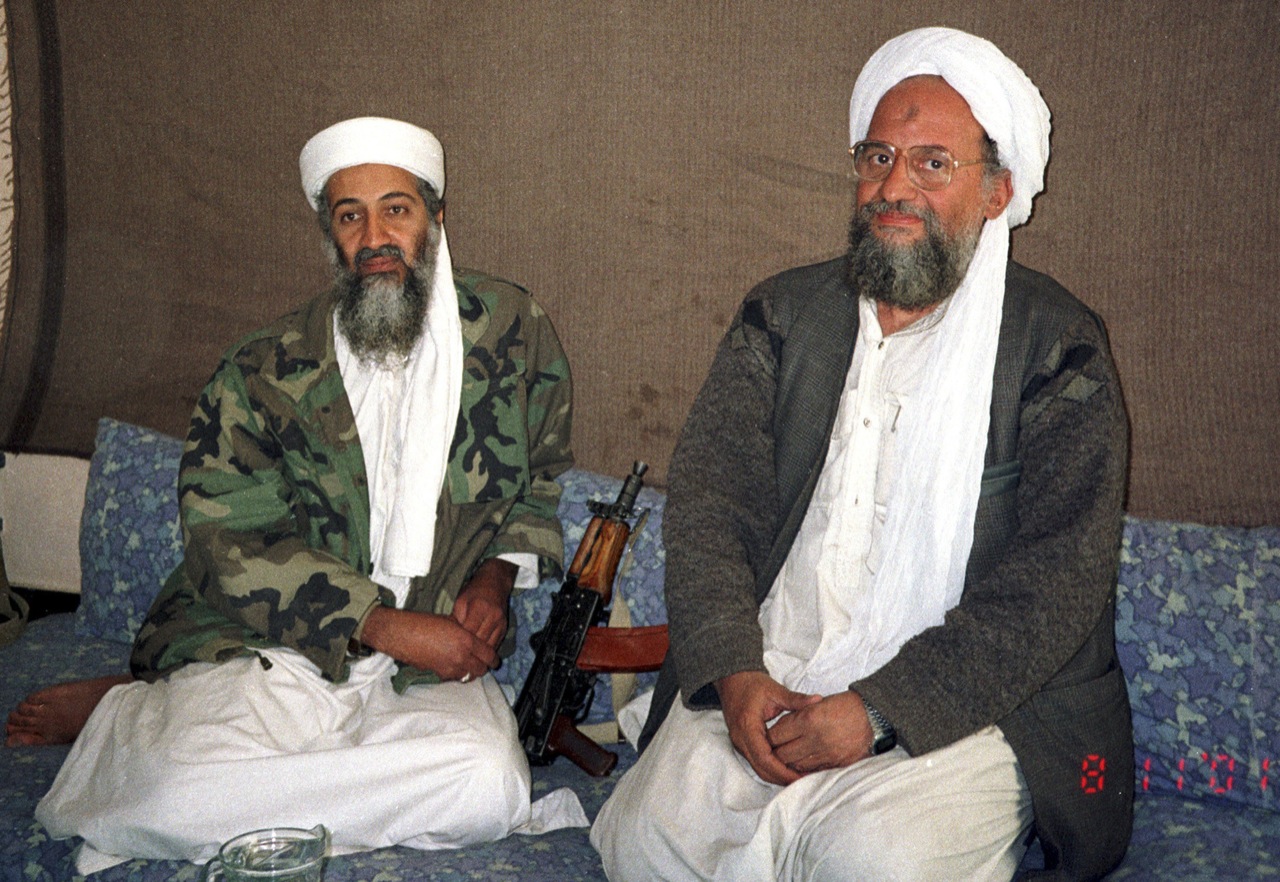
The U.S. killing of the al-Qaeda leader in Afghanistan was not justified in self-defense or under the international law of war or international human rights law. It looks more like an extrajudicial execu...
-
The Justice Department asserted that hostilities between the U.S. and al-Qaeda are ongoing to justify the time it is taking to facilitate Khan’s resettlement, months after he completed his sentence.
-
In 2014, the State Department said that “the test for any nation committed to [the Convention against Torture] and to the rule of law is not whether it ever makes mistakes, but whether and how it correct...
-
In the culmination of a manhunt that lasted almost 21 years, the U.S. government appears to have located and killed Ayman al-Zawahiri. Here are the legal questions the Biden administration likely worked ...
-
The future of a post-Zawahiri al-Qaeda rests in the hands of the terrorist group’s next leader, whomever that may be.
-
The success of the operation is a testament to the CIA’s unrelenting focus on terrorism over the past 20 years.
-
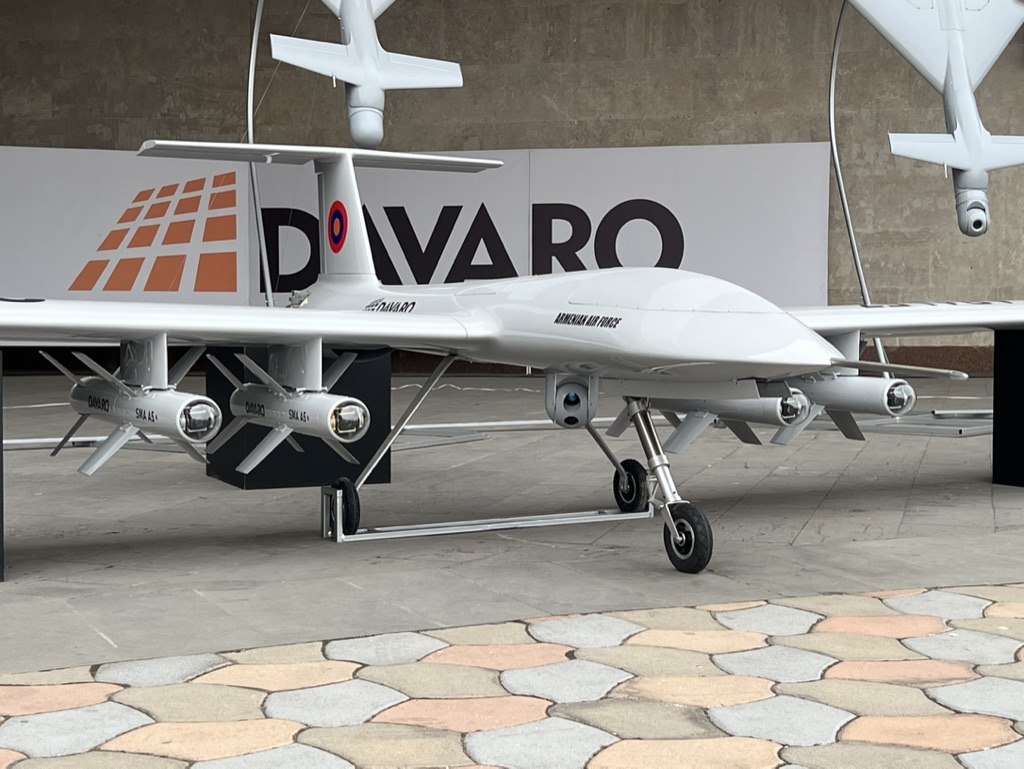
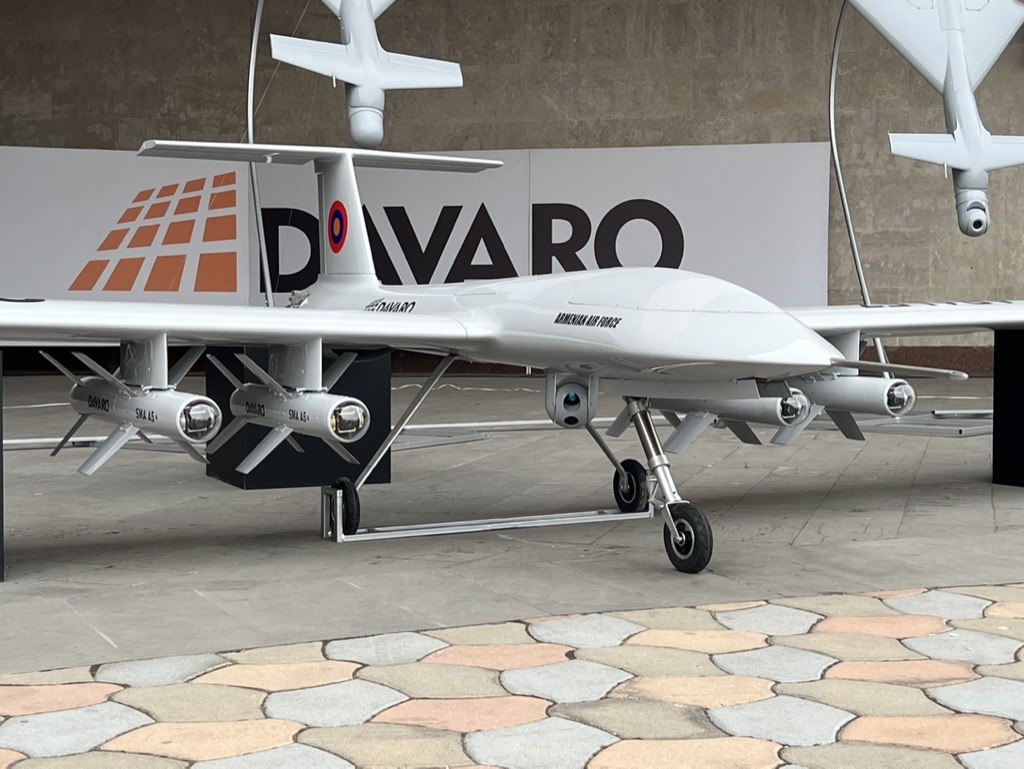
Ukraine needs more drones. How can the U.S. best supply them?
-
The order declares a national emergency to deal with the issues of wrongfully detained U.S. national and hostage-taking abroad.
-
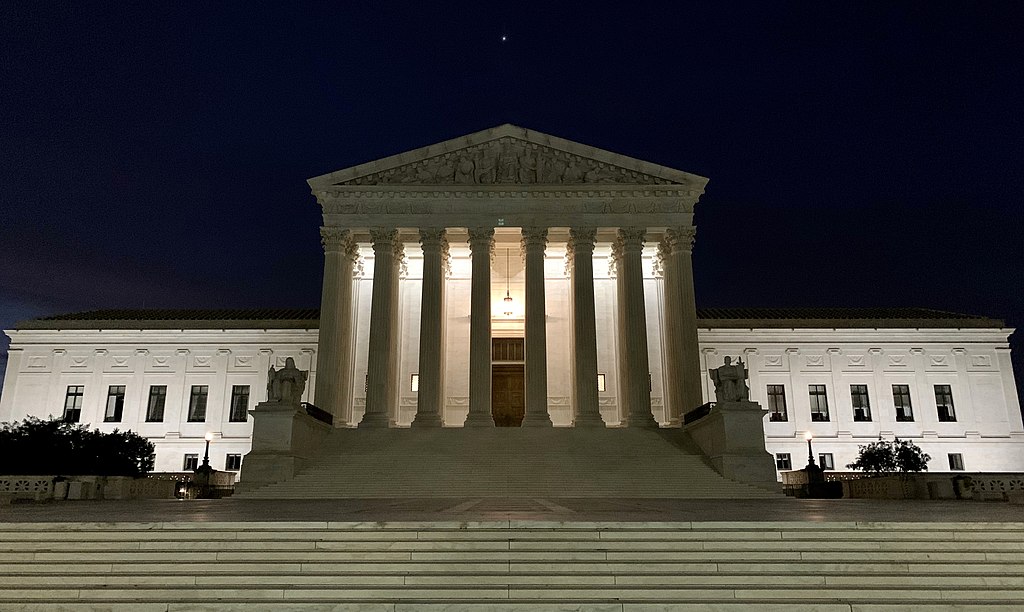
In Torres v. Texas Dep’t of Public Safety, the Court held that private suits against states are authorized under Congress’s war powers, carving out a new structural waiver exception to state sovereign im...
-
-
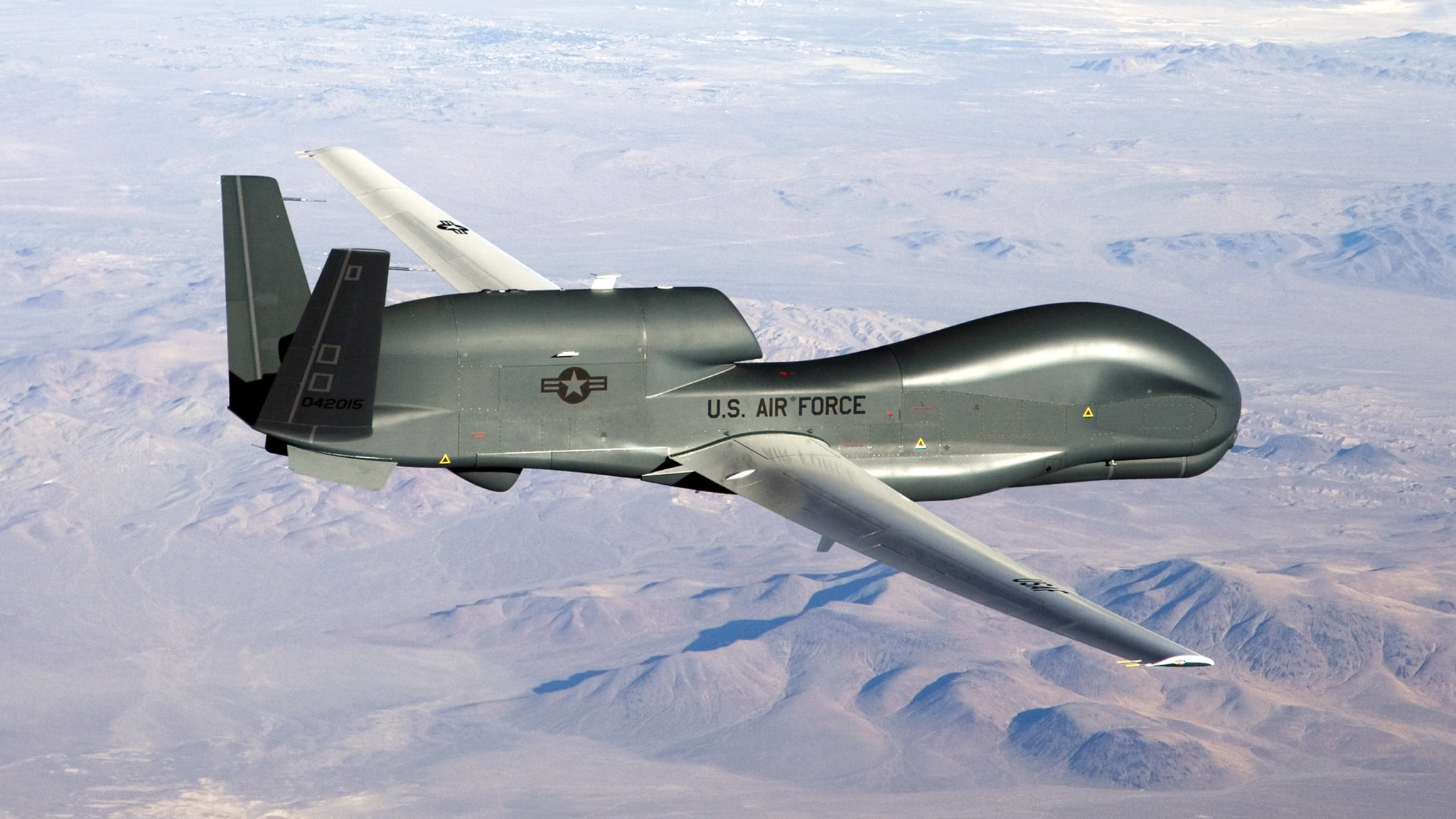
An appreciation of the effects of targeted strikes—as well as legal and ethical assessments of them—should guide decisions about whether, when, and where to conduct strikes.