-
If Congress is serious about bending the curve, it shouldn’t allow people to opt out of effective disease-surveillance programs.
-
Russia initially seemed largely unscathed by the pandemic. But the virus has since arrived in full force. How has the country responded?
-
The Canadian military reassesses its overseas footprint in response to COVID-19, and the Liberal government comes under pressure to adjust its China policy.
-
-
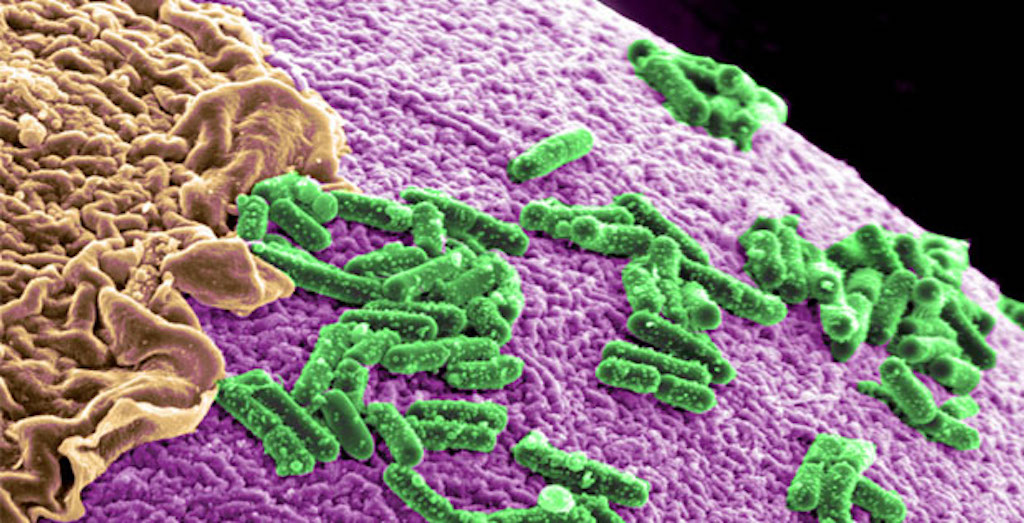
While biological weapons are banned under both the law of armed conflict and the Biological Weapons Convention, what about SynBio weapons that defy the classic “biological” label?
-
There are long-overlooked dangers embedded within the adoption of digital technologies—and as society shifts online during the pandemic, consumers and policymakers must figure out how to address those ri...
-
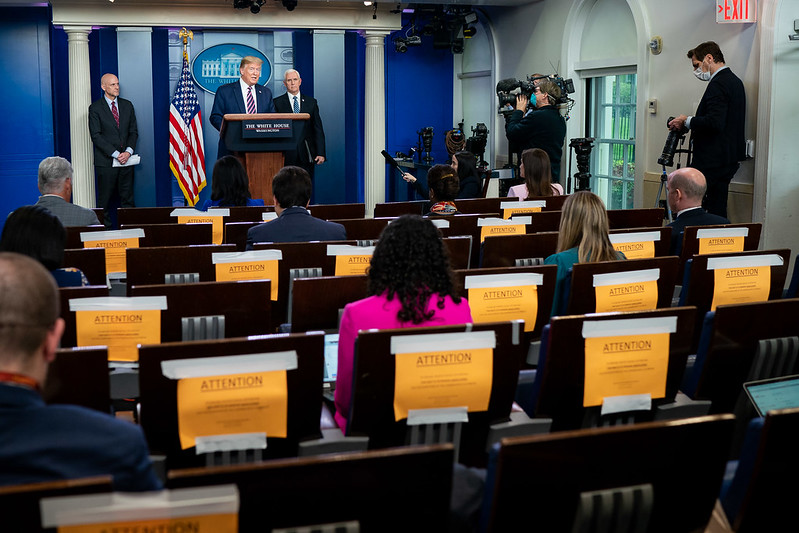
Conflicting statements from U.S. leaders are undercutting the credibility of U.S. intelligence on the coronavirus.
-
While Beijing’s responsibility for violations of international legal obligations seems evident, International Court of Justice precedent on causality and reparations will probably thwart any efforts to m...
-
In the U.S., efforts to develop digital contact-tracing systems have largely fallen to states and tech companies—though privacy advocates have voiced concerns about the invasiveness of such apps.
-
Attorney General William Barr’s suggestion that state and local pandemic policies violate the dormant Commerce Clause rings hollow.
-
The court invoked the nondelegation doctrine to require explicit statutory authorization of electronic surveillance.
-
With the coronavirus in every state and multiple territories, what emergency authorities do state and territory executives possess to address the public health crisis?