-
Sanctions are sometimes perceived as blunt tools with delayed effects. In the world of online influence, they can have precise and immediate effects, hitting malign actors and operations at their core.
-
An open letter by former secretaries of defense and chairmen of the Joint Chiefs of Staff represents a remarkable consensus on what core principles of civil-military relations are necessary for maintaini...
-
A review of Michelle Wilde Anderson, “The Fight to Save the Town: Reimagining Discarded America” (Simon & Schuster, 2022).
-
Trump’s challenge to the Mar-a-Lago search is based largely on Fourth Amendment claims. Those claims are unusual, interesting, ultimately meritless, and likely driven by strategic interests having little...
-
Though other courts have referred to the Capitol riot in passing as an “insurrection,” Judge Francis Mathew is the first to apply that term to the riot in a formal, rigorous way in a case against a New M...
-
A review of Julia Morse, “The Bankers’ Blacklist: Unofficial Market Enforcement and the Global Fight Against Illicit Financing” (Cornell University Press, 2021).
-
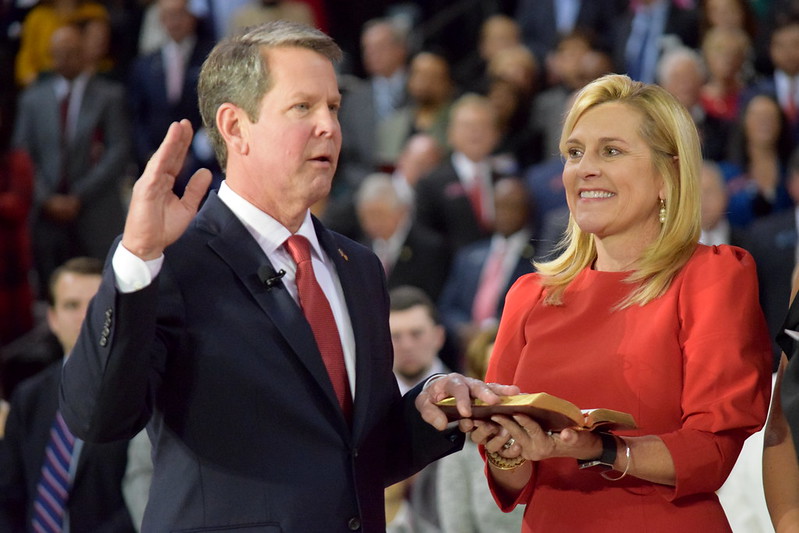
Governor Brian Kemp tries to evade testifying before the Georgia special purpose grand jury.
-
The committee promised to prove seven key points about the former president’s conduct. How did it do? A summary and evaluation of the committee’s evidence.
-
-
The newly released memo reveals the reasoning that then Attorney General Bill Barr relied on to decline to prosecute former President Donald Trump for obstruction of justice in the Mueller investigation.
-
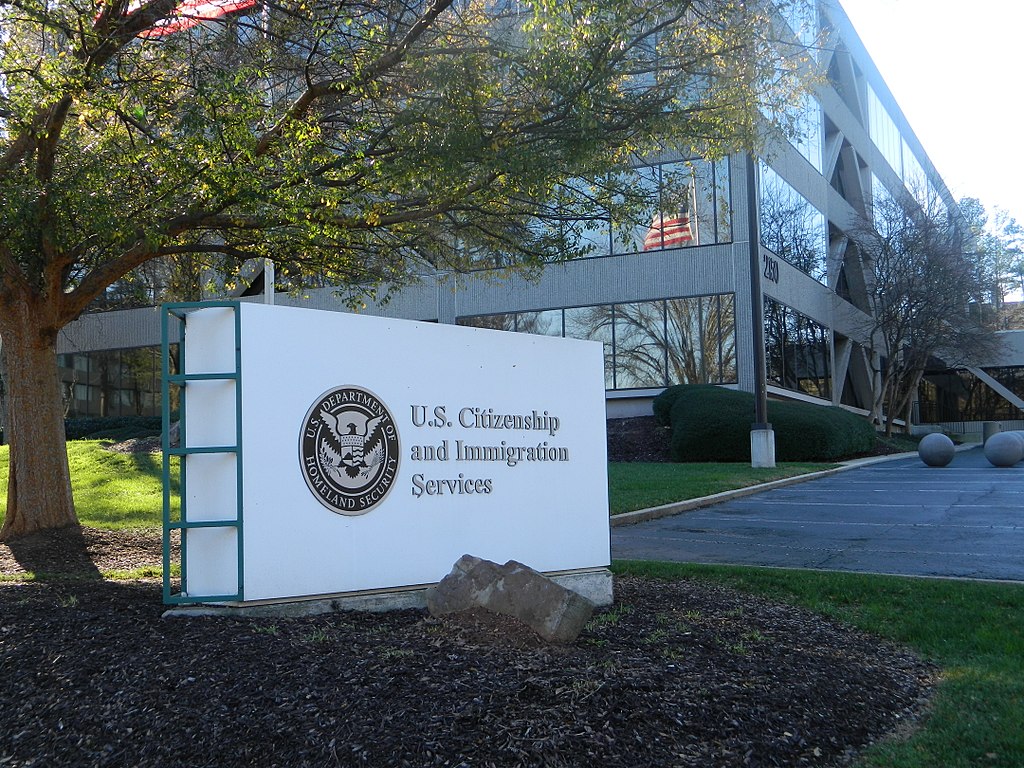
The executive branch has not just the authority to draw lines that set immigration enforcement priorities in order to advance homeland security objectives—it has the duty to do so.
-
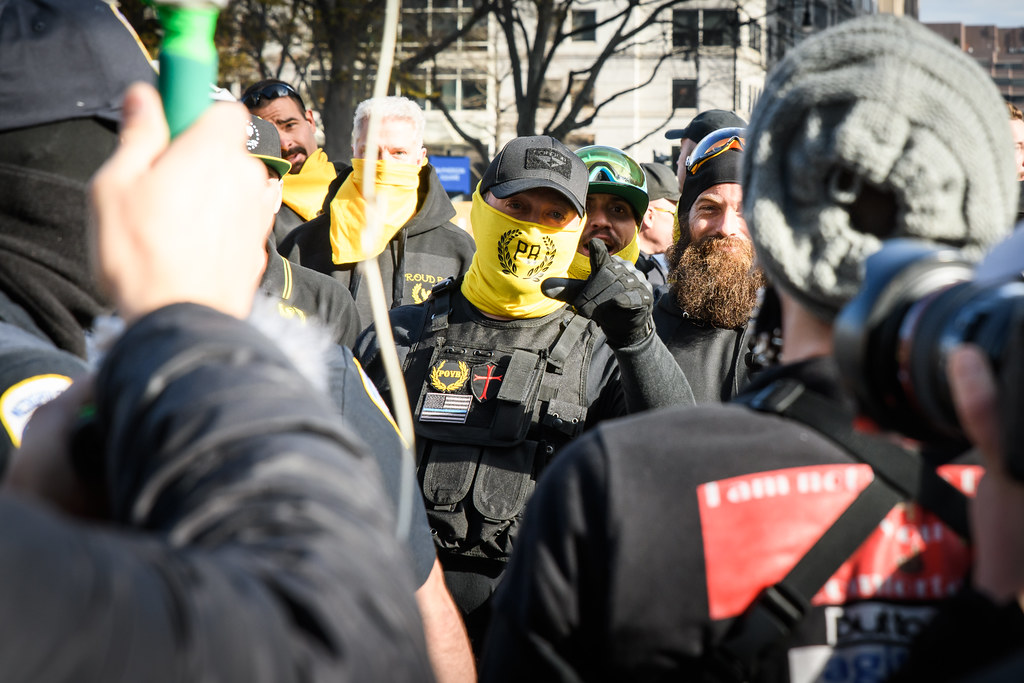
Many Jan. 6 defendants are seeking to move the locations of their trials to avoid alleged bias among jurors in Washington. Are they likely to succeed?