Latest in Cybersecurity & Tech
-

Addressing Media Capture
A framework for state media policy development in the digital domain. -
The Lawfare Podcast: Brian Fishman on Violent Extremism and Platform Liability
Earlier this year, Brian Fishman published a fantastic paper with Brookings thinking through how technology platforms grapple with terrorism and extremism, and how any reform to Section 230 must allow th... -
The Lawfare Podcast: Fionnuala Ní Aoláin on Regulating Spyware
To talk about spyware and its potential regulation under international law Senior Editor Alan Rozenshtein spoke with Fionnuala Ní Aoláin, the Robina Chair in Law, Public Policy, and Society at the Univer... -
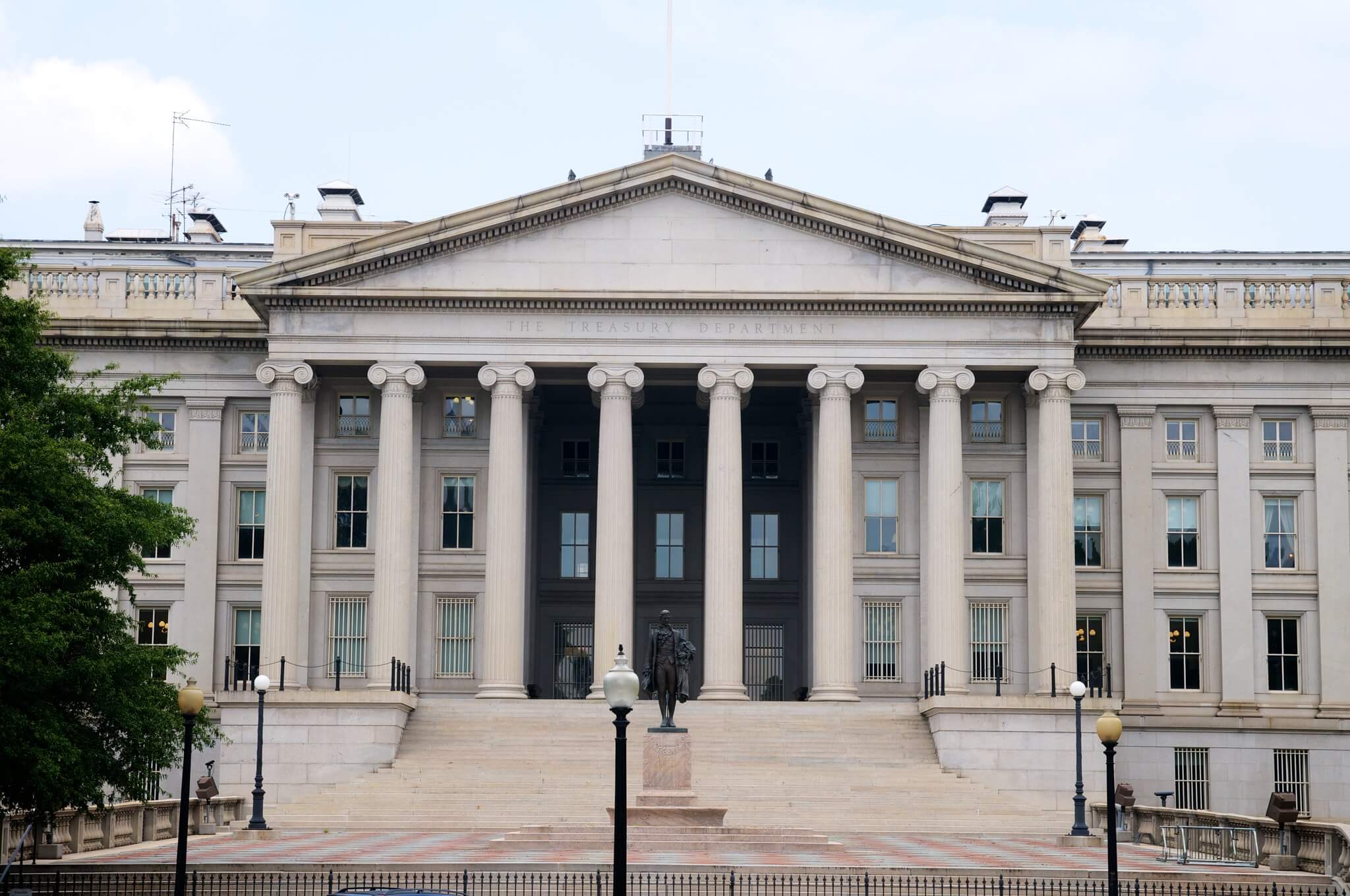
Tornado Cash Litigation Update
The Treasury Department defended its authority to sanction decentralized “smart contracts” used by North Korea to launder stolen funds. -
The Cyberlaw Podcast: How Worried Should We Be About “Existential” AI Risk?
-
A Digital Regulator Must Be Empowered to Address AI Issues
But not as the overseer of general-purpose AI. -
The Three-Body Problem: Platform Litigation and Absent Parties
Platform liability disputes typically involve three competing interests. So why are only two parties represented in litigation? -
The Lawfare Podcast: Bridget Dooling and Mark Febrizio on Robotic Rulemaking
Alan Rozenshtein sat down with Bridget Dooling and Mark Febrizio to discuss how generative AI might intersect with rulemaking by federal agencies. -
ChinaTalk: Sen. Warner on the RESTRICT Act, AI, Bipartisanship on China and a New Era of Intelligence
-
Can Better Training Reduce the Success Rate of Phishing Attacks?
A review of Arun Vishwanath, “The Weakest Link: How to Diagnose, Detect, and Defend Users From Phishing Attacks” (MIT Press, 2022) -
Who Gets the Algorithm? The Bigger TikTok Danger
Fixing the app’s privacy issues may not address a larger problem—the Chinese government’s continued access to the algorithm. -
911? We Have an Emergency: Cyberattacks On Emergency Response Systems
Unsecured 911 services can be exploited to sow distrust in the U.S. government among the American public.


.jpg?sfvrsn=fa287aaa_3)
.jpg?sfvrsn=5d6c6522_1)
Topics