Latest in Cybersecurity & Tech
-

Importance of Standards to National Security
The U.S. is neglecting technology standard setting. That’s a mistake. -
Global Technology Products, U.S. Security Policy, and Spectrums of Risk
Some policymakers are declaring non-U.S. tech companies, products, and services a risk to U.S. security—and proposing bans in response. But before barreling ahead, policymakers need to consider several q... -
Global Technology Products, U.S. Security Policy, and Spectrums of Risk
Some policymakers are declaring non-U.S. tech companies, products, and services a risk to U. -
It Was Smart for an AI
ChatGPT says it won’t write offensive content. We set out to test whether that’s true. -
It Was Smart for an AI
ChatGPT says it won’t write offensive content. We set out to test whether that’s true. -
The Lessons of the Electoral Count Reform Act: Next Steps in Reform
What recent successful governance reforms teach about future reforms of the presidency. -
The U.N. Cybercrime Convention Should Not Become a Tool for Political Control or the Watering Down of Human Rights
Negotiations for a U.N. cybercrime convention have entered a critical stage. U.N. member states disagree on what “cybercrime” means and what should be the human rights safeguards of the future convention. -
Defense Department Updates Autonomous Weapons Systems Directive
On Jan. 25, the DoD updated its directive on “Autonomy in Weapons Systems,” the guiding document for U.S. development, implementation, and supervision of autonomous and semi-autonomous weapons systems. -
Justice Department Thwarts ‘Hive’ Ransomware Scheme
The Justice Department announces a successful campaign countering ransomware attacks by the Hive cybercriminal network. -
Assessing Impacts of AI on Human Rights: It’s Not Solely About Privacy and Nondiscrimination
Artificial intelligence can significantly impact human rights—both positively and negatively. Human rights impact assessments conceived specifically for AI are needed to prevent potential harms and reap ... -
How Can a ‘Digital Emblem’ Help Protect Medical Facilities Against Cyber Operations?
On the battlefield, every soldier knows what a red cross or red crescent stands for. As warfare is increasingly digitized, is it possible to digitize this universal symbol of protection as well? -
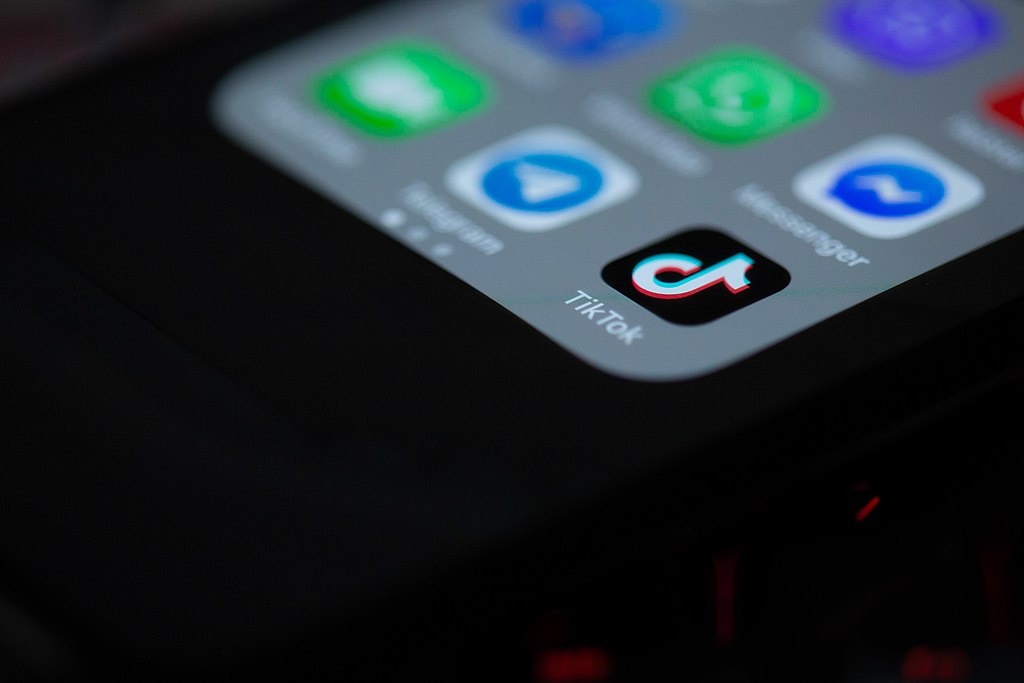
Project Texas: The Details of TikTok’s Plan to Remain Operational in the United States
Last week, senior TikTok executives held a private briefing to review the details of Project Texas and the contours of the national security agreement it is negotiating with the U.S. government.



_-1_0-(1).jpg?sfvrsn=5ab12ba5_3)
_-1-jpg.jpg?sfvrsn=770bc581_0)
.jpg?sfvrsn=fd262d7d_3)




Topics