Latest in Cybersecurity & Tech
-

Rational Security: The “Ms. Jackson, if You’re Nastya” Edition
This week, Scott Anderson and Alan Rozenshtein sat down with Anastasiia Lapatina and Tyler McBrien. -
Laying the Legal Foundation for Civilian Cyber Corps
Cyber volunteers are defending the U.S. against rising cyber threats—the law can help or hinder their effectiveness. -
Lawfare Daily: ‘How Elon Musk Destroyed Twitter’ with Kate Conger and Ryan Mac
Why did Elon Musk buy Twitter? -
Stitching Together the Cybersecurity Patchwork Quilt: Infrastructure
Initiatives on connected products and critical infrastructure reflect an understandable incrementalism, but gaps need to be filled—urgently. -
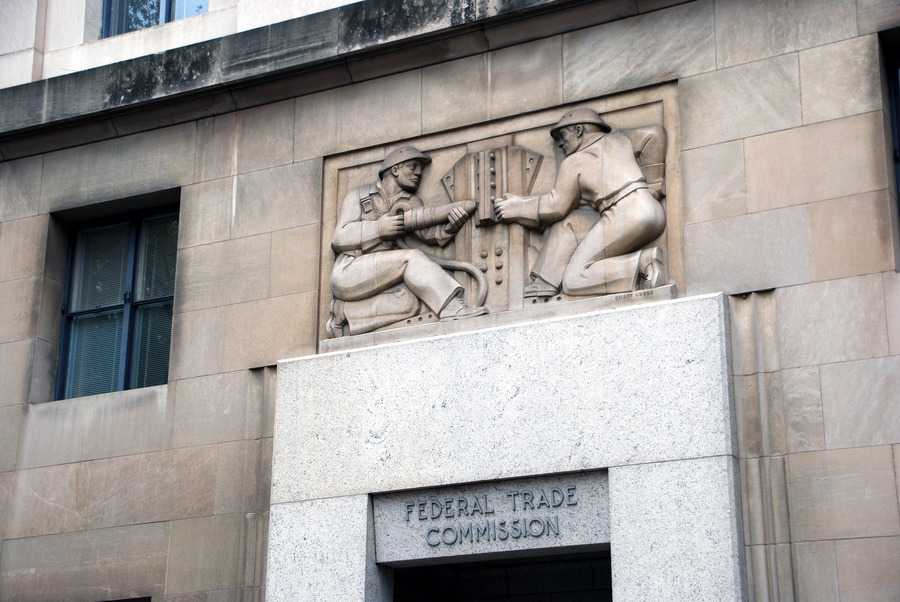
A Compromise to Fund the Federal Trade Commission’s Office of Technology
As consumer protection concerns increase, Congress seems set on defunding the very office meant to address them. -
Lawfare Daily: Jane Bambauer, Ramya Krishnan, and Alan Rozenshtein on the Constitutionality of the TikTok Bill
What happened at oral arguments in TikTok v. Garland? -
The Business of Battle: The Role of Private Tech in Conflict
Tech companies involved in armed conflict need to engage in dialogue with governments to understand the risks of wartime support. -
AI Risk and the Law of AGI
New legal proposals designed to prevent the misuse of AI are welcome but insufficient as leading AI companies race toward artificial general intelligence. -
Uncertainty, Catastrophic Risk, and AI Regulation
The future risks of AI are uncertain and hard to quantify, but that doesn’t mean policymakers shouldn’t address them now. -
ChinaTalk: R&D Renaissance with Kumar Garg
-
TechTank: What do Vance and Walz have to say about tech policy?
-
Lawfare Daily: Gharun Lacy Talks State Department Cybersecurity
Discussing the Diplomatic Security Service's cybersecurity work.






Topics