Latest in Executive Branch
-

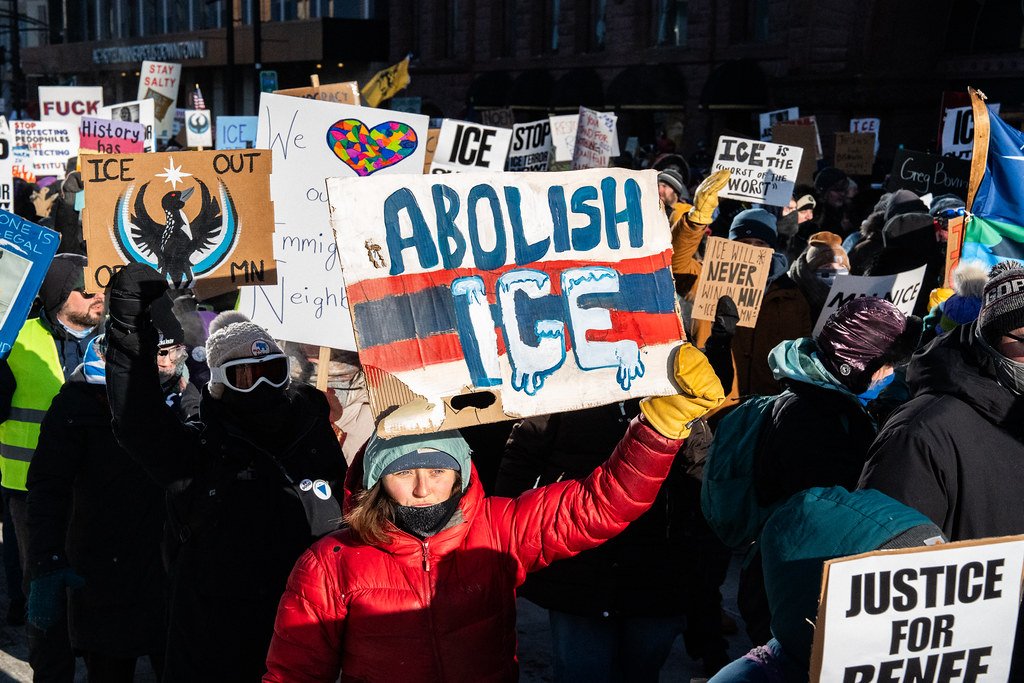
Cities Church Arraignment Signals Early Battles Over FACE Act and § 241
The hearing for Don Lemon and codefendants foreshadowed disputes over complex-case designation, grand jury disclosure, and the government’s handling of digital evidence. -
Lawfare Live: The Trials of the Trump Administration, Feb. 13
Join the Lawfare team at 4 pm ET for a discussion of the litigation surrounding the Trump administration. -
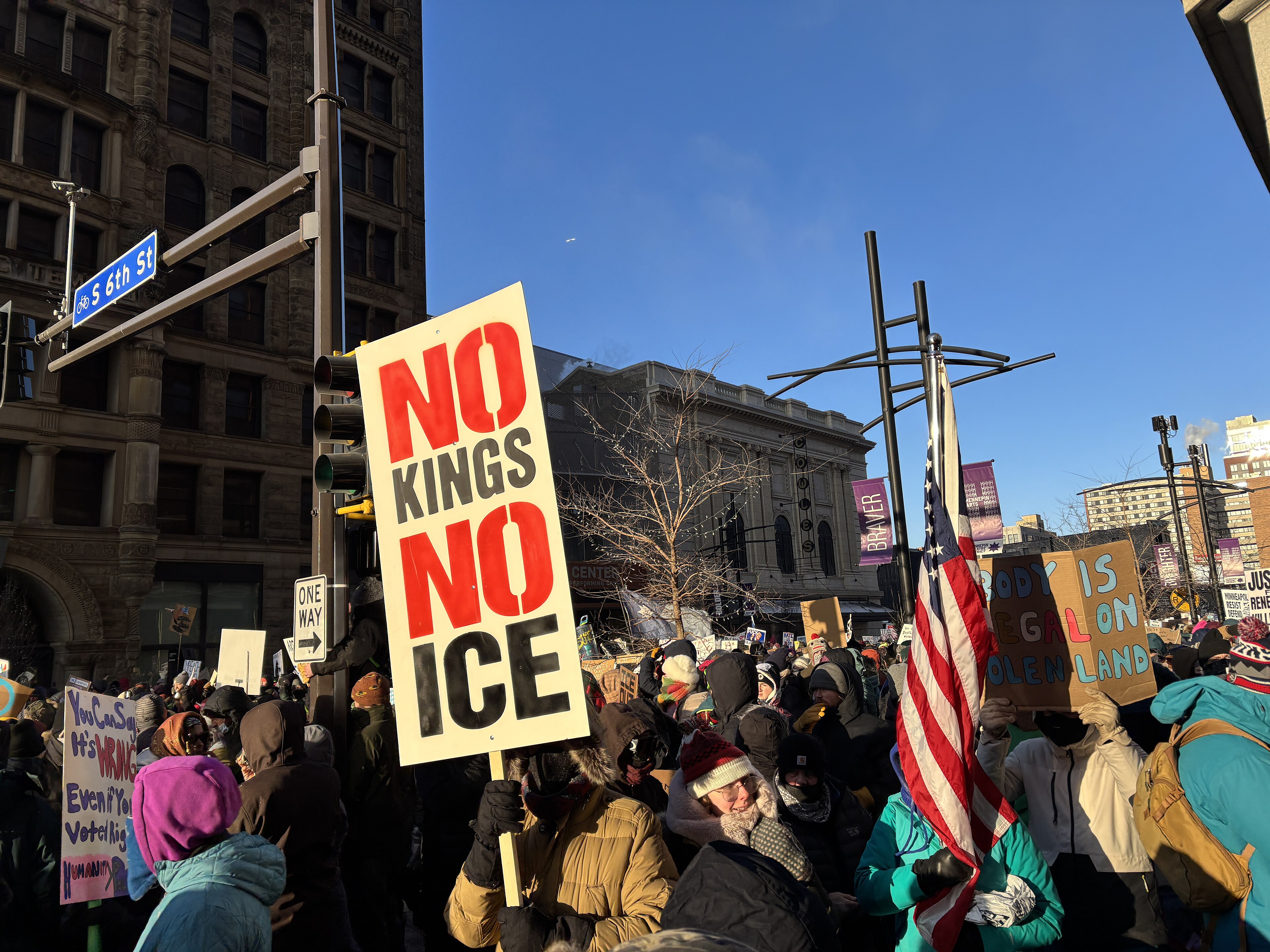
'When Life Gives You Lemons': A Minnesota Case Study in How the Trump Administration Warps Justice
The bizarre saga that unfolded in the weeks leading up to Don Lemon’s indictment illustrates just how far the Justice Department has fallen. -
The Situation: Grand Juries in Savage Times
They really are an important civil liberties protection. -
Trump’s $100K H-1B Visa Fee May Be Here to Stay
Breaking down a federal judge’s decision upholding Trump’s hefty fee on visas for high-skilled workers, now under appeal. -
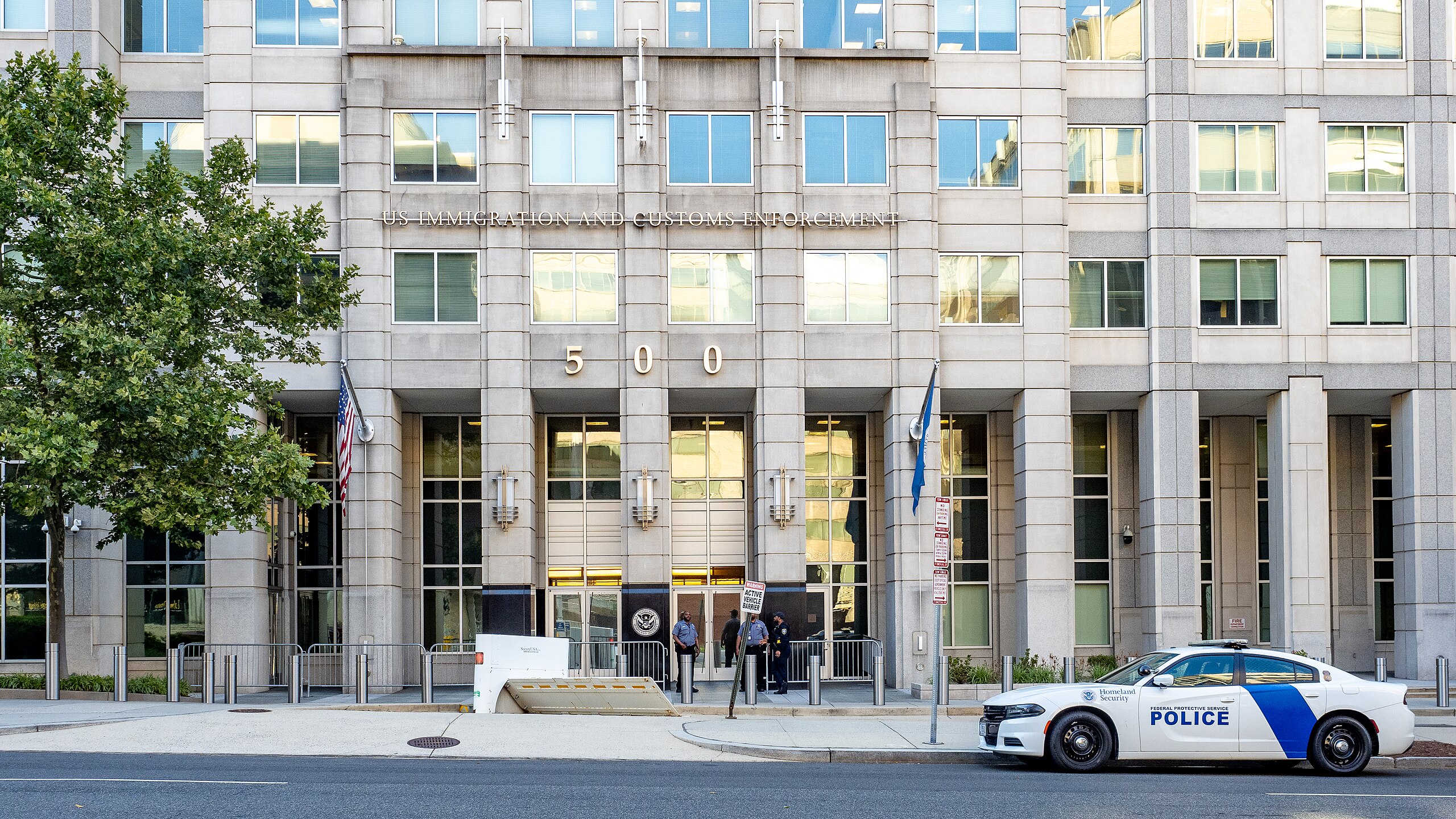
Lawfare Daily: What To Expect on the Immigration Front in Year 2 of Trump's Second Term
What might the Trump administration's immigration policy look like in 2026? -
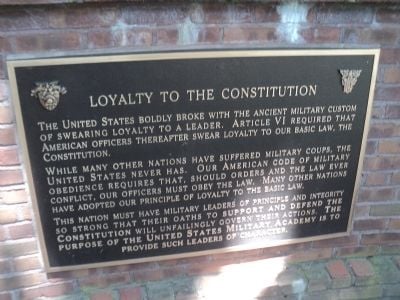
Senior Government Lawyers Are Shirking Ethics Rules With Impunity
State courts and bar associations must counter false—and dangerous—claims that state ethics rules don't apply to high federal officials. -
Lawfare Daily: The Trials of the Trump Administration, Feb. 6
Listen to the Feb. 6 livestream as a podcast. -
Lawfare Live: Trials of the Trump Administration, Feb. 6
Join the Lawfare team at 4 pm ET for a discussion of the litigation surrounding the Trump administration. -
Latest NDAA Supports AI Safety, Innovation, and China Decoupling
This year’s defense bill made many significant changes to U.S. AI policy. -
Rational Security: “The Story of Three Warrants” Edition
Scott Anderson, Molly Roberts, Michael Feinberg, and Troy Edwards talked through the week’s big warrant-related national security news. -
Lawfare Daily: The U.S. Plan for Venezuelan Oil Revenue
What is the U.S. plan for managing Venezuelan oil and why is Qatar involved?
.png?sfvrsn=48e6afb0_5)


Topics